
Medan Kota: A Practical Guide to Medan's City-Center District

Medan Kota is the right base for a first or last night in Medan, not for a resort-style stay. It is the city-center district of Medan, the capital of North Sumatra and the largest city on Sumatra, and it holds the pair of Deli Sultanate monuments most visitors come for. This guide stays inside the district: what to see, where to eat, who it suits and who it does not, and how to move around it.
Plan the district around two constraints rather than a checklist. The first is heat: the center is dense and walking between sights takes longer than the map suggests. The second is traffic, which turns short hops into slow ones, so group the palace and mosque into one stop and treat everything else as a separate outing.
What Medan Kota Is, and How It Differs From the Wider City
Medan Kota is one district within a city of roughly 2.5 million people, so do not expect it to represent all of Medan. The wider city spreads through districts with their own characters, from the heritage streets of Kesawan to the quieter residential grids north and west, and each rewards a different kind of stay.
What distinguishes the center is density of history. Medan grew as a hub for local princes, rubber planters and Chinese traders, and that commercial past is visible in the 19th-century buildings that survive among the modern blocks. The district reads as a working Indonesian city center first and a sightseeing zone second, which is exactly why some travelers like it and others don't.
Where the District Sits and How You Reach It
Most foreign visitors arrive through Kualanamu International Airport (KNO), outside the city in Deli Serdang, then continue into Medan by road. Airport transfer times vary with the hour, so ask your accommodation what it recommends and build in a buffer for the city's traffic rather than trusting a fixed estimate.
Getting around the center is easiest with ride-hailing apps such as Grab or Gojek, or with a metered Bluebird taxi flagged on the street. For a half day covering several stops, a private driver arranged through your hotel removes the waiting time between them. None of these options publishes a rate you can rely on in advance, so confirm the fare in the app or agree the price before you set off.
Character and Who It Suits
Medan Kota suits travelers who want the Deli Sultanate sights, colonial-era architecture and street food within a short radius, and who accept heat, noise and ordinary city comfort as the price. It does not suit anyone hoping for a calm, walkable, resort-style base with pools and quiet evenings; the districts further from the center serve that better.
The district's cultural texture comes from its mix of communities. Medan's population spans Malay, Chinese, Indian, Batak and Javanese residents, and that layering shows up in the food, the places of worship and the trading streets more than in any single monument. Read the center as a trading city that happens to have a palace, not a museum piece.
Istana Maimun: The Deli Sultanate Palace
Istana Maimun on Jalan Brigjend Katamso is the district's headline sight. The palace was built in the late 19th century for Sultan Ma'mun Al Rashid Perkasa Alamyah to a design by the Dutch architect Theodoor van Erp, and its interiors mix Malay, Indian, Islamic, Spanish and Italian furnishings rather than following one style. That blend is the reason to go in rather than photograph the facade and leave.
Allow about an hour for the palace itself, and treat it as half of a paired stop rather than a standalone trip. Ticket prices and opening days are not something to guess at; check with the palace or your accommodation on the day, since published visitor information is thin.
Masjid Raya Al-Mashun, Directly Across the Road
Masjid Raya Al-Mashun on Jalan Sisingamangaraja sits across from the palace, which is what makes the two a single outing. The mosque is one of Medan's landmark buildings, distinguished by its ornate architecture and its role as a center of local Islamic life rather than a monument kept only for visitors.
Because it is an active place of worship, time your visit around prayer rather than pushing through, and check access rules on arrival. Budget the pair together, palace then mosque, and you have used the district's most valuable hour and a half without crossing the city twice.
Old Town and the Colonial Streets
The 19th-century trading city survives in fragments across the center, and the heritage core most associated with it is the Kesawan area. Walking it is the point: look for the old shophouses and commercial buildings layered among modern fronts, and accept that the center is not a preserved colonial quarter but a working city with history still standing in it.
Walkability in the heat is the real constraint on any old-town plan. Do the streets early, break for food or a cafe in the middle of the day, and resume later rather than trying to cover the center in one push. Comfortable shoes and water matter more here than a detailed route.
Temples and Museums: Check the Map Before You Go
Medan has significant Chinese-Buddhist temples, and Vihara Gunung Timur is the one most often cited as a center of the city's Chinese community. Another frequently mentioned site is the Maha Vihara Maitreya, completed in 1991 and used both as a place of worship and a visitor sight. Both are in the wider Medan area rather than confirmed inside Medan Kota's boundaries, so check the address against a map before you commit a morning to one.
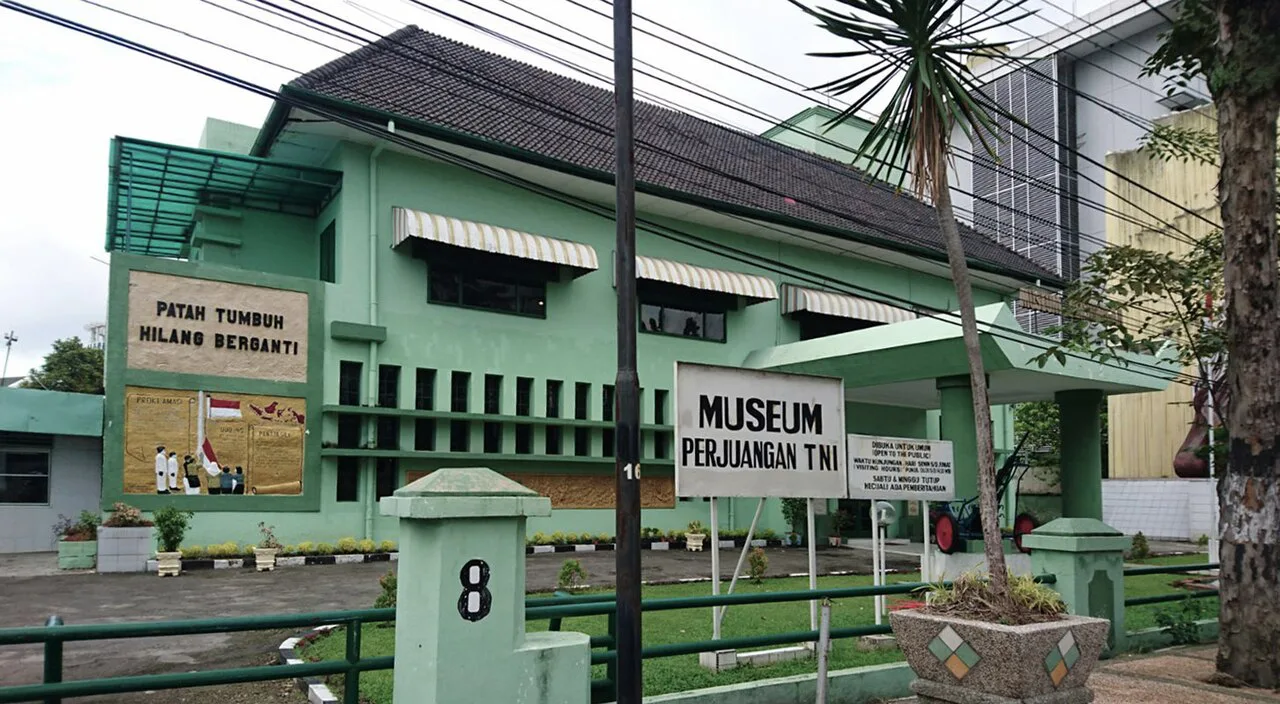
The North Sumatra Museum is the district's main indoor option, with collections covering the region's history, culture and natural history. Its hours are not published in any source worth relying on, so call or ask your hotel before setting out. It also doubles as a sensible heat-of-the-day stop when the streets get uncomfortable.
Markets: Pasar Petisah and the Main City Market
Pasar Petisah on Jalan Rahmadsyah is a working market worth a browse for local produce and prepared food, and it is the kind of stop that fills an hour rather than an afternoon. Reports also place a large main market near Centre Point Mall, though which district that falls in is worth confirming on a map before you build a plan around it.
Markets here are a food stop as much as a shopping one. Medan's reputation for diverse cooking comes from its immigrant communities, so buying ready-made food at a market stall is a reasonable way to sample it without committing to a restaurant. Bring cash in rupiah and go in the morning when the market is at its liveliest.
Where to Eat in Medan Kota
Soto Medan is the dish to start with: a coconut-milk soup with the city's name on it. Satay and nasi goreng are the reliable everyday orders, and bika ambon, a honeycomb-textured cake, is the sweet thing to take away. Local coffee is everywhere in the center, which makes an afternoon cafe stop an easy way to break up a sightseeing day.
Specific restaurants, warungs and cafes change hands and change hours, and none is confirmed here. Read the street where you are staying, ask at your accommodation for what is open that day, and eat where the local crowd is. Prices at street stalls move, so check with the vendor rather than budgeting from an old guidebook.
Where to Stay: Inside the District or Outside It
Staying inside Medan Kota puts the palace, the mosque and the old streets within a short ride, which is the point of a one-night stopover before heading to Lake Toba or the highlands. The trade-off is that central nights are noisier and the hotels tend toward functional rather than polished, so light sleepers should look elsewhere.
Staying outside the district, in areas such as Medan Baru or Polonia, buys quieter nights and more comfortable rooms at the cost of a ride into the sights each time. Pick based on how many nights you have: two or more and the quieter base wins; one night before an onward trip and the center is more efficient.
Getting Around: Heat, Traffic and Realistic Buffers
Ride-hailing apps are the default for short hops in the center, and metered taxis work as a backup when the app is slow to find a driver. For a full day of sights, a private driver removes the repeated waiting and lets you cover the district and one outlying stop without renegotiating each leg.
Whichever you choose, pad your timings. A short distance across the center can take far longer than the map implies during busy hours, so schedule the palace and mosque first, when you are fresh, and leave the market and museum flexible. If you are heading onward to the airport or to Lake Toba, leave margin rather than cutting it fine.
How Much Time Medan Kota Needs
A half day covers the paired stop at Istana Maimun and Masjid Raya Al-Mashun plus a walk through the heritage streets and one food break. A full day adds the North Sumatra Museum, a market visit and a proper sit-down meal, which is about the right amount for the district without running out of things to do.
Most travelers treat Medan Kota as a first or last night in a Medan-plus-Lake-Toba trip rather than a destination in itself. One night central gives you the Sultanate sights and an early start onward; a second night is worth it only if you want the museums and the markets at a relaxed pace.
Is Medan Kota Worth a Night of Your Trip?
Yes, for one night, if the palace and mosque are on your list and you want them without a long commute. Book a central room, pair Istana Maimun with Masjid Raya Al-Mashun across the road, walk the old streets in the morning and eat soto for lunch, then move on.
If you want quiet evenings, a pool and space to unwind, base yourself outside the district and visit Medan Kota as a day trip instead. Either way, check opening details for the palace, mosque and museum directly before you go, since published visitor information changes and is not always current.
Explore more Medan guides
Frequently Asked Questions
Is Medan Kota the same as Medan?
No. Medan Kota is one district within Medan, the capital of North Sumatra and the largest city on Sumatra. The wider city includes other districts with different characters, so a page about Medan Kota covers only the city-center sights and streets, not the whole city.
What is Medan famous for?
Medan is known for its Deli Sultanate heritage, above all Istana Maimun and the Masjid Raya Al-Mashun facing it, for 19th-century colonial-era buildings left by its trading past, and for a food culture shaped by Malay, Chinese, Indian, Batak and Javanese communities. It is also the usual gateway for trips onward to Lake Toba and the North Sumatra highlands.
Do I need a car in Medan Kota?
No. Ride-hailing apps, metered taxis and short walks cover the center, and a private driver is only worth arranging if you plan several stops in one day. Traffic is the limiting factor rather than distance, so allow extra time between sights instead of trying to drive yourself.