Bali Coffee Plantation Guide: Which to Visit & What to Expect
Choose a Bali coffee plantation by area, time and budget. Tasting costs, luwak ethics, route fits and mistakes to avoid. Check venue details before you go.
On this page
Last updated November 2026: a Bali coffee plantation visit usually means a short garden walk, a tasting set and a shop, and the right pick depends on where you sleep. Ubud and Tegalalang suit quick detours, while Kintamani suits travelers ready for a longer day. Rates and hours change often, so this guide gives the decision logic and tells you what to confirm with each venue.
Quick answer: which Bali coffee plantation to visit
Choose by base and time, not by the loudest listing. Ubud-based travelers get the easiest fit from plantations near Ubud and Tegalalang. Search snippets name Bali Pulina near Ubud and Segara Windhu as popular venues. Confirm that each is open to visitors before you build a day around it. Seniman Coffee appears in results as a store, so treat it as a cafe stop, not a plantation.
| Traveler type | Best fit | Why |
|---|---|---|
| Short on time, based in Ubud | Ubud or Tegalalang area (verify venue) | Least driving between stops |
| Coffee enthusiast | Kintamani area (verify venue) | Longer day, arabica-growing highlands |
| Family with kids | Ubud area garden with seating (verify) | Short walk, easy to leave early |
| On a day tour | Whatever your itinerary includes | Ask your operator which plantation it uses |
| Strict budget | Skip, or pick a free-tasting venue (verify) | Tasting terms vary by venue |
Compare the main Bali coffee plantation areas
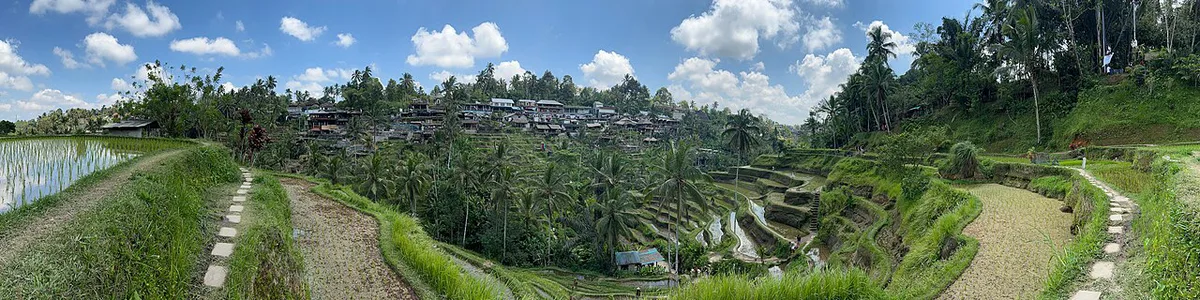
Three areas cover most visits. Ubud and Tegalalang sit on the common sightseeing loop. Kintamani is a longer excursion into the highlands. North Bali is a bigger commitment, usually only worth it if you are already heading toward Lovina. Drive times and traffic on the Ubud corridor vary by day, so check a live map the morning you go. For regional context, see the official Indonesia Travel site.
| Area | Typical visit length | Drive-time friction | Best paired with | Who it suits |
|---|---|---|---|---|
| Ubud / Tegalalang | Verify | Verify; traffic on the Ubud corridor | Rice terraces, Ubud sights | Short on time |
| Kintamani | Verify | Verify; longer drive | Highland viewpoints | Coffee nerds, full-day travelers |
| North Bali | Verify | Verify; long drive | Lovina corridor | Travelers already heading north |
What happens on a visit and what it costs
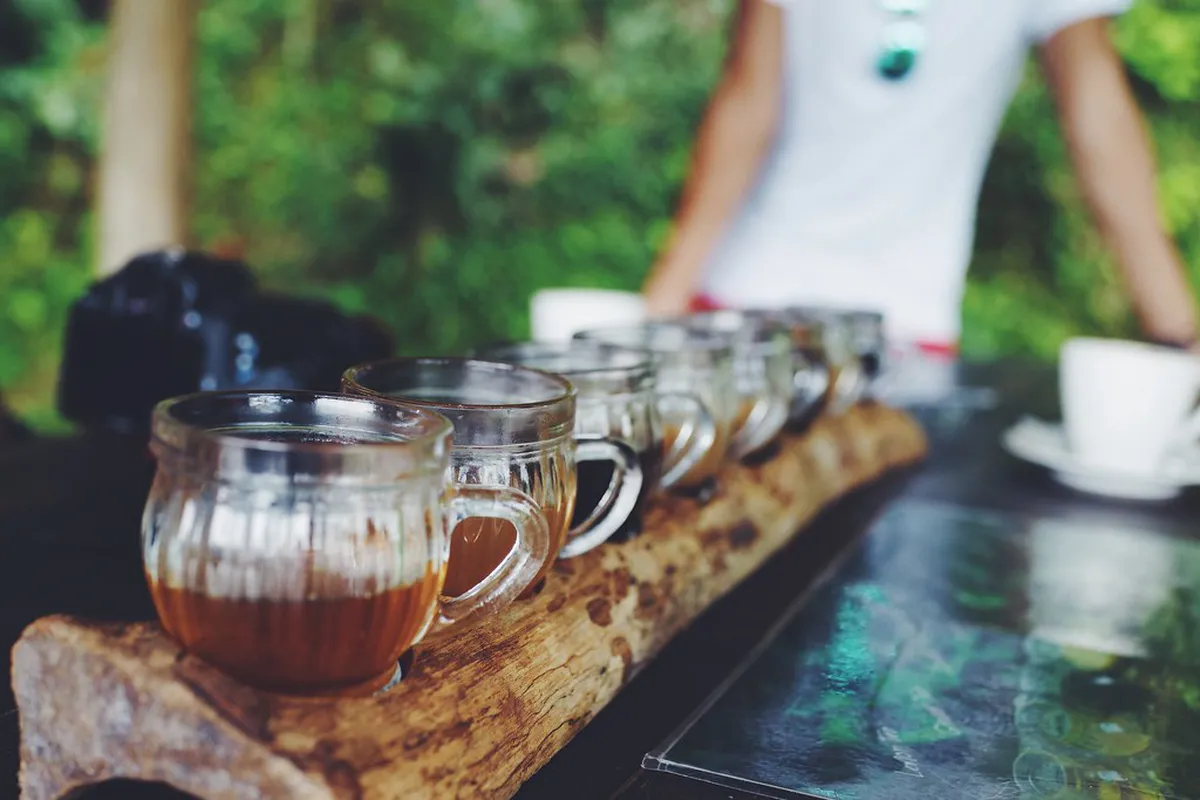
Expect a guided walk past coffee plants, then a seated tasting. Arabica and robusta are the two main species you will hear about. Many plantations also grow cacao and spices, such as ginger or lemongrass, and show them along the path. Staff then explain roasting, often by hand, before the tasting. Search snippets mention free tastings, no pressure to buy, and opening around 9 or 10 AM with closing near 5 PM. Treat those as unverified until the venue confirms them. Ask three things before you arrive: is the tasting free or paid, is a guided tour included, and are cards accepted. Published rates change, so check the venue's current price list rather than relying on a blog figure.

Luwak coffee: what to know before you pay
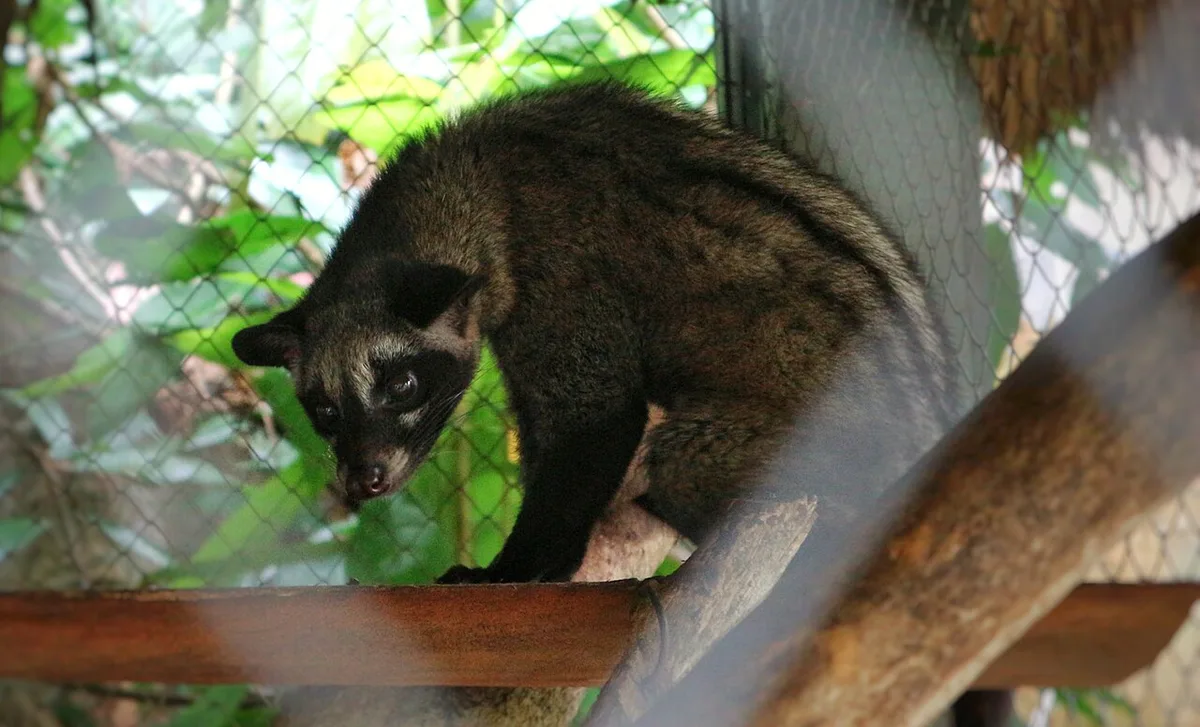
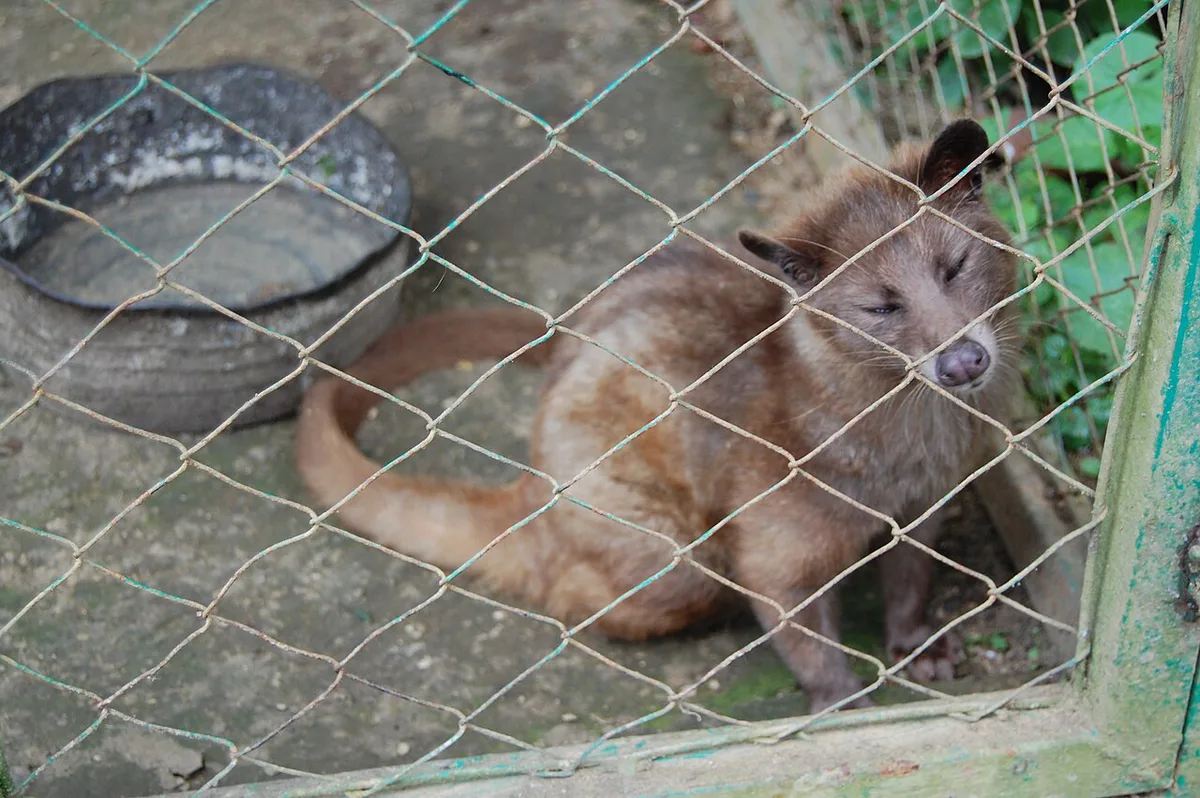
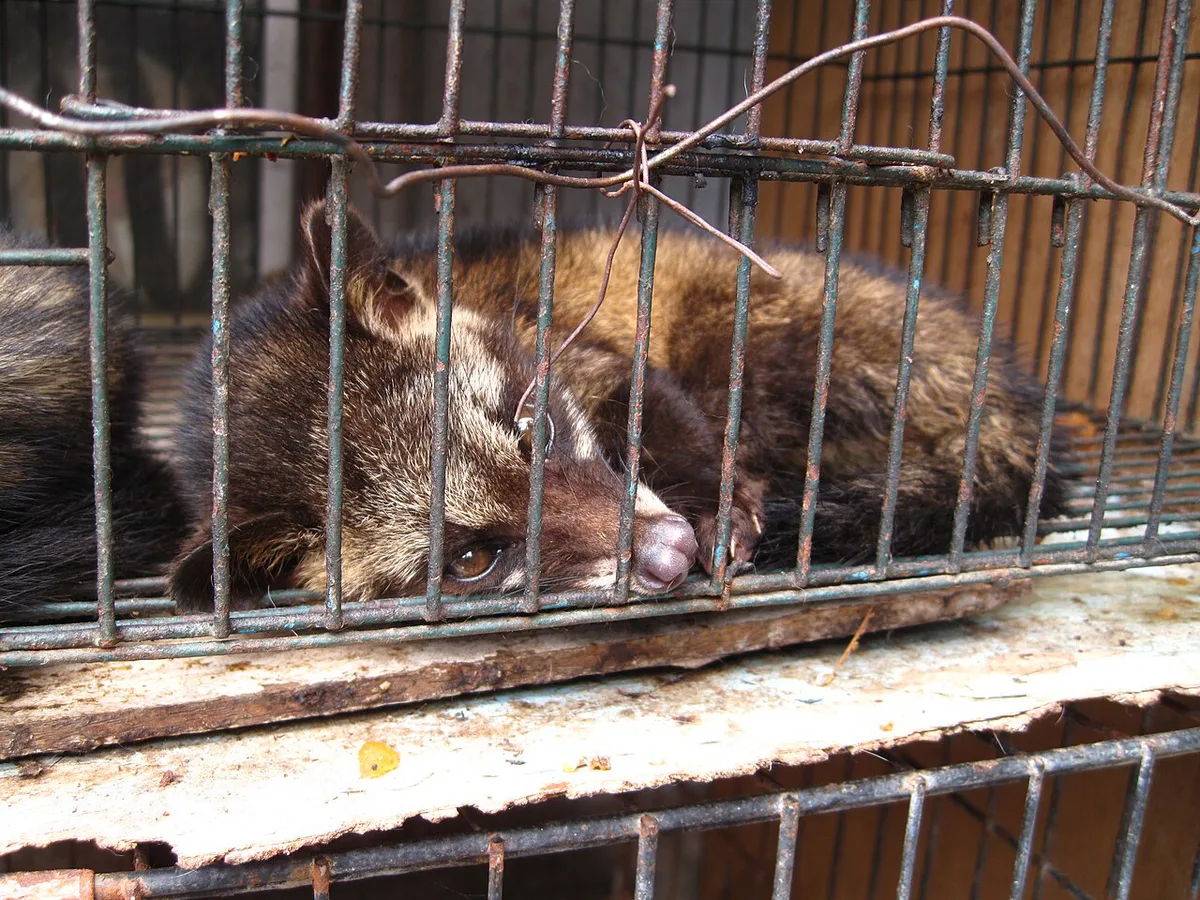
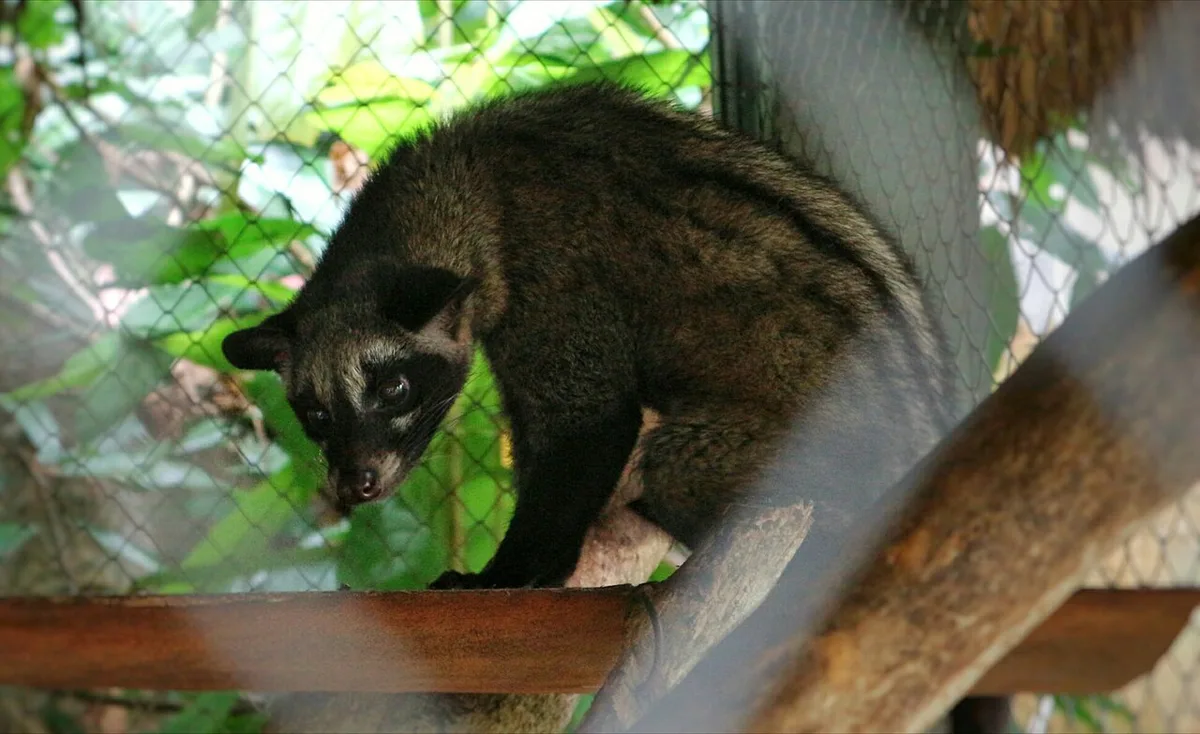
Kopi luwak is coffee made from beans eaten and excreted by the Asian palm civet. Many plantations show the animals and sell the coffee at a premium. Welfare groups have raised concerns about civets kept in cages for production. Ask whether the beans come from wild-collected droppings or from captive animals. Vague answers are a warning sign. If animals are caged, you can decline the luwak cup and still enjoy the regular tasting set. Check an animal-protection organisation for current guidance before you buy luwak gift sets. A mixed or unlabeled product is common, so skip anything that lacks clear sourcing.
How to fit a coffee plantation into your day
Treat a plantation as an add-on, not the headline. From Ubud, pair it with a morning on the rice terraces at Tegalalang, then return before afternoon traffic builds. If you want a flexible route, a private driver tour lets you set the stops. Travelers who prefer fixed itineraries can browse Ubud day tours and check whether a plantation is included. Staying in the south or in Nusa Dua and Uluwatu adds a long transfer each way, so Kintamani rarely works as a quick detour. Self-driving saves on fees but costs time in traffic and parking. A morning activity pairs well with a late-morning tasting. If food is your priority, a Bali Food Tour Guide: Which Type to Book (2026) covers local drinks and dishes in one outing. For wider planning, start from our Bali tours hub. Official visitor information is also available from the Bali Tourism Board.
A late-morning tasting fits well since snippets report opening around 9 or 10 AM with closing near 5 PM, and arriving near closing time is a mistake.
Buying coffee to take home
Whole beans stay fresh longer than ground coffee, so ask for beans if you own a grinder. Check the roast date and the species on the label. Pre-packed luwak gift sets deserve extra scrutiny because labels rarely prove origin. Compare plantation shop prices with a specialty cafe before you commit. Rules on bringing coffee through customs differ by country, so check your home country's official guidance before packing large quantities.
Mistakes to avoid
A few errors turn a pleasant stop into a wasted hour. Plan around them.
- Arriving near closing time, when staff are winding down.
- Treating a free tasting as a hard sell, or assuming you must buy.
- Paying a premium for luwak without asking about sourcing.
- Adding a plantation to an already packed day with long transfers.
- Relying on snippet hours or prices instead of the venue's current details.
Frequently Asked Questions
What is the famous coffee in Bali?
Kintamani coffee is the best-known regional name, tied to the highlands where arabica grows. Kopi luwak is the novelty product you will see advertised at tourist plantations.
Is it worth visiting a coffee plantation in Bali?
It is worth a short stop if you are near Ubud or Tegalalang and enjoy coffee, cacao or spices. Skip it if your day is already tight or you dislike guided tastings.
Is there a luwak coffee plantation in Bali?
Several plantations sell luwak coffee and show civets. Ask whether the beans are wild-collected or captive, and check welfare guidance before you pay.
Notes for your Indonesia trip
Optional updates when we add or change a town or island guide.
You might also like

Continue reading
More guides you'll find useful