Bali Luwak Coffee Plantation: Where to Go, What It Costs & Ethics
Visiting a luwak coffee plantation in Bali? Compare plantations by route, what's free, what luwak costs, and how to check welfare before you pay.
On this page
Last updated November 2026: a Bali luwak coffee plantation visit is usually free to enter, with a free tasting flight. Luwak itself is a paid add-on, often Rp50,000 to Rp100,000 per cup, and it raises animal-welfare questions worth weighing. Use this guide to pick a route, set a budget and check conditions before you pay.
What a Bali luwak coffee plantation visit includes
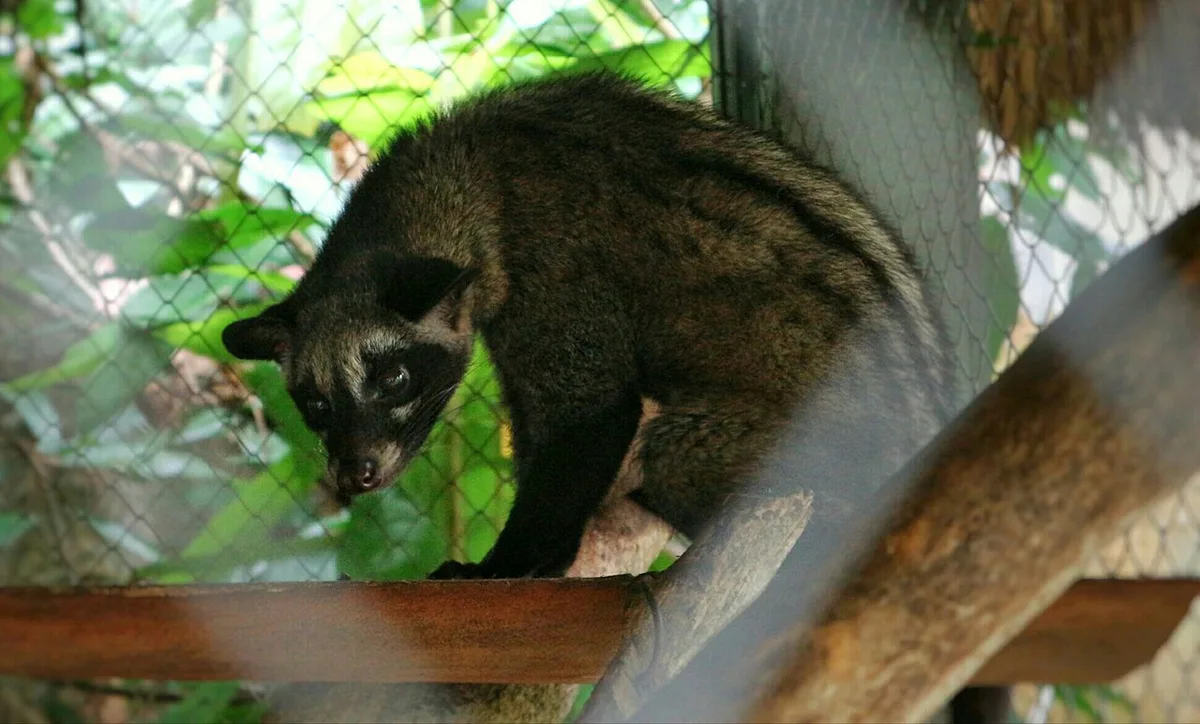
Most stops follow one formula. You walk a small garden of coffee, cacao and spices, see the roasting, then sit at a tasting deck. Plan on less than an hour, according to one competitor roundup. Hours at the main venues run 8:00 AM to 6:00 PM, and Segara Windhu closes at 5:30 PM. Many are demonstration gardens rather than working farms. Prices and hours change, so check each venue's current listing before you go.
Is luwak coffee worth trying, and what does it cost?
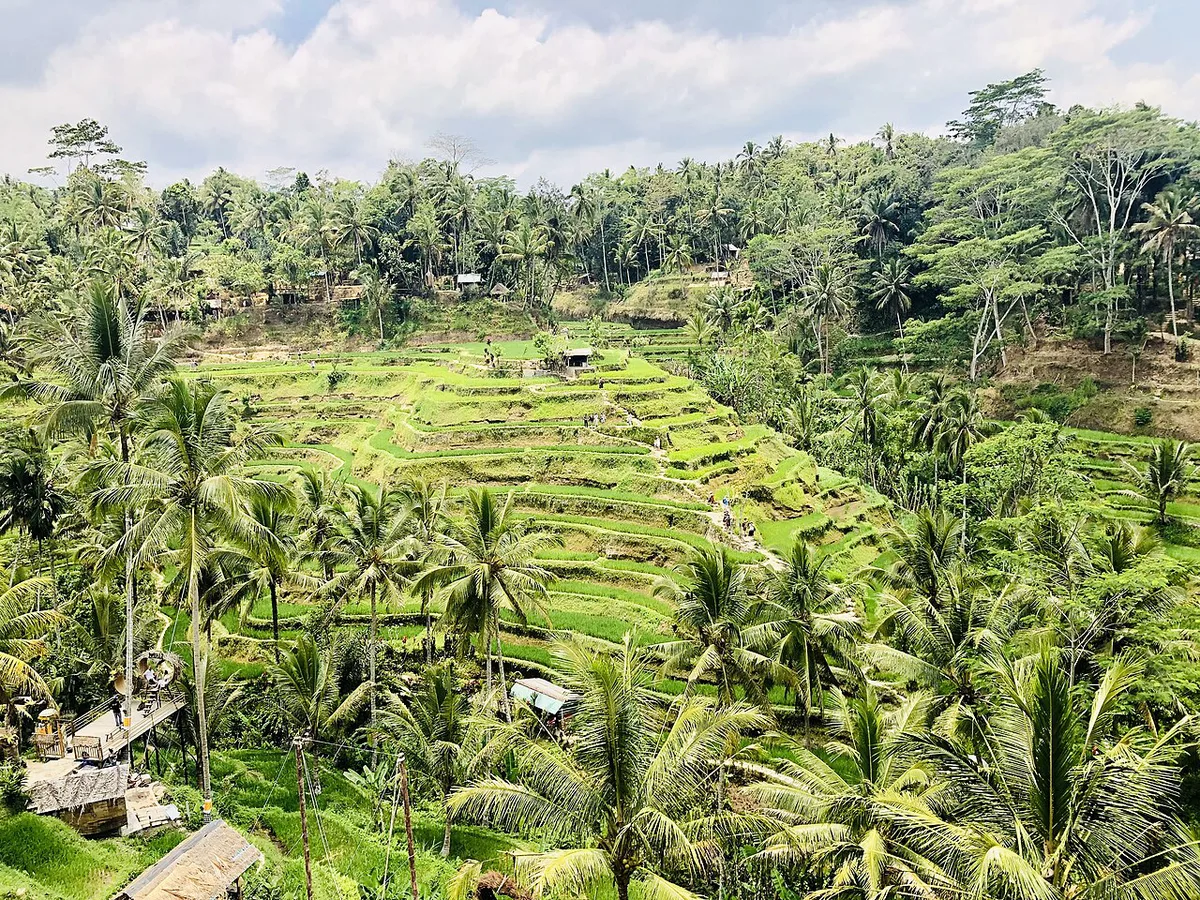
Free tasting flights almost never include luwak. Expect to pay extra for a cup. Roundups put it around Rp50,000 to Rp100,000, and one 2025 visit write-up reports Rp70,000. Another source quotes up to Rp150,000, so treat every figure as indicative. Order one cup to share rather than a full set. Ask staff to confirm the price before they brew.
Luwak coffee ethics: how to choose a plantation
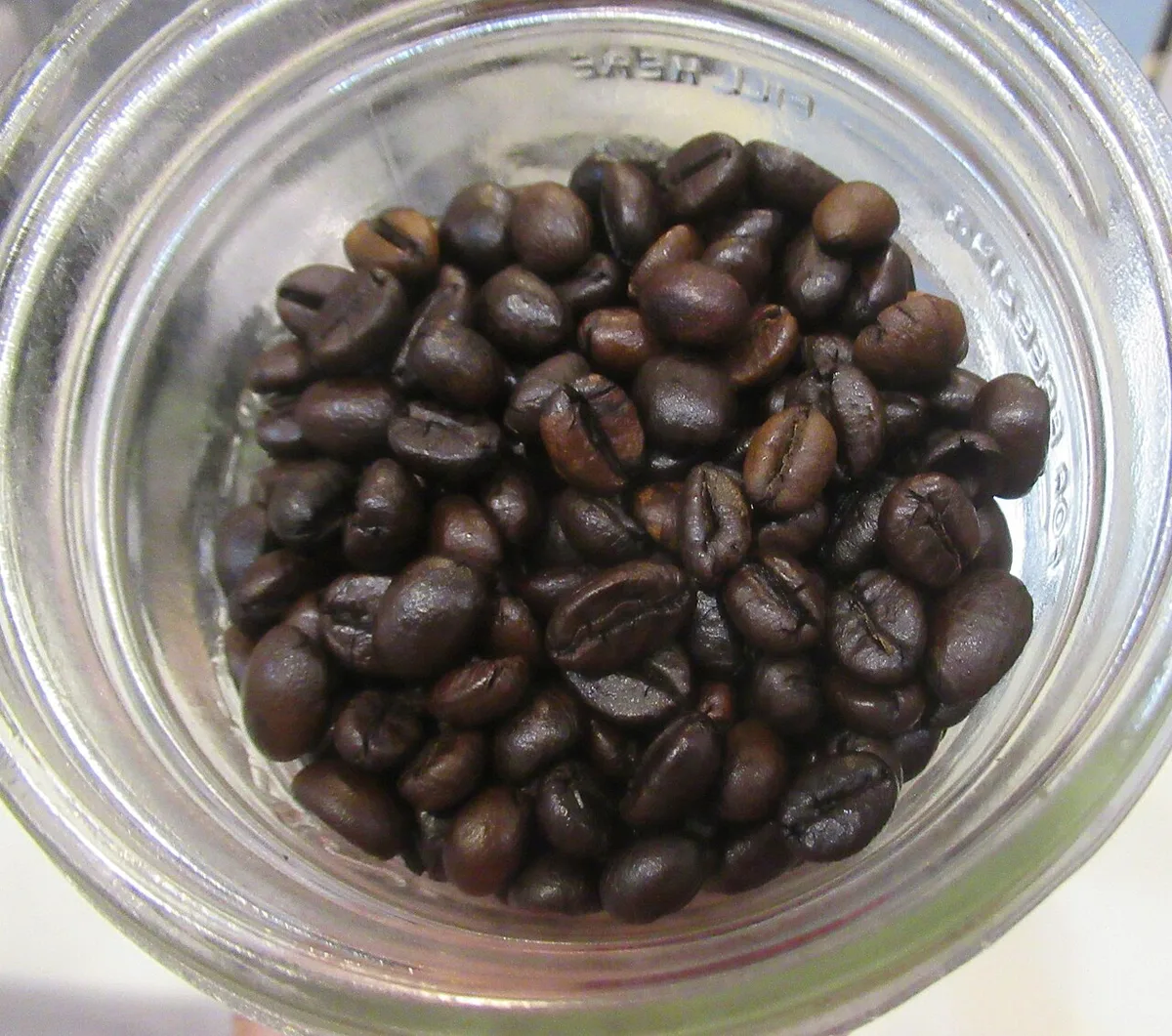
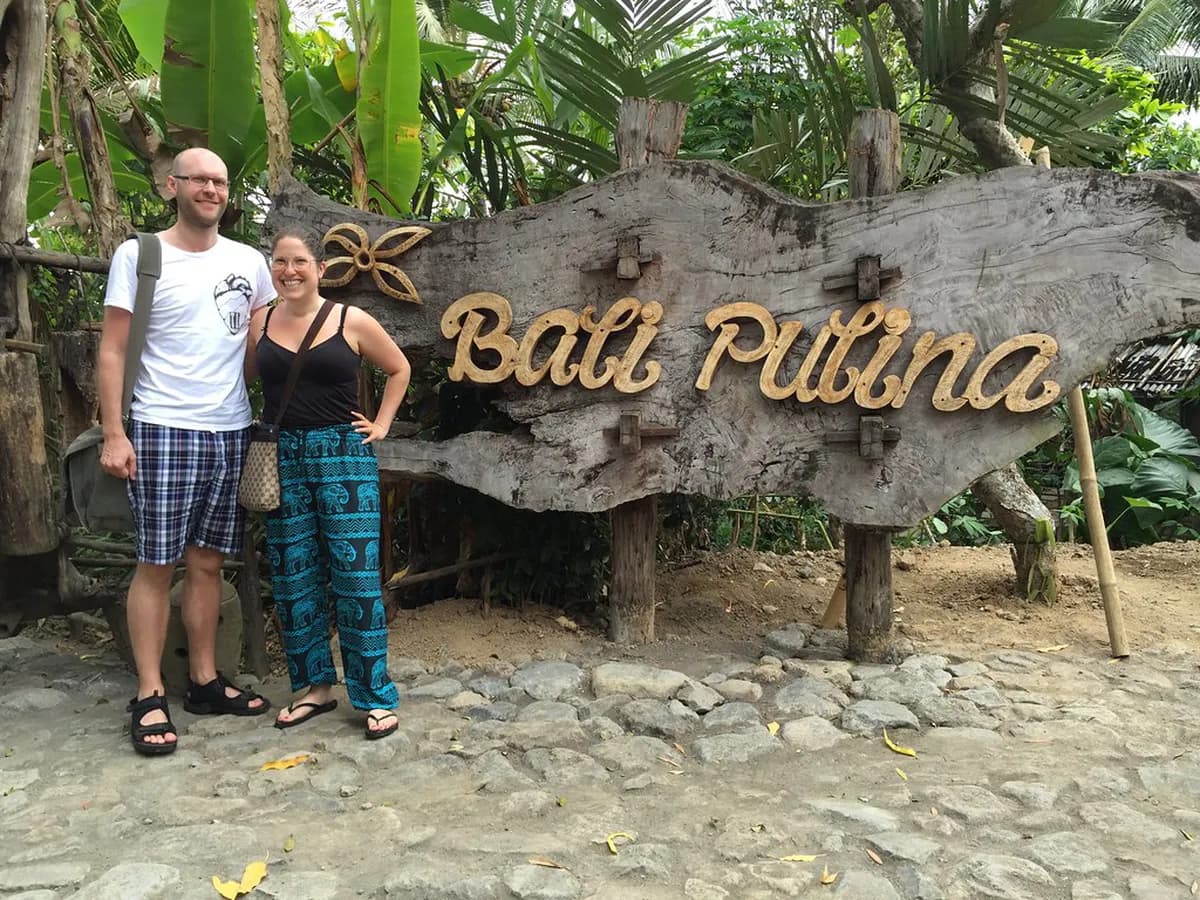
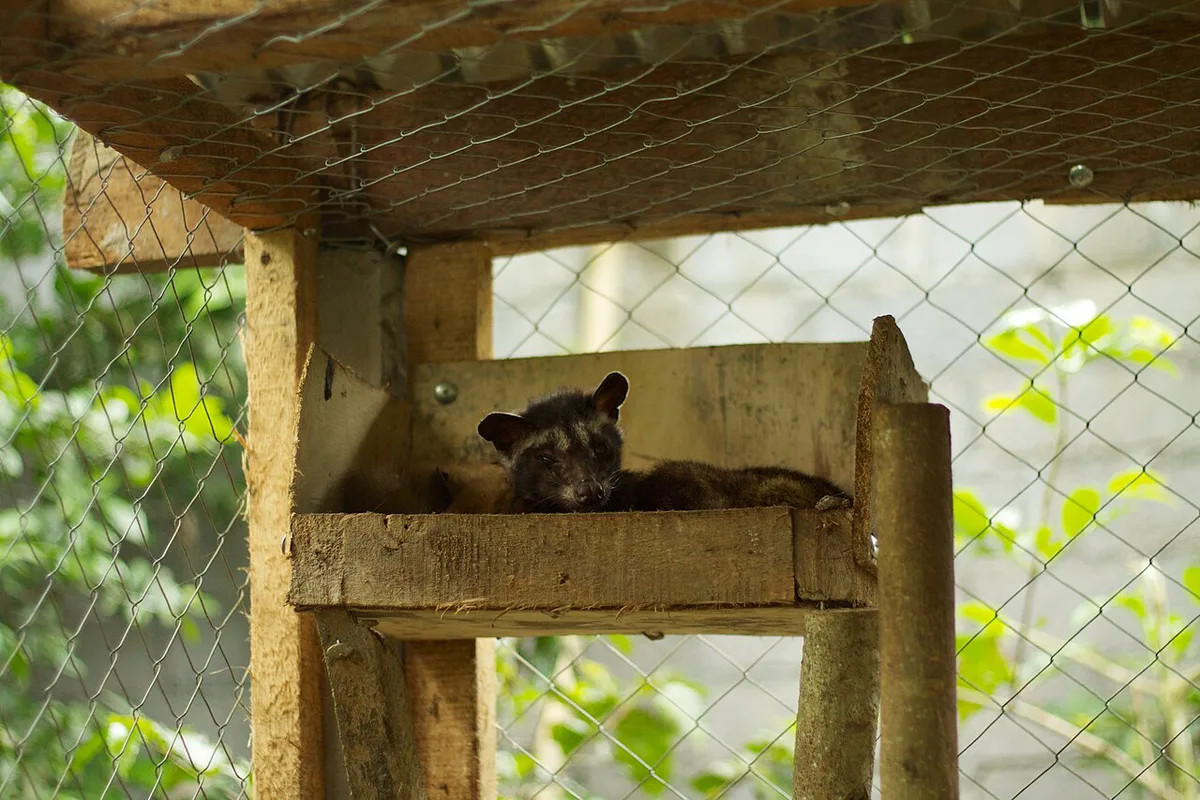
Civets are kept in visible cages at Cantik Agriculture, and Bali Pulina's garden also includes civets. Practices differ by venue, and we cannot verify any single plantation from here. Judge on the day using the checklist below. Skipping luwak and enjoying the free tasting flight is a perfectly good option.
- Look at the animals: note cage size, shade, water and whether they seem stressed.
- Ask staff whether the beans come from caged civets or wild collection.
- Check recent reviews for comments on animal conditions.
- Be wary of places that push luwak hard before you have tasted anything else.
- Walk away if answers are vague. Nothing obliges you to buy.
Which Bali luwak coffee plantation fits you?
Choose by situation. First-timers based in Ubud do well on the Tegallalang to Kintamani corridor. If you want luwak, ask about it at the counter and confirm the price. If welfare matters most, favour places with a free tasting and no luwak push. Short on time? Pick the one nearest your rice terrace or temple stop. Families can use any of them, and the walk is short. On a budget, stick to free-entry venues and skip the shop.
| Plantation | Area | Route fit | Entry | Luwak |
|---|---|---|---|---|
| Bali Pulina | Tegallalang, Gianyar | Ubud and Tegallalang | Free; paid tasting packages | Civets in garden; verify |
| Segara Windhu | Manukaya, Gianyar | Ubud to Kintamani | Free entry and tasting | Verify on site |
| Cantik Agriculture | Tampaksiring, Gianyar | Near Ceking Rice Terrace and Tirta Empul | Free entry and tasting | Civets in visible cages |
| Hidden Garden Agriculture | Baturiti, Tabanan | Bedugul and Jatiluwih | Free entry and tasting | Verify on site |
| Munduk Moding | Gobleg, Buleleng | North Bali highlands | Free for restaurant guests; tours extra | Verify on site |
| Lumbung Sari Pecatu | Pecatu, Kuta Selatan | Uluwatu area | Free entry and tasting | Verify on site |
Plantation profiles by route
Bali Pulina has a large viewing deck over a valley and gets busy, so arrive early. Its official site is the place to check tasting packages. Segara Windhu offers a guided walk through the full coffee process. Cantik Agriculture sits close to Ceking Rice Terrace and Tirta Empul. In Bedugul, Hidden Garden Agriculture reports a free tasting of 12 coffees and teas. Lumbung Sari Pecatu lists up to 15 in the south. Bas De Atayana has operated since 2001.
- Ubud, Tegallalang and Kintamani corridor: Bali Pulina, Segara Windhu, Cantik Agriculture, OKA Agriculture, Pemulan Bali, Bas De Atayana.
- Bedugul and Tabanan: Hidden Garden Agriculture, a quieter option near Jatiluwih.
- North Bali: Munduk Gedong Agro, Munduk Moding and Wanagiri Coffee Plantation. Check current hours and tour costs.
- South Bali: Lumbung Sari Pecatu, handy if you stay around Uluwatu.
Costs and what is actually free
Entry is free at Segara Windhu, Hidden Garden, Cantik Agriculture and OKA Agriculture, and each includes a free tasting flight. Think of a cost ladder: free tasting, then a paid luwak cup at Rp50,000 to Rp100,000, then paid packages, then shop purchases. One Tegallalang-area attraction charges Rp65,000 basic entry, with swings and pools extra. Parking and driver costs vary, so verify locally. Our guide to Bali on a Budget: Daily Costs, Areas & Saving Tips helps plan the rest. See also Free Things To Do In Bali: What's Truly Free (and What Isn't). Carry small rupiah notes, since smaller venues may prefer cash.
Keep a free-entry day separate from the Rp65,000 basic entry at a Tegallalang-area attraction, since swings and pools cost extra.
Getting there and fitting it into your day
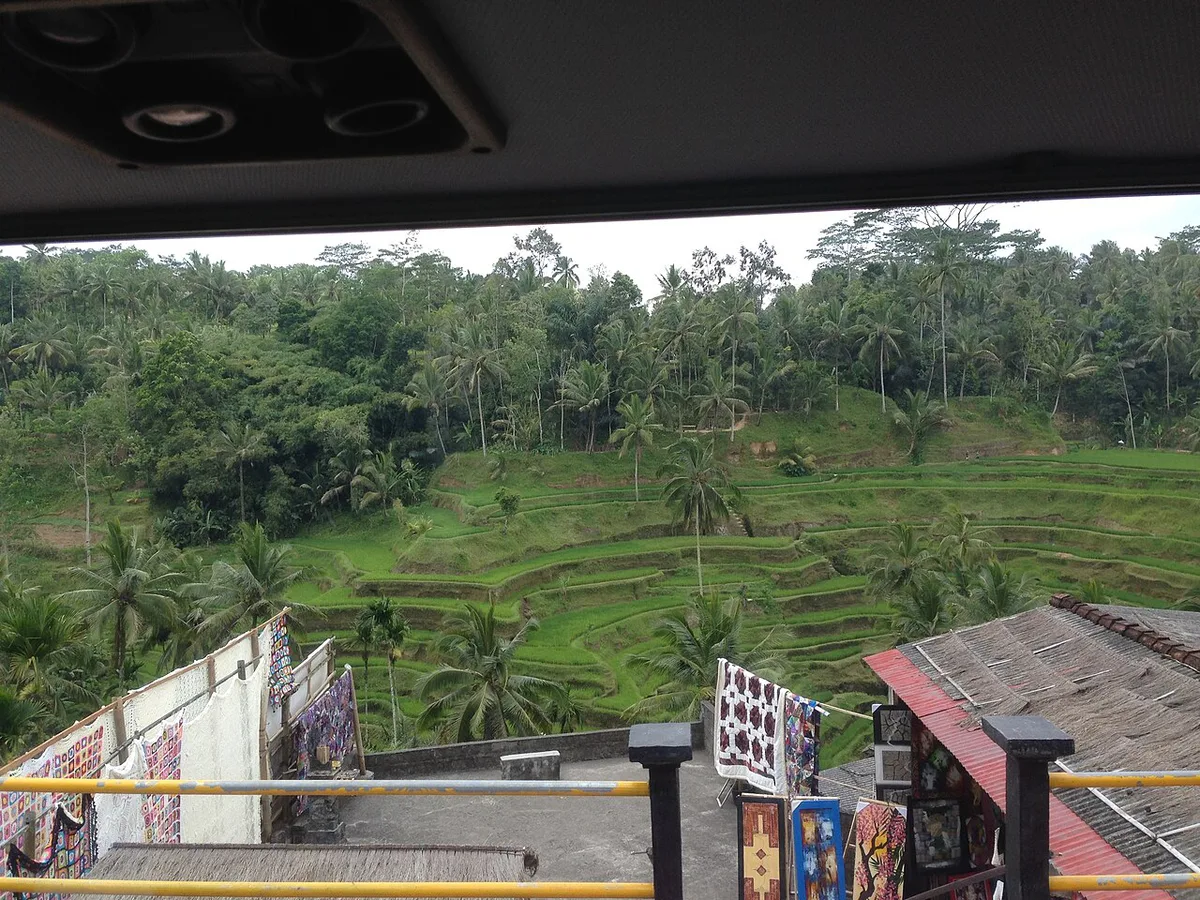
A hired driver is easiest for multi-stop routes toward Kintamani and the north. Scooters suit the Ubud corridor but not rain on mountain loops, so read our Bali scooter rules first. Grab works for a single trip, but confirm return rides at rural sites with the Grab Bali guide. Pair a stop with Ceking Rice Terrace, Tirta Empul, Jatiluwih or Bedugul. Build it into a wider Bali day trip. A sweet follow-up is the Bali Chocolate Factory: Which to Visit, Tours & Tips. For quieter stops, browse lesser-known places off the tour routes. Pack a light layer for Bedugul, Munduk and Kintamani, which run cooler and wetter.
Segara Windhu closes at 5:30 PM, half an hour before the 6:00 PM close at main venues, so visit it earlier in the day.
Mistakes to avoid at a luwak plantation
Shops are part of the business model, and prices can run above local stores. Drivers may earn a commission on what you buy. Choose your own stops from the wider 8 Things to Do in Bali: Best Areas, Sights and Plans list.
- Buying packaged luwak at inflated prices without asking the price first.
- Assuming a driver's pick is neutral when commissions are common.
- Feeling pressured at the shop. A polite no is enough.
- Arriving midday when tour buses crowd the decks.
- Expecting a working farm at a demonstration garden.
Frequently Asked Questions
Is luwak coffee in Bali real?
Kopi luwak is a real product made from beans passed through civets. Authenticity is hard to confirm at a tourist stop. Ask where the beans come from and avoid pricey packaged bags you cannot verify.
Is it worth visiting a coffee plantation in Bali?
For most travellers, yes, as a short stop of under an hour. Expect a tourism-focused garden with free tastings rather than a large commercial estate.
How much does a cup of Kopi Luwak cost?
Roundups cite Rp50,000 to Rp100,000 per cup, and one source says up to Rp150,000. Confirm the price with staff before ordering, since it varies by plantation.
Is Kopi Luwak poop coffee?
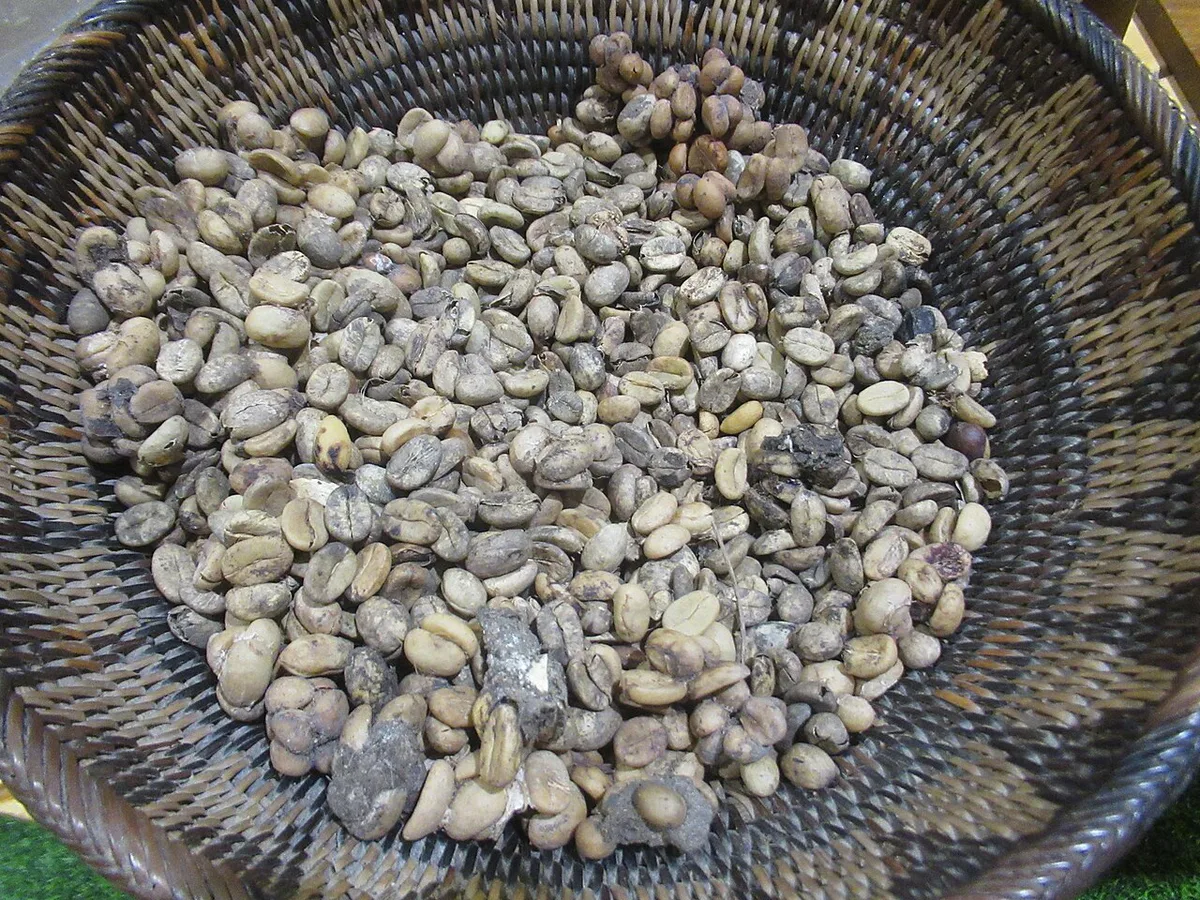
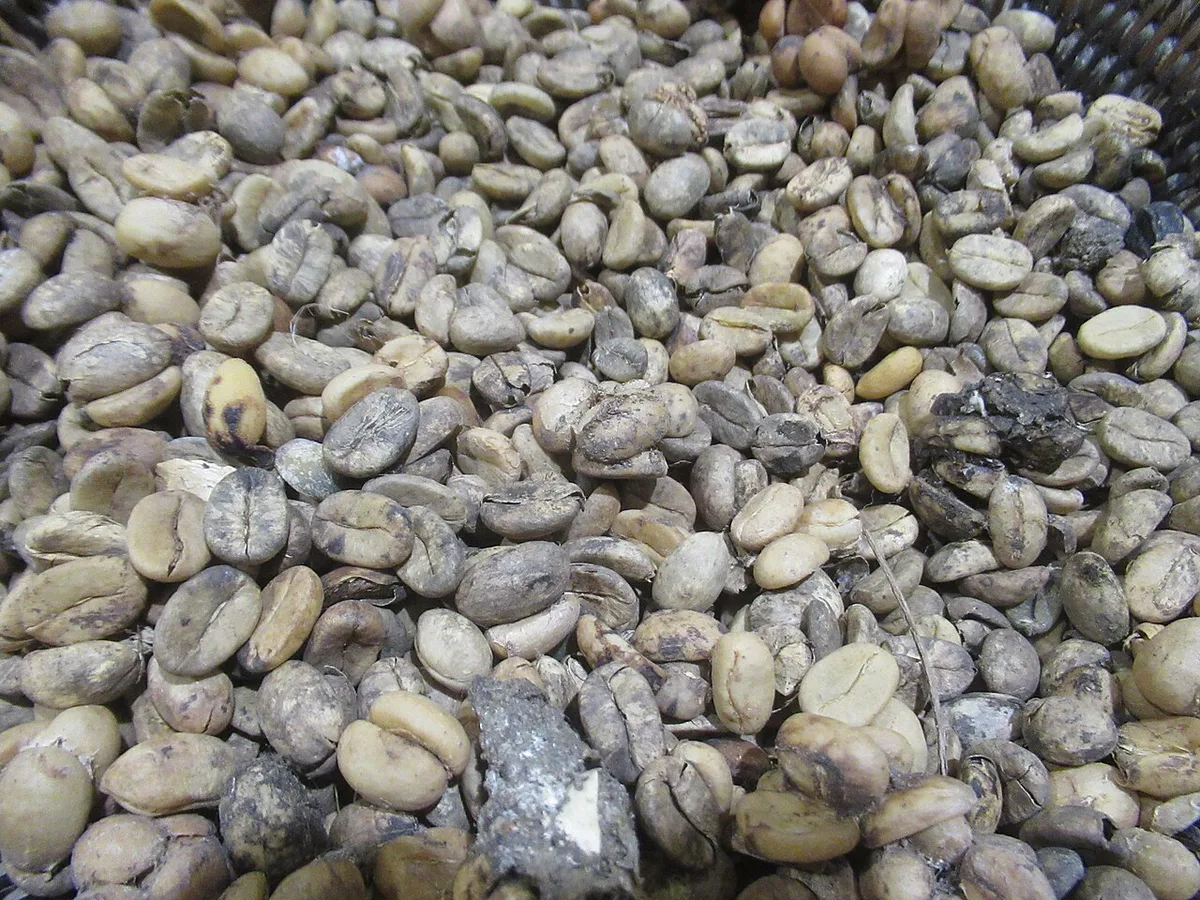
In effect, yes. The beans are eaten by civets, then collected after passing through the animal, and washed and roasted. That process is why welfare checks matter.
Notes for your Indonesia trip
Optional updates when we add or change a town or island guide.
You might also like
Continue reading
More guides you'll find useful