Bali Water Temples: Tirta Empul & How to Choose
Bali water temples explained: Tirta Empul, holy springs, melukat etiquette, timing and how to choose a site. Verify fees and hours before you go.
On this page
Last updated November 2026: a Bali water temple, or pura Tirta, is a Hindu temple built around a spring or water source and tied to purification and irrigation. Tirta Empul in Tampaksiring is the best-known example, with dress rules and ritual etiquette to follow. Use the choice table below to pick a site and decide whether to watch or join melukat, or browse other temples across the island first.
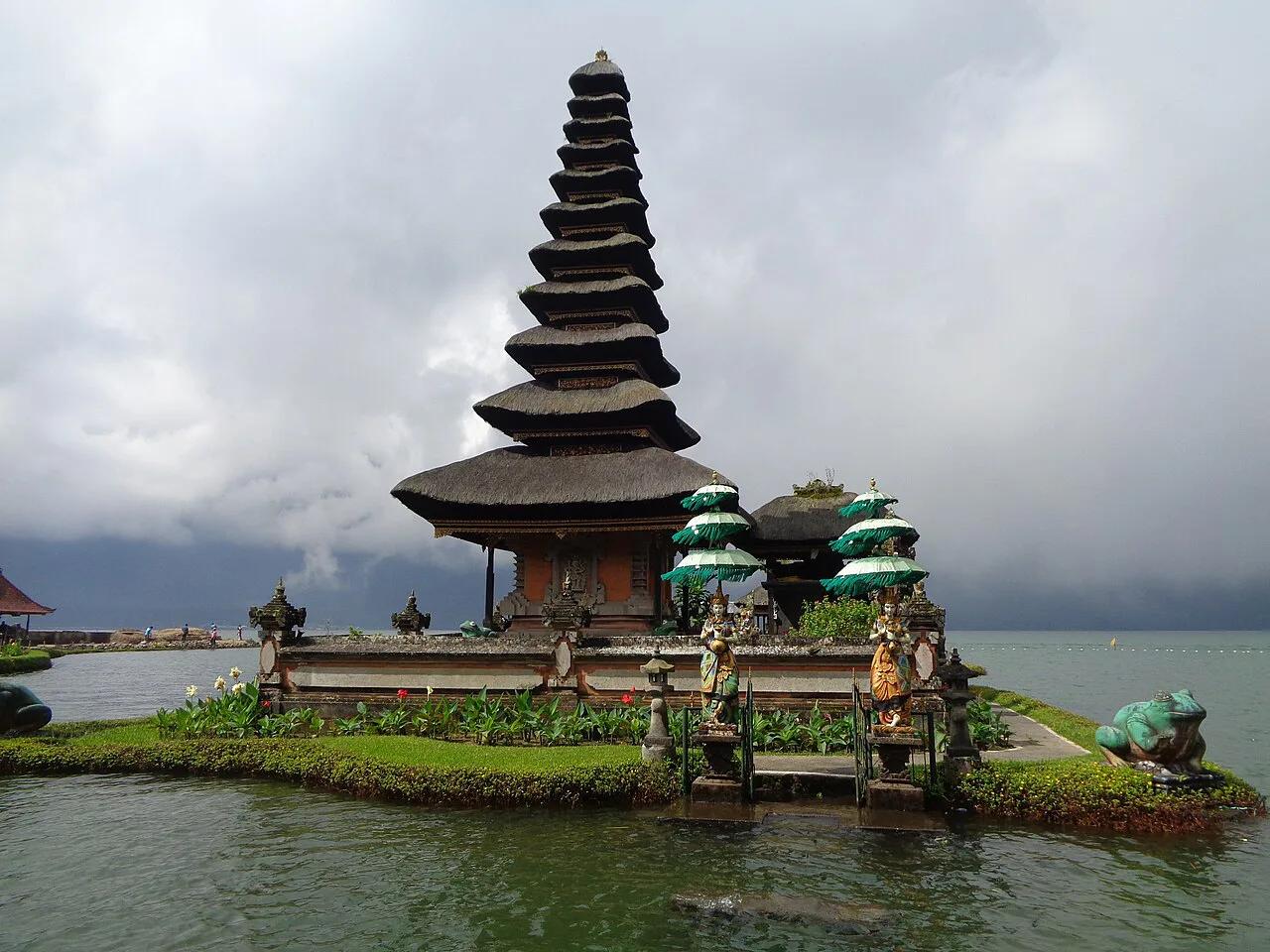
Featured image: Susan.wibowo, CC BY-SA 4.0, via Wikimedia Commons.
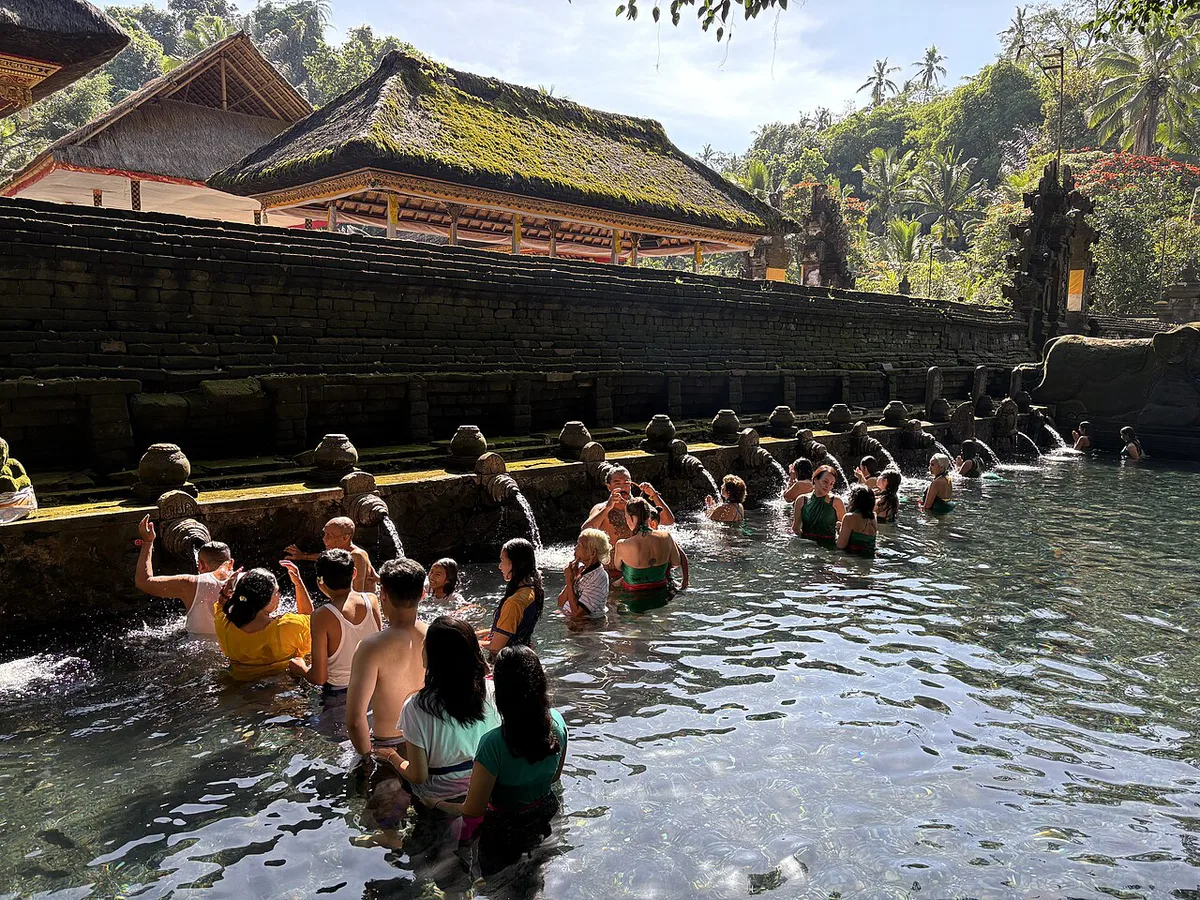
What Is a Bali Water Temple?
Pura Tirta means water temple. Each one is organized around a spring, lake or channel that feeds nearby fields. Balinese farmers share that water through subak, a cooperative irrigation system. Temples mark the places where the water is managed and blessed. Tri Hita Karana is the Balinese idea of balance among people, nature and the divine. It explains why water counts as spiritual as well as practical. Everyday rituals and offerings give the wider context.
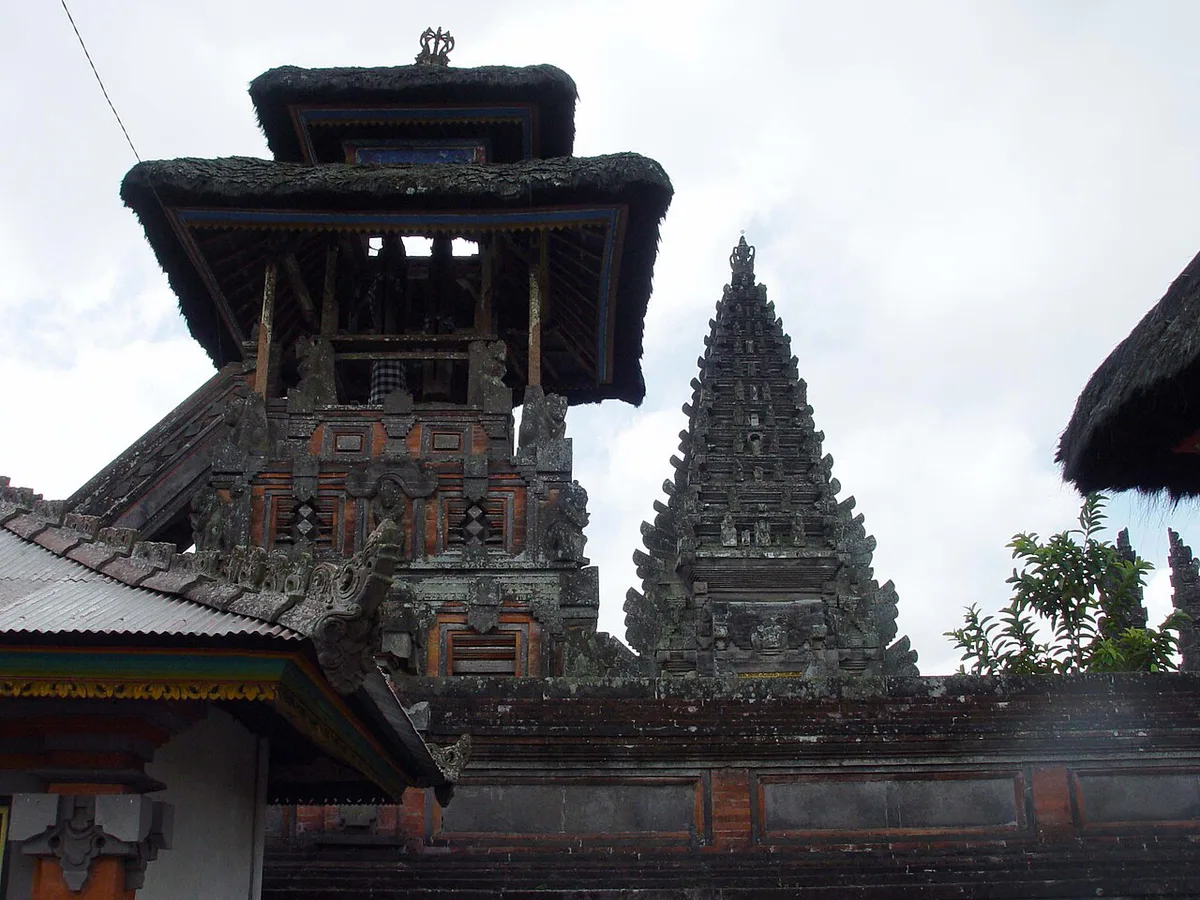
Which Bali Water Temple Should You Visit?
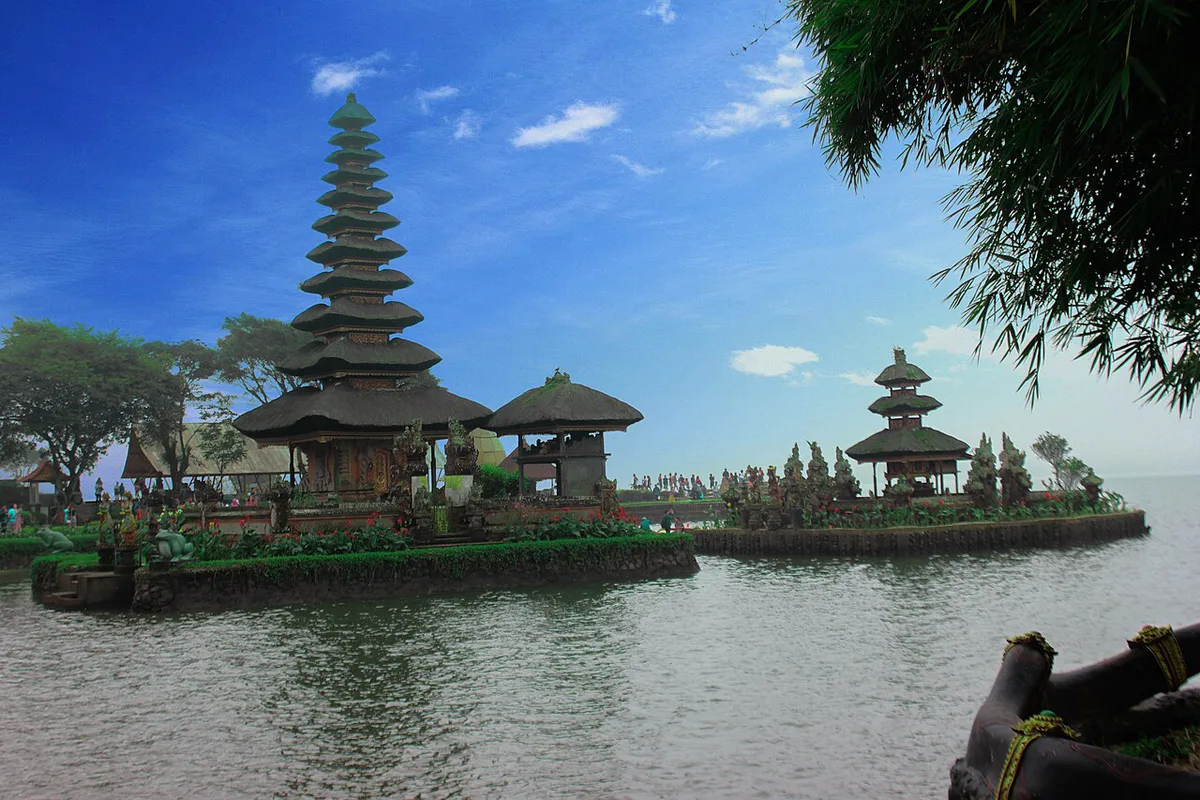
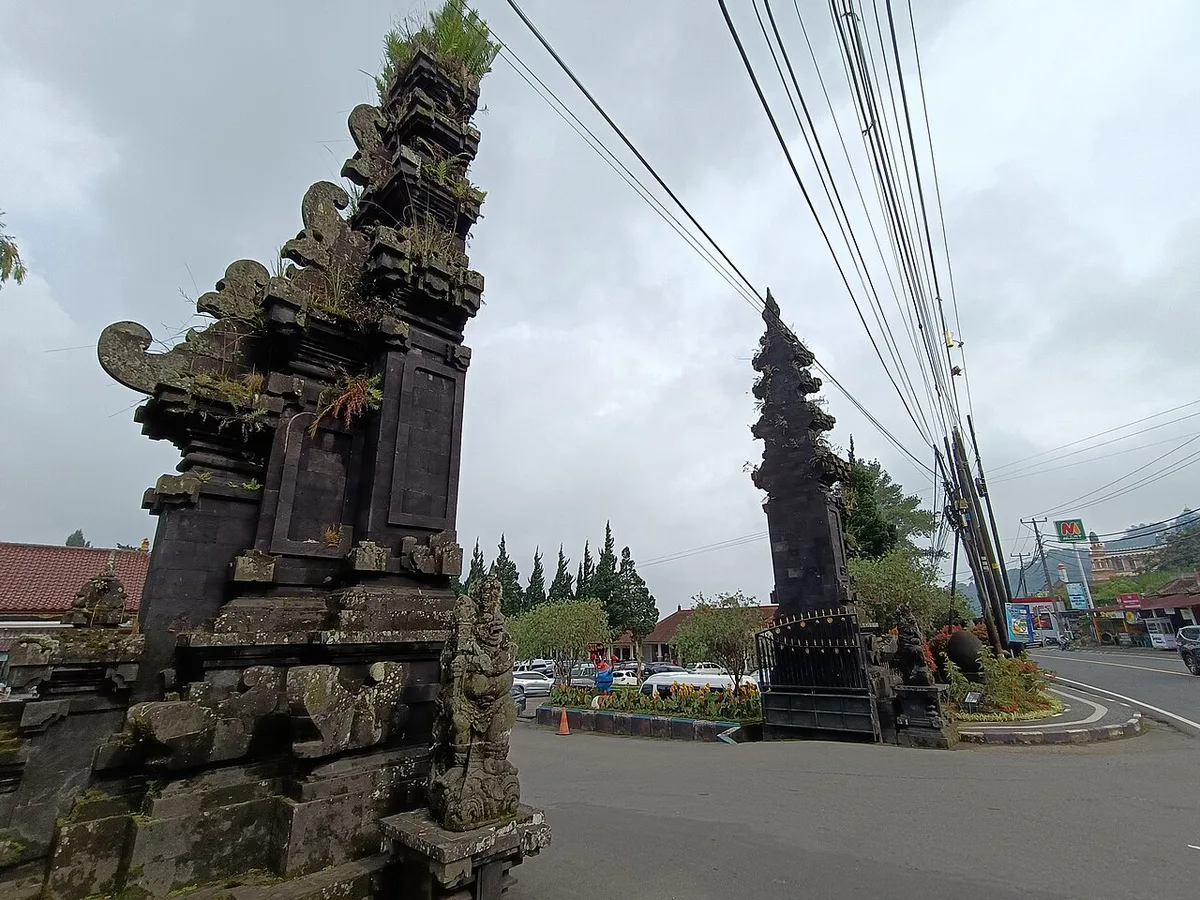
Tirta Empul dominates search results, but it is one option among several. Sebatu Holy Springs and Beji Selati Springs also appear in results for holy springs. Pura Ulun Danu Beratan on Lake Beratan and Pura Taman Ayun in Mengwi are also linked to subak irrigation. Details for every row except Tirta Empul are unverified here, so confirm with the temple or a tourism office first.
| Site | Area | What you do there | Best for | Trade-offs |
|---|---|---|---|---|
| Pura Tirta Empul | Tampaksiring, Gianyar regency | Watch or join melukat at the spouts | First-time visitors wanting a living ritual | One of the island's most visited temples; queues |
| Sebatu Holy Springs | Verify locally | Holy spring visit (verify first) | Travelers seeking a spring site beyond Tirta Empul | Details unconfirmed; check access and rules |
| Beji Selati Springs | Verify locally | Holy spring visit (verify first) | Same as above | Details unconfirmed; check access and rules |
| Pura Ulun Danu Beratan | Lake Beratan | Lakeside temple visit (verify first) | Subak and water-landscape interest | Details unconfirmed; confirm fees and hours |
| Pura Taman Ayun | Mengwi | Temple grounds visit (verify first) | Subak and water-landscape interest | Details unconfirmed; confirm fees and hours |
Tirta Empul: The Essentials
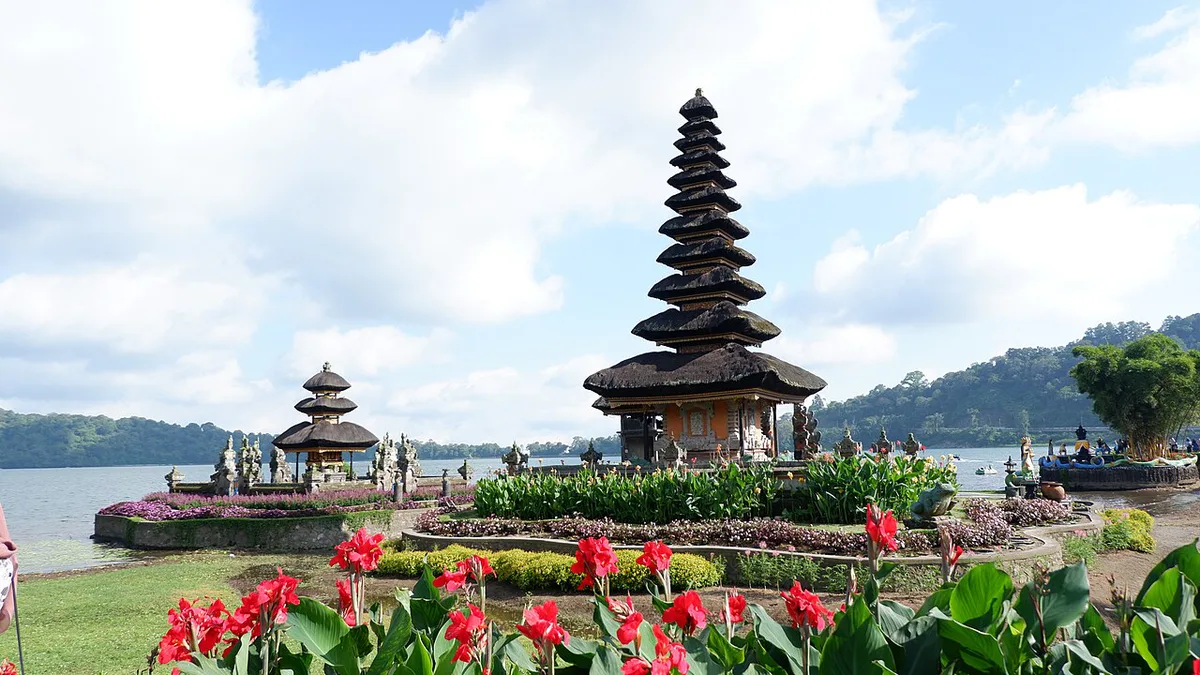
Tirta Empul sits in Tampaksiring village, Gianyar regency. Expect roughly 20–25 minutes of driving north from central Ubud. Tirta Empul Presidential Palace is about 5 minutes away and draws on the same water source. Tradition attributes the founding to around 962 AD, under King Indrajaya of the Warmadewa dynasty. Treat that date as traditional, not settled. Local legend says the god Indra created the spring after the demon king Mayadenawa poisoned a water source. 'Tirta' means holy water, and 'Empul' refers to a spring gushing upward. Read about Warmadewa-era history for the political background. Carved spouts also reward a look, and Balinese stone carving shows the tradition behind them.
From central Ubud, Tirta Empul is 20–25 minutes north, so Tegalalang Rice Terrace can fit on the same route.
Melukat: Watch or Take Part?
Melukat is Balinese Hindu ritual bathing meant to cleanse body and mind. Water flows through carved stone spouts into two long pools. Worshippers move from spout to spout, submerging briefly and offering a short prayer. Some spouts are skipped for ceremonial reasons, so follow a temple attendant instead of a blog's spout order. Tourists are generally welcome to join if they dress properly and follow staff guidance. Confirm that on arrival. Locals also use the site for ceremonies and family blessings. A ceremony day can feel richer but busier, and access for visitors may be restricted. Ask your driver or guide to check the Balinese calendar, and confirm the date locally.
- Join if you are comfortable in cold water and willing to follow the prayer sequence.
- Join if you have time for queuing and changing, which adds to the 45 minutes to 1.5 hours total.
- Watch if you want photographs, since you must not photograph people mid-ritual without permission.
- Watch if the queue is long or a ceremony fills the pools with worshippers.
What to Wear and Temple Rules
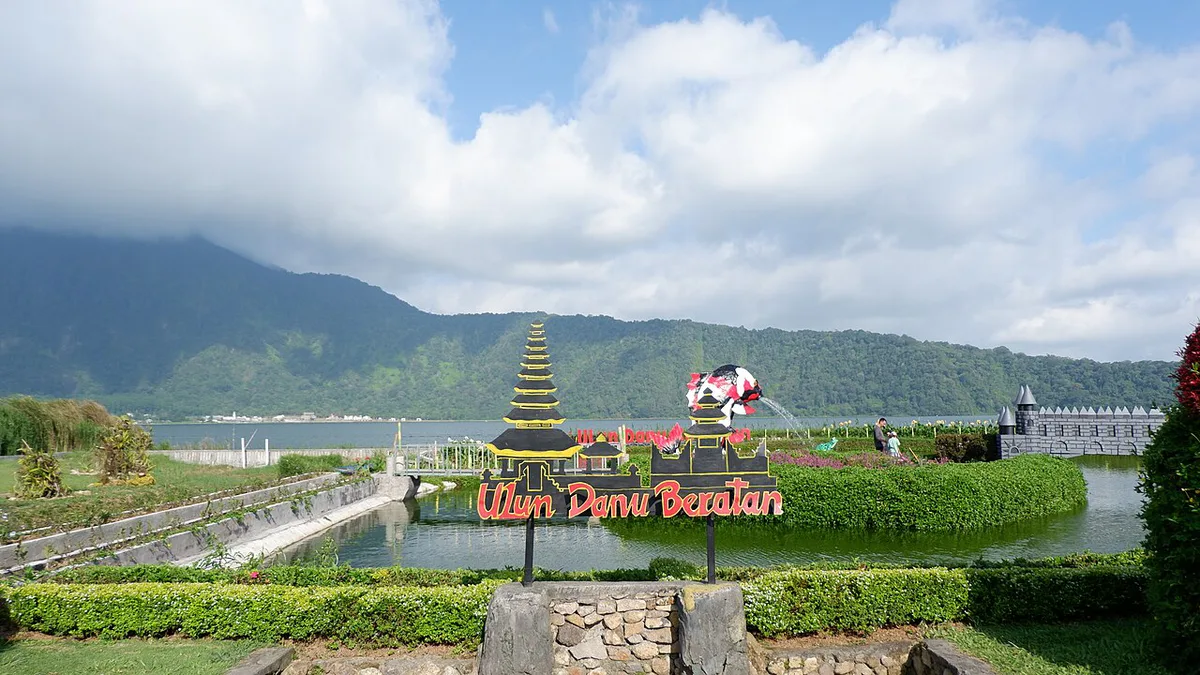
A sarong and sash are required in the temple grounds. They are usually rentable or included with entry, so confirm at the ticket counter. For the pool, bring a change of clothes and wear swimwear or light clothing under the sarong. Women who are menstruating are traditionally asked to stay out of inner temple areas. Temple types and etiquette explains how these rules apply across the island.
- Wear the sarong and sash at all times in the grounds.
- Avoid stepping over offerings placed on the ground.
- Keep voices low; this is an active place of worship.
- Ask before photographing anyone mid-ritual.
Timing, Time Budget and Getting There
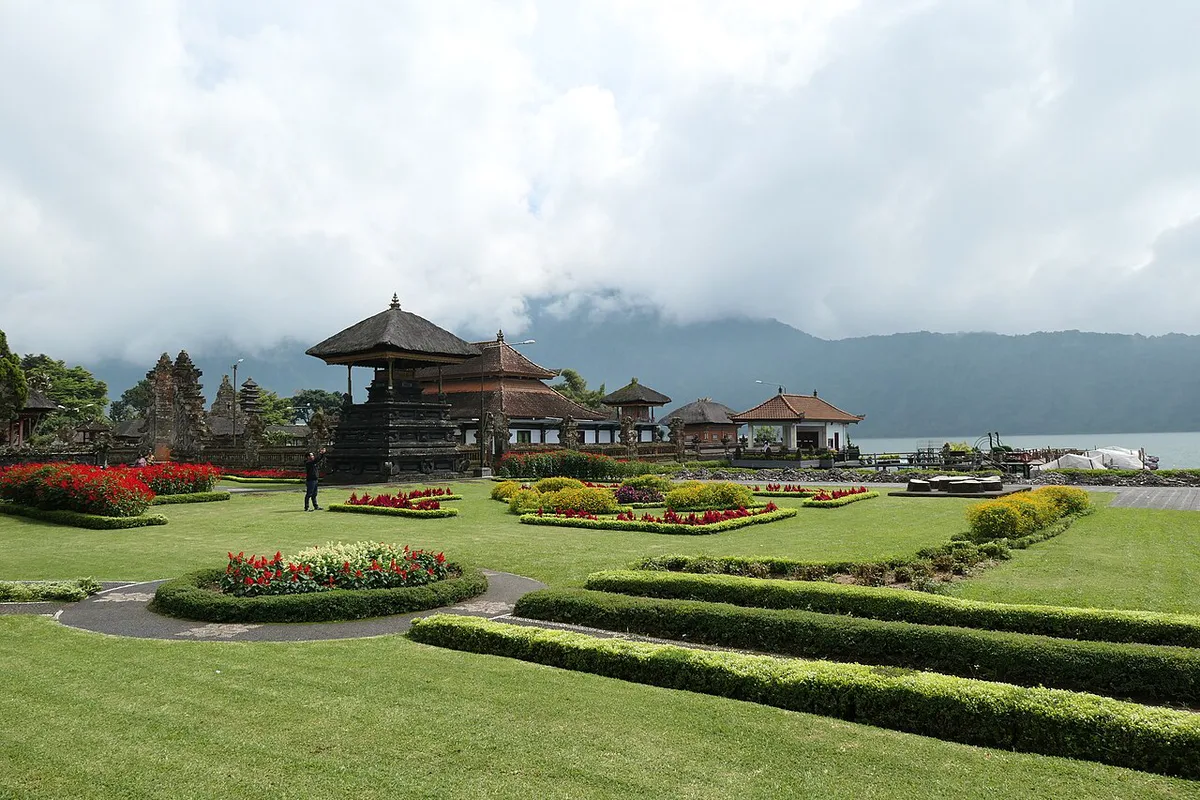
Arrive at opening, around 8–9 AM, to beat tour buses and midday heat. Afternoons and weekends get busier, as do ceremony days. Budget 45 minutes to 1.5 hours, with melukat adding queuing and changing time. Tegalalang Rice Terrace or a coffee plantation can fit on the same route. A driver removes navigation and parking stress. A scooter gives flexibility but adds heat and traffic. Stay in or near Ubud, since Tampaksiring is a short drive.
Melukat adds queuing and changing to the 45 minutes to 1.5 hours total, and afternoons are busier than an 8–9 AM arrival.
Costs, Tickets and Hours
Our sources give no confirmed entry fee, sarong rental price or opening hours. Check the Gianyar regency or Bali provincial tourism office channels before you go.
- Entry ticket
- Sarong and sash rental, if not included
- Locker and changing room use
- Driver or transport
- Offerings, if you join the prayer
Mistakes to Avoid
Most problems come from rushing a living religious site. Visitors are guests here, not an audience.
- Arriving at midday, when heat and crowds peak.
- Treating the temple as a photo stop.
- Skipping the dress rules.
- Joining the ritual without understanding the sequence.
- Assuming spout order from a blog instead of asking an attendant.
Who Should Skip Tirta Empul
Skip it if you want solitude, since it is described as one of the island's most visited and photographed temples. Anyone unwilling to dress modestly should also pass. Visitors with mobility limits should verify accessibility first, because the bathing complex involves queuing and changing.
Frequently Asked Questions
Is there Hinduism in Bali?
Yes. Balinese Hinduism shapes daily life and temple practice across the island. Water temples, melukat bathing and subak irrigation all reflect it.
Notes for your Indonesia trip
Optional updates when we add or change a town or island guide.
You might also like
Continue reading
More guides you'll find useful