Bali History: Timeline From Early Kingdoms To Independence
A clear timeline of Bali's history, from early kingdoms and Majapahit influence to Dutch rule and independence, plus where to see it.
On this page
Last updated November 2026. Bali history runs from early Hindu-Buddhist kingdoms through Majapahit influence and Dutch conquest to Indonesian statehood. This guide ties each era to a place you can visit and flags where dates need checking against official sources.
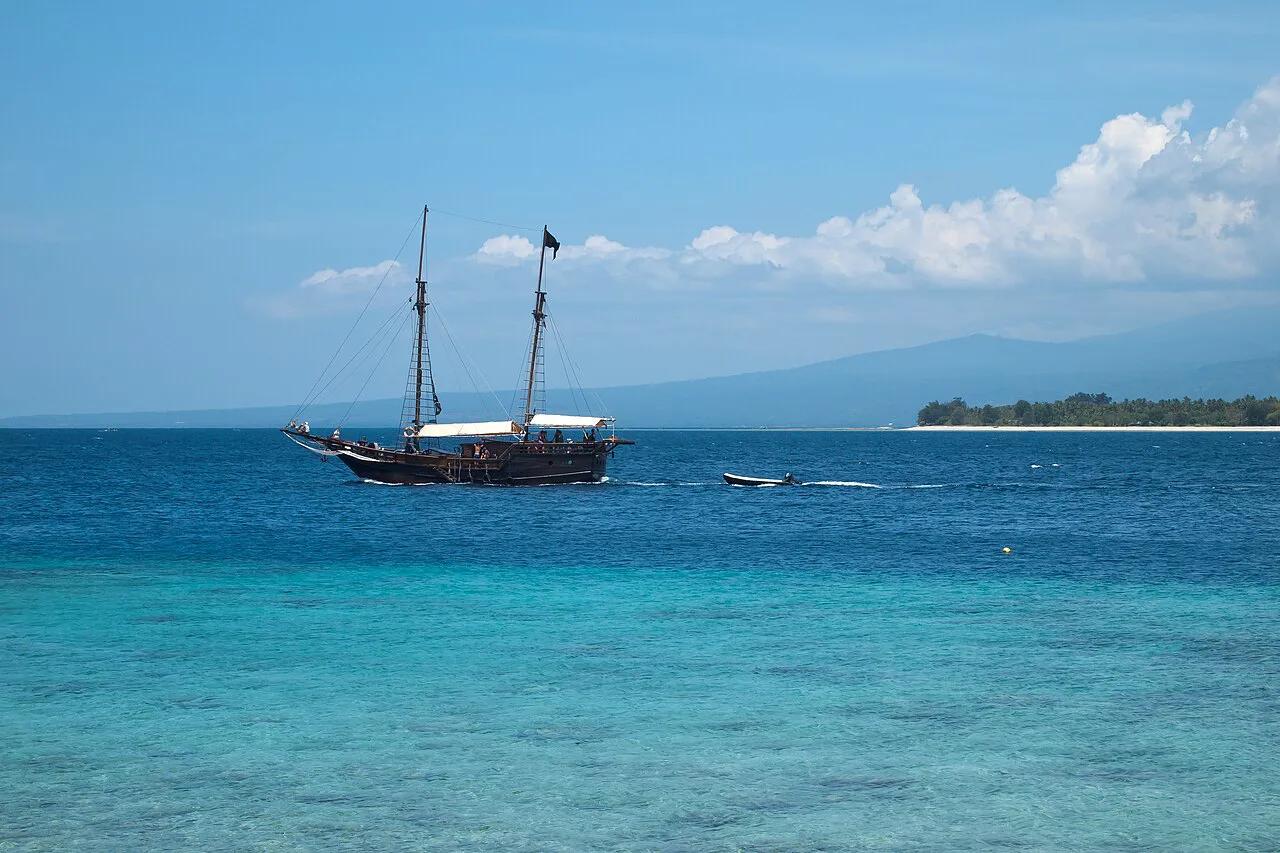
Featured image: Satdeep Gill, CC BY-SA 4.0, via Wikimedia Commons.
Bali History In Brief
Early island communities farmed rice and built irrigation. Hindu-Buddhist kings ruled from the first millennium. Javanese rulers and elites arrived from the 14th century, and Dutch forces ended the Balinese kingdoms between 1846 and 1908. Bali joined independent Indonesia after 1949. Use these markers to place everything else in this guide.
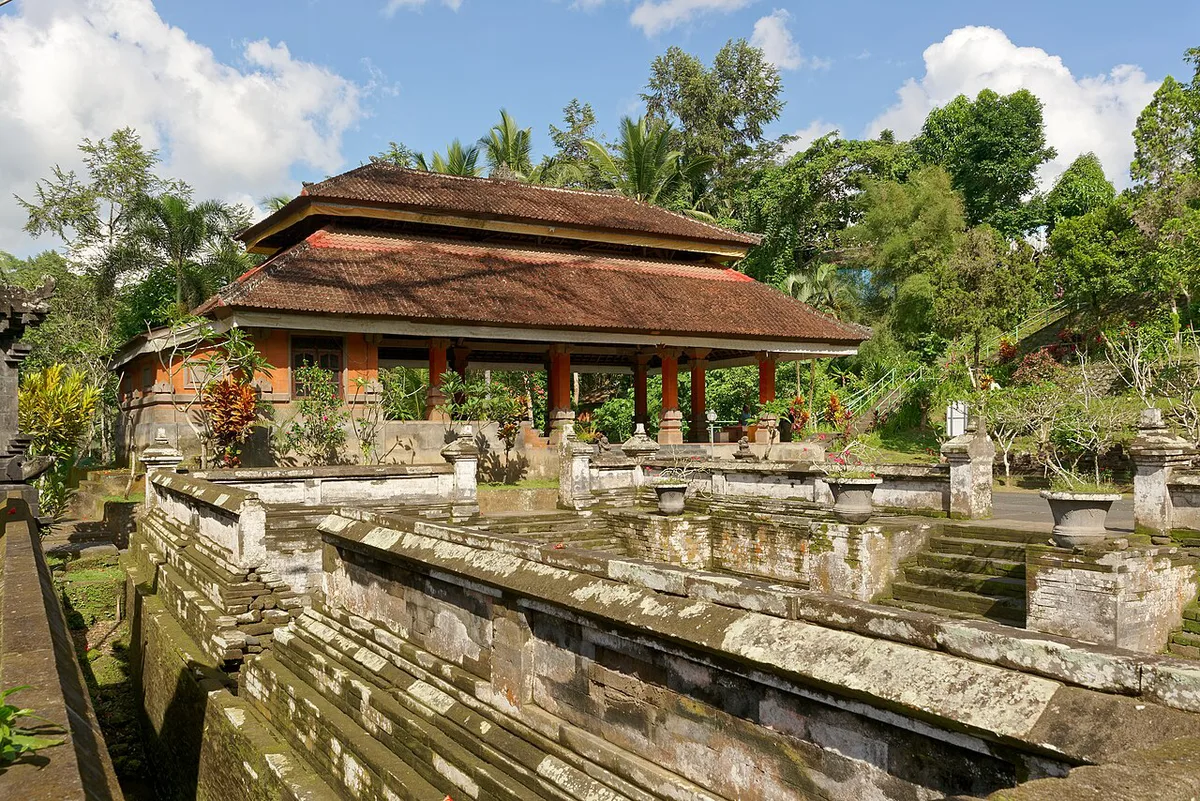
- Around 914 CE: the Blanjong inscription, as usually cited.
- c. 1343: Majapahit conquest of Bali.
- 1597: first Dutch ships reach the island.
- 1906 and 1908: the Sanur/Denpasar and Klungkung puputans.
- 1942 to 1945: Japanese occupation.
- 1946: Puputan Margarana in Marga, Tabanan.
- 1949: Dutch recognition of Indonesian independence.
- 1963: Mount Agung erupts.
Early Bali: Prehistory And Early Kingdoms
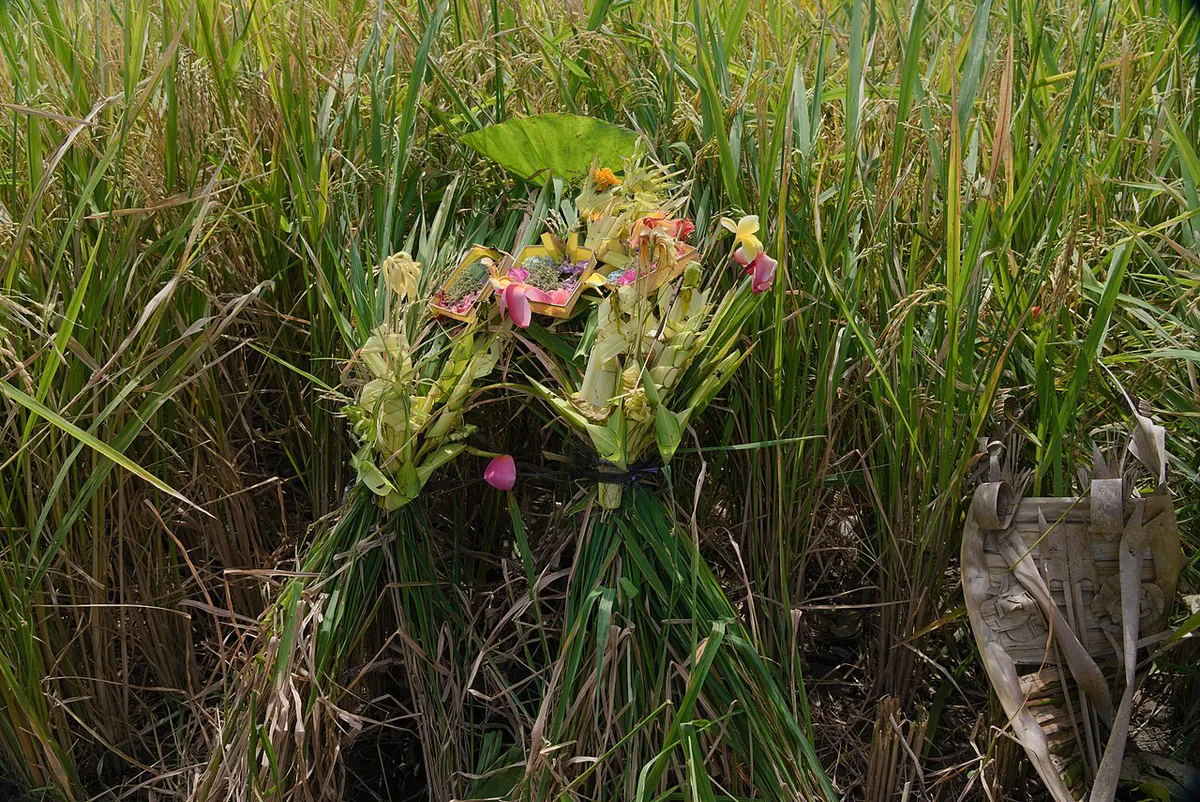
Archaeology at Gilimanuk is the usual starting point for prehistory. Check a museum or academic source before repeating any date for the first settlers. Written history begins with the Blanjong inscription in Sanur. It is usually dated to around 914 CE, names the ruler Sri Kesari Warmadewa, and refers to the island as Walidwipa. Some sources give 913, so confirm the date on site signage. Subak irrigation also belongs to this early period. Rice terraces and their water-sharing groups now form a UNESCO-listed cultural landscape. Seeing a terrace in person explains how village life was organized long before any colonial administration.
Majapahit Influence And Why Bali Stayed Hindu
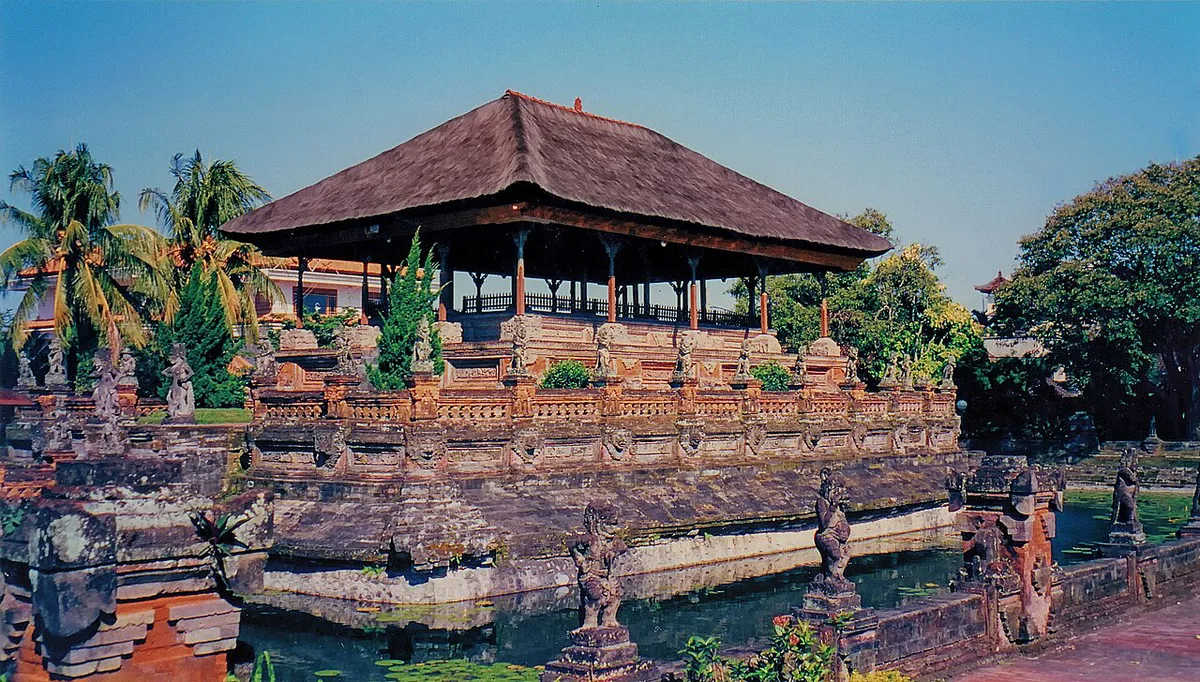
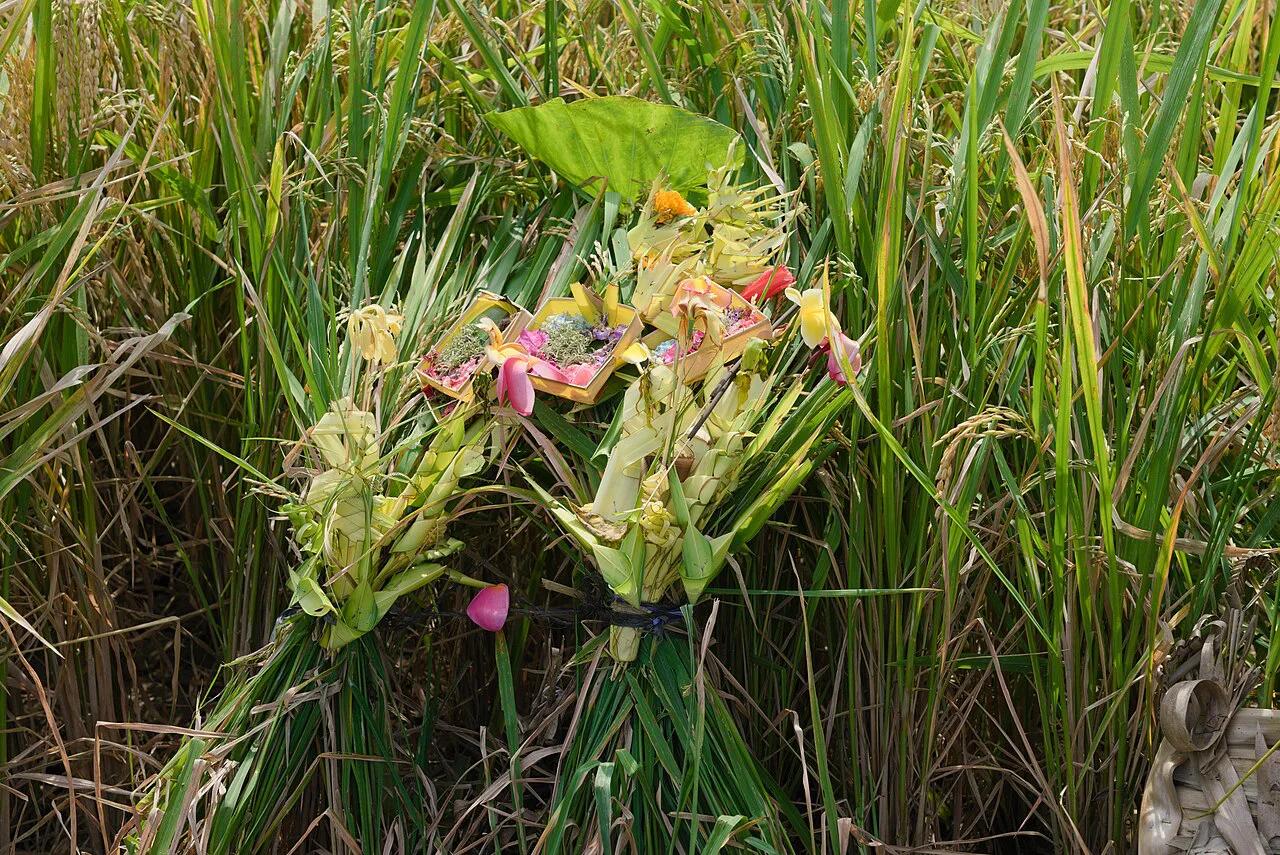
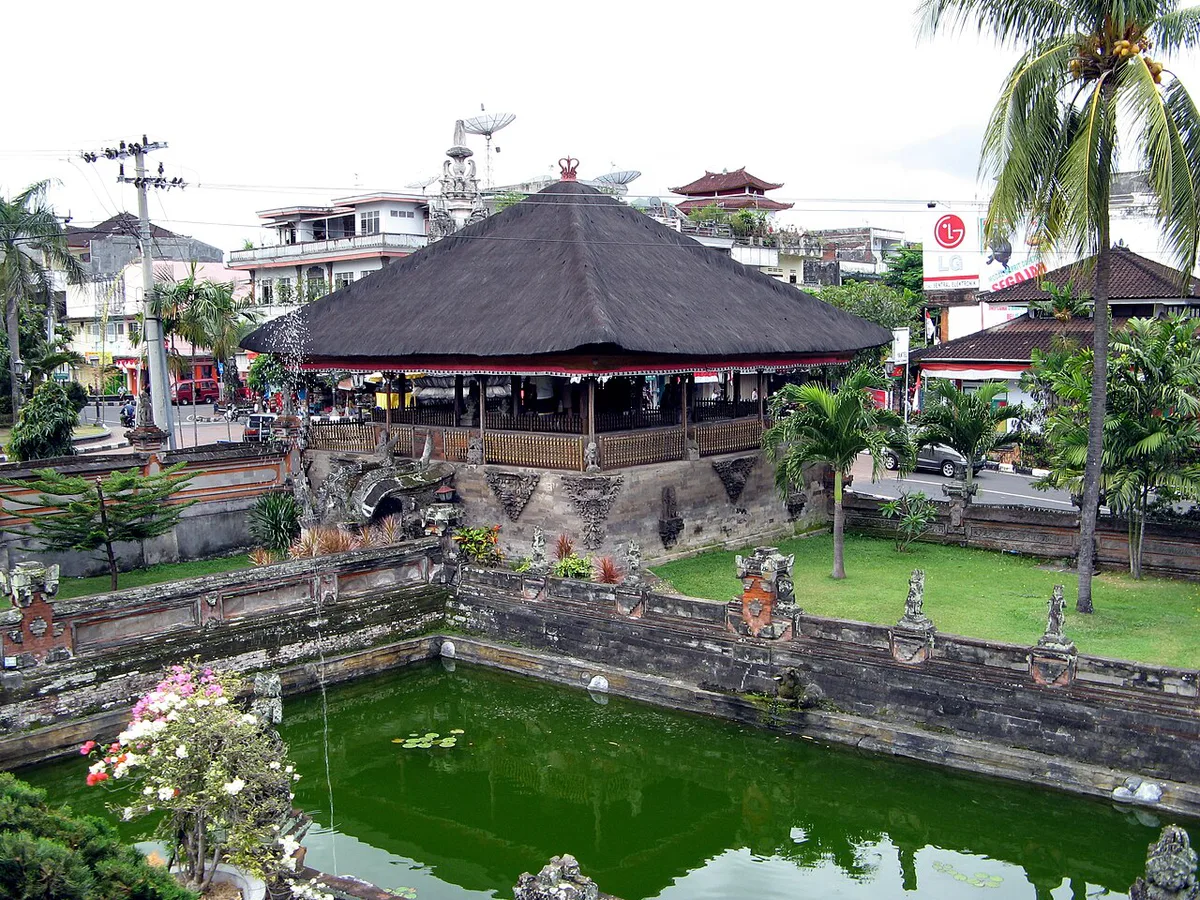
Majapahit, a Hindu kingdom based in Java, took control of Bali around 1343. Islam later spread across Java. Nobles, priests and artists then moved to Bali, bringing court rituals, literature and temple building with them. That migration is the usual answer to why Bali stayed Hindu while most of Indonesia did not. Later courts at Gelgel and then Klungkung kept those traditions alive. Everyday practice still reflects this layering. You can see it in Balinese ceremonial customs such as daily offerings and temple festivals. Village shrines follow the same pattern, as covered in our look at village temple traditions. Exact dates for the Gelgel period vary by source, so treat them as approximate.
Dutch Colonial Era And The Puputans
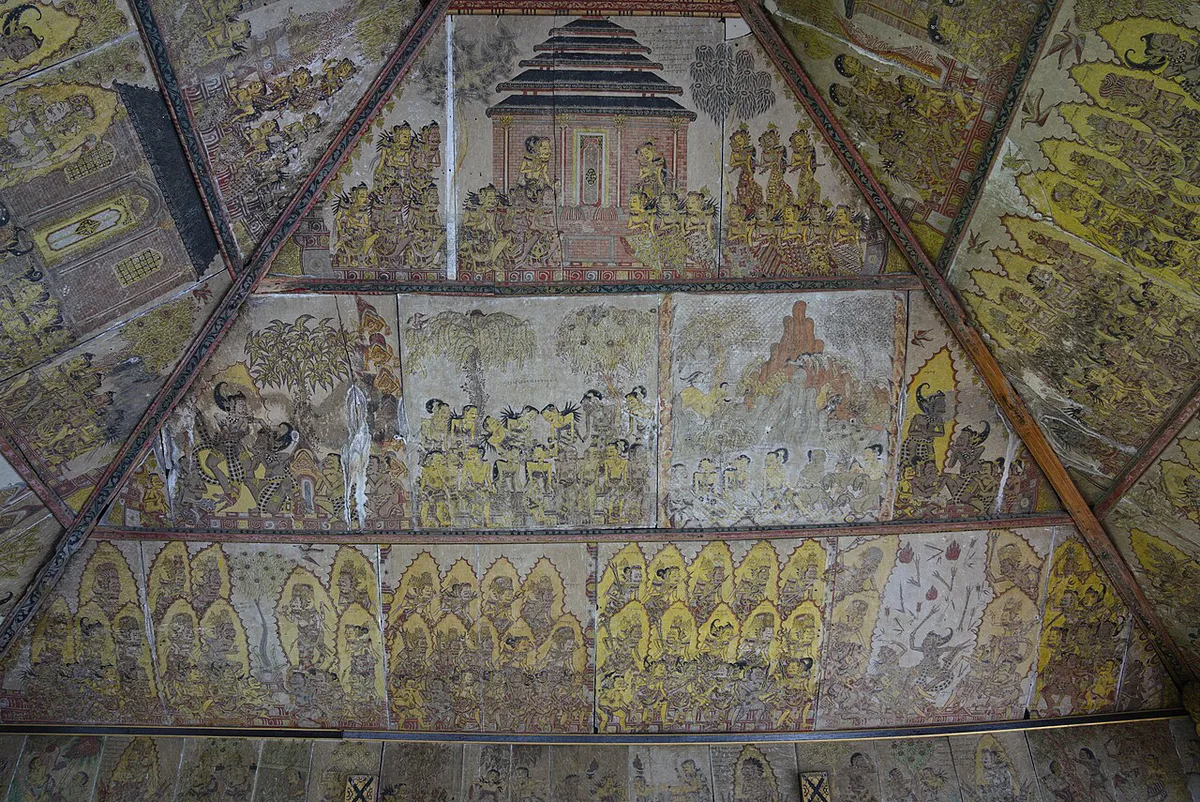
Dutch ships first reached Bali in 1597. Real military pressure came later. Dutch campaigns on the northern coast ran from 1846 to 1849. Southern kingdoms held out longer. In 1906 Dutch forces moved on Sanur and Denpasar. In 1908 they moved on Klungkung. Both ended in a Puputan. That word describes a fight to the end, in which rulers, courtiers and followers faced Dutch firepower rather than surrender. Casualty estimates differ widely between sources. Cite a museum or academic text if you need a figure. Visit memorial sites quietly, and do not mix up the 1906 and 1908 events. Denpasar and Klungkung each have their own commemorations.
Japanese Occupation, Independence And Modern Bali
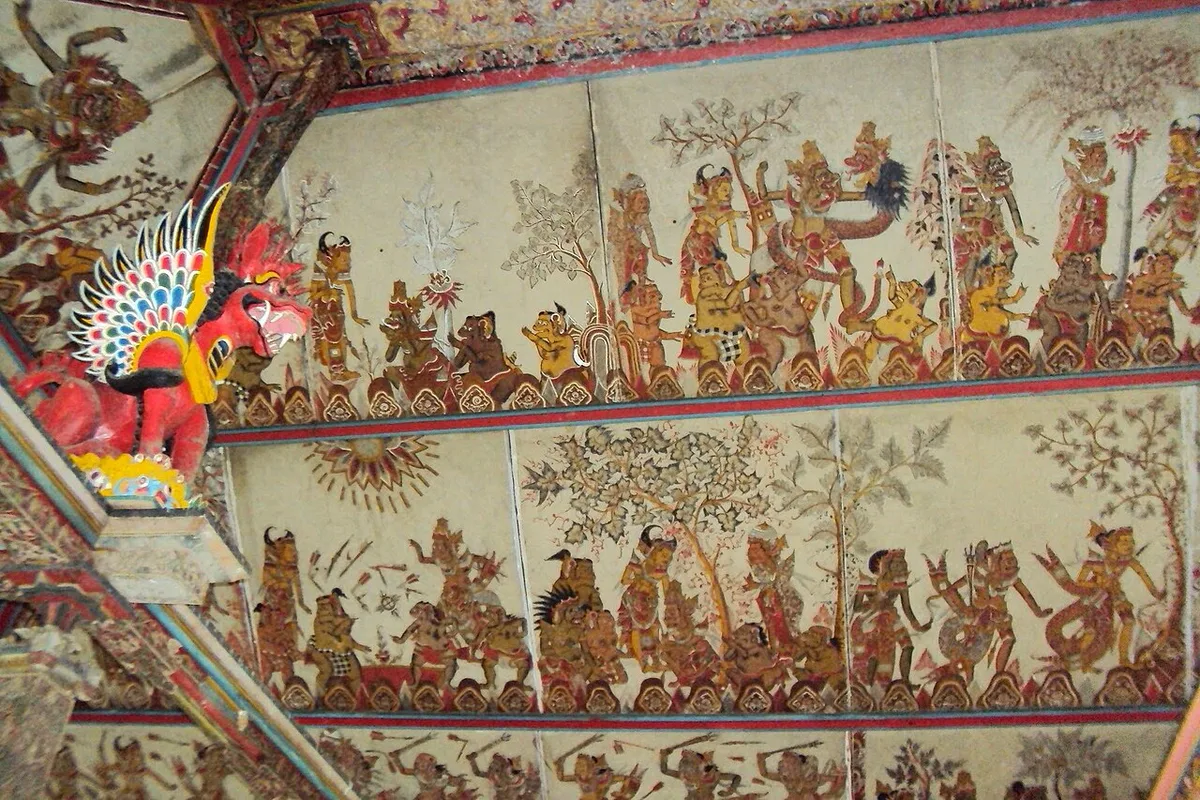
Japan occupied Bali from 1942 to 1945. I Gusti Ngurah Rai then formed guerrilla forces against the returning Dutch. He died in the Puputan Margarana of 20 November 1946, fought in Marga, Tabanan. Be careful here, because some villa sites misdate this battle to 1940. The Dutch recognized Indonesian independence in 1949, and Bali became part of the Republic in the years that followed. Mount Agung erupted in 1963, which disrupted lives and the local economy. Mention later tourism growth only with a dated source. Check the official Tabanan or Bali provincial pages for current memorial details.
Where To See Bali's History

Bali's history sites are spread across the south, Centre, east and north. Cluster stops by region and avoid crossing the island in one day. Travel times vary with traffic, so check a current map. For prices and hours, rely on each site's official page or on-site signage. Our guide to major Bali temples helps you pick stops, and water temple rituals explains the irrigation link. A 1-hour route suits a single stop such as Blanjong in Sanur. A half-day can pair two sites in one region. A full day works only if the stops sit close together.
Short on time, a 1-hour route suits a single stop such as Blanjong in Sanur, where the inscription is usually dated to around 914 CE.
| Era | What to look for | Example site | Who should skip it |
|---|---|---|---|
| Early kingdoms | Inscription, early writing | Blanjong inscription, Sanur | Travelers wanting large displays |
| Majapahit legacy | Temple layout, ceremonies | Temples listed in our temple guide | Anyone avoiding dress codes |
| Dutch conquest | Puputan memorials | Klungkung and Denpasar areas | Visitors wanting hands-on exhibits |
| Independence | Margarana battle memorial | Marga, Tabanan | Short-stay travelers based far south |
| Living culture | Paintings and performances | Museum Puri Lukisan, Neka Art Museum | Those who dislike indoor galleries |
How History Shows Up In Culture
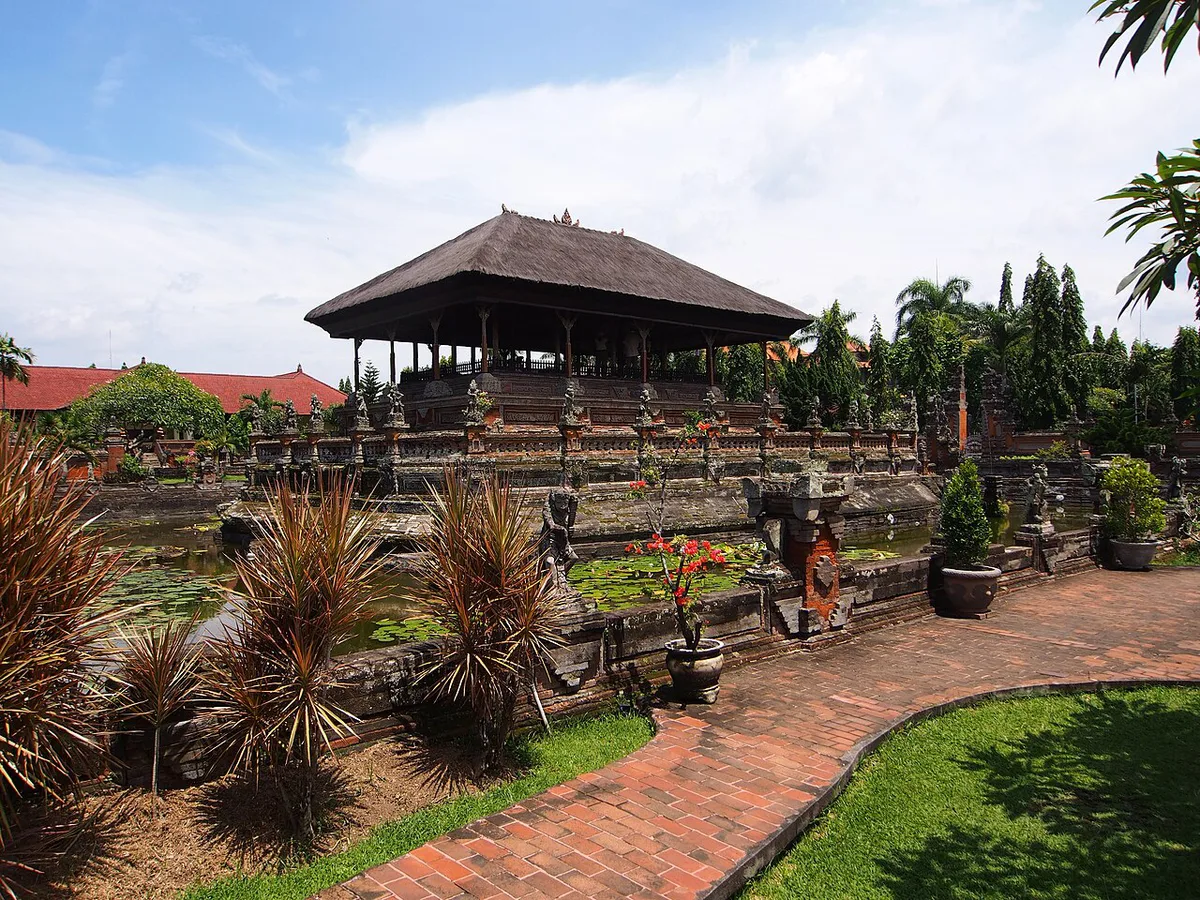
Javanese-Hindu storytelling still shapes Balinese performance. Shadow puppet theatre carries epic tales across generations. Balinese dance traditions grew from court and temple settings. UNESCO's listing of three genres of Balinese dance shows how seriously these arts are protected. Two good starting points are kecak chorus performances and legong court dance. For visual art, read about painting traditions in Bali. Then check ticket details and opening hours at Museum Puri Lukisan or the Neka Art Museum before you go.
Planning Tips And Common Mistakes
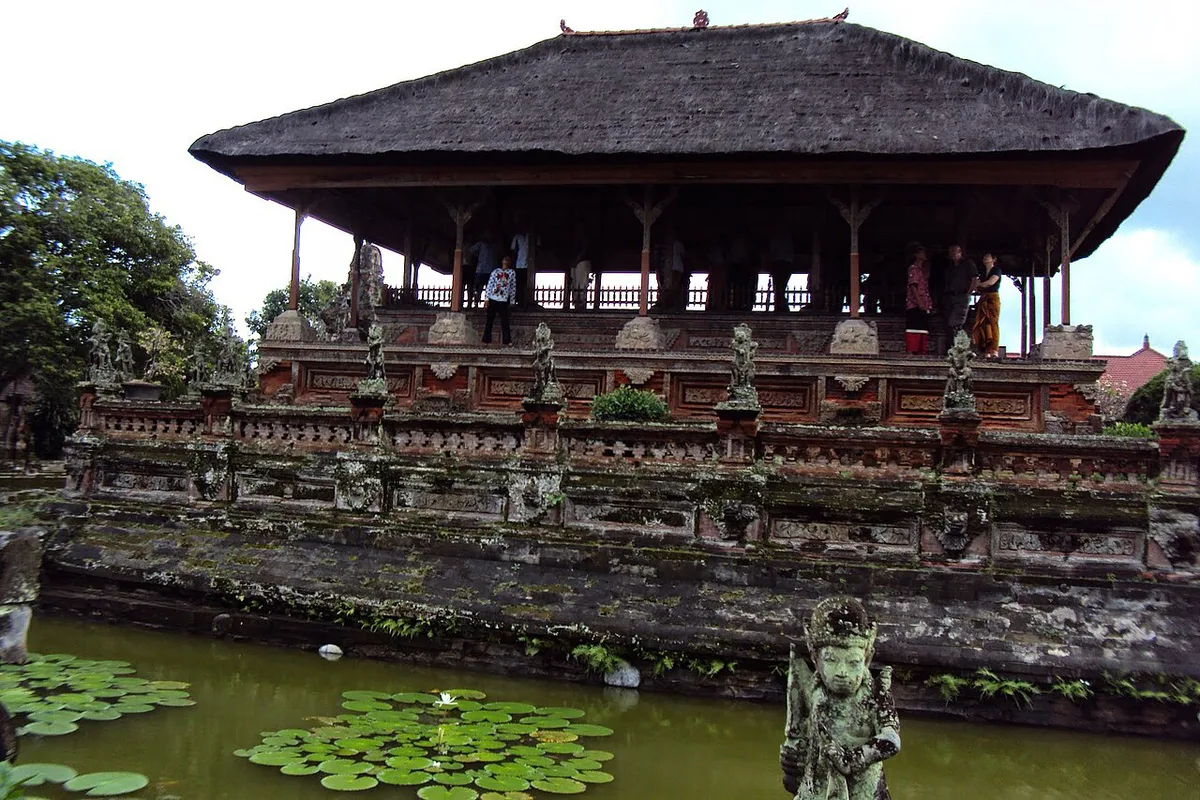
Treat temples as active places of worship, not museums. Wear a sarong and sash where required, and check each site's rules. Some sites close to visitors during ceremonies. Check the Balinese calendar before you pick a day, and verify Nyepi rules if you travel in that period. Pick a route by interest: ancient, colonial, independence or living culture. Rely on museum, UNESCO or academic sources for dates rather than villa-site summaries.
In 1906 Dutch forces moved on Sanur and Denpasar, a date to keep apart from Marga's 1946 battle when you plan your visits.
- Do not mix up Puputan sites in Sanur, Denpasar, Klungkung and Marga.
- Do not stack distant regions into one day.
- Do not assume opening hours or ticket rules; check on site.
Frequently Asked Questions
Why is Bali so different from the rest of Indonesia?
Javanese Hindu nobles, priests and artists settled on Bali after Majapahit's influence there in the 14th century. Their court traditions merged with local village customs and survived while Islam spread across much of the archipelago. That is why temple ceremonies shape daily life on Bali today.
Notes for your Indonesia trip
Optional updates when we add or change a town or island guide.
You might also like

Continue reading
More guides you'll find useful