Legong Dance in Bali: Story, Meaning and Where to Watch
What legong dance is, how it differs from Kecak and Barong, and how to choose a genuine performance in Bali, with venue, timing and etiquette tips.
On this page
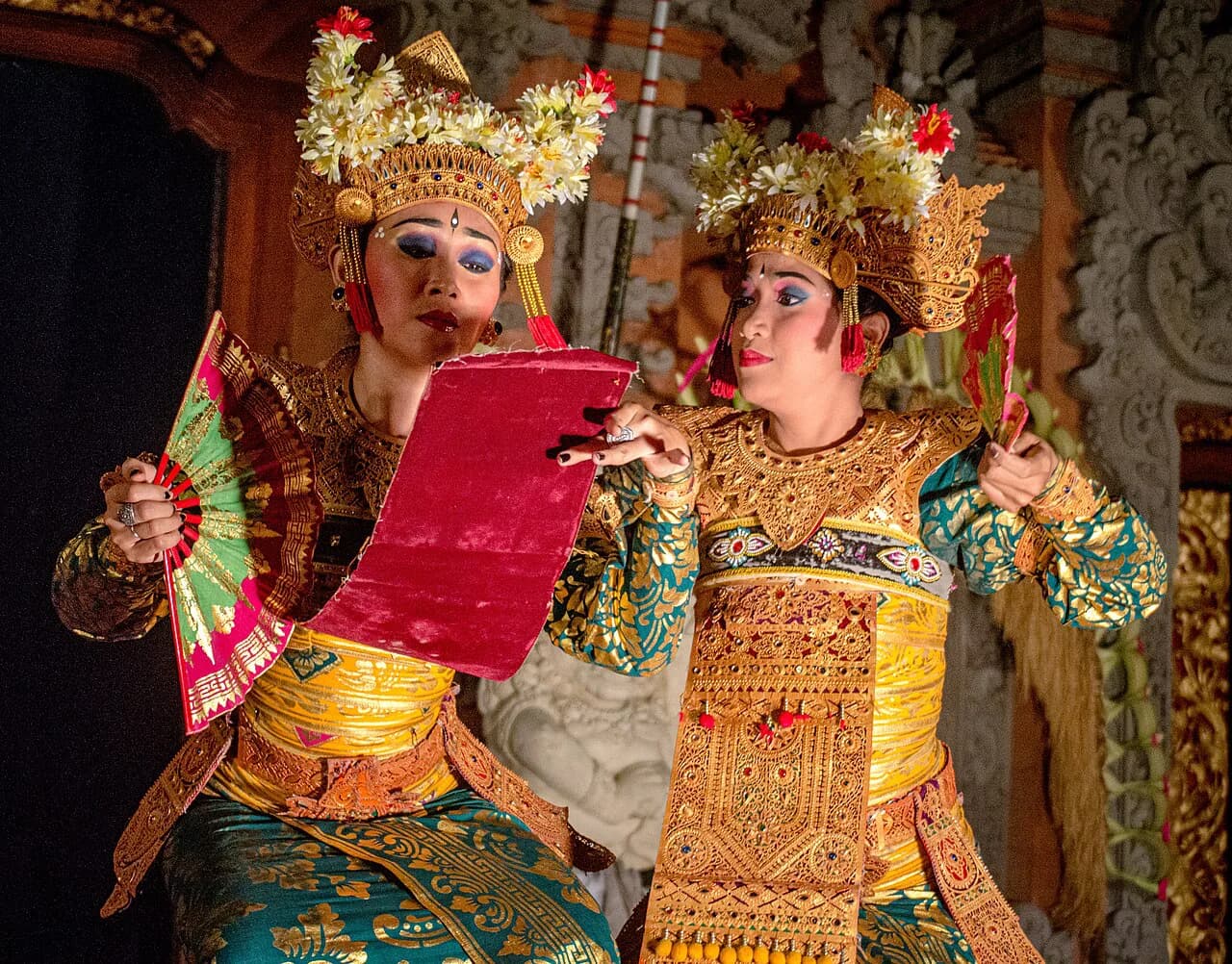
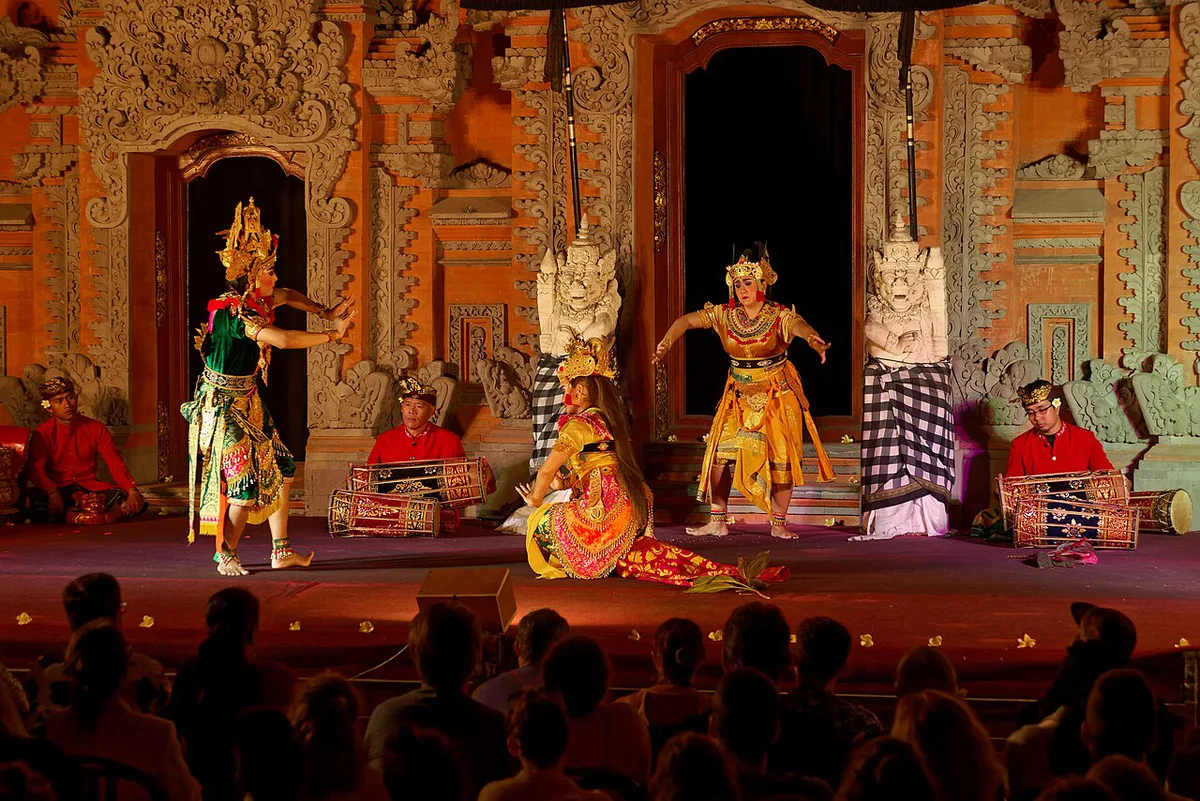
Last updated November 2026: legong dance is a classical Balinese court dance, traditionally performed by young girls and built on precise finger, eye and foot movements. A gamelan gong kebyar ensemble drives every gesture with sharp accents and sudden pauses. Our guide covers the Legong Lasem story, how Legong differs from other Balinese shows, and how to pick a performance worth your evening.
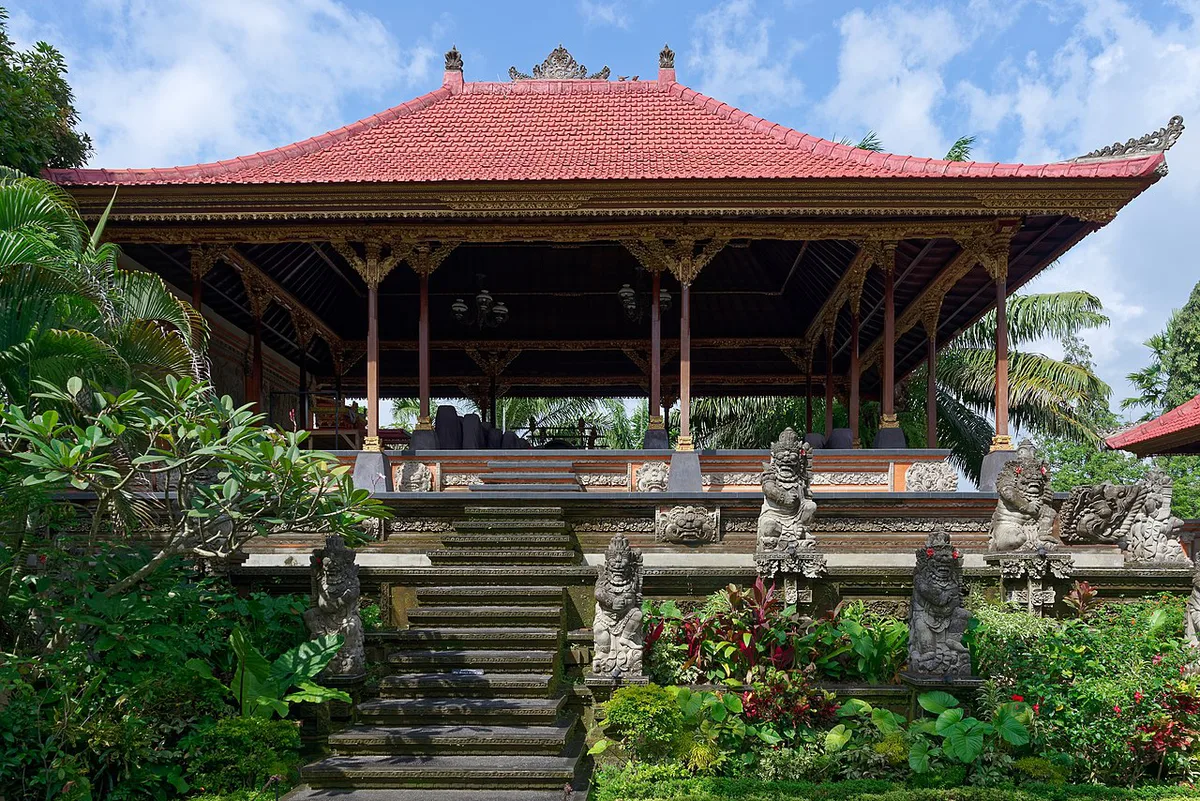
Featured image: Philip Nalangan, CC BY-SA 4.0, via Wikimedia Commons.
What Is Legong Dance?

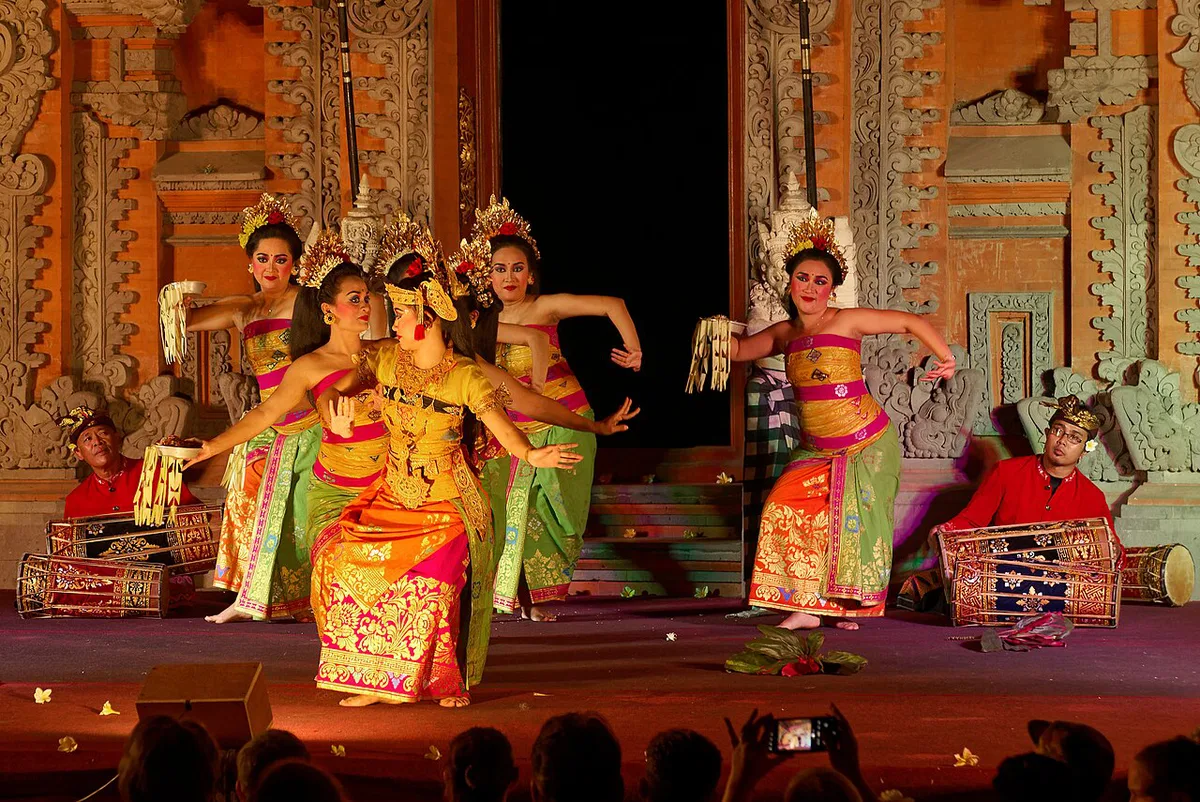
Legong grew out of the Balinese royal courts and remains a benchmark for classical female dance on the island. Young girls traditionally perform it, and training begins early. Fluid hand and finger movements carry much of the meaning. Quick eye flicks snap in time with the music's accents. A gamelan gong kebyar orchestra supplies the score, and its sudden stops and bursts cue the dancers. For the wider court setting, read our overview of Bali's royal history. UNESCO's listing of Balinese dance genres sorts the island's dances into sacred, semi-sacred and entertainment groups. Legong is usually placed with the entertainment group, which explains why visitors can watch it on stage. Our Balinese dance overview shows where it fits among the others.
The Story and Symbolism Behind Legong Lasem
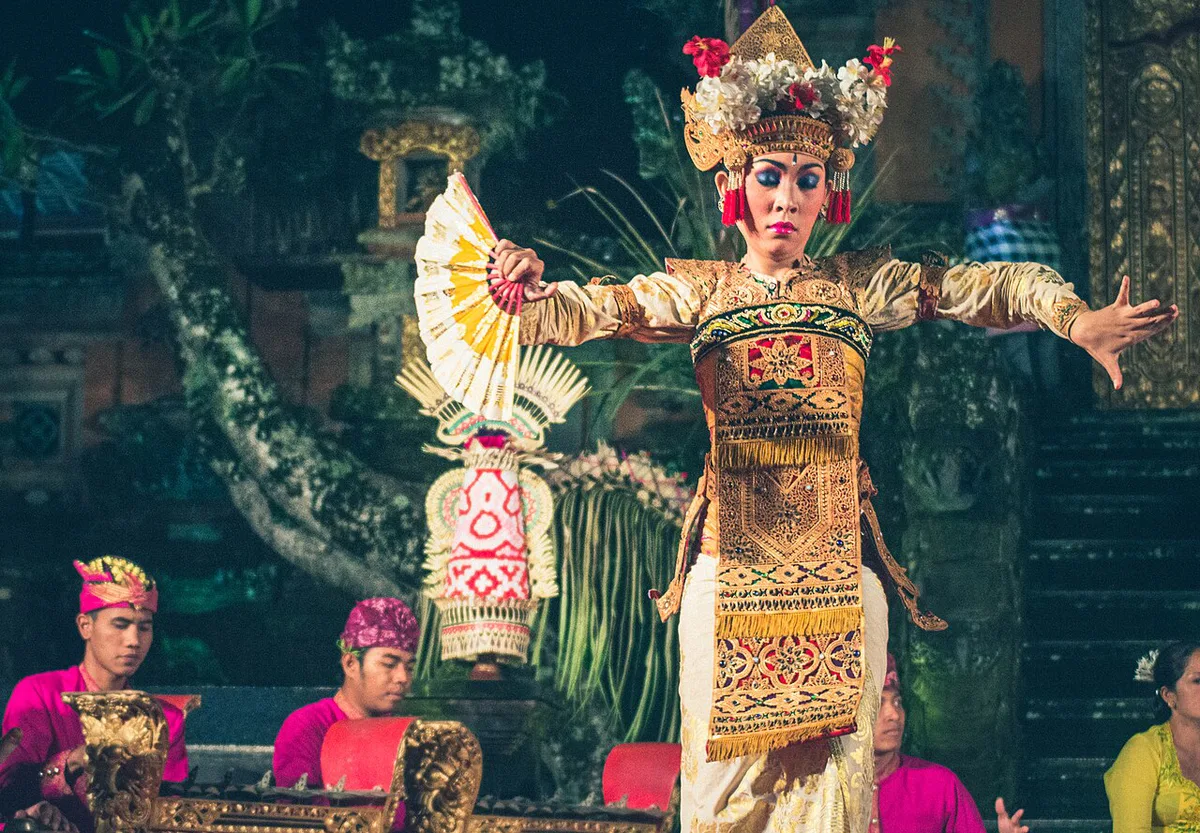
Legong Lasem is the best-known Legong narrative. In the commonly told version, the king of Lasem takes Princess Rangkesari captive. Her brother warns him to release her or face war. A bird of ill omen appears before the battle, and the king's fate turns. Dancers do not speak, so gesture does the storytelling. Hand shapes suggest emotion, while eye movements and head angles show anger, longing or alarm. Costume adds to this, with a gilded headdress and a tightly wrapped cloth that keeps the body's lines crisp. Read a short synopsis before the show begins. Without it, the plot is hard to follow, and the details of the story vary between troupes and sources.
- Read the synopsis in the programme first.
- Watch the hands and eyes, not only the feet.
- Listen for gamelan stops: they usually mark a change of scene.
Legong vs Kecak vs Barong vs Other Balinese Dances
Each Balinese show offers a different evening. Legong is quiet, precise and music-led. Other forms are louder or more theatrical. Use the table to choose, then follow the links for full guides to Kecak, Barong, fire dance and shadow puppetry.
| Show | Format | Music | Best for | May skip if |
|---|---|---|---|---|
| Legong | Classical dance by young female dancers | Gamelan gong kebyar | Art lovers and photographers who like detail | You want loud spectacle |
| Kecak | Group dance with a chanting chorus | Human voices, no orchestra | First-timers who want drama | You prefer quiet refinement |
| Barong | Mythic dance-drama with masked characters | Gamelan | Families and story lovers | You dislike masks or long scenes |
| Wayang Kulit | Shadow puppet play | Gamelan and narrator | Culture enthusiasts | You do not follow narration |
| Fire dance | Trance-style staged spectacle | Chant and percussion | Visitors who want high energy | You are sensitive to smoke or crowds |
Where to Watch Legong in Bali
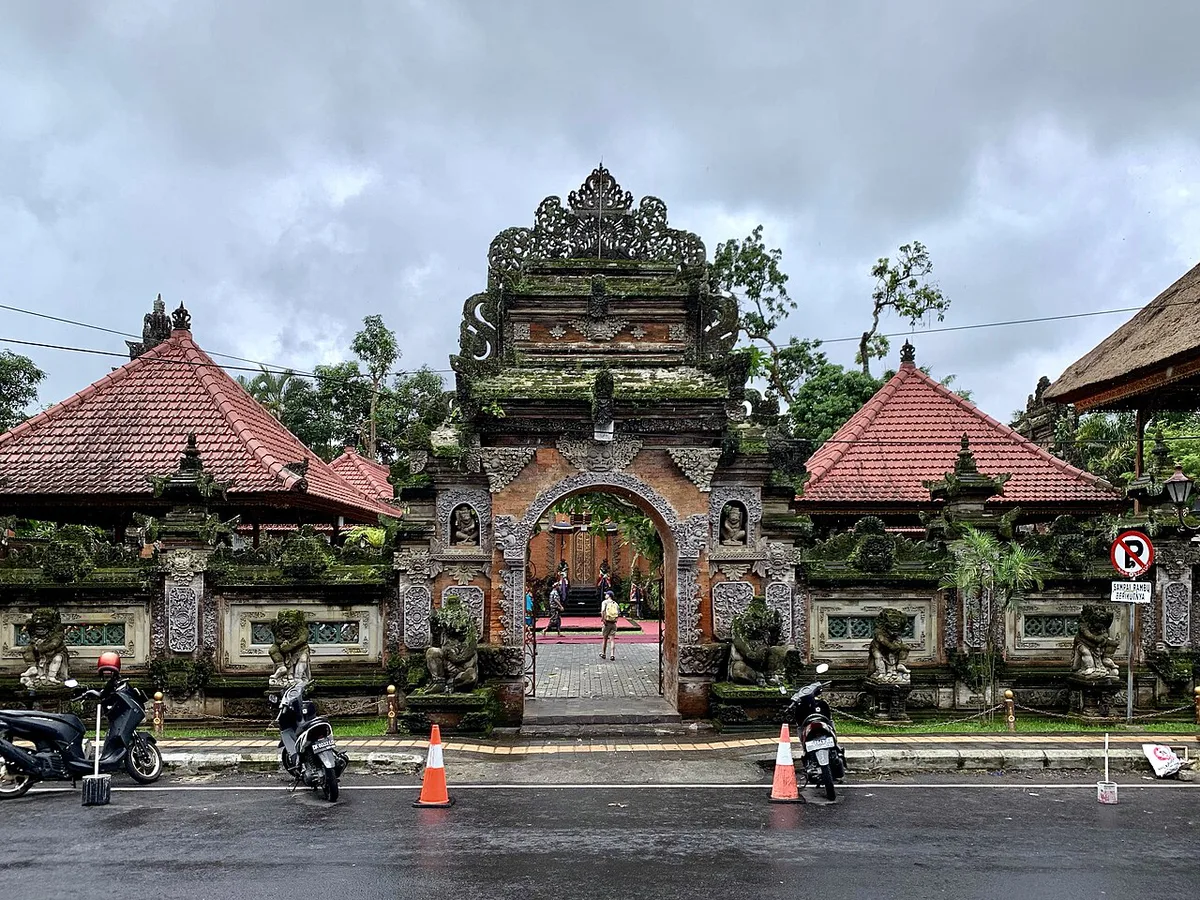
Search results point to a Legong and gamelan program at Ubud Palace, but confirm it with the palace before you plan around it. No verified times or prices are available for this guide, so check the Museum Puri Lukisan official site for current cultural events in Ubud.
- Palace or royal-court stages: often the most atmospheric, but seating can be limited.
- Temple settings: closer to ritual context, so behave as a guest. See our guide to 8 Best Temples in Bali to Visit and How to Choose.
- Cultural centres: usually well organised, with printed synopses.
- Hotel shows: convenient and often paired with dinner, but more staged.
How to Choose and Book a Performance
Confirm the schedule and ticket terms directly with the venue, because Bali shows change with the season and ceremonies. The Neka Art Museum site is another place to check for current cultural offerings near Ubud.
- First-timer on a short stay: pick a palace or cultural-centre show with a clear synopsis.
- Culture or photography enthusiast: choose a smaller stage and ask about flash rules.
- Family with children: look for a shorter program, and confirm the length with the venue.
- Budget-minded visitor: a stage show without dinner usually costs less than a hotel dinner package.
- Staying in Seminyak, Kuta, Canggu or Nusa Dua: expect a longer transfer than for Ubud-based visitors, so book a driver for the return.
Etiquette and Mistakes to Avoid
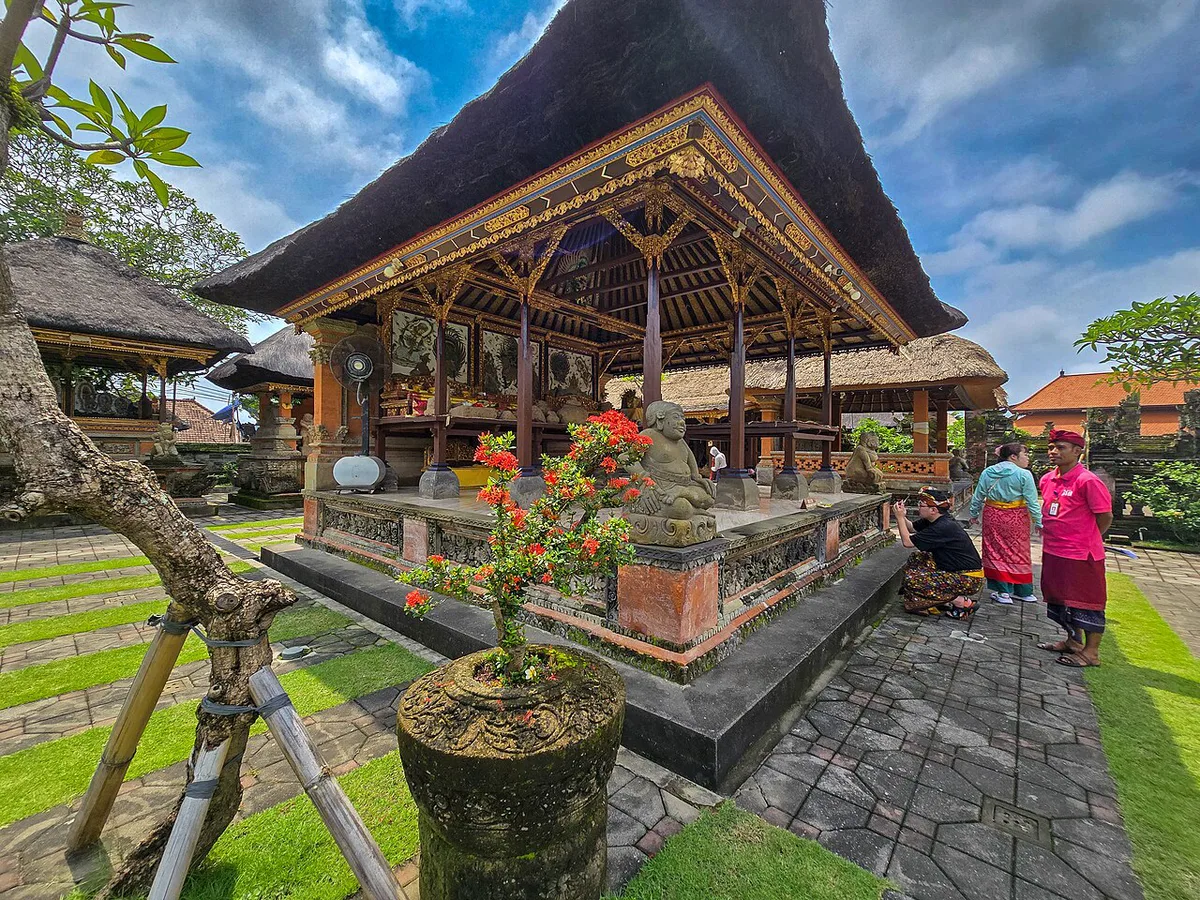
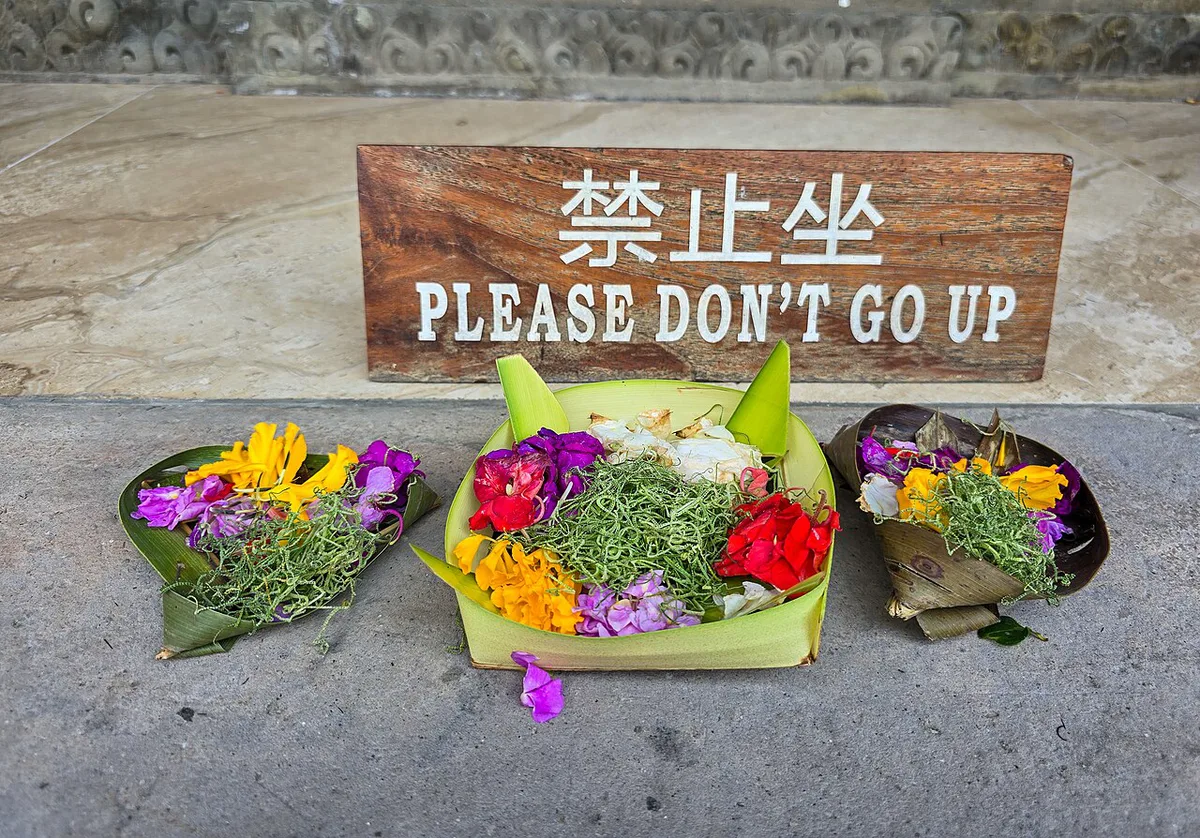
Dress modestly, and wear a sash and sarong when the venue is a temple. Keep your camera flash off, since sudden light distracts dancers and musicians. Never walk in front of ritual offerings or between worshippers and a shrine. Arrive before the opening, because latecomers disturb a performance that depends on silence. Do not confuse a daily tourist show with a ceremony. In a ceremony, stay at the edge, follow local cues and ask before photographing. Our Bali customs guide covers sashes, offerings and temple manners in more detail. For the painting and carving traditions that grew alongside the dance, see Balinese art.
Frequently Asked Questions
What is a Legong?
Legong is a classical Balinese court dance, traditionally performed by young girls. It combines precise finger, eye and foot movements with gamelan gong kebyar music. Many performances retell the Legong Lasem story.
What is the most famous dance in Bali?
No single dance holds that title in our sources. Kecak and Barong are common picks for first-time visitors because they are dramatic and easy to follow. Legong suits you if you prefer refined, classical movement.
Notes for your Indonesia trip
Optional updates when we add or change a town or island guide.
You might also like


Continue reading
More guides you'll find useful