Balinese Dance Guide: Types, Meaning & Where to See It
Kecak, Legong, Barong and more. Learn how Balinese dances differ, what they mean, and how to choose and attend a show respectfully.
On this page
Last updated November 2026: Balinese dance is a set of ritual and storytelling traditions tied to temple life, and Kecak, Legong and Barong are the ones most visitors see. For a first night with one show, match the dance to your mood: Kecak for a chanting chorus, Legong for precise court movement, Barong for a masked story. Below you get a comparison table, venue trade-offs and etiquette for ceremonies.
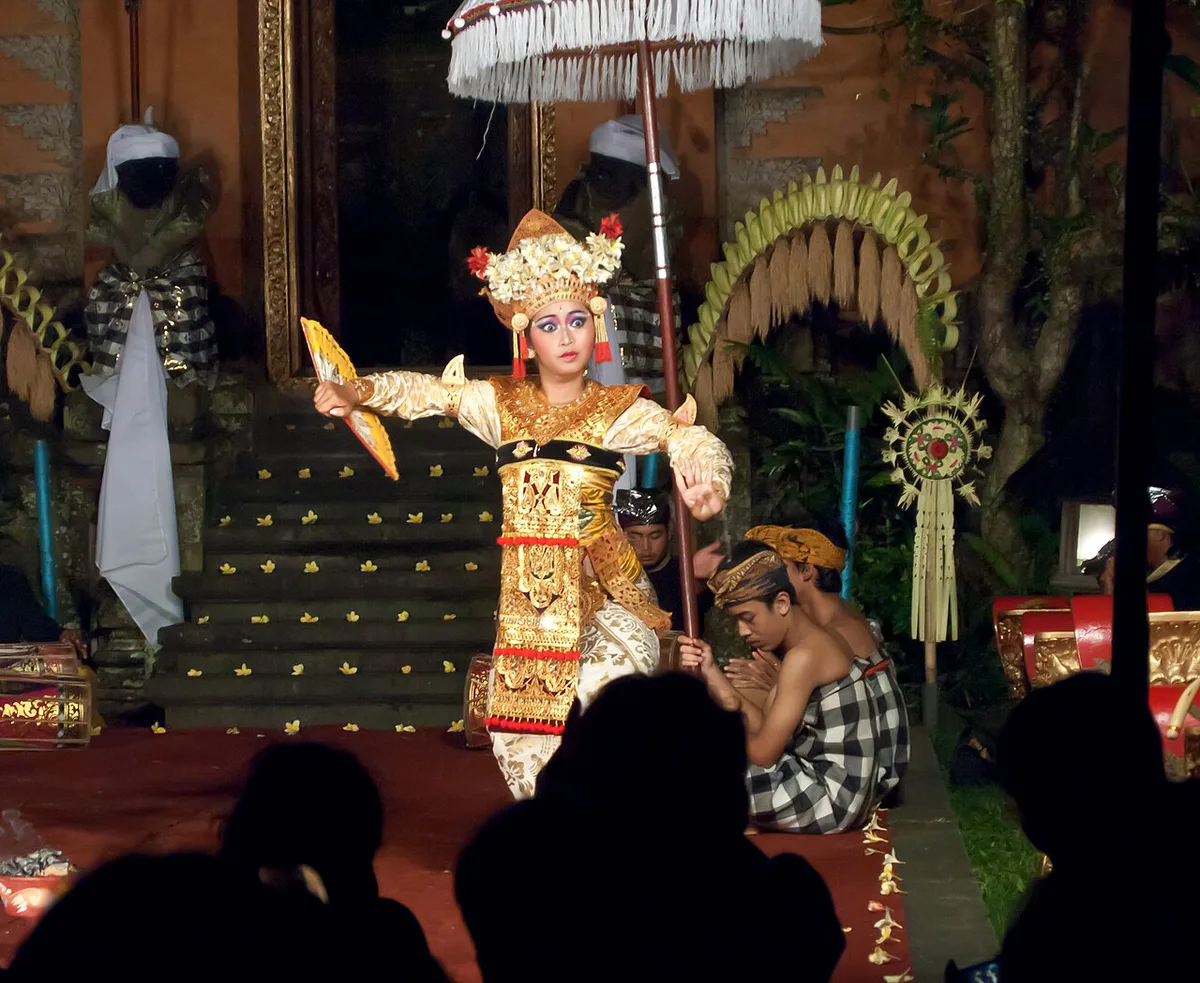
Featured image: Hendri Suhandi, CC BY-SA 4.0, via Wikimedia Commons.
What Is Balinese Dance?
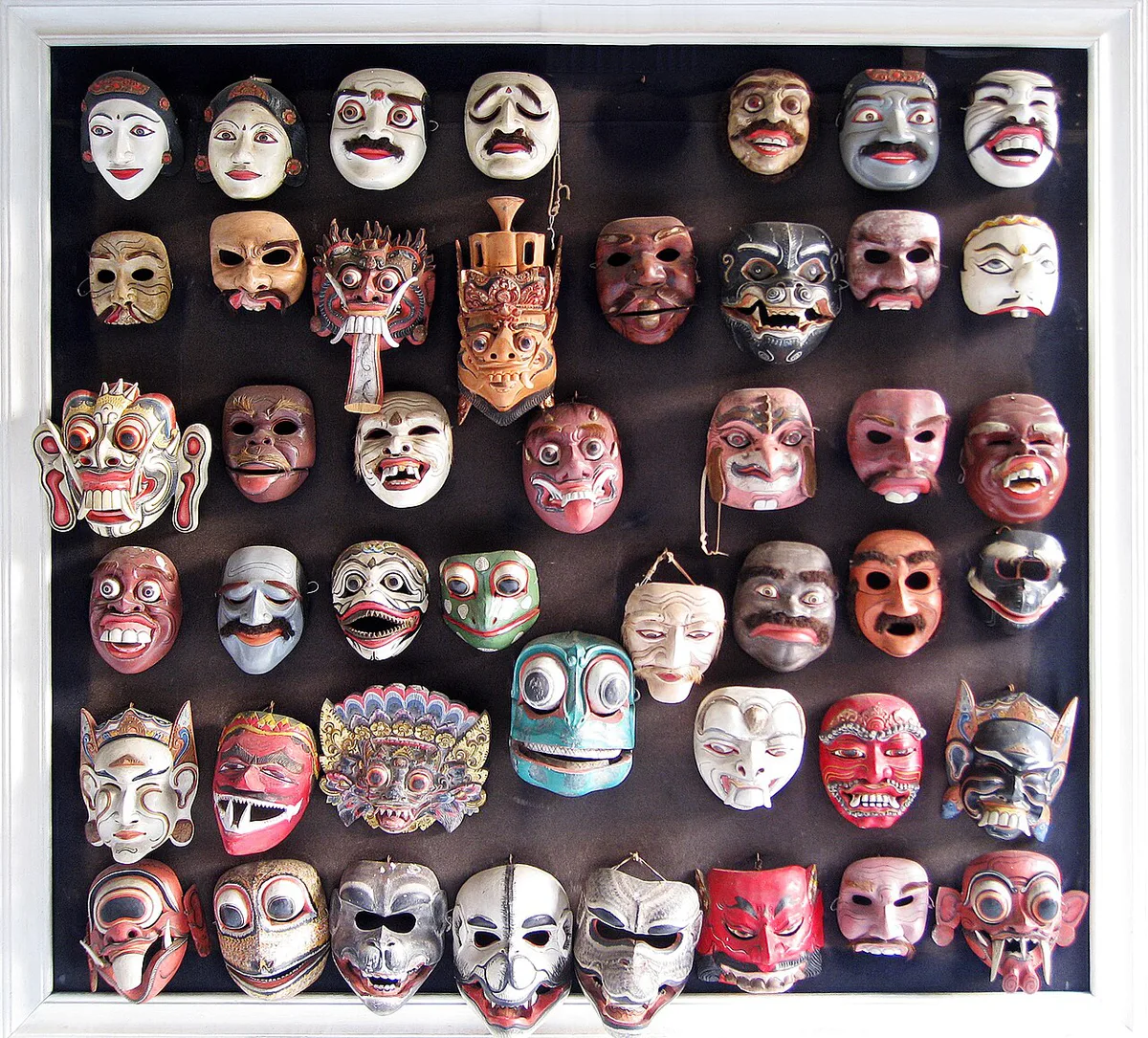
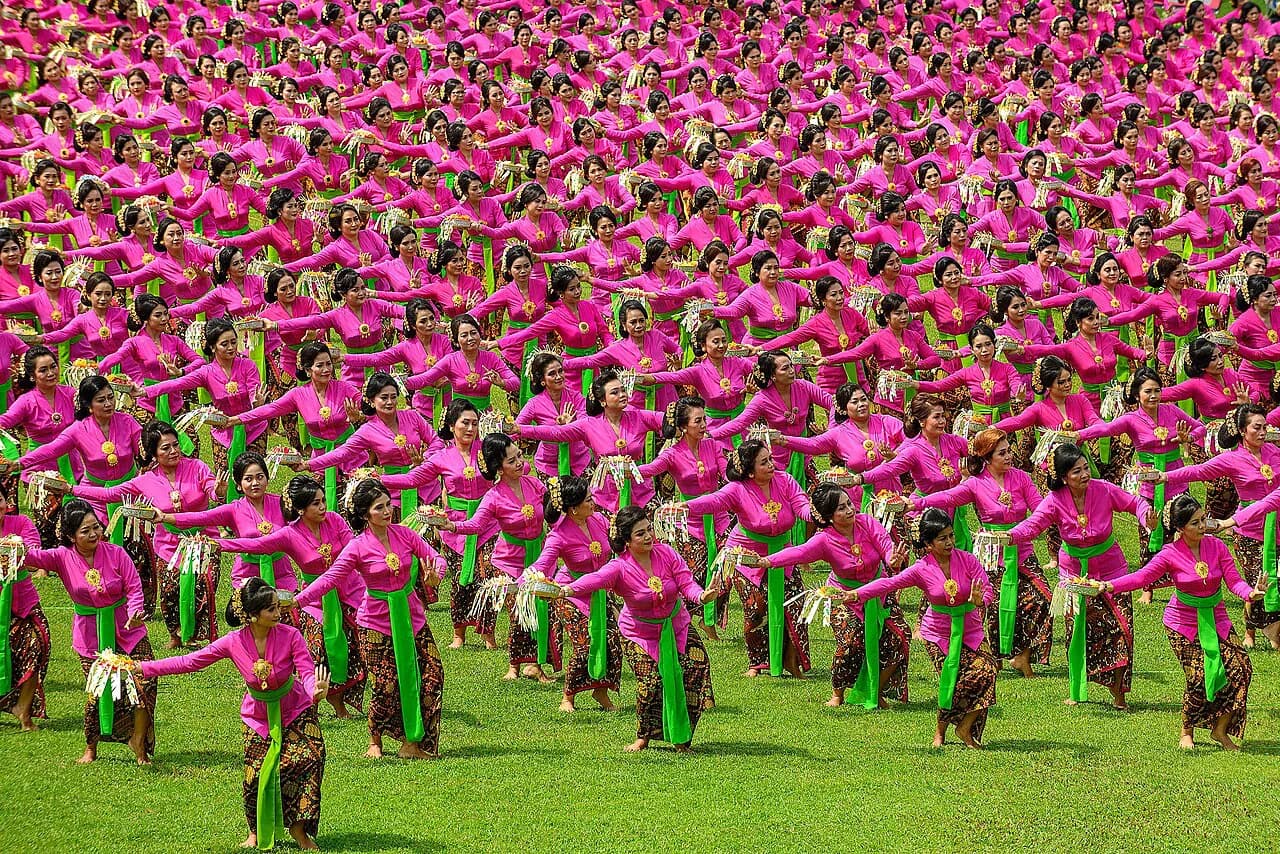
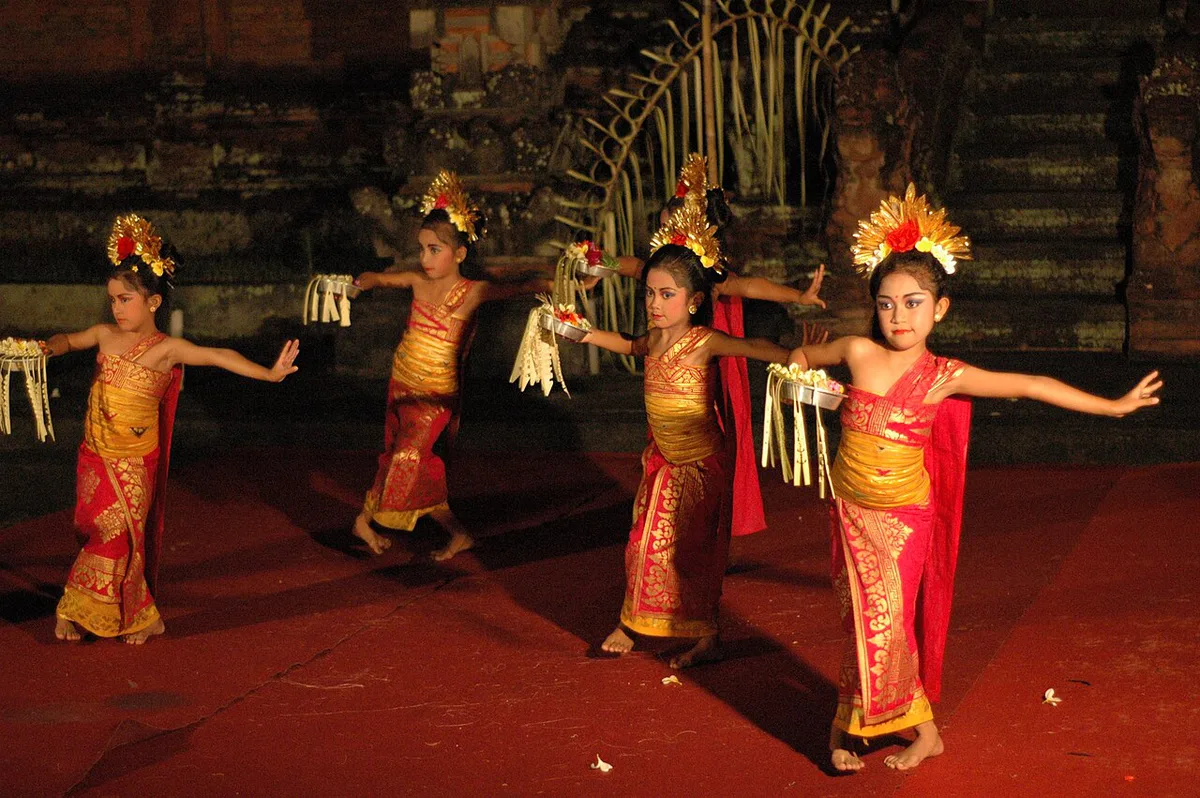
UNESCO's listing of Bali's traditional dance recognizes three genres. Wali is sacred, bebali is ceremonial, and balih-balihan is entertainment. Each genre sits at a different distance from the temple courtyard. Sacred dances belong to worship, while entertainment pieces suit a ticketed stage. Gamelan music accompanies most of them. Pendet, topeng and baris appear often in Bali's performance repertoire. Pendet is commonly seen as a welcome offering, topeng uses masks, and baris is a warrior-style dance. For broader context, read about Balinese art traditions and the island's history. Treat every dance as living practice, not a museum piece.
The Main Balinese Dances Compared
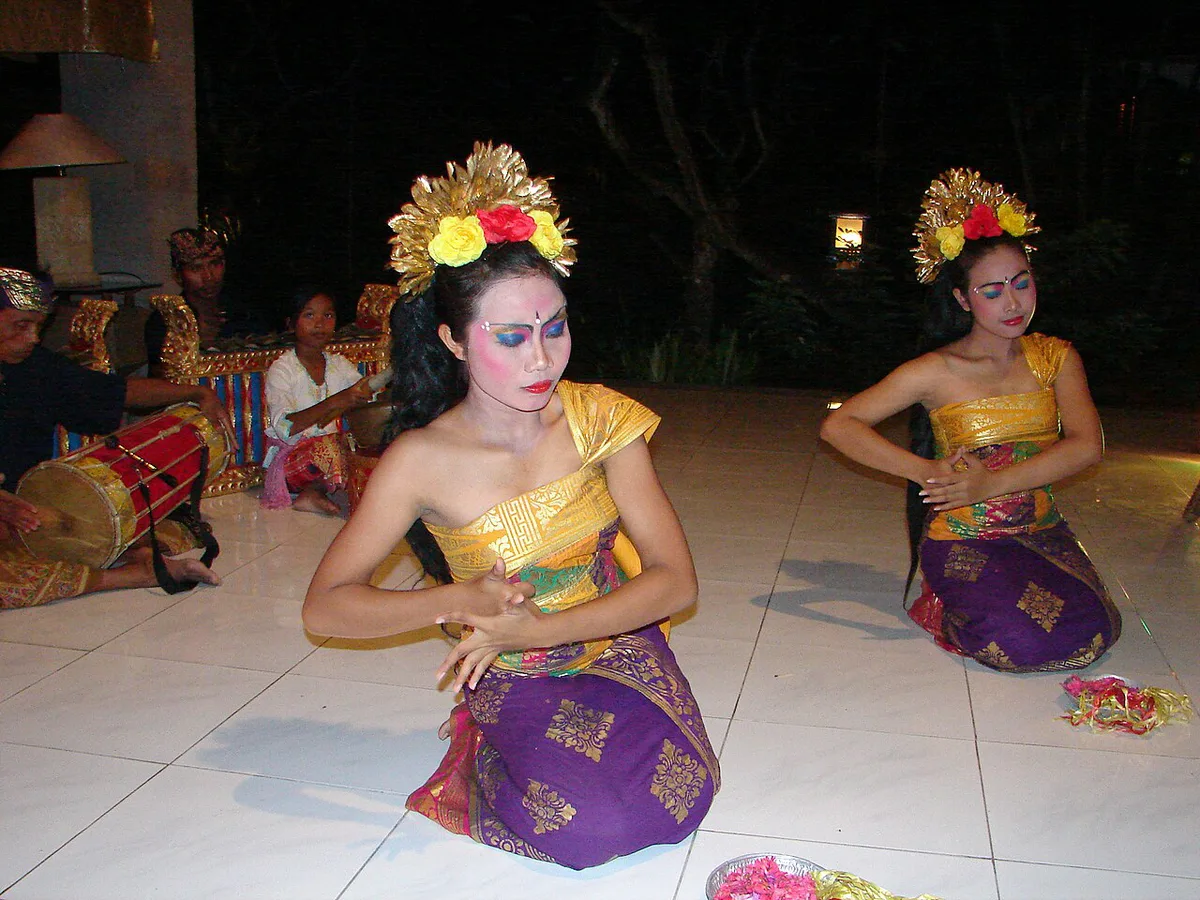
Use this table to compare the dances our cluster covers. Mood and pace are editorial impressions, not official descriptions. Wayang kulit is shadow puppetry, so it is listed as a related art and not as a dance.
| Performance | Mood and pace | What a first-timer notices | Best for | You might skip if |
|---|---|---|---|---|
| Kecak | Intense, rhythmic, steady build | A seated chorus whose voices carry the sound | Photographers, groups, first-night viewers | You want delicate, solo movement |
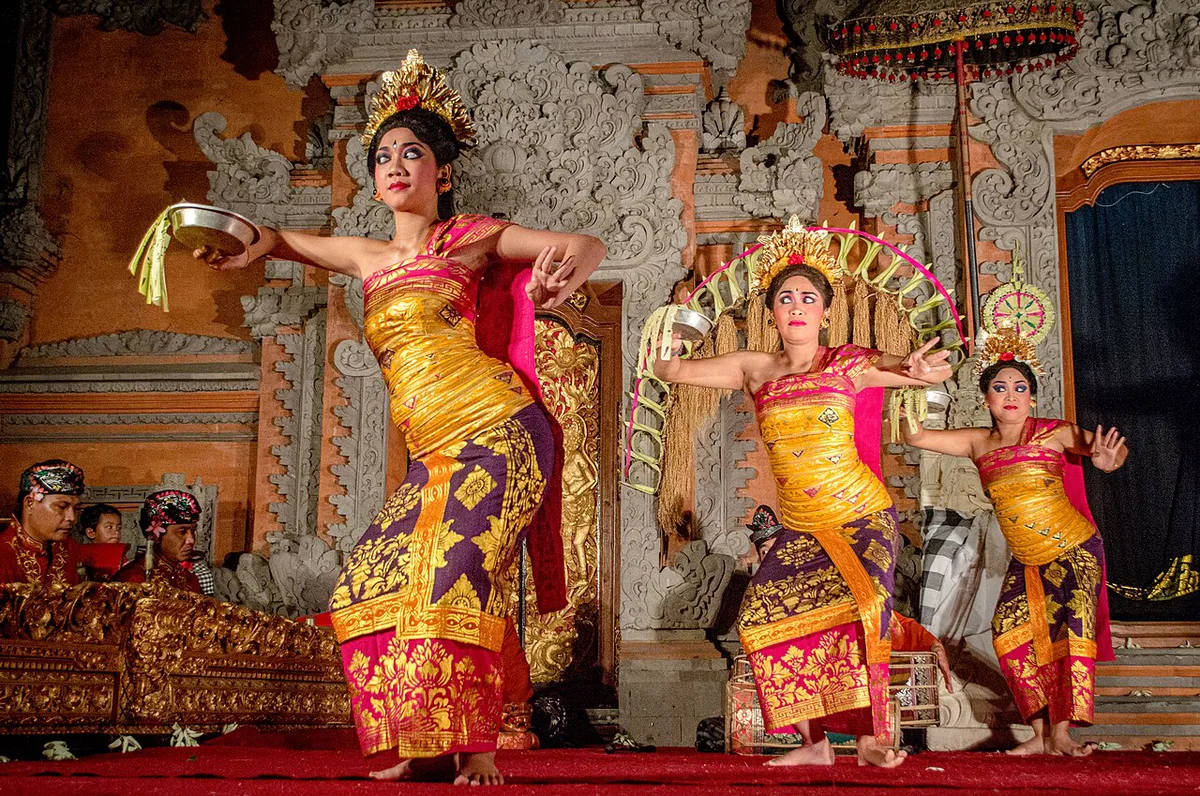
| Legong | Refined, quick, exact | Fine hand, eye and finger control | Culture-focused travelers, couples | You prefer action and spectacle |
| Barong | Mixed comic and dramatic, story-led | A large masked creature and a clear plot | Families with older kids, story lovers | You dislike loud percussion |
| Fire or trance dance (Sanghyang-style) | Dramatic, ritual, tense | Trance and fire as central elements | Travelers who want the most atmospheric option | You are uneasy around fire or crowds |
| Wayang kulit (related art) | Slow, spoken, lamp-lit | Puppets casting shadows on a screen | Patient listeners, language and story fans | You want movement and music alone |
Which Dance Should You See?
Choose by who is traveling and how long you can sit still. Each line below points to a full guide.
- First night, one show: try Kecak performances for a strong first impression.
- Couples and culture-focused travelers: read about Legong court movement.
- Families with older kids: look at Barong storytelling, since the plot is easy to follow.
- Atmosphere seekers: see the Sanghyang trance and fire tradition.
- Patient listeners: add shadow puppet theater as a related art, not a dance.
Where To Watch: Temple Stages, Ubud Venues, Dinner Shows And Ceremonies
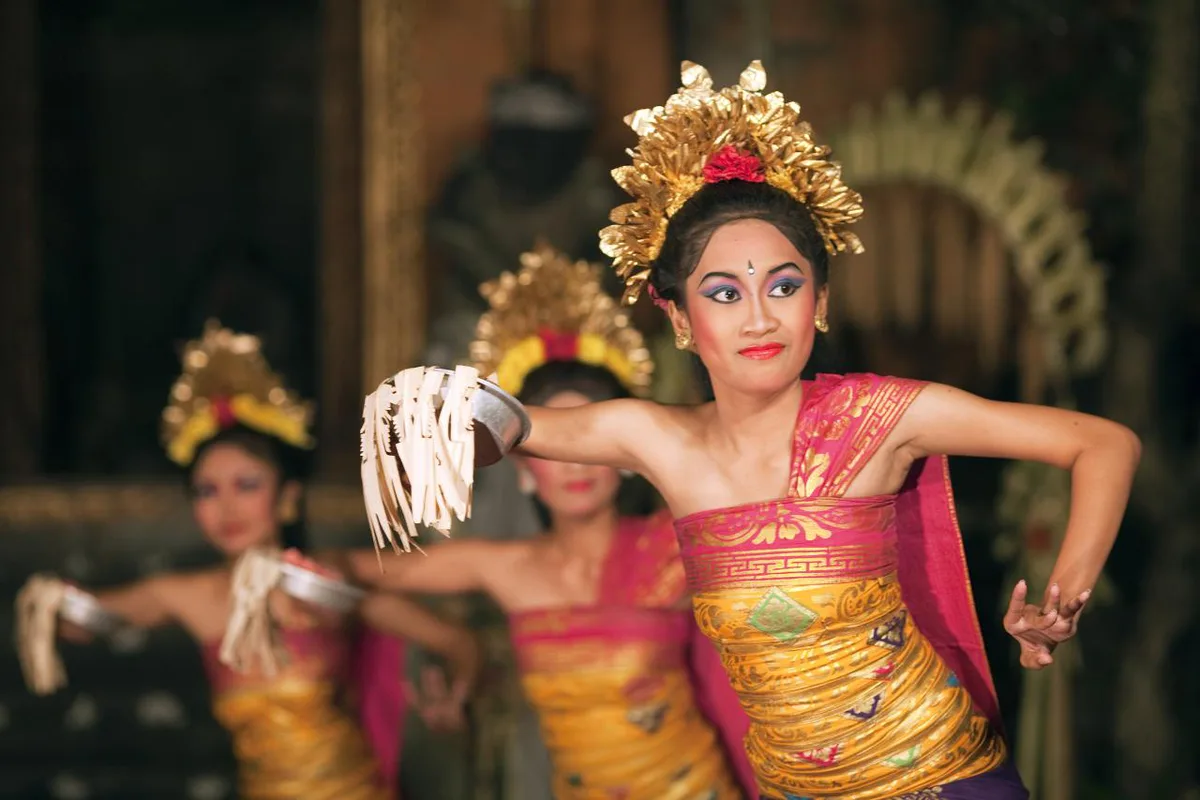
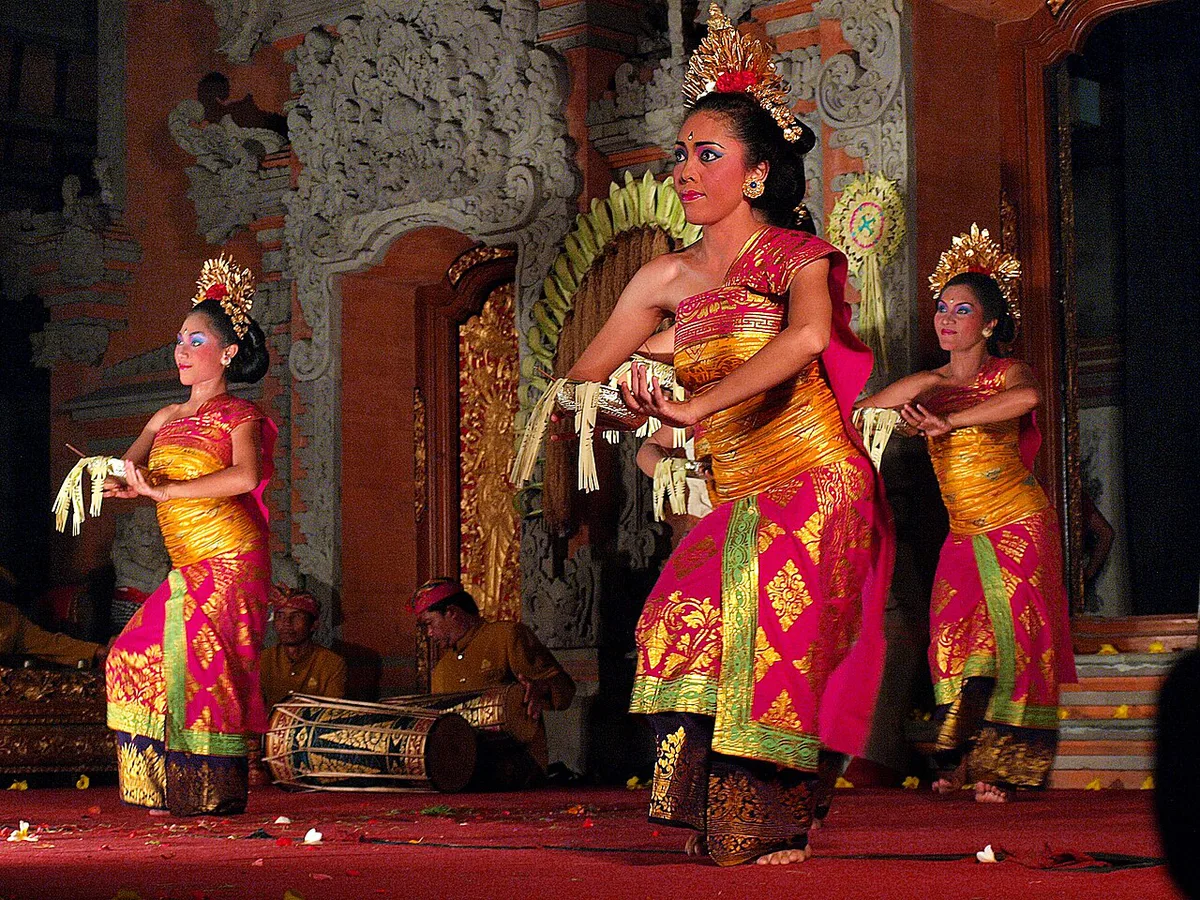
Each setting trades atmosphere against comfort. Confirm venue details on official sites before you commit, because schedules change. Read about the temples across Bali to pair a show with a visit.
- Cliff-top temple amphitheater (Uluwatu area): dramatic scenery and sunset light, but crowds and traffic are the cost.
- Ubud palace and village stages: easy to reach on foot from central Ubud, with a more intimate feel.
- Hotel or restaurant dinner shows: convenient and relaxed, though less tied to temple life.
- Temple festivals and ceremonies (odalan): free and the most authentic, but unscheduled, so check the Balinese calendar.
Costs, Booking And Timing
This guide has no confirmed 2026 ticket prices or show lengths, so check each venue's official page for current rates. Expect three tiers: free ceremonies, standard ticketed shows and dinner shows.
Getting There And Getting Back
We have no verified Ubud to Uluwatu transfer time, so check a current map app before you set off. Plan your ride home before an evening show ends.
Etiquette And Respectful Photography
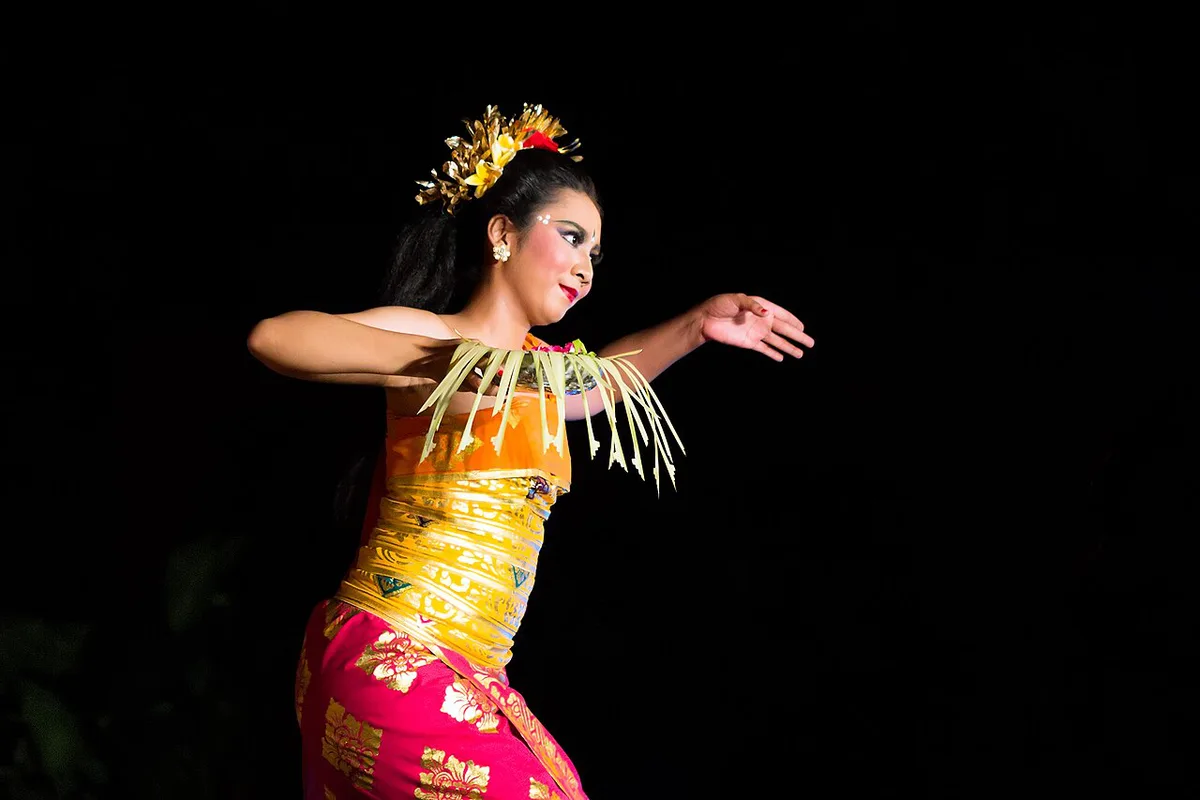
Ceremonial dances are worship, not staged entertainment. Dress modestly and follow the temple's own sash and clothing rules. Keep your head lower than offerings and priests. Never walk through a procession or ceremony. Turn off flash, and ask before photographing worshippers. Pay for a show instead of wandering into a private ceremony uninvited. For more background, see local ceremonial customs.
Common Mistakes To Avoid
Most problems come from treating ceremonies like shows.
- Assuming a ceremony date without checking the current-year Balinese calendar.
- Using flash or standing in front of worshippers.
- Booking a late show without arranging your ride back.
- Expecting every dance to be sacred, or every show to be a ceremony.
- Skipping the research: use temple visiting basics to prepare.
Frequently Asked Questions
What does Balinese dance represent?
Balinese dance expresses worship, community and storytelling. Sacred forms serve temple ritual, while others entertain audiences. UNESCO's three genres reflect that split.
What is the fire dance called in Bali?
The fire and trance tradition is linked to Sanghyang-style dances. Many stage shows also use fire as a feature. Check the performance description before you book.
Notes for your Indonesia trip
Optional updates when we add or change a town or island guide.
You might also like


Continue reading
More guides you'll find useful