Kecak Dance in Bali: Where to Watch, Times and Meaning
What kecak dance is, the Ramayana story behind it, and how to choose between Uluwatu, Ubud, GWK and other Bali venues, with timing and ticket tips.
On this page
Last updated November 2026. Kecak dance is a Balinese dance-drama in which a circle of seated men chants "cak" with no gamelan, telling an episode of the Ramayana. First-timers usually watch it at Uluwatu at sunset, so the venue comparison below starts there and then weighs Ubud, GWK, Melasti Beach and Tanah Lot.
What Is Kecak Dance?
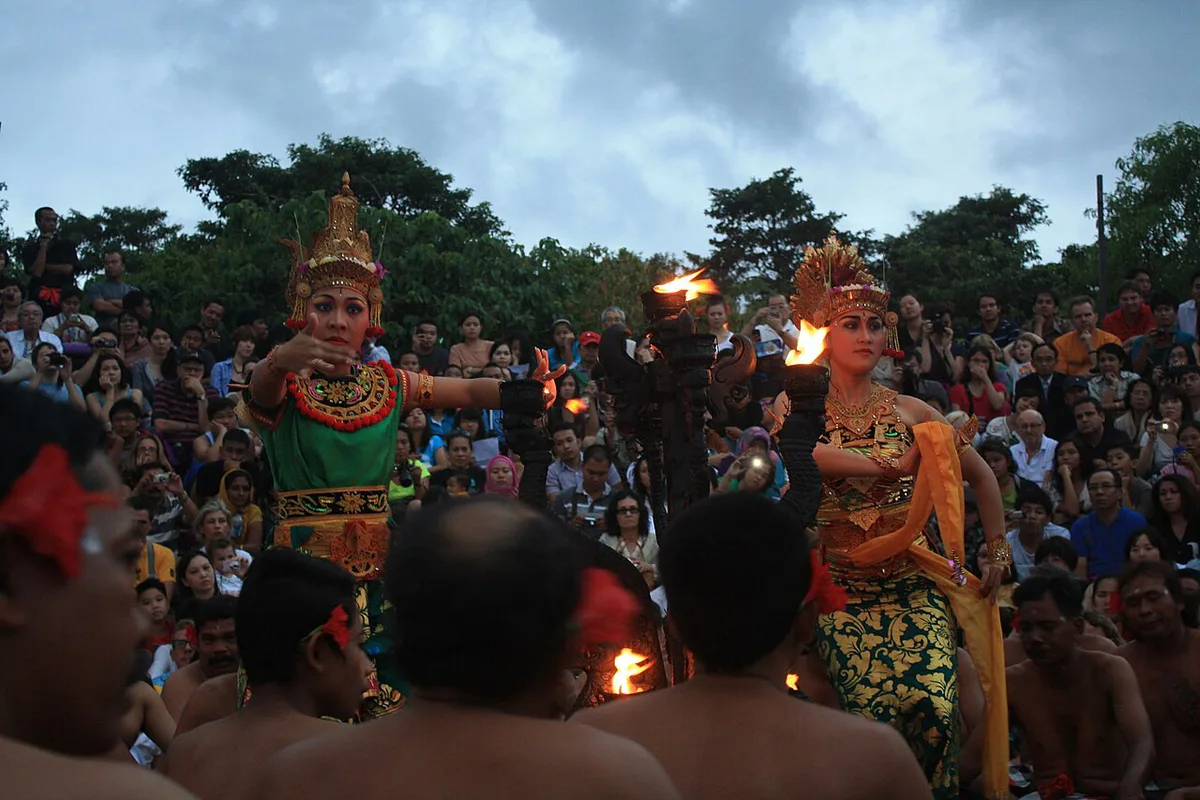
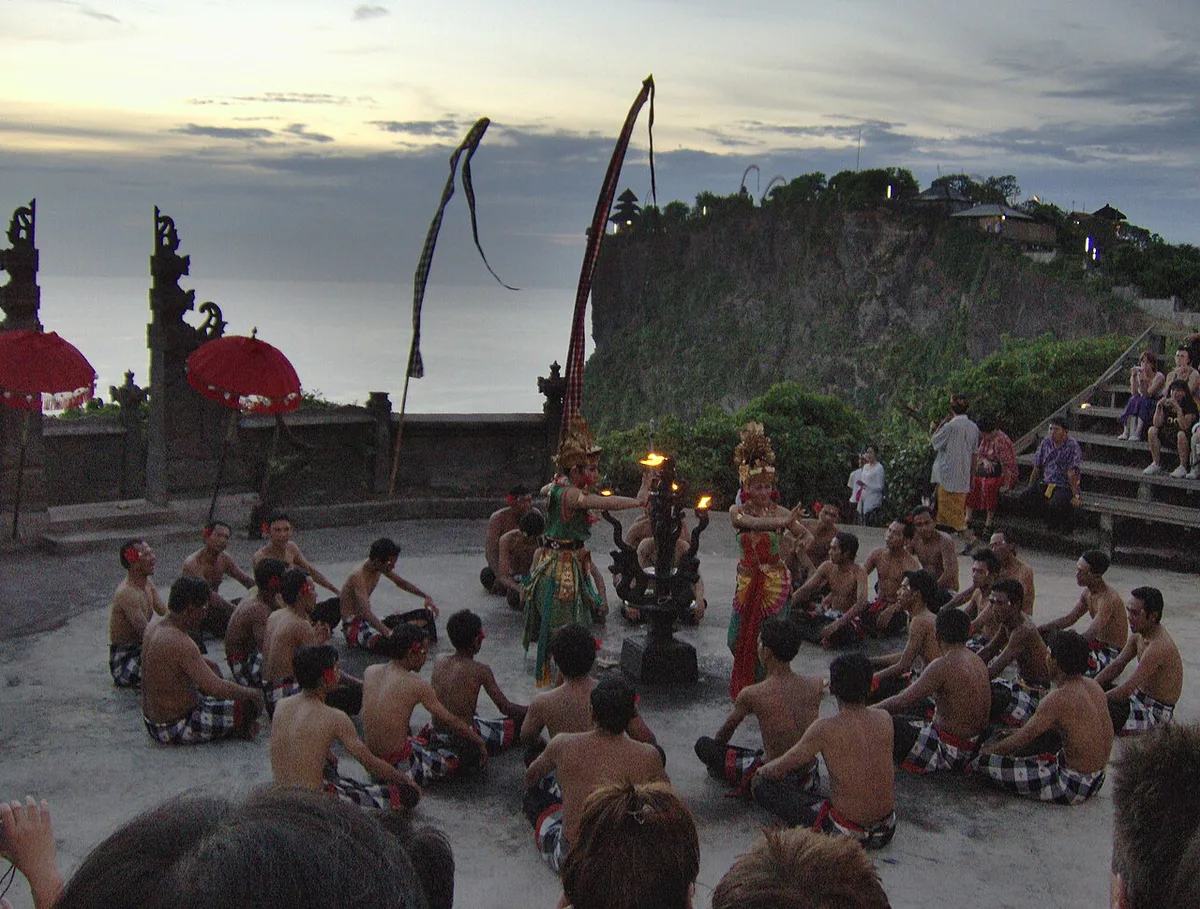
Tens to hundreds of male dancers sit in a circle and repeat "cak, cak, cak" in interlocking rhythms, according to Indonesia's official tourism site. Gamelan instruments are absent. The voices of the chorus are the only accompaniment. Dancers sit cross-legged, raise their arms and sway together as the chant rises and falls.
Kecak dance was developed in the 1930s by the Balinese artist Wayan Limbak and the German painter Walter Spies. They adapted the sanghyang ritual, a trance dance to summon ancestral spirits, and added scenes from the Ramayana for foreign visitors. A fair summary is "created for audiences, rooted in ritual". Calling it ancient overstates the staged version. For the wider story of tourism and art in that era, see Bali's history.
The Ramayana Story You'll See
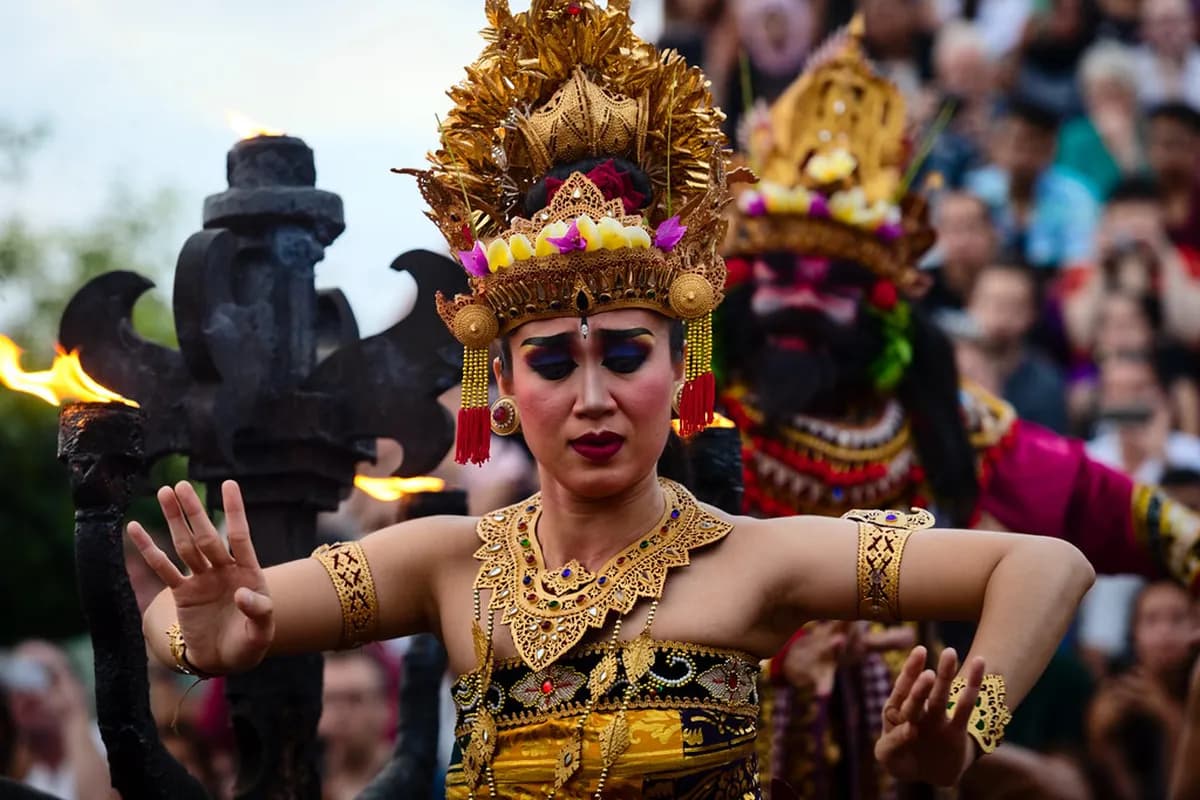
Most performances show an excerpt from the Ramayana. Ravana kidnaps Sita, and Rama fights to win her back with help from Hanuman and an army of monkeys. Nobody speaks. Facial expressions, hand gestures (mudra) and classical steps carry the plot, while the chorus supplies the soundtrack.
Principal characters such as Rama, Sita, Hanuman and Ravana dance in the middle of the circle. Their movements are more graceful than the chorus's swaying. Fire arrives in the best-known scene, when Hanuman sets Ravana's kingdom alight. Open-air stages near sunset, such as Uluwatu, suit that moment well. Other Balinese art forms tell the same epic, including wayang kulit shadow puppetry.
What the "Cak" Chant Means
Indonesia's tourism board describes the chant as collective sound joined with spiritual energy. In Balinese tradition, it is believed to drive away evil spirits and bring protection. The circle of men symbolizes harmony, balance and togetherness.
That meaning traces back to the sanghyang trance ritual. Today's version is a theatrical piece, though some performances still form part of certain ceremonies. Art schools and cultural studios train younger dancers in the movements and their roots. Knowing this background changes how the evening feels. You are watching staged theater built on a sacred sound.
Where to Watch Kecak Dance in Bali: Venue Comparison
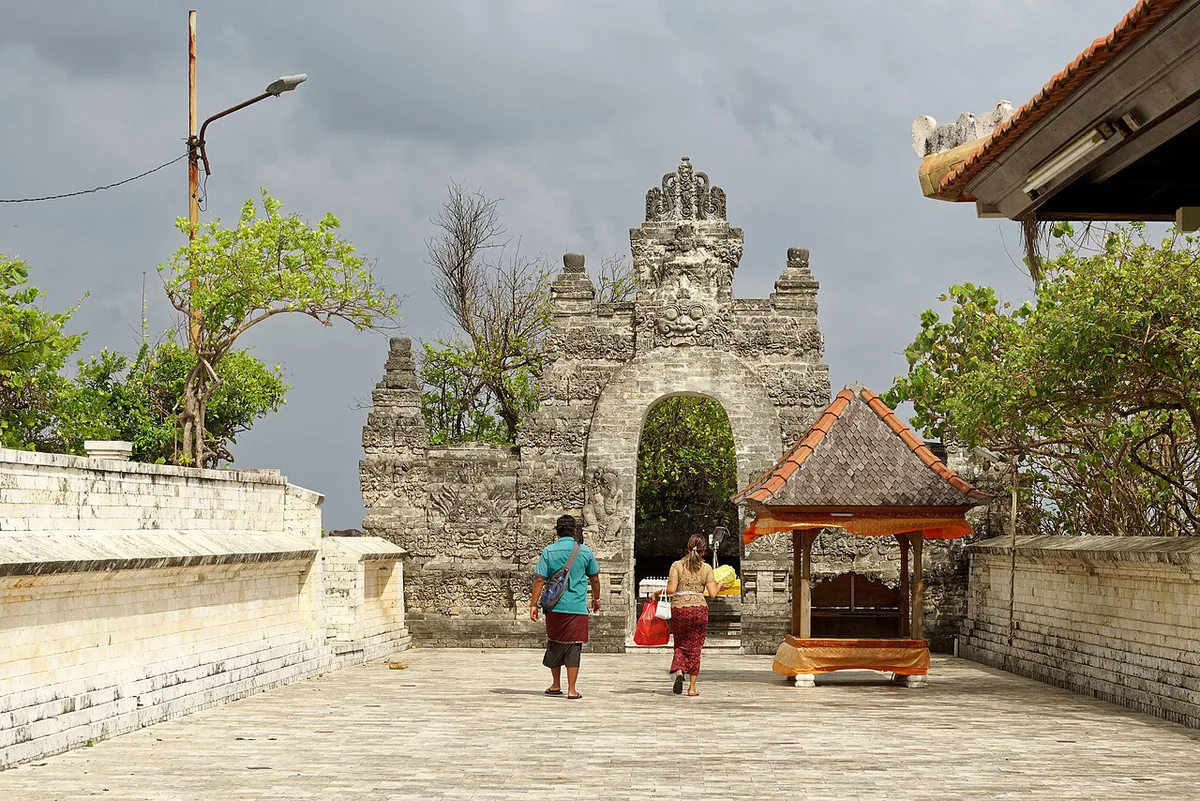
Five venues come up repeatedly. Uluwatu offers the cliff-top sunset setting. Pura Dalem Taman Kaja in Ubud is smaller and local-run. GWK Cultural Park is the easiest add-on to a park visit. Melasti Beach and Tanah Lot are less reliable. Schedules differ between sources, so confirm with the venue before committing. Details below are reported by Indonesia.travel.
| Venue | Setting | Reported time | Reported travel | Schedule reliability |
|---|---|---|---|---|
| Uluwatu Temple | Clifftop over the Indian Ocean, sunset exposure | Daily, 6:00 pm | About 45 min from Ngurah Rai Airport | Daily; rain can disrupt the view |
| Pura Dalem Taman Kaja, Ubud | Intimate, local-run, temple setting | Mon and Fri, 7:00 pm | Walkable from Monkey Forest Road | Two nights a week only |
| GWK Cultural Park | Modern stage inside a cultural park | Daily, 6:30 pm | About 30 min from the airport | Daily |
| Melasti Beach, Ungasan | Beach stage, sea and white sand | About 5:30-6:30 pm | Private or rental vehicle to Jalan Melasti | Seasonal; check online |
| Tanah Lot | Iconic temple backdrop | Around sunset in high season | About 1 hr from Kuta | Not daily; often in tours |
- First-timer with one evening: Uluwatu, for the cliff and sunset.
- Culture-focused Ubud base: Pura Dalem Taman Kaja on a Monday or Friday.
- Photographer: Uluwatu with an early arrival, or Melasti Beach if a show is running.
- Family with young children: Uluwatu, which has a child ticket tier.
- Budget traveler: GWK, where the show is free with park admission.
Tickets, Times and Costs
Uluwatu charges twice. Show tickets are Rp150,000 for adults onsite or Rp139,000 online, and Rp75,000 for children aged 3-9. Infants are free. Temple entrance is separate: Rp50,000 for adults and Rp30,000 for children.
Online booking at Rp139,000 covers the Uluwatu show, which runs daily at 6:00 pm, while temple entry is charged separately.
GWK park entry is reported at Rp125,000-150,000, with kecak free for park visitors. Ubud tickets are around Rp100,000-150,000. Melasti Beach runs Rp150,000-200,000 depending on the organizer. Tanah Lot is around Rp100,000-150,000 and often bundled into tours. These figures come from Indonesia.travel and may be outdated. Check each venue's own site or ticket page before you go.
| Venue | Reported price | Check before you go |
|---|---|---|
| Uluwatu show | Rp150,000 onsite / Rp139,000 online | Separate temple entry applies |
| Uluwatu temple entry | Rp50,000 adult / Rp30,000 child | Confirm at the gate or online |
| Pura Dalem Taman Kaja | Rp100,000-150,000 | Confirm Monday/Friday schedule |
| GWK Cultural Park | Park Rp125,000-150,000; show free | Confirm show time |
| Melasti Beach | Rp150,000-200,000 | Confirm season and organizer |
| Tanah Lot | Rp100,000-150,000 | Confirm a show is running that night |
How to Plan the Evening
Arrive before 17:00 WITA at Uluwatu to secure a good seat. That also leaves time for the sunset before the 6:00 pm start. Budget about 45 minutes of driving from Ngurah Rai Airport, and expect slower traffic on the return trip after dark.
GWK sits about 30 minutes from the airport, so a park afternoon fits before its 6:30 pm show, while Uluwatu needs 45 minutes of driving from the airport.
GWK works differently. It sits about 30 minutes from the airport, so you can explore the park in the afternoon and stay for the 6:30 pm show. In Ubud, walk from Monkey Forest Road for the 7:00 pm start, then eat dinner nearby. Base yourself in the south for Uluwatu and GWK, and in Ubud for the local-run show.
Rain can cloud a sunset show, as one traveler's Uluwatu post noted. Keep a backup evening free. Tanah Lot is about an hour from Kuta, so allow a longer evening there. No source here supports drive times from Ubud or Seminyak, so check a current map.
Etiquette and Common Mistakes
Dress modestly, since several venues are temple grounds. Indonesia's tourism board also advises arriving early and keeping your camera ready. Treat the setting with respect, because the chant's roots are sacred. A broader read on temple conduct is in our guide to temples in Bali.
Avoid these mistakes:
- Arriving after 17:00 WITA at Uluwatu and ending up with a poor seat.
- Assuming every venue runs daily. Ubud is Monday and Friday, and Tanah Lot and Melasti are not guaranteed.
- Forgetting the separate Rp50,000 adult temple entry at Uluwatu.
- Trusting old prices without checking the venue's own site.
- Treating the evening as pure spectacle and ignoring its ritual roots.
Kecak vs. Other Balinese Dances
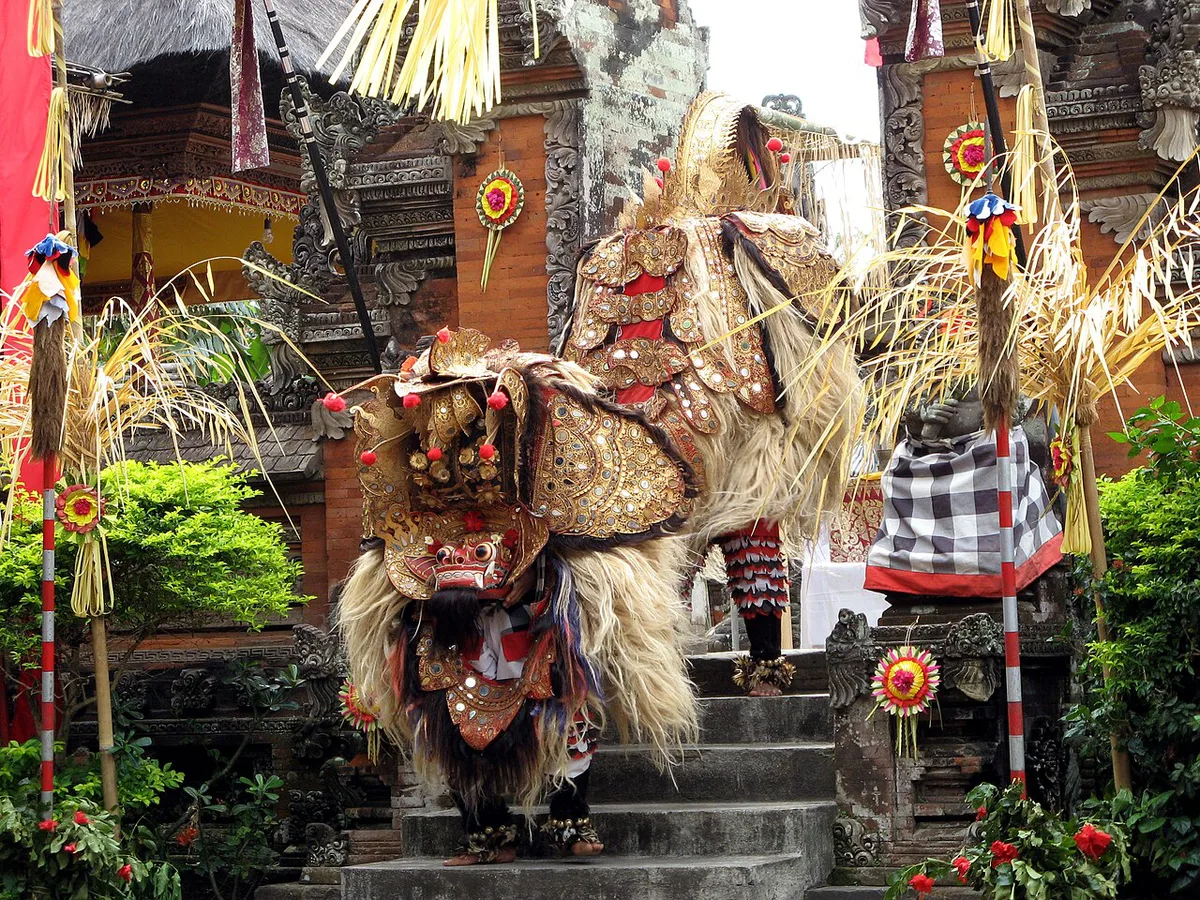
Kecak dance is unusual for having no gamelan and a male chorus as its orchestra. Legong centers on elaborately costumed young dancers moving to gamelan. Barong stages a mythical lion-like figure in a struggle between good and evil. Our Balinese dance overview places all three side by side.
The "fire dance" label usually points to the Hanuman fire scene in a kecak show. A separate sanghyang fire and trance tradition exists too. Our fire dance page covers that difference. UNESCO's listing of Bali's dance genres shows how wide the tradition is.
Frequently Asked Questions
What time is the Kecak fire dance?
Uluwatu reportedly runs it daily at 6:00 pm, and GWK daily at 6:30 pm. Ubud's Pura Dalem Taman Kaja is Monday and Friday at 7:00 pm. Confirm with the venue before you travel.
What is the kecak dance story?
Most shows present a Ramayana excerpt in which Ravana kidnaps Sita. Rama fights to win her back with Hanuman and an army of monkeys. Fire appears when Hanuman burns Ravana's kingdom.
What are some traditional dances in Bali?
Besides kecak, legong and barong are two widely staged examples. Our overview of Balinese dance covers more.
Notes for your Indonesia trip
Optional updates when we add or change a town or island guide.
You might also like
Continue reading
More guides you'll find useful