Wayang Kulit in Bali: Shadow Puppet Theatre Explained (Guide)
What wayang kulit is, how a Balinese performance works, and how to watch one respectfully, plus how it compares with kecak, legong, and barong.
On this page
Last updated November 2026: wayang kulit is shadow-puppet theatre in which a dalang moves flat leather puppets between a lamp and a screen. The art was born on Java more than 1,000 years ago, and Balinese performances draw on the Mahabharata and Ramayana epics. Use this guide to understand what you are watching and how to find a show without guessing.
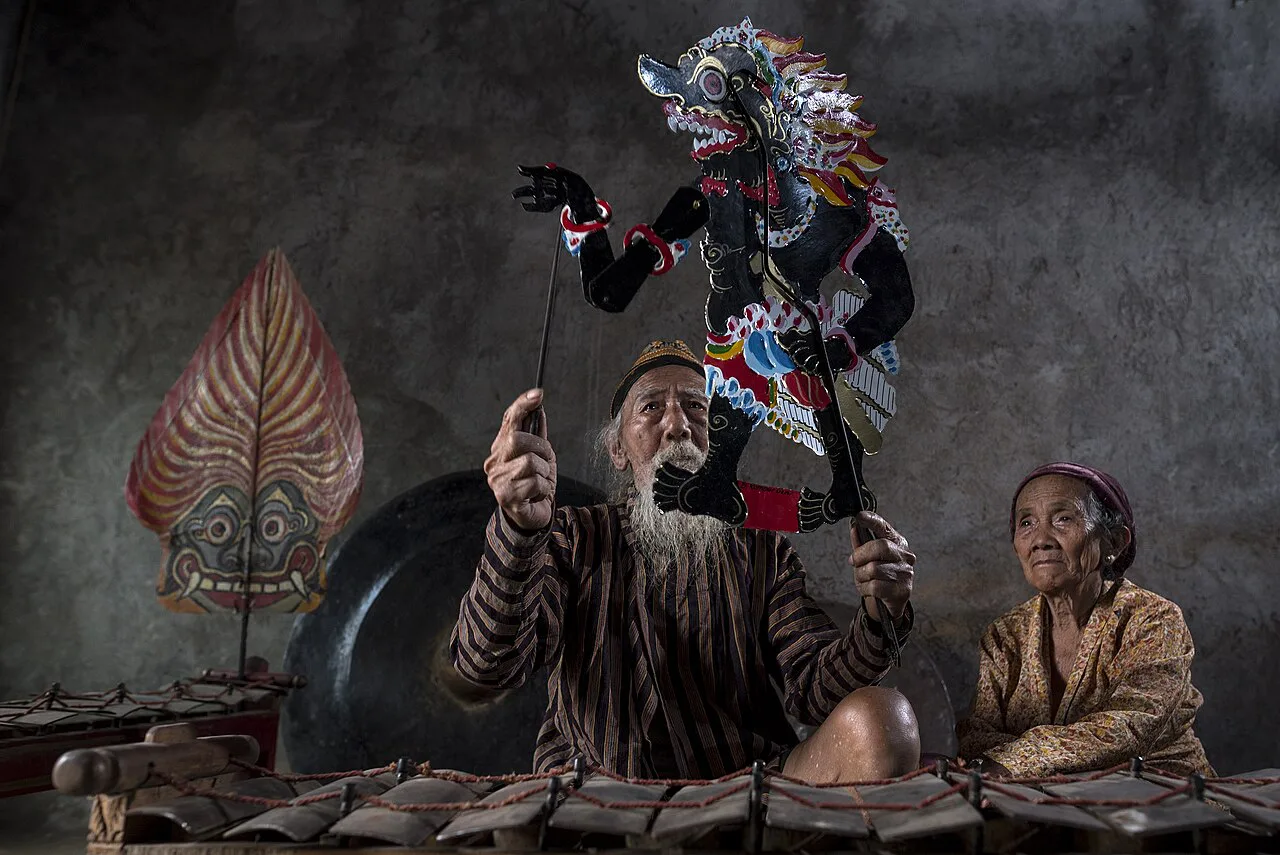
Featured image: Candra Firmansyah, CC BY-SA 4.0, via Wikimedia Commons.
What Is Wayang Kulit?
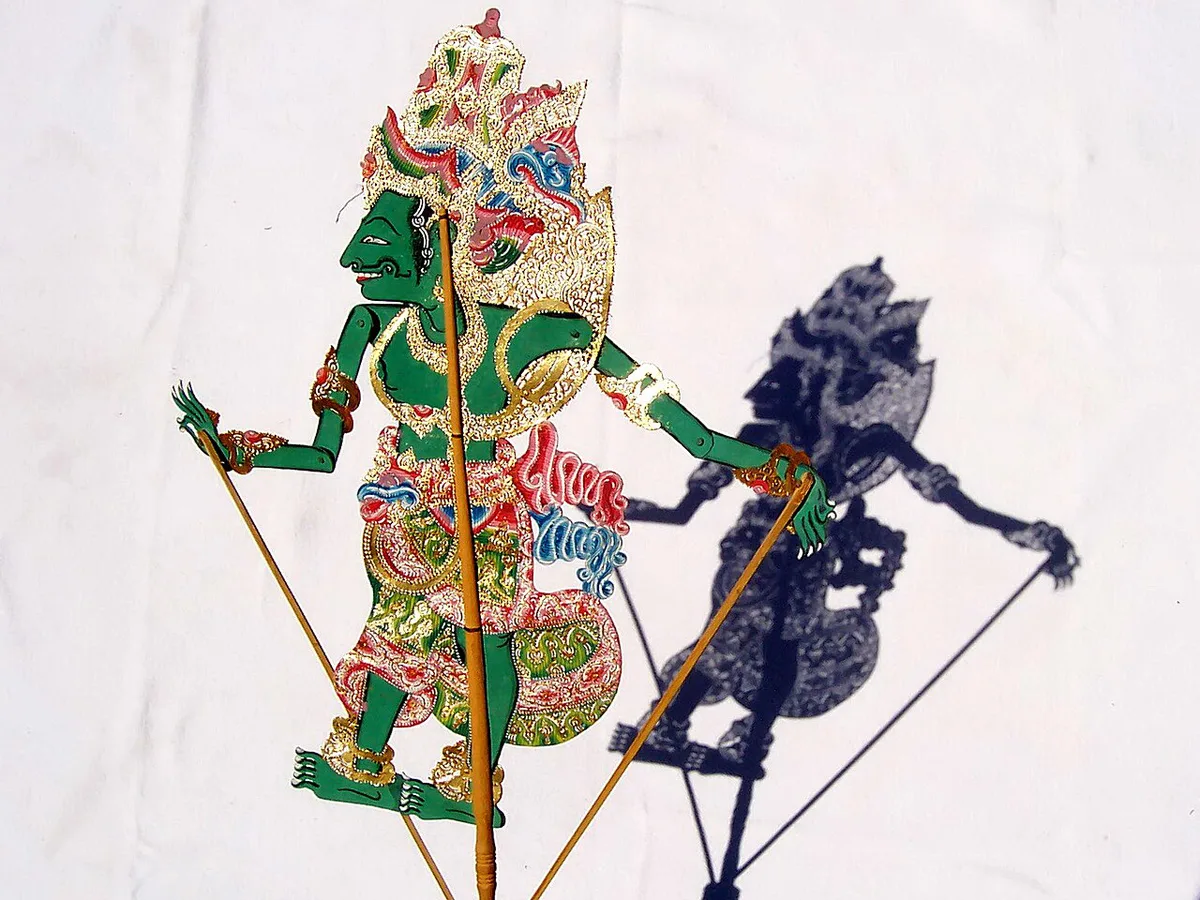
Wayang means shadow or appearance, and kulit means skin. Together the words describe flat leather puppets that cast shadows on a screen. Wayang kulit was born on Java more than 1,000 years ago. Balinese performers keep it alive today, and sources also place it in Lombok. Its roots trace to the Mahabharata and Ramayana, although the repertoire has shifted over the centuries. Wayang puppet theatre appears on UNESCO's intangible heritage list, which signals its international standing.
How a Wayang Kulit Performance Works
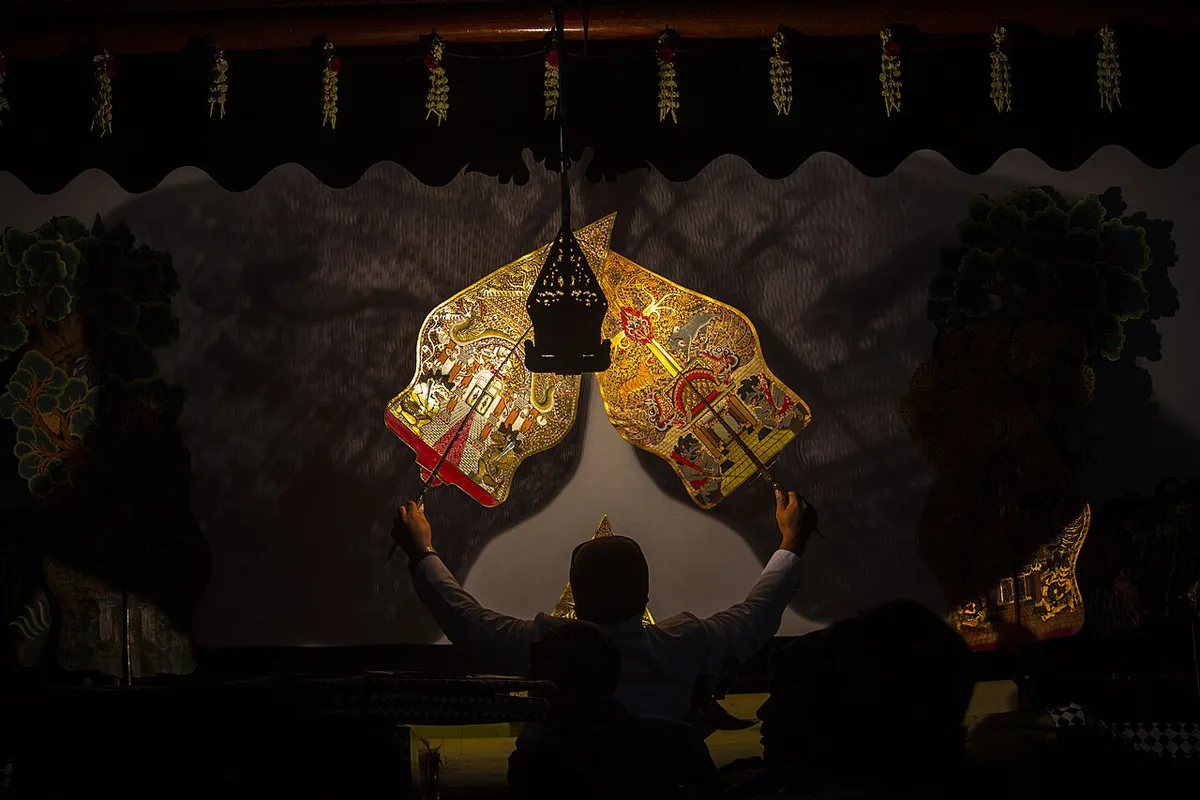
Every performance follows the same basic setup. A white screen faces the audience. A lamp hangs behind it, and puppets held between lamp and screen throw their shadows forward. One dalang works as puppeteer, storyteller, singer and conductor. Traditional performances run an entire night, so ask whether a show has been shortened.
- Dalang: voices every character, narrates, sings and cues the musicians.
- Screen and lamp: the lamp is the light source, and the screen is where shadows appear.
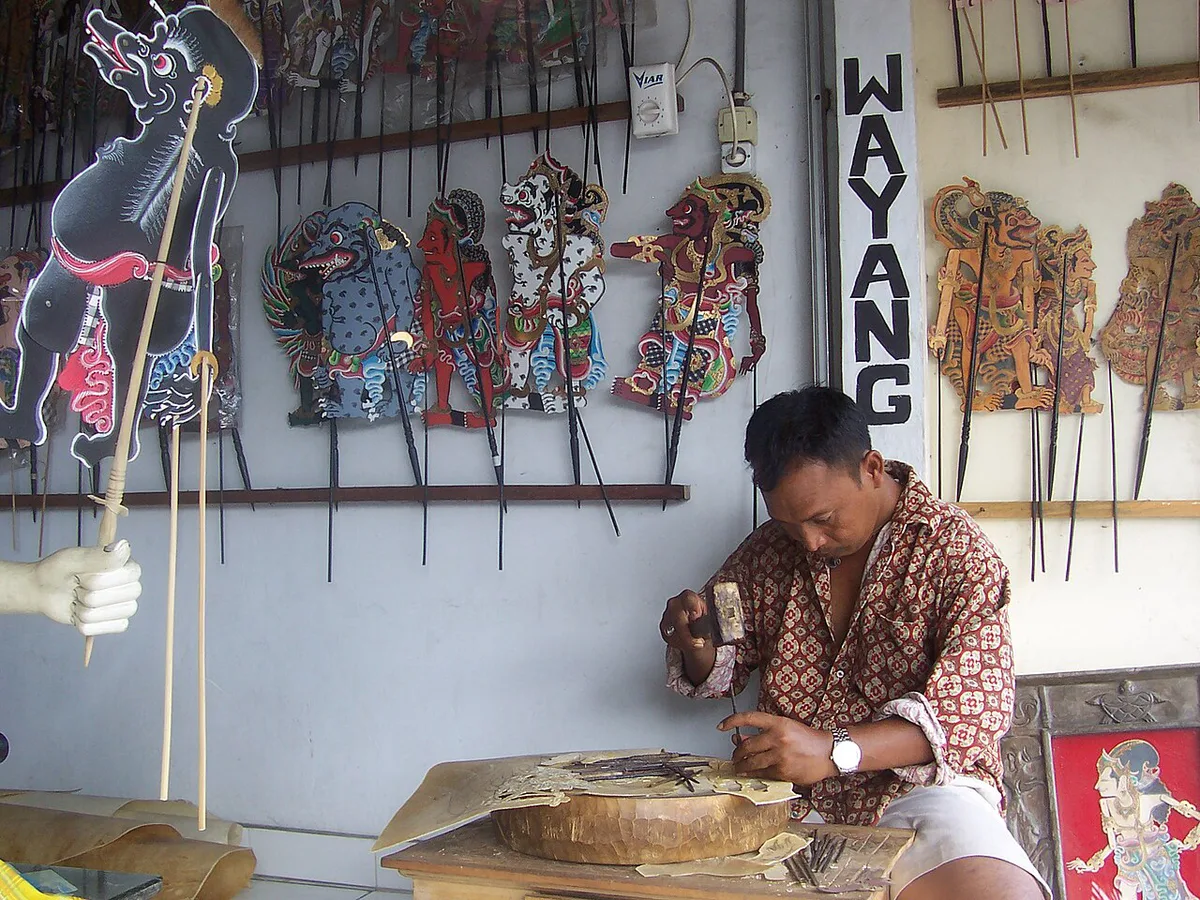
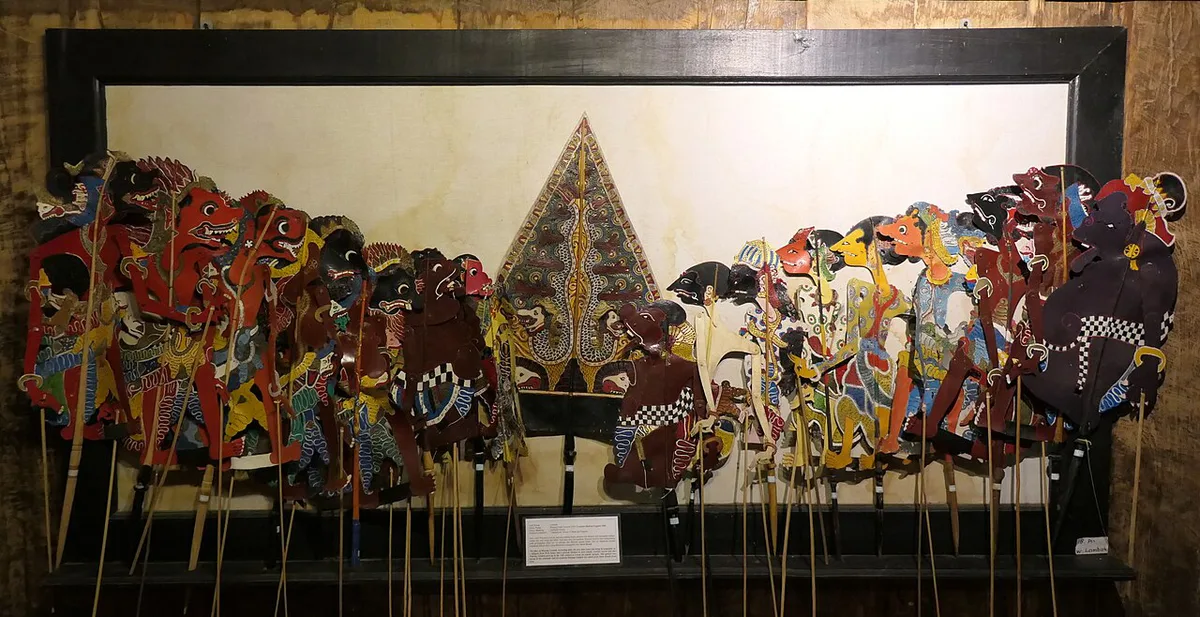
- Puppets: cut leather figures mounted on sticks. Balinese terms are belulang for the leather and katik for the bamboo stem.
- Music: a gender wayang gamelan, built around metal-keyed instruments struck with mallets, usually accompanies the action. Confirm the ensemble with the venue.
- Stories: the Ramayana brings Rama to the screen, and the Mahabharata brings Arjuna.
Wayang Kulit in Balinese Culture and Ritual
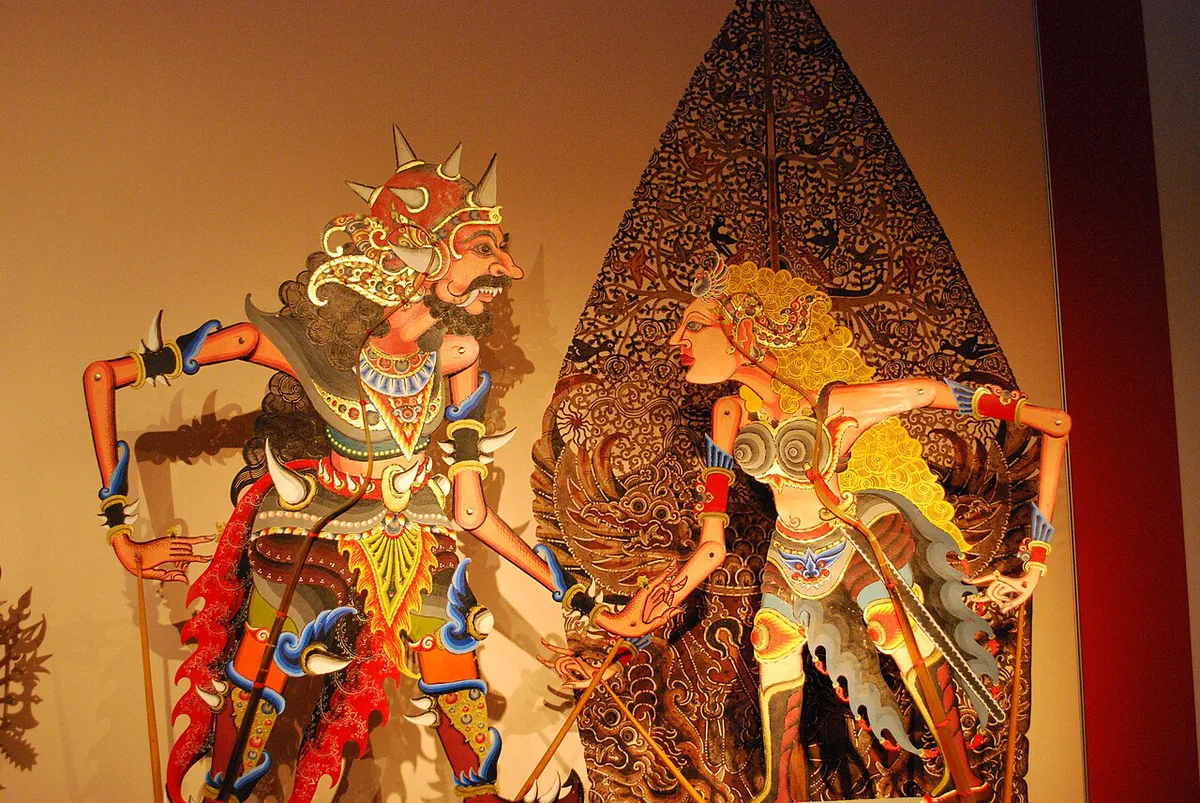
Wayang kulit goes beyond entertainment. A dalang alternates gravity and humor, laughter and tears, to carry moral and spiritual values. Audiences see the dalang as an intermediary between people and the gods. Balinese puppets include Rangda and Siwa Murti, figures tied to local religion. Clown figures such as Semar lighten the mood while still delivering lessons. Some performances belong to a ceremony, so treat the space with care. Read our guide to customs and etiquette in Bali before you go. Ceremonies often happen at temples, and our 8 Best Temples in Bali to Visit and How to Choose guide explains those settings.
Ceremony performances sit inside a tradition that began on Java more than 1,000 years ago, which explains why the setting matters.
Wayang Kulit vs Other Balinese Performances
Bali has several performing arts that visitors confuse with shadow puppetry. Our overview of Balinese dance traditions covers the wider field. This table shows the main differences in format. Check each venue for current start times and settings.
| Performance | Format | Performers | Music | Story |
|---|---|---|---|---|
| Wayang kulit | Shadows on a screen lit by a lamp | One dalang with puppets | Gender wayang gamelan | Mahabharata and Ramayana |
| Kecak | Group chant and dance | Many male chanters and dancers | Voices, no gamelan | Ramayana |
| Legong | Classical dance | Young female dancers | Gamelan | Court and legend tales |
| Barong | Masked dance-drama | Dancers in costume | Gamelan | Barong against Rangda |
| Fire dance | Dance with fire | Dancers; format varies | Varies by venue | Varies by venue |
How to Watch One as a Visitor
Our sources do not confirm current schedules, venues or prices. Ask your hotel, the local banjar, a venue page or the official tourism office.
- Full performance: choose this for the complete ritual form, and expect a long night.
- Short show: choose this if you have one evening and want to see the dalang at work.
- Language: ask whether narration is in Kawi, Balinese or Indonesian, and whether translation is offered.
- Photography: ask before you shoot, and never use flash near the screen.
- Museum or workshop: check the Neka Art Museum official site for current displays.
- Museum or workshop: check the Museum Puri Lukisan official site as well.
The Puppets and Buying a Set
Each puppet starts as a piece of leather, often described as buffalo hide. Makers cut it, paint it and mount it on a bamboo stem. Fine cutting and careful painting separate a handmade piece from a mass-produced one. Ask who made it and how long it took. Get the price in writing and verify it locally, since our sources give no figures. Our guide to Bali art shows where puppet craft sits among other traditions.
Common Mistakes to Avoid
Most mistakes come from treating a ritual art as a quick photo stop.
- Arriving without checking whether a show is full-length or shortened.
- Walking between the lamp and the screen.
- Wearing beachwear to a temple or ceremony performance.
- Assuming every show has English narration.
- Buying a puppet without asking who made it.
Notes for your Indonesia trip
Optional updates when we add or change a town or island guide.
You might also like



Continue reading
More guides you'll find useful