Bahasa Indonesia Phrases for Bali: What to Learn First
Learn the Indonesian phrases that matter in Bali: greetings, warung orders, directions, bargaining and emergencies, with pronunciation tips and usage notes.
On this page
Last updated November 2026: the Bahasa Indonesia phrases worth learning first for Bali are ten short ones, starting with terima kasih, tolong and berapa harganya. English usually works in tourist zones, but warungs, drivers and village stays go smoother with a few words. Start with the table below, then jump to the situation that matches your day.
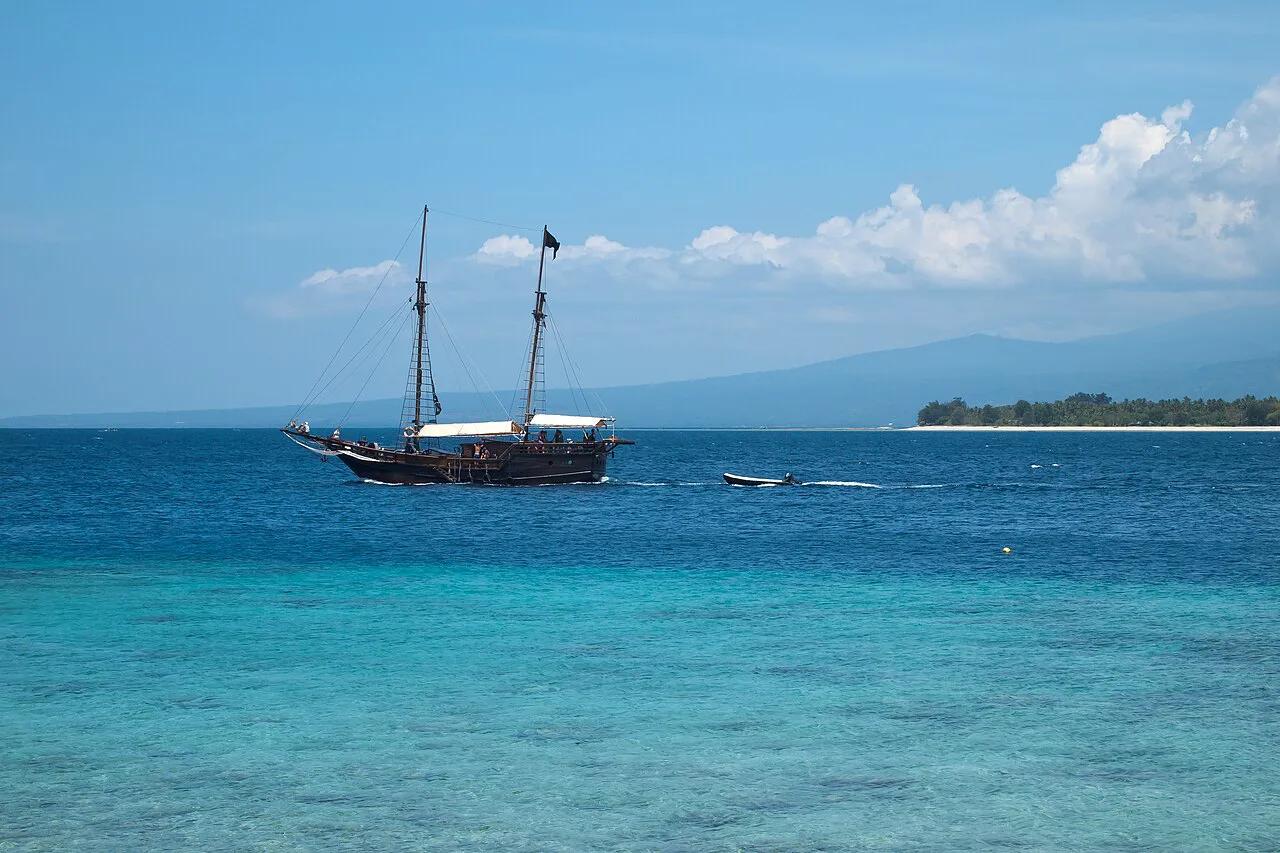
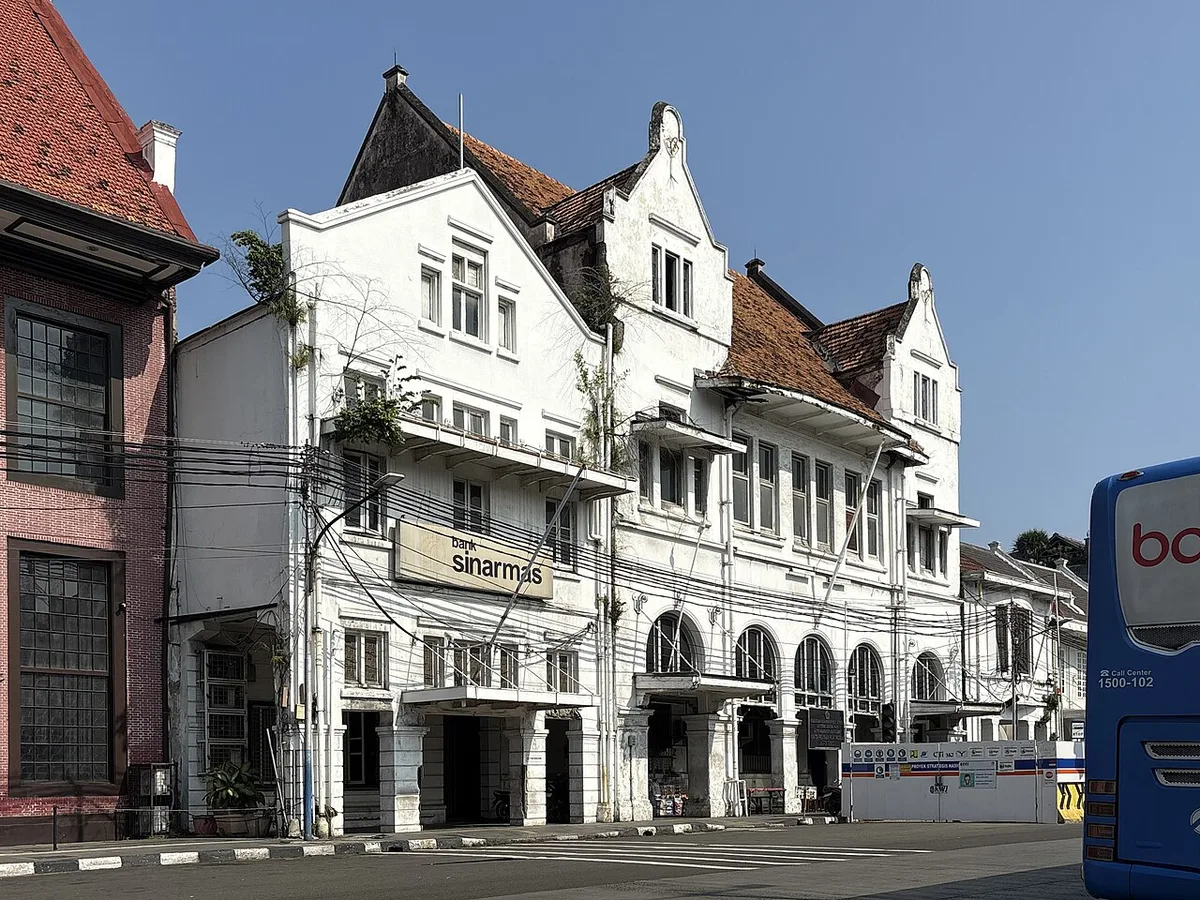
Featured image: Marklchaves, CC BY-SA 4.0, via Wikimedia Commons.
The 10 Bahasa Indonesia Phrases to Learn First
Ten phrases cover most first-day moments. Say each syllable evenly, since Indonesian has light stress. Pronounce c like English ch. Treat a final k, as in tidak, as a short stop in the throat. Pronunciation hints here are simplified, so confirm them with a native speaker or a dictionary audio clip.

| Indonesian | Meaning | Say it |
|---|---|---|
| Selamat pagi | Good morning | suh-LAH-maht PAH-gee |
| Terima kasih | Thank you | tuh-REE-mah KAH-see |
| Sama-sama | You're welcome | SAH-mah SAH-mah |
| Tolong | Please (asking for help) | TOH-long |
| Maaf | Sorry | MAH-ahf |
| Permisi | Excuse me | per-MEE-see |
| Berapa harganya? | How much is it? | buh-RAH-pah har-GAH-nyah |
| Boleh kurang? | Can you make it cheaper? | BOH-leh KOO-rang |
| Tidak, terima kasih | No, thank you | TEE-dahk, tuh-REE-mah KAH-see |
| Saya tidak mengerti | I don't understand | SAH-yah TEE-dahk muh-NGUR-tee |
Do You Need Bahasa Indonesia in Bali?
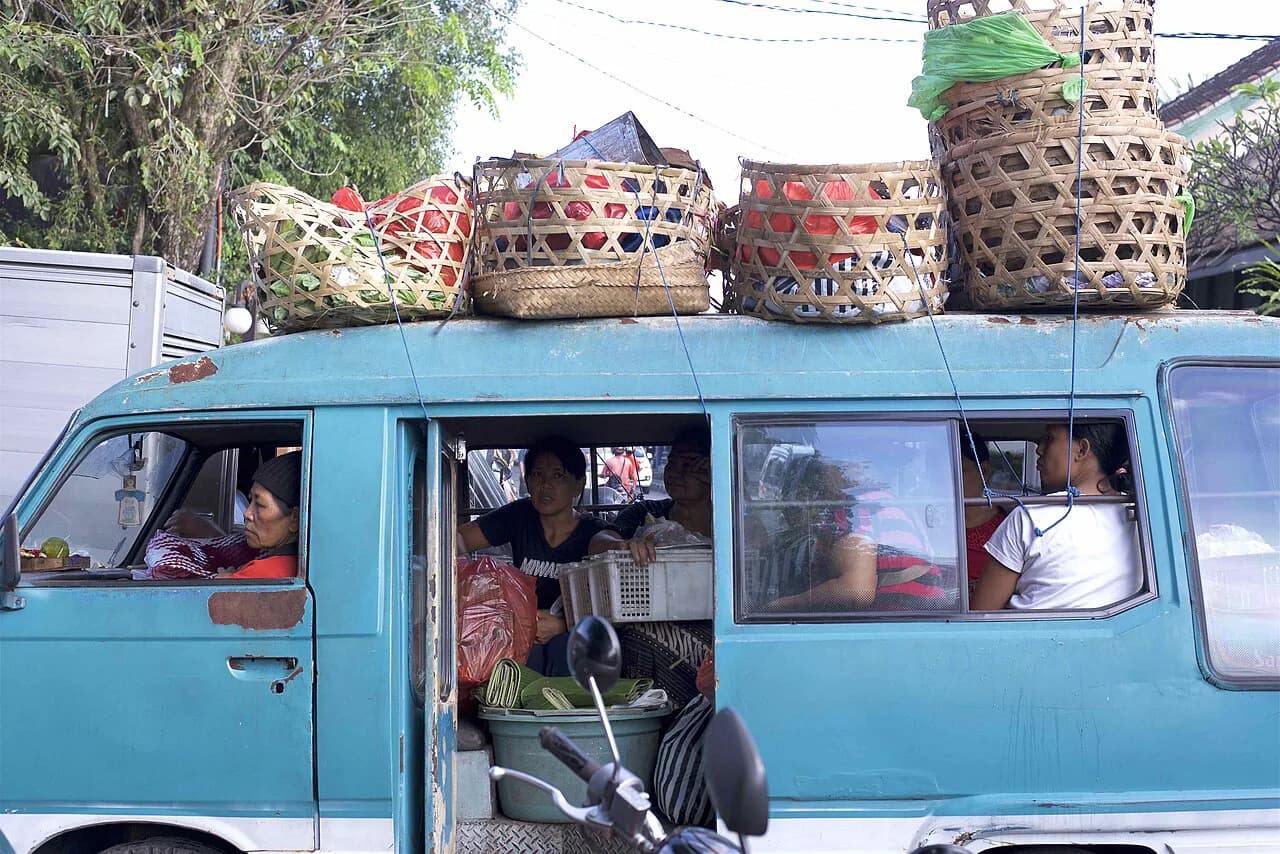
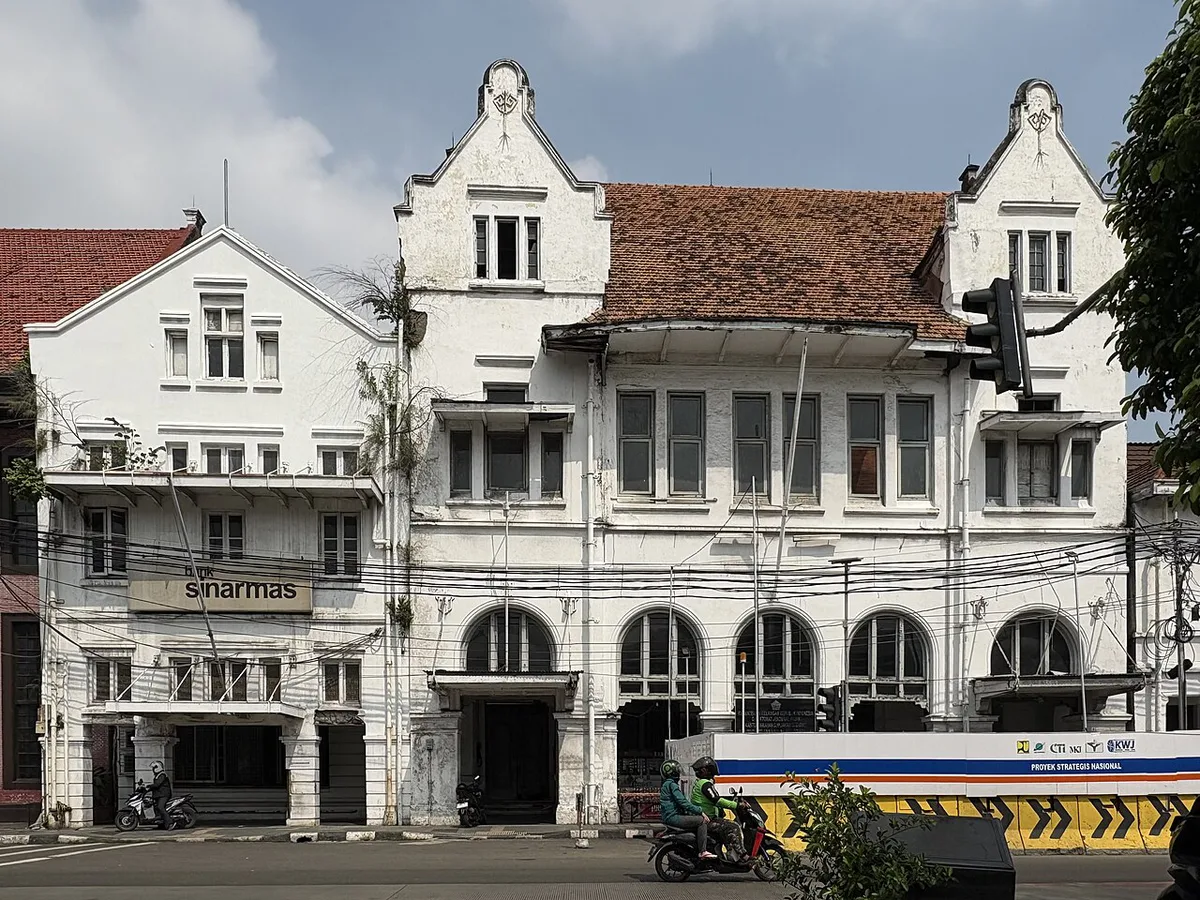
Expect English to be workable in tourist zones such as southern Bali tourist areas. Local warungs, markets, drivers and homestays are where a few phrases pay off most. Rural areas may have fewer English speakers, though that varies by village. Plan extra phrases for northern Bali. Do the same for eastern Bali. Overnight stays in Bali village stays call for the same preparation. Balinese is a separate language from Indonesian. Visitors who learn Indonesian first are covered in most settings, but confirm local preferences on the ground.
- Tourist zones: English is usually enough, so use phrases for courtesy.
- Warungs, markets, drivers and village stays: learn the first ten phrases plus ordering words.
- Rural areas: expect fewer English speakers, and keep an offline translation app as backup.
Greetings and Manners in Indonesian
Greetings change with the time of day. Pagi is morning, siang is midday into early afternoon, sore is late afternoon and malam is evening. Exact cutoffs vary by speaker, so echo whatever the other person says first. Terima kasih works everywhere. Makasih is the casual version for relaxed settings. Reply to thanks with sama-sama.
| Indonesian | Meaning | Say it |
|---|---|---|
| Selamat siang | Good midday or early afternoon | suh-LAH-maht SEE-ang |
| Selamat sore | Good late afternoon | suh-LAH-maht SOH-reh |
| Selamat malam | Good evening or night | suh-LAH-maht MAH-lam |
| Apa kabar? | How are you? | AH-pah KAH-bar |
| Baik-baik | I'm fine | BIGH-k BIGH-k |
| Makasih | Thanks (casual) | mah-KAH-see |
| Sampai jumpa | See you | SAHM-pie JOOM-pah |
Ordering at a Warung or Restaurant
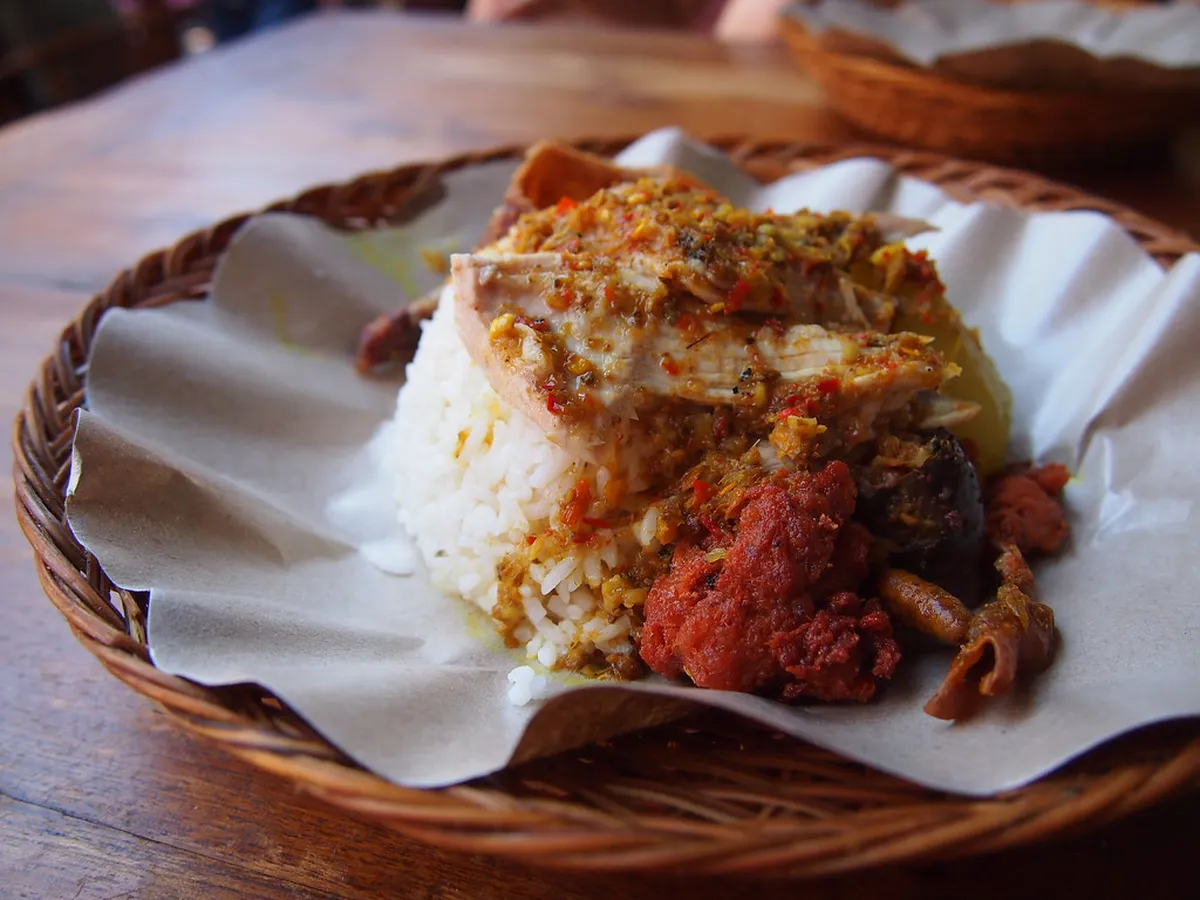
Warung staff work fast, so keep requests short. Add tolong or ya at the end to soften them. Tipping norms are covered in our Bali tipping guide. Wording for dietary needs varies by cook, so confirm what is in a dish before you eat it.
| Situation | You say | You might hear |
|---|---|---|
| Order food | Saya mau pesan nasi goreng | Mau pesan apa? |
| Order a drink with no sugar | Es teh tawar satu, ya | Mau minum apa? |
| Not spicy | Tidak pedas, ya | Pedas atau tidak? |
| Vegetarian | Saya vegetarian | Tanpa daging, ya? |
| Ask for the bill | Bisa minta notanya? | Sebentar, ya (one moment) |
| Ask the price | Berapa harganya? | An amount in rupiah |
| Find the toilet | Di mana toiletnya? | Toiletnya di sana (over there) |
Getting Around: Directions, Taxis and Scooters
Directions use short words. Belok kiri means turn left, belok kanan means turn right, and lurus means straight ahead. To leave a vehicle, say Saya mau turun di sini. To arrange a pickup, say Tolong jemput saya di, then add the place name. Ride-hailing apps cut the need for phrases and haggling. Our Gojek ride-hailing guide explains booking. A local data plan from Bali SIM card options keeps the app working. Street taxis and drivers need more spoken Indonesian, plus a price agreed before you get in.
- Belok kiri (BEH-lok KEE-ree): turn left
- Belok kanan (BEH-lok KAH-nahn): turn right
- Lurus (LOO-roos): straight ahead
- Saya mau turun di sini: I want to get off here
- Tolong antar saya ke Pantai Kuta: please take me to Kuta Beach
Shopping, Prices and Polite Bargaining
Markets such as Ukirsari and Sukawati are places where bargaining is usually part of the routine. Start with Berapa harganya? Then try Boleh kurang? with a smile. If the seller says Harga pas, the price is fixed, so accept it or walk away politely. Skip bargaining in warungs and fixed-price shops. Prices come in rupiah, so read our Indonesian money guide before you shop.
Markets are where haggling is routine, and ribu counting, such as Lima puluh ribu for Rp50,000, keeps the amounts easy to follow.
- Bargain at: markets and some souvenir stalls.
- Do not bargain at: warungs, fixed-price shops and posted-price services.
- Keep it light: one counteroffer is polite, and repeated pushing is not.
Emergencies and Health Phrases
Learn these before you need them. Tolong! gets attention fast. Save local emergency numbers only after confirming them with an official source, such as your government's travel advisory or Indonesia's official tourism site.
| Indonesian | Meaning | Say it |
|---|---|---|
| Tolong bantu saya | Please help me | TOH-long BAHN-too SAH-yah |
| Tolong telepon polisi | Please call the police | TOH-long tuh-LEH-pon poh-LEE-see |
| Tolong telepon ambulans | Please call an ambulance | TOH-long tuh-LEH-pon AM-boo-lans |
| Saya perlu dokter | I need a doctor | SAH-yah PUR-loo DOK-tur |
| Dompet saya dicuri | My wallet was stolen | DOM-pet SAH-yah dee-CHOO-ree |
| Copet! | Pickpocket! | CHOH-pet |
Numbers, Money and Time
Rupiah prices use ribu for thousands. Seribu is 1,000, Dua puluh ribu is Rp20,000 and Lima puluh ribu is Rp50,000. Those are examples of how to read prices, not price quotes. Rupiah notes and coins are issued by Bank Indonesia, the central bank. Our rupiah currency guide covers denominations in more detail.
| Number | Indonesian | Say it |
|---|---|---|
| 1 | satu | SAH-too |
| 2 | Dua | DOO-ah |
| 3 | tiga | TEE-gah |
| 4 | empat | UM-paht |
| 5 | Lima | LEE-mah |
| 10 | Sepuluh | suh-POO-looh |
| 100 | seratus | suh-RAH-toos |
| 1,000 | seribu | suh-REE-boo |
Common Mistakes With Indonesian Phrases
Most errors come from tone and assumptions rather than grammar. Short, polite phrases beat long sentences that fall apart halfway.
- Using over-formal or overly casual register: stick to terima kasih with strangers and save makasih for relaxed settings.
- Mispronouncing c, k and r: practice them with an audio clip.
- Assuming Indonesian equals Balinese: they are separate languages.
- Over-bargaining: one polite counteroffer is enough.
- Relying only on an offline translation app: low signal and noisy streets break it.
Learn the Phrases or Use an App?
Phrases cost study time but work offline and in conversation. Apps handle long sentences yet fail in low signal and loud streets. Rural dialects and fast speech can also confuse them. Use phrases for greetings, ordering and prices, and keep an app for anything complex. Once the basics are set, browse Indonesia trip ideas. Our guide to the top regions to visit helps you pick where to use them. Seasonal crowds, covered in when to visit Indonesia, change how busy markets and warungs feel.
Frequently Asked Questions
Apa itu Indonesian language?
Bahasa Indonesia is Indonesia's national language and the one most travelers learn. Balinese is a separate language spoken in Bali. Use Indonesian for greetings, ordering and prices.
Apa bahasa Indonesia basic?
Basic Bahasa Indonesia means greetings, thanks, please, sorry and numbers. Begin with terima kasih, tolong, maaf and berapa harganya. Add directions and food words once those feel automatic.
Notes for your Indonesia trip
Optional updates when we add or change a town or island guide.
You might also like


Continue reading
More guides you'll find useful