Warung in Bali: What It Is and How to Order
What is a warung? A plain-English guide to Bali's family-run eateries: what they serve, how ordering works, how to judge quality and what to watch for.
On this page
Last updated November 2026. A warung is a small, typically family-owned food stand, shop or cafe in Indonesia, sometimes spelled waroeng. In Bali, a warung can be a roadside rice stall or a tourist-friendly cafe in Ubud, and this guide shows how to tell them apart, order with confidence and pick a good one. For wider context, start with Indonesian street snacks.
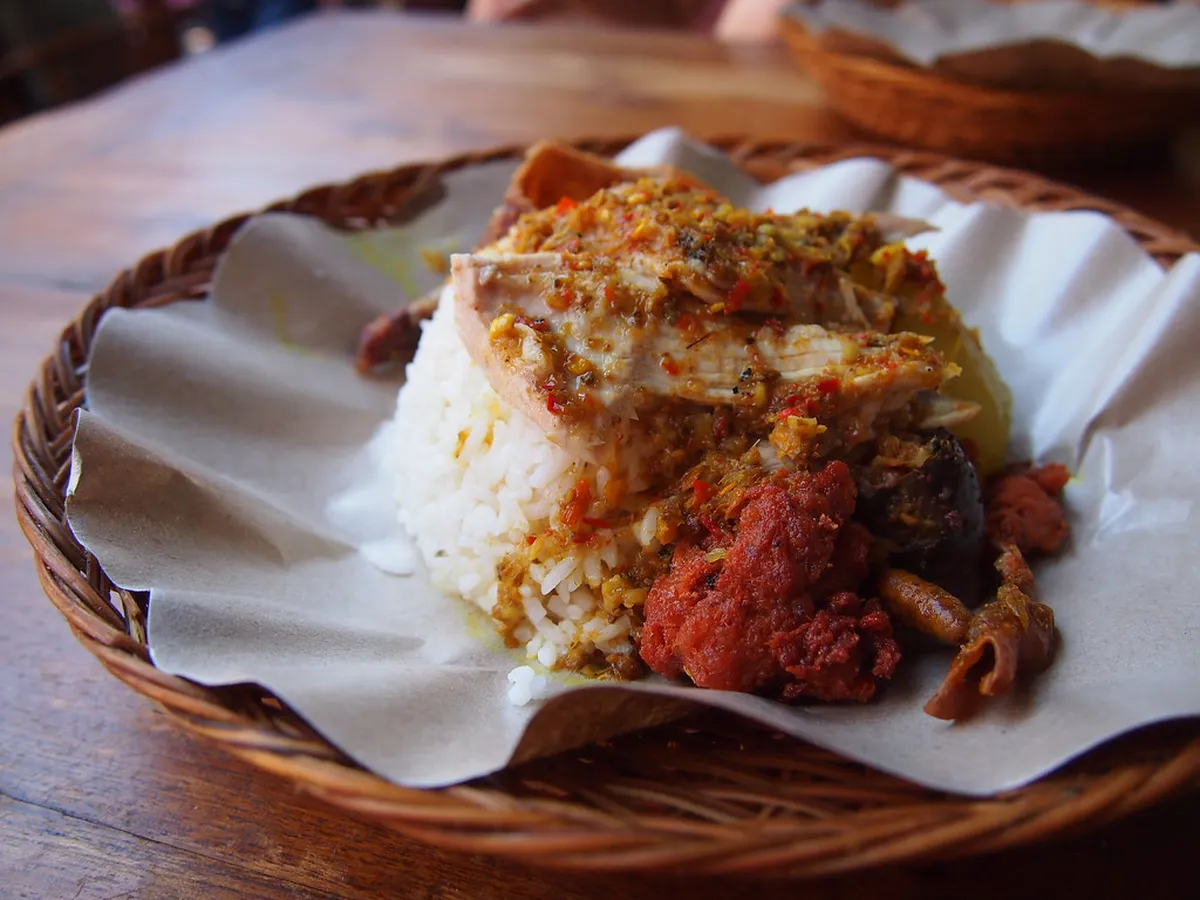
Featured image: Andriy07, Public domain, via Wikimedia Commons.
What Is a Warung?
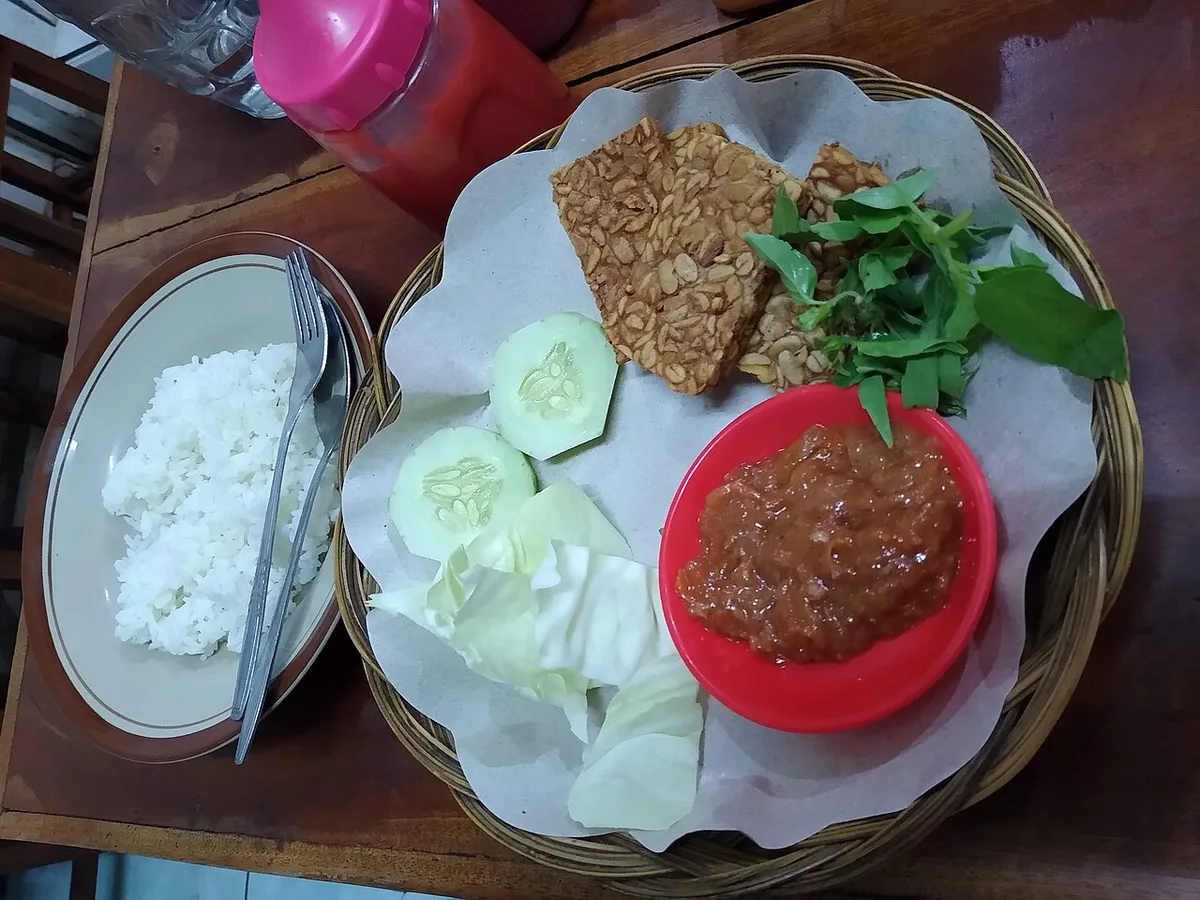
Warung is a Bahasa Indonesia word for a small, usually family-run place that sells food or everyday goods. Some are open-fronted stalls with a few benches. Others are tiny cafes with a menu board and a fridge of drinks. Spelling varies on signs and maps, so "waroeng" means the same thing.

Treat the word as a format, not a cuisine. A warung may serve Balinese, Javanese or Padang-style food, depending on who runs it. Our street food around Bali guide covers the stall side in more detail. Meanwhile, Bali's regional dishes explains what the island's cooks usually prepare.
Types of Warung You Will Meet in Bali
Warungs differ more by what they sell than by how they look. This table gives typical patterns, not guarantees. Verify the menu and ingredients on the spot, because small kitchens change daily.

| Type | Typically sells | Best for | Watch out for |
|---|---|---|---|
| Rice-plate warung | Rice with several cooked side dishes, often chosen from a display | Quick, filling lunch | Sides may sit out for hours; pick busy stalls |
| Specialist warung | One signature dish, such as roast pig or spiced duck | Eating a local classic | Dish can sell out by mid-afternoon |
| Padang-style warung | Spread of curries and fried items, often served at the table | Trying many flavors at once | Items you touch may be charged; confirm first |
| Tourist-facing warung | English menu, familiar drinks, wider choice | Easy first meal | Prices often higher than local stalls |
How Ordering Works in a Warung
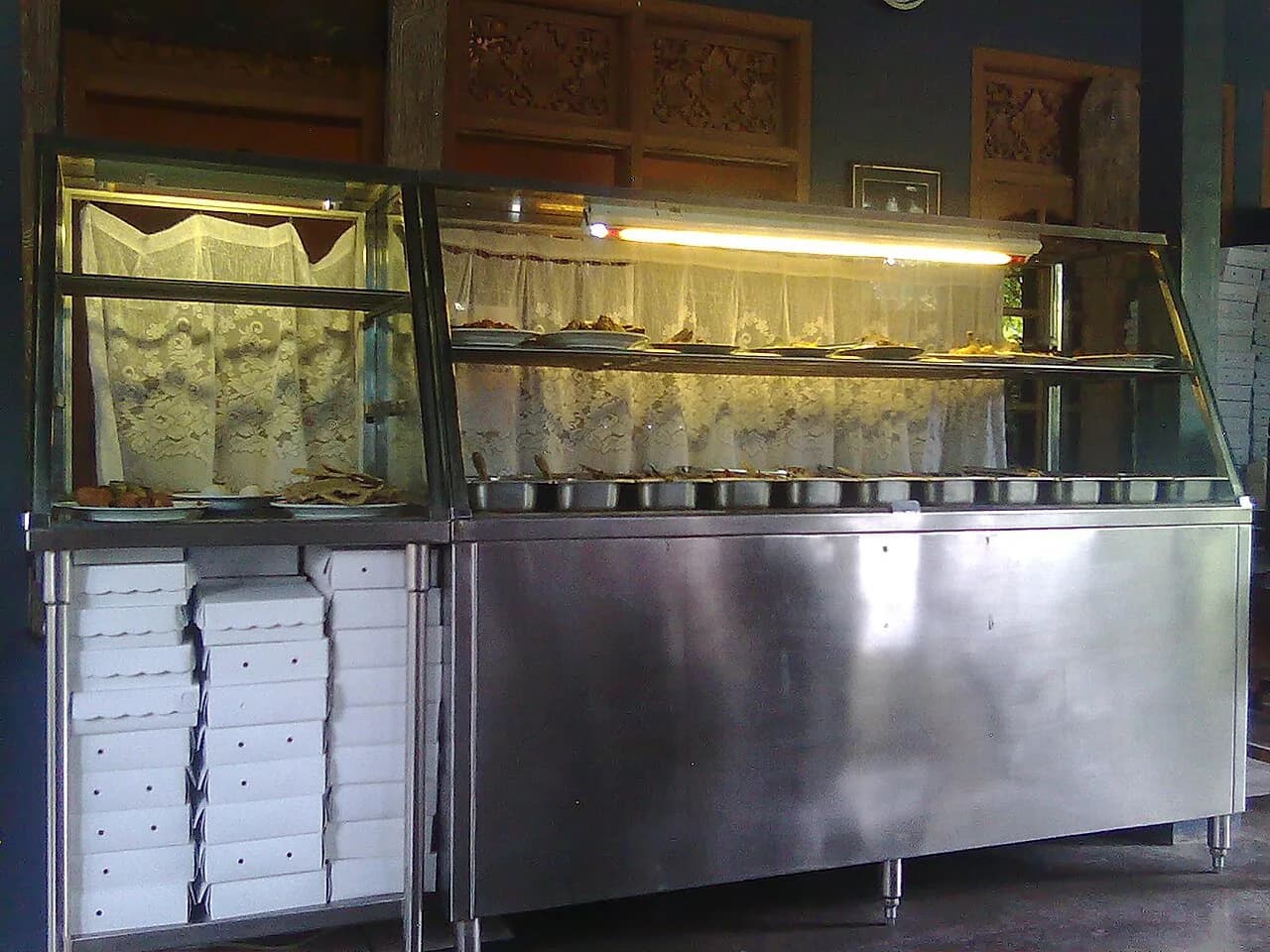
Ordering is usually simple. At a rice-plate stall, point at the dishes in the glass display and the cook assembles a plate. Our guide to mixed rice plates shows what a typical plate holds. At a specialist warung, say the dish name and the quantity.
Payment timing varies. Many small places charge after you eat, while some stalls expect payment at the counter first. Watch what local customers do, then copy them.
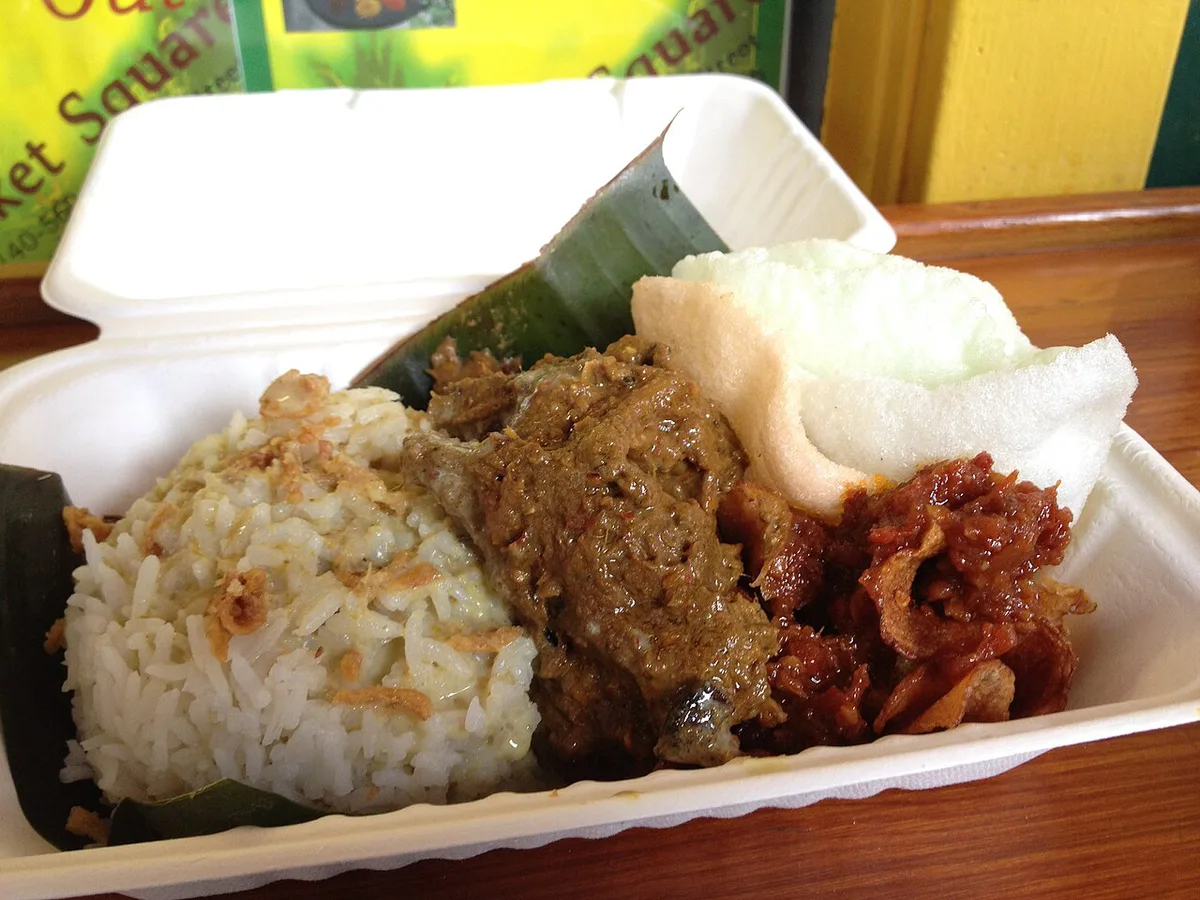
If you want takeaway, ask for it when ordering. Cooks often wrap the food in paper. Treat all of this as typical practice, not a rule, and check locally.
How to Tell a Good Warung From a Tourist Trap
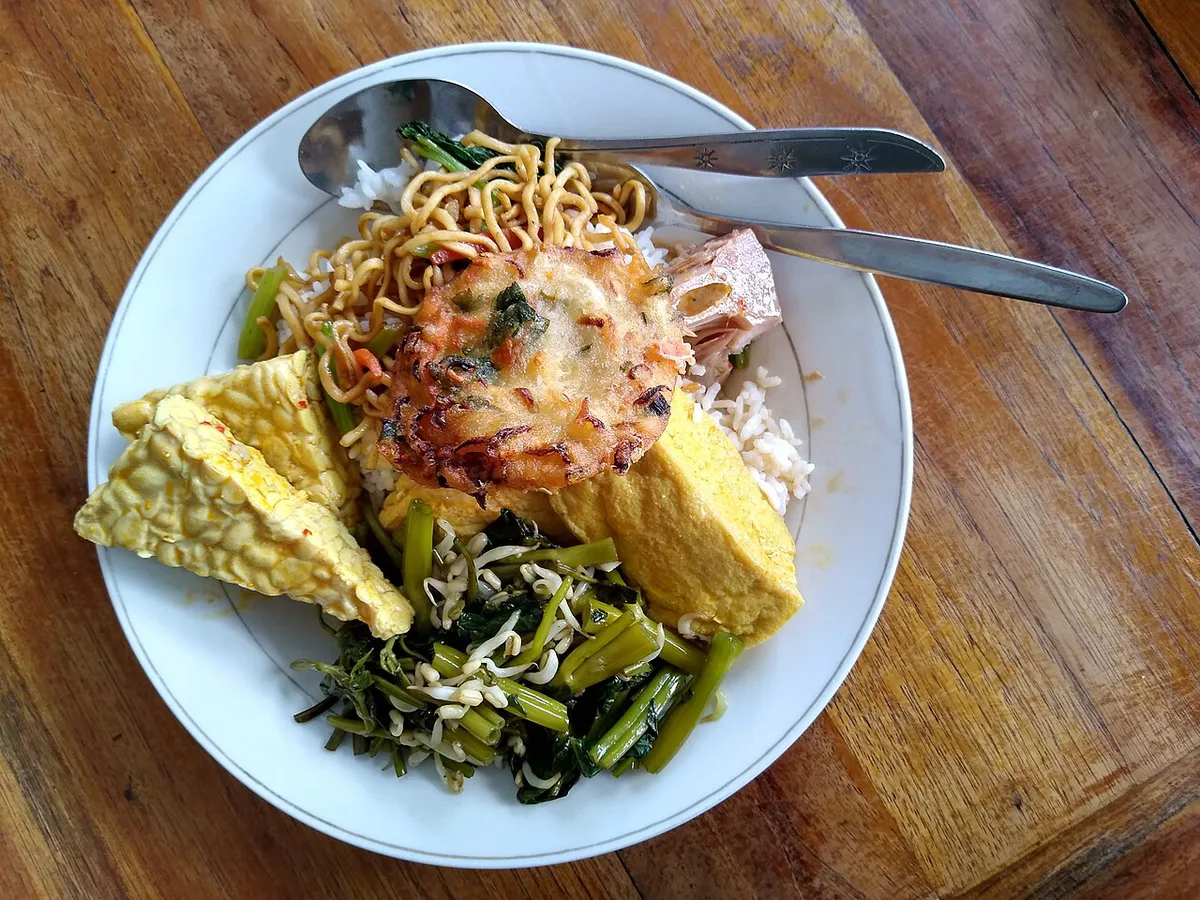
No single sign proves quality. Combine several signals before you sit down. Tourist-area warungs are not always bad, since they offer English menus and easy access. The trade-off is usually higher prices and milder flavors.
- Local customers: a steady stream of Indonesian diners is a good sign.
- Short menu: a stall that does a few dishes tends to do them well.
- Visible cooking: you can see food being prepared or replenished.
- Posted prices: a menu board or sign beats an unspoken price.
- Turnover: busy dishes are replaced often, so they are fresher.
Cost, Timing and Payment Trade-Offs
This guide has no sourced rupiah figures, so ask the price before ordering and carry small cash. For general trip planning, start with Indonesia's official tourism site.
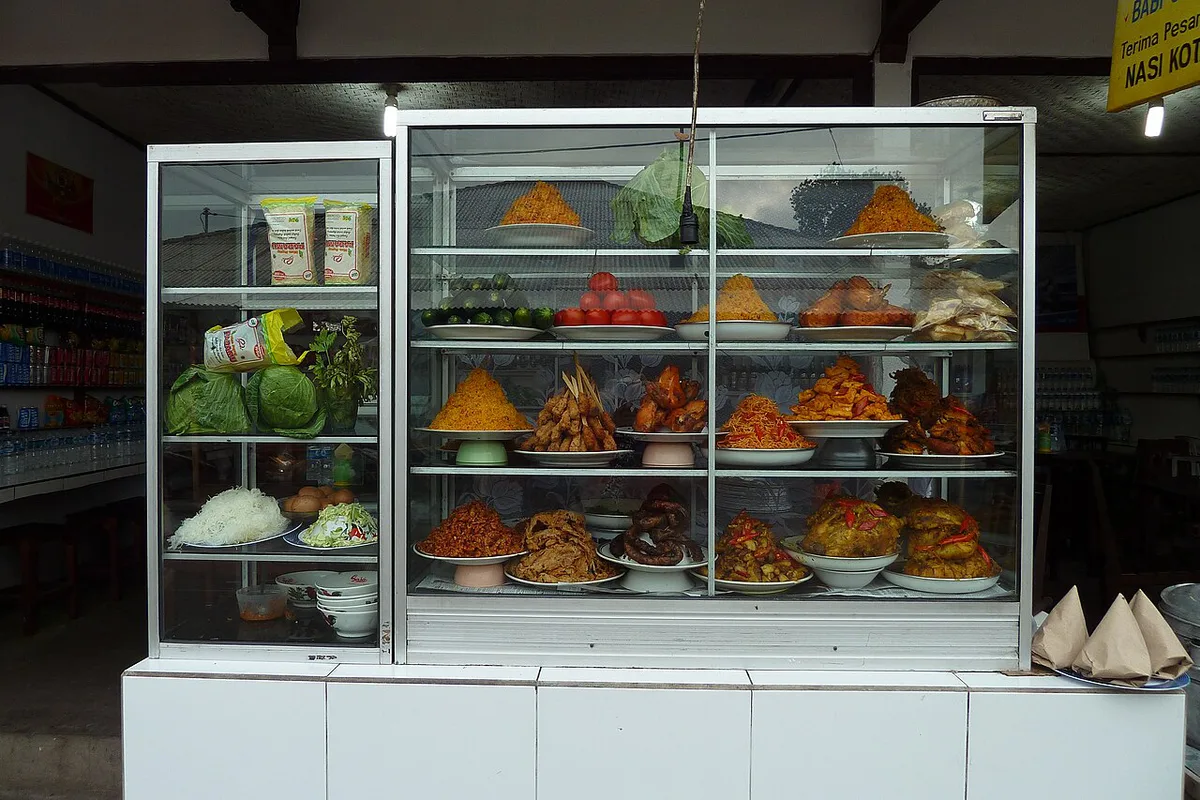
Food Safety, Dietary Needs and Halal and Pork Notes
Food safety depends on the individual kitchen. Choose food that is cooked hot and served fresh, and be careful with items that sit out. If your stomach is sensitive, stick to cooked dishes and sealed drinks.
Bali is Hindu-majority, so pork dishes are common. Spiced roast pork is a local specialty, covered in our Balinese roast pig guide. Padang-style and many Java-origin warungs are typically halal, but verify by asking.
For vegetarians, ask whether dishes contain fish paste, shrimp paste or meat stock. Say "tidak pedas" for not spicy. Allergies deserve a clear, written note in Indonesian, since cooks may not speak English.
Warung Etiquette and Common Mistakes
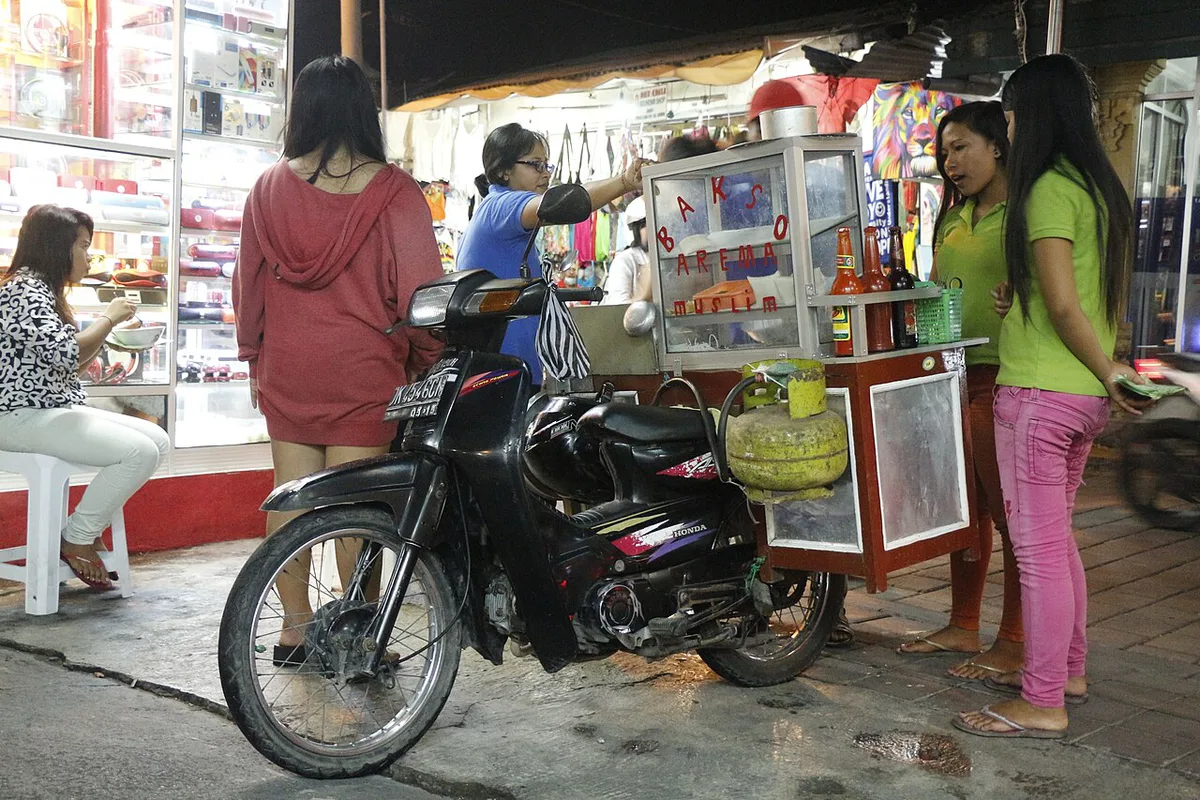
Most errors come from assumptions. Avoid these.
- Assuming cards work: many warungs are cash-only, so carry notes.
- Skipping the price question: per-piece items add up fast.
- Ordering by the wrong name: point or show a photo if unsure.
- Arriving late for specialist dishes: they can sell out early.
- Hovering over displays: pick, then step aside for others.
What to Order First
For a first visit, start with a rice plate. Order a mix of vegetables, a protein and a spicy sambal on the side. Try slow-cooked spiced duck at a specialist warung, ideally earlier in the day. When you want a different style, look for Padang-style rice.
End with something sweet. Browse Indonesian sweets for ideas. Pair the meal with local brews, as described in coffee in Bali. After a few meals, a hands-on Balinese cooking lesson shows how the dishes are built. Our wider Indonesian dishes hub maps the rest of the menu.
Notes for your Indonesia trip
Optional updates when we add or change a town or island guide.
You might also like



Continue reading
More guides you'll find useful