Balinese Cooking Class: How to Choose the Right One in Bali
Choosing a Balinese cooking class? Compare Ubud, Seminyak, Sidemen, Munduk and Gili options by format, group size, location and who each suits.
On this page
Last updated November 2026. A Balinese cooking class ranges from a 90-minute evening session on the Gilis to a full morning over an open wood fire in Sidemen. Pick by traveler type first, then check transfer time and menu, because a class that cooks nasi goreng is not the same as one built around base genep. For wider context on eating on the island, start with our guide to eating around Bali.
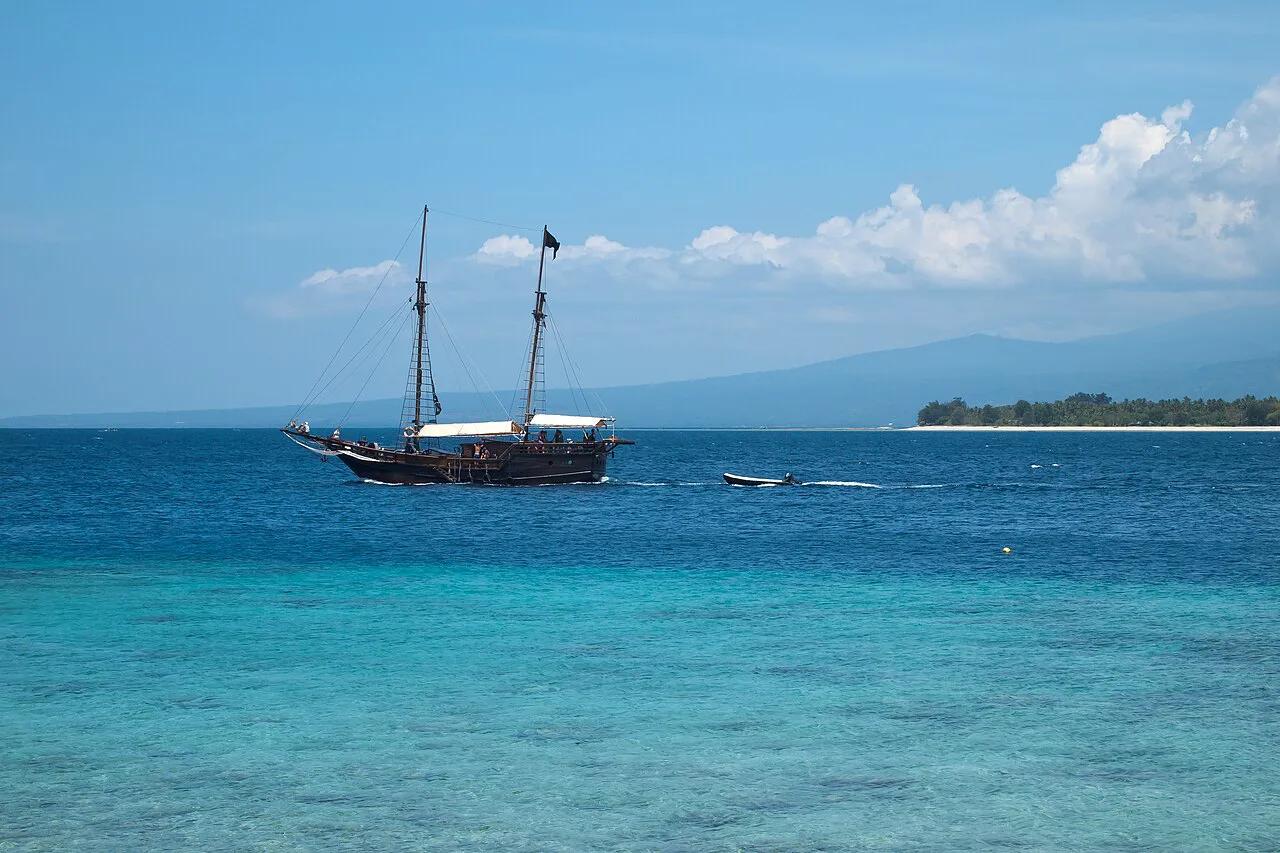
Featured image: Jorge Láscar from Melbourne, Australia, CC BY 2.0, via Wikimedia Commons.
Quick pick: which Balinese cooking class suits you
Match the format to your travel style before you compare venues. Every figure below comes from one published roundup of five classes, so confirm details on each venue's own site before you pay.
- Food-history seekers: choose a from-scratch outdoor class such as Mystery Mountain in Sidemen.
- First-timers who want an easy session: choose a small farm class such as Bali Farm Cooking School north of Ubud.
- Mixed groups of cooks and onlookers: choose Warung Nia in Seminyak, where the restaurant terrace has room for non-cooking companions.
- Gili travelers: choose a short evening class instead of another night out.
- Vegans, vegetarians and allergy-sensitive guests: ask about substitutions before booking, whichever class you pick.
Class formats compared
Use this table to weigh transfer time against session length. Blank answers read "confirm with venue" because no reliable figure was available. Cost depends on group versus private format, whether a market tour is included, whether transfers are included, and menu length. Check each venue's own site for the current rate in IDR.
| Area and class | Transfer | Session length | Start time | Group size | Best for |
|---|---|---|---|---|---|
| Ubud area: Bali Farm Cooking School | 30–40 min drive north of Ubud; free Ubud Town Centre transfers mentioned | Half day | Morning or afternoon | Small group | First-timers |
| Seminyak: Warung Nia | Confirm with venue | Confirm with venue | Morning class with market tour | About 25 people, cooking in tables of 5–6 | Social groups, mixed cooks and non-cooks |
| Sidemen: Mystery Mountain | Confirm with venue | Whole morning | About 8am | Six people in the reported group | Traditional technique |
| Munduk: Munduk Moding resort | Confirm with venue | A couple of hours | Confirm with venue | Confirm with venue | Highlands stays |
| Gili Air and Gili T: Gili Cooking Classes | On the island | 90 minutes to 2h30 | Three sessions a day, including 7pm | Small group | Evening activity |
Ubud-area farm class: Bali Farm Cooking School
Format: a small-group half-day class, run in the morning with a market visit or in the afternoon with ingredient picking on the farm. You cook six dishes at an open-air kitchen, with one station for every two people. Vegetarian dishes are available, and you leave with a printed recipe book. Location: the school sits north of Ubud, a 30–40 minute drive, and free transfers to and from Ubud Town Centre were reported. Best for: first-timers who want clear explanations and plenty of hands-on chopping and cooking. Sample dishes included satay skewers, chicken curry and sweet and sour tempeh, so check whether the menu leans pan-Indonesian.
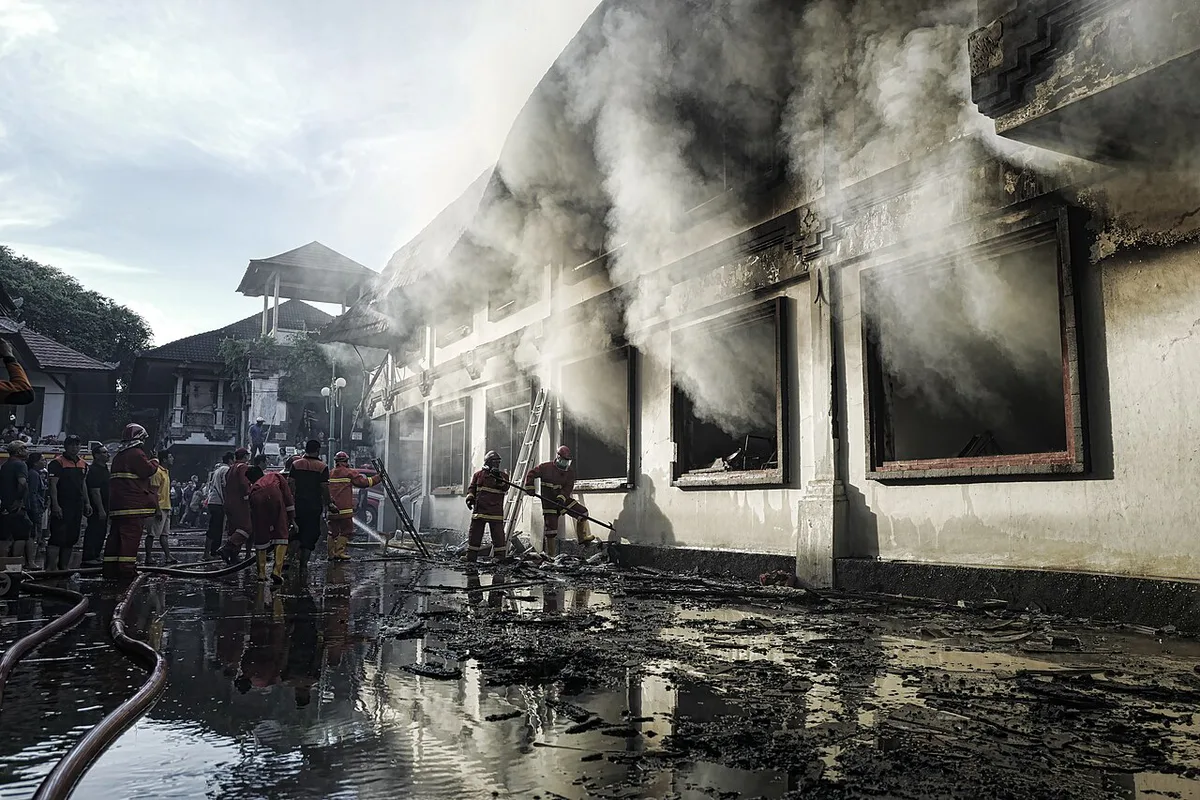
Seminyak restaurant class: Warung Nia
Format: a large, social morning class that starts with a market tour, then moves to a restaurant terrace converted into a kitchen. Expect around 25 people. A central table hosts the demonstration, then you split into groups of five or six to cook. Cooking is communal, so you will not do every step yourself. Dishes reported included Balinese curry, ayam betutu, satay, nasi goreng, mie goreng and gado gado, and you receive a recipe book. Best for: groups where some people would rather watch than cook, since the terrace has space for onlookers. You eat only at the end, so have breakfast first.
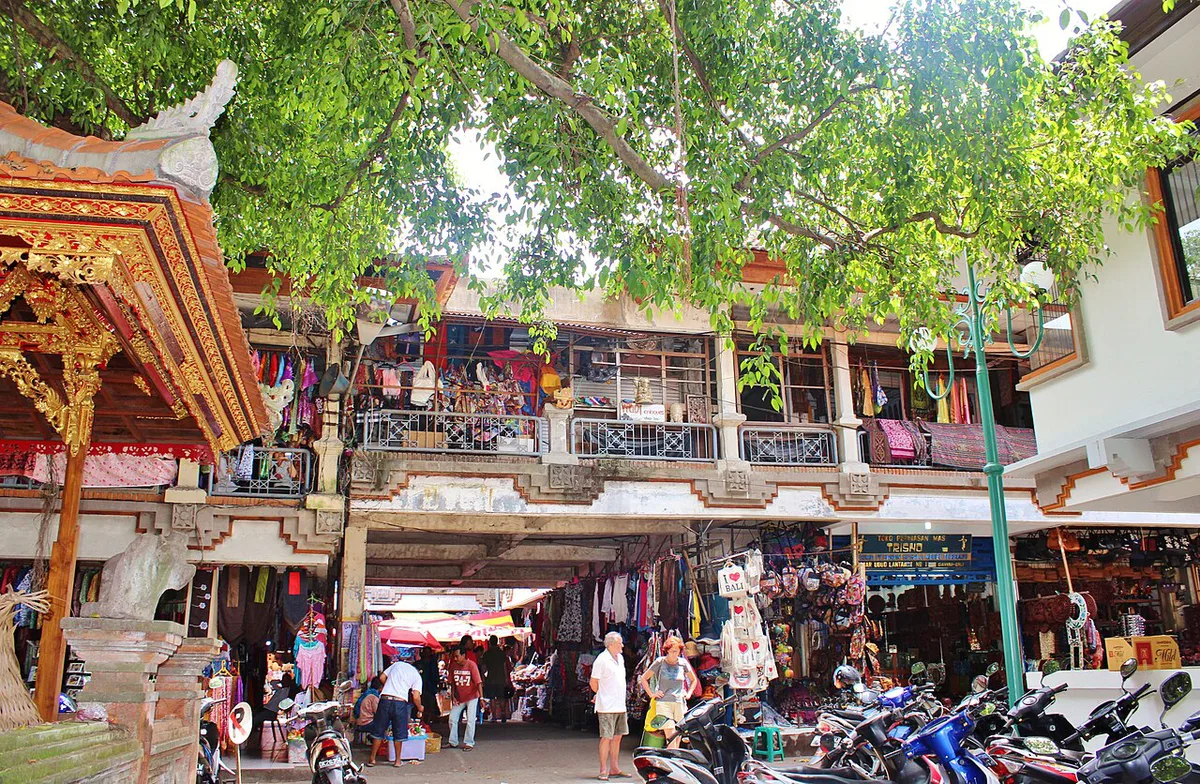
Sidemen traditional-kitchen class: Mystery Mountain
Format: an outdoor class designed to echo a 1920s-era Balinese kitchen in the hills above Sidemen. Cooking is from scratch with pestle and mortar, an open wood fire and hand-extracted coconut milk. The reported group had six people. Class started about 8am and ran the whole morning, with most food eaten at lunchtime. The menu stayed specifically Balinese: jukut ares, Sate lilit, bubur injin, sayur urap and a chicken curry. Best for: travelers chasing technique and regional dishes who can arrange a driver. Confirm transfer time from your base before you book.
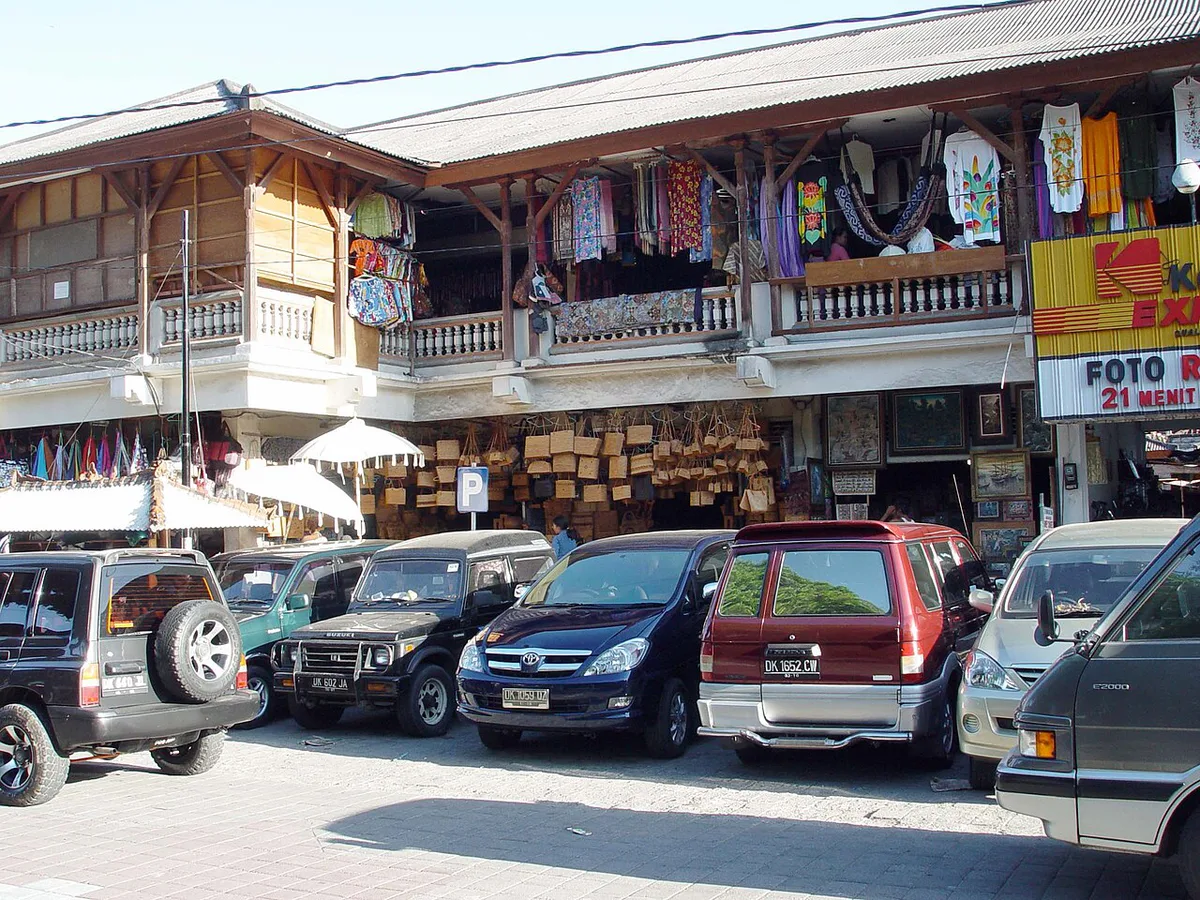
Munduk highlands class: Munduk Moding
Format: a class in a traditional open-air kitchen with a wood fire at the Munduk Moding Plantation resort. The reported session covered three dishes in a couple of hours: kekomoh soup, timbungan be siap (chicken cooked in bamboo) and pisang Rai. Outside guests were said to book through the resort's Kamu Nakal Country Club. This is a single published account, so confirm availability, price and transfer with the resort. Highlands roads and weather also matter in the wet season, so allow extra travel time.
Gili evening classes: Gili Cooking Classes
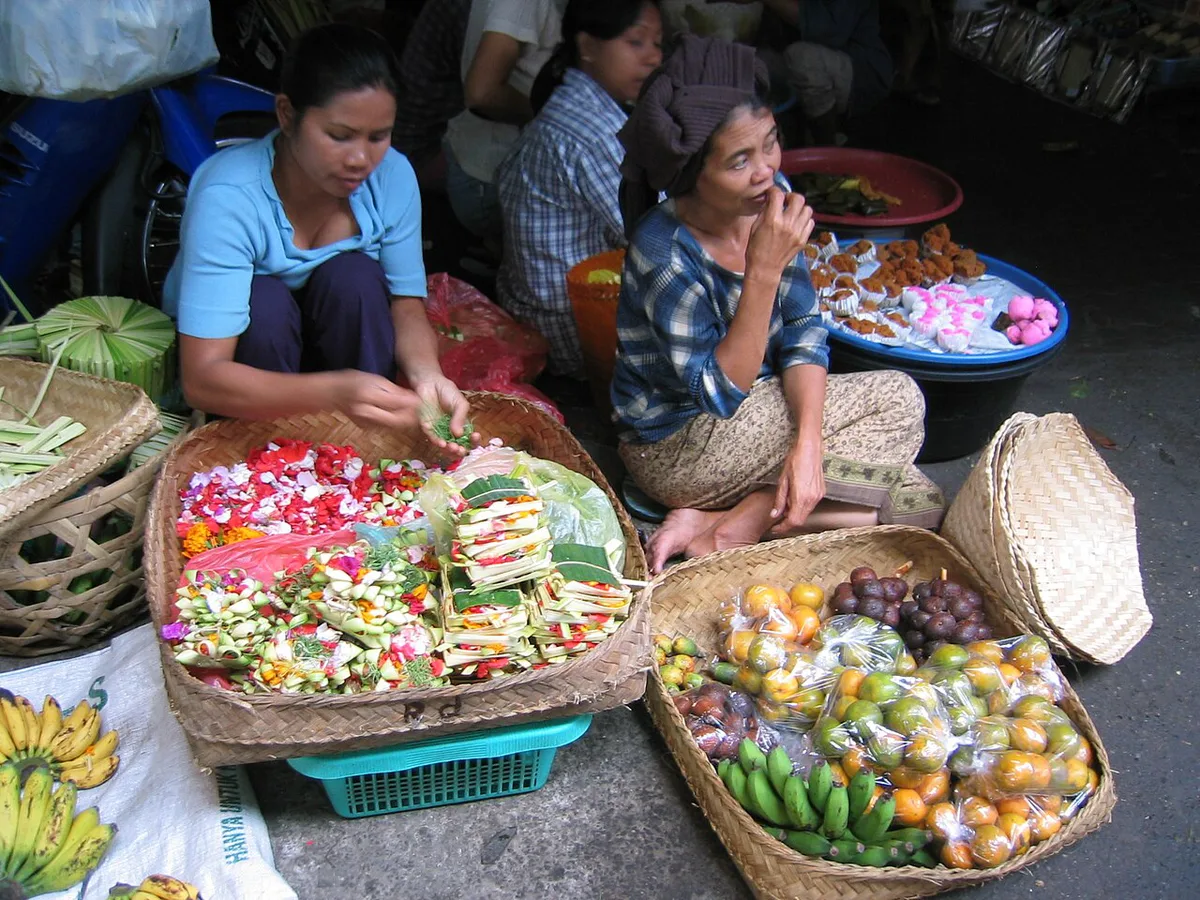
Format: a small-group class with three menus, depending on how many dishes you want to cook. Sessions last from 90 minutes to 2h30. Three classes run each day, including a 7pm session that suits anyone wanting a break from the nightlife scene. The same operator runs classes on Gili Air and Gili T. A reported four-dish menu covered fried tempeh with peanut sauce, mi goreng, Balinese yellow curry and kelopon. Dietary swaps are possible, including plant-based versions of the same recipes. Best for: short stays, vegans in mixed groups and travelers who want a relaxed evening.
Gili sessions of 90 minutes to 2h30 skip the 30–40 minute drive that Bali Farm Cooking School needs from Ubud.
What makes a menu truly Balinese
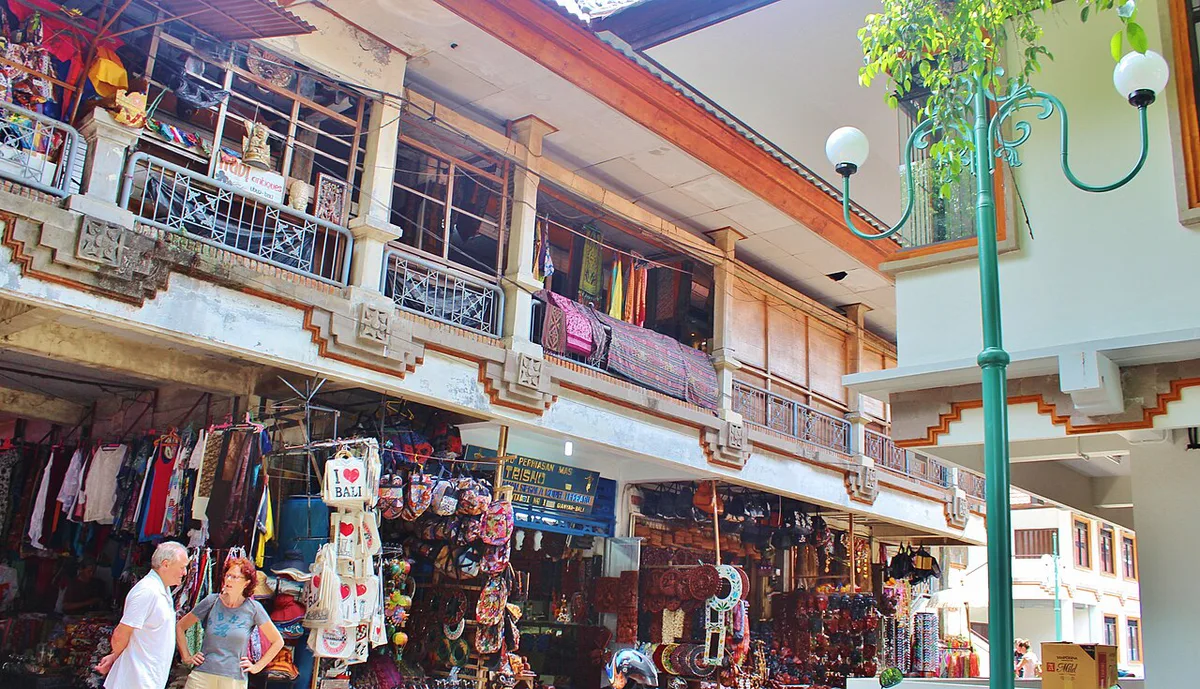
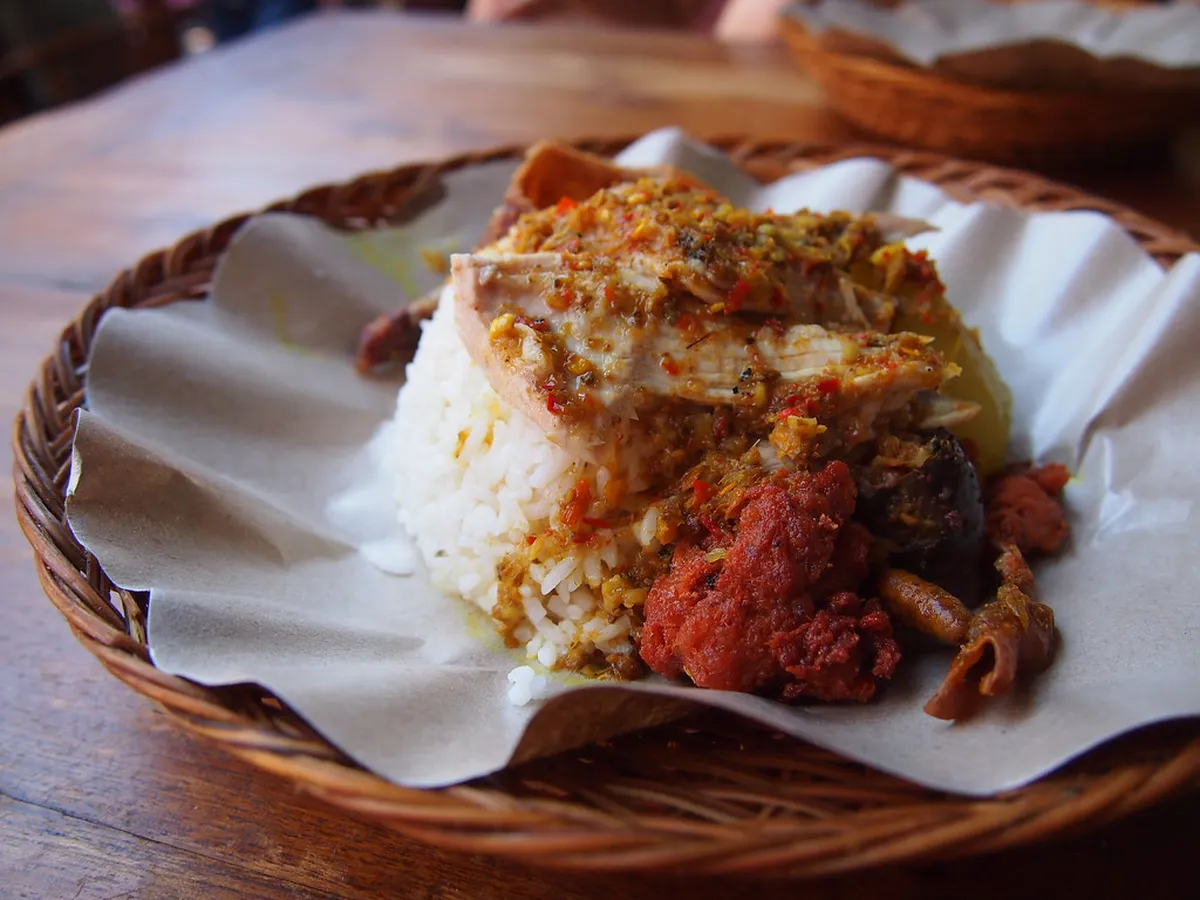
Some classes teach pan-Indonesian staples like nasi goreng, mie goreng and gado-gado. These are fun, but you can also find them at street-food stalls across Java and Sumatra. Look for Balinese markers instead: base genep spice paste, Sate lilit, lawar, jukut ares and betutu. Betutu is a slow-cooked dish, covered in our guide to slow-cooked duck betutu. Our overview of Balinese flavors and ingredients explains the regional style. For a nationwide comparison, see cooking classes across Indonesia. If a menu lists only familiar noodle and rice dishes, ask which items are specifically Balinese. Many classes also teach Indonesian staples alongside local dishes, and you can try suckling pig or mixed-rice plates afterward at a family-run warung. For general country context, see Indonesia's official tourism site.
Timing, transport and what to bring
Farm and Sidemen classes cost travel time on top of cooking time. Bali Farm Cooking School alone is a 30–40 minute drive each way from Ubud. Sidemen starts around 8am, so plan an early departure. Morning classes often serve food only at the end, so eat breakfast first. Ask whether pickup is included, free or paid, and whether you need a car or driver for Sidemen or Munduk. Bring a hat, closed shoes for outdoor kitchens and a phone for photos of the market. Wet-season rain can complicate highland roads, so build in buffer time.
Mistakes to avoid
Most disappointments come from mismatched expectations rather than the cooking itself.
Warung Nia runs with around 25 people, so pick a smaller class if you want one-on-one instruction.
- Booking a distant class from the wrong base, then spending hours in a car.
- Choosing a large-group class when you want one-on-one instruction.
- Skipping breakfast before a class that only feeds you at the end.
- Expecting regional Balinese dishes from a generic pan-Indonesian menu.
- Ignoring wet-season conditions on highland routes to Munduk or Sidemen.
- Forgetting to ask about dietary swaps before you pay.
Questions to ask before you book
Ask these before paying, since policies change and none are confirmed here. Is the class hands-on or a demonstration? What is the group cap? How many dishes will each person cook? Is a market tour included? Is transfer included, free or paid? Do you get a printed recipe? How are vegetarian, vegan and allergy requests handled? What is the cancellation and weather policy? Request the current IDR price in writing and note what it covers.
Notes for your Indonesia trip
Optional updates when we add or change a town or island guide.
You might also like

Continue reading
More guides you'll find useful