Indonesian Cooking Class: How to Choose One in Bali
What an Indonesian cooking class involves, how Bali formats differ, and what to check before you book: market visits, group size, spice and dietary needs.
On this page
Last updated November 2026: an Indonesian cooking class usually moves from a market visit to hands-on cooking and ends with a meal of your own dishes. Bali is the most common base, though the official tourism site says classes run on every island. Location, group size, a market visit and dietary needs decide which class fits you.
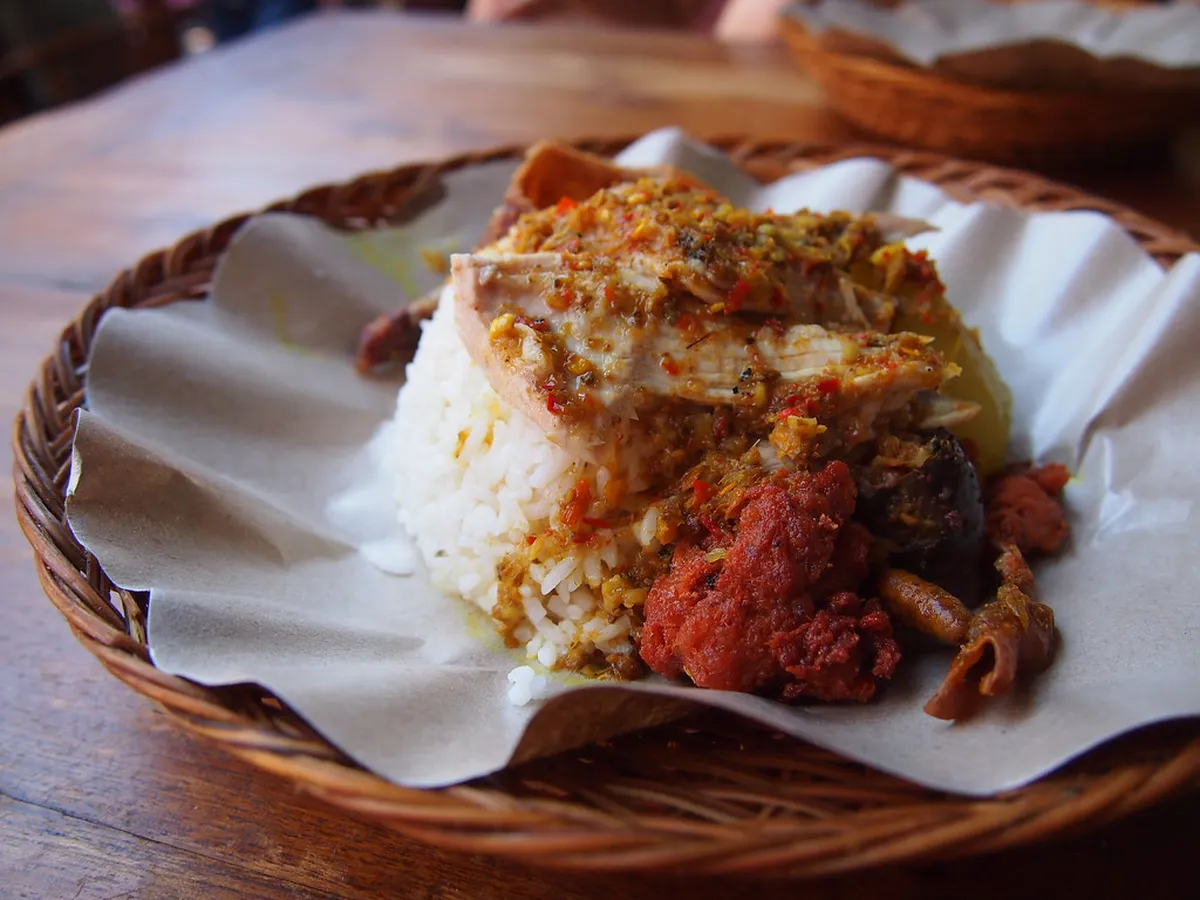
Featured image: Sam Hidayat, CC BY-SA 4.0, via Wikimedia Commons.
What an Indonesian Cooking Class Involves
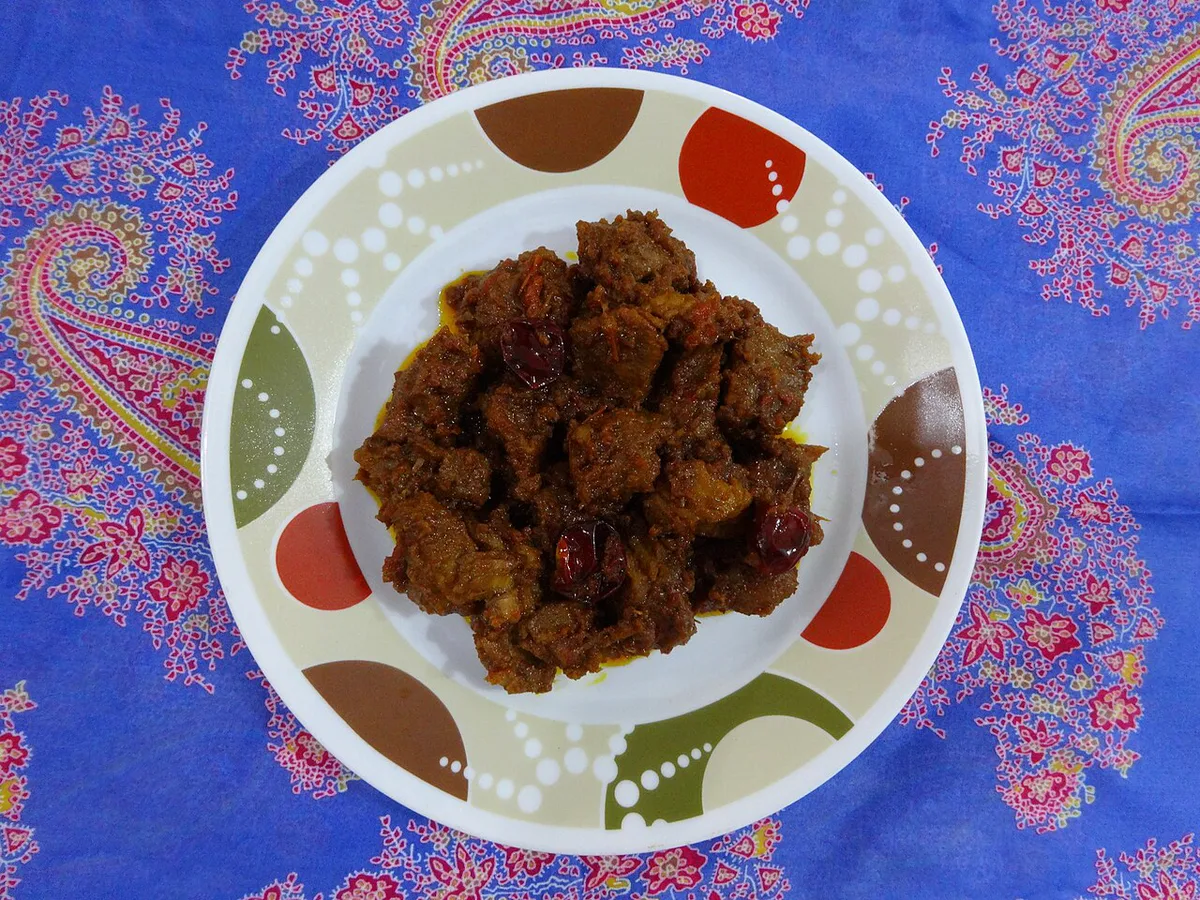
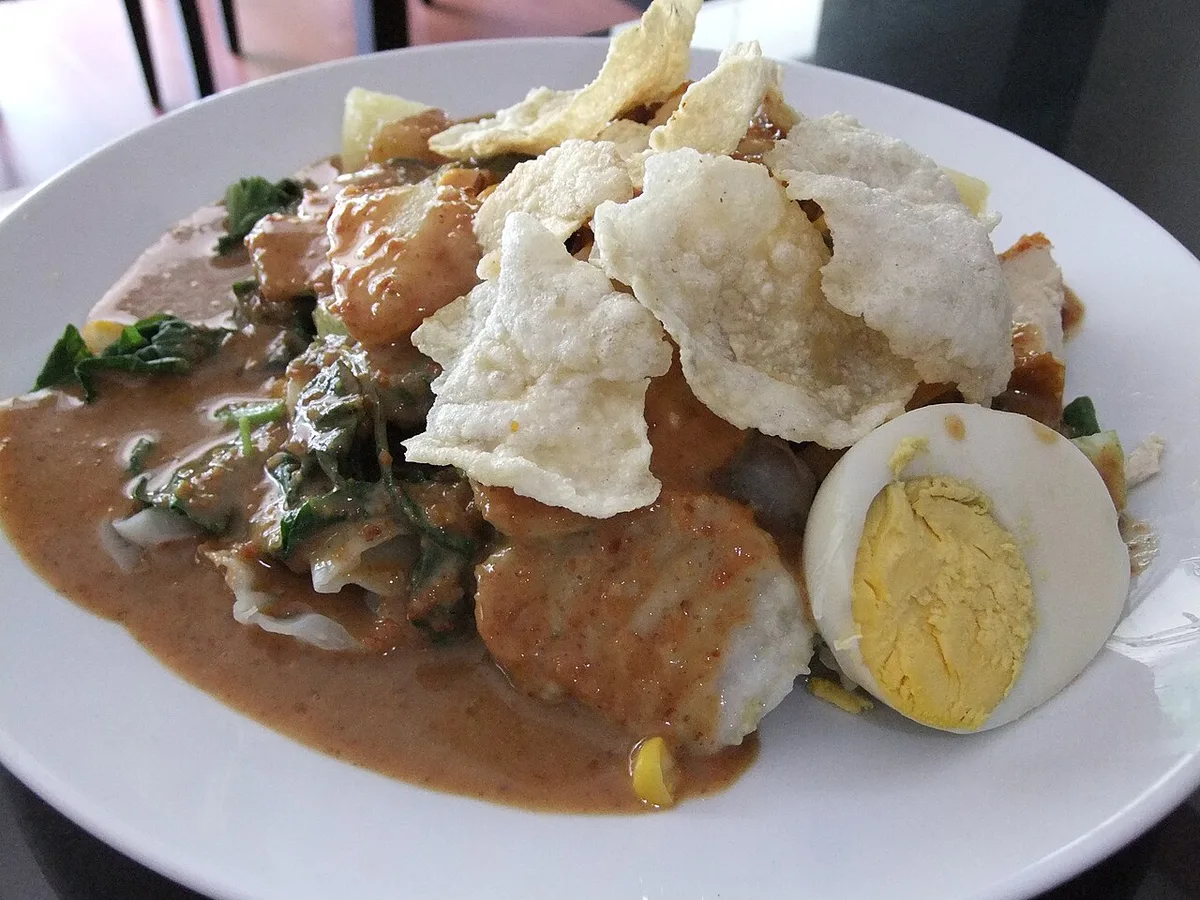
Per the official Indonesia tourism site, a class starts at a local market, moves to washing, chopping and seasoning, and ends with a shared meal. Expect familiar reference points such as nasi goreng, tempe, soto ayam and cap cay. Dish background sits in our wider Indonesian dish guide. Children can take part, which makes classes a workable family activity.
How a Class Unfolds, Step by Step
Instructors typically lead you through the market first. You learn how to pick vegetables and judge whether fruit is ripe. Back in the kitchen, you cook and season each dish. Spice level gets decided at this stage, so speak up early. Our sources give no verified class length, so confirm the total time with the operator.

- Market visit: choose fresh produce with your instructor and ask questions.
- Prep: wash and chop vegetables and build the spice paste (bumbu).
- Cooking: learn the order of cooking and Indonesian-style seasoning.
- Eating: sit down and finish the dishes you made.
How to Choose: Class Formats Compared
Formats differ less in the recipes than in setting, group size and what is bundled in. Use this table to match a format to your trip, then put the last column to the operator.
| Format | Best for | Trade-off | Ask before booking |
|---|---|---|---|
| Market-visit group class | First-timers who want the full sequence | Less control over menu and pace | Does the market visit happen before cooking? |
| Private or small-group class | Families, dietary limits, specific dishes | Usually less social | Can the menu be adjusted for my needs? |
| Resort or farm class | Comfortable setting, produce grown on site | May skip the local market | Is a market stop included? |
| Home or warung-style class | Everyday cooking in a local setting | Facilities can be simpler | Where exactly is it, and how do I get there? |
What It Costs and What Should Be Included
Our sources give no verified class prices, so none appear here. Check the operator's own page, or ask your hotel reception, for current rates.
- Hotel transfer or a meeting point on site
- A guided market tour
- The meal you cook, and drinks
- A recipe booklet or notes
- Ingredient and equipment use
Where to Take a Class
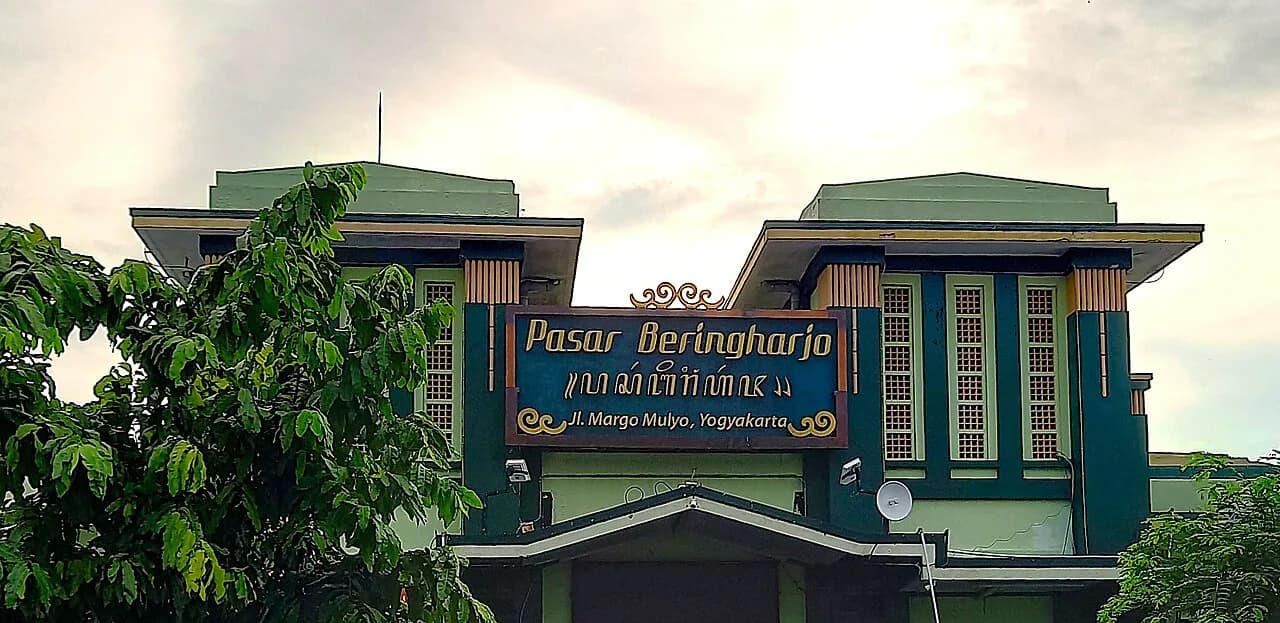
Search listings show Bali first. Seminyak and Ubud classes appear at the top, and some mention a market visit and pick-up, so confirm both. Seminyak suits a short hop from South Bali, while Ubud trades transfer time for a quieter setting. Our Bali-specific class guide goes deeper on choosing between them. For the dishes behind those menus, read about Bali's food scene. Lombok also has classes for all skill levels. Yogyakarta and Jakarta fall under the official site's point that classes exist on every island, so ask your hotel or check an operator page. Javanese menus and Padang-style menus differ, so choose based on dishes such as Padang-style rice meals.
Dietary Needs, Spice and Families
Spices are prominent in Indonesian dishes. Tell your instructor up front if you dislike heat. Ask for a milder paste and for chilies served on the side. Balinese cooking often includes pork, as in Bali's roast pork specialty. Halal, vegetarian and shellfish-allergy requests need to be stated at booking, not on the day. A private or small-group class makes these changes easiest. Children can join in, so families should ask whether the class suits young cooks.
Dishes You Will Likely Learn
The official site names nasi goreng, tempe, soto ayam and cap cay as typical dishes. In Bali, ask whether the menu includes mixed rice plates or Balinese slow-cooked duck. Tasting first helps, so eat at a local warung before you book. Our street food guide shows what to order. Dessert lessons are worth asking about too, and our Indonesian dessert guide lists options.
Mistakes to Avoid
Skip a class if you cannot tolerate heat or cannot spare a few hours. Otherwise, a little checking up front avoids most disappointment.
- Booking without checking what is included
- Choosing by photos alone
- Taking a late-afternoon slot that skips the market
- Not stating dietary needs at booking
- Assuming every class includes pick-up
Notes for your Indonesia trip
Optional updates when we add or change a town or island guide.
You might also like



Continue reading
More guides you'll find useful