Indonesian Coffee Guide: Regions, Flavors & What to Buy
Explore Indonesian coffee by region, learn how it's served locally, avoid cruel kopi luwak, and pick beans to bring home from Bali.
On this page
Last updated November 2026. Indonesian coffee is typically full-bodied, low in acidity and earthy or spicy in the cup, and it grows on islands from Sumatra to Bali. This guide maps the main origins, explains how locals serve it, and flags what to buy or skip. For cafes and farms on the island itself, continue to our Bali cafes and farms guide.
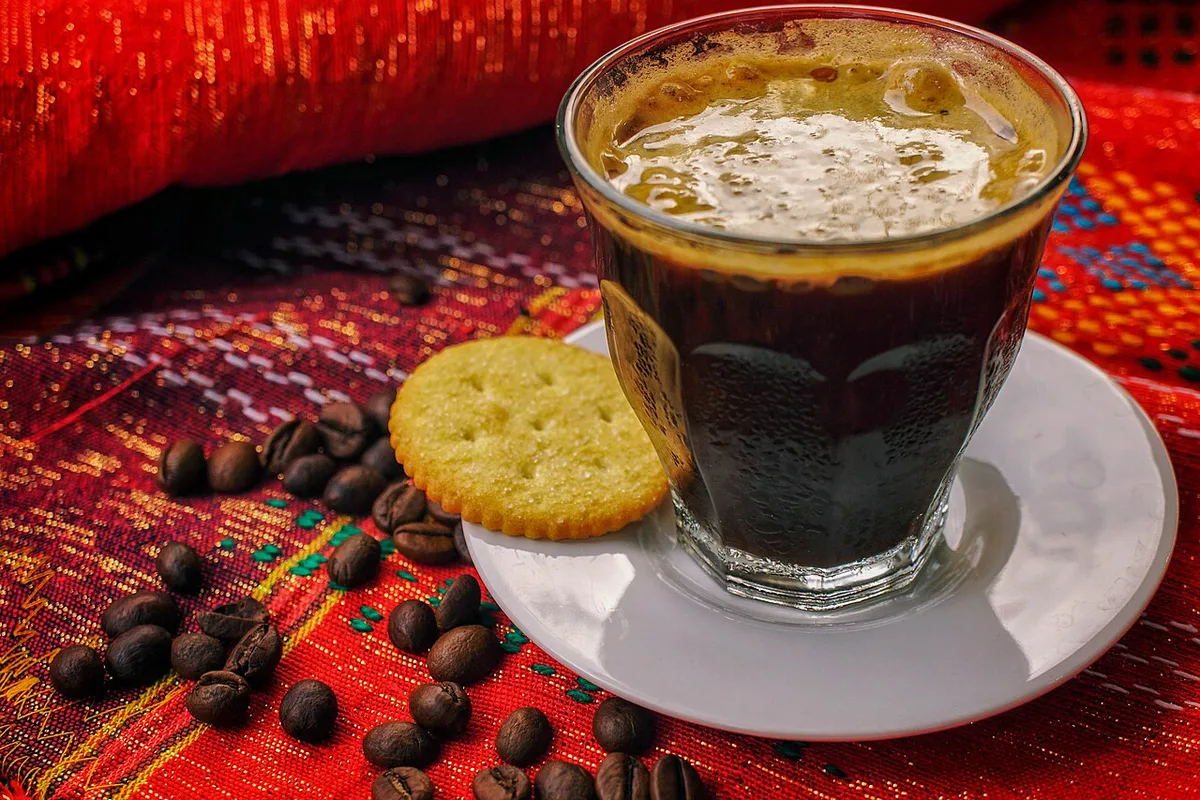
Featured image: Hersy ardianty a, CC BY-SA 4.0, via Wikimedia Commons.
Indonesian Coffee in Brief
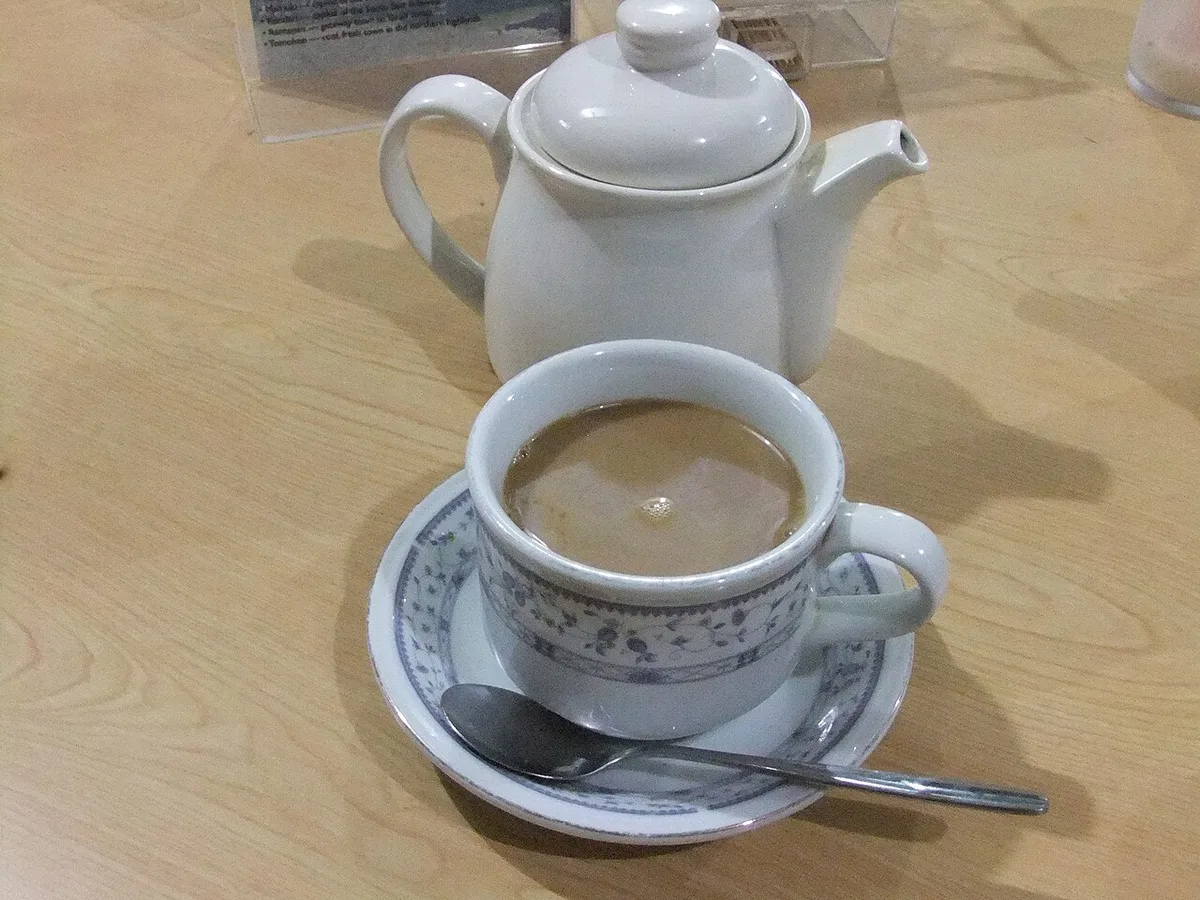
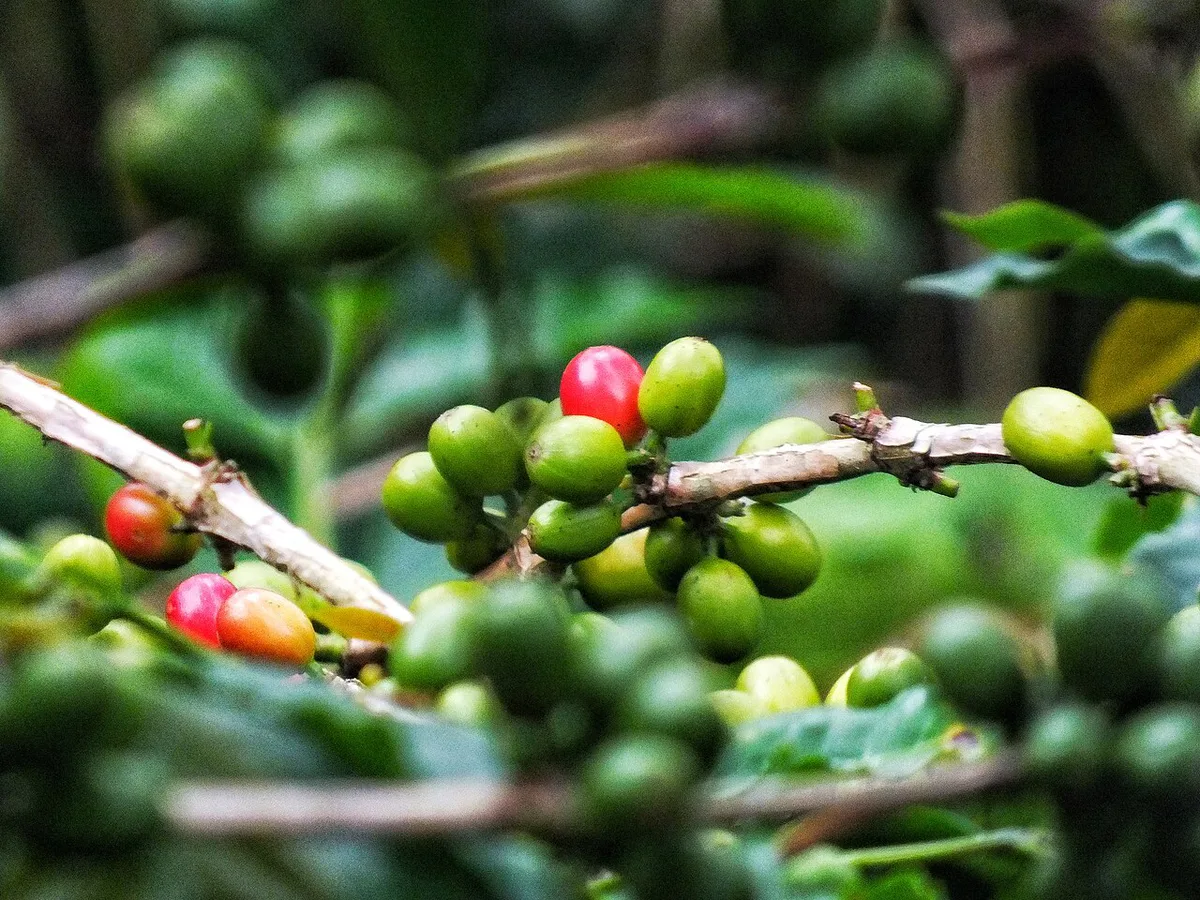
Expect a heavy body, soft acidity and flavors that lean earthy, woody, spicy or herbal. Much of that profile comes from wet-hulling, a local processing method covered below. Coffee grows across Sumatra, Java, Sulawesi, Flores and Bali, and each island tastes a little different. Bali's contribution is the Kintamani highlands, usually described as an arabica area. If you normally drink bright, fruity filter coffee, treat Indonesian beans as a different style rather than a weaker version of it.
Indonesian Coffee Regions Compared
Flavor notes below are general tendencies, not guarantees. Farm, harvest and roast all shift the cup, so read the bag label before you buy.
| Origin | Typical flavor | Best for |
|---|---|---|
| Sumatra (Gayo, Mandheling) | Heavy body, earthy, herbal or spicy, low acidity | Drinkers who like dark, bold cups |
| Java | Medium to full body, often described as smooth and mellow | First-time drinkers wanting a balanced cup |
| Sulawesi (Toraja) | Full body, often described as rich and slightly spicy | Fans of depth without much sharpness |
| Flores | Often described as sweeter and softer, with chocolate or floral notes | Readers who want a gentler Indonesian cup |
| Bali (Kintamani) | Often described as lighter and citrus-leaning | Drinkers who prefer brighter coffee |
Why It Tastes Different: Wet-Hulling and Volcanic Highlands
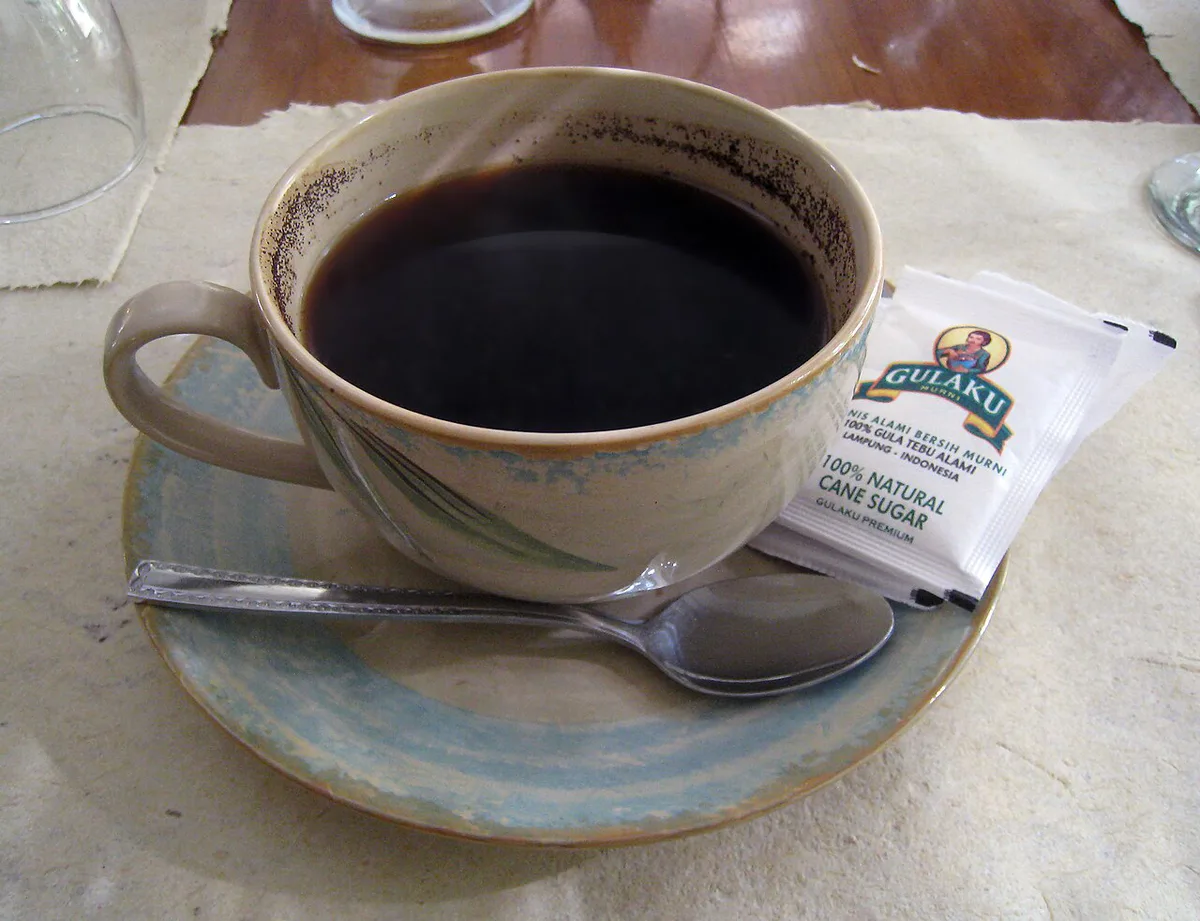
Much of Indonesia uses a method called giling basah, or wet-hulling. Farmers remove the protective parchment while the bean is still damp, then dry it. That shortcut is widely credited for the heavy body, low acidity and rustic, earthy character. Sumatra is often singled out for its high-altitude farms, volcanic soil and wet climate. Some drinkers find the result polarising. Fans call it bold and complex, while others find it too strong. A simple test: if you enjoy dark chocolate or smoky tea, you will likely enjoy it.
How Coffee Is Served in Indonesia
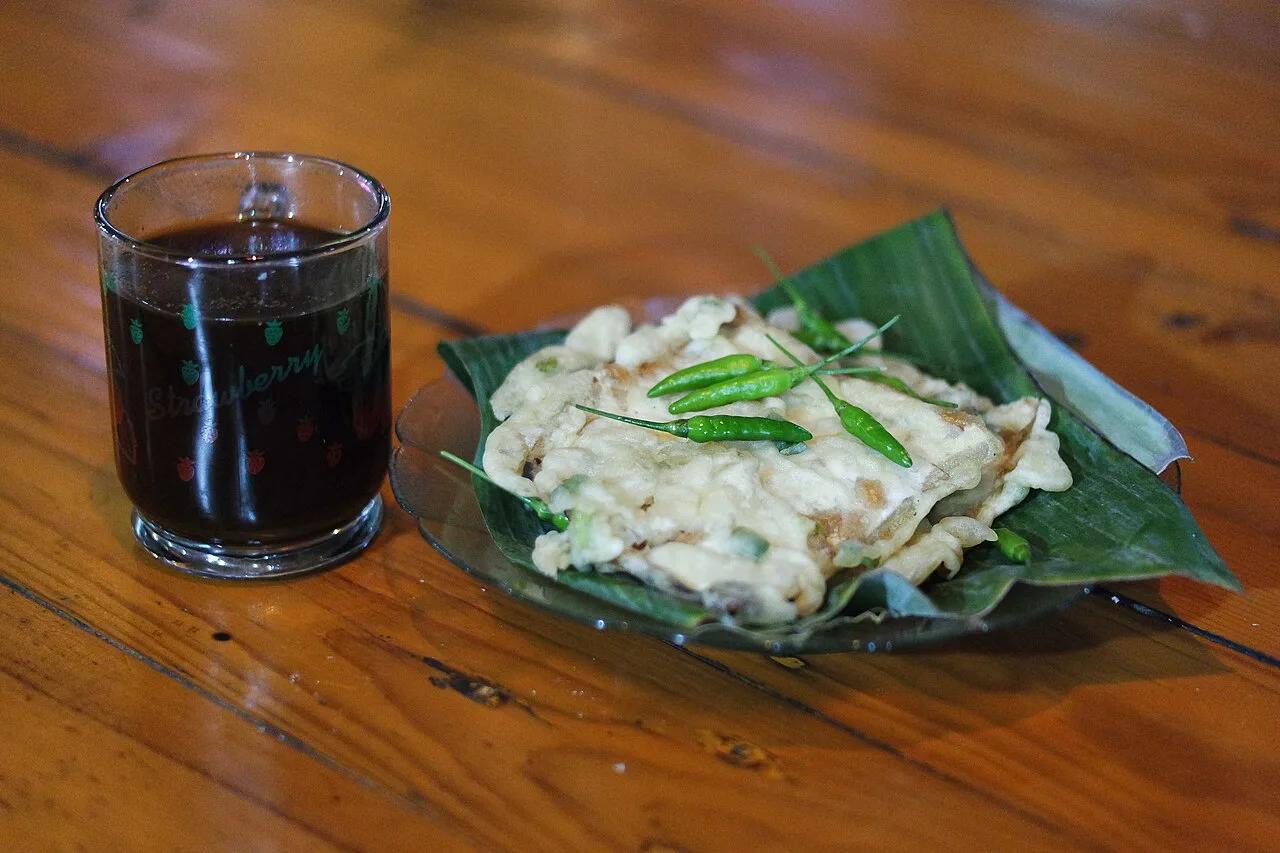
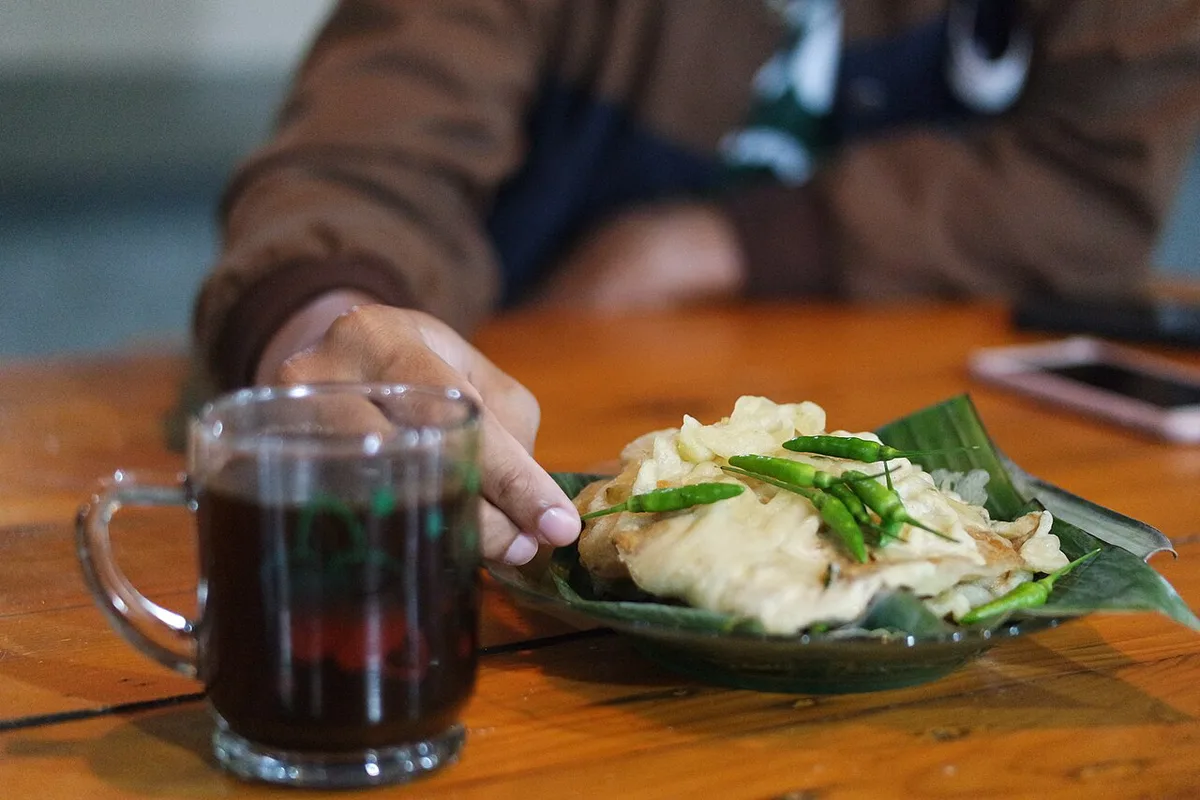
Kopi tubruk is the classic local style. Ground coffee goes into the glass, hot water goes over it, and the grounds settle at the bottom. Let it rest for a minute and sip from the top. Do not stir the sludge back up. Kopi susu adds milk, and sugar is often already in the glass, so ask for less sugar if you want it plain. Modern specialty cafes in Ubud and Canggu pour pour-over and espresso instead. You will find tubruk at a neighborhood warung food stall, often beside fried snacks.
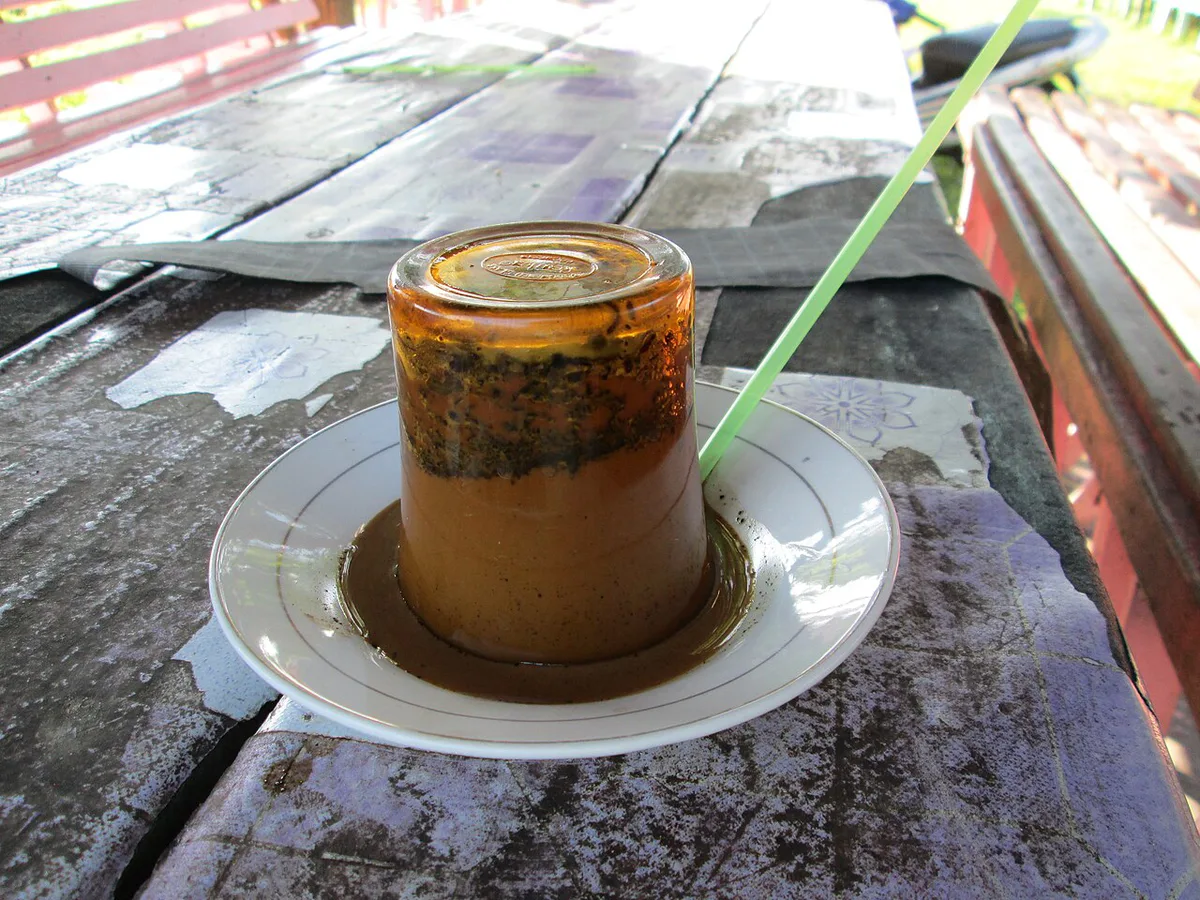
- Order tubruk when you want the traditional glass with settled grounds.
- Order kopi susu when you want a sweet, milky cup.
- Choose a specialty cafe when you want a filter or espresso from a single origin.
- Ask about sugar before the glass arrives, since sweet is often the default.
Coffee in Bali: Kintamani and Where to Taste
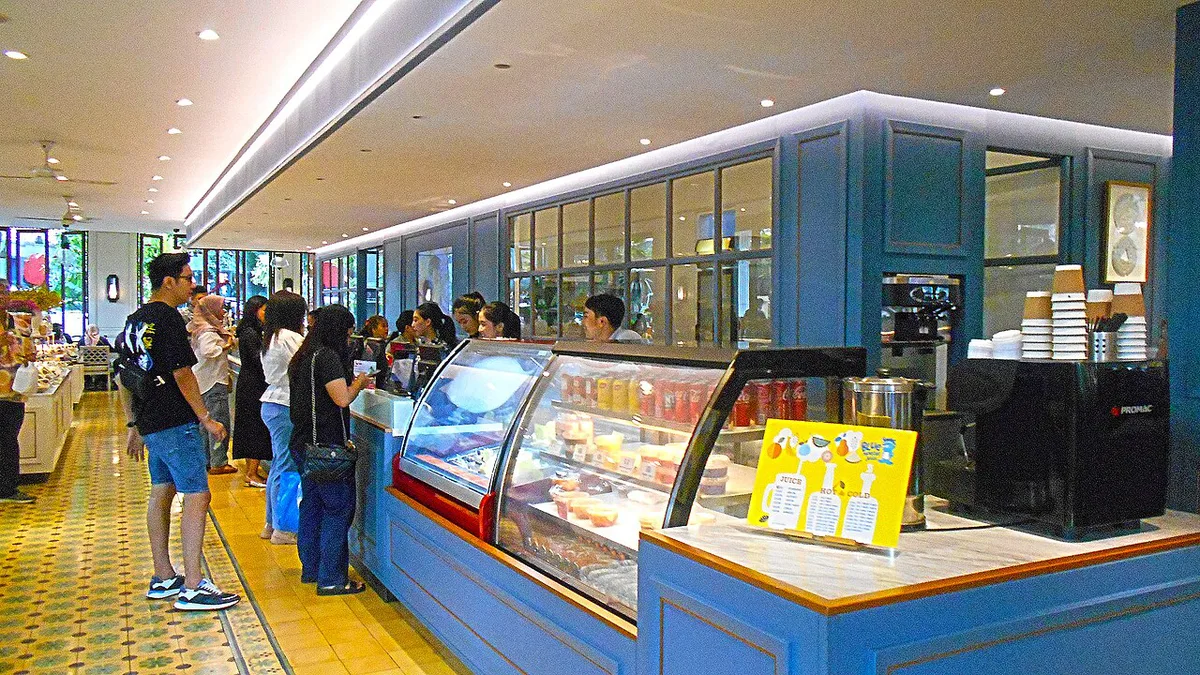
Kintamani is Bali's best-known coffee highland, and our brief describes it as a volcanic-soil arabica area. A highland day trip costs time and a driver, and exact prices and hours need checking locally. You do not need a farm visit to taste good coffee, since Ubud and Canggu cafes serve Bali beans. Start with our Bali cafes and farms guide, then see Balinese dishes for what to eat alongside. For wider trip planning, the official Indonesia tourism site is a starting point.
Kopi Luwak: What Travelers Should Know
Kopi luwak is made from beans eaten and excreted by the civet, a small nocturnal animal. It is marketed as a luxury coffee, but many tasters find it underwhelming. High prices have encouraged cruelty, including caged civets that are force-fed beans. A "wild" label is hard to verify, so treat it with caution. Our civet coffee deep dive covers the details.
- Skip any plantation where civets sit in cages.
- Be skeptical of "wild" labels with no independent proof.
- Avoid tours that treat the animals as a photo attraction.
- Choose a good single-origin bag instead, which tastes as interesting for less money.
Buying Indonesian Coffee Beans to Bring Home
Bean import rules differ by country, and we have no verified figures to quote. Check your home customs or agriculture agency before you pack.
- Buy whole bean when possible, since ground coffee stales faster.
- Look for a roast date on the bag, not just an expiry date.
- Prefer bags with a one-way valve for freshness in luggage.
- Choose specialty bags from roasters or cafes for flavor, and instant sachets only as cheap gifts.
- Do not buy cheap souvenir luwak, which is the likeliest product to carry cruelty.
Short History and Why It's Called "Java"
Competitor sources say the Dutch brought coffee to Batavia in 1696, though you should treat that date as unverified. Java became a major supplier to Europe, and "Java" turned into a slang word for coffee in the United States.
Is Indonesian Coffee Right for You?
Match your usual taste to an origin before you buy.
| If you usually like | Try |
|---|---|
| Dark, bold, low-acid coffee | Sumatra Gayo or Mandheling |
| Smooth, balanced coffee | Java |
| Rich coffee with gentle spice | Toraja |
| Soft, sweeter coffee | Flores |
| Brighter, citrus-leaning coffee | Bali Kintamani |
Pairing Coffee with Food and Drinks
Strong tubruk suits sweet snacks. Try it with jajan Pasar and sweets or alongside street food snacks. For a contrast, order herbal jamu drinks. Full meals are covered in our Indonesian dishes guide.
Frequently Asked Questions
Is coffee popular in Indonesia?
Yes, coffee is grown across Sumatra, Java, Sulawesi, Flores and Bali. Locals drink it in warung stalls and in modern specialty cafes.
Why is luwak coffee so expensive?
It is sold as a rare luxury product made from beans passed through civets. High prices have also encouraged caged, force-fed civet farming, so buy with caution.
Notes for your Indonesia trip
Optional updates when we add or change a town or island guide.
You might also like

Continue reading
More guides you'll find useful