Kopi Luwak in Bali: Is It Worth It, Ethical, Real?
What kopi luwak is, the cage vs wild-collected problem, how to spot a fake, and better Bali coffee options.
On this page
Last updated November 2026: kopi luwak is coffee made from beans that pass through the digestive system of the Asian palm civet, called a luwak in Indonesian. Caged civets and unverifiable labels make it a risky purchase in Bali. Try it only if the source is verifiably wild-collected, or choose a regular Balinese coffee tasting instead.
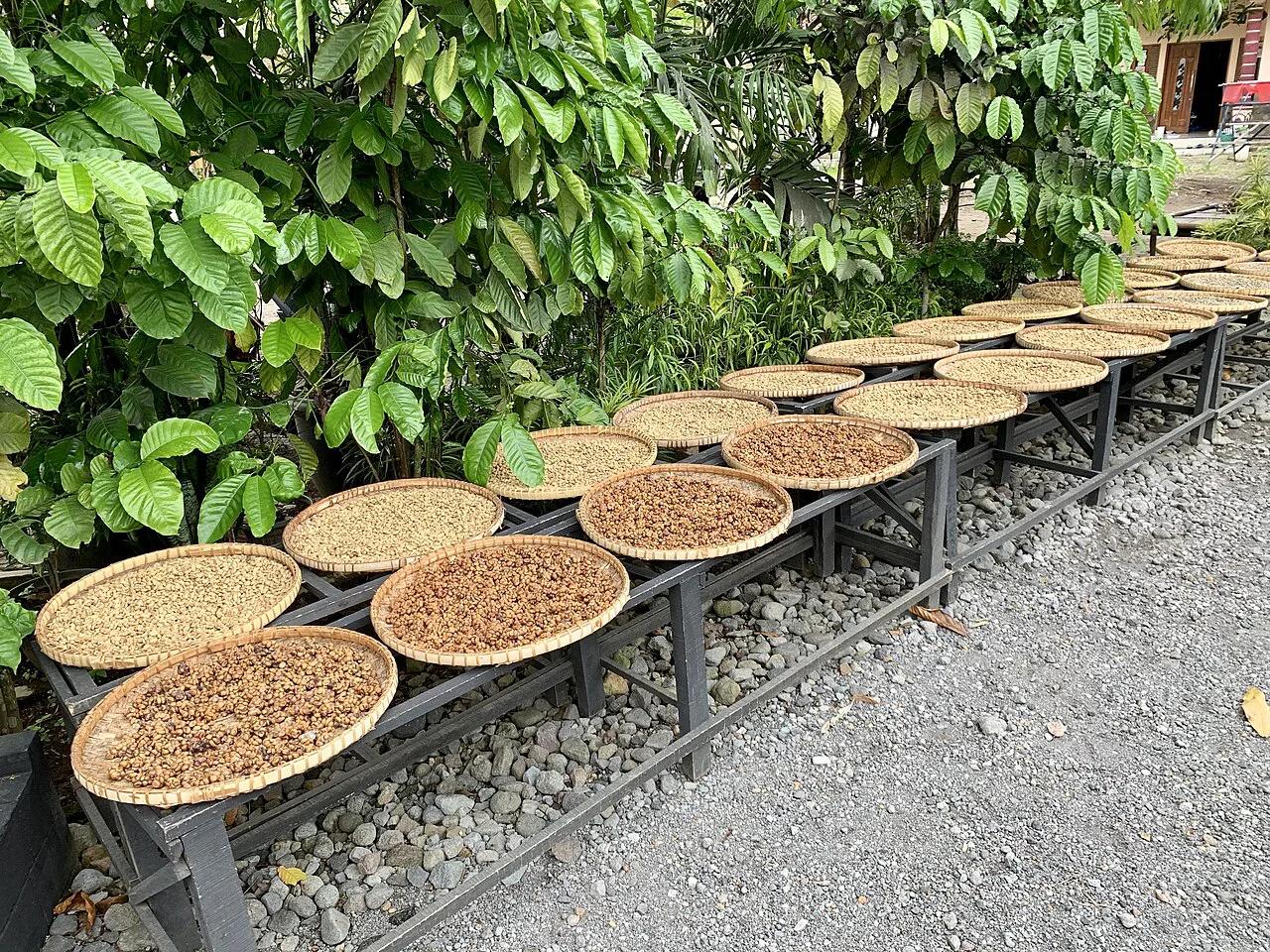
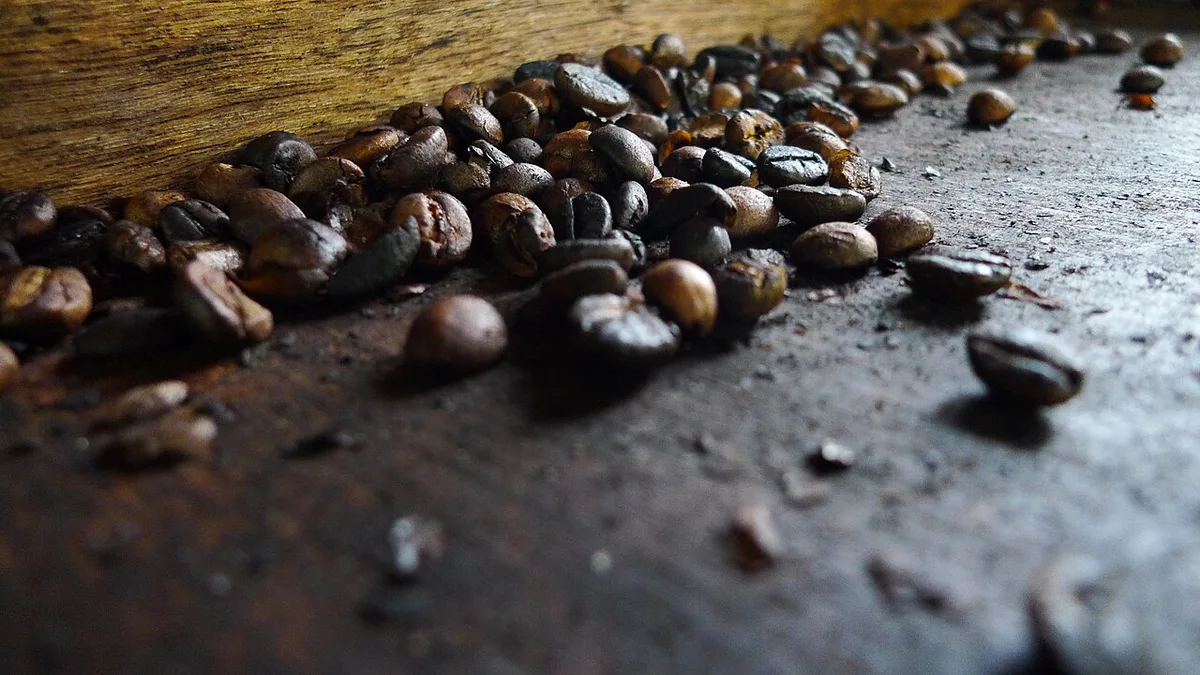
Featured image: Etsuma.W, CC BY-SA 4.0, via Wikimedia Commons.
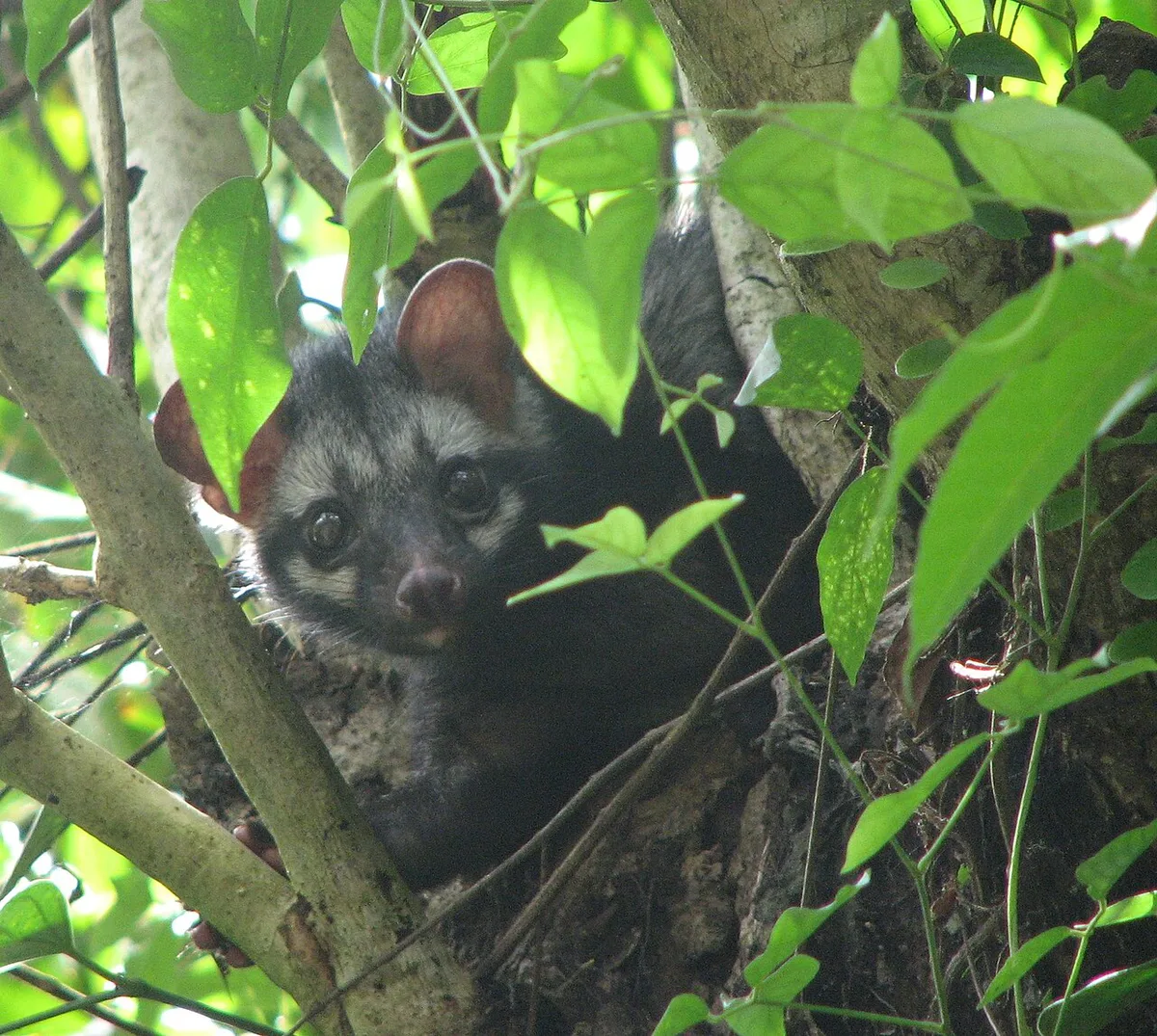
What kopi luwak is (and the short answer)
Kopi luwak is Indonesian for civet coffee. Civets eat ripe coffee cherries, and collectors gather the beans after they pass through the animal. Those beans are then cleaned, roasted and brewed. Fermentation in the gut is the usual explanation for the flavor claim, but any science claim needs a citation. Our short answer: skip it unless you can verify wild collection. A regular Balinese arabica or robusta tasting gives you the plantation experience without the welfare question.
Why kopi luwak is controversial: caged vs wild-collected civets
Wild civets choose their own cherries and roam freely. Caged civets are held in enclosures and fed cherries, which is the core welfare concern. Words like "wild" or "natural" on a menu are the seller's claim. A printed label cannot show how the animals lived. Look for published investigations by recognized animal-welfare organizations on caged civets in Indonesia. Read those reports directly rather than relying on a plantation's own explanation.
How to try kopi luwak in Bali without supporting cruelty
Treat this as a checklist, not advocacy. You decide what you are comfortable with, and walking away from a tasting is always an option. Vague answers are the main warning sign.
- Ask whether the civets are wild or kept in enclosures.
- Ask who collects the beans and where they are collected.
- Ask the price per cup before you order.
- Red flag: civets caged on site for display.
- Red flag: answers that stop at "natural" with no collection details.
- Red flag: staff who avoid the question or change the subject.
What a plantation visit looks like around Ubud, Tegallalang and Kintamani
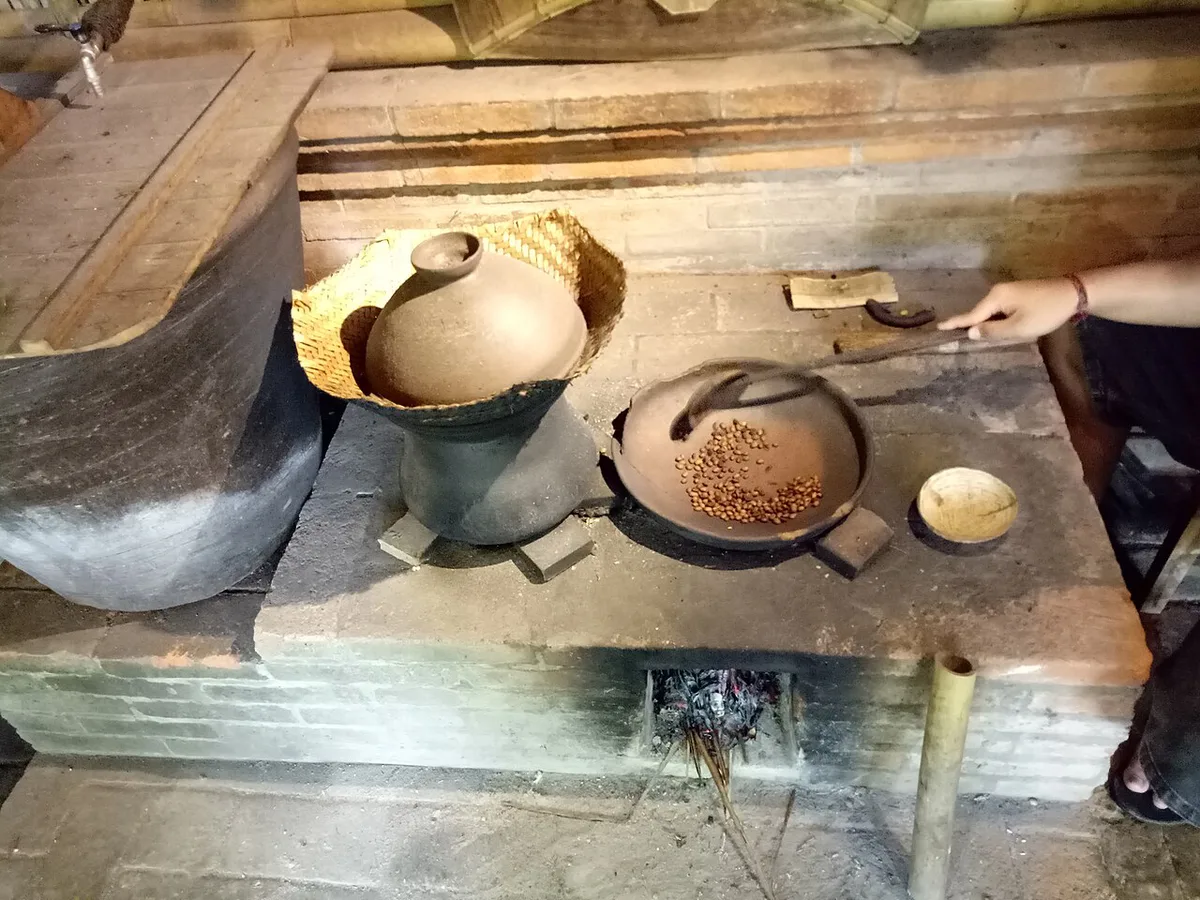
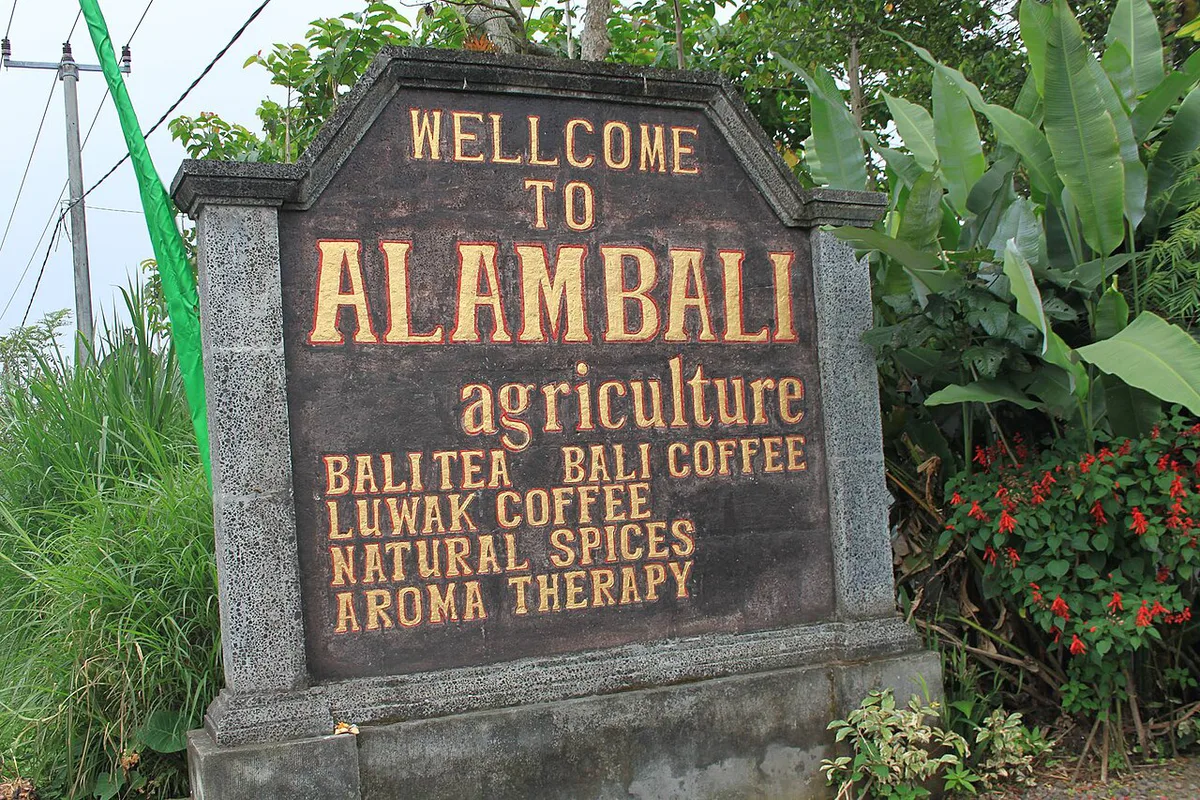
Plantations around Ubud, Tegallalang and Kintamani often follow one flow. You walk the grounds, see the coffee plants and roasting, then sit down for a tasting. The tasting set leads into the shop. Civet coffee is often offered as a paid extra beside the regular samples. Ask the price per cup before ordering. Prices and hours change, so confirm them with each plantation.
- Tour of the plants and processing area
- Tasting set of regular coffees and teas
- Optional paid civet cup
- Shop at the exit
- Polite way out: "No thank you, just the regular tasting."
Is kopi luwak worth the price? Comparison table
Civet cups usually cost more than a regular tasting. A higher price does not prove wild sourcing. Compare your options before you pay.
| Experience | Best for | Ethics risk | Cost level | Time needed | Authenticity check |
|---|---|---|---|---|---|
| Civet-sourced cup | Curiosity about the famous coffee | Higher unless wild collection is verified | Highest | Short stop | Hard to confirm |
| Regular Balinese arabica or robusta tasting | Comparing local coffee | Low | Low to moderate | Short stop | Easy: you see the beans and roasting |
| Plantation tour without civet | Seeing how coffee is grown | Low | Low to moderate | Half a morning or afternoon | Easy |
| Food-focused day or cooking class | Learning Balinese cooking | Low | Moderate | Half a day | Easy |
Buying kopi luwak as a souvenir
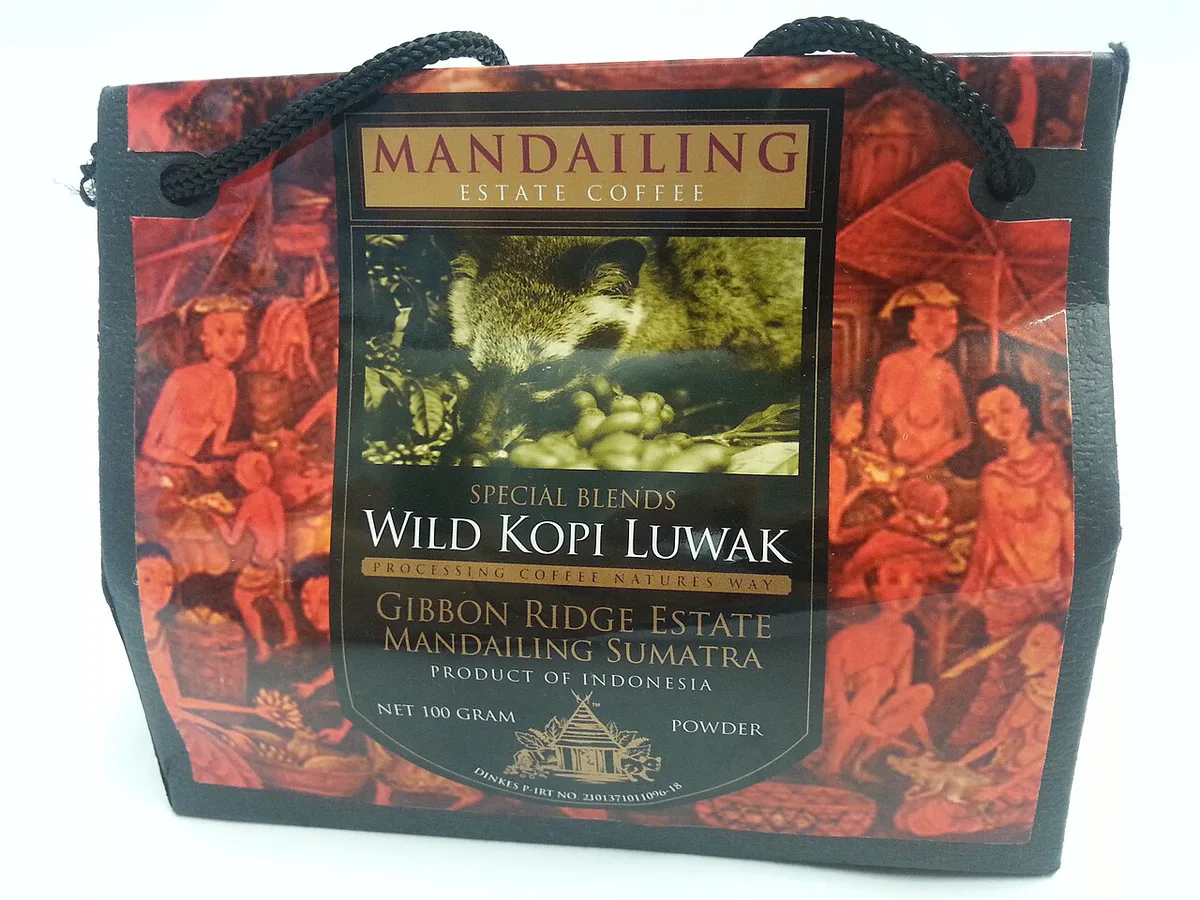
Packaged kopi luwak is hard to verify. A label cannot prove how civets were kept. A tourist-area price that looks too low should raise suspicion that the bag is blended or mislabeled. Buying regular Balinese beans from a plantation you trust avoids the question. You can ask to smell and see whole beans before paying.
Where to go next in Bali's coffee and food scene
Our guide to coffee regions around Bali covers the main places to taste local beans. Wider context is in Indonesian coffee beyond Bali. Indonesia's official tourism site is a starting point for regional agrotourism information. Everyday coffee is easier at an everyday warung stop. For meals, see planning Bali meals and Balinese dishes to try. An animal-free day out is a Balinese cooking class day. Traditional jamu herbal drinks are another local option.
For the wider city context, see our complete Bali tourism attractions guide.
Frequently Asked Questions
What does civet cat coffee taste like?
Taste is subjective, and this page has no sourced tasting claims to quote. Ask for a regular cup beside it at a plantation and compare for yourself.
Notes for your Indonesia trip
Optional updates when we add or change a town or island guide.
You might also like
Continue reading
More guides you'll find useful