Bali Coffee Guide: Beans, Plantations & What to Buy
What makes Bali coffee special, which plantation regions to visit, how locals drink it, and how to avoid kopi luwak traps.
On this page
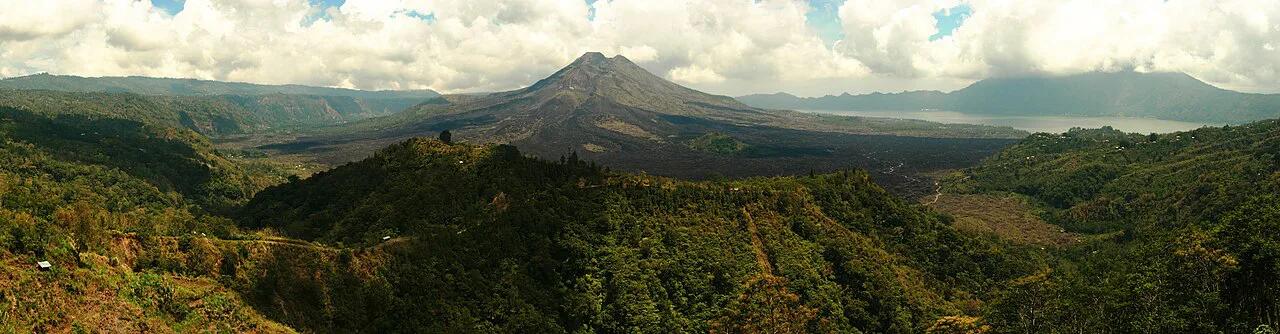
Last updated November 2026. Bali coffee comes mostly from small farms in the Kintamani highlands near Mount Batur, with more beans grown around Munduk in the north. This guide shows you where to taste it, how locals drink it, and what to buy. It also explains how to avoid the kopi luwak tourist trap.
Featured image: Rainhard Findling, CC BY-SA 3.0, via Wikimedia Commons.
Bali coffee at a glance
Bali coffee is a small-holder crop grown on volcanic highland soil, and you taste it best at the source or at a good roaster. Start with these essentials, then use the sections below to plan your stops.
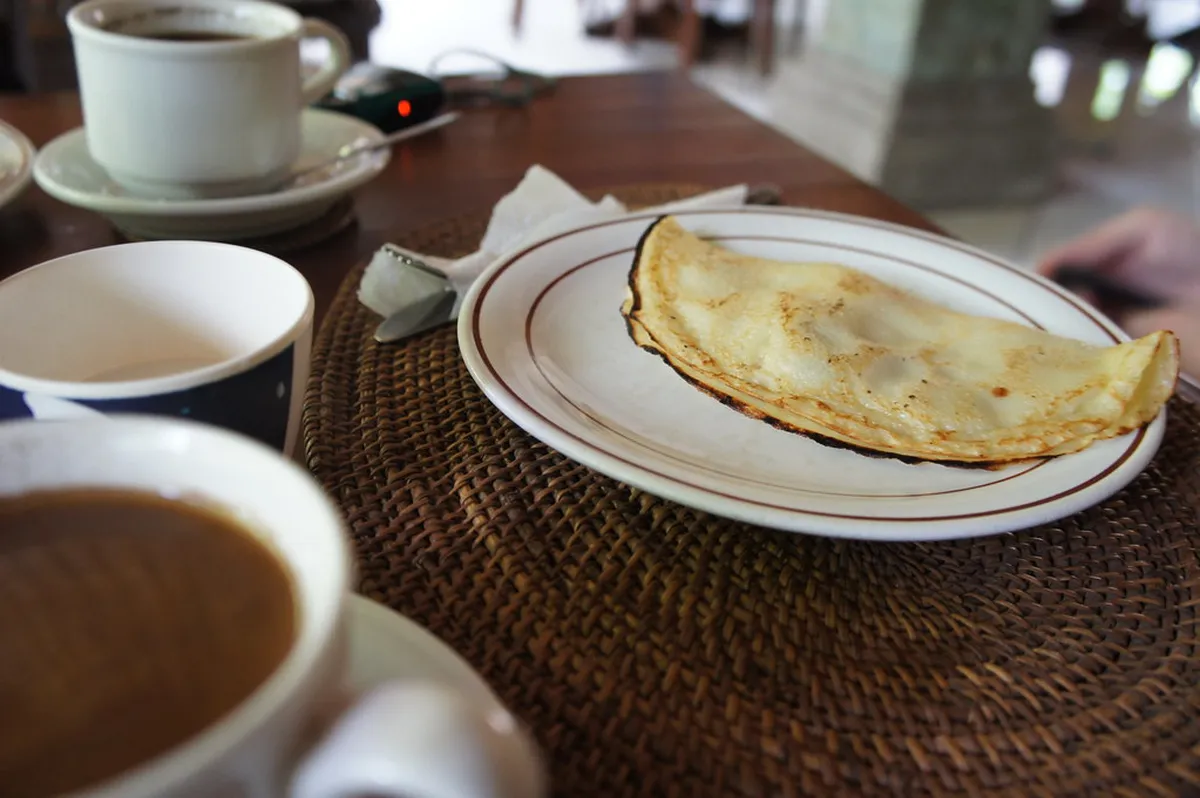
- Main growing area: the Kintamani highlands near Mount Batur, with Munduk in the north as a second stop.
- Bean types: Arabica and Robusta both grow on the island, and they taste quite different.
- Signature serving style: fine grounds stirred into hot water, usually sweet.
- Best plantation regions: Kintamani, Munduk and the plantations around Ubud.
- Luwak caution: civet coffee is the biggest tourist trap, so ask questions before you pay.
What makes Bali coffee distinct
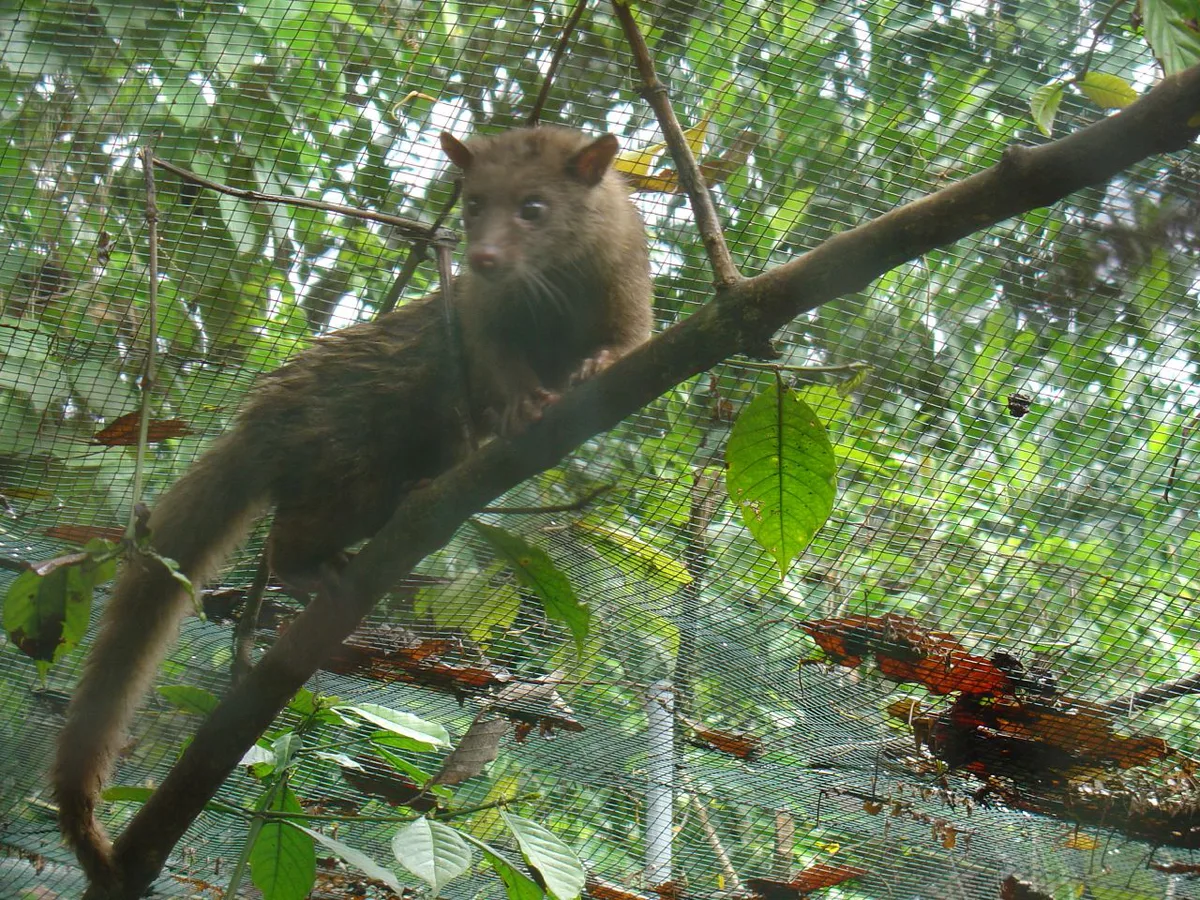
Most Bali coffee is grown by small farmers rather than large estates. Many farmers belong to a Subak Abian, a farmers' group modelled on the island's Subak water-sharing tradition. Members share land, labour and sales decisions. For you, that means a plantation visit often feels like a family farm rather than a factory. Ask your guide how the local group works and whether the beans on the tasting table come from member farms. Kintamani Arabica also carries a Geographical Indication label, which ties the name to the highlands. Growers commonly describe its flavor as bright, with citrus-fruit notes. Treat that as a tasting hint, not a promise, because roast and brewing change the cup. For the national picture, read our guide to Indonesian coffee regions. Official regional context sits on the Indonesia Travel tourism site. Some blogs claim Bali processes all its coffee differently from the rest of Indonesia. That claim is overgeneralized, so ask each farm how it processes its own beans.
Arabica vs Robusta in Bali
Both species grow on the island, and you will meet them in different places. Arabica is the one linked to Kintamani and to specialty cafes. Robusta tends to appear in traditional warung cups and in cheaper souvenir packs. Use this table to decide what to order.

| Trait | Arabica | Robusta |
|---|---|---|
| Taste | Softer, often fruity or citrus-leaning | Earthy, bitter, chocolate or nutty |
| Body and acidity | Brighter acidity, lighter body | Heavier body, lower acidity |
| Where you meet it | Specialty cafes and highland farm tastings | Warung cups and many gift packs |
| What to order | Filter or pour-over to taste the fruit | Sweet kopi Bali, or milk drinks |
Where to try Bali coffee: plantation regions compared
Plantation tours cluster in three areas. Each suits a different traveler. Our guide cannot confirm current prices, hours or tasting formats, so check each venue's live listing before you go. Skip any venue you cannot verify as open.

| Region | Scenery | What you see | How to reach it | Best for | Verify before you go |
|---|---|---|---|---|---|
| Kintamani | Highland views near Mount Batur | Arabica farms and tasting tables | Driver or tour from Ubud | Travelers who want the famous beans | Price, hours, harvest timing |
| Munduk and the north | Cooler hills in north Bali | Mixed farms with coffee, spice and cacao | Longer driver day from the south | Travelers building a north-Bali route | Price, hours, road conditions |
| Ubud area | Garden-style plantations | Short tours with a tasting | Short drive or scooter ride | Short on time, easy add-on | Price, hours, luwak policy |
Kopi luwak: what to know before you pay

Kopi luwak is coffee made from beans eaten and passed by the civet, a small wild mammal. Demand has pushed some operators to cage civets and force-feed them cherries. A wild label is very hard to verify at a roadside stall. Our full explainer on kopi luwak and its ethics covers the background. On site, use the checklist below. Skip the tasting entirely if you get evasive answers.
- Ask to see where the civets live. Cages mean walk away.
- Ask who collects the beans and where. Vague answers are a warning sign.
- Ask whether civets are fed coffee cherries or a mixed diet.
- Be wary of a tasting that costs far more than a normal cup.
- Choose a regular Arabica tasting if you doubt any answer.

How Balinese drink coffee
Traditional kopi Bali is a fine grind stirred straight into a hot glass. Let the grounds settle before you sip, and stop before the muddy bottom. It is usually served sweet. At a roadside local warung, you can order in simple Indonesian. Specialty cafes in Ubud and Canggu serve filter and espresso drinks in the usual way. Snacks pair well with a glass, so see our notes on Bali Street Food: What to Eat, Where & How to Order. If you want a non-coffee local drink, try jamu herbal tonics.
| Word | Meaning | Use it like this |
|---|---|---|
| kopi | coffee | Kopi, satu, silakan |
| kopi Bali | traditional Balinese coffee with grounds | Ask for it at a warung |
| gula | sugar | Pakai gula for sweet |
| tanpa gula | without sugar | Order this if you want it unsweetened |
Buying and bringing home Bali coffee
Read the label before you pay. Look for a clear origin, a roast date and a plain whole-bean option. Whole beans stay fresh longer than ground coffee, so grind at home. Kintamani Arabica packs may show the GI label, which ties the beans to the highlands. Farm shops, supermarkets and specialty roasters all sell beans. Roasters usually print the roast date and can tell you the farm. Pack the bags in your carry-on or padded checked luggage. Customs rules for coffee vary by destination, so check your home country's agriculture or customs authority before you fly.
Costs, timing and getting around

Our sources give no reliable current prices, so use relative costs. Cafes only is cheapest. A scooter or driver add-on near Ubud is mid-range. A dedicated highland tour costs the most but gives you the best farm access. Go in the morning for clearer highland views. Ask local growers or the tourism board about harvest timing, because that decides whether you see picking or drying. Many travelers combine Kintamani with temple and viewpoint stops on one driver day. Base yourself in Ubud if coffee is a priority. Pair the day with a meal from our Bali food guide or the broader Balinese Food: What to Eat in Bali & How to Order overview. A Balinese Cooking Class: How to Choose the Right One in Bali fits well into the same trip.
Common mistakes
Most coffee regrets come from shopping and tourist stops rather than from the cup itself.
- Buying stale beans with no roast date.
- Paying for luwak gift packs without any proof of origin.
- Assuming every Bali coffee is Kintamani Arabica.
- Skipping a customs check before packing beans.
- Visiting a plantation without confirming it is open.
- Trying to cover Kintamani, Munduk and Ubud in one day.
See our Bali tourism attractions guide for the broader city overview.
Frequently Asked Questions
Where to buy kopi luwak coffee in Bali?
You will find it at plantations, farm shops and gift stalls, but quality and sourcing vary widely. Pick a seller who lets you see the animals and explains the supply chain. If answers feel vague, buy regular Arabica instead.
Does Indonesia have good coffee?
Yes, coffee grows across several Indonesian islands, and each region tastes different. Bali's highland Arabica is one example. Our guide to coffee across Indonesia compares the main origins.
How much does 1 kg of Luwak coffee cost?
Our sources give no reliable current figure, so check the seller's posted price. A very low price for luwak is a warning sign about its authenticity. Compare against a trusted roaster before you buy.
Notes for your Indonesia trip
Optional updates when we add or change a town or island guide.
You might also like
Continue reading
More guides you'll find useful