Indonesian Street Food: What to Eat, Where & How to Order (Bali Guide)
A practical guide to Indonesian street food in Bali: what to order first, how to pick safe stalls, dietary notes, and cost trade-offs.
On this page
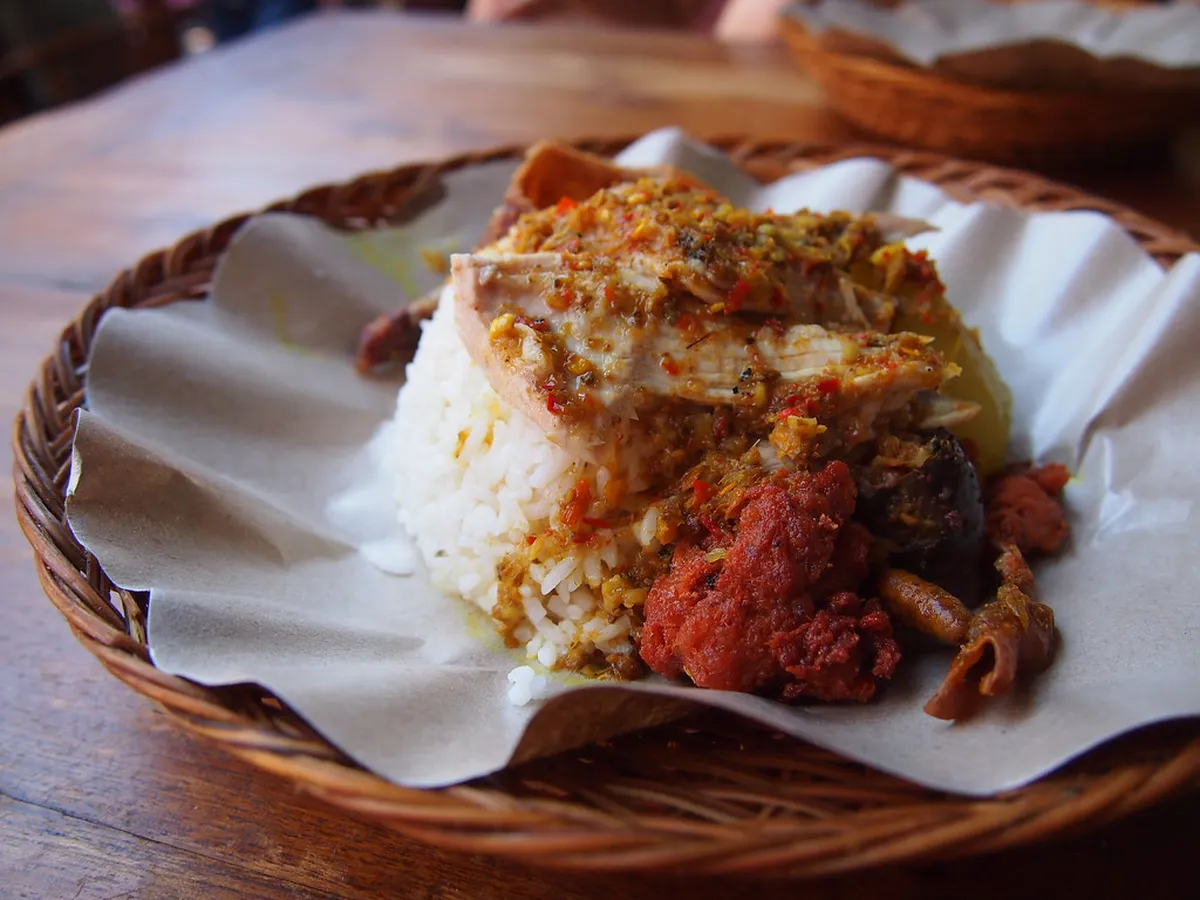
Last updated November 2026: Indonesian street food is a repertoire of rice, noodle, satay, soup and fried snacks sold from warungs, carts and night stalls. Start in Bali with six dishes: nasi goreng, mie goreng, bakso, Sate, martabak and gorengan. Order hot, freshly cooked items first, then work toward richer regional plates.
Featured image: Sakurai Midori, CC BY-SA 3.0, via Wikimedia Commons.
What Is Indonesian Street Food? (Quick Answer)
Rice anchors most meals, and sambal, a chili relish, usually sits on the side. Kecap manis, a sweet soy sauce, gives nasi goreng and mie goreng their caramelized flavor. Our guide to 10 Indonesian Dishes to Try, With Bali Eating Tips covers the full national repertoire. Here the focus is food you buy from a cart, stall or counter. Six starter orders cover most first meals:
- Nasi goreng: fried rice, often topped with a fried egg and served with kerupuk crackers.
- Mie goreng: fried noodles glazed in kecap manis.
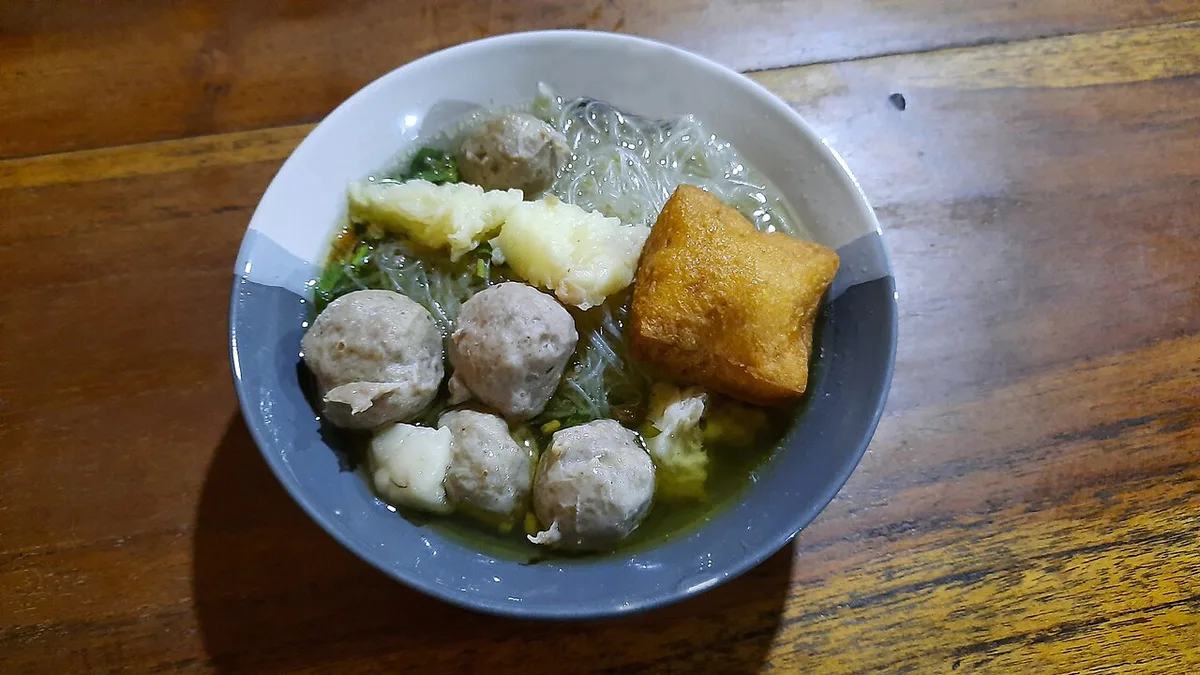
- Bakso: meatball soup from a cart.
- Sate: charcoal-grilled skewers, plus Balinese Sate lilit.
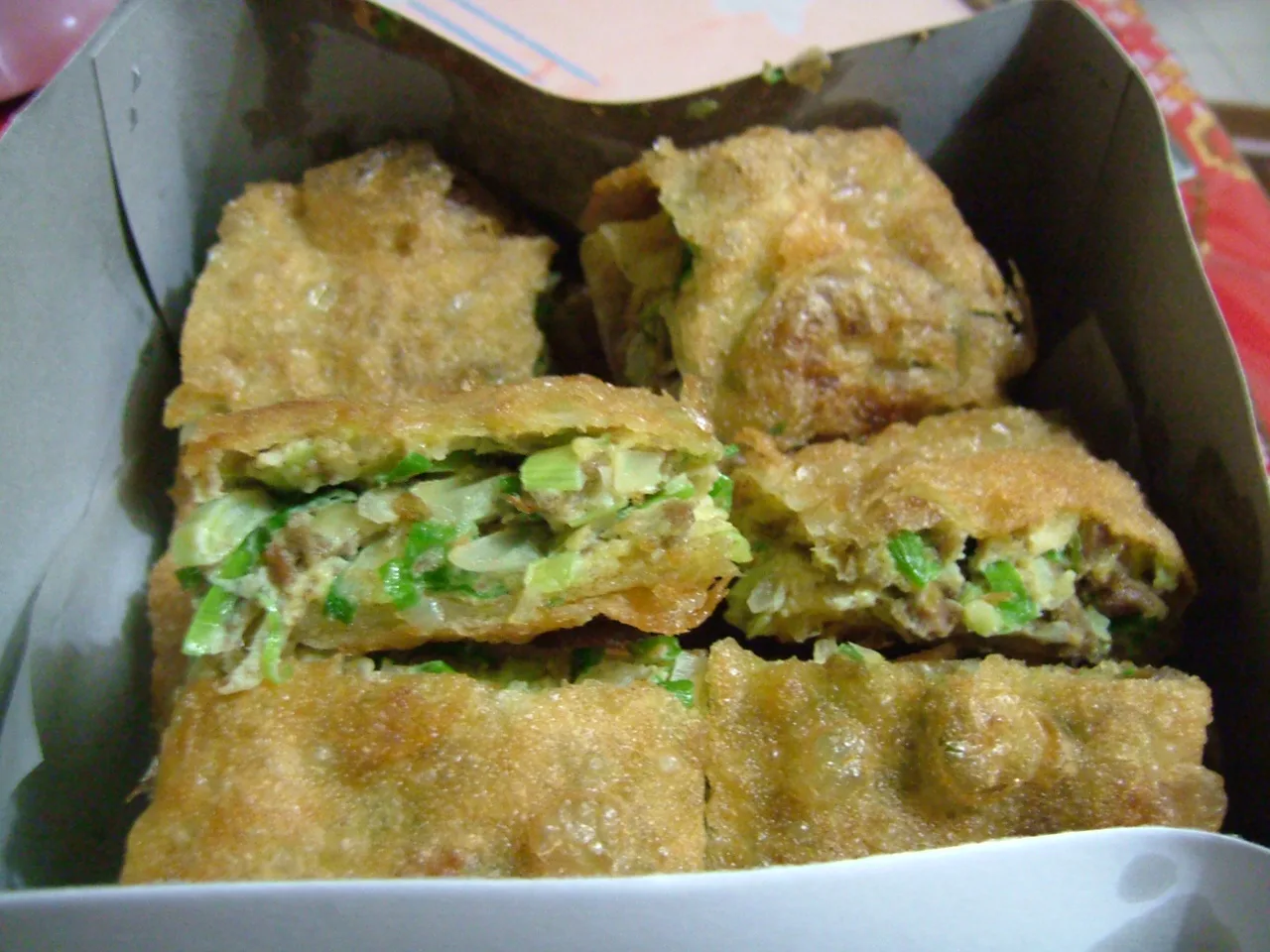
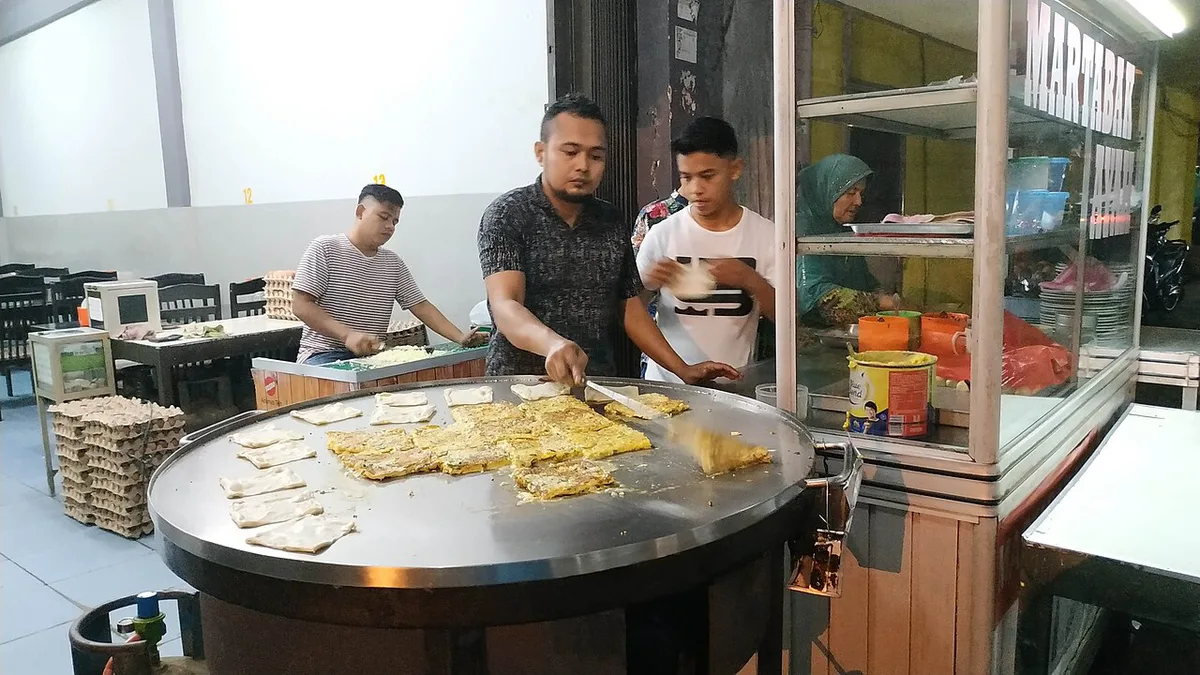
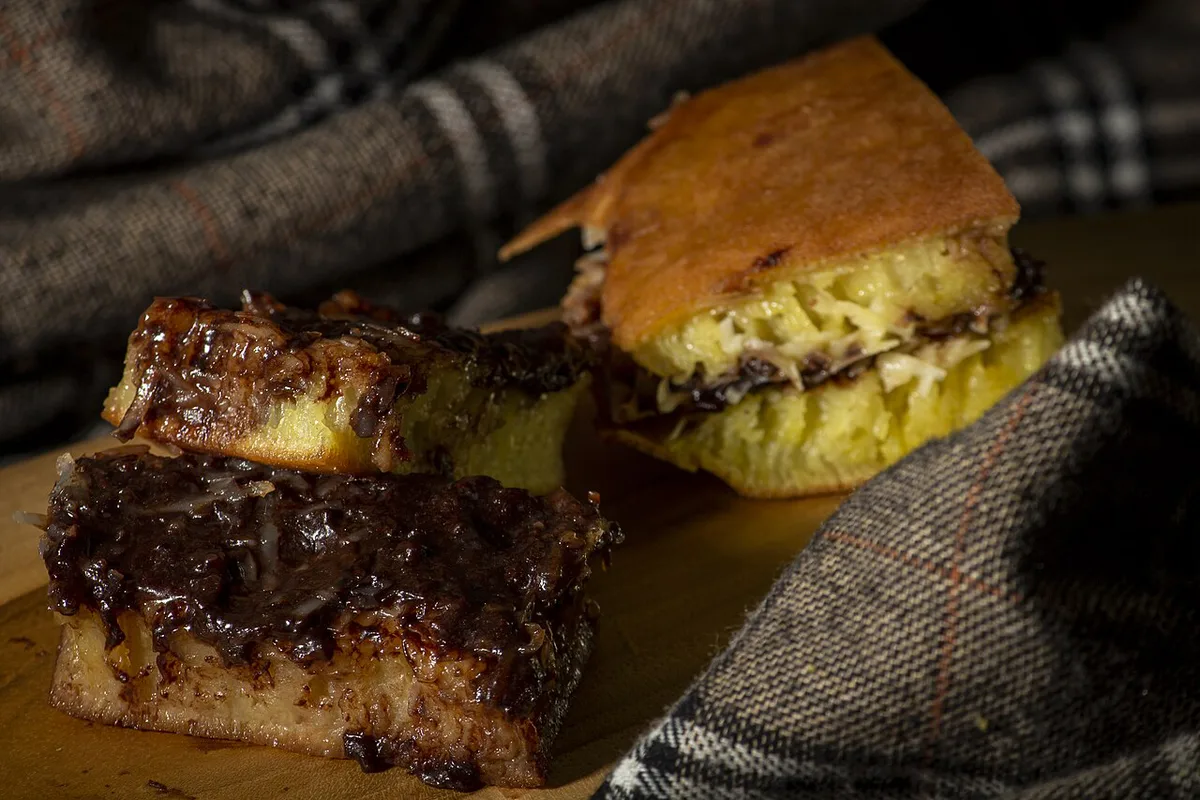
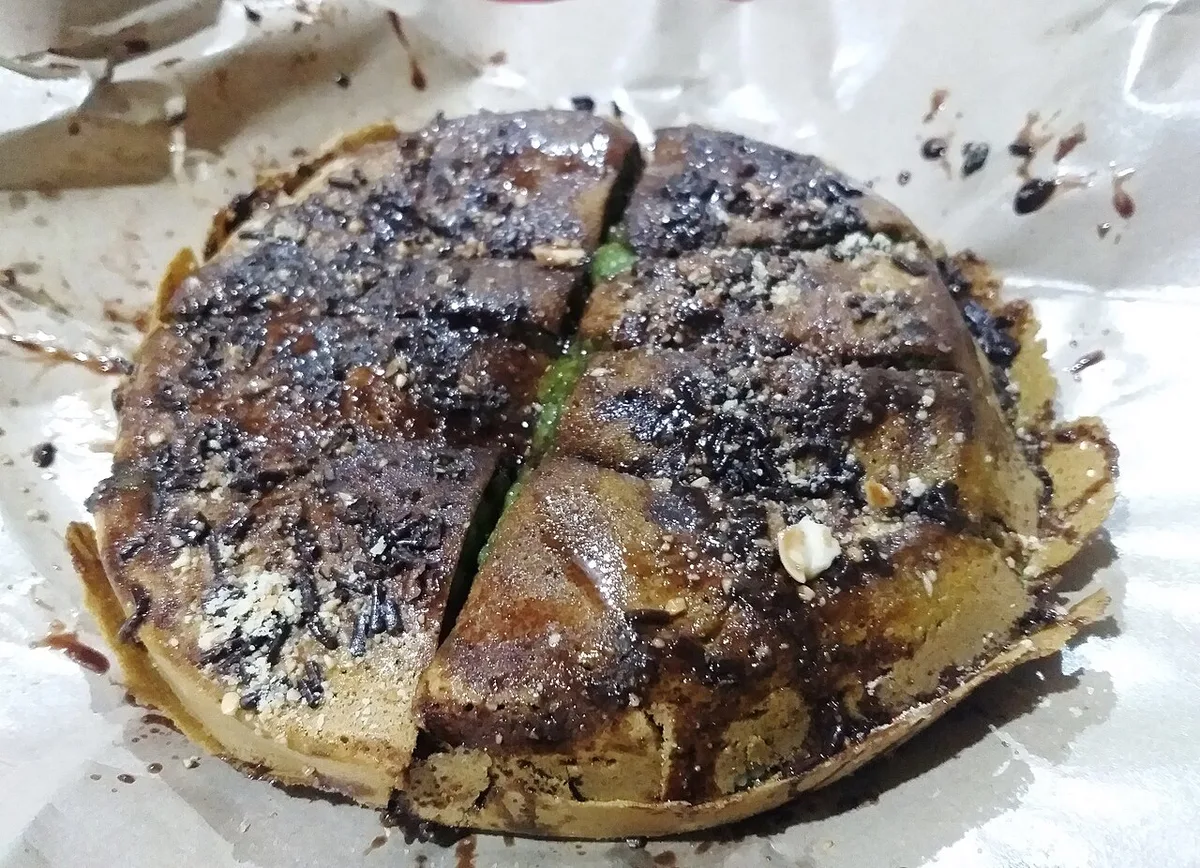
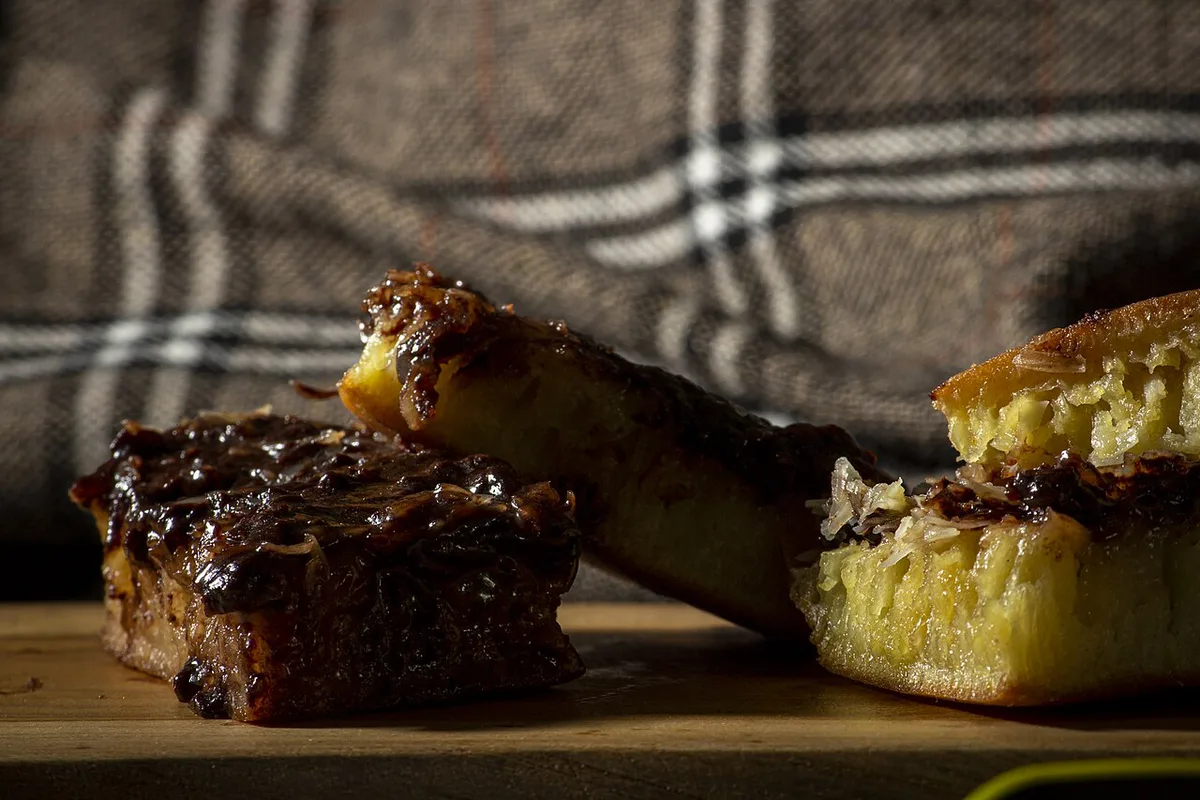
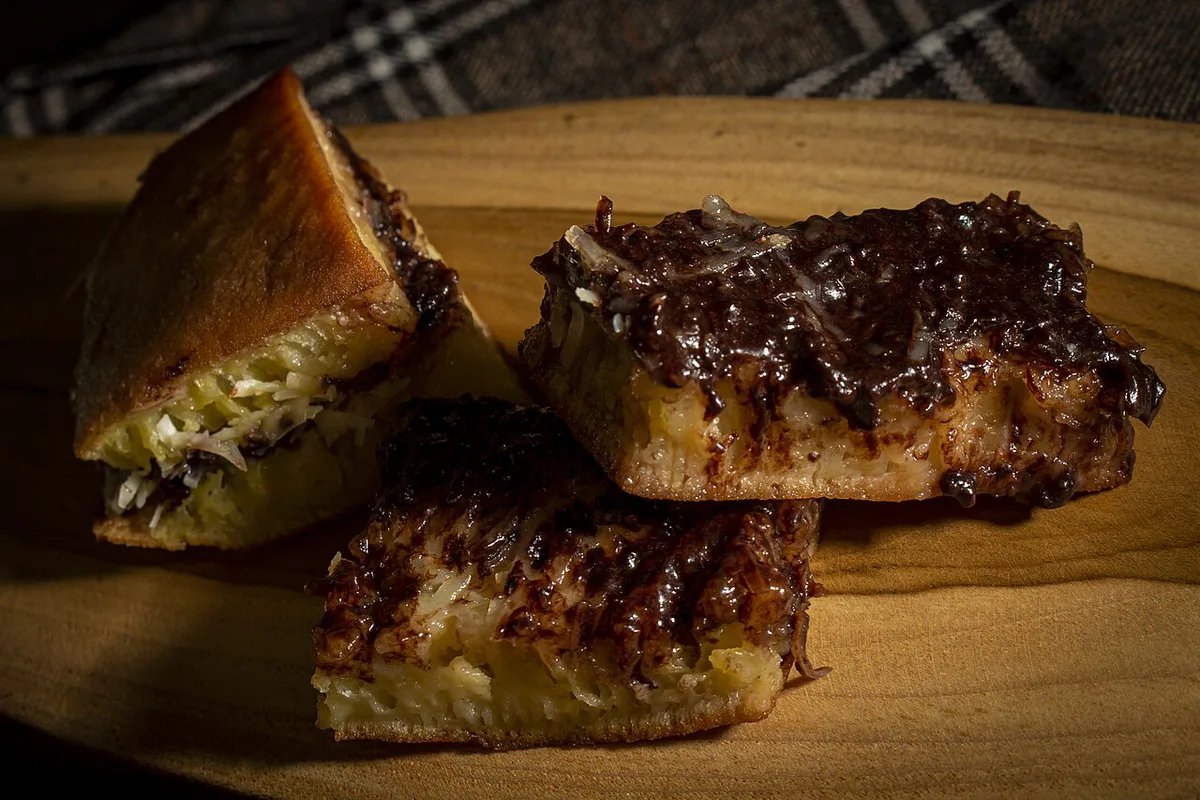
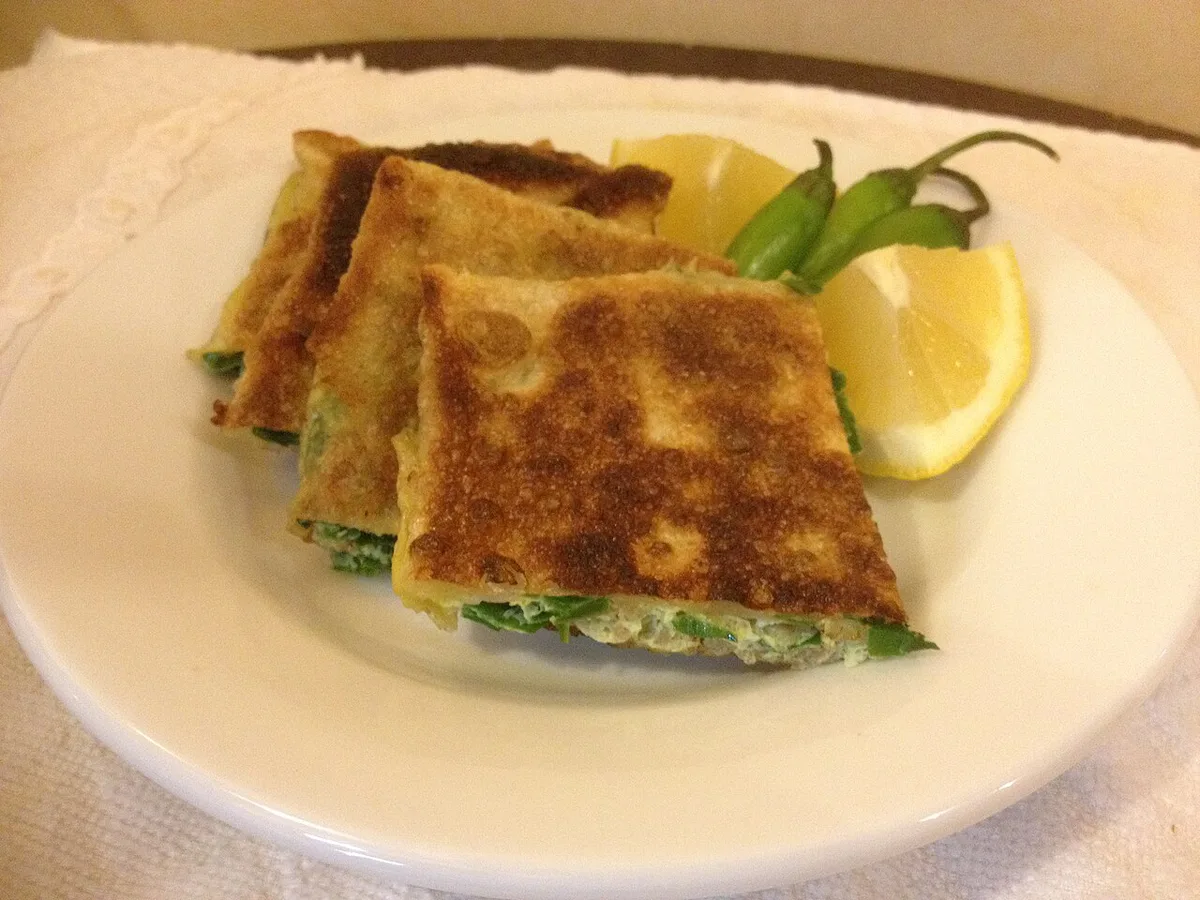
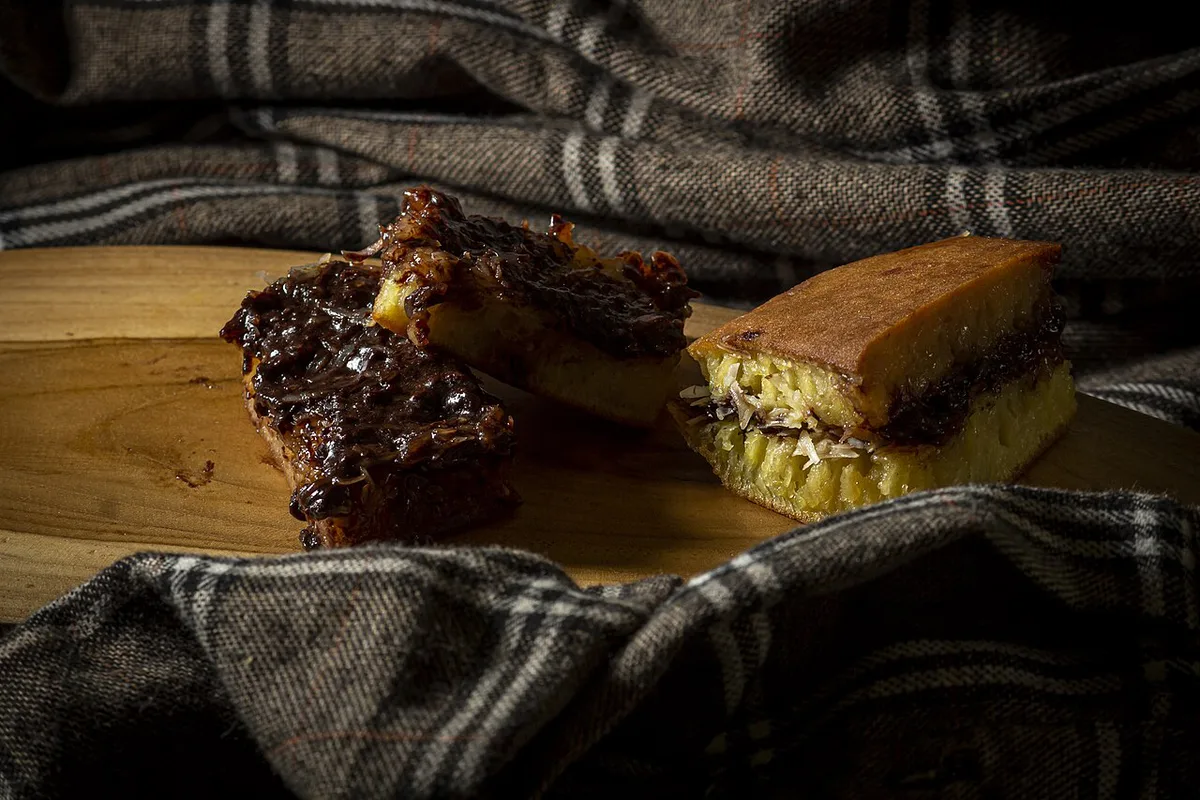
- Martabak: a stuffed pancake, sold in savory and sweet versions.
- Gorengan: fried snacks such as pisang goreng (fried banana) and tempe.
Where You'll Eat: Warung, Kaki Lima and Night Markets
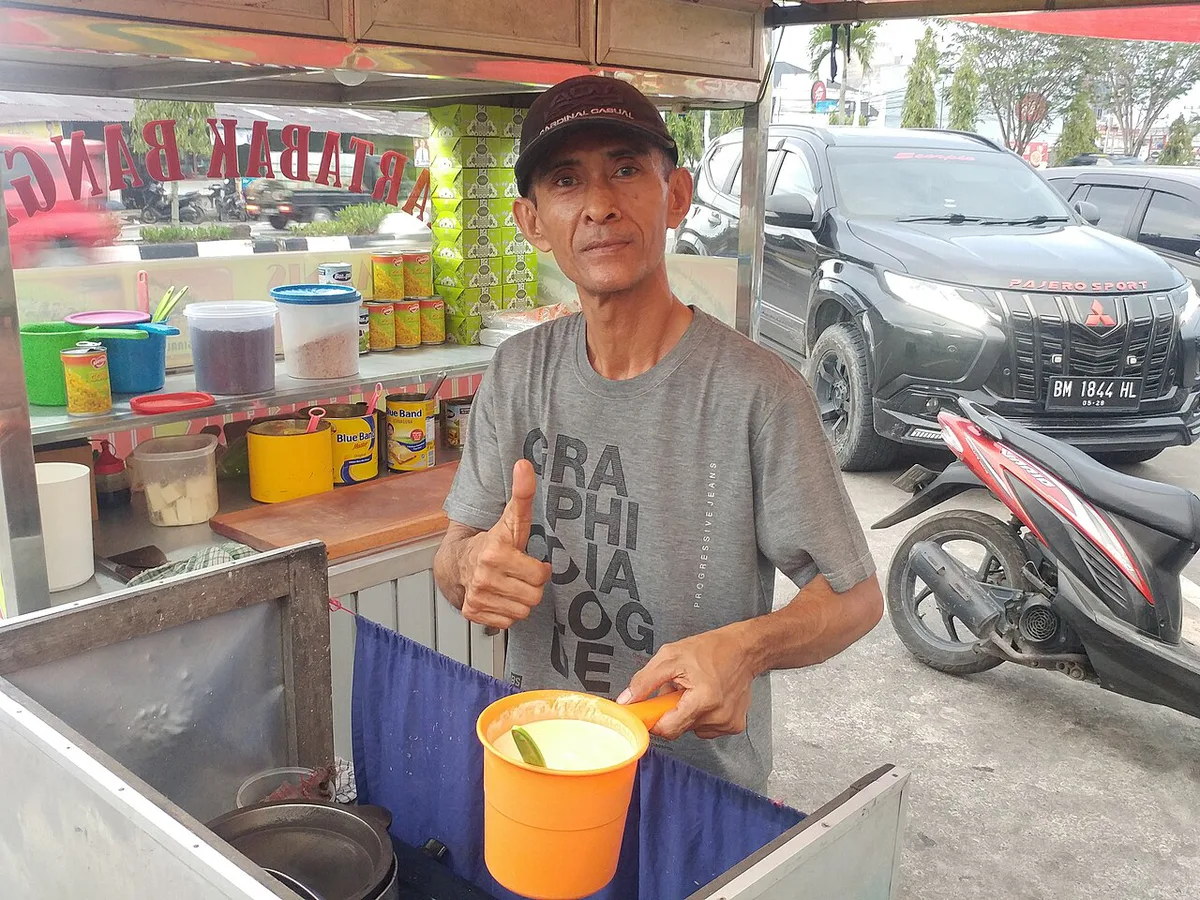
Four vendor formats cover nearly every street meal. Kaki Lima is the local term for a mobile cart or stall. Timings below are editorial suggestions, not guaranteed hours. Night markets (Pasar malam) run in the evening, and schedules differ by town, so confirm locally before you travel. For the sit-down side of this format, read about the Indonesian warung.
| Format | What it sells | Best time | Ordering tip |
|---|---|---|---|
| Warung | Rice plates, nasi campur, soto, gado-gado | Lunch and early dinner | Point at what you want and ask for sambal separately |
| Kaki Lima (cart) | Bakso, siomay, Sate, martabak, nasi goreng | Evening | Watch the cook and order from what is sizzling now |
| Pasar malam (night market) | Mixed grills, fried snacks, sweets | After dark | Walk one full loop before buying |
| Roadside grill | Sate, grilled corn, grilled fish | Evening | Choose skewers cooked to order |
Must-Try Indonesian Street Food, Grouped by Meal
A sensible first-timer order runs from simple and hot to rich and regional. Breakfast starts with bubur ayam. Lunch suits rice plates. Evenings belong to Sate, bakso and martabak. Dessert stalls handle the sweet end, and our guide to Indonesian Desserts to Try: Klepon, Lapis & More goes deeper. For rice with many sides, read about Nasi Campur in Bali: What's on the Plate & How to Order. Padang-style plates from West Sumatra are covered under Nasi Padang in Bali: What to Order & How It Works.
| Dish | What it is | Veg / pork | Best time |
|---|---|---|---|
| Bubur ayam | Rice porridge with shredded chicken, crackers and fried shallots | Contains chicken | Breakfast |
| Nasi goreng | Fried rice with kecap manis | Chicken or veggie versions | Any meal |
| Mie goreng | Fried noodles with egg and vegetables | Veggie versions common | Lunch or dinner |
| Nasi campur | Rice with small portions of vegetables, tempe, fish or meat | Many vegetarian sides | Lunch |
| Nasi jinggo | Small pre-packaged Balinese rice parcel | Check the filling | Evening |
| Bakso | Meatball soup | Contains meat | Evening |
| Soto ayam | Chicken soup with herbs and spices | Contains chicken | Lunch |
| Sate and Sate lilit | Skewers; lilit is minced meat or fish wrapped on a stick | Can include pork in Bali | Evening |
| Gado-gado | Vegetables, egg, tofu and tempe in peanut sauce | Vegetarian; contains peanuts | Lunch |
| Martabak | Stuffed pancake, savory or sweet | Savory fillings vary | Evening |
| Pisang goreng and es pisang ijo | Fried banana; iced banana dessert in coconut milk | Vegetarian | Afternoon |
| Kerupuk | Crackers served on the side | Often shrimp-based | Any meal |
Bali Specialties vs. Pan-Indonesian Favorites
Nasi goreng, mie goreng, bakso, martabak and gado-gado appear across the country. Babi guling, Sate lilit, betutu, tum and nasi jinggo are Balinese. Babi guling is spit-roasted suckling pig, so it is pork and not halal. Ibu Oka in Ubud is often named as its best-known warung, but confirm it is still operating. Go early, since popular cuts can sell out by midday. Our page on Babi Guling in Bali: What It Is, How to Order, Where to Eat has more detail. Slow-cooked betutu usually needs advance ordering, reportedly 4 to 6 hours, so ask when you reserve. Duck is a separate dish: see Bebek Betutu. For wider Bali context, read our Balinese food guide. Overlapping street-level picks are listed in the Bali street food roundup.
Betutu reportedly takes 4 to 6 hours, so reserve it ahead and plan it around your evening Sate stops.
How to Choose a Safe Stall
General travel-food hygiene applies here. Check CDC Travelers' Health or NHS fit-for-travel pages for current advice before your trip. Use this checklist at every stall:
- Pick food that is hot and cooked to order.
- Choose a stall with steady turnover and a queue of locals.
- Watch the cook work in front of you.
- Skip raw salads and ice of unknown source.
- Avoid pre-cooked items that have been sitting out.
Costs and Paying
No sourced rupiah prices were available for this draft, so none are quoted. Check current prices on the official Indonesia tourism site and at the stall itself.
Dietary and Spice Guide
Vegetarians can build meals from gado-gado, tempe dishes and the vegetable sides in nasi campur. Peanut sauce appears in gado-gado and satay, so flag any peanut allergy before ordering. Pork is mainly a Balinese item, since most of Indonesia is Muslim-majority. Ask whether a skewer or filling contains it. For heat control, ask for sambal on the side and add it a little at a time. If you want a traditional herbal drink afterward, read about jamu. Coffee stops are covered in our Bali coffee guide.
Common Mistakes
Starting with the spiciest sambal is the classic error. Ordering pork at a halal warung is another. Evening-only stalls get missed by travelers who eat early. Do not assume an English menu exists, since pointing works better than reading. Keep small cash on hand, because many carts do not take cards. For a broader map of eating in Bali, see Bali Food Guide: What to Eat, Where, and What to Skip.
Learn the Dishes Before You Order Them
A class turns unfamiliar names into dishes you can recognize at the cart. Start with a Balinese Cooking Class: How to Choose the Right One in Bali if you are staying on the island. Choose an Indonesian Cooking Class: How to Choose One in Bali for a wider regional range. One Ubud food tour lists 15 dishes, including Sate lilit and babi guling, so check the itinerary before booking.
One Ubud food tour lists 15 dishes, and it includes babi guling, which is pork, so filter for it if you avoid pork.
Frequently Asked Questions
What foods are traditional and popular in Indonesia?
Nasi goreng, mie goreng, nasi campur, gado-gado, soto and Sate are among the most widely eaten. Bali adds babi guling, Sate lilit and betutu. Rice is the base of most meals.
What is a kaki Lima?
Kaki Lima is the local term for a mobile street food cart or stall. Carts like these sell bakso, Sate, martabak and nasi goreng, mostly in the evening.
Notes for your Indonesia trip
Optional updates when we add or change a town or island guide.
You might also like



Continue reading
More guides you'll find useful