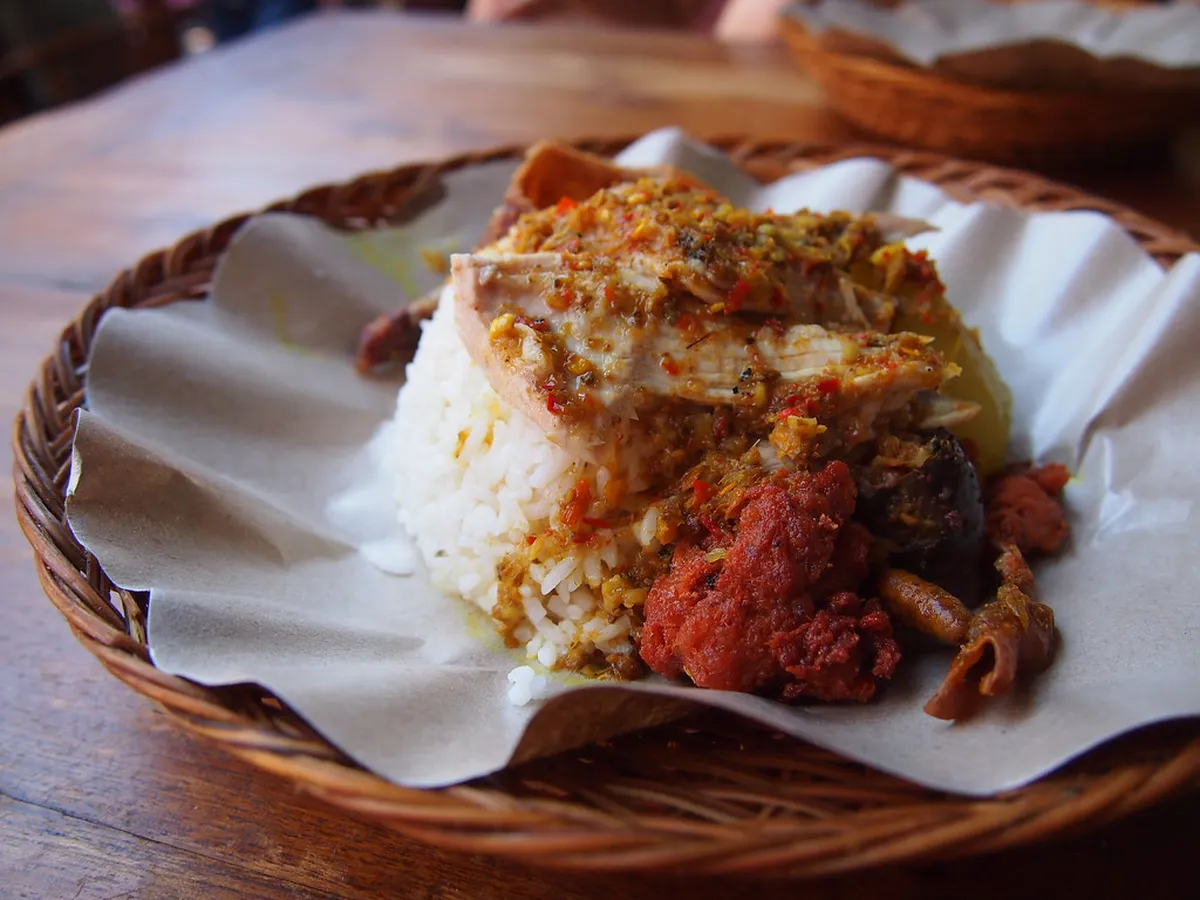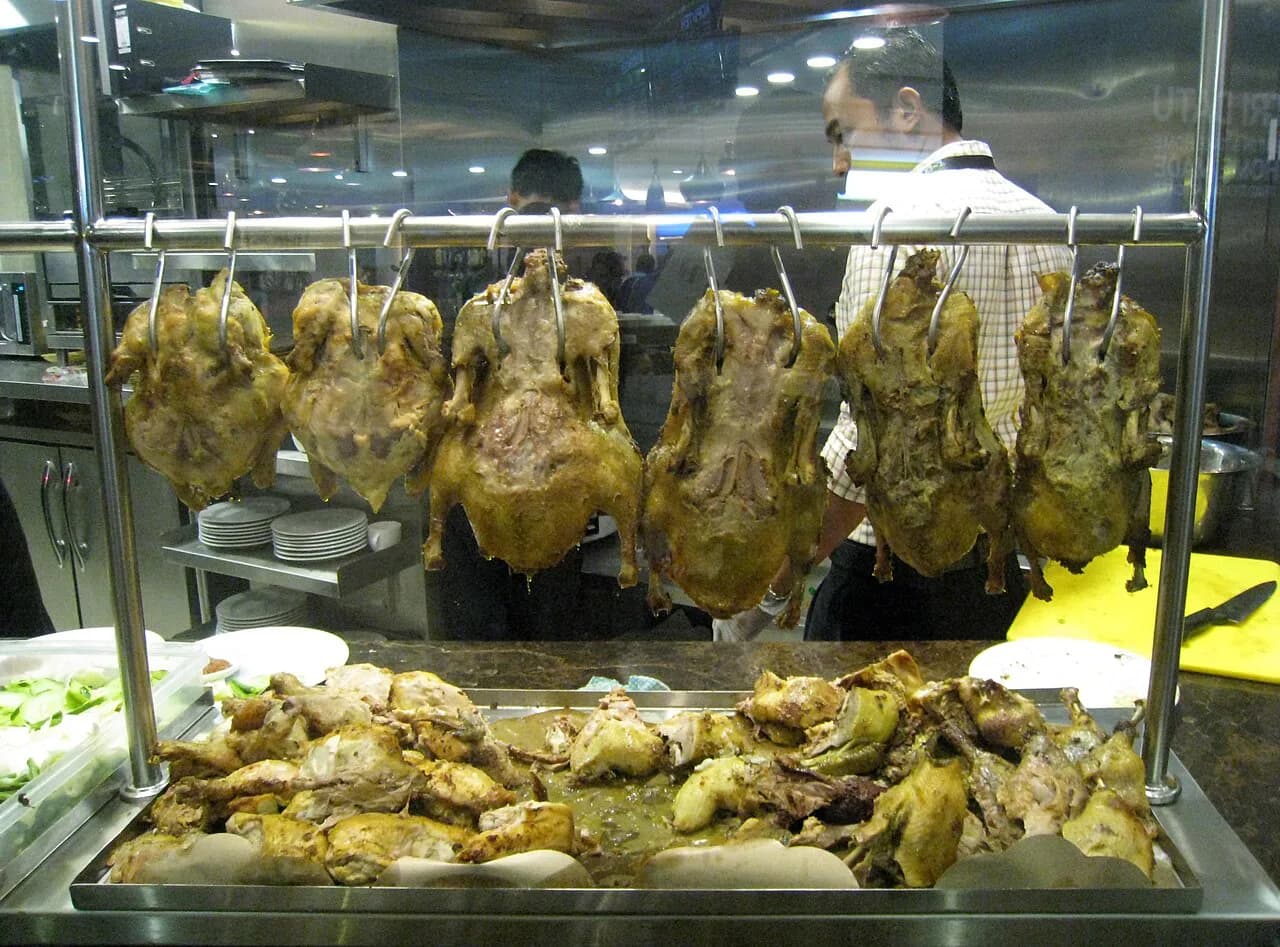
Bebek Betutu: Bali Slow-Cooked Duck, How to Order It
What bebek betutu is, how it's cooked, how to pre-order it in Bali, and how it differs from babi guling.
On this page
Last updated November 2026. Bebek betutu is Balinese duck, seasoned with a spice paste and slow-cooked in a sealed wrap until the meat turns soft. Many kitchens want notice before they serve the long-cooked version, so plan your order a day or more ahead and confirm it with the venue. This guide covers how it is made, how it differs from pork-based Balinese dishes, and how to order it well.
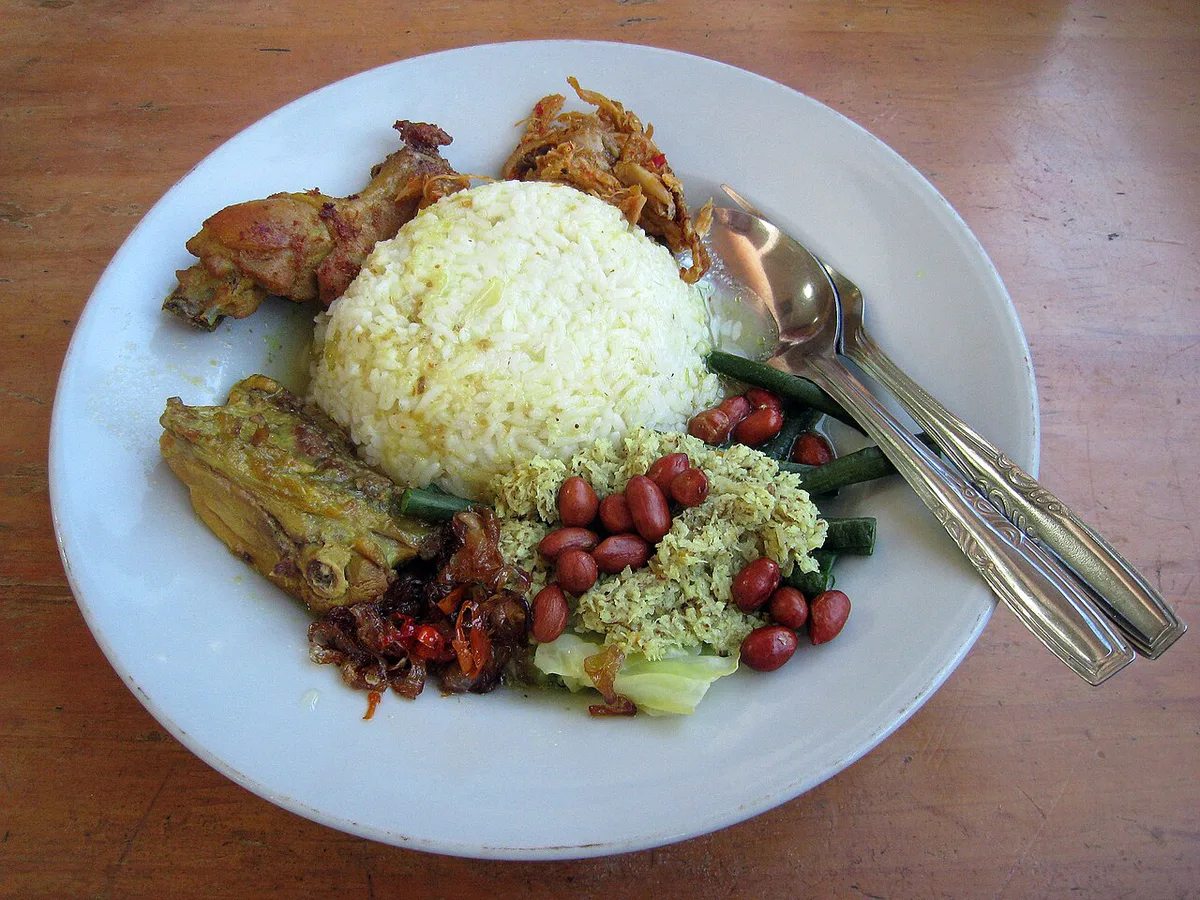
Featured image: Gunawan Kartapranata, CC BY-SA 4.0, via Wikimedia Commons.

What Bebek Betutu Is
Bebek means duck in Indonesian, and betutu describes the slow, enclosed cooking style. The result is dark, fragrant meat that pulls away from the bone rather than crackling under your teeth. It sits among the signature plates in Balinese Food: What to Eat in Bali & How to Order, alongside pork dishes that get more attention from visitors. Traditionally it belongs to ceremonial and temple-event cooking, where large batches are prepared for gatherings. Restaurants have adapted it for everyday tables, so you can eat it without attending a ritual. For national context, the dish is one of many regional specialties covered in our guide to Indonesian dishes. Indonesia's national tourism site is a useful starting point for regional culture if you want wider background on Bali.
How Bebek Betutu Is Made: Traditional vs. Shortcut Versions
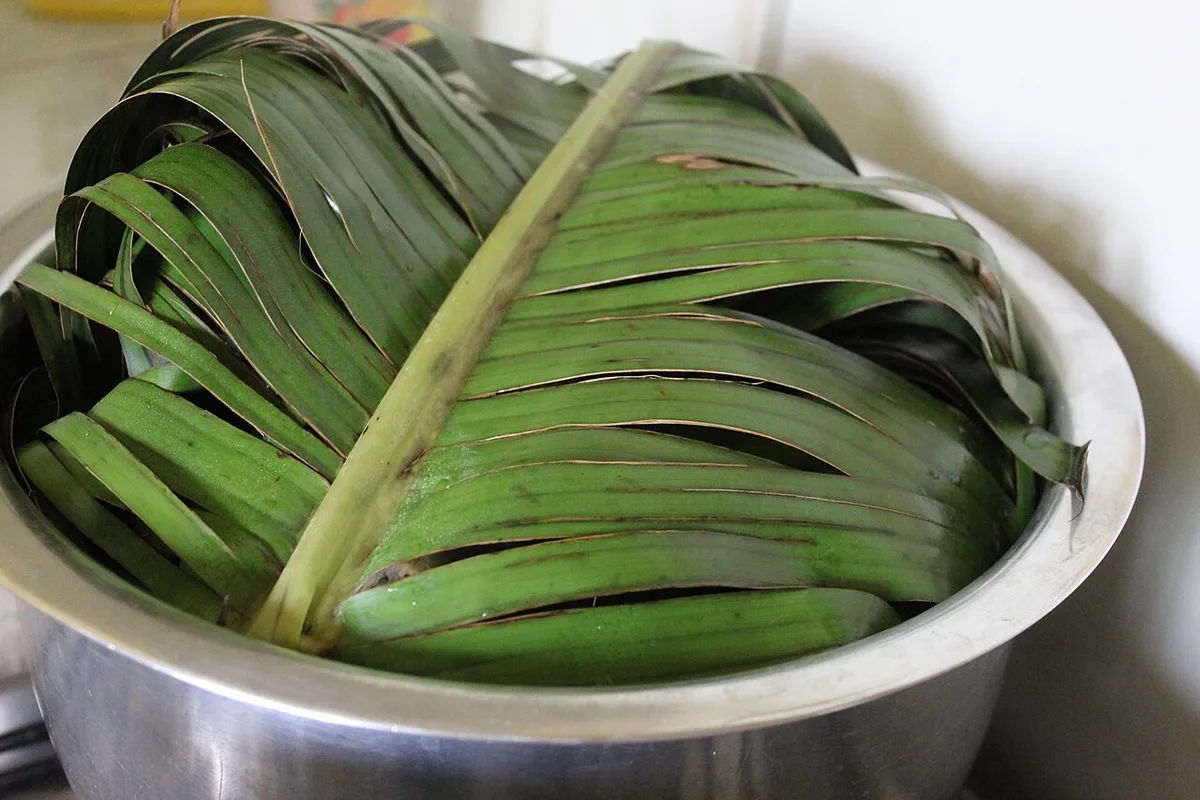
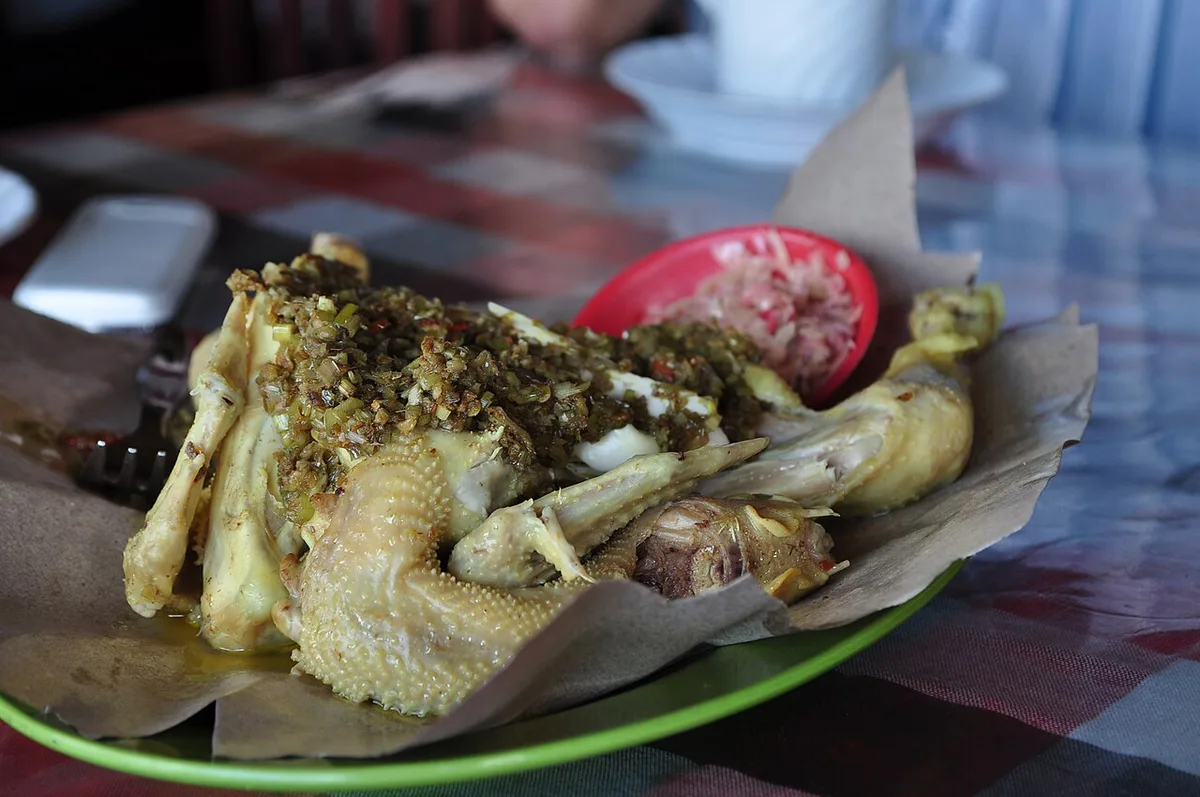
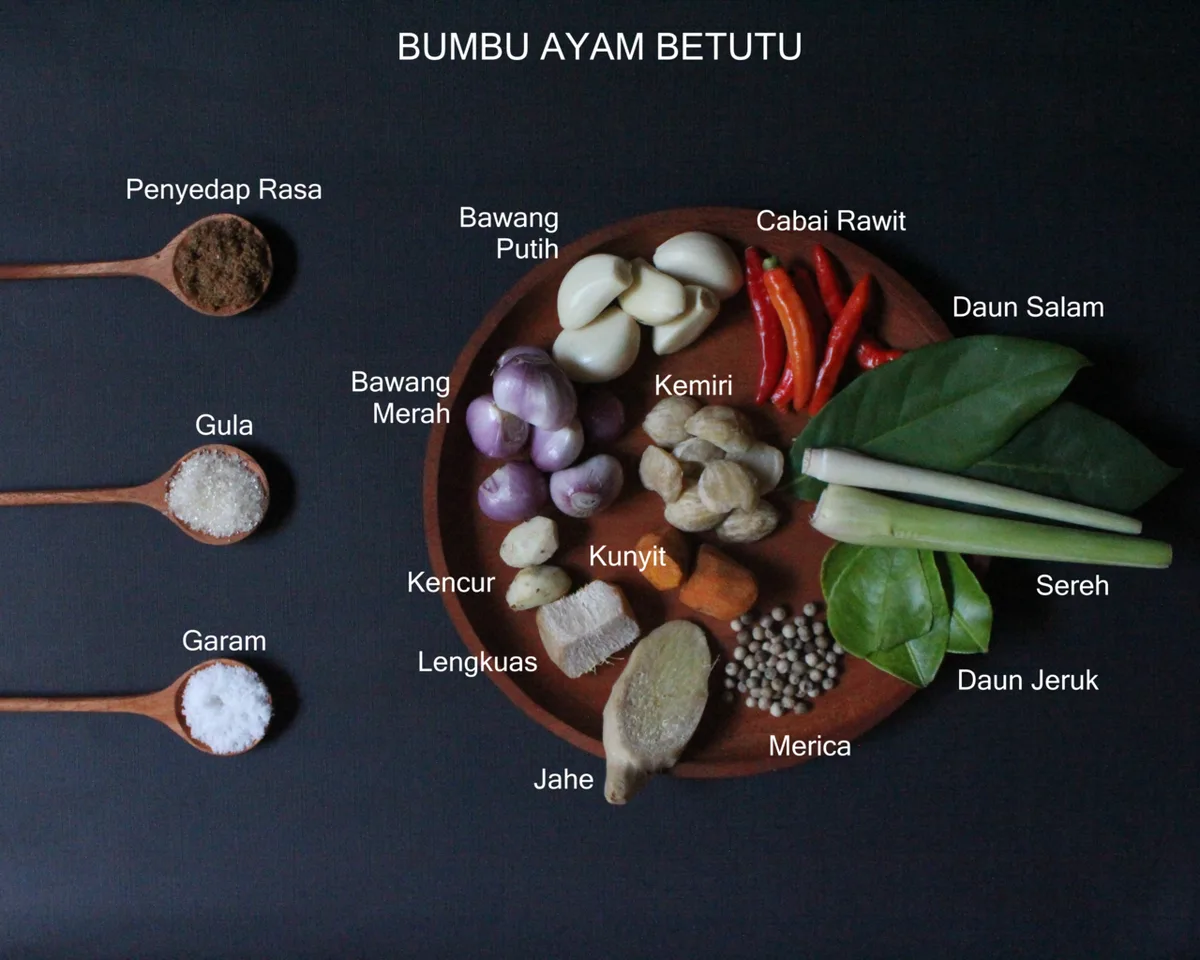
The flavor base is base genep, the Balinese spice mixture. Cooks rub it over the duck and often push more into the cavity. Cassava leaves are commonly part of the stuffing. The duck is then wrapped, typically in banana leaf, though some descriptions mention bark. Wrapper details vary by cook, so ask rather than assume. Traditional versions cook for many hours in a pit or oven, which is why the meat becomes so tender. Shortcut versions use a steamer or a faster oven and finish sooner. They can taste good, but the texture and smoky depth differ.
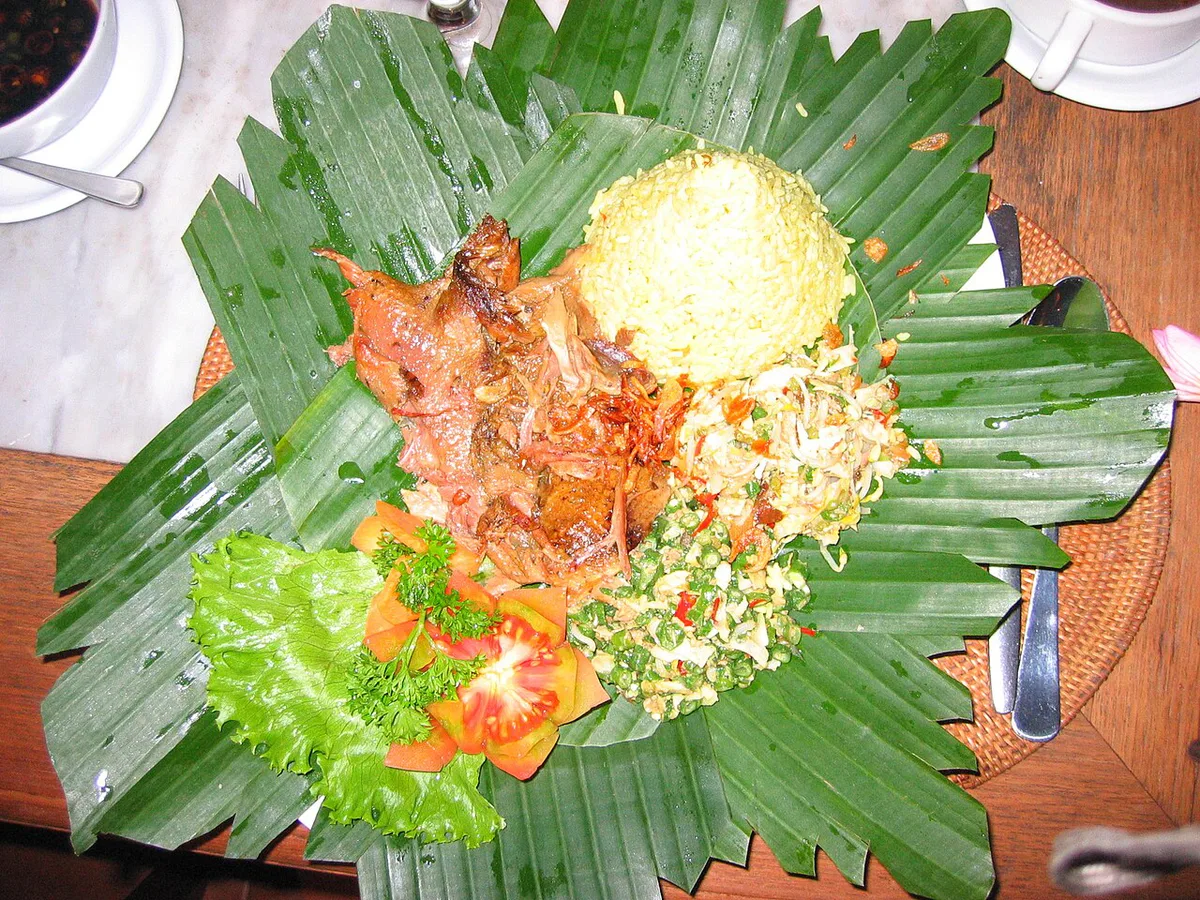
- Traditional sign: the kitchen asks you to order ahead, and the duck arrives still in its wrap.
- Traditional sign: the meat is deeply spiced to the bone and falls apart with a fork.
- Shortcut sign: it is available instantly from a standing menu with no notice.
- Shortcut sign: the spice sits mostly on the surface and the texture is closer to braised or steamed duck.
- Ask directly: how long is the duck cooked, and is it wrapped before cooking?
Bebek Betutu vs. Babi Guling
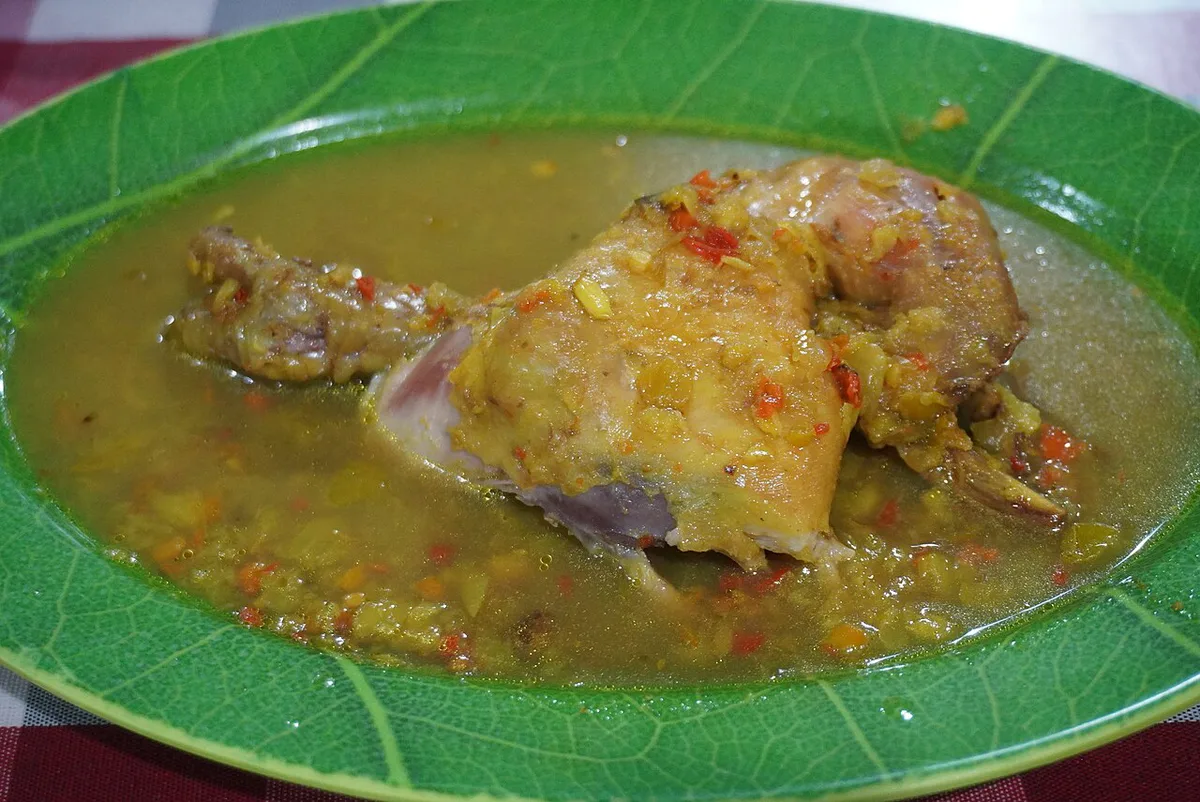
Visitors often meet these two dishes together because both appear on lists of Bali's signature plates. They suit different diners and different moods. Our babi guling guide covers the pork side in detail. Because betutu is duck, it works for travelers who avoid pork. Check the kitchen too, since a venue that also serves pork may not suit strict dietary rules.
| Feature | Bebek betutu | Babi guling |
|---|---|---|
| Meat | Duck | Suckling pig |
| Method | Spiced, wrapped, slow-cooked in a pit or oven | Spiced and spit-roasted over fire |
| Texture | Soft, moist, falls off the bone | Crisp skin with tender meat |
| Flavor | Deep, herbal, heavily spiced | Rich, spiced, salty crackling |
| Serving | Often a whole or half duck with rice and sambal | Usually a plate with rice, meat, and skin |
| Best for | Pork-free diners and slow-food fans | Anyone who wants crackling skin |
Where to Eat Bebek Betutu in Bali
Choose by venue type first, then by name. A neighborhood warung may serve a simpler version at an easy price, but you should ask whether it is the long-cooked style. Specialist duck restaurants usually handle pre-orders and larger sharing portions with more confidence. Resorts and hotel restaurants tend to offer a polished, milder plate. Cooking classes can show you the spice work, though the full cooking time rarely fits into a single session. Ubud has well-known duck restaurants, and our notes point to Bebek Tepi Sawah and Bebek Bengil there. Check each venue's current menu, opening hours, and booking policy before you go. Our Bali food guide covers wider eating plans around the island. Staying near your base saves time. Traveling out to a specialist makes sense when you want the traditional version and can book ahead.
How to Order: Pre-Orders, Portions and Price Tiers
No sourced lead time or rupiah price is available for this guide, so confirm both directly with the venue. Ask what notice the kitchen needs, then book the day and time in writing if possible. As a rule, expect warung prices to sit lowest, specialist restaurants in the middle, and resorts highest. For decisions at the table, work through this short checklist.
- Ask whether the duck is whole or portioned, and how many people it serves.
- Ask whether it is the long-cooked version or a faster steamed one.
- Ask how spicy it is, and request sambal on the side if you are unsure.
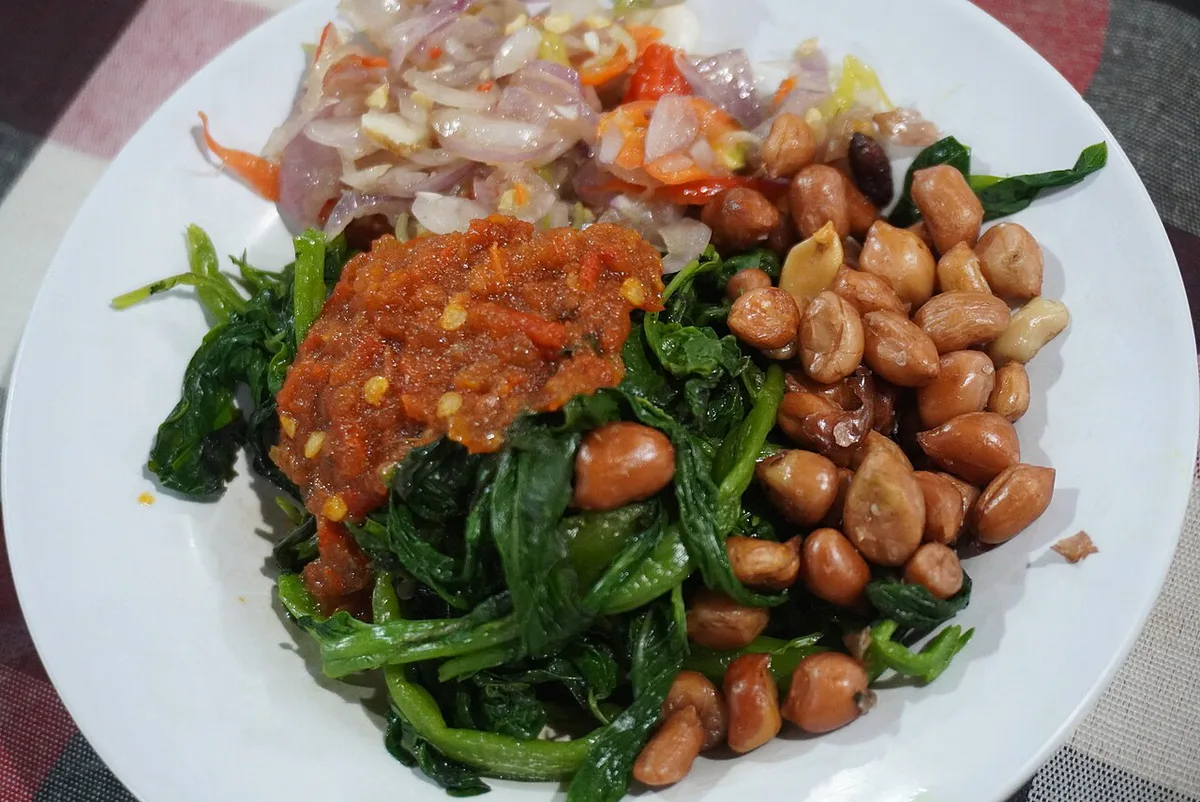
- Ask what comes with it, since rice, sambal, and vegetables are common but not guaranteed.
- Add a side such as Nasi Campur in Bali: What's on the Plate & How to Order if the group wants more variety.
Mistakes to Avoid
Turning up unannounced is the most common error, because a slow-cooked duck cannot be made on the spot. Expecting crispy skin is the second. Bebek betutu is moist and tender, and crispy dishes such as bebek goreng are a different style. Underestimating the spice also catches people out, so ask about heat before you order for a group. Watch for small bones when sharing a whole duck, especially with children. If you want to learn the technique, look at a Balinese Cooking Class: How to Choose the Right One in Bali and ask whether betutu is on the menu. Confirm that the class covers the spice paste, since the full cook time may be demonstrated rather than completed. Avoid making health claims about the dish, and ask the kitchen about allergens directly.
Notes for your Indonesia trip
Optional updates when we add or change a town or island guide.
You might also like



Continue reading
More guides you'll find useful