Bali Meditation: Retreats, Classes & How to Choose
Plan bali meditation: compare drop-in classes, beginner courses and silent retreats, with Ubud logistics, what to bring, and mistakes to avoid.
On this page
Last updated November 2026. Bali meditation is easiest to arrange in Ubud, where drop-in sessions, short courses and retreats sit within a few minutes of each other. Your format choice matters more than the venue, because it sets cost, commitment and how quiet your days will be. Use this guide to match a format to your situation before you book.
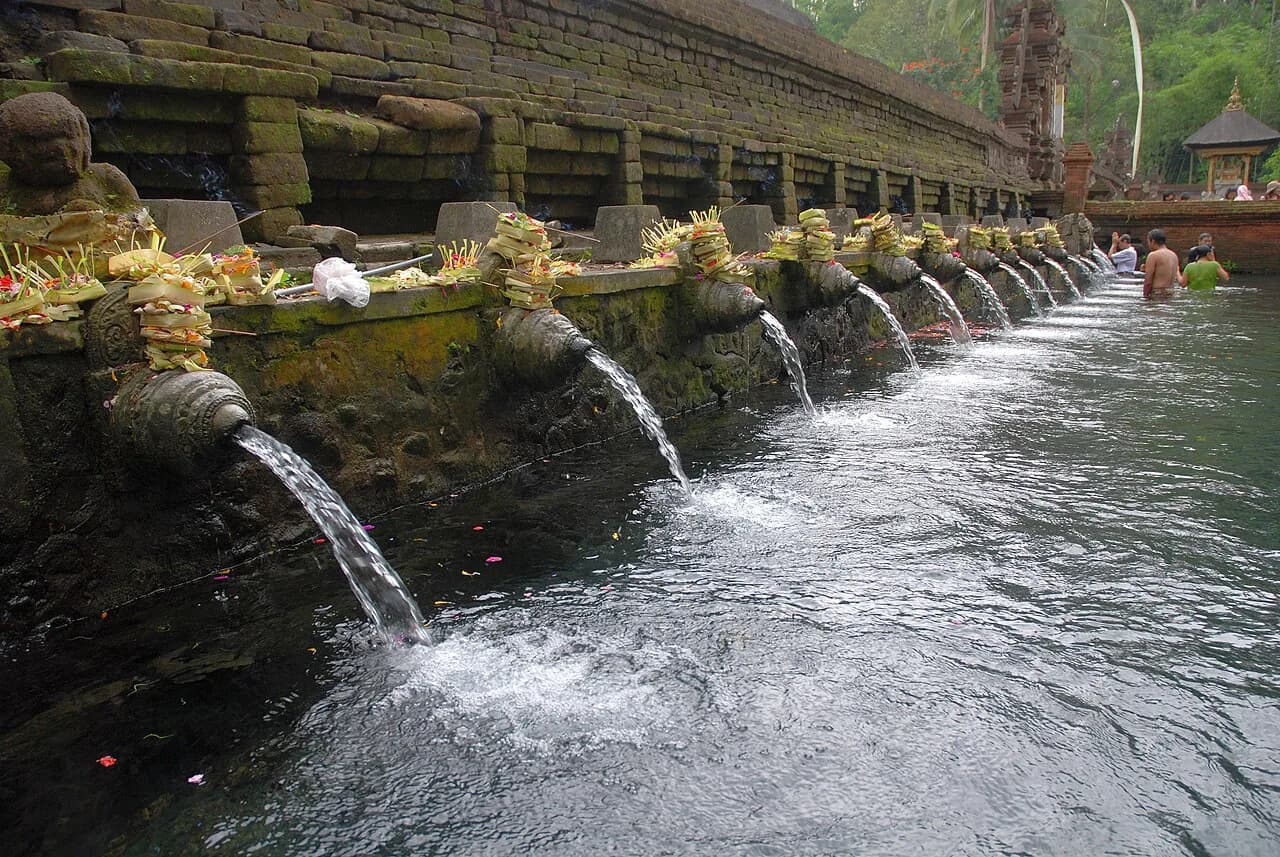
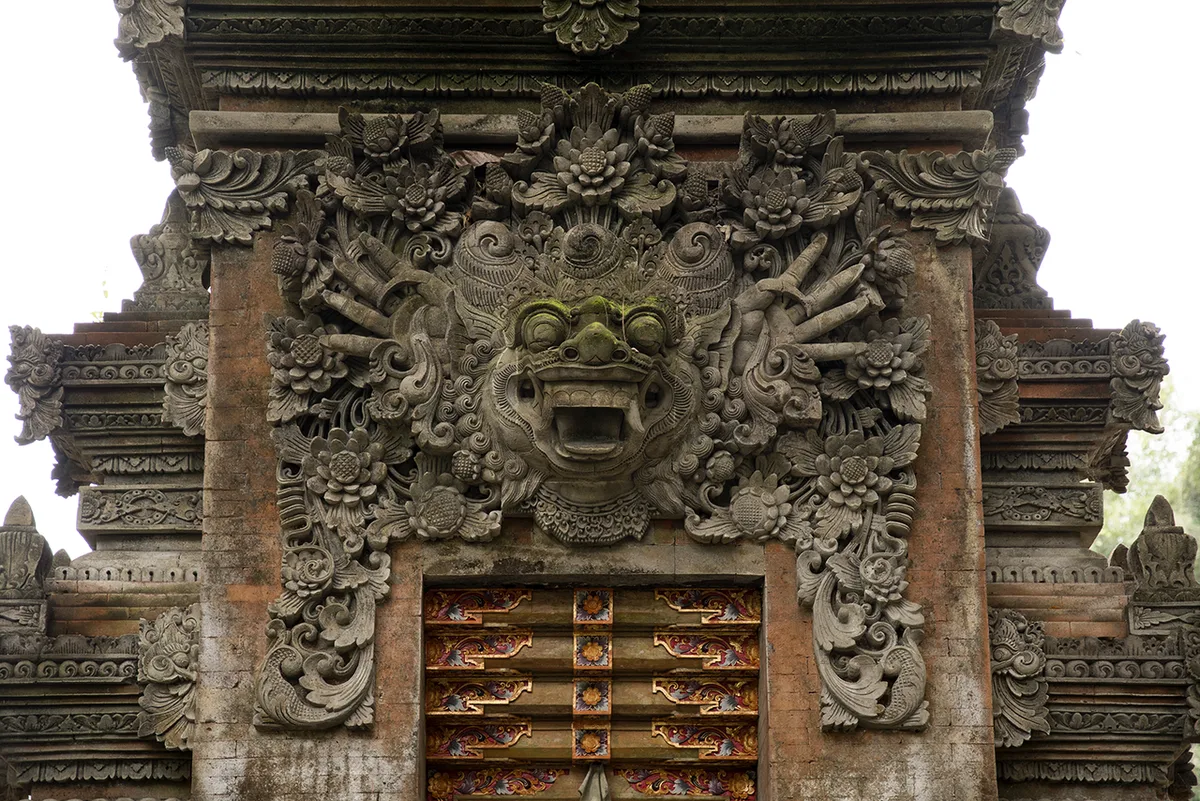
Featured image: Tigerente, CC BY-SA 4.0, via Wikimedia Commons.
Bali meditation at a glance
Start with how much time and structure you want. A single drop-in session tests whether group practice suits you. A multi-day silent retreat asks for far more commitment. Most first-timers do best by combining a few guided sessions with quiet time on their own.
- Curious but unsure: book one or two drop-in sessions in Ubud.
- New to meditation: choose a beginner course with a named teacher.
- Short on time: pick a non-residential retreat and sleep at your own stay.
- Want full immersion: look at a residential retreat, such as the ones in our Bali yoga retreat guide.
- Prefer to go alone: use temple visits and early mornings for self-guided practice.
Formats compared
Providers set their own prices and schedules, so this table uses cost tiers instead of figures. Confirm every detail with the provider before you pay.
| Format | Typical commitment | Suits | Booking lead time | Cost tier | Main trade-off |
|---|---|---|---|---|---|
| Drop-in session | One session, roughly an hour | First-timers, short stays | Often same day; check the schedule | Low | Little depth, mixed group levels |
| Beginner course | A few sessions over several days | Newcomers who want instruction | Check with the center | Low to mid | Fixed dates, less flexible |
| Non-residential silent retreat | Multi-day, you sleep elsewhere | Those wanting silence without a full stay | Book ahead when you can | Mid | Evenings are still noisy in town |
| Residential retreat | Several days to a week or more | Immersion, a break from planning | Book well ahead | High | Highest cost, least flexibility |
| Self-guided | Whatever you choose | Independent travelers, tight budgets | None | Lowest | No teacher feedback |
Bali meditation base: Ubud or the coast
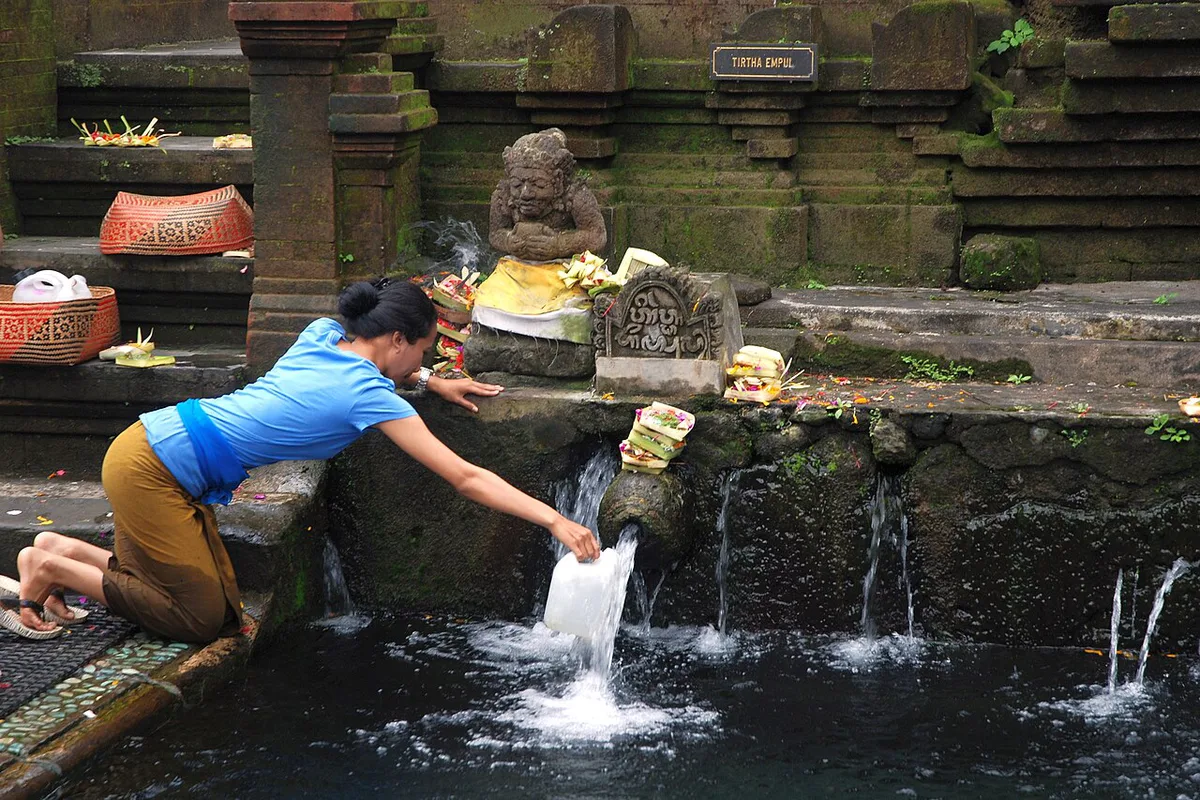
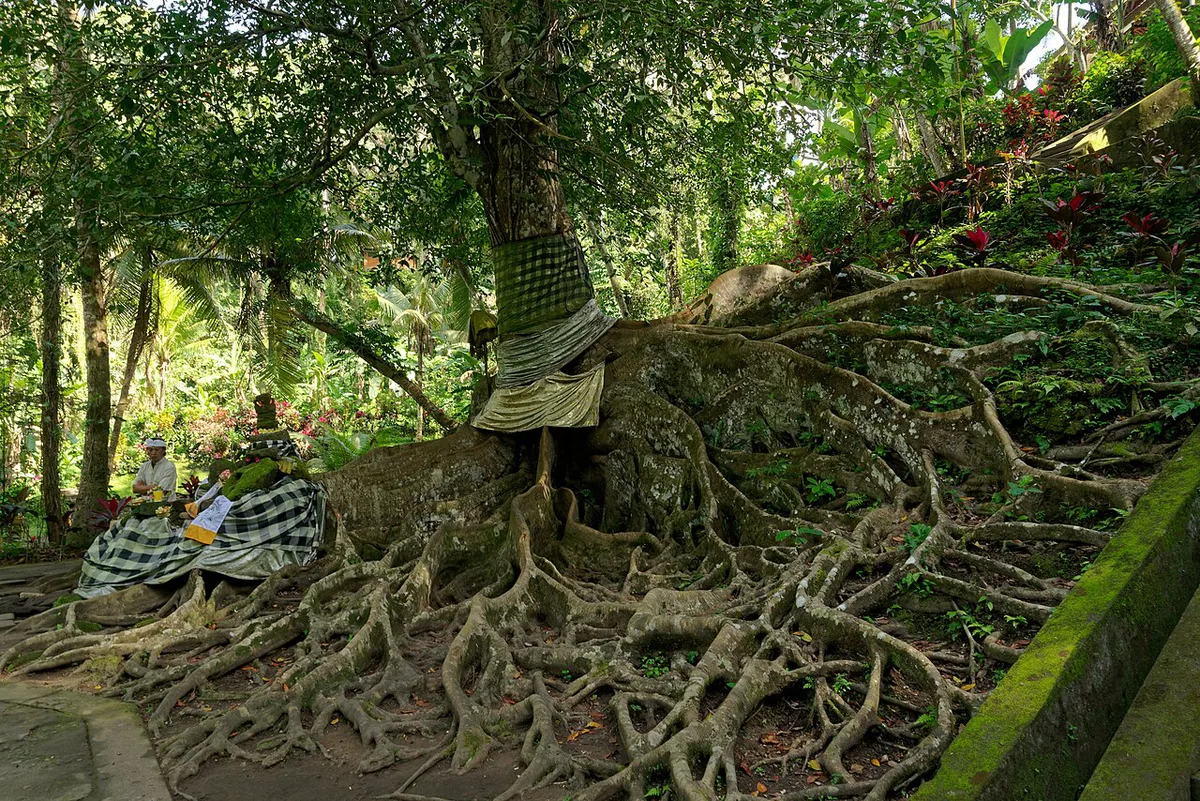
Ubud is the usual base because classes, centers and temples cluster there. At The Yoga Barn, the official schedule is the place to check current guided and silent sessions. Nearby, Goa Gajah sits near Ubud, and Tirta Empul is in Tampaksiring. Both are temple sites where respectful quiet visits can support a reflective morning. Expect crowds and traffic in central Ubud, so choose early slots when you can. For a yoga-led stay in town, see our Ubud yoga guide. Coastal bases trade that density for beach air and more noise from nightlife and surf traffic. Each has its own page:
Canggu has a Canggu yoga guide. Uluwatu has an Uluwatu yoga guide. Seminyak has a Seminyak yoga guide. Meditation options there are usually folded into yoga studios.
How to plan your time
Keep the schedule light. Jet lag and heat make long days harder than they look. Use these shapes as a starting point.
Over 5–7 days, a short course or non-residential retreat fits. Residential retreats need several days to a week or more, at the highest cost.
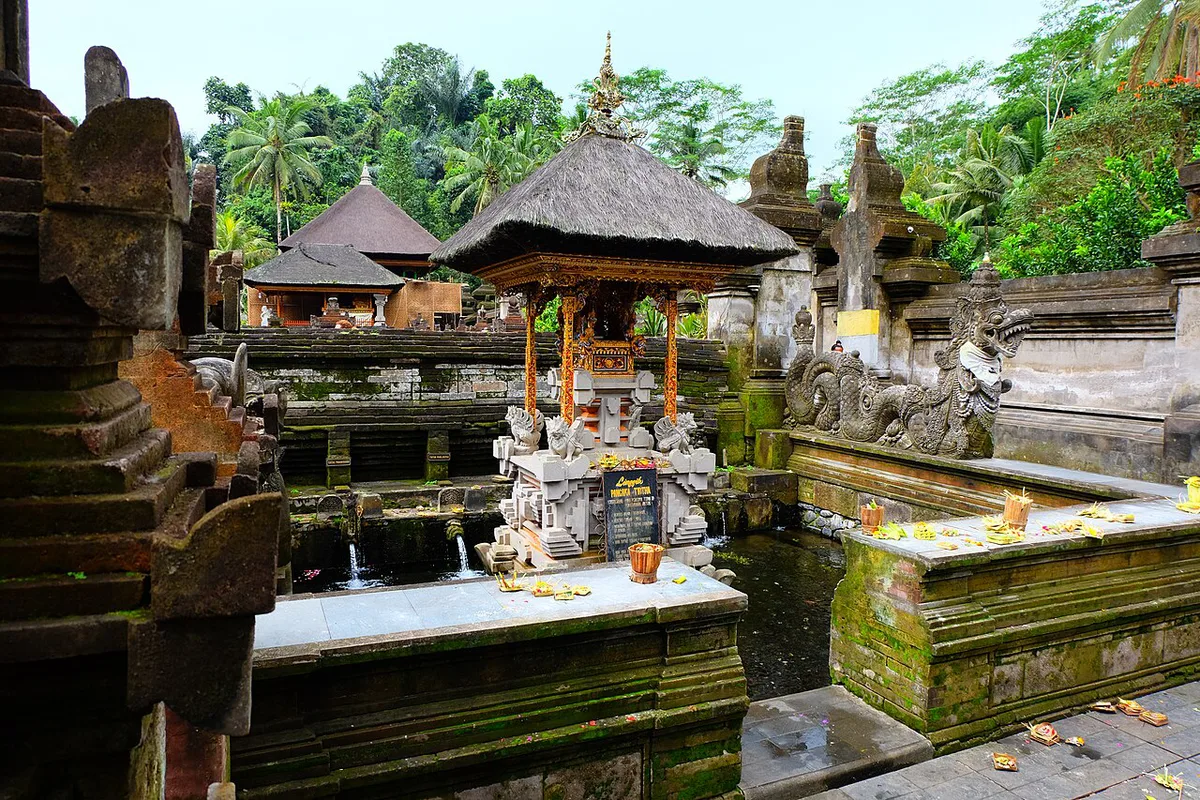
- 1 day: one morning session, a temple visit at Goa Gajah, then rest.
- 3 days: one guided session per day, one quiet temple morning, and one free day.
- 5–7 days: a short course or non-residential retreat, with a rest day in the middle.
Costs, booking and what to expect
Our brief has no verified 2026 prices for any named provider, so treat every figure you see online as unconfirmed. Check rates, deposits and refund terms on the provider's own page, such as The Yoga Barn site.
Etiquette, culture and what to bring
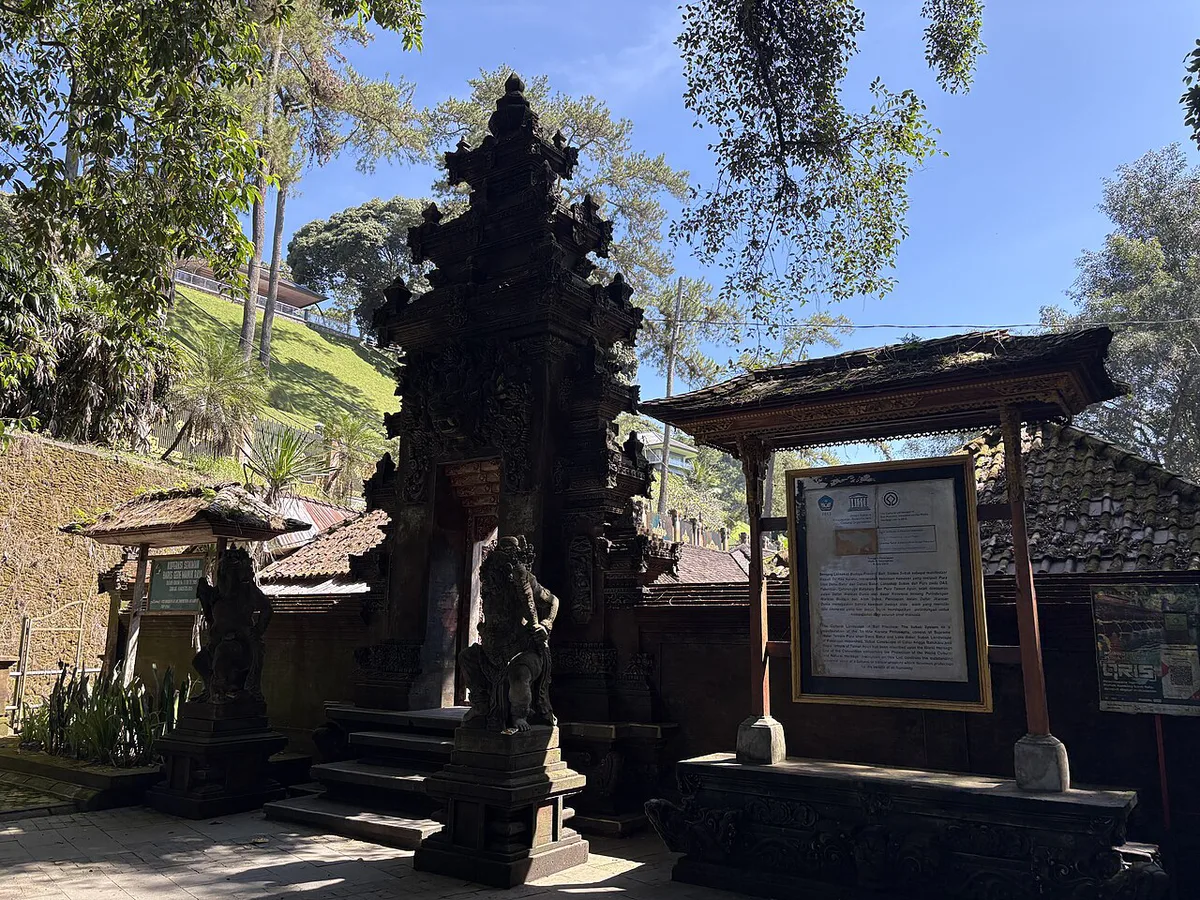
Balinese Hindu temples have their own dress and behavior rules. Cover your shoulders and knees, and expect to wear a sarong at temple sites. For visitor guidance, start with the Indonesia tourism site. Bring a light layer, water, and a small cushion or towel if the venue does not supply mats. Silent sessions usually ask you to put phones away, so confirm the rules in advance. Before booking, ask about the teacher's background, lineage, group size and refund policy. If you are curious about traditional practices, keep them separate from meditation. Our pages on Bali Healing Guide: Balian, Purification and Retreats (Ubud) and Balinese healers cover that ground. For rest days, try a Bali Spa Day: Ubud vs Seminyak Spas, Costs and Timing or a Balinese Massage in Ubud: What to Expect and How to Choose. Planning a longer stay? Our Bali digital nomad guide covers the practical side.
Mistakes to avoid
Booking from Instagram photos alone is the most common error. Read what the schedule and teacher actually offer. Overpacking days comes next. Pair one session with real rest. Finally, do not expect silence in central Ubud. Scooters, ceremonies and tourist traffic are part of the town. For classes without the meditation focus, see Bali Yoga Classes: Where to Drop In by Area & Style or the wider Bali yoga overview.
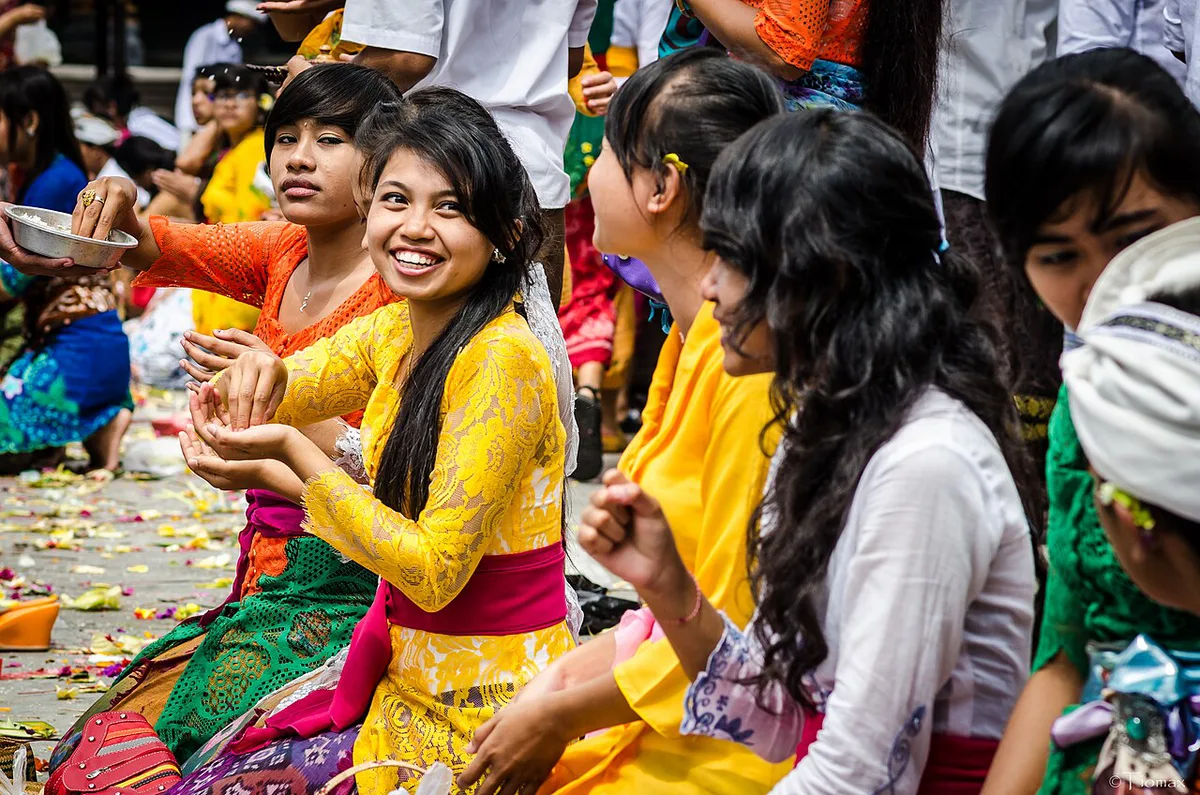
Keep temple visits separate from meditation classes
Temple visits can complement a reflective stay, but they are not a substitute for a meditation class or retreat. Goa Gajah near Ubud and Tirta Empul in Tampaksiring are active temple sites with their own visitor rules. Treat them as places for respectful observation rather than guided mindfulness sessions.
For a 1-day plan, take one guided morning session first, then visit Goa Gajah and leave time to rest. On a 3-day stay, reserve one quiet temple morning instead of trying to turn every outing into a practice activity. This keeps your schedule realistic and avoids confusing a cultural visit with a secular or teacher-led meditation format.
Cover your shoulders and knees, and expect a sarong requirement at temple sites. Check local guidance and site rules before leaving your accommodation. If you want instruction, choose a class or course with a named teacher; if you want a temple visit, arrive quietly and follow the venue’s customs.
Notes for your Indonesia trip
Optional updates when we add or change a town or island guide.
You might also like

Continue reading
More guides you'll find useful