Bali Surf Camp Guide: Canggu, Uluwatu & Seminyak Compared
Choosing a Bali surf camp? Compare Canggu, Uluwatu, Seminyak, and Kuta by skill level, season, inclusions, and cost drivers before you book.
On this page
Last updated November 2026: a Bali surf camp bundles a bed with surf lessons or guided sessions, and the right one depends on area, skill level, and season. Canggu, Seminyak, and Kuta suit beginners, while Uluwatu, Padang Padang, and Bingin suit stronger surfers. Ubud is inland with no surf break, so this guide also shows how to pair a coast camp with recovery time there.
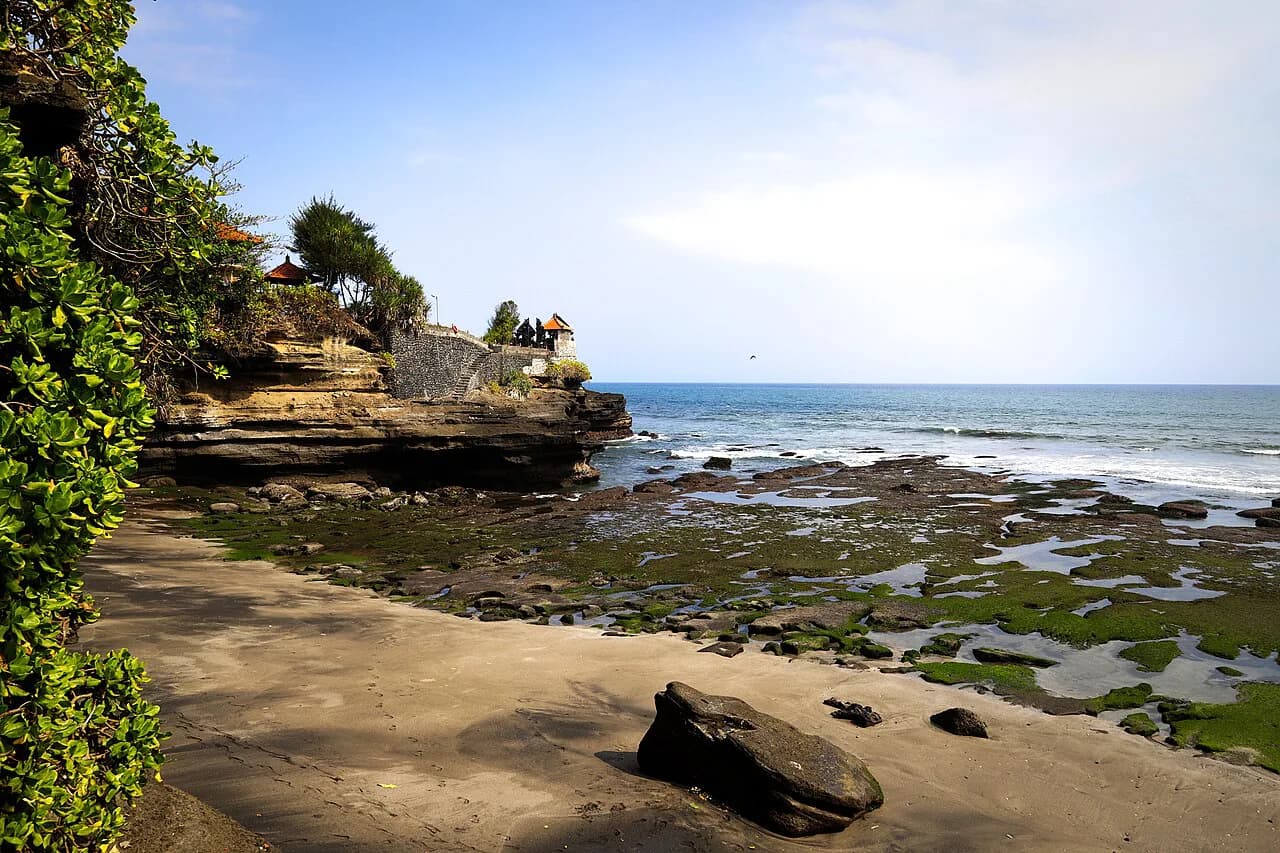
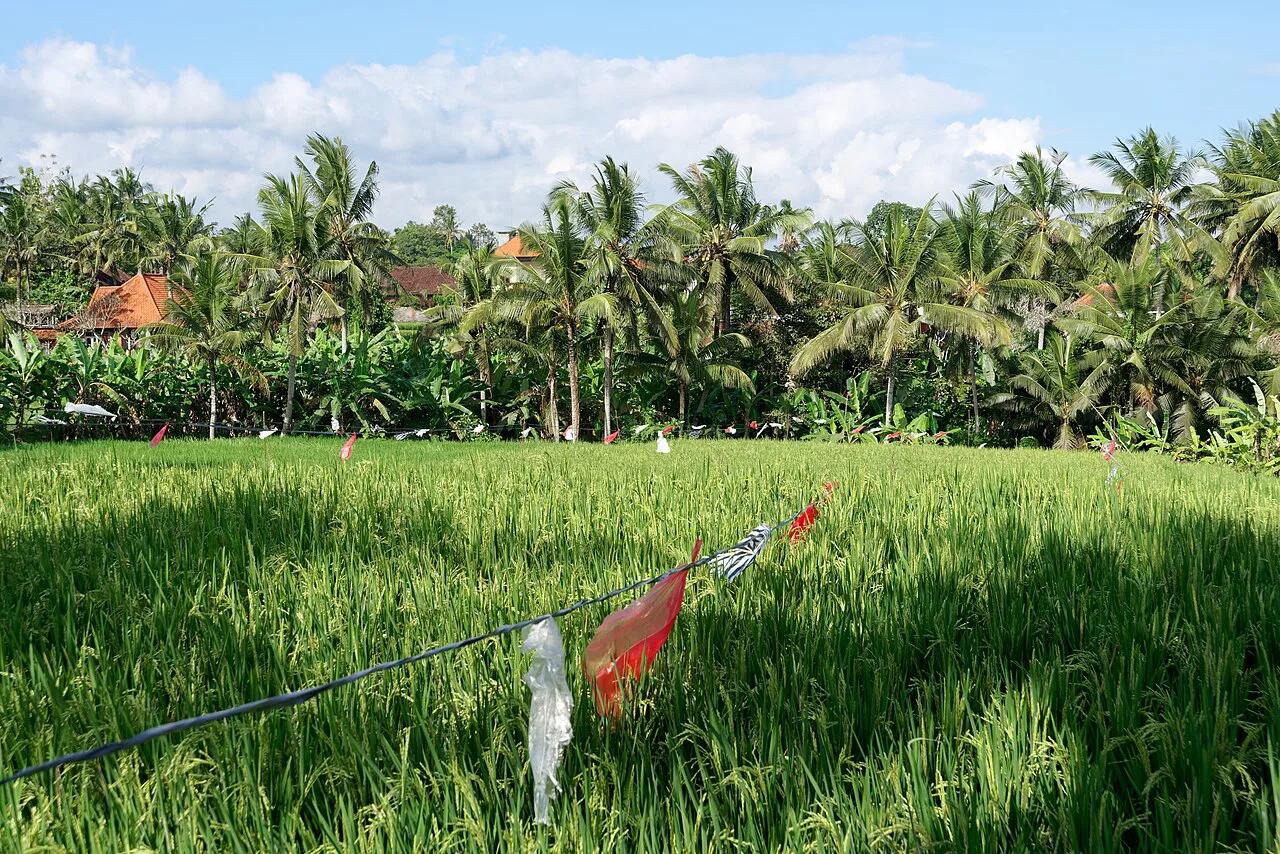
Featured image: Enrico Strocchi from Forlì, Italy, CC BY-SA 2.0, via Wikimedia Commons.
Quick answer: which Bali surf camp area fits you
Match your level first, then pick the coast. Beginners usually start at Canggu (Batu Bolong, Old Man's), Seminyak, or Kuta. Intermediate and advanced surfers head to the reef breaks of Uluwatu, Padang Padang, and Bingin. Break descriptions here are general, so check a current surf forecast before you commit to any area. Sri Lanka, the Mentawai Islands, and Gili Trawangan are outside the scope of this guide.
Canggu vs Seminyak vs Uluwatu vs Kuta compared
Each area trades wave type against crowd level and atmosphere. Use the table to shortlist, then read the notes below it.
| Area | Best for | Skill level | Vibe | Trade-off |
|---|---|---|---|---|
| Canggu (Batu Bolong, Old Man's) | Learning and progressing | Beginner to intermediate | Social, café-heavy | Busy lineups and traffic |
| Seminyak | Beach-break practice near restaurants | Beginner to intermediate | Polished, urban | Less of a surf-town feel |
| Kuta | First lessons | Beginner | Lively, tourist-oriented | Crowded beach |
| Uluwatu, Padang Padang, Bingin | Reef-break surfing | Intermediate to advanced | Cliffside, surf-focused | Shallow reef and cuts |
Area notes: what each coast is like for camps
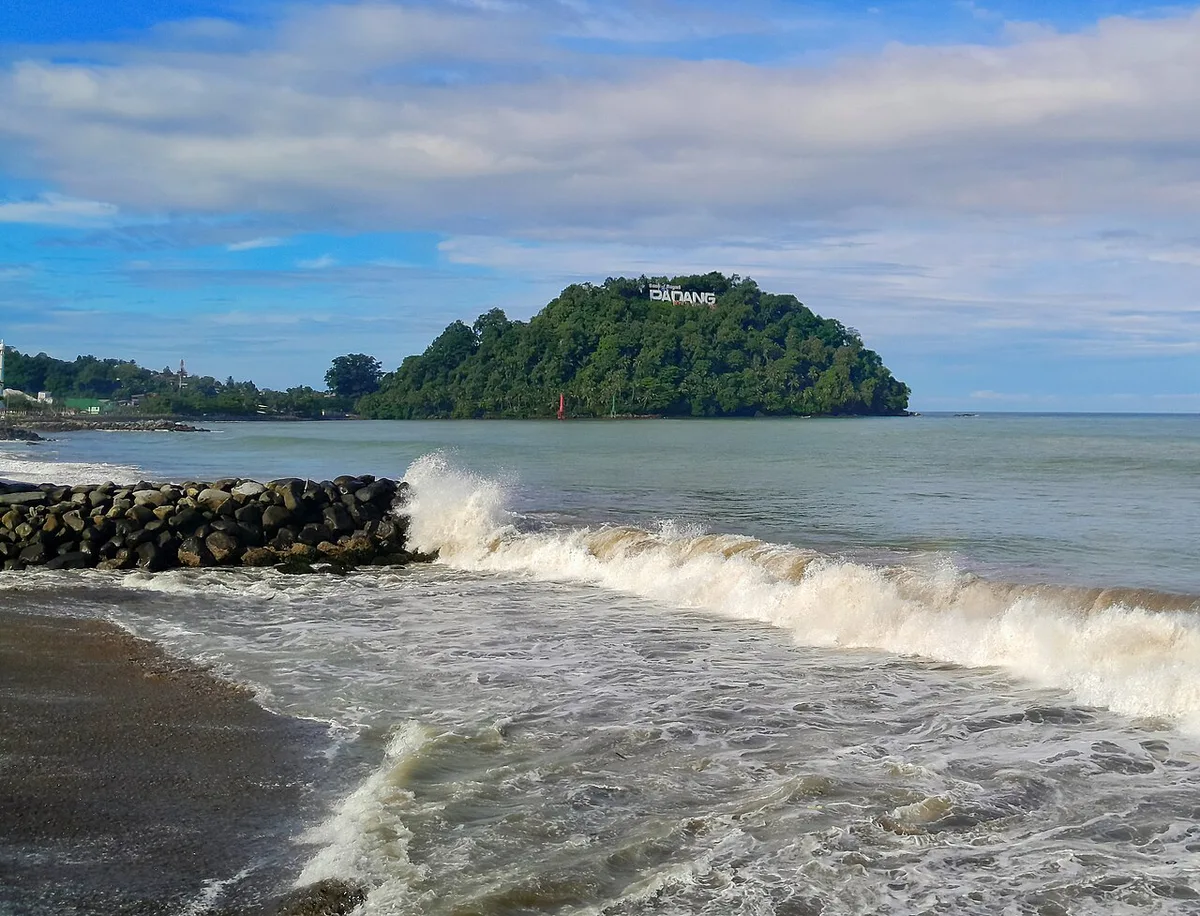
Canggu has the widest choice of camps and the most social evenings. Kima, an operator listing Bali camps, places its Canggu camp about 300 m from the beach. If you want to stretch out after sessions, look at yoga studios in Canggu. Seminyak works if you want beach breaks within walking distance of cafés and spas. Pair a stay there with Seminyak yoga classes for the evenings. Uluwatu camps focus on coaching and guided sessions at reef breaks. Recovery matters more on the Bukit, so scout yoga sessions around Uluwatu. Kuta Beach is a common first-lesson spot because schools there cater to complete beginners.
When to go: Bali surf seasons by coast
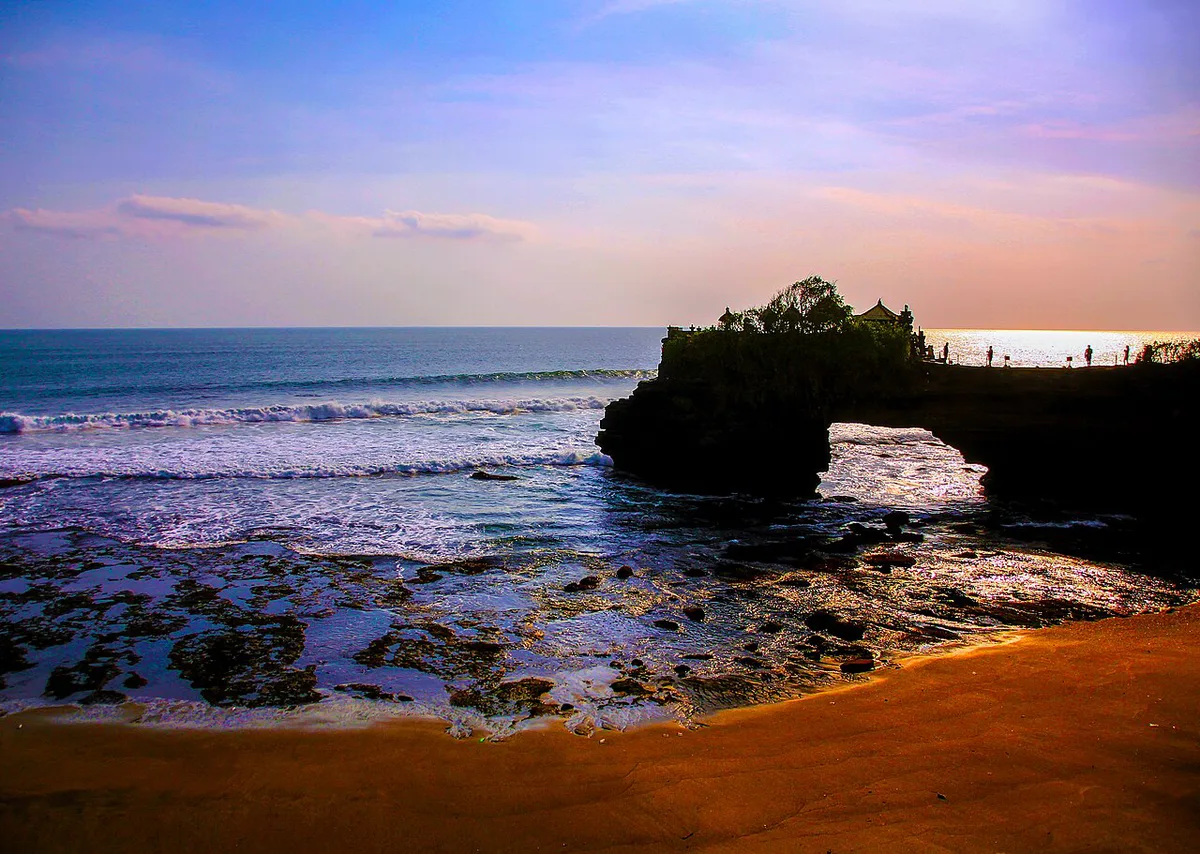
Bali has a dry and a wet season, and swell shifts between coasts. Per Kima's own guidance, May to October is the dry season, with air around 30 °C and 2 to 3 rainy days a month. November to April is the wetter season, with short, heavy showers mostly in the morning or evening. The same operator says west-coast swell runs from April to October or November. It adds that the east coast works well from November to the end of February or March. Treat those months as approximate and check BMKG marine forecasts close to your dates. Water sits around 26 °C in July and August and 30 °C in December and January per the operator, so a wetsuit is rarely needed.
What a Bali surf camp package usually includes
Packages differ, so ask for the written inclusion list before paying. As one example, Kima states surf guiding twice a day, 7 days a week, in groups of up to six. It also lists yoga 6 days a week and surf video analysis up to 6 times a week. Those are operator claims, not industry standards. Lessons and guiding are different products. Kima says its five-day Learn-to-Surf course, with six lessons, is booked separately from its guiding packages. Board rental is also separate there, and lycra, sunscreen, and water come with the course.
- Lessons versus guiding: a coach teaching basics versus a guide taking you to suited breaks
- Board hire and rash vest
- Airport transfers (Kima includes them for stays of 5 nights or more at its Canggu camp)
- Meals, laundry, and photo or video analysis
- Insurance and board-damage cover, usually extra
How much to budget for a Bali surf camp
Four things drive price: room type, area, length of stay, and coaching level. Kima's site lists "from" nightly rates per person: about €20 in Seminyak, €24 in Canggu, and €36 in Uluwatu. Those figures come from the operator's page in November 2026, and the room type and dorm status are unconfirmed. Kima also advertises a 1% discount for each night you stay. A DIY route means a guesthouse plus separate lessons and board rental. That gives flexibility but removes the built-in social group and daily schedule. For longer stays or remote work, see our notes for a long Bali stay.
Longer stays earn a 1% discount for each night you stay, so compare total cost, not the nightly rate, across areas.
Is a surf camp right for you?
Total beginners should book lessons first, then add guiding once they can stand and ride to the beach ahead of the whitewash. Intermediates gain most from guided sessions that match tide, swell, and wind. Advanced surfers should look for coaching-first camps near Uluwatu and ask about reef-break experience. Skip a camp if you are a non-swimmer needing extra supervision. Skip it too if you want quiet nights, since group meals and early sessions set the rhythm.
Safety, reef, and etiquette basics
Reef breaks at Uluwatu, Padang Padang, and Bingin bring shallow coral and cuts. Beach breaks at Canggu, Seminyak, and Kuta bring rips and crowded lineups. Learn right-of-way before you paddle out. Keep control of your board and wear a leash. Use sunscreen and rinse every cut quickly. Soft-top boards reduce injury risk for beginners, per Kima's guidance. Choose a camp that briefs you on each spot, tide, and exit route.
Getting there and getting around
Bali's only international airport is Ngurah Rai (DPS) in Denpasar, per Kima's FAQ. Kima asks guests to send flight details and a WhatsApp number at least 48 hours before arrival. It also sets late-session registration at 8 pm the day before. Traffic slows trips in Canggu and on the Bukit, so ask the camp whether a driver or scooter is realistic. For entry rules, check the Indonesian immigration site because visa conditions change. Buy travel health insurance before you leave. Kima quotes about €20 as a typical cost. For general trip planning, see Indonesia's official tourism site.
Canggu camp transfers come with stays of 5 nights or more, and traffic slows every drive there, so plan a ride for shorter trips.

Adding Ubud, yoga, and recovery to a surf trip
Ubud is inland and has no surf, so a combined trip means splitting your time. The trade-off is transfer time between coast and Ubud, which you should confirm with your driver. Surfing first leaves your shoulders sore, and Ubud then works as a recovery stop. Starting in Ubud builds flexibility before your first paddle-out. Browse Ubud yoga options for the inland half. For sore muscles, book a Balinese Massage in Ubud: What to Expect and How to Choose between sessions. If you want yoga built into the whole trip, see Bali yoga retreat planning. More class options sit in our Bali yoga guide.
How to vet a camp before booking
Check these points before you pay. Ask how many surfers share a guide, since Kima states a maximum of six per group. Ask whether instructors hold certification and who covers water rescue. Compare reviews on at least two independent platforms rather than the camp's own site. Read the cancellation terms, because Kima says its reservations are binding and carry a fee. Confirm local rules with the Bali Provincial Tourism Office if you doubt an operator's claims.
- Instructor certification and group size
- Lifeguard or rescue cover
- Reviews on two independent platforms
- Written inclusions and cancellation terms
Notes for your Indonesia trip
Optional updates when we add or change a town or island guide.
You might also like


Continue reading
More guides you'll find useful