Best Time to Visit Batam: Month-by-Month Weather, Ferries & Crowds
When should you visit Batam? Compare dry and wet months, ferry reliability, crowds and costs, with picks for beaches, diving, shopping and spa trips.
On this page
Last updated November 2026: the best time to visit Batam is typically April to October, with February and March as mixed months and November to January as the wettest stretch. Rain can fall in any month because Batam is equatorial, so plan a fallback instead of trusting a hard cutoff. Weekenders get the best balance in April, May, September or October.
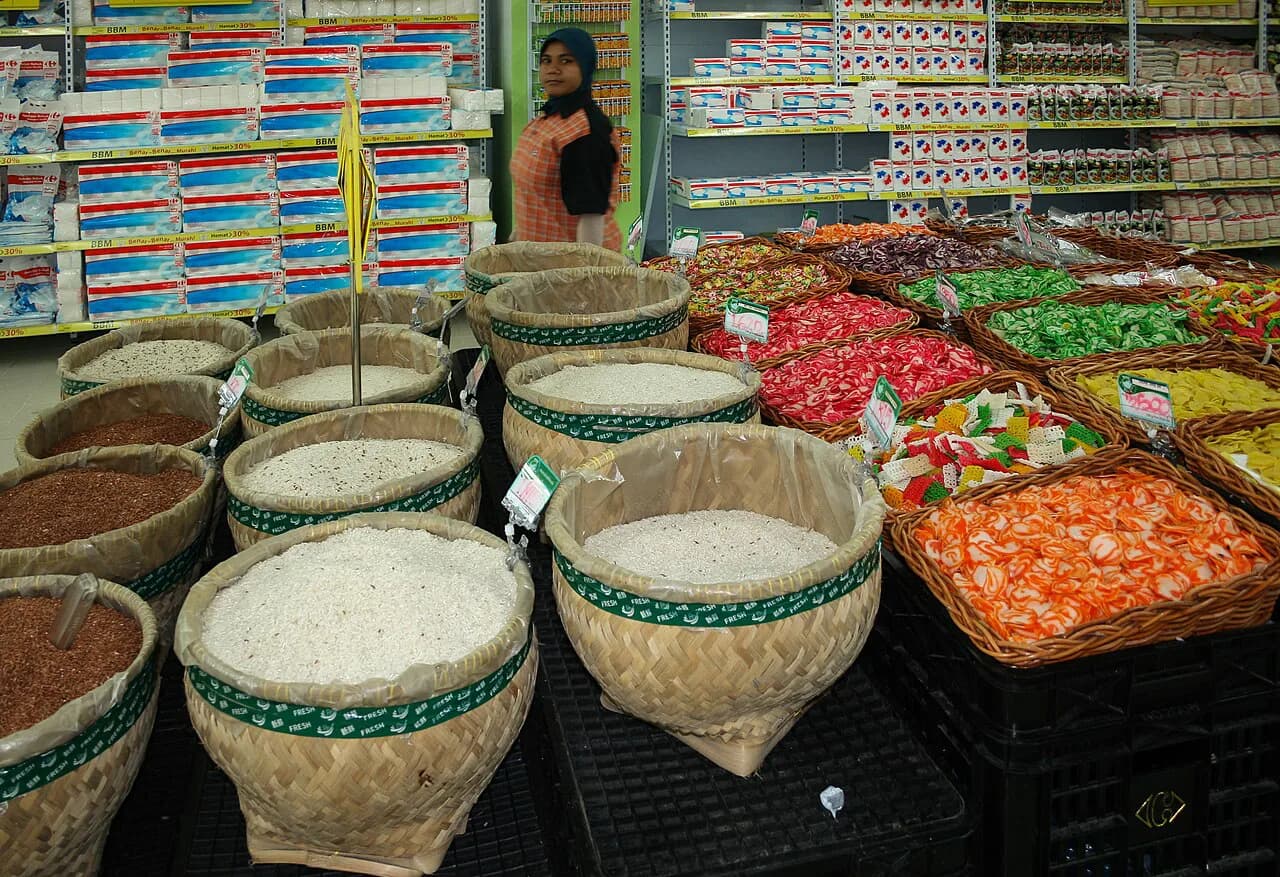
Featured image: Sharon Hahn Darlin, CC BY 2.0, via Wikimedia Commons.
Best Time to Visit Batam: The Short Answer

Aim for April to October if you want beach days and calm crossings. June to August is the sunniest block, but it is also the busiest and priciest. Guides disagree on when the dry season starts, with some saying February and others April. Treat February and March as a gamble. Before you book, check the latest BMKG forecasts and climate normals for the Riau Islands. Shoppers, spa visitors and nightlife fans can go any month, because those plans happen indoors.
Batam Weather by Season
Temperatures barely change across the year. Trip.com's live widget showed 33°C (91°F) for Batam, and daytime highs typically sit in the low 30s°C (high 80s°F). Nights usually hover near 24°C (75°F). Rainfall is the real variable, not heat. Use the table as a risk guide, and confirm exact rainfall figures with BMKG.

| Period | Rain tendency | Sea and ferry risk | Crowds and prices | Verdict |
|---|---|---|---|---|
| November to January | Wettest, with heavy downpours | Roughest seas, possible delays or cancellations | Quieter, lower hotel pressure | Maybe: indoor trips only |
| February to March | Mixed, one source calls it dry | Variable | Moderate | Maybe: pack for showers |
| April to May | Mostly drier | Generally calmer | Shoulder, best value | Go |
| June to August | Reliably good, showers still possible | Calmest | Peak crowds, highest prices | Go: book early |
| September to October | Mostly drier, turning showery late | Generally calm | Shoulder, good value | Go |
Best Time by Trip Type
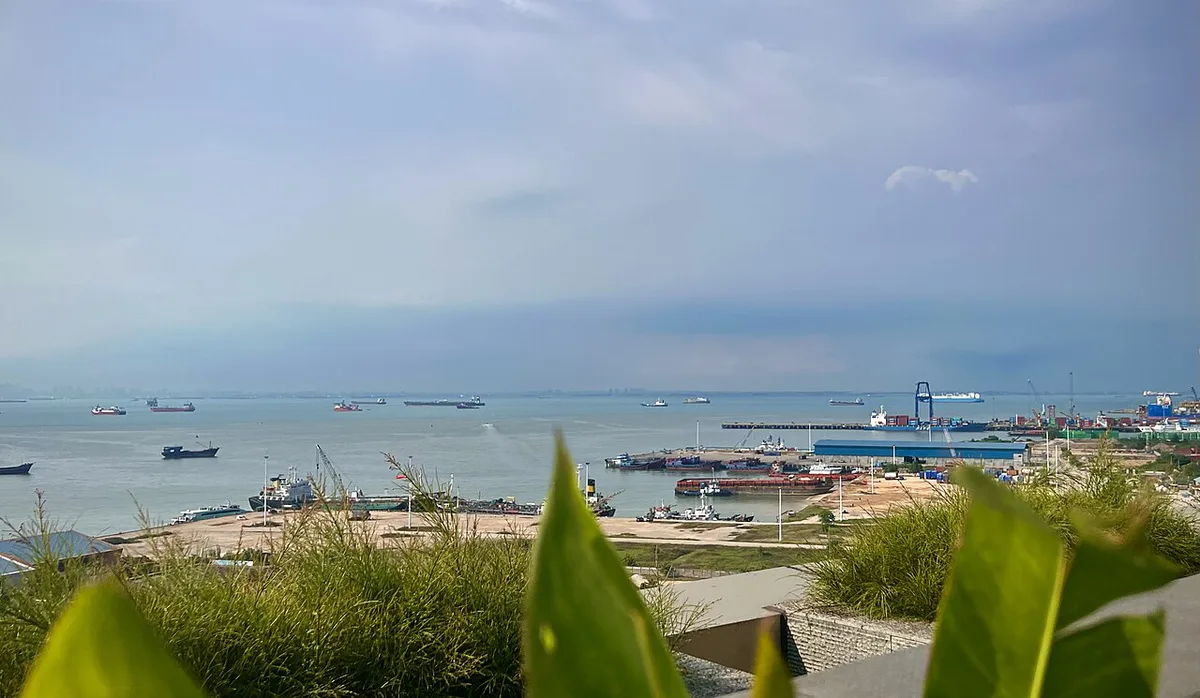
Match the month to what you plan to do. Outdoor days need the drier window. Indoor plans work all year. Start with the full list of things to do and pick one outdoor anchor per day.
- Beaches and Nongsa: April to October, when sea and sky are most dependable.
- Island hopping: dry months only, and always keep a rain-day plan. Our island hopping guide covers routes.
- Barelang Bridge sunsets: dry evenings, since cloud can flatten the view. The six-bridge chain was completed in 1997.
- Temples: go early in the morning to avoid midday heat and afternoon storms, as in our temple guide. Maha Vihara Duta Maitreya covers 4.5 hectares, much of it open courtyard.
- Galang refugee camp: mostly outdoors, so pick a dry, cooler morning.
- Shopping and spa: any month, with malls and massage as the wet-day default.
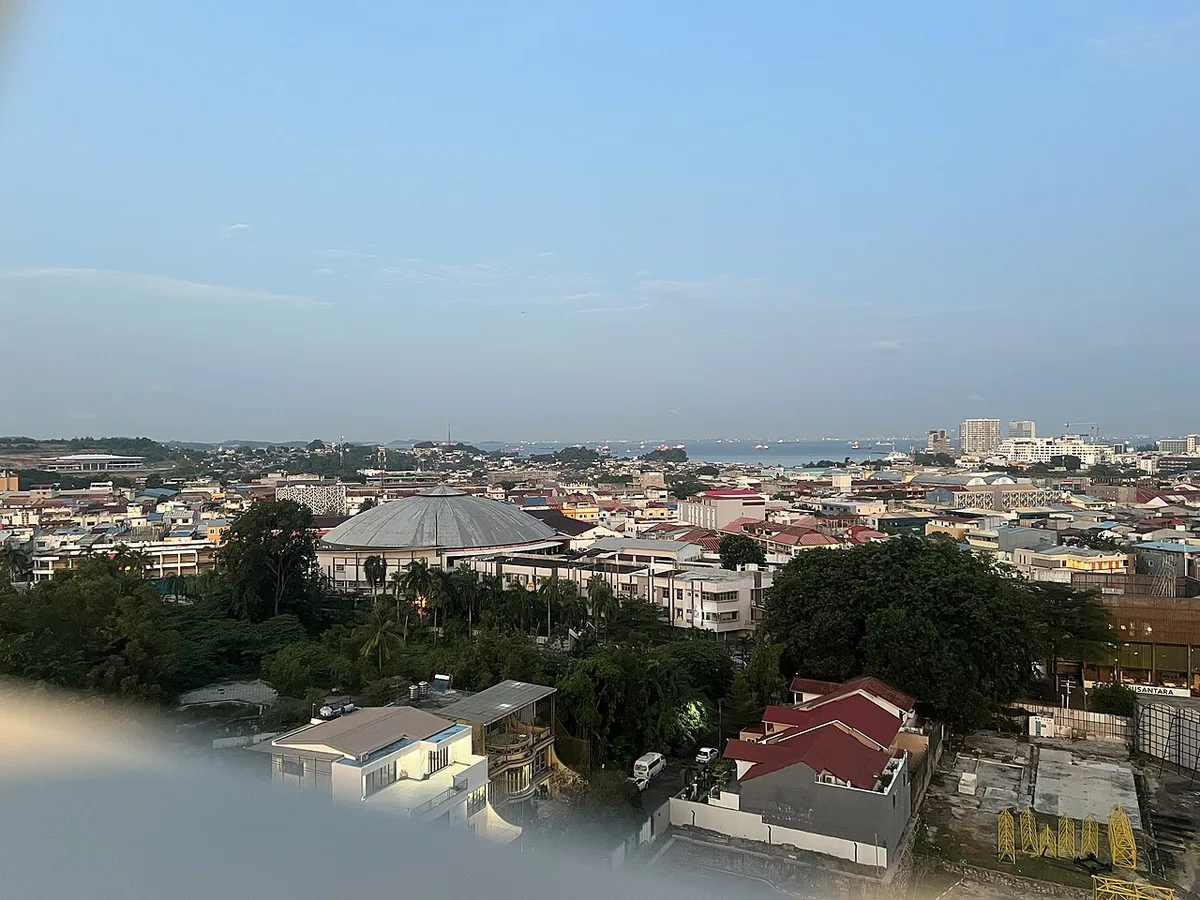
Peak, Shoulder and Wet Season: Crowds and Cost
Peak months run June to August. Sailings fill up and hotels charge more. Shoulder months, April, May, September and October, give the best value. KAYAK's April estimate for a 3-star hotel was S$74 a night, which is a useful off-peak benchmark and not a live quote. Compare it with June to August prices on your booking site. Wet months are cheaper and more flexible, but outdoor and sea plans carry real risk. For lodging trade-offs by area, see 6 Best Areas: Where to Stay in Batam by Trip Type.
Sailings fill up June to August, so the S$74 a night April estimate for a 3-star hotel offers a lower-cost comparison point.
Ferry and Sea Conditions by Season
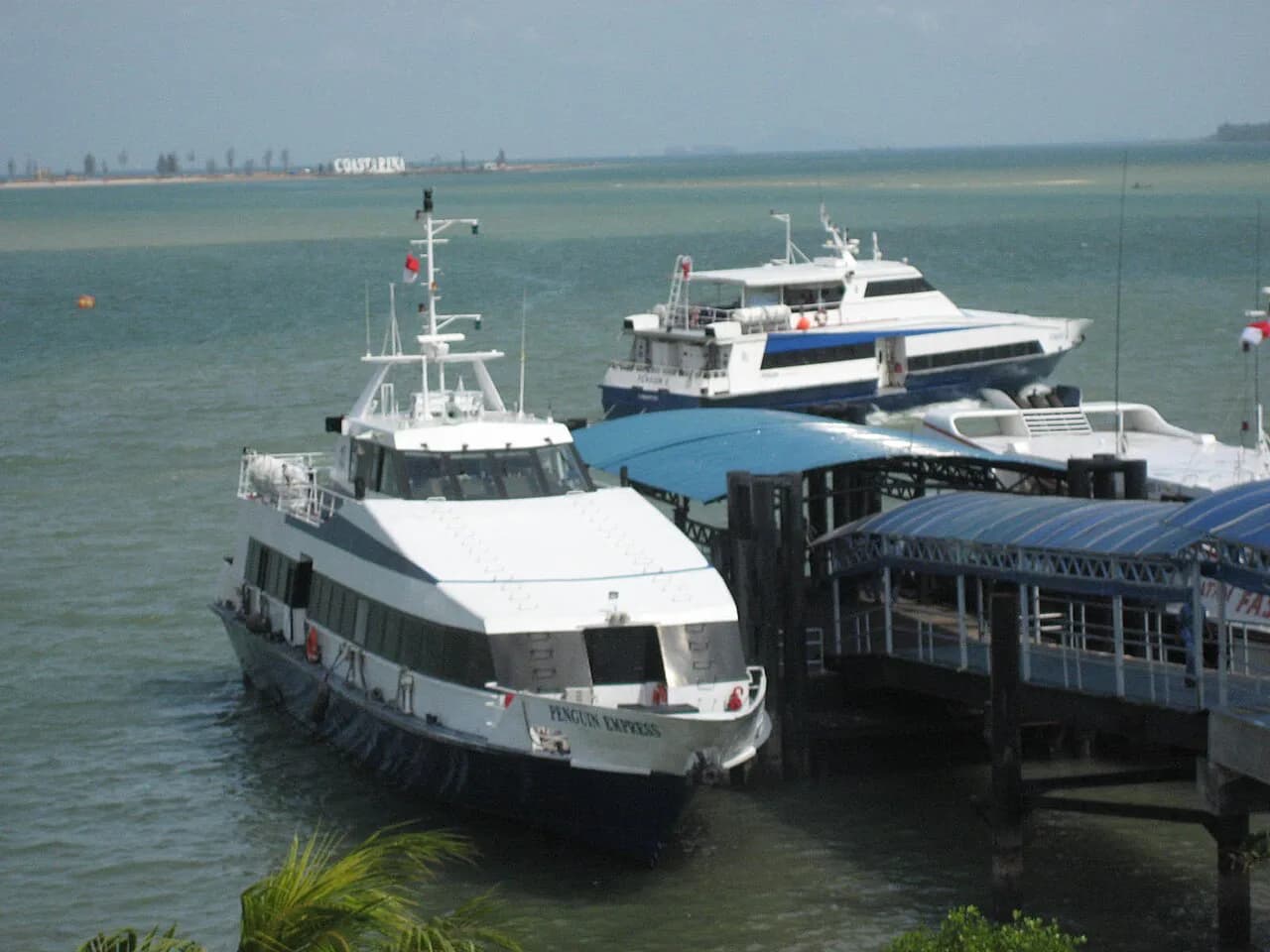
Most visitors from Singapore cross by sea, and crossings typically take about 45 to 75 minutes depending on route and terminal. Rougher seas in the monsoon can bring delays, diversions or cancellations. Arrive 45 to 60 minutes before departure for immigration and check-in. Check timetables with the operator or the Singapore Cruise Centre a few days ahead. Never book a flight home on the same day as the last sailing. Add a buffer day in monsoon months. Ferry basics are in our Batam ferry guide. Flying avoids sea-state risk, and our Hang Nadim arrival tips cover that route.
Crossings take 45 to 75 minutes, and a 2 to 4 day trip should add 1 spare day if sea conditions look poor.
Holidays, Events and Weekend Crowds
Singapore and Malaysia school holidays, Chinese New Year, Ramadan and Eid, and Indonesian public holidays all change crowds and opening hours. We have no verified 2026 dates for these. Check the official Indonesia tourism site and government calendars before fixing your dates. Weekends matter as much as months, because Singapore weekenders fill ferries on Friday evenings and Sunday afternoons. Midweek sailings are usually easier and cheaper. Evenings stay lively year-round at the night market and in Batam Nightlife Guide: Where to Go and Getting Back Safely venues.

If You Go in the Rainy Season: Indoor Plan and Fallbacks
A wet-season trip still works if you plan around roofs. Pair one outdoor window, usually the morning, with indoor afternoons. Nagoya Hill Mall and Mega Mall in Batam Center are large enough to fill a rainy day, and our mall guide compares them. Book a massage or spa session for the heaviest hours. Plan long lunches at places from our restaurant picks. Pack a light rain jacket, quick-dry clothes and a waterproof phone bag. In dry months, add sunscreen and insect repellent.
How Many Days to Plan
Trip.com recommends 2 to 4 days for Batam. In dry months, 3 days leaves room for one island or beach day, one temple and bridge day, and one shopping day. In wet months, 2 days is enough. Add 1 spare day if sea conditions look poor. Still deciding whether the trip is worth it? Read whether Batam is worth visiting.
Batam vs Bintan vs Desaru: Which Season Suits Which?
All three share a similar pattern, with the drier window from about April to October. Desaru is in Malaysia and its monsoon is usually listed as November to February. Batam is the easiest to enjoy in any weather because of its indoor options.
| Destination | Best for | Season note |
|---|---|---|
| Batam | Shopping, spa, food, short breaks | Works all year, with indoor fallbacks |
| Bintan | Resort beaches, snorkeling | Best April to October |
| Desaru | Beach and waterpark resorts | Avoid November to February |
Common Timing Mistakes
Most weather regrets are avoidable with a little slack.
- Booking an island-hopping day with no weather fallback.
- Taking the last sailing home on the same day.
- Assuming dry season means no rain.
- Ignoring school holidays and long weekends.
- Skipping the operator timetable check before departure.
- Entry rules change, so confirm the current visa position for your passport. Singapore passport holders have generally been listed as visa-free for up to 30 days.
Frequently Asked Questions
Is Batam worth seeing?
Yes, if you want shopping, spas, seafood and short island trips close to Singapore. Our guide on whether Batam is worth visiting weighs the trade-offs.
What is the time difference between Batam and Singapore?
Batam runs on Western Indonesia Time, UTC+7. Singapore is UTC+8, so Batam is 1 hour behind.
Notes for your Indonesia trip
Optional updates when we add or change a town or island guide.
You might also like

Continue reading
More guides you'll find useful