Best Time to Visit Sanur: Month-by-Month Weather Guide
Wondering when to visit Sanur? See monthly rain, sunshine and sea temperature, plus tide, wind and Nusa boat tips to pick your month.
On this page
Last updated November 2026: the best time to visit Sanur is the drier stretch from May to September, when August averages 44 mm of rain against 325 mm in January. Dry months bring more visitors, while wet months bring heavier showers and quieter sand. Use the month-by-month table and the pick-by-priority table below to match your trip.
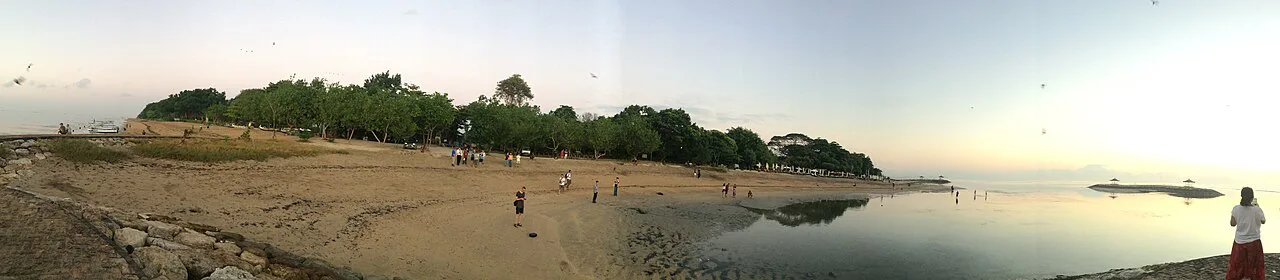
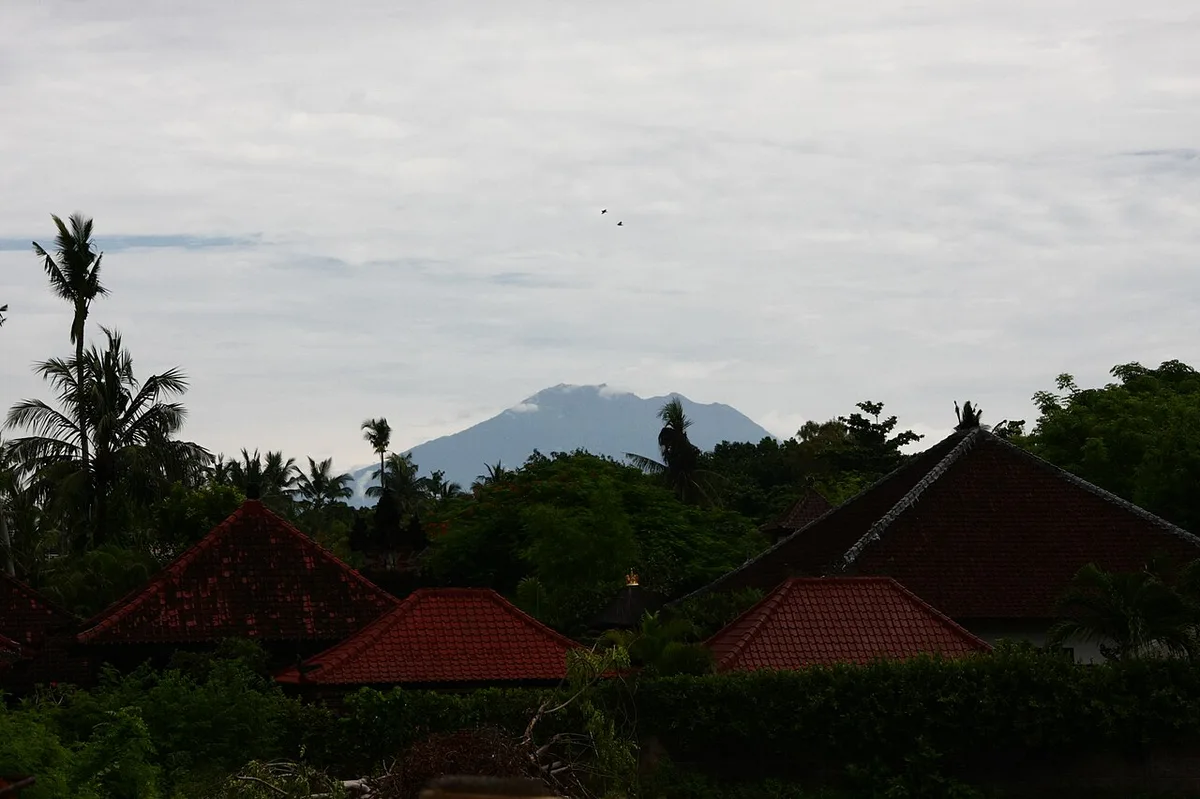
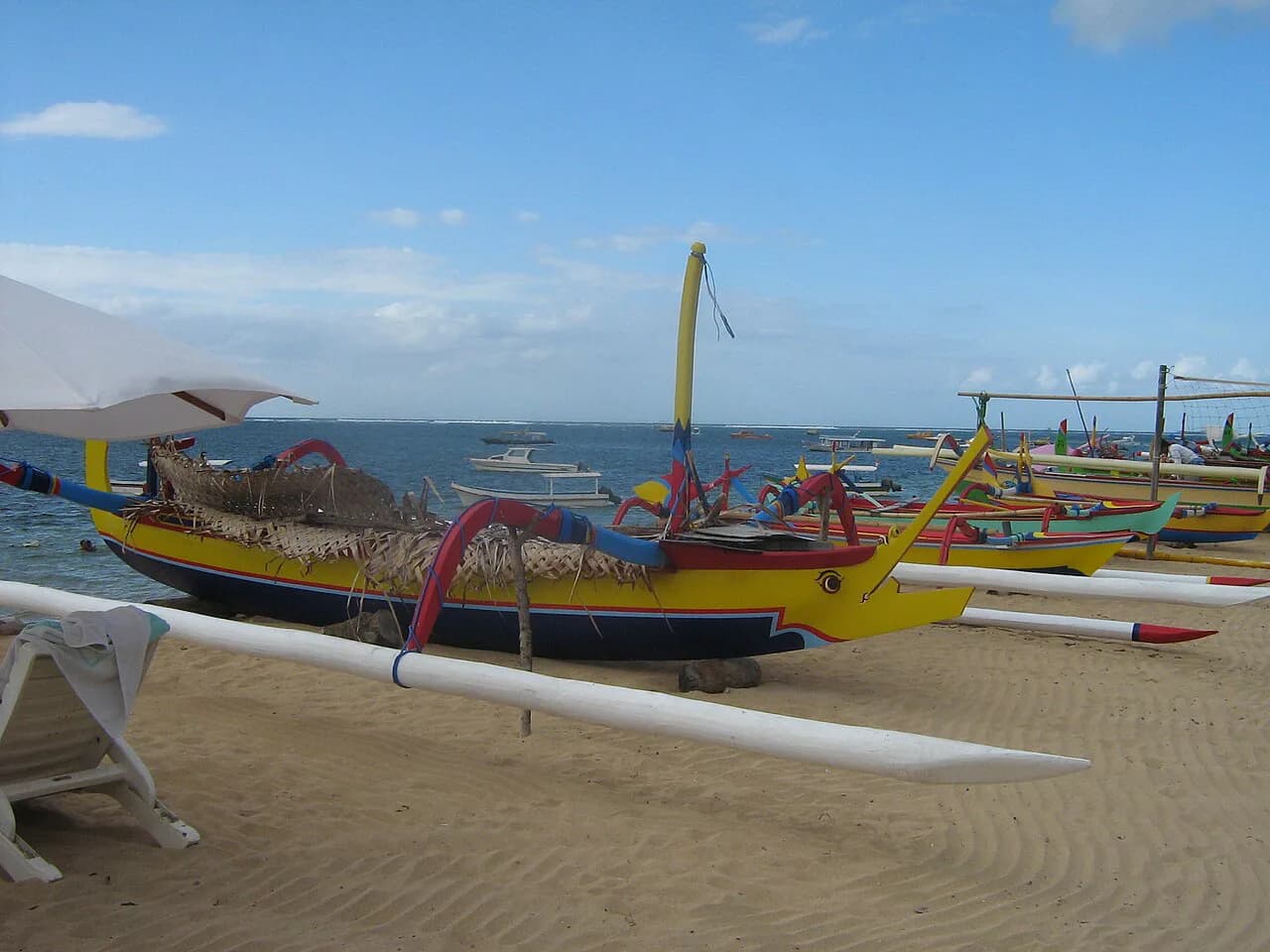
Featured image: Liang SK from Taipei, Taiwan, CC BY-SA 2.0, via Wikimedia Commons.
Short answer: the best time to visit Sanur
Aim for May to September if you want the lowest rain. August is the driest month in the long-term averages, at 44 mm and 1 rain day. April, May, September and October work as shoulder months, trading a little more rain for easier planning. Every pick has a trade-off. Dry season means more visitors, and wet season means heavier rain but a calmer beachfront. For things to do once you land, start with our Sanur activity guide. Check live forecasts with Indonesia's weather agency BMKG before you fly.
Sanur weather by month
Figures below are long-term climate averages, so treat them as a guide rather than a forecast. Sea temperature stays between 26°C (79°F) and 29°C (84°F) all year. Nights hold at 23–24°C (73–75°F) in every month. UV runs from 9 to 11+ for most of the year, so pack reef-safe sunscreen and a hat. Daylight lasts 12–13 hours. Rain-day counts for September and October look inconsistent with their rainfall totals, so we leave that column out.

| Month | Max temp | Sunshine (h/day) | Rain (mm) | Sea temp |
|---|---|---|---|---|
| January | 31°C (88°F) | 8 | 325 | 28°C (82°F) |
| February | 31°C (88°F) | 8 | 267 | 29°C (84°F) |
| March | 31°C (88°F) | 9 | 221 | 28°C (82°F) |
| April | 31°C (88°F) | 10 | 111 | 29°C (84°F) |
| May | 31°C (88°F) | 10 | 101 | 28°C (82°F) |
| June | 30°C (86°F) | 9 | 69 | 28°C (82°F) |
| July | 29°C (84°F) | 10 | 76 | 27°C (81°F) |
| August | 29°C (84°F) | 10 | 44 | 26°C (79°F) |
| September | 30°C (86°F) | 10 | 79 | 26°C (79°F) |
| October | 31°C (88°F) | 10 | 146 | 27°C (81°F) |
| November | 31°C (88°F) | 9 | 193 | 28°C (82°F) |
| December | 31°C (88°F) | 8 | 250 | 29°C (84°F) |
Dry season (May–September): what to expect

June to September is the cooler, drier run. Daytime highs sit at 29–30°C (84–86°F), and monthly rain falls between 44 mm and 79 mm. Skies are clear most mornings, which favors sunrise views east toward Nusa Penida from Sanur Beach. Mertasari Beach at the southern end is used for kitesurfing from May to September when the wind is up. Kite fans will enjoy that, but some beach-goers will find the afternoons breezy. Expect more visitors than in other months. Start days early and book popular dinners ahead. For wind and board timing, see our Sanur surf and kite notes. Seas are coolest in August and September, at 26°C (79°F).
Shoulder months (April–May, September–October): the compromise

April and May deliver 10 hours of sunshine a day with 111 mm and 101 mm of rain. May records 7 rain days, down from 11 in April. September is nearly as dry as peak season, at 79 mm. October climbs to 146 mm, so showers become likelier. Treat these months as a likely sweet spot rather than a guarantee, and confirm the pattern with BMKG seasonal outlooks. Shoulder months suit travelers who can stay a week or more and want a mix of beach mornings and flexible afternoons.
October climbs to 146 mm, nearly double September's 79 mm, while November's 193 mm marks the start of the wet-season totals.
Wet season (November–March): is it really bad?
Not constantly. January is the wettest month listed, with 325 mm over 19 rain days. It still averages 8 hours of sunshine, a 31°C (88°F) high and a 28°C (82°F) sea. Plan outdoor time such as cycling, swimming and sunrise walks for the morning. Save afternoons for a spa visit at one of the Sanur massage spots or a long lunch at the 7 Best Restaurants in Sanur: Where to Eat by Mood. Rain totals ease from 267 mm in February to 221 mm in March. Pick lodging with a covered terrace or pool, and compare areas in our Sanur stay guide.
Choose by priority
Rain tolerance, crowd tolerance and trip length decide most picks. On a short trip, prioritize the dry window. On a longer stay, mix in one shoulder month. If you are still deciding whether the town suits you, read Is Sanur Worth Visiting? Who It Suits (and Who Should Skip It).
| Traveler | Best months | Why | Trade-off |
|---|---|---|---|
| Families and cautious swimmers | May–September | Lowest rain and calm lagoon water at high tide | More visitors |
| Sunrise and cycling fans | June–September | Clearer mornings, 29–30°C (84–86°F) highs | Early starts |
| Kite and surf fans | May–September | Kitesurfing at Mertasari when the wind is up | Breezier afternoons |
| Quiet and spa travelers | Nov–March, or April and October | Fewer visitors, indoor options | Heavier showers |
| Nusa day-trippers | May–September | Frequent dry-season departures | Busier morning boats |
Tides, wind and time of day in Sanur
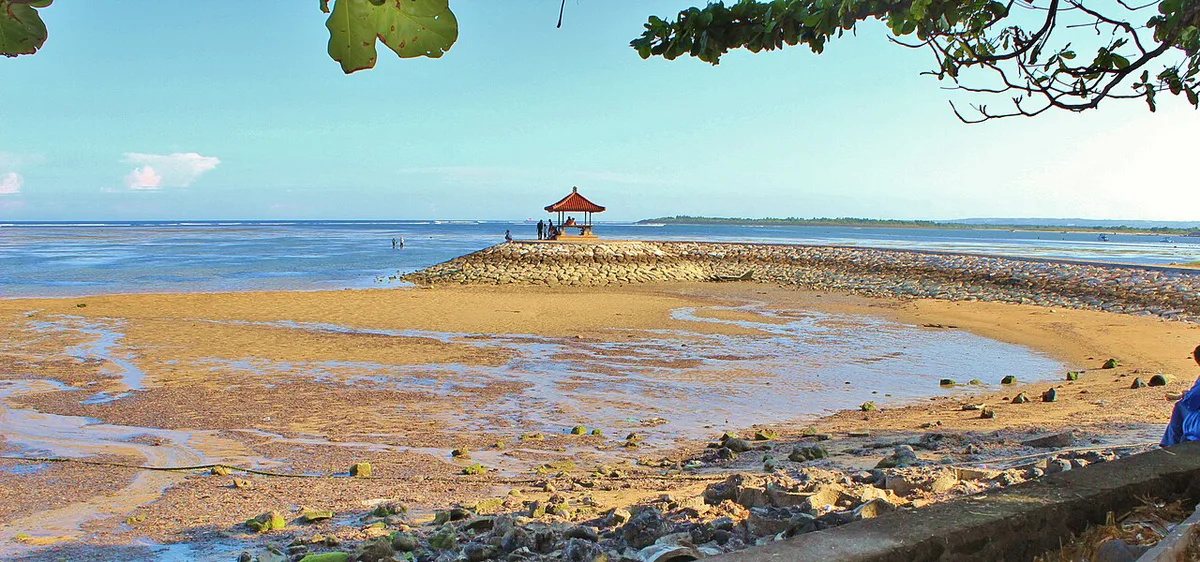
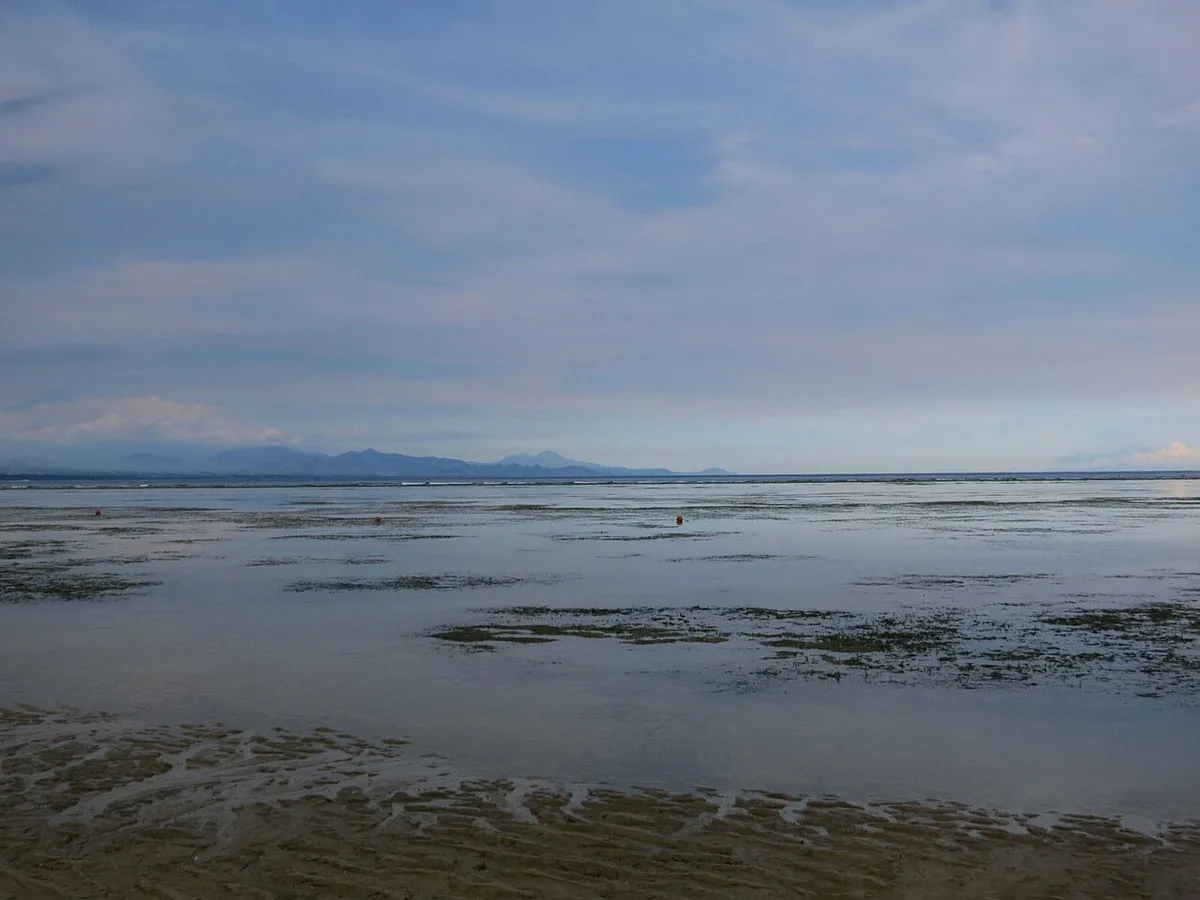
Sanur's reef shelters the beach, so tide matters more than the month. At high tide, swimming is easy. At low tide, the water retreats over the reef flat and exposes seagrass, leaving the shallows thin. Check a tide table the night before, since times shift through the month. Mornings are calmer, and wind tends to pick up later in the day. The boardwalk is coolest before about 9 am. Bike hire costs around Rp 30,000–50,000 a day, so confirm the rate with your guesthouse. This applies in every month.
Getting to the Nusa islands by season
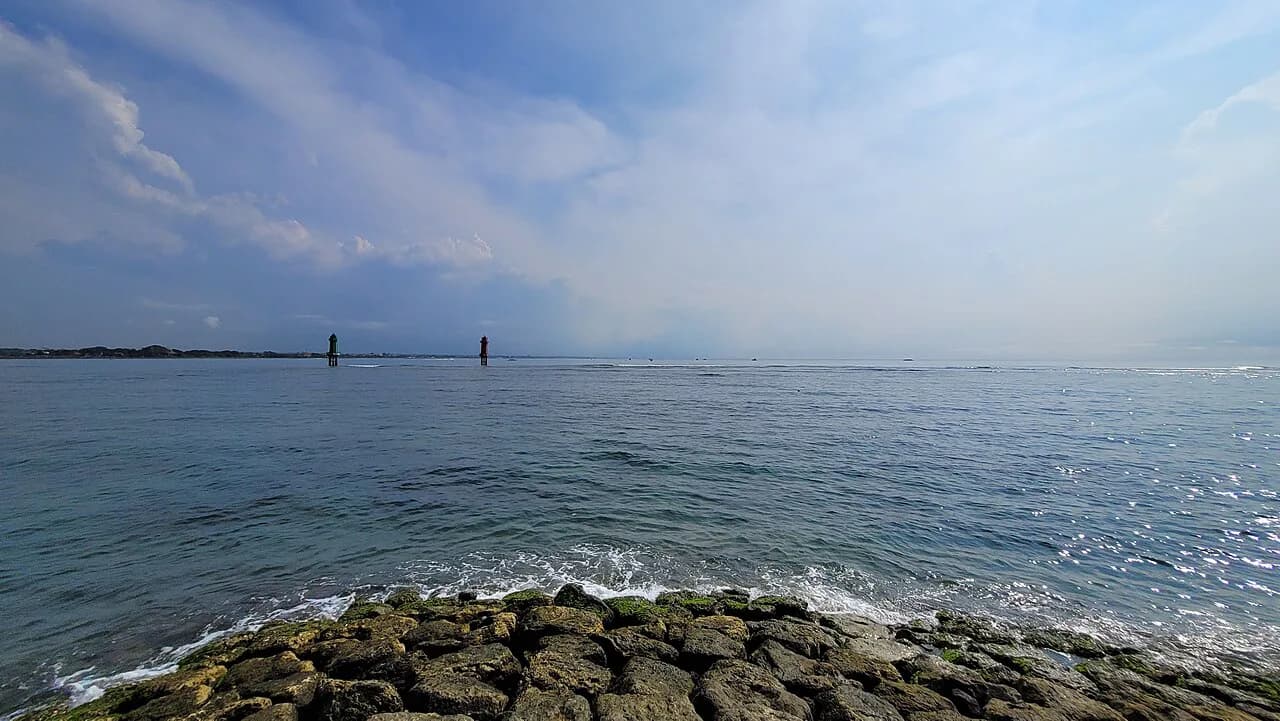
Fast boats to Nusa Penida and Nusa Lembongan take about 30 to 45 minutes. Fares run roughly Rp 150,000–250,000 each way, so check the current price with your operator. Dry-season departures are frequent, and morning boats to Nusa Penida fill quickly. In wet months, weather disruption is plausible, so confirm sailings with the operator. Book the return leg and keep a buffer day before any flight. For inland and island routes, see our Sanur day trip ideas.
Fast boats take 30 to 45 minutes, and calmer mornings make the early departure the better match for the day.
Month-picking mistakes to avoid
A few planning errors cause most disappointment.
- Assuming wet season means constant rain. January still averages 8 hours of sunshine a day.
- Swimming without checking the tide. Low tide leaves shallow water over the reef flat.
- Booking a same-day Nusa return before a flight. Keep a buffer day.
- Skipping sun protection. UV reaches 9 to 11+ in most months.
- Cycling at midday. Ride before about 9 am.
Frequently Asked Questions
What is the temperature in Sanur, Bali?
Daytime highs range from 29°C (84°F) in July and August to 31°C (88°F) in much of the rest of the year. Nights stay near 23–24°C (73–75°F).
What is the best season to travel to Bali?
For Sanur, the dry season from May to September has the lowest rainfall. April–May and September–October are the shoulder-season compromise.
Notes for your Indonesia trip
Optional updates when we add or change a town or island guide.
You might also like

Continue reading
More guides you'll find useful