Free Things to Do in Ubud: What's Really Free (2026)
What's truly free in Ubud, what has hidden fees, and how to get there cheaply. Walks, markets, temples and rain-day options.
On this page
Last updated November 2026. Free things to do in Ubud include the Campuhan Ridge Walk, browsing Ubud Art Market, strolling Jalan Hanoman and viewing Pura Taman Saraswati from the street. Many headline sights charge $3 to $7.50, so sort the genuinely free from the free-but-costly before you plan. Full paid options live in our complete Ubud guide.
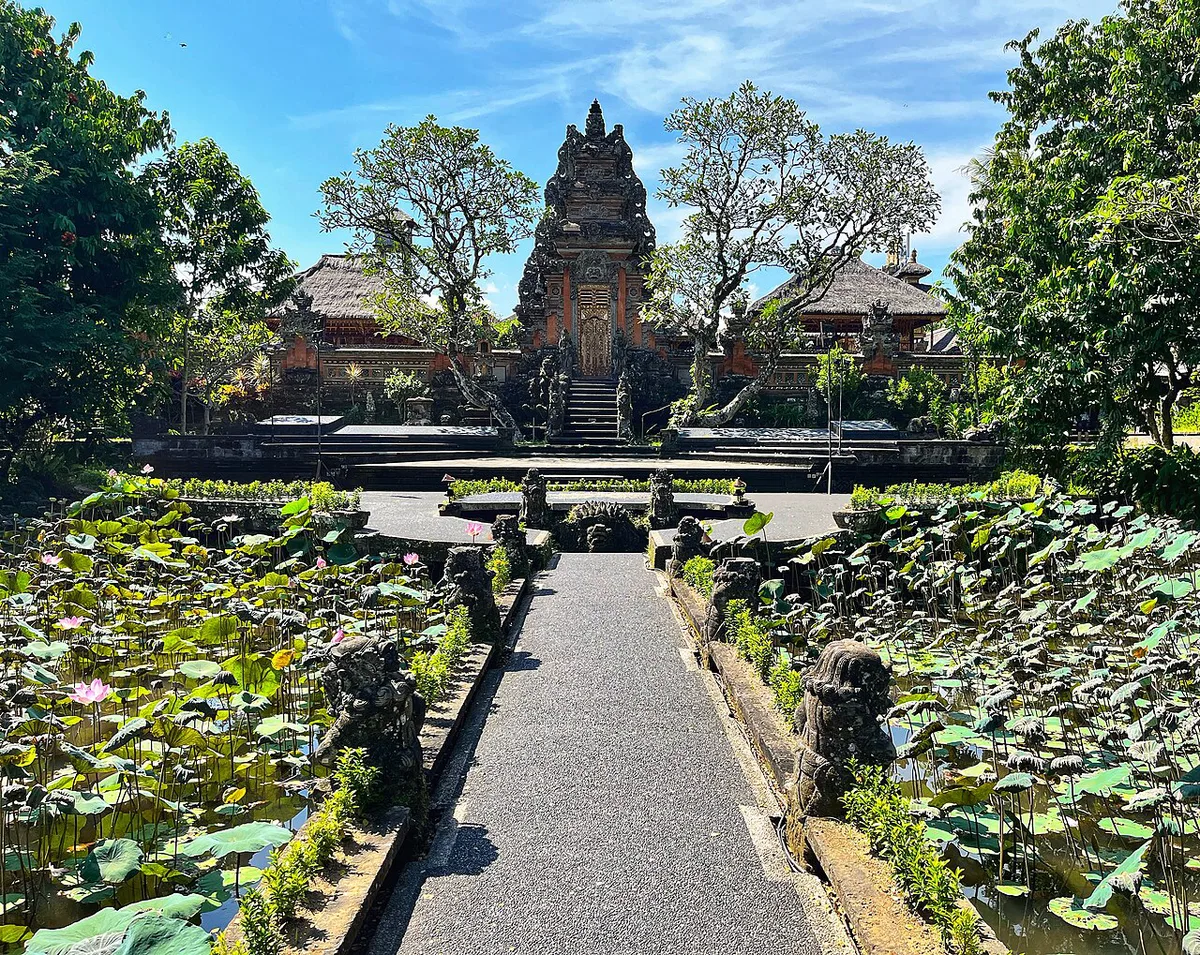
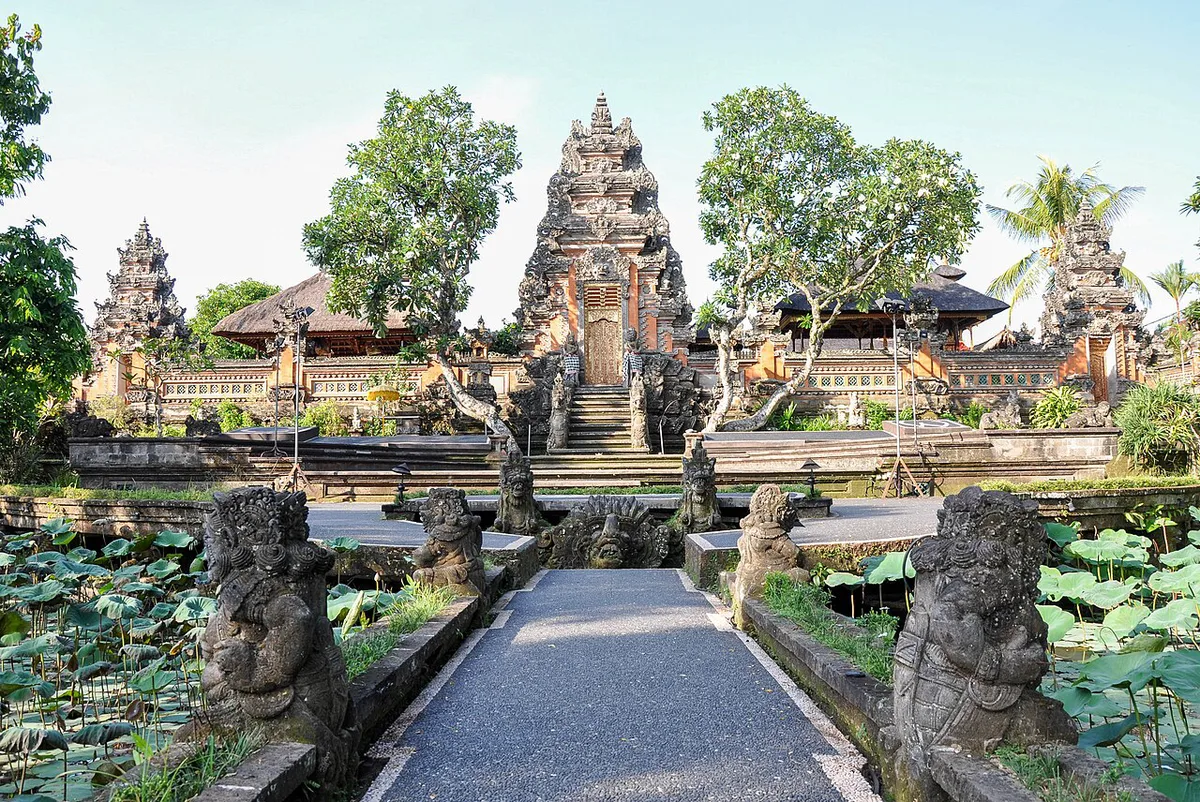
Featured image: Chainwit., CC BY-SA 4.0, via Wikimedia Commons.
Quick answer: what's actually free in Ubud
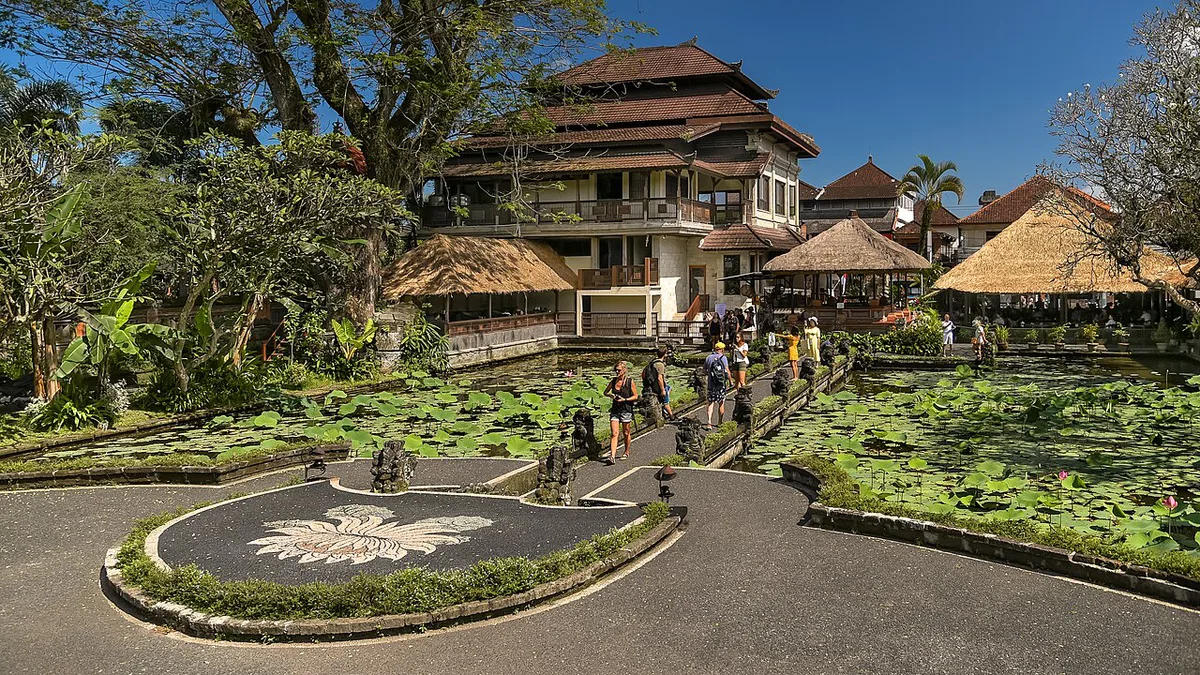
Five picks cost nothing to enter. Walk the Campuhan Ridge trail, which one competitor guide describes as roughly 2 km and best at sunset. Browse Ubud Art Market, wander Ubud Palace's courtyard, see Pura Taman Saraswati from the street, and stroll Jalan Hanoman. Fees and opening rules change, so confirm at the gate. The hidden costs are transport, parking, donations and sarongs, not tickets.
Free vs. free-but vs. paid: a quick sort
Use this table to separate options by what you actually pay. Fees below are undated figures from a 2026 competitor guide, so treat them as rough and check on arrival.
| Place | Free? | Hidden cost | Getting there | Skip if |
|---|---|---|---|---|
| Campuhan Ridge Walk | Free | Water, sun protection | Close to central Ubud | You dislike midday heat |
| Ubud Art Market | Free to browse | Cash for bargaining | Central Ubud | You want authentic crafts only |
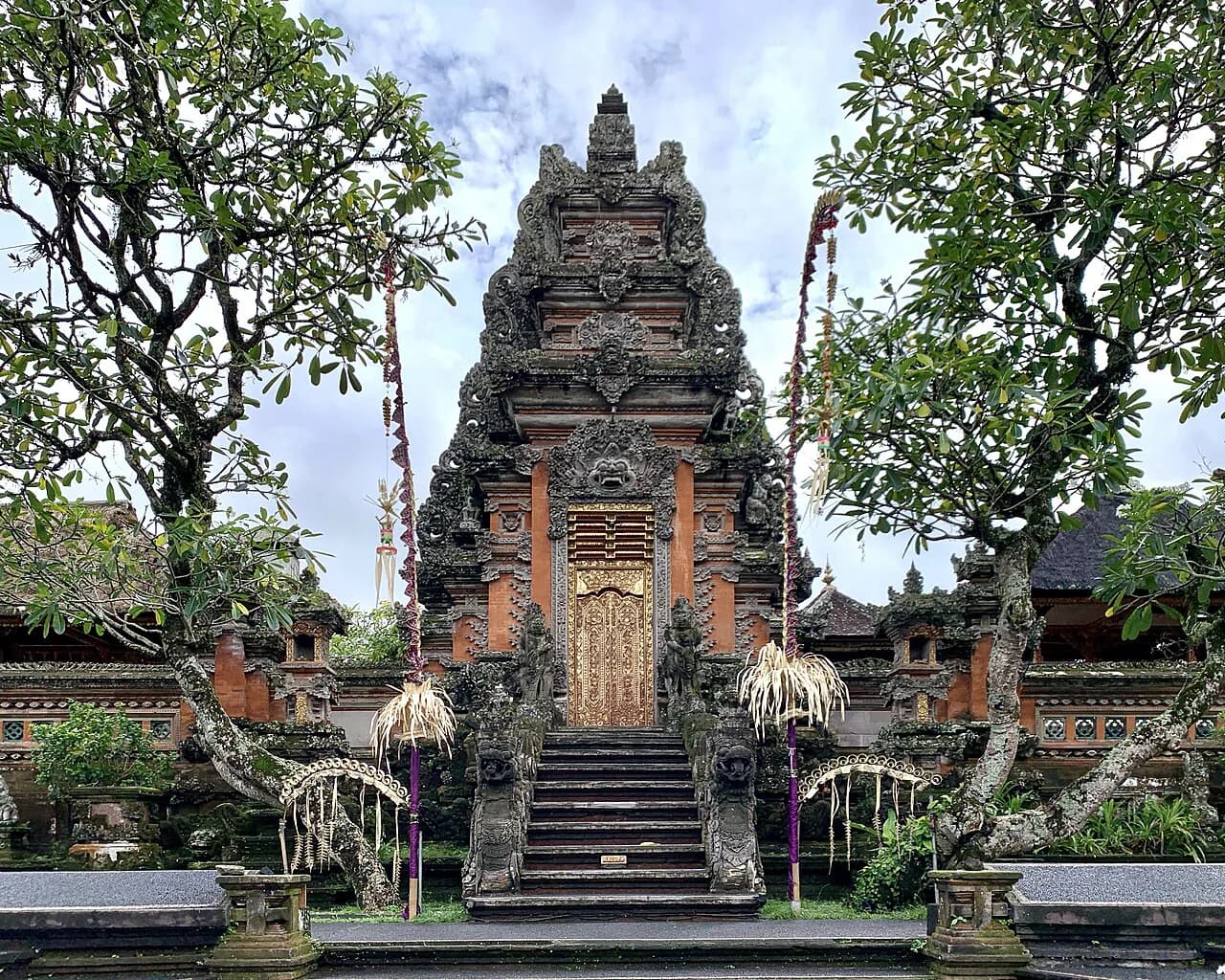
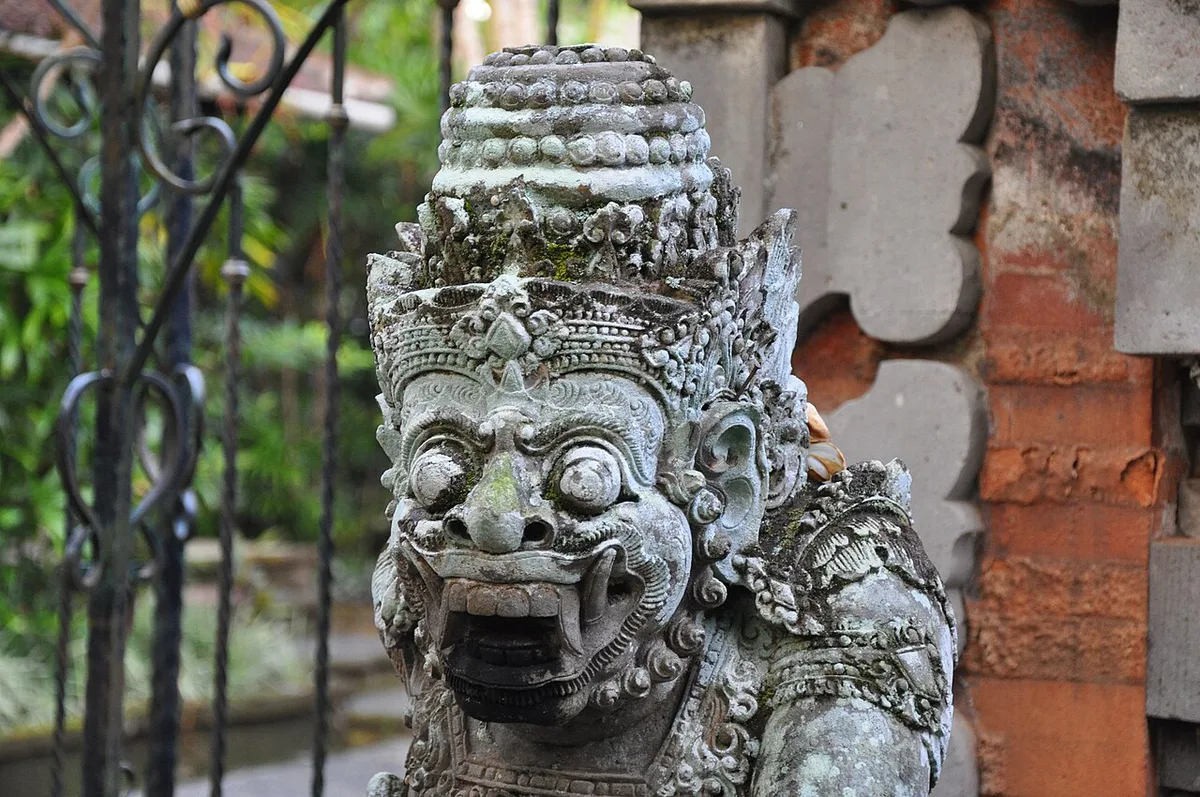
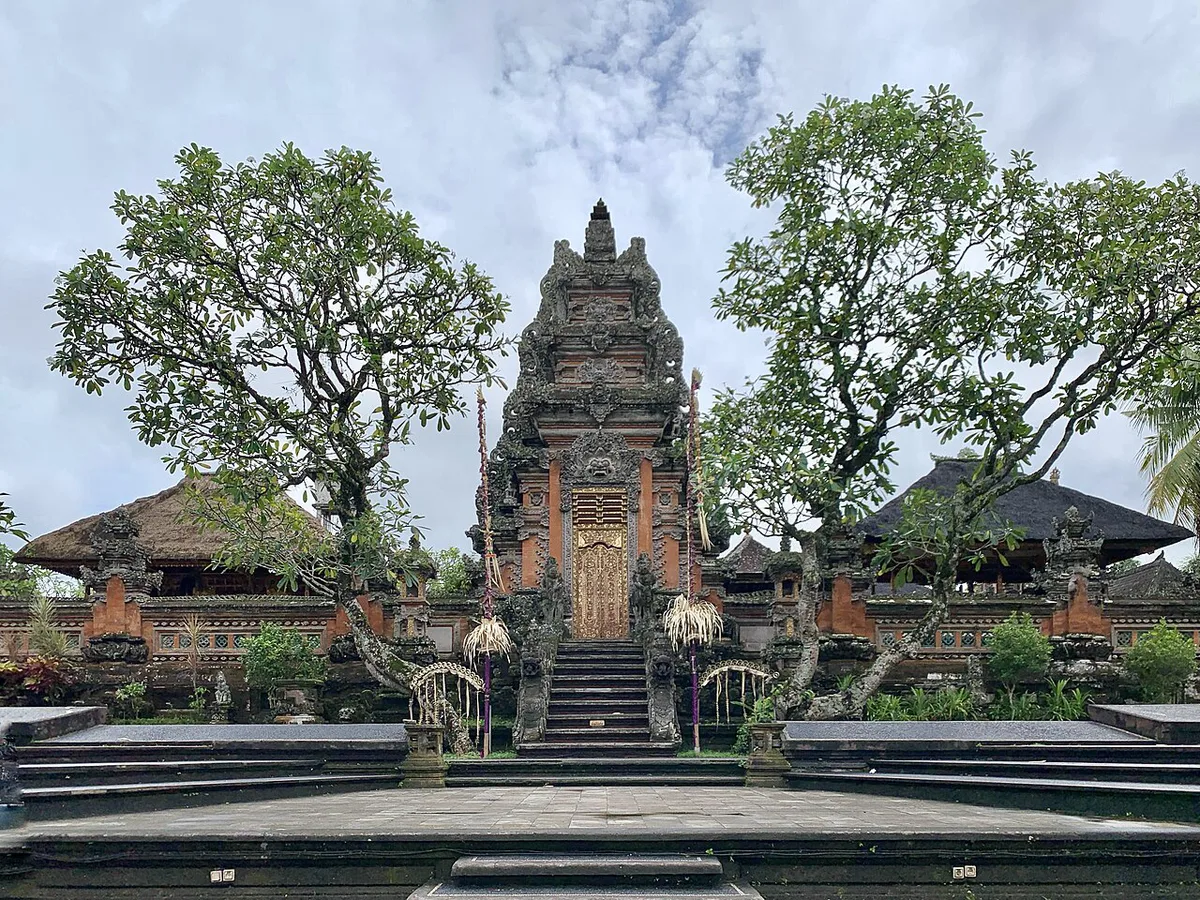
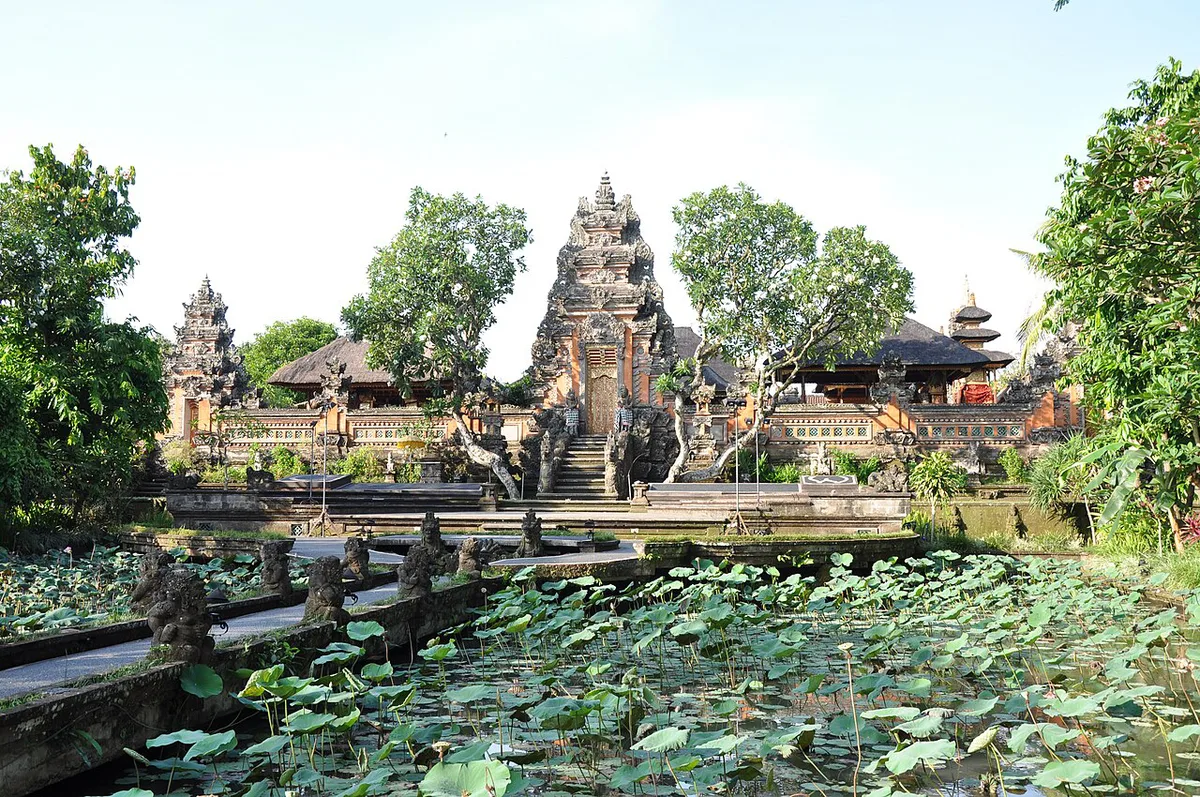
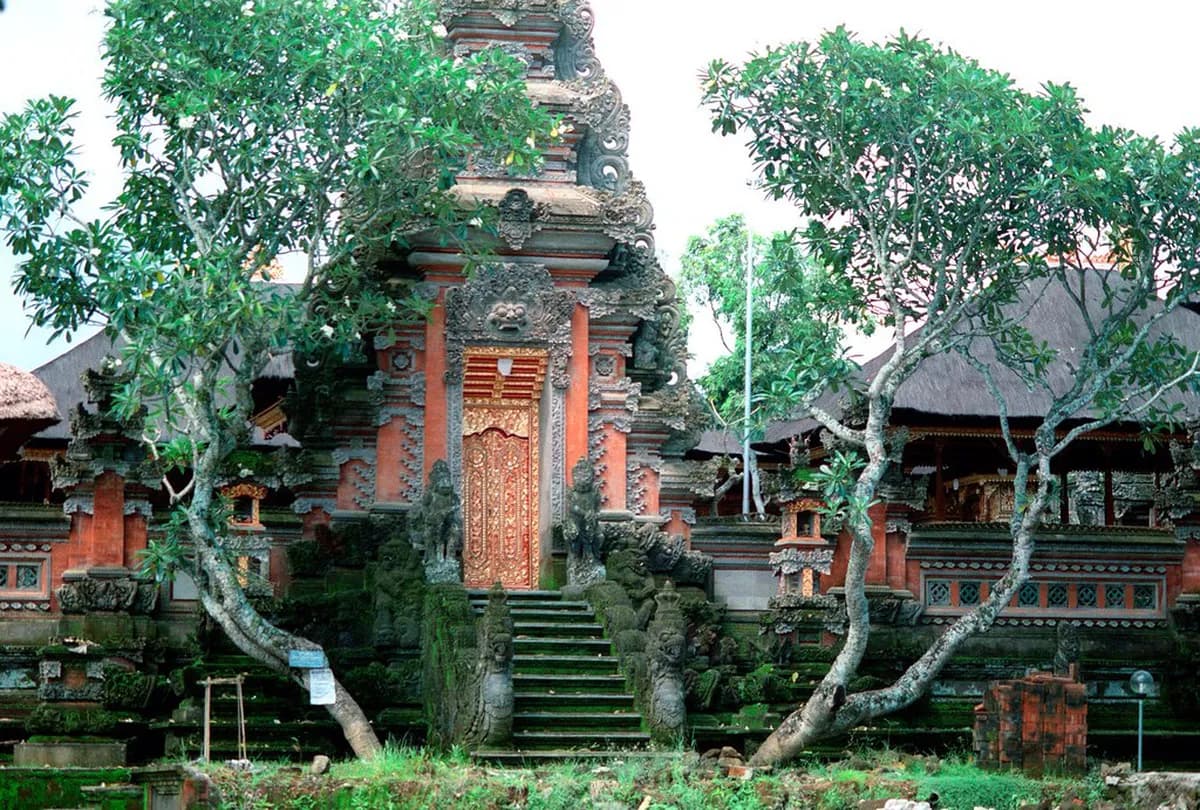
| Ubud Palace courtyard and Pura Taman Saraswati exterior | Free to look; check palace entry | Donation or sarong may be requested | On foot in the center | A ceremony is closing the area |
| Tegalalang Rice Terraces | Paid, about $3 | Transport, 20-minute drive | Scooter or driver | You want zero spend |
| Ubud Monkey Forest | Paid, about $7.50 | Time, about 2 hours | In town | Budget is tight |
Free things to do on foot from central Ubud
Start at Ubud Art Market. The traditional market runs from about 3 AM, and the art stalls trade roughly 10 AM to 5 PM. Those hours are a guideline. Browsing costs nothing, and bargaining is common, so carry small cash. Our guides to Ubud Markets: Art Market, Morning Market & Tips and the Ubud Night Market Guide: Where to Eat After Dark cover evening options. Next, look at Ubud Palace's courtyard and Pura Taman Saraswati from the street. Then walk Jalan Hanoman and continue to the Campuhan area for the ridge trail. Go near sunset, bring water and wear shoes with grip. Skip the ridge at midday, when shade is scarce.
Free-to-enter spots that need transport
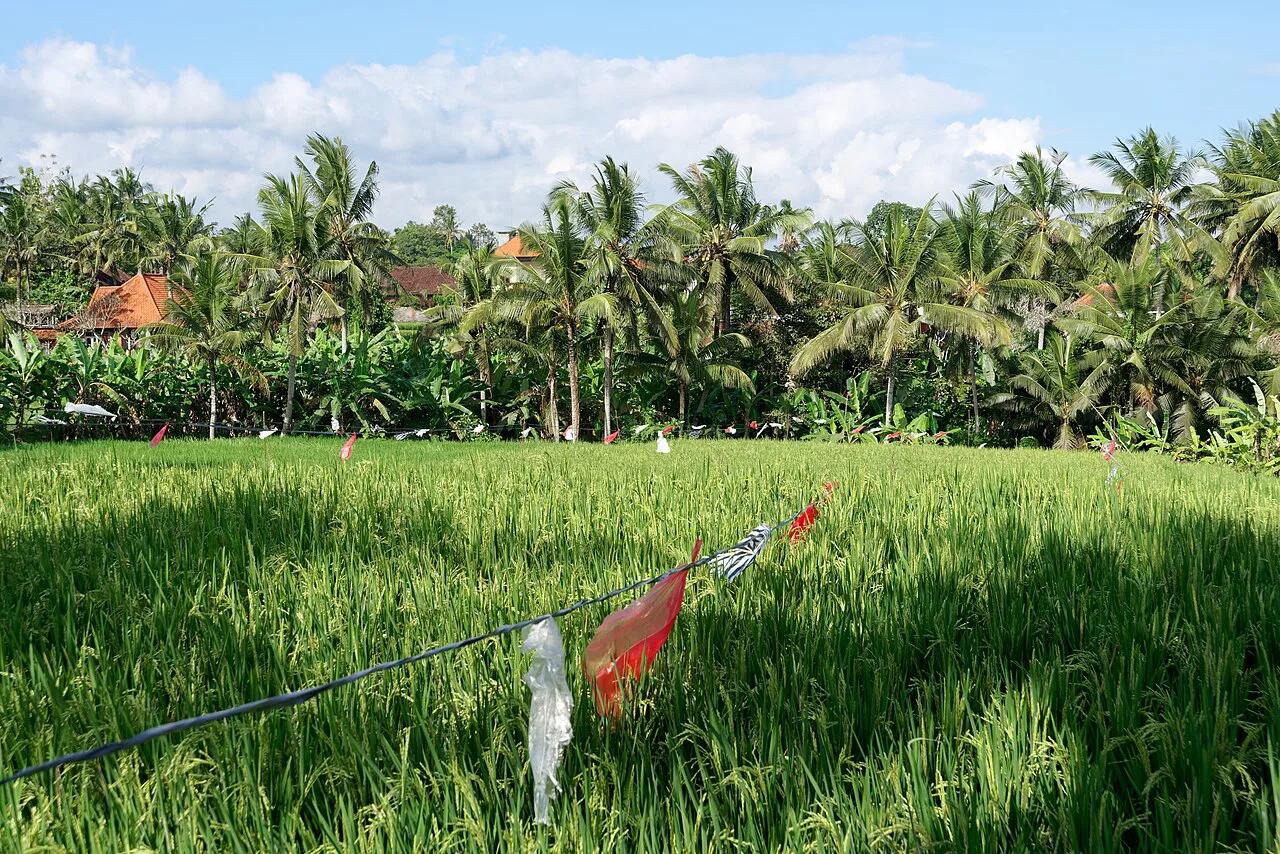
Rice-field walks outside town cost nothing in principle, but reaching them does. A scooter rents for roughly $3 to $7 per day, according to a competitor guide. Read scooter rental advice first, because traffic catches inexperienced riders. A private driver costs more but suits hot or wet days. Walking is free and works for anything in the center. Compare options in Getting Around Ubud: Walk, Scooter, Grab or Driver. Before you commit, check whether a rice-field path crosses private farmland, and stay on marked paths.
Not actually free: skip, swap or budget for
Several famous sights charge entry. Competitor figures put Tegalalang Rice Terraces at about $3, Pura Gunung Kawi at about $3 and Goa Gajah at about $3, with free sarong loans at Goa Gajah. Pura Tirta Empul is about $4.50, and Ubud Water Palace about $3.50. Tegenungan, Kanto Lampo and Tibumana waterfalls run roughly $0.90 to $1.80 each. The Monkey Forest official site is the place to confirm its fee, which a competitor lists near $7.50. Swap these for the ridge walk and market if the budget is tight.
Scooter hire runs roughly $3 to $7 per day, so transport can cost more than the Tegalalang entry at about $3.
Cheap but worth paying for
A few small fees beat the free alternative. Goa Gajah at about $3 offers a free sarong loan and a short stop. Tibumana Waterfall at about $0.90 gives you a swim that no free option matches. Tirta Empul at about $4.50 provides sarongs and a working ritual spring. Art lovers can compare the ARMA Museum and Neka Art Museum pages and our Ubud museums guide. Treat a warung meal as cheap, not free.
Sample free days
For a half day, browse Ubud Art Market in the morning. Walk Jalan Hanoman toward Campuhan around late afternoon and finish the ridge at sunset. A full day adds the Ubud Palace courtyard and Pura Taman Saraswati before lunch. Add a paid stop only if energy allows. Day-trip ideas beyond the free list are in Ubud Day Trips: Best Options & How to Choose.
Stalls trade roughly 10 AM to 5 PM, so a morning half day suits the market better than the 3 AM traditional start.
Etiquette, dress and timing
Wear a sarong and sash at temples, and carry your own if one isn't lent. Donation boxes are common, so keep small notes. Ceremonies can close areas, so never treat sacred spaces as photo backdrops. Our temple guide lists which charge entry. Early mornings are quieter, per a competitor guide. Check the best time to visit and the BMKG weather agency before heading out.
Rain and low-energy backups
Competitor data shows Ubud sees heavy showers in the wet months, roughly November to April. On those days, browse covered market stalls or settle into a museum. More ideas are in things to do when it rains. Slippery steps at waterfalls make them a poor choice after rain. For extra ideas, try quiet corners of Ubud.
Frequently Asked Questions
Is Ubud Palace free to enter?
The courtyard is a common free wander in Ubud's center, but policies vary by area and event. Check at the entrance, since evening dance shows are typically ticketed.
What to be careful of in Ubud?
Watch scooter traffic, slippery waterfall steps and monkeys that Grab loose items. Keep bags zipped and respect temple dress rules.
Notes for your Indonesia trip
Optional updates when we add or change a town or island guide.
You might also like

Continue reading
More guides you'll find useful