Jimbaran Markets: Fish Market, Seafood Dinner & Shopping
Plan a visit to Jimbaran's fish market and beach seafood dinner: when to go, how buying and cooking works, costs to check, and shopping alternatives.
On this page
Last updated November 2026. When people search for Jimbaran markets, they usually mean the Kedonganan fish market, where you pick seafood and carry it to a beach warung to be grilled. Kedonganan sits just north of Jimbaran, so set your map pin there. We explain when to go, how the buy-and-cook routine works, which costs to verify, and where to shop if you want something other than fish.
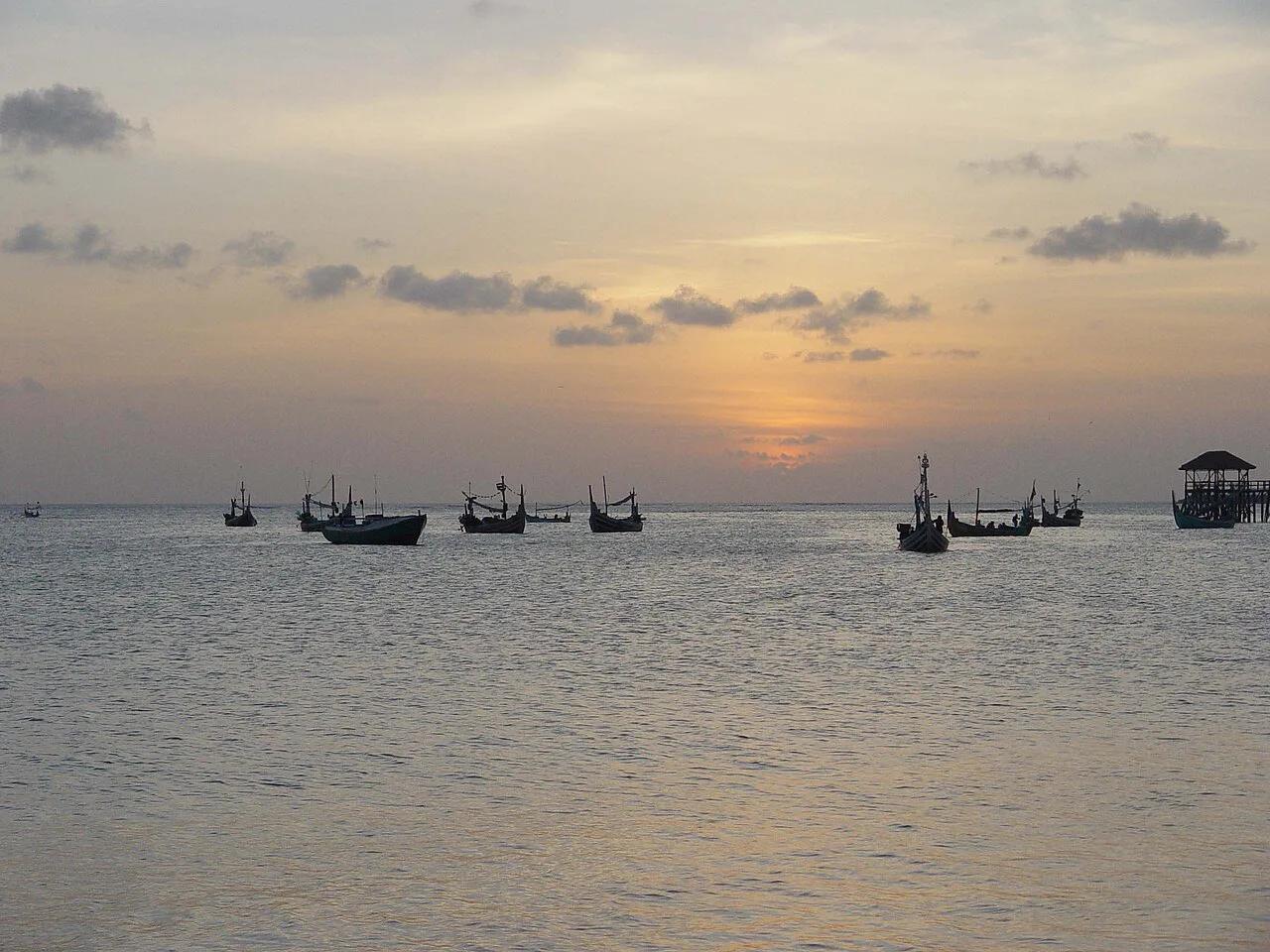
Featured image: Sabung.hamster, CC BY-SA 4.0, via Wikimedia Commons.
Jimbaran Markets at a Glance
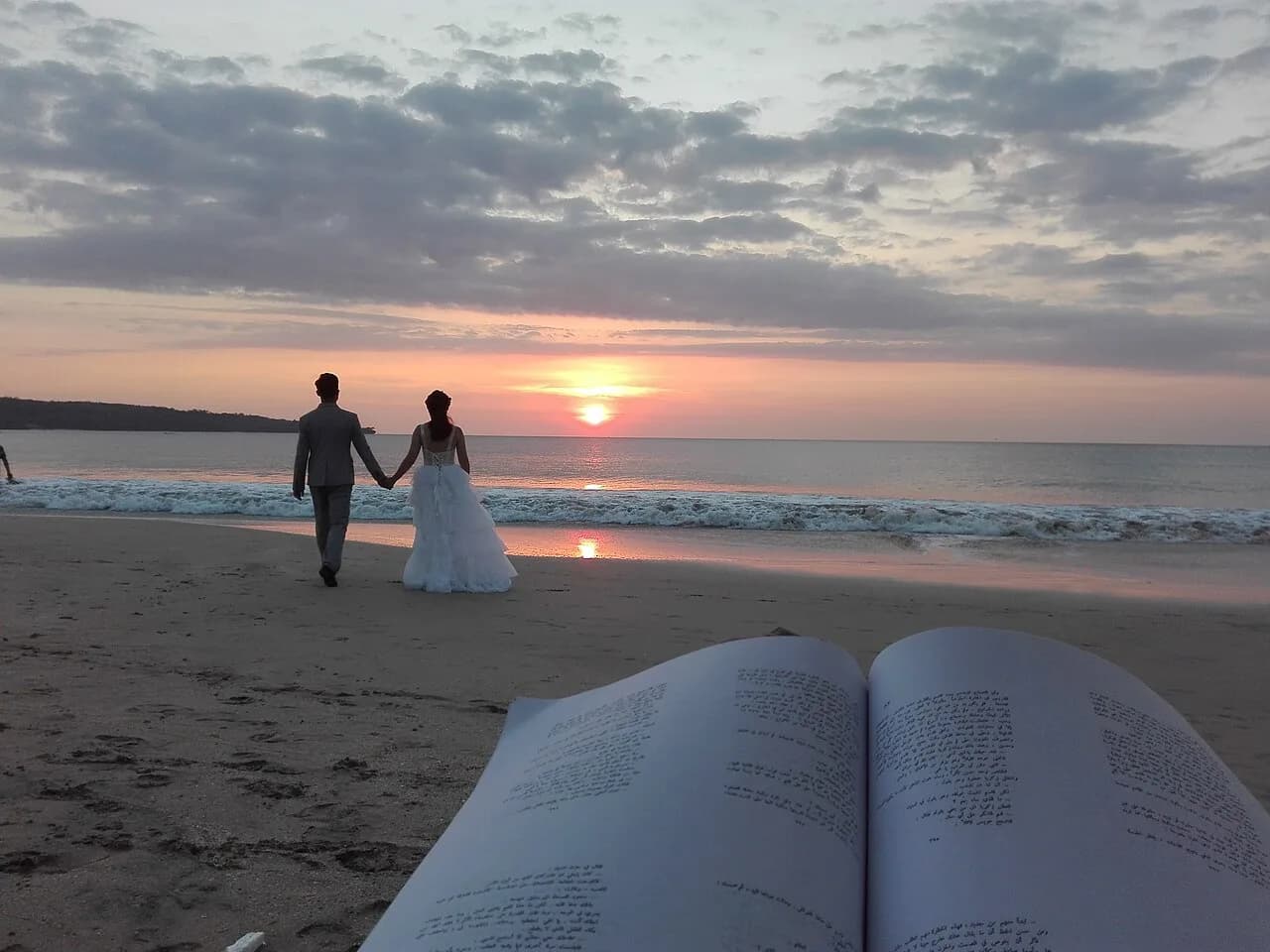
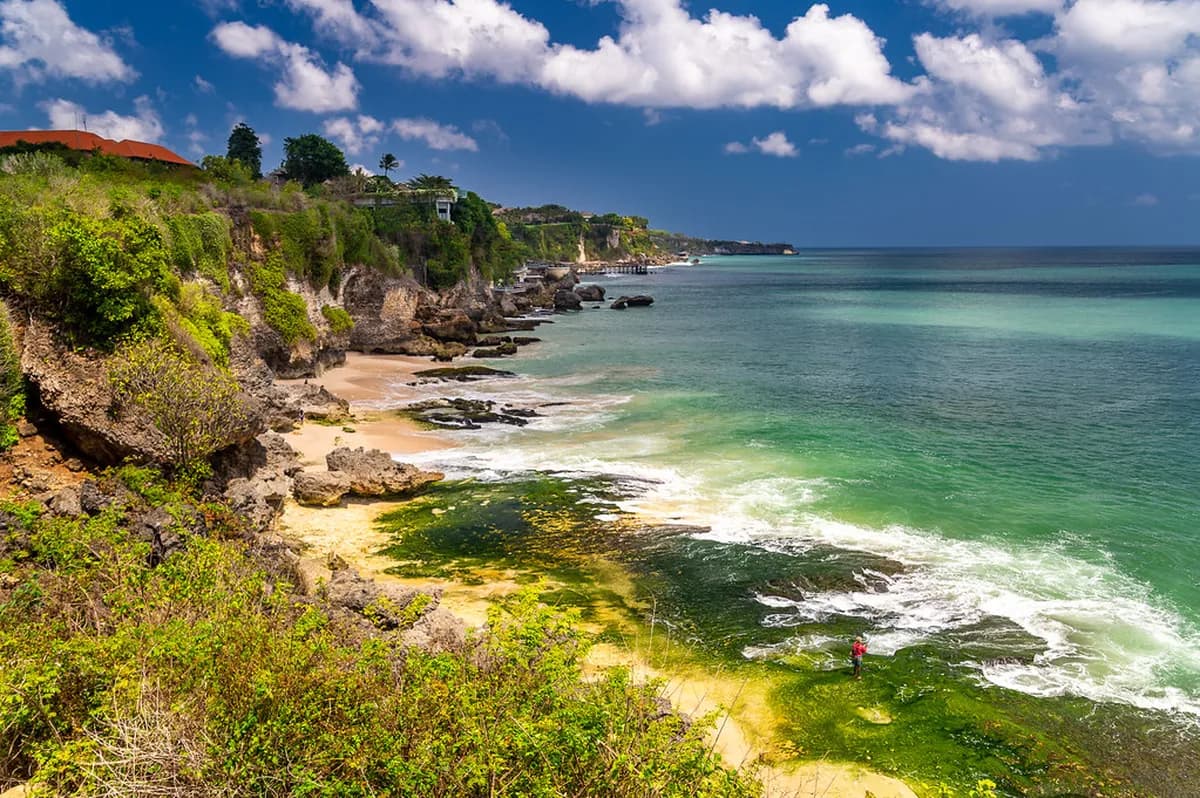
Most visitors who ask about a Jimbaran fish market are looking for Pasar Ikan Kedonganan. One 2025 editorial guide places it in Kedonganan, the neighbourhood north of Jimbaran and just south of the airport. That naming gap matters for your taxi or ride-hail pin, so confirm it on Google Maps before you leave. The same guide gives opening hours of 7 AM to 7 PM daily, but we'd check current hours locally. Jimbaran Beach itself is described as a 4 km stretch of sand where restaurants set tables out at sunset. We found no verified source for a traditional produce market here, so this guide focuses on the fish market and its alternatives. For general shopping, see our guide to Shopping in Jimbaran: Malls, Outlets & Gifts.
| Option | Best for | Effort | Cost style |
|---|---|---|---|
| Fish market plus beach grill | Hands-on seafood fans, groups who can share | Higher: choose, weigh, carry, wait | Pay per kg for seafood plus a per-kg cooking fee |
| Restaurant menu on the sand | Easy sunset dinner, first-timers | Low: sit down and order | Menu prices, check before ordering |
| Shopping or café stop | Daytime, ceramics, coffee, clothing | Low to moderate | Varies by shop |
The Kedonganan Fish Market: What to Expect
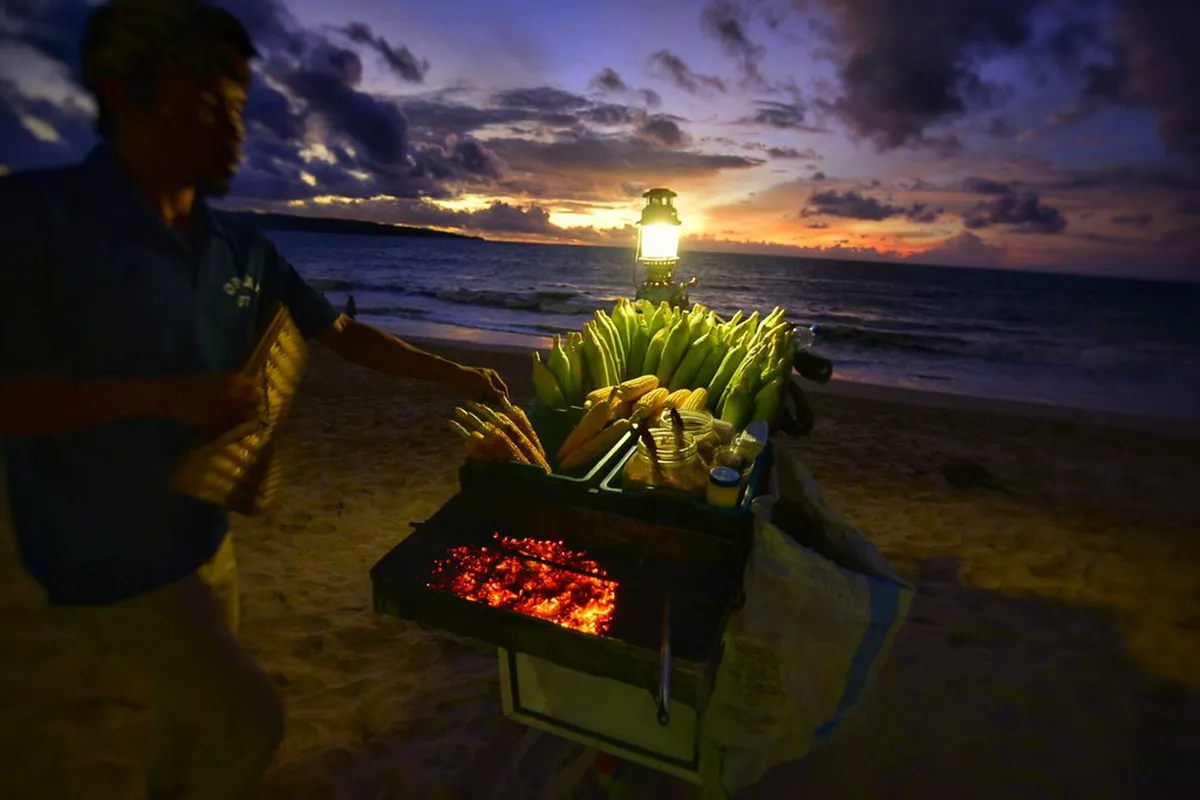
Expect a working wet market, not a polished attraction. One guide describes the building as plain from outside, with a wet and muddy floor inside. Vendors sell fish, shrimp, octopus, lobster and clams. Popular picks include red snapper (ikan kakap Merah), white snapper (ikan kakap Putih), mahi mahi (ikan lemadang), tuna, crab and oysters (tiram). Boats reportedly land outside the market around 5:00–5:30 AM, and fish is kept on ice through the day. Our advice is to wear closed shoes you don't mind washing. If fish smell bothers you, buy at the entrance stalls and skip the deepest aisles. Families with small children or anyone with limited mobility should think twice, because the floor is slippery and the space is crowded.
When to Go: Morning vs Sunset
Your timing depends on what you plan to do with the fish. Morning shows you the landing and the local rhythm. Late afternoon fits the classic beach dinner. The guide we reviewed argues that unless you have a kitchenette in your villa, going later makes more sense. Its reasoning is that morning-bought fish has nowhere to be cooked until the warungs open. Our pick for a first visit is arriving in the late afternoon, early enough to finish buying before the sun drops. Check Jimbaran Weather: Seasons, Best Time & Rain Plans for the season, and look at the BMKG forecast on the day for rain risk.
| Time | Why go | Trade-off |
|---|---|---|
| Around 5:00–5:30 AM | Boats landing, local atmosphere, photography | Early start, and you need a kitchen to cook the fish |
| 7 AM–7 PM (reported hours) | Market stalls open, wide selection | Midday heat, fish smell |
| Late afternoon before sunset | Buy, cook and eat on the sand | Busy tables, longer waits |
How the Buy-and-Cook System Works
The routine is simple once you have seen it. Our steps follow the one editorial guide that describes it. Use these steps and ask the questions below before you commit.
- Walk the stalls and compare prices at several vendors before buying.
- Choose your seafood and watch it weighed on the scale.
- Pay the vendor in cash, as the guide says payment at the market is cash only.
- Carry the bag to a warung on the street leading up to the market.
- Hand it over to be weighed again, and pick a sambal if more than one is offered.
- Agree the per-kg cooking fee, then order rice (nasi) and vegetables (sayur).
- Choose a table on the sand and wait for your food.
- Ask for less or more spice and garlic when you hand the seafood over.
What It Costs
Treat every figure here as dated and unverified. The 2025 guide lists these per-kg prices, and it says bargaining rarely gets more than 5–10% off. It also notes that visitors may be quoted higher prices than locals. The same guide puts the cooking fee at Rp15,000 per kg, and says it was the same at every warung. Its author bought an 800 g red snapper plus 1/4 kg each of shrimp and baby octopus for two people. Prices in 2026 may differ, so ask the vendor before you pick anything up. To judge value, add the seafood cost, the cooking fee and sides, then compare that with a menu price for similar fish at a beachfront restaurant. We can't give a verified total for either route. Compare at least three stalls and confirm the weight on the scale.
Rp15,000 per kg is the cooking fee on top of your seafood. Payment is cash only, so carry enough rupiah for both.
| Seafood (per kg, 2025 guide) | Reported range |
|---|---|
| Red snapper | Rp90,000–130,000 |
| White snapper | Rp75,000–110,000 |
| Mahi mahi | Rp50,000–60,000 |
| Tuna | Rp35,000–50,000 |
| Shrimp | Rp100,000–200,000 |
| Crab | Rp150,000–180,000 |
| Octopus | Rp75,000–90,000 |
| Lobster | Rp400,000–500,000 |
Beach Warungs and Restaurant Alternatives
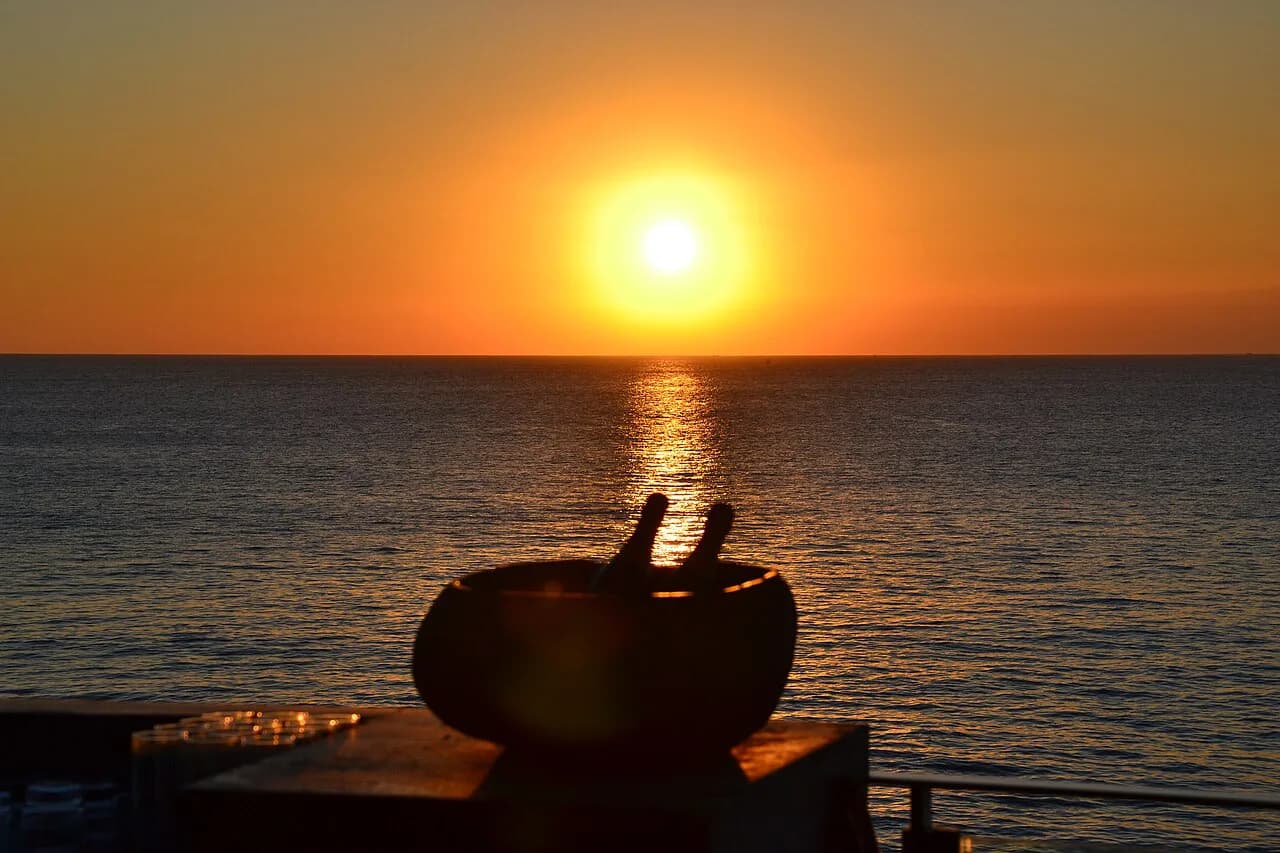
The warungs near the market all look similar from the street, and staff call out to passers-by. The 2025 guide says the cooking fee is the same everywhere, so reviews and table position become the main differences. It singles out Bali Sea Beach House for strong Google Maps reviews, but we haven't verified that it is still operating, so check before you go. Wait times vary. The guide's author got food in about 30 minutes, though it mentions reviews reporting up to 3 hours on busy nights. Treat that as anecdote, arrive before sunset, and keep a Plan B. If you prefer a menu, Menega Cafe and Made Bagus Cafe are listed on Muaya Beach, and Nelayan Restaurant is listed in Jimbaran Bay. Verify current status first. For more choices, see our guide to the 5 Best Restaurants in Jimbaran: Seafood & More (2026). Some beach time before dinner fits well with the Jimbaran Beaches: Where to Swim, Eat Seafood & Watch Sunset guide.
Reviews report waits of up to 3 hours on busy nights, so a late afternoon arrival before sunset leaves room for a backup plan.
Shopping and Daytime Alternatives
If you want shops rather than fish, a few Jimbaran places show up on an aggregator list. Samasta Lifestyle Village is listed as an open-air mall at Jl. Wanagiri No.1. Jenggala Flagship Store, at Jl. Uluwatu II, is listed for ceramics and pottery painting classes. Paul Ropp is listed at Uluwatu St No.80 for hand-dyed clothing. Golden Kirrin is a coffee shop and factory near Udayana University. Jimbaran Corner is marked permanently closed on that list, so skip it. Discovery Mall and Mal Bali Galeria are in the Kuta area, and Rock Bar is a clifftop bar run by Ayana Resort. None of them is a Jimbaran market. Check each venue's hours before you go. For more detail, read our Jimbaran shopping guide.
Getting There and Getting Back
We found no verified drive time from the airport or from Jimbaran hotels, so check your map app. Kedonganan lies just south of the airport, which makes it a handy first or last stop on a travel day. Use a ride-hail or taxi pin set to Pasar Ikan Kedonganan, not Jimbaran Beach. Ask your driver where to be dropped, and arrange pickup before you sit down, since returning after dark can take a while. The guide says payment is cash only, so bring enough rupiah. If you're choosing a base, read Where to Stay in Jimbaran: 8 Best Resorts & Villas (2026). For official visitor information, start at the Bali Tourism Board.
Mistakes to Avoid
Most problems come from rushing or skipping checks. These are the ones we'd guard against, based on the guide and the review comments in the brief. We treat quality and overcharging claims in comments as unverified, so the best defence is to compare, weigh and agree prices up front.
- Skipping the scale: watch the weighing at the stall and again at the warung.
- Arriving too late: tables near the water fill up before sunset.
- Buying too much: for two people, the guide's author bought roughly 800 g of fish plus 1/4 kg each of two other items.
- Wearing the wrong shoes: the market floor is wet and muddy.
- Assuming card payment: carry cash, and ask each warung before you order.
- Not agreeing the cooking fee: confirm the per-kg fee before handing over your bag.
Making a Full Evening Around the Market
A simple plan works for a first evening. Reach Kedonganan in the late afternoon, buy your seafood, and get it cooked before the sun sets. After dinner, Jimbaran Bars: Sunset Rooftops, Clifftop Lounges & Beach Drinks and nightlife options are the natural next steps. For daytime ideas around the bay, return to our 8 Best Things to Do in Jimbaran: Beaches, Cliffs, Culture hub.
Frequently Asked Questions
Is Jimbaran worth it?
For seafood and sunsets, yes. Jimbaran Beach is described as a 4 km stretch where restaurants set tables on the sand at dusk. If you only have a short stay, our guide on whether Jimbaran is worth visiting helps you decide.
Notes for your Indonesia trip
Optional updates when we add or change a town or island guide.
You might also like
Continue reading
More guides you'll find useful