Bali Seafood Guide: Jimbaran Market vs Beach Dinner
Choose between Jimbaran's fish market grill and a beachfront seafood dinner. Costs, timing, safety, getting there, and who should skip each.
On this page
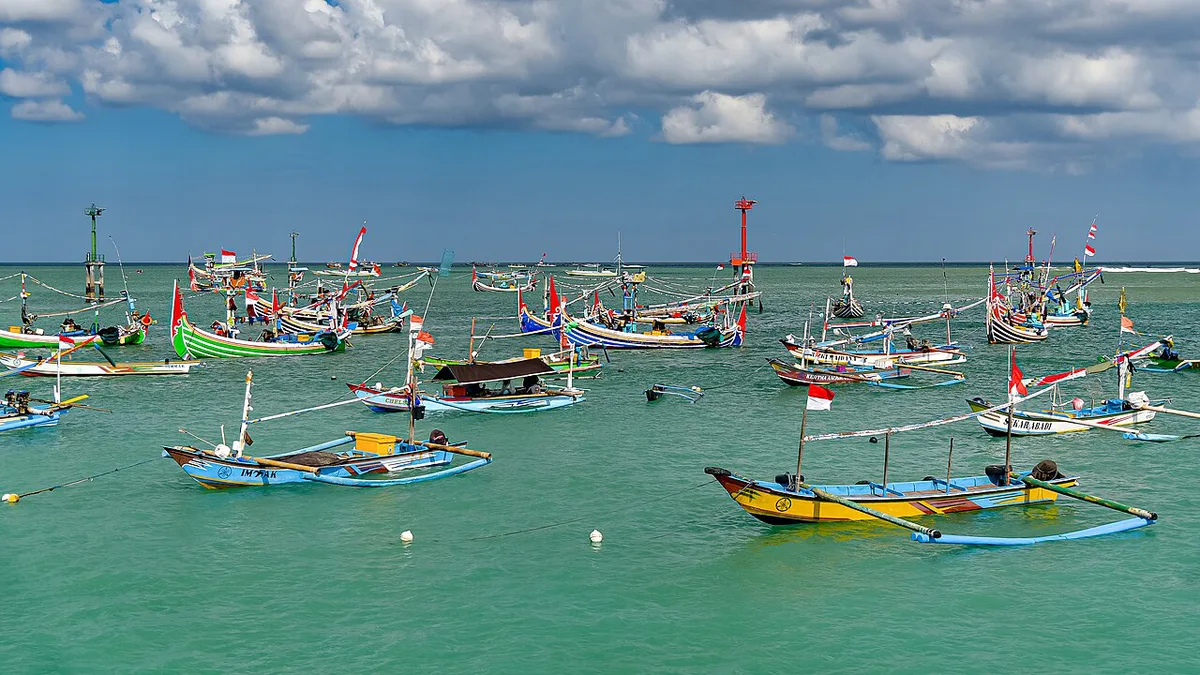
Last updated November 2026. Bali seafood means Jimbaran Bay for most visitors, and there are two ways to do it. You can buy fish at Kedonganan market and pay a warung to grill it, or you can order at a beachfront restaurant. Cost and control sit on one side, and comfort and sunset seating sit on the other.
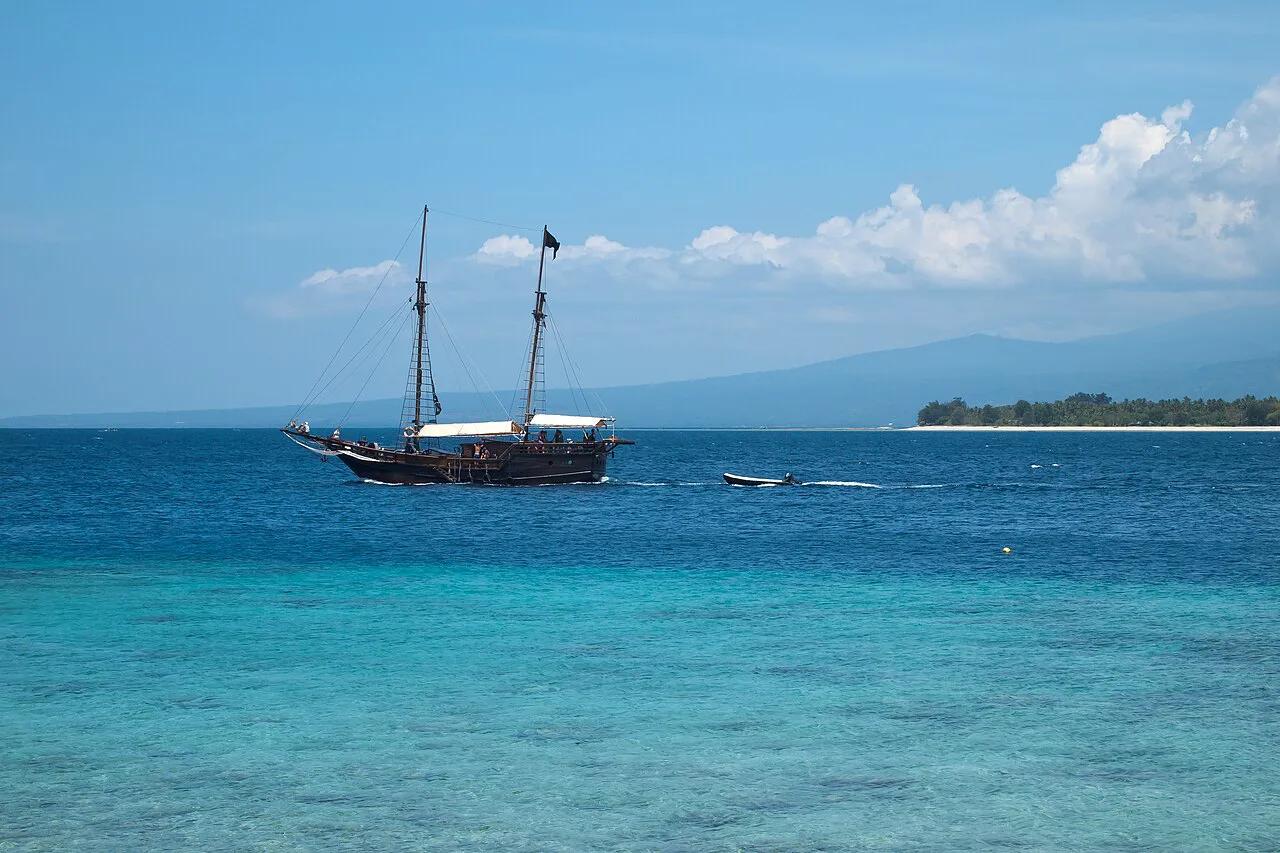
Featured image: Jorge Franganillo, CC BY 2.0, via Wikimedia Commons.
Quick Answer: Where to Eat Seafood in Bali
Jimbaran Bay is Bali's classic seafood dinner. Kedonganan fish market sits at its northern end, and beach restaurants line the sand nearby. Market buyers choose their own fish and pay a small cooking fee. Restaurant diners order from a menu and get a table on the sand. Pick by situation:
- Want the lowest bill and full control: buy at the market and have it grilled.
- Want sunset seating and no raw fish: book a beachfront restaurant.
- Need a pre-flight meal: Kelan Beach is the airport end of the bay.
- Eating with non-seafood fans: read our wider Bali restaurant guide for other dinners.
Jimbaran Fish Market vs Beachfront Restaurant
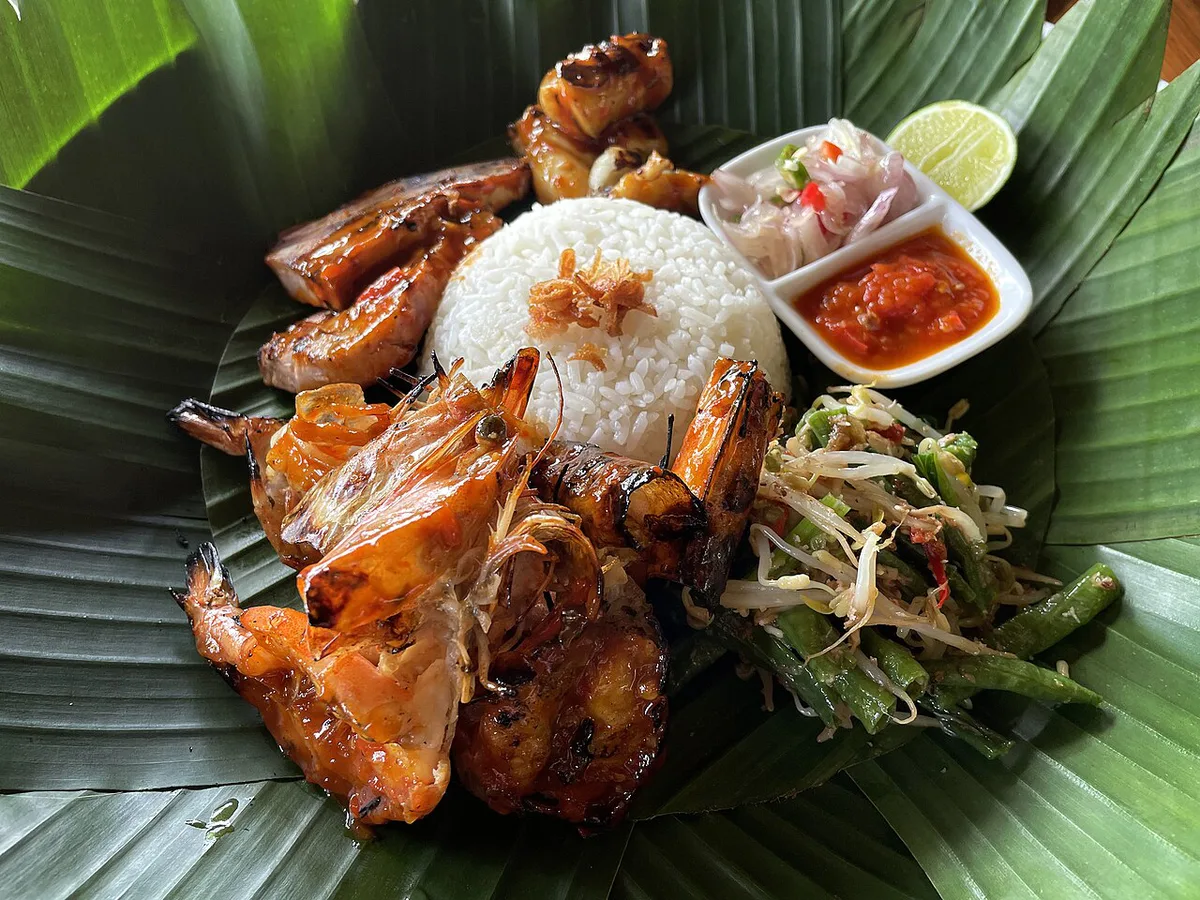
Both formats serve grilled fish with rice and sambal. Prices below are competitor-reported ballparks, so treat them as approximate and check on the day. Choose the market for price control. Choose the restaurant for comfort, a roof in the rain and no haggling.
| Factor | Market buy plus warung grill | Beachfront restaurant |
|---|---|---|
| Cost control | You pick the weight and species; grilling is about IDR 20K–30K per kg | Printed menu prices plus 6% service and 10% tax at Bawang Merah (venue claim) |
| Comfort | Plastic stools, no air-con, heat and smoke | Open-air tables on sand; some have roofed terraces |
| Sunset seating | Better at beach grills a few minutes down the street | Core selling point |
| Kids and groups | Busy, wet floors, hard for strollers | Bawang Merah says kids are welcome and groups of 15+ should book |
| Skip if | You dislike raw fish, flies or smoke | You want to haggle or pick fish by hand |
How the Fish Market Grill Works
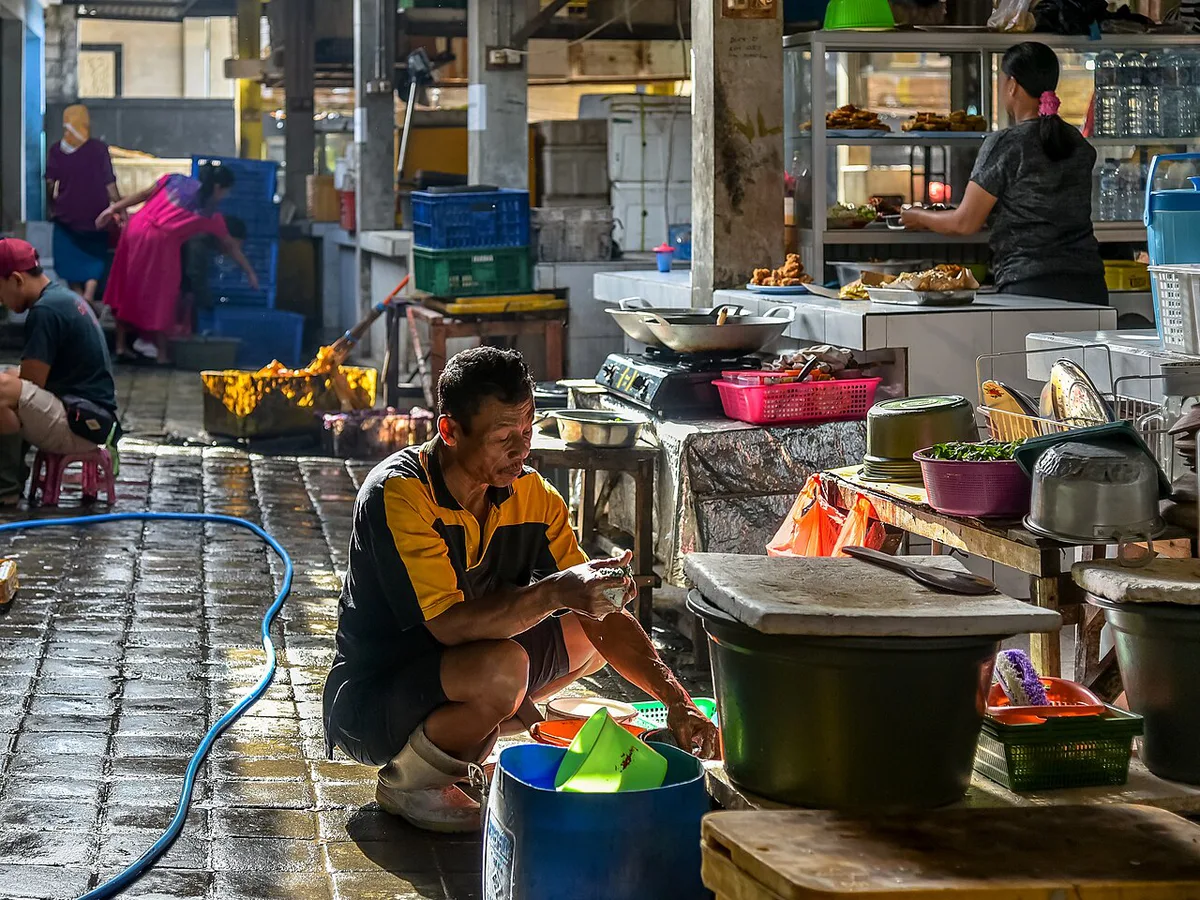
Start at the stalls on Jl. Pantai Kedonganan. Pick your fish, ask the price per kg first, and have it weighed. Vendors pack it in a bag or bucket. Carry it to a nearby warung and pay to have it cooked your way. Grilled, fried, butter garlic and sweet soy are all common. Cooking runs about IDR 20K–30K per kg, and rice and sambal usually come with it. Sit down without seafood in hand and you will get confused looks. For more on this style of eating, see our guide to local warung meals. Walk 2–3 minutes toward the beach for breezier grill spots with the same fee.
Jimbaran Fish Market Prices and What a Dinner Really Costs
Competitor reports give per-kg ballparks that swing daily with weather and catch. Red snapper runs about IDR 90K–140K, tuna IDR 80K–120K, prawns IDR 120K–200K, and squid IDR 60K–100K. Lobster is the outlier at IDR 300K–600K. Verify on the day. Here is a worked example for two people, approximate and based on those ranges. One kg of red snapper plus IDR 20K–30K grilling gives IDR 110K–170K. Add 0.5 kg of prawns at IDR 60K–100K, plus IDR 10K–15K grilling. Total food: roughly IDR 180K–285K before drinks and parking. Parking is reported at IDR 2,000 for scooters and IDR 5,000 for cars. Bring small notes, because vendors do not take cards. Compare that with a restaurant package, where Bawang Merah says printed prices carry 6% service and 10% tax.
- Opening bid tip: competitors suggest offering about 70–80% of the first price.
- Walk a few stalls before committing; prices are reportedly similar across the market.
- Entry is reported as free.
Best Time to Go
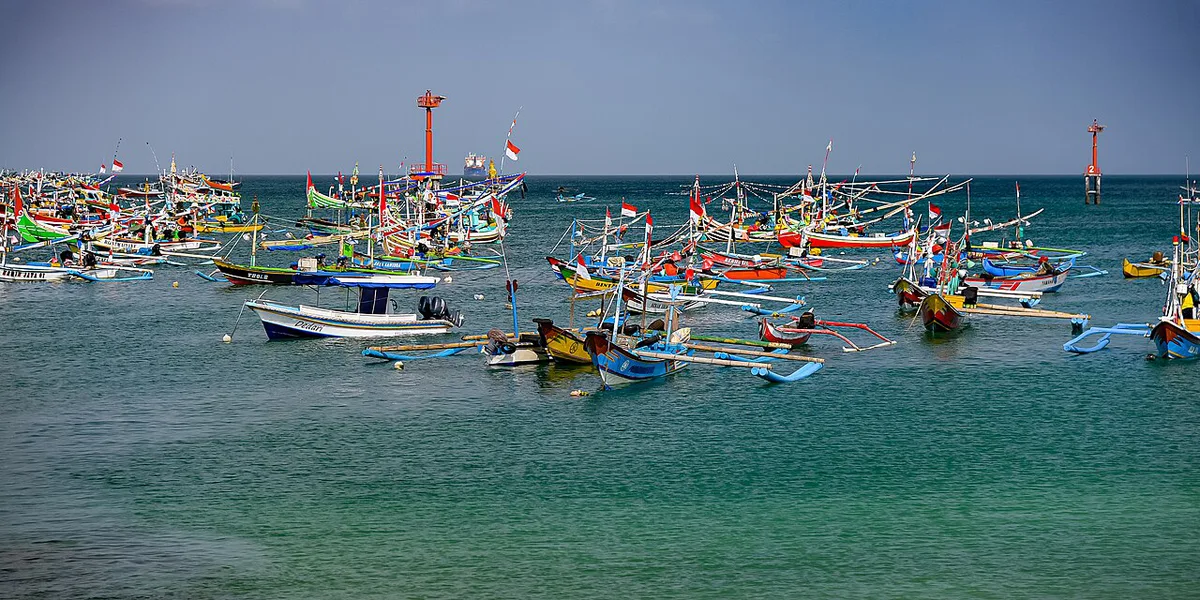
Reports conflict on hours. One source says daily 7:00 AM–9:00 PM. Another says 7:00 AM–7:00 PM Monday to Friday and until 9:00 PM on weekends. Confirm on Google Maps before you go. Lunch, around 11:00 AM–2:00 PM, is quieter, and reported prices are more flexible. Late afternoon from 4:00 PM is lively, with grill stalls running non-stop. Sunset timing drives the restaurant decision. Bawang Merah quotes about 18:15 for November only, so check the season. Boats reportedly land between 4:00 and 6:00 AM, which is why some reviewers say the morning catch looks best.
Midday beats the heat: market warungs get hot after 5 PM, so aim for the 11:00 AM–2:00 PM window.
Getting There From Seminyak, Canggu, Ubud, Uluwatu and the Airport
Kedonganan lies just north of the main Jimbaran beach, about 15 minutes from Ngurah Rai Airport. Bawang Merah gives 10–15 minutes by road from the airport to Kelan Beach. Drive times below are competitor estimates. Treat them as typical and traffic-dependent. Evening traffic toward the beach and airport can be heavy.
- Kuta and Legian: 25–30 minutes
- Nusa Dua: 25–35 minutes
- Uluwatu: 30–40 minutes
- Seminyak: 35–45 minutes
- Sanur: 40–50 minutes
- Canggu: 60–75 minutes
- Ubud: 75–90 minutes
Is It Clean? Bali Belly and How to Choose Fresh Seafood
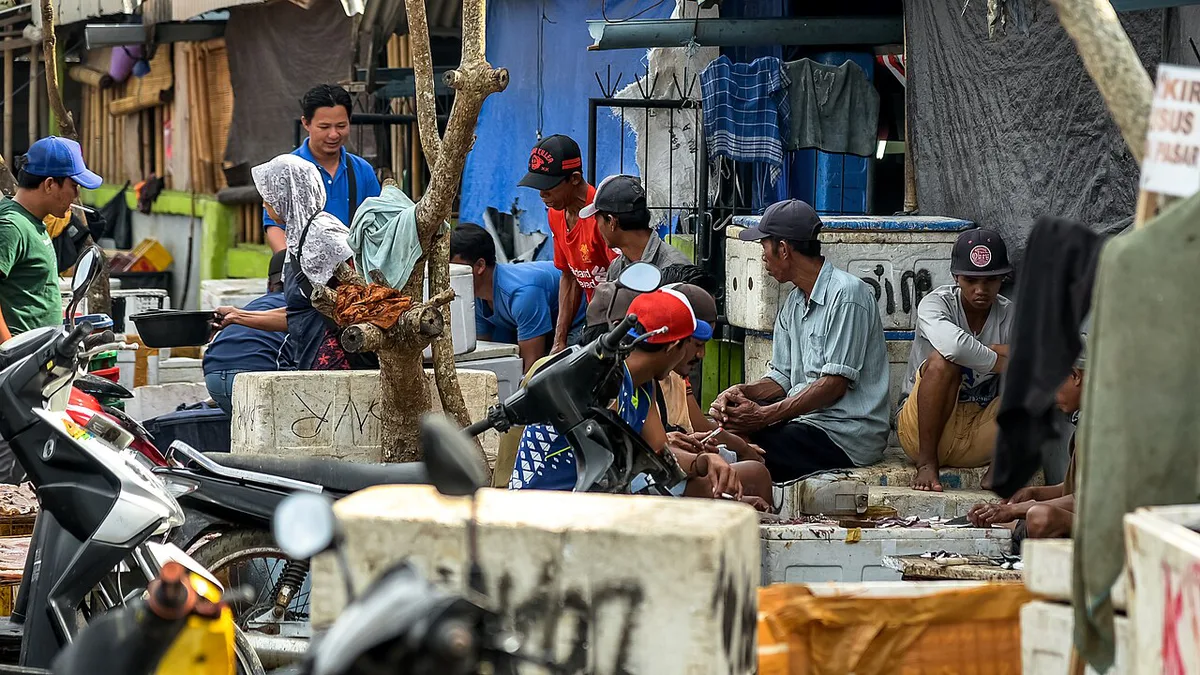
Expect a wet, noisy working market with flies. Good signs matter more than looks. Fish should smell of the sea, sit on ice that vendors keep replacing, and look glossy rather than dull. Competitors report that some stalls sell thawed stock by afternoon, so ask if it is wild-caught and fresh. Eat food cooked hot and all the way through. Skip raw dishes if your stomach is sensitive. Wash your hands after handling cash and bags. Individual risk varies, and this is not medical advice. Check your national travel-health agency for current guidance.
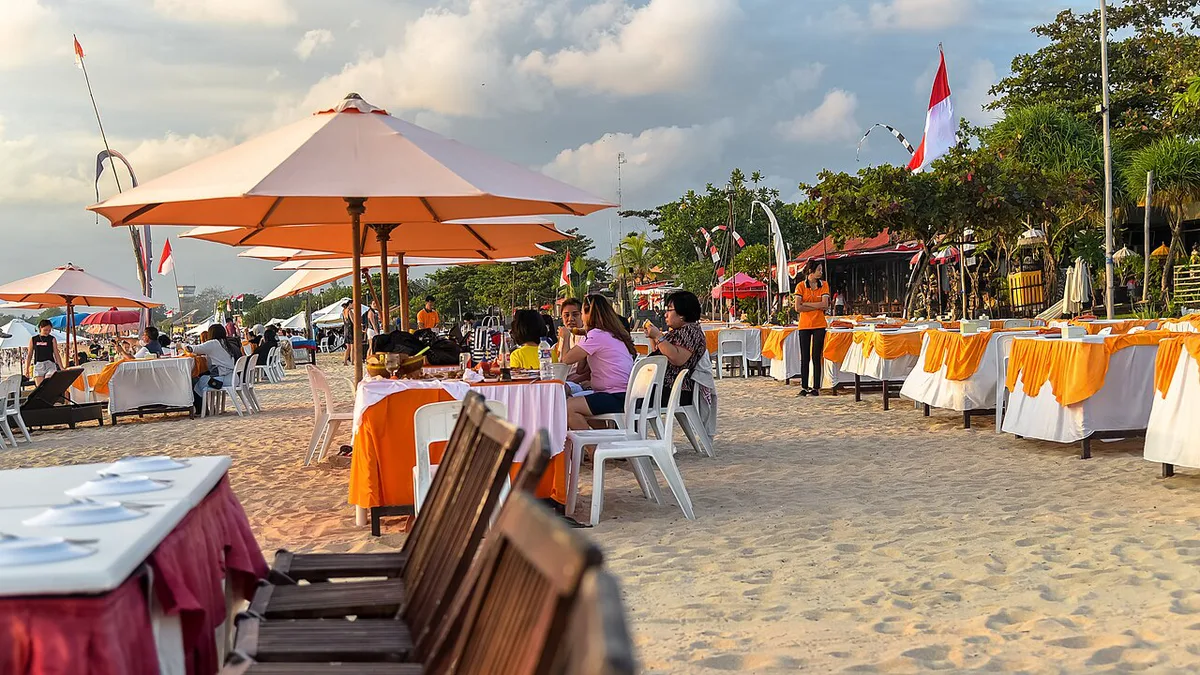
Jimbaran Beachfront Restaurants
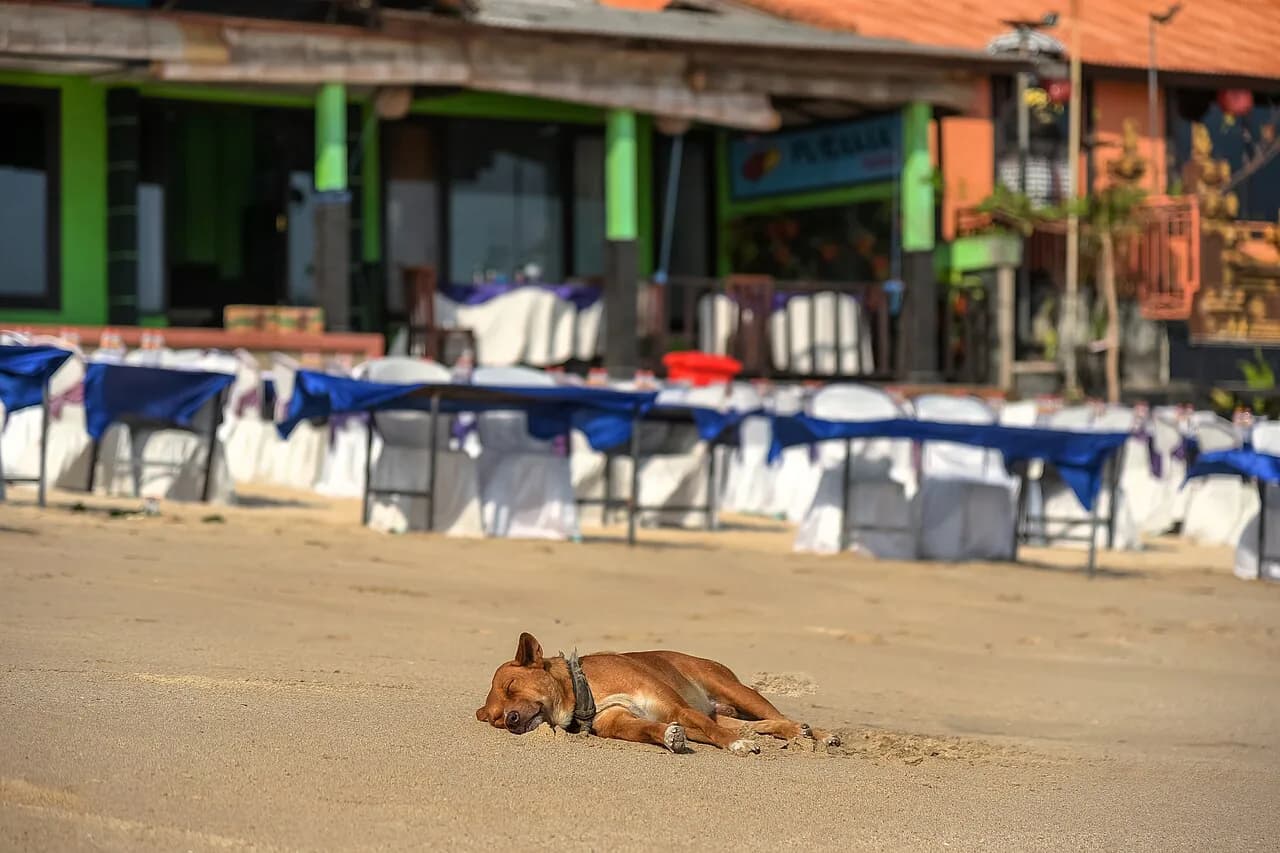
Along Jl. Pantai Kedonganan, competitors describe open-air spots with sand tables and near-identical menus. Names they list include Tepi Pantai, Baruna Bali Resto and Kampoeng Seafood. Confirm each is open before you go. Pick by seating, not food. Ask whether prices are printed, whether tax and service are added, and how fish is weighed. Bawang Merah, on Kelan Beach, is one example. Its own site claims 12:00–22:00 hours, free parking, a roofed terrace for rain, and walk-ins welcome. It also says groups of 15 or more should book. It lists a no-pork, no-lard commitment, which you should confirm directly. For a pork-focused local meal, see babi guling roast pork.
Mistakes to Avoid
Most problems come from rushing. Slow down at the scale and the price tag.
Stalls take no cards, so carry IDR 10K and 100K in notes, and keep IDR 2,000 aside for scooter parking.
- Skipping the weigh-in: watch the scale and consider asking for a recheck.
- Agreeing without a price: ask per kg before anything goes in a bag.
- Going at peak heat or smoke: market warungs get hot after 5 PM.
- Wearing flip-flops: floors are wet and slippery, so closed shoes help.
- Arriving without cash: bring notes between IDR 10K and 100K.
Who Should Skip This
Skip the market if raw fish, blood and flies bother you, if you need air-conditioning, or if smoke and heat bother you. A restaurant solves most of that. Mixed groups with non-seafood eaters can find vegan meals in Bali elsewhere. If you want to cook what you buy, check whether a Balinese cooking class covers seafood first.
Frequently Asked Questions
What is the best beach restaurant in Jimbaran Bay?
No single winner emerges from the evidence. Competitors describe the beach strip as near-identical in setup, so choose by seating, printed prices and sunset position. Bawang Merah on Kelan Beach is one venue that publishes its terms.
What should I not eat in Bali to avoid Bali belly?
Skip raw seafood and anything that has sat out warm. Choose fish cooked hot and all the way through. Risk varies by person, so check a national travel-health agency.
Notes for your Indonesia trip
Optional updates when we add or change a town or island guide.
You might also like


Continue reading
More guides you'll find useful