Bali Cooking Class Guide: How to Choose the Right One
Compare Bali cooking classes by location, format and budget. See what to ask before booking, who each suits, and mistakes to avoid.
On this page
Last updated November 2026: a Bali cooking class works best when you match the format to your base and your appetite for early starts. First-timers usually do well with a small group class in Ubud that includes a market visit, but confirm every detail with the operator. This guide compares formats, locations and booking checks so you can choose with confidence.
Types of Bali Cooking Classes Compared
Most classes fall into a handful of formats. Search results lean heavily toward Ubud, and nearly all pitch a market visit, a local host and an "authentic" experience. Treat those pitches as a starting point, not a differentiator. Compare group size, pickup, hands-on time and dietary flexibility instead. Details differ by operator, so verify each point on the booking page.
| Format | Best for | Trade-offs | Booking notes |
|---|---|---|---|
| Market-tour class | First-timers who want to see ingredients being bought | Early start, so it clashes with late nights | Confirm the market visit is included, not an add-on |
| Farm or garden setting | Couples and travelers who want a slower, outdoor session | Usually further from the main roads | Ask about pickup radius and weather plans |
| Private home kitchen | Families, solo travelers, anyone with allergies | Often costs more per person than a group | Ask about language and menu flexibility |
| Resort or hotel class | Travelers who dislike transfers | May feel more like a demo than a cook-along | Check whether non-guests can join |
| Multi-day course | Serious learners who want more than a day | Hard to fit around a short itinerary | Verify the curriculum directly with the school |
Where to Take a Bali Cooking Class: Ubud or South Bali
Ubud is the default choice. Operators there pair a morning market with a kitchen session, and the town is full of options. Paon Bali Cooking Class and Casa Luna Cooking School are two Ubud names to check first. Confirm current schedules and inclusions on their own pages before you plan around them.
South Bali is the alternative if you are staying in Seminyak, Canggu, Sanur or Jimbaran. You skip a long transfer, and the class fits more easily around beach time. The trade-off is that the choice of setting may be narrower, so check what each school actually offers. Ask each operator for a pickup zone and the real travel time from your hotel. Market classes start early, so factor that in before you book an evening flight or a late dinner. Staying near Jimbaran? Pair the day with grilled seafood on the south coast.
What a Bali Cooking Class Costs and What Drives the Price
Our brief did not capture reliable price data, so this guide does not quote figures. Check the operator's own booking page for the current rupiah price, duration and inclusions. Several factors move the price up or down.
- Private versus shared group sessions
- Whether a market tour is included
- Hotel pickup and drop-off
- How many dishes you cook and whether a meal is included
- Separate pricing for children
- Cancellation and weather terms
How to Book and Plan Your Day
Book early in peak season, because small classes fill first. Choose a morning slot if you want the market, and an afternoon slot if you would rather sleep in. Confirm minimum group size and the language of instruction before you pay. Ask what happens if rain disrupts an outdoor kitchen. Then send dietary needs in writing, not on arrival.
A workable day looks like this. Start with the market if it is included. Cook through the main dishes, then sit down to eat what you made. Leave the afternoon free. A late-morning start with a relaxed lunch pairs well with a slow brunch spot near your hotel the next day. If you prefer coffee first, browse cafes worth a morning stop.
Vegetarian, Vegan and Allergy-Friendly Classes
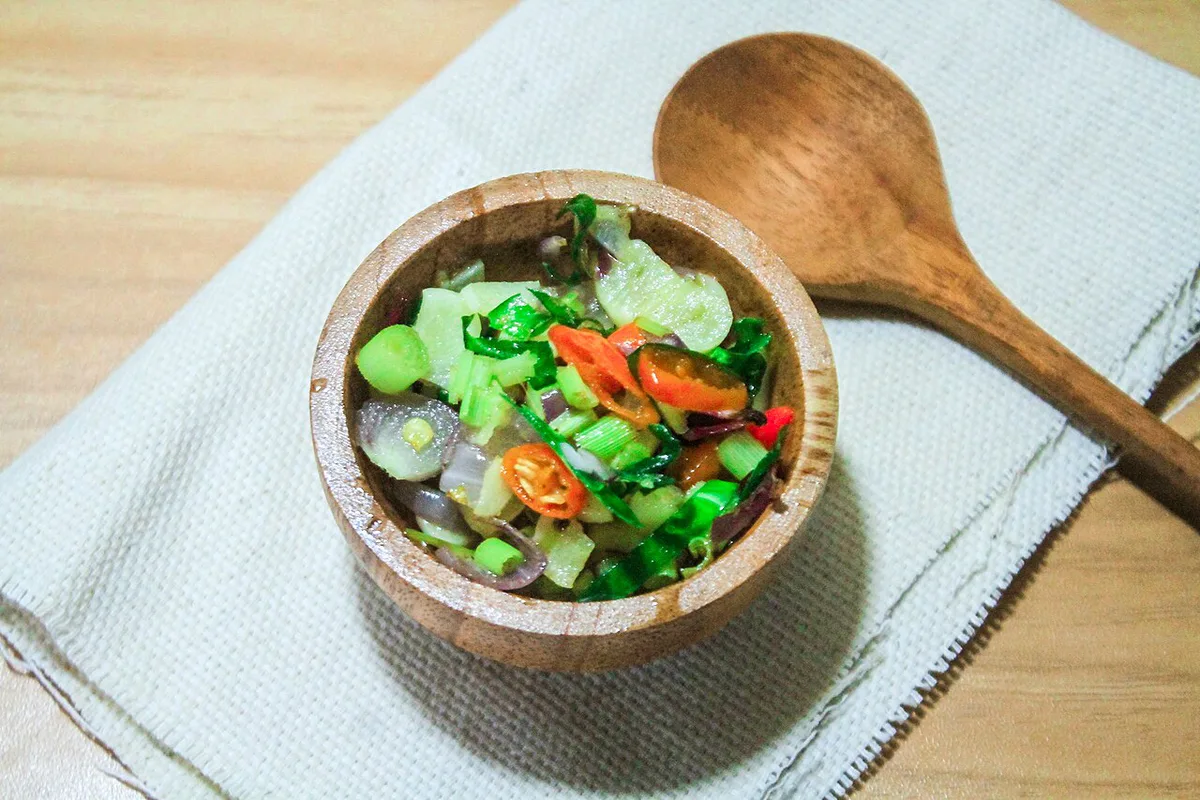
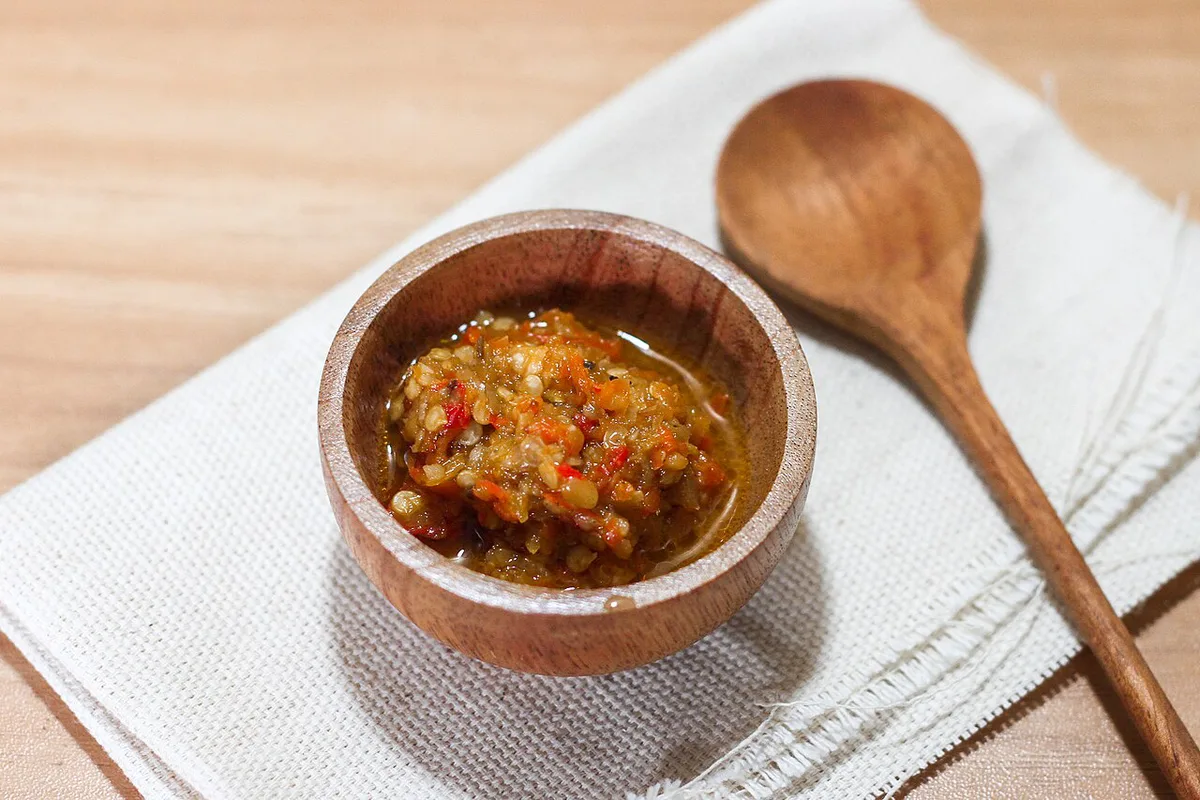
Many operators can adapt menus, but do not assume. Ask whether the spice paste, known as bumbu, contains shrimp paste or other animal products. Ask how the kitchen handles nut and shellfish allergies. Vegan travelers can also read our guide to plant-based eating in Bali. Get the answer in writing before you pay, particularly for a group class where the menu is fixed.
Who Should Skip a Class
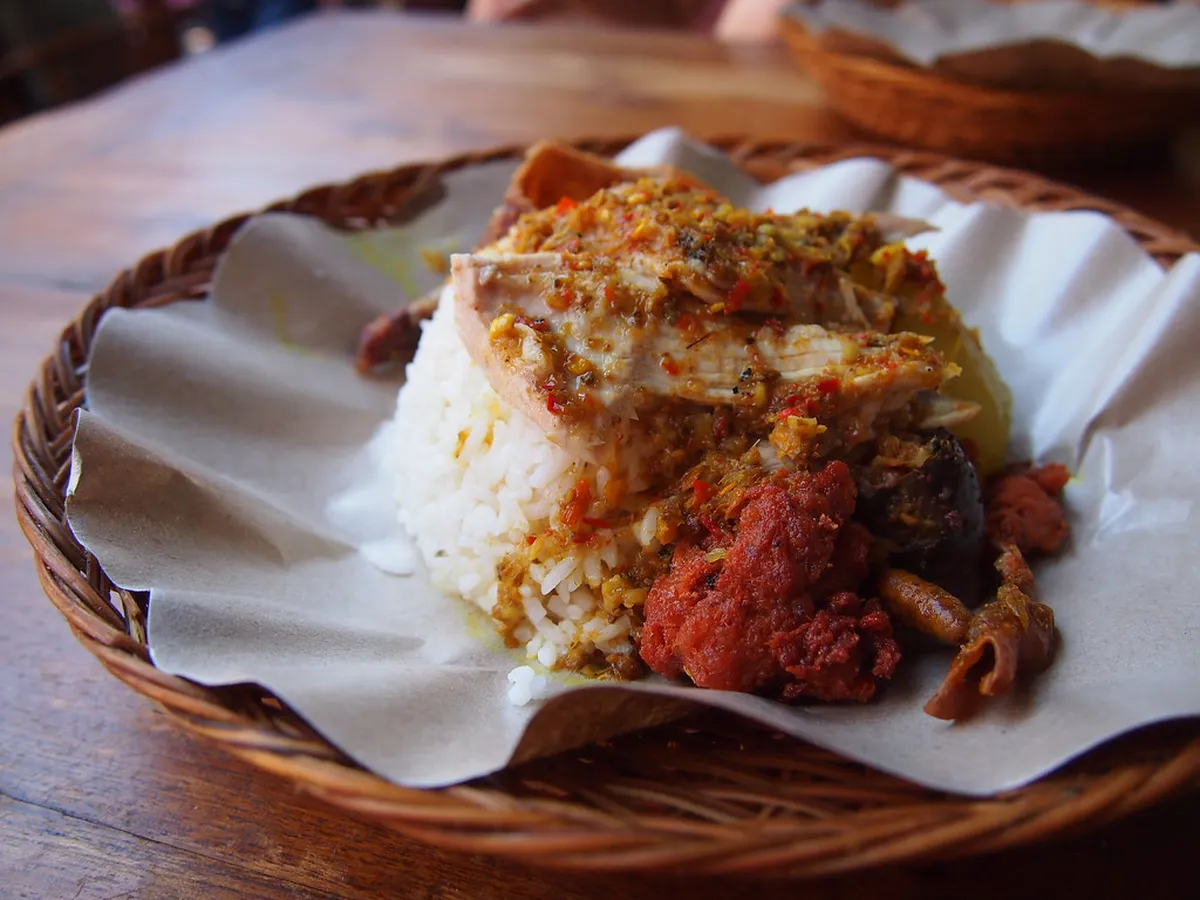
Skip a class if you have mobility limits and the kitchen involves steps or standing for long periods. Skip it if your schedule is tight or you have an early flight the next morning. A class also may not suit you if you would rather eat than cook. Eat the dishes first at a neighborhood warung and see what you enjoy. Then try babi guling, a signature dish that classes may or may not teach. For a wider plan, see our restaurant picks across Bali.
Mistakes to Avoid When Booking a Bali Cooking Class
Most problems come from skipped questions, not bad classes. Run through this list before you pay.
- Booking from photos alone, without reading what is included
- Assuming a market tour is part of the price
- Ignoring the pickup radius from your hotel
- Scheduling a class the day before an early flight
- Not disclosing dietary needs or allergies in advance
- Naming a favorite dish without checking the menu covers it
Notes for your Indonesia trip
Optional updates when we add or change a town or island guide.
You might also like



Continue reading
More guides you'll find useful