Bali Warung Guide: What to Eat & How to Order
Not sure what a Bali warung is or which to choose? Learn the types, what to order, how to pay, and which areas suit you best.
On this page
Last updated November 2026: a Bali warung is a small, usually family-run local eatery, and it is the budget-friendly way to eat Balinese and Indonesian food. This guide is for first-timers who want to know the types, the core dishes, how to pay and which area fits. For sit-down meals, start with our Bali restaurant guide.
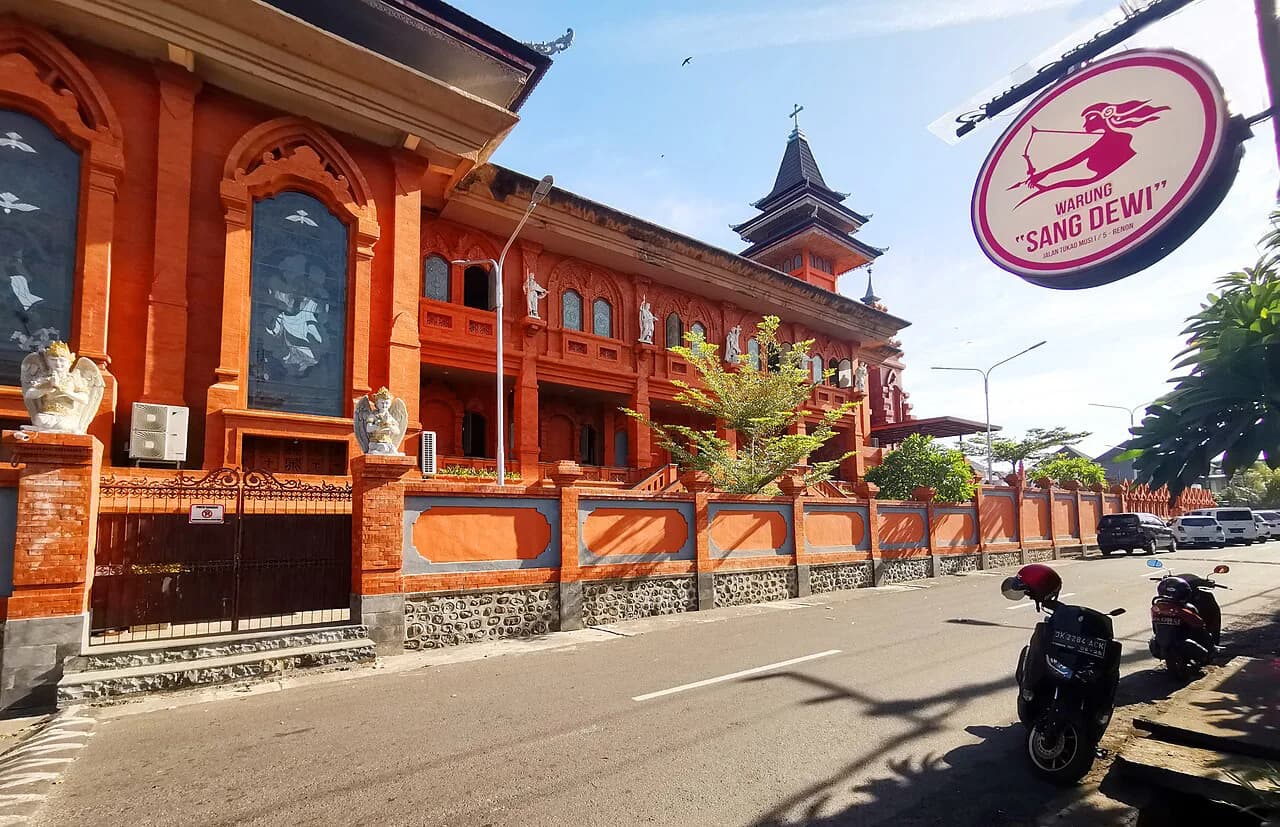
Featured image: Warung sang Dewi, CC BY-SA 4.0, via Wikimedia Commons.
What a Bali Warung Is (and What It Isn't)
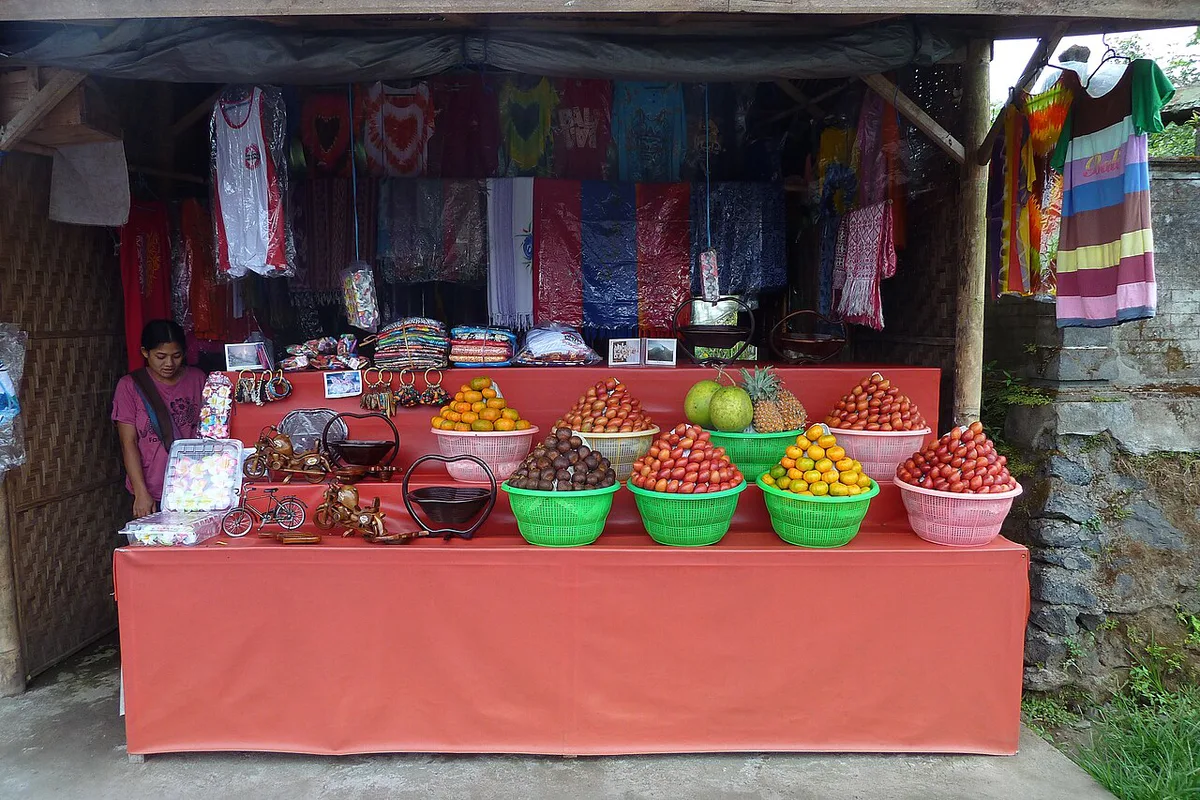
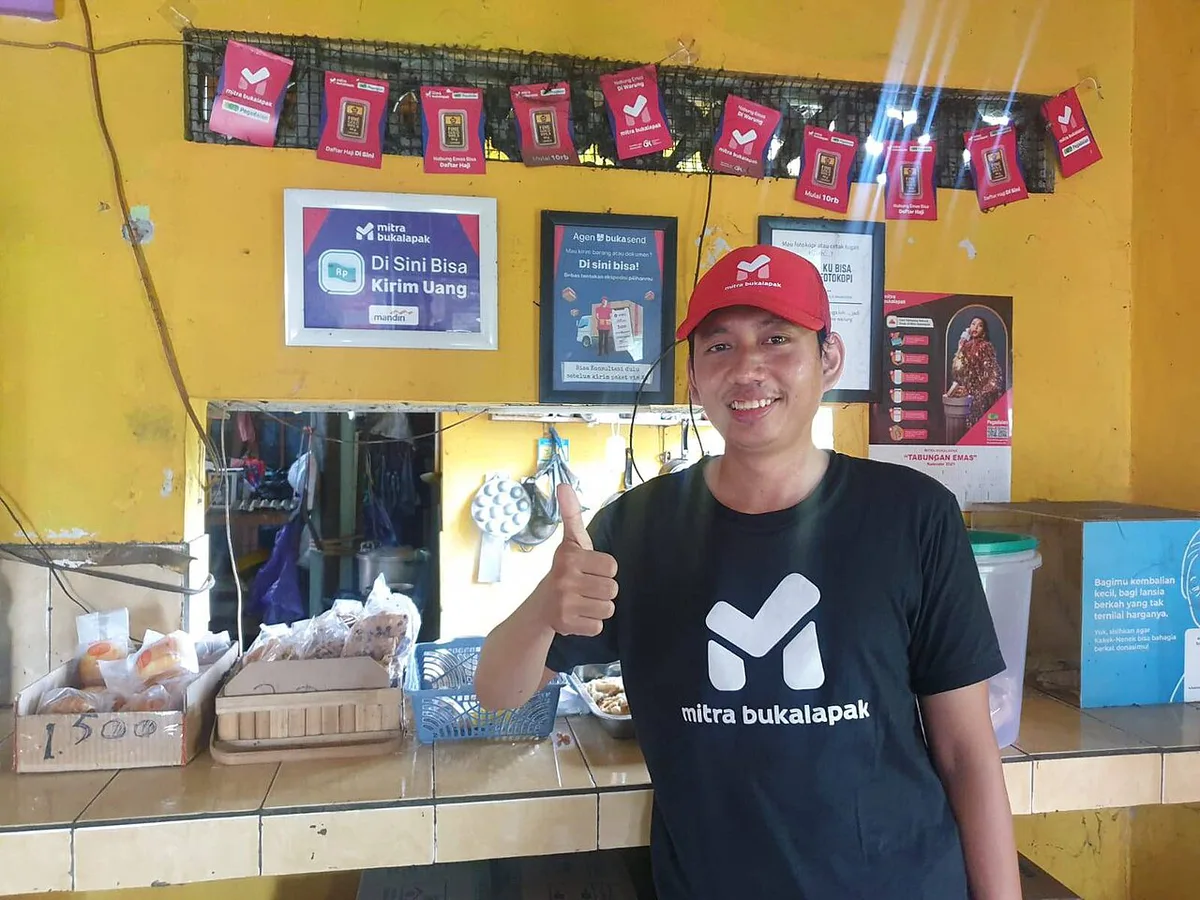
A warung is a small, locally owned eatery with homemade dishes at low prices. Many are family-run. Menus are short, and food is often cooked in the morning and displayed. Not every place using the name works that way, though. Roadside stalls sit at the local end of the range. Tourist-oriented rooms such as Made's Warung in Seminyak sit in the middle, with a larger menu and a seating area built for visitors. Hotel and resort concepts that borrow the word sit at the other end. Check the menu before you commit, because the same word covers very different bills.
Which Type of Warung Fits You
Choose by your priority: lowest price, easy ordering or a polished setting. The table compares the three styles in qualitative terms. No figures are given because prices differ by venue and change often. Skip a local warung if you need guaranteed English menus or card payment. Skip a tourist-oriented one if you want the cheapest and most local plate.
| Type | Price feel | English menu | Atmosphere | Best for |
|---|---|---|---|---|
| Local roadside | Cheapest of the three | Often none; point at the dishes | Plastic stools, open air, no AC | Budget meals and the most local plate |
| Tourist-friendly | Moderate; tax and service may be added | Usually yes | Garden or alfresco seating, sometimes evening shows | First-timers who want easy ordering |
| Hotel or resort concept | Highest of the three | Yes | Polished, set menus or buffet nights | A relaxed sit-down meal |
What to Order at a Bali Warung
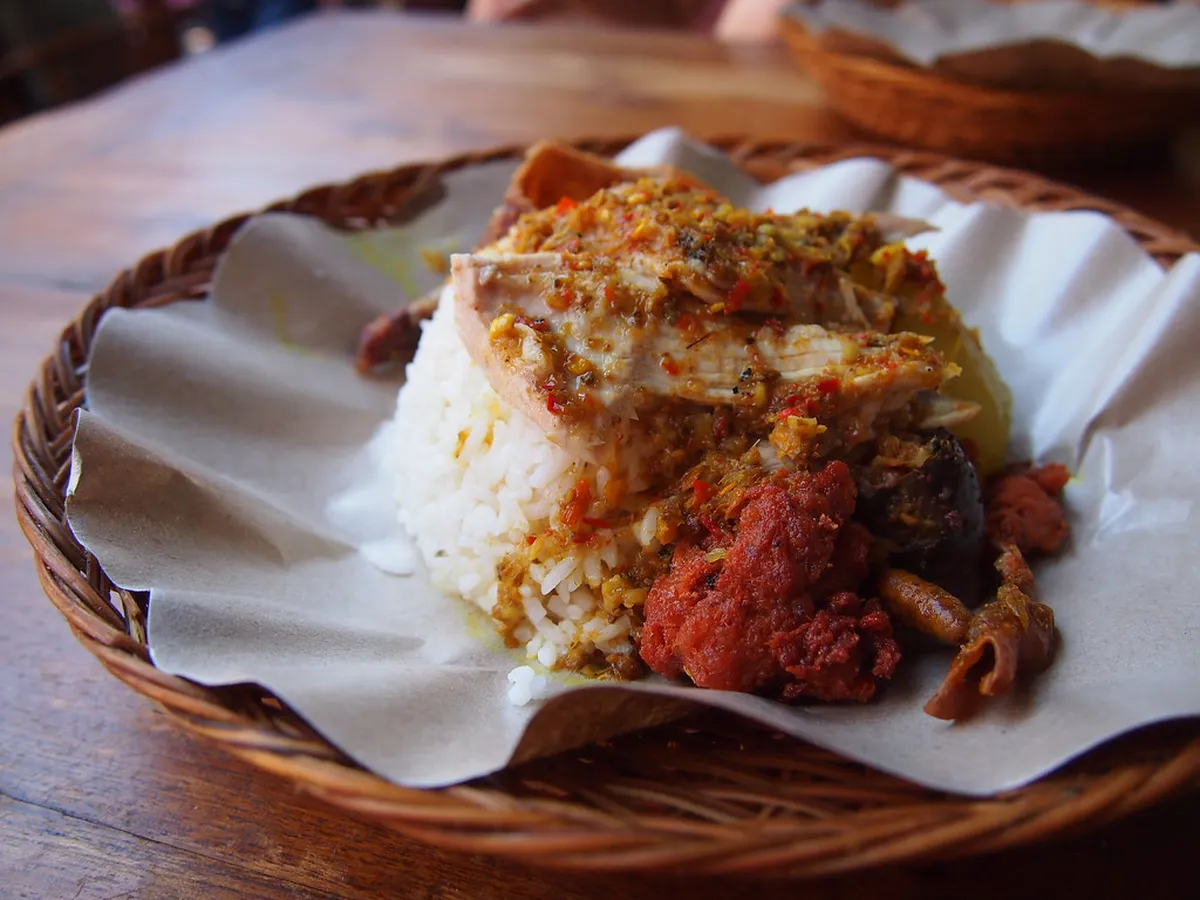
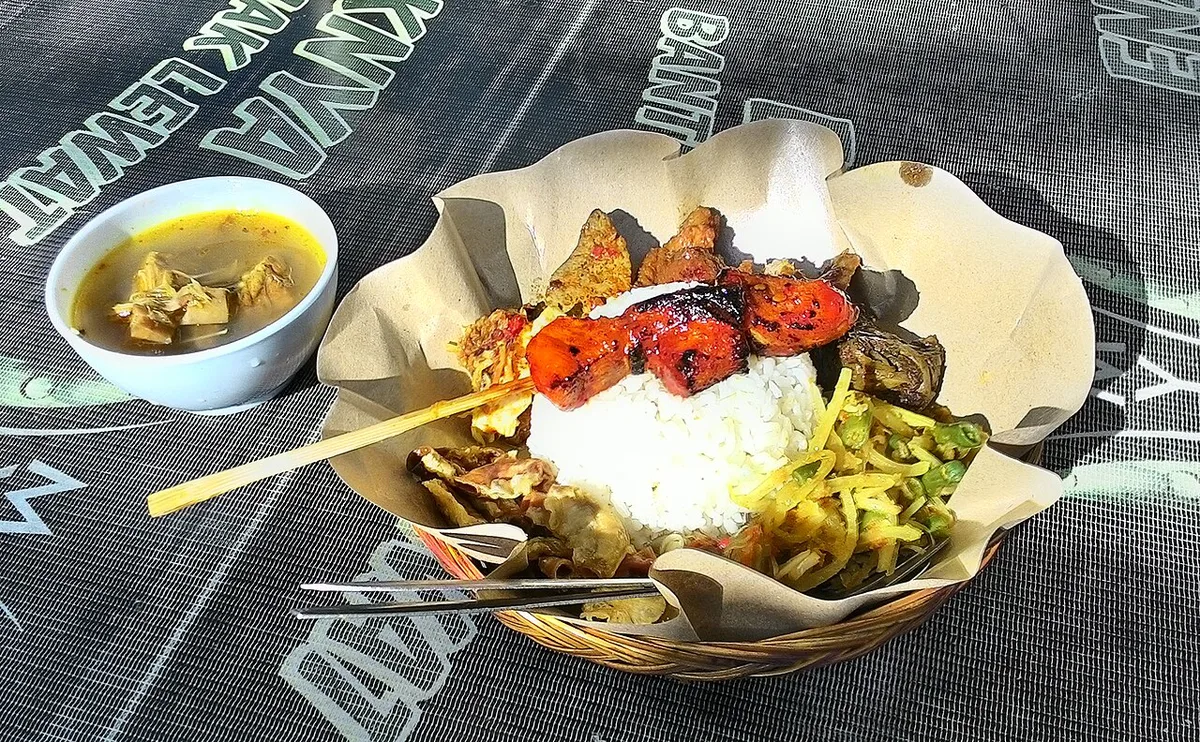
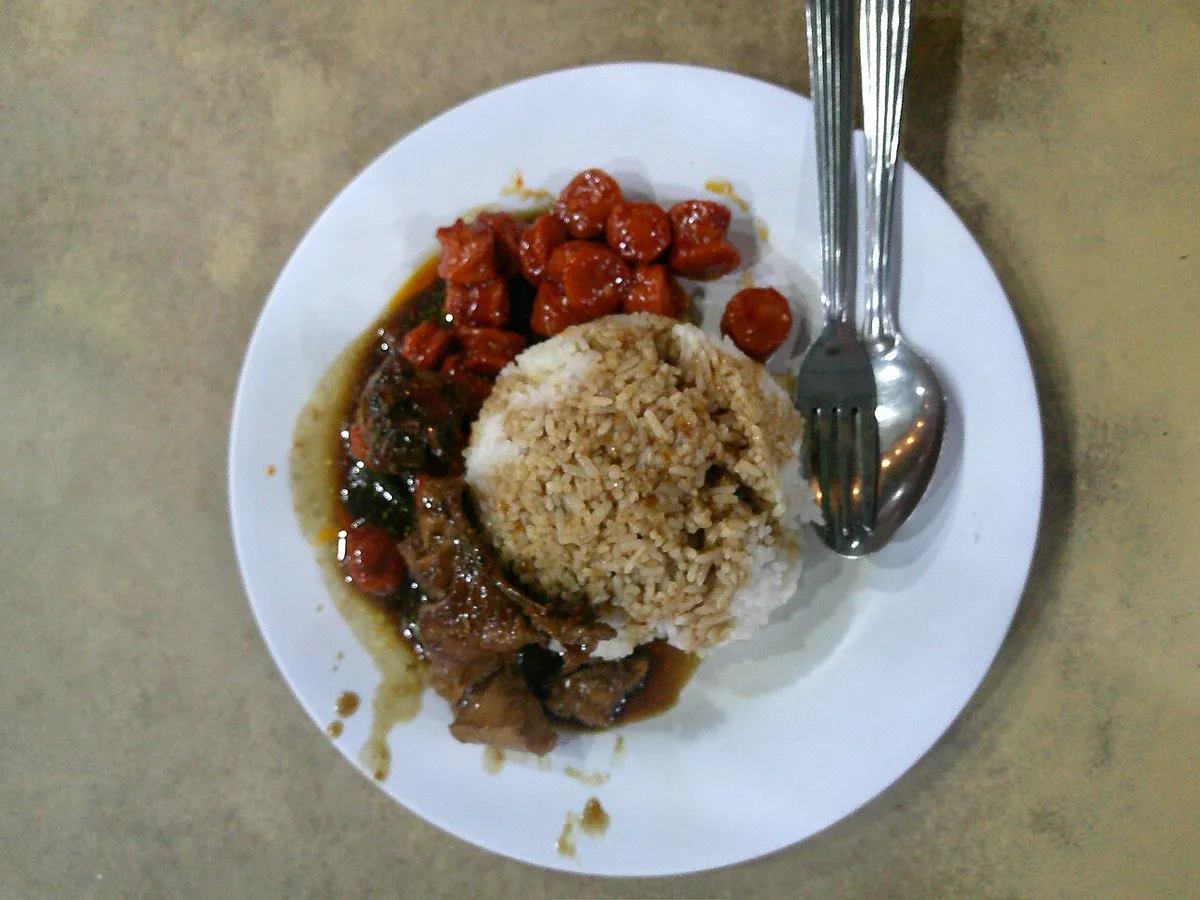
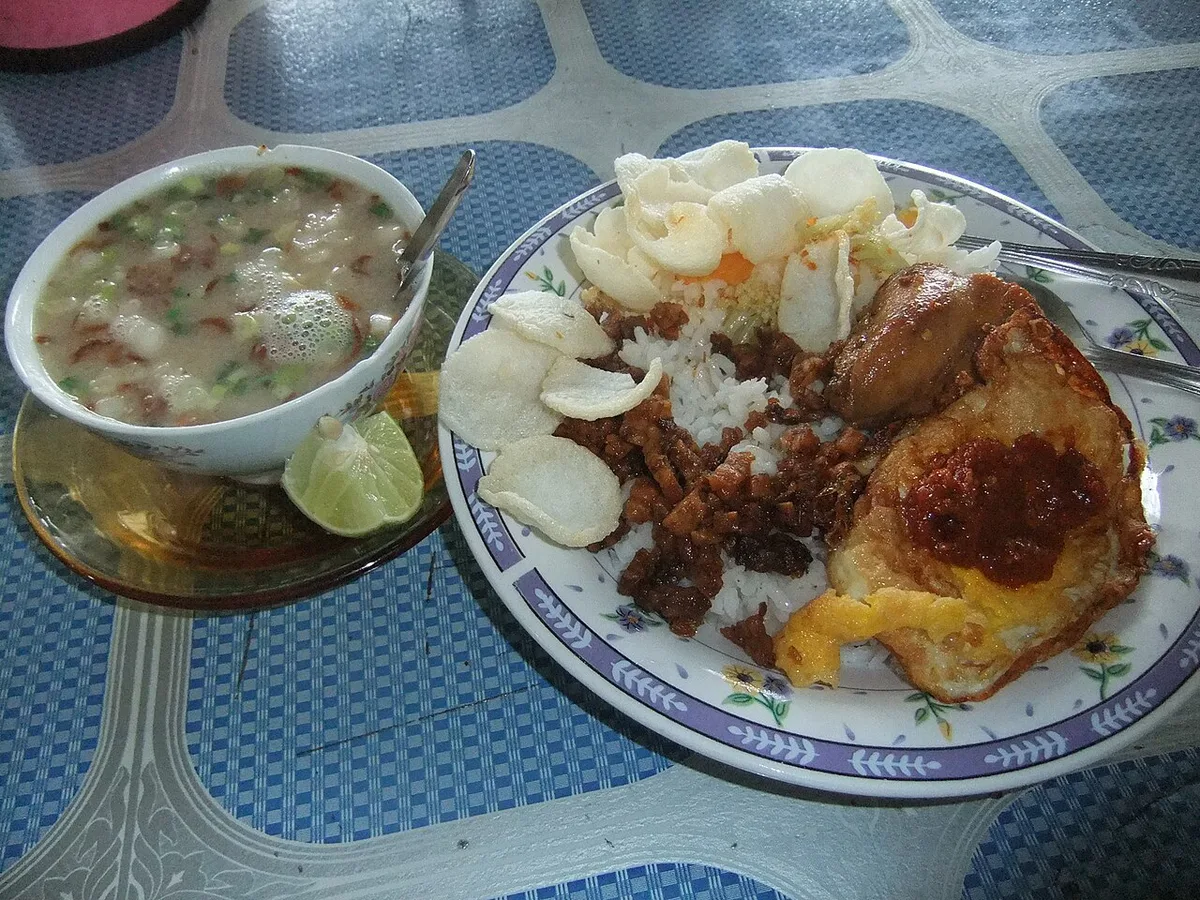
Start with the dishes that appear at nearly every warung. Nasi campur is rice with small scoops of side dishes, usually pointed at from a display. Nasi goreng is fried rice, and mie goreng is fried noodles. Gado-gado is blanched vegetables, tofu and tempeh under a peanut sauce. Satay is skewered meat in a dark peanut sauce. Pork fans should read our guide to Bali suckling pig. For fish, see the Bali seafood guide. If you want to cook these dishes yourself, try a Bali Cooking Class Guide: How to Choose the Right One. One option is Casa Luna Cooking School, so check its site for current classes.
Where to Find Warungs by Area
Each area leans toward a different style. The named examples below come from our editorial notes. Confirm hours and prices on the day, because this guide could not verify them. We have not checked a specific venue for Canggu or Uluwatu, so we name none there. For breakfast, look at our list of Best Cafes in Bali: Where to Go by Area & Need. Brunch fans can browse Bali brunch spots.
Made's Warung, a tourist-oriented room with a larger menu, is at Jalan Raya Seminyak No. 7, so plan for a moderate bill.
- Ubud: Warung Babi Guling Ibu Oka and Warung Biah Biah are the names to look up. Expect pork specialities and local-style dishes.
- Seminyak: Warung Nia and Made's Warung are the examples to know. Made's Warung is the best-known and a tourist-friendly choice, listed at Jalan Raya Seminyak No. 7.
- Sanur: Warung Mak Beng is the name to check first.
- Canggu: expect a mix of local stalls and visitor-oriented warungs. Check current listings before you go.
- Uluwatu: expect more resort-style concepts alongside simple local stalls. Compare menus before sitting down.
Costs and Paying at a Warung
Warungs are cheaper than tourist-area restaurants, but the brief supplies few verified figures. One dated reference is Made's Warung in Seminyak. A June 2023 Eatbook review listed gado-gado at Rp40,000++, mie goreng at Rp50,000++ and nasi goreng special at Rp75,000++. Treat these as possibly outdated and check the venue's own page. The ++ means tax and service are added on top. Small local warungs often take cash only, so carry rupiah in small notes. We could not verify card or QRIS availability at any venue, so ask before you order.
Opening Hours and Timing
Hours vary by venue. Eatbook gave Made's Warung as Sunday to Thursday 10am to 11pm and Friday to Saturday 10am to 11:30pm. Re-check them before you go. At small local stalls, displayed dishes can sell out. Go at lunch rather than late afternoon to see the full spread. Evenings suit tourist-oriented rooms, and Eatbook mentions cultural dance performances at night at Made's Warung.
Diet and Hygiene Notes
Pork appears on many menus, so ask if you avoid it. Eatbook states that Made's Warung is not halal-certified. Ask each venue directly if halal matters to you. Vegetarians can find tofu, tempeh and vegetable dishes such as gado-gado. See our Bali vegan guide for more. Choose busy stalls where food turns over quickly. Ask for sambal on the side if you dislike heat. For water and ice, follow your national travel health authority's current advice.
Mistakes to Avoid at a Bali Warung
Most problems come from small assumptions. Use this short checklist before you sit down.
Made's Warung runs Sunday to Thursday 10am to 11pm, but small stalls can sell out of displayed dishes, so arriving late costs you options.
- Assuming every price is fixed. Ask the price first at stalls with no menu.
- Ordering too much. Start with one plate and add more.
- Expecting AC or card payment. Carry cash.
- Skipping the ++ check. Tax and service may be added at tourist-oriented venues.
- Arriving late. Displayed dishes can sell out.
Notes for your Indonesia trip
Optional updates when we add or change a town or island guide.
You might also like



Continue reading
More guides you'll find useful