Kuta Surf Guide: Beach Break vs Kuta Reef by Level
Learn to surf Kuta Beach or choose Kuta Reef? Compare breaks by ability, check tides, flags, lessons, board options and local safety tips.
On this page
Last updated November 2026: Kuta surf means two different waves that share a name, and only one suits beginners. Kuta Beach is a long beach break open to all levels. Kuta Reef is a separate, crowded, shallow-reef wave reached by boat, so it is not a place to learn.
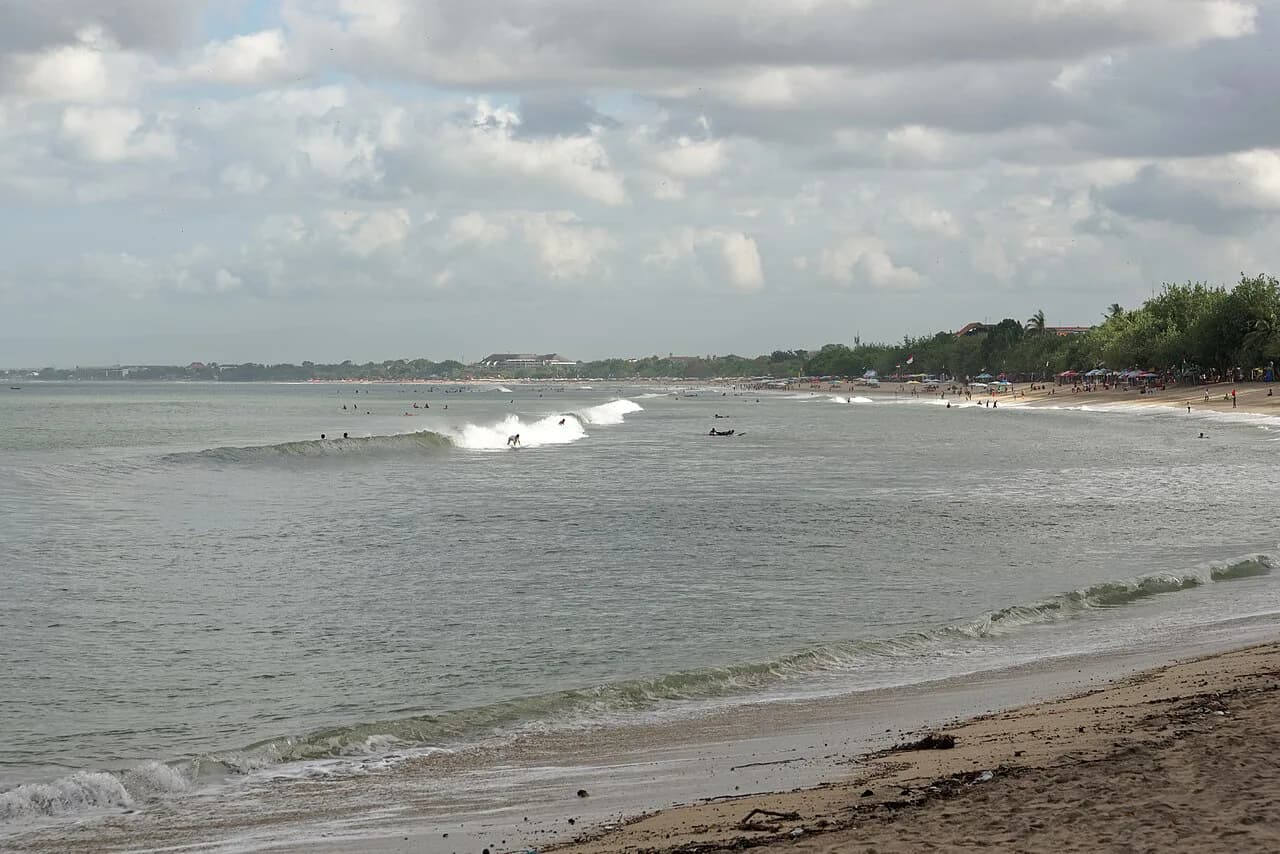
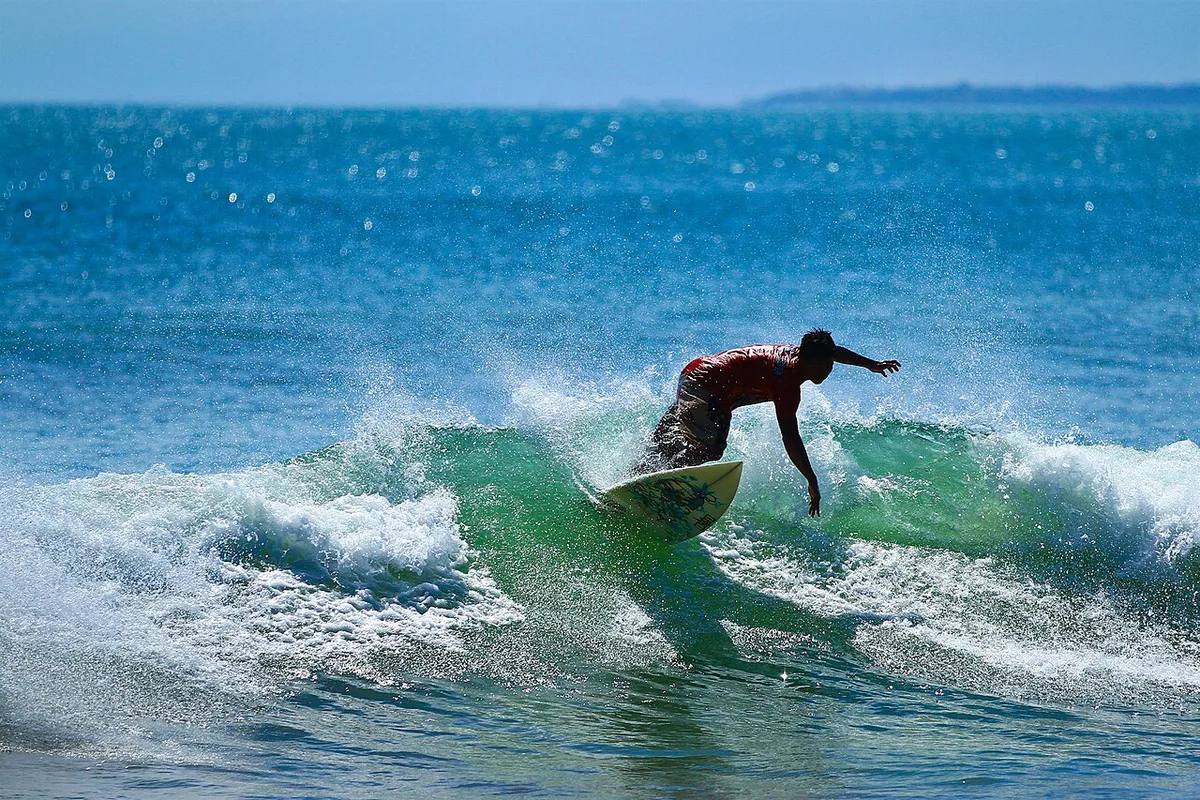
Featured image: Jakub Hałun, CC BY-SA 4.0, via Wikimedia Commons.
Kuta Beach or Kuta Reef: Which Break Is Right for You?
Kuta Beach is the usual choice for first-timers and for improvers who want many waves. Kuta Reef is a left-hand reef wave for intermediate and advanced surfers. Beginners who read reef advice can end up paddling into the wrong break, so settle this first. Use the table, then match yourself to a level below it.

| Factor | Kuta Beach | Kuta Reef (Airport Reefs) |
|---|---|---|
| Ability level | Beginner to advanced | Intermediate to expert |
| Bottom type | Sandbars that shift | Shallow coral reef |
| Crowd | Often busy, many learners | Heavy, competitive |
| Access | Walk in from the sand | Local boat or a long paddle |
| Best tide | Incoming, medium to high | Mid to high |
| Main hazard | Rips, changing sandbars | Shallow inside section, crowds, localism |
- Absolute beginner: Kuta Beach, with a lesson and a soft-top board.
- Improver: Kuta Beach, using the length of the beach to find a quieter peak.
- Intermediate: Kuta Beach on bigger days, or Kuta Reef when it is head-high and below on a mid-to-high tide.
- Advanced: Kuta Reef on solid swell, expecting a tense lineup.
Surfing Kuta Beach: What the Waves Are Like
Kuta Beach is a beach break, so the waves peel over sandbars rather than reef. One source describes the beach as a 2.5 km sweep, though you should treat that length as unverified. Because the beach is long, peaks spread out and you can walk away from a crowded spot. Sandbars and rips shift, so conditions can change within a session. When you fall you cannot paddle around the break, so expect a few duck dives back out. Experienced surfers sometimes dismiss Kuta Beach, and the lineup near the main lesson areas is often busy. That makes it a good training ground for improvers and a so-so choice for anyone chasing quality or empty waves. Local surfers are generally described as welcoming. Respect the learners and stay out of their way.
Improvers can walk a 2.5 km stretch to find a quieter peak, though that length is unverified.
Best Time, Tide and Conditions for Kuta Surf
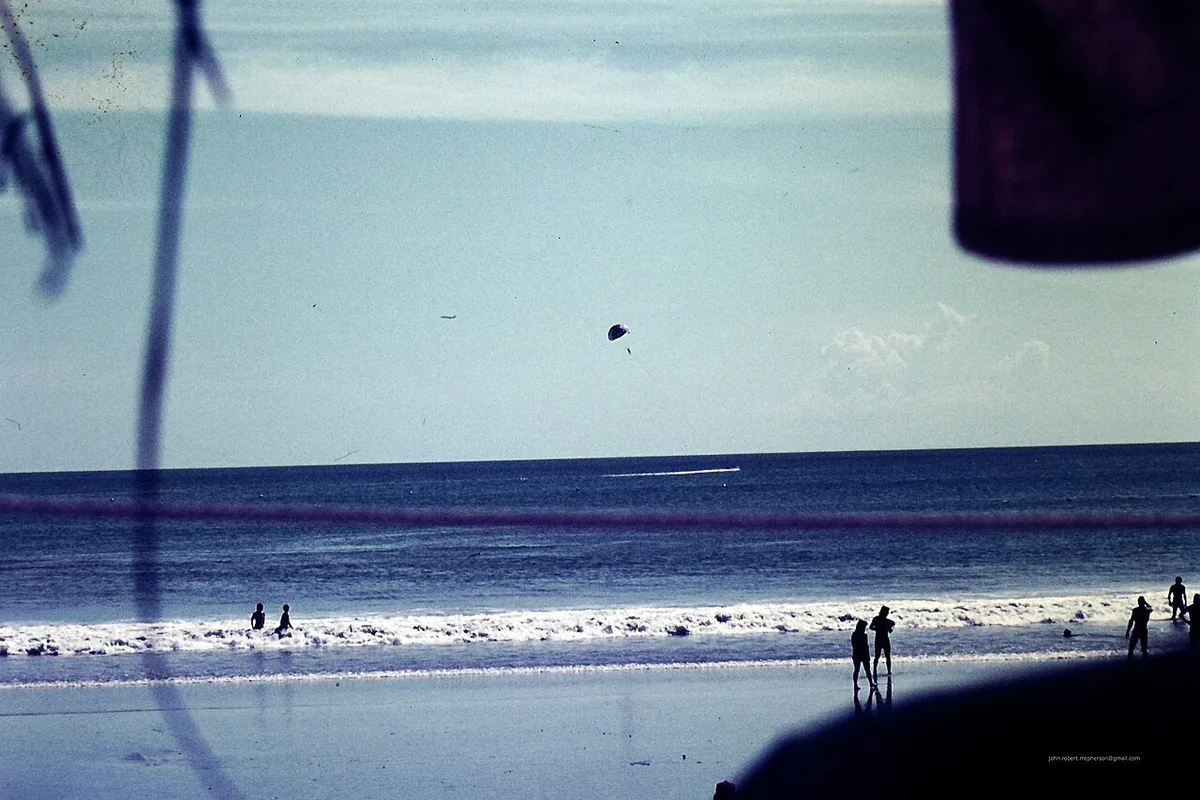
Dry season, roughly April to October, brings SE trade winds that blow offshore and groom the surface. Surfline lists S and SW swell as ideal, with wave heights from waist high to overhead. Its tide advice is incoming, medium to high, which makes the faster sections easier to catch. Early morning often has the cleanest surface before the wind picks up. Wet season brings rain runoff, and Surfline rates water quality as fair, so avoid the water after heavy rain. For wind and rain outlooks, check the national agency BMKG before you go. Seasonal temperature and rain patterns are covered in our Kuta weather guide.
- Early morning: usually lighter wind and cleaner faces.
- Mid-to-high incoming tide: the best window per Surfline.
- After heavy rain: skip the session, since runoff can pollute the water.
Kuta Beach Surf Lessons: What to Expect and How to Choose a School
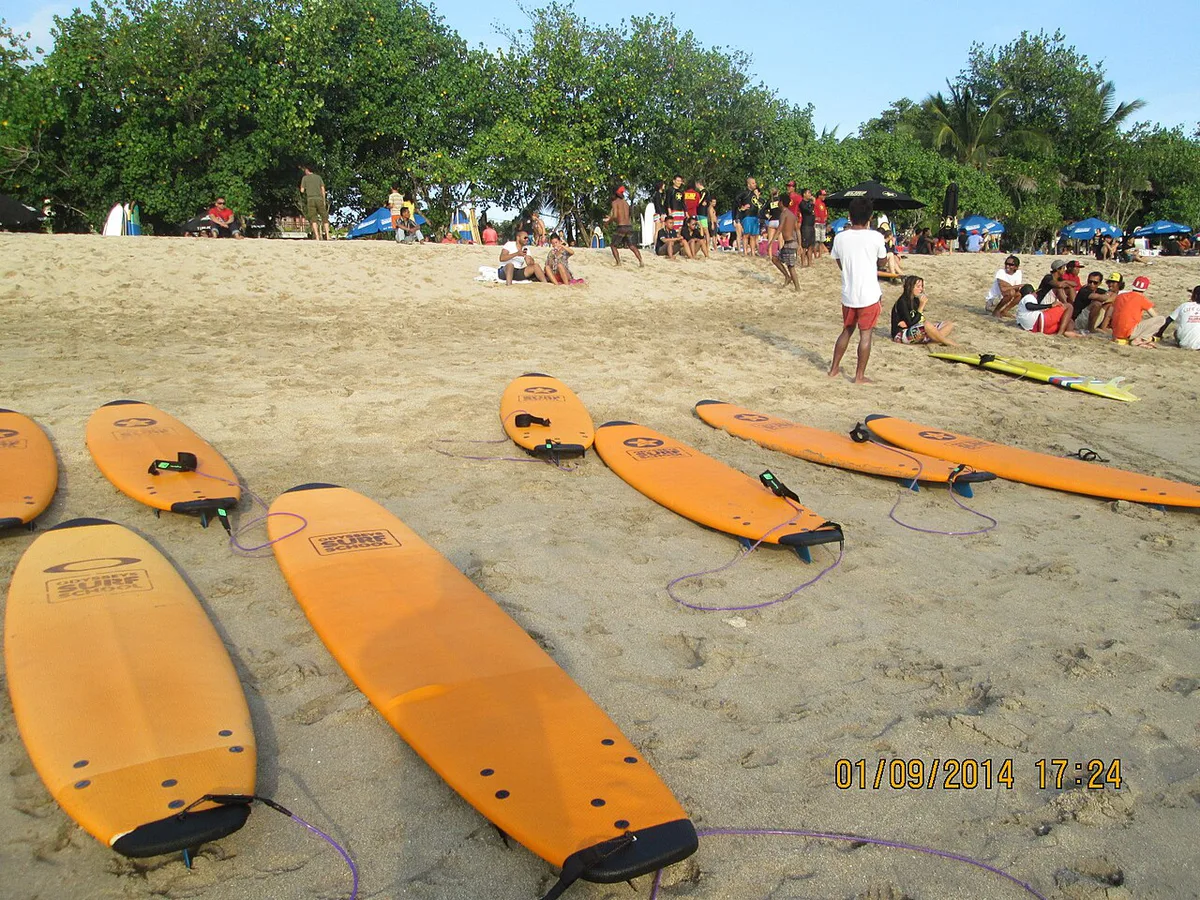
Schools line the sand, and a typical lesson starts with a short theory session on the beach covering paddling, the pop-up and etiquette. We found no verified current rates, so confirm price, length and inclusions with the school before you pay.
- Ask the instructor-to-student ratio and how many people share one instructor.
- Check that the board is a soft-top suited to beginners.
- Expect a safety briefing on rips and flags before you enter the water.
- Ask about insurance and whether the board and rash vest are included.
- Book from a clear price, not from a vendor who approaches you on the sand.
Boards: Rent, Bring Your Own, or Take a Lesson?
Lessons usually include a board, while rental stands along the beach offer soft-tops and hardboards. Rental prices are negotiable, but we have no verified figure, so agree the rate before you take the board.
| Option | Best for | Board type | Watch for |
|---|---|---|---|
| Lesson | First session | Soft-top included | Class size, safety briefing |
| Rental | Improvers who can already stand up | Soft-top, then hardboard | Dings, leash, agreed price and time |
| Bring your own | Intermediate and advanced | Fish, longboard or shortboard | Airline fees, theft risk on the sand |
Flags, Lifeguards and Surf Zones
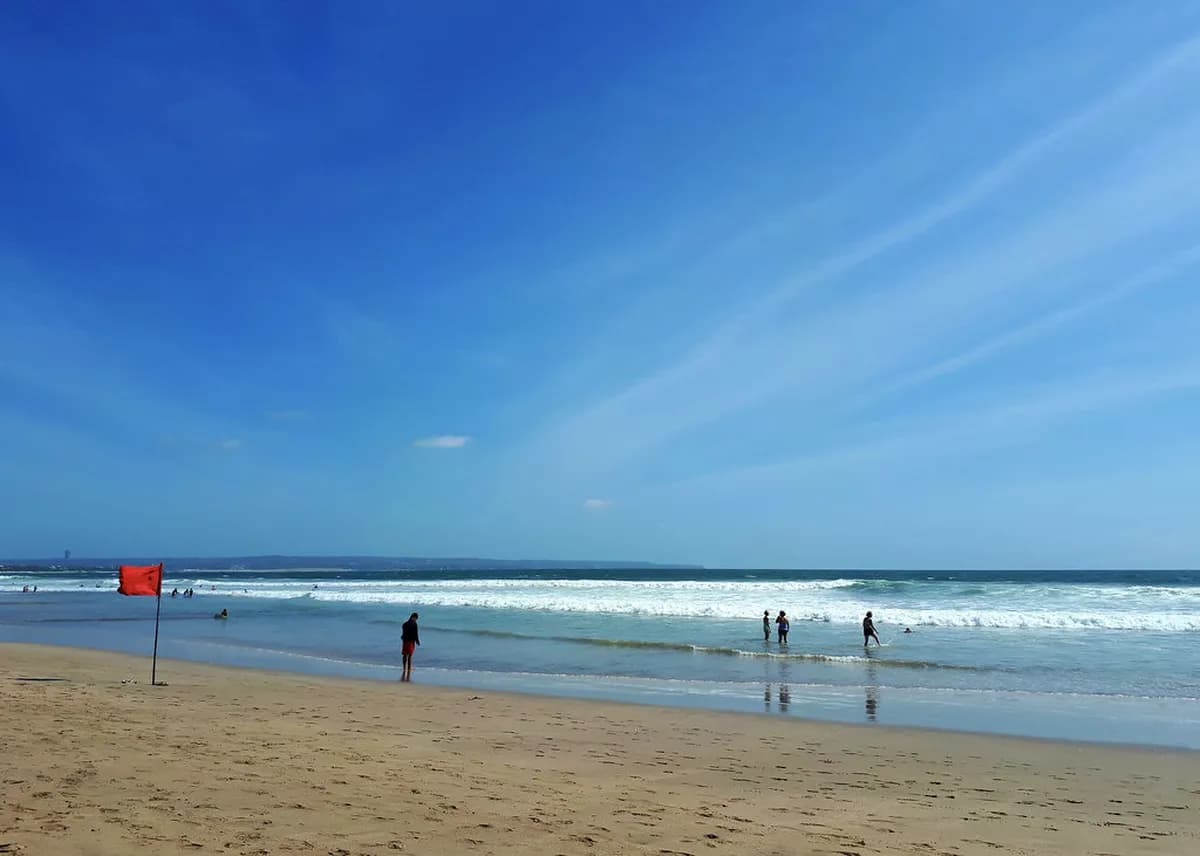
Balawista lifeguards patrol Kuta Beach and place flags that move as conditions change. Flag meanings below come from a hotel guide, so confirm them with a lifeguard on the day. Nobody can promise safety in surf, so treat this as general guidance and ask the lifeguards on the sand.

- Red-and-yellow flags mark the patrolled swimming area. Keep boards out of it.
- Solid red flags mean do not enter the water, typically in big swell or strong currents.
- Black-and-white checkered flags, when flying, mark surfcraft zones that separate surfers from swimmers.
- Look at the patrol boards and flag positions when you arrive.
- Watch the water for five minutes to spot rips and where others paddle out.
Kuta Reef: Access, Tide and Dangers
Kuta Reef sits over coral and works best on a mid-to-high tide in the dry season. Low tide is dangerous because the reef gets very shallow. One source says to take a local boat from Pantai Jerman or Pantai Kendonganan, and another says paddling from the beach is a long, tiring trip. Confirm the boat fee with the operator, because no figure is verified. The inside section is shallow with sharp reef, and many injuries are reported there. Crowds are heavy on small days, and the lineup is competitive with a strong local hierarchy. Beginners cannot surf the main reef wave. Stay at Kuta Beach until you can read waves, duck dive and handle a crowded takeoff.

Before and After Your Session: Eat, Recover, Stay
For post-surf food, start with our Kuta restaurant picks. Beachwalk is a mall facing the beach, and its official site lists current dining. Sore shoulders are common after paddling, so book a Kuta Massage Guide: Types, Costs & Tips for recovery. If you want to sleep near the sand, see 4 Best Areas to Stay in Kuta, Bali (2026 Guide). On flat or rainy days, browse 8 Best Things to Do in Kuta, Bali (2026 Guide). Sunset needs no ticket, and Free Things to Do in Kuta, Bali: Sunsets and Culture covers more low-cost options. Still undecided about the area? Read whether Kuta is worth visiting. For other surf areas, try Day Trips from Kuta, Bali: Best Options & How to Choose.
Common Mistakes to Avoid
Most problems come from picking the wrong break, wrong board or wrong moment.
- Paddling toward Kuta Reef as a beginner.
- Surfing Kuta Reef at low tide.
- Ignoring flags or surfing inside the red-and-yellow swim area.
- Paying a vendor before agreeing the price and time.
- Surfing after heavy rain, when runoff can pollute the water.
- Riding the Kuta Reef wave all the way to the shallow inside section.
Notes for your Indonesia trip
Optional updates when we add or change a town or island guide.
You might also like


Continue reading
More guides you'll find useful