Bali Rainy Season: Months, Weather & Is It Worth It?
Bali's rainy season runs roughly Nov–Mar. See how it varies by region, what it does to costs and plans, and whether to go or shift dates.
On this page
Last updated November 2026: the Bali rainy season runs roughly November to March, peaks around December to February, and rarely means all-day rain. Expect clear mornings and heavy afternoon or evening downpours, with humidity throughout. Use this guide to decide whether to go, shift dates, or change base, or compare the full year first.
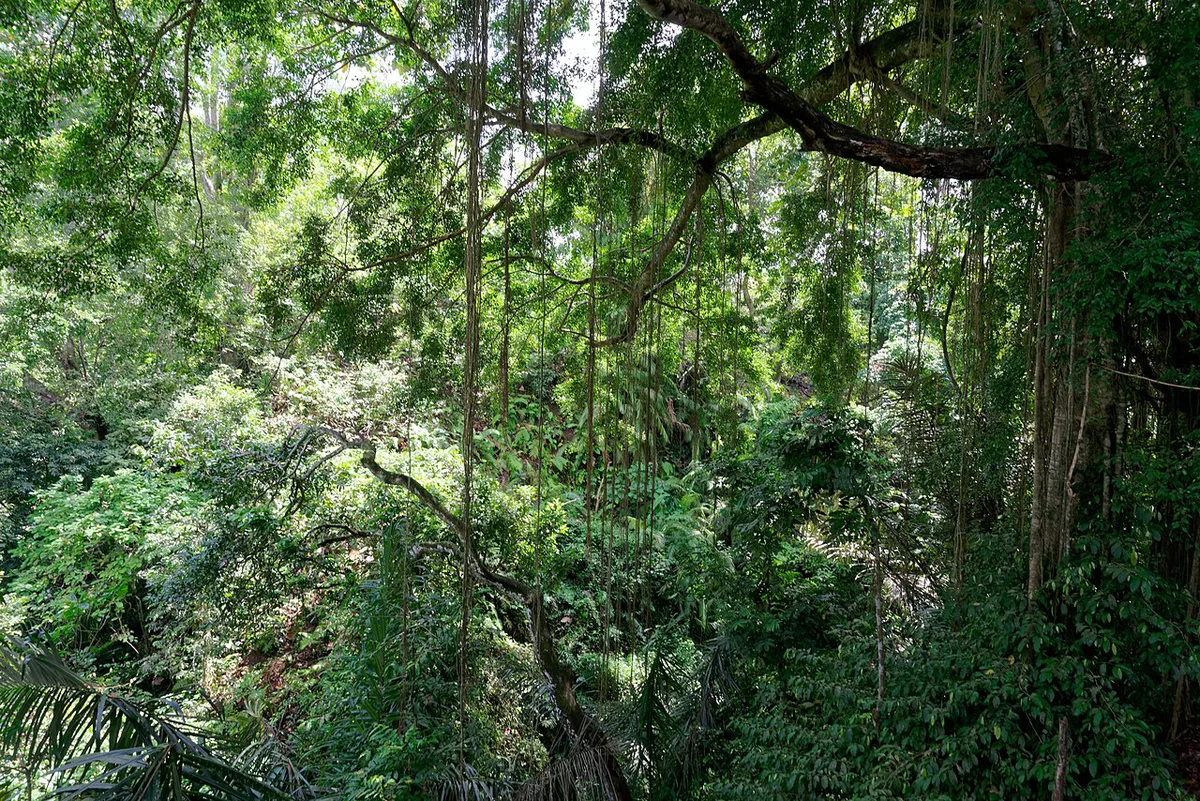
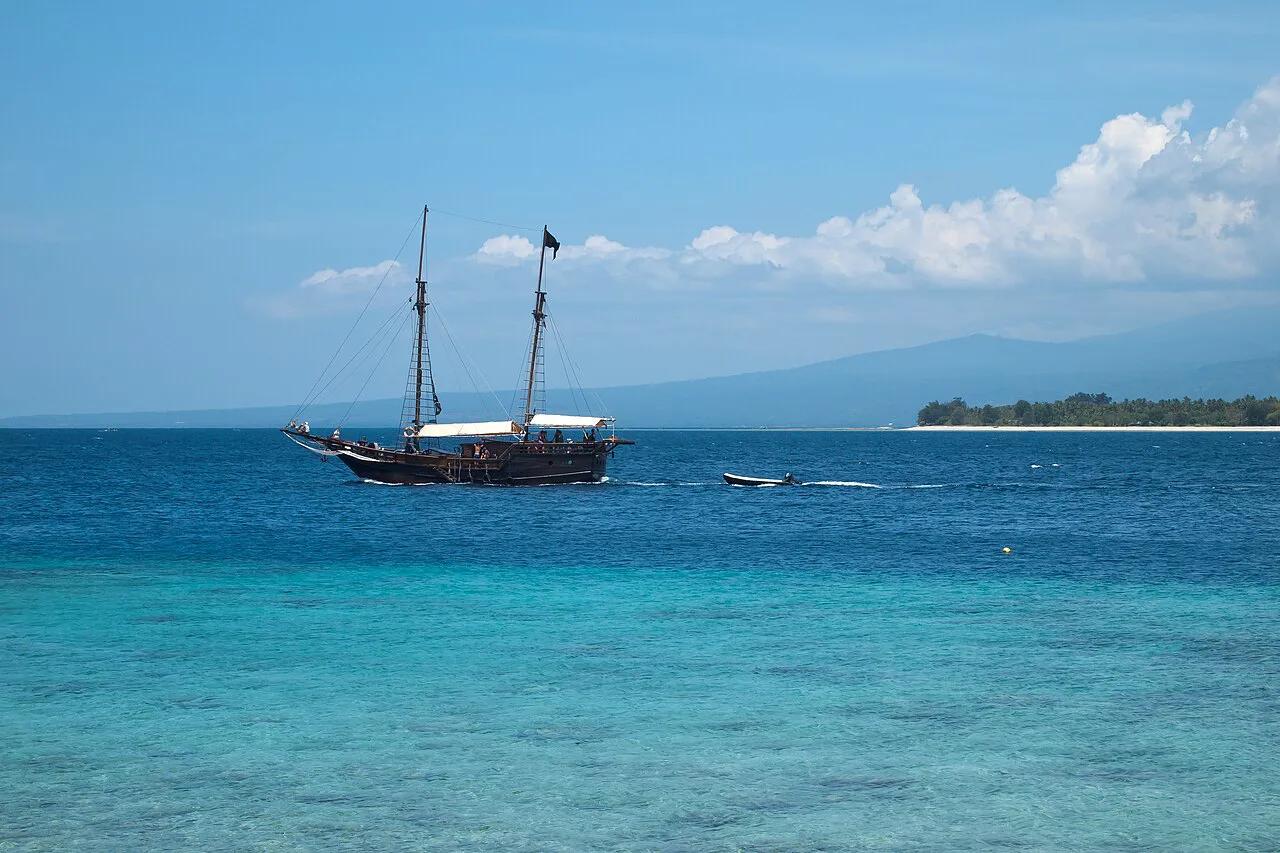
Featured image: Jakub Hałun, CC BY-SA 4.0, via Wikimedia Commons.
When Is the Bali Rainy Season?
Quick answer: the typical window is November to March, and the peak commonly falls between December and February. Published sources disagree on the edges. Ranked pages give October to March, November to March, or September to early January. Onset moves from year to year, and the transition months are unreliable. Think of a window, not a calendar switch. Early arrivals may see rain return in Bali in October: Weather, Crowds & Where to Stay. Showers can linger into Bali in April: Weather, Crowds & What to Expect before the drier months settle in. Check BMKG, Indonesia's weather agency, for this season's onset and outlook before you book.
What the Weather Is Actually Like
Rain usually arrives as short, intense showers in the afternoon or evening, with clearer skies in the morning. Humidity stays high all day. Daytime highs commonly sit near 30°C (86°F), and evenings often feel close to 26°C (79°F) even after rain. Bali Institute describes January to March as heavy but short, and November to December as the period when rain returns and intensifies. Month pages give more detail. Start with Bali in November: Weather, Rain & What to Do (2026 Guide) for the onset. Next, read Bali in December: Weather, Crowds & What to Do for the holiday stretch. For the core of the peak, see Bali in January: Weather, Rain Plan & What to Do and Bali in February: Rainy Season Reality, Where to Go & What to Skip. Finally, Bali in March: Weather, Crowds & What to Expect shows how things taper.
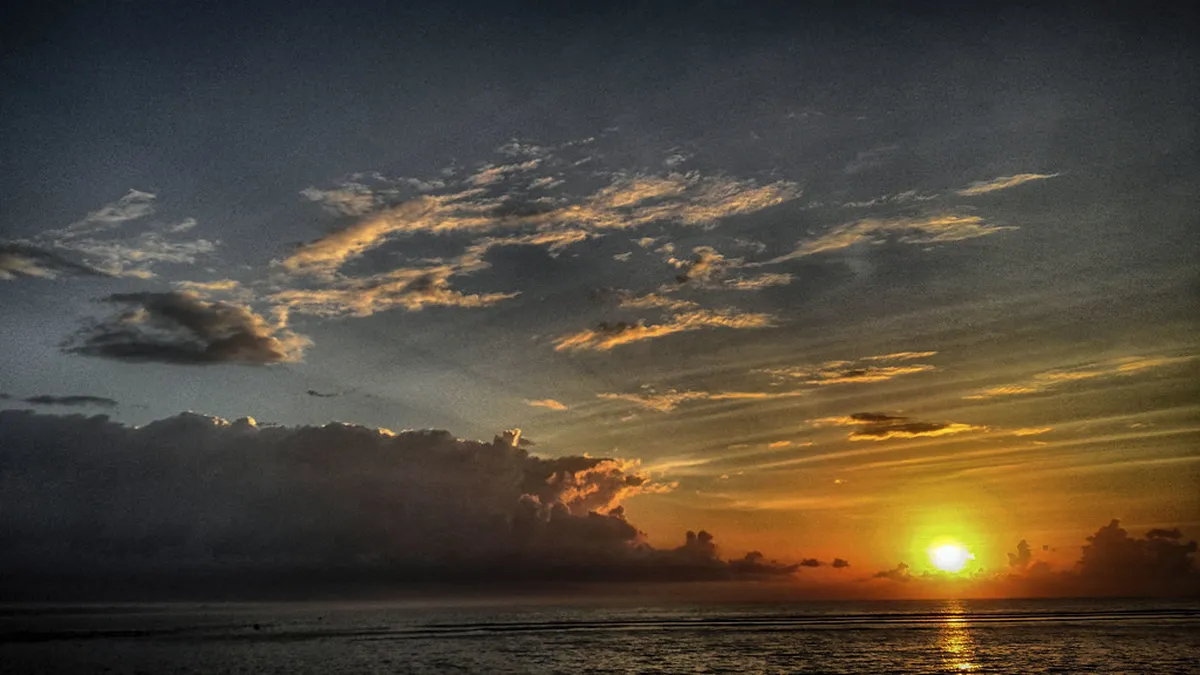
Even after afternoon rain, evenings feel close to 26°C (79°F), so keep the heavier outdoor walks for the clearer morning hours.
Rainy Season by Region
Bali's weather differs by area. No regional ranking is verified here, so the notes below are hedged and meant as planning prompts. Check BMKG for current local forecasts.
| Area | What tends to change | What to do |
|---|---|---|
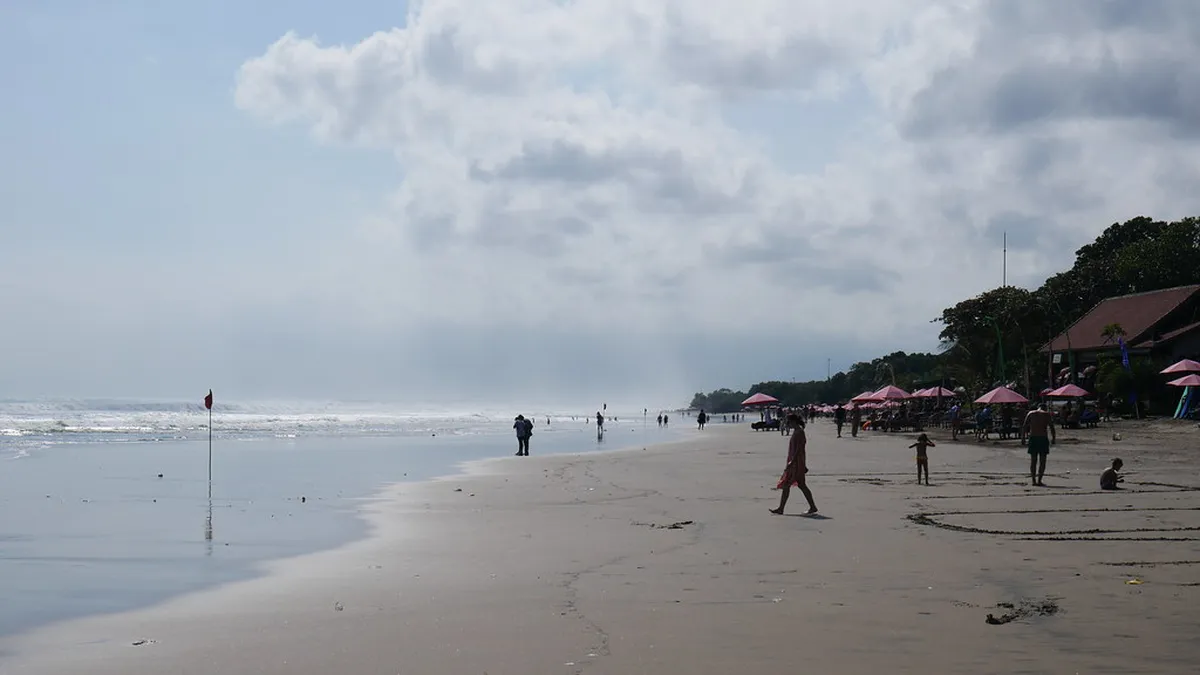
| South coast (Kuta, Seminyak, Canggu, Uluwatu) | Afternoon downpours can flood streets and slow traffic | Plan beach time for mornings; allow extra transfer time |
| Ubud and central highlands | Often cooler and wetter-feeling; slippery trails and road-closure risk | Schedule treks early; keep a flexible day |
| North (Lovina, Menjangan) | Sea and weather conditions vary by site | Ask dive operators about current visibility |
| East (Amed, Sidemen) | Conditions vary by coast | Check operator notices the day before |
| Nusa islands | Boat crossings can be disrupted by weather | Check current operator or official notice |

Wet vs Dry Season: Trade-Off Table
Wet months generally mean fewer crowds, more room to negotiate, and stronger waterfalls. Dry months favor beaches, sunrise hikes, and predictable boat days. As a purely illustrative budgeting example, a villa listed at Rp2,000,000 per night in July might be negotiable toward Rp1,500,000 in February. Treat those figures as placeholders, not quotes, and compare current listings. Christmas and New Year are an exception where demand stays high even in rain. Verify against current availability before assuming a discount.
Rp2,000,000 per night is only a budgeting illustration, so compare live listings, especially at Christmas and New Year when demand stays high.
| Factor | Wet season (Nov–Mar) | Shoulder (Oct, Apr) | Dry season (May–Sep) |
|---|---|---|---|
| Crowds | Lower, except around Christmas and New Year | Moderate | Higher, especially July and August |
| Accommodation price direction | Lower, more room to negotiate | Mixed | Higher |
| Sea conditions and snorkeling | Variable; check by site | Variable | Generally calmer |
| Waterfalls (Gitgit, Sekumpul) | Fuller flow; trails slippery | Moderate flow | Lower flow |
| Sunrise hikes | Cloud and slippery paths more likely | Mixed | More dependable |
| Road and traffic friction | Higher in the south after downpours | Moderate | Crowd-driven |
Should You Go? Decision Guide
Go if you care about culture, spas, cooking classes, waterfalls, or lower rates. Shift dates if you are beach-first, chasing specific surf breaks, or taking a short trip with fixed days. Dry-season alternatives include Bali in May: Weather, Crowds, Costs & What to Do and Bali in June: Weather, Crowds, Costs & What to Do. Peak-summer options are Bali in July: Weather, Crowds & Where to Stay and Bali in August: Weather, Crowds & Who Should Go. For fewer crowds with drier skies, read Bali in September: Weather, Crowds & What to Expect. Change base if rain is the problem but the dates are fixed. Move from the south coast toward sheltered or less rain-prone areas, and confirm with BMKG forecasts.
Best Things to Do When It Rains

Group fallback plans by what they need. Indoor options include spas, Balinese cooking classes, museums, and galleries. Ubud is a natural base for galleries and yoga. Covered or semi-covered options include cafes and covered markets. Temple visits work with rain gear, though stone steps get slick. Flexible-timing options include waterfalls such as Gitgit and Sekumpul, which run strongest in the wet months. Verify current access and safety before going. Put outdoor plans first thing in the morning, then switch to indoor activities when clouds build. Confirm opening hours and prices with each venue.
Getting Around and Staying Dry
Wet roads raise scooter risk, so use a driver or ride-hailing after heavy downpours. Expect flooded streets and slow traffic in the south. Highland roads carry landslide and closure risk, so check local notices. Boat crossings to Nusa Penida, Nusa Lembongan, and the Gilis can be disrupted by weather. Check the current operator or official notice. Add a rain buffer day before any flight home. Pack a light rain jacket or poncho and sturdy walking shoes. Laundry dries slowly in humid weather, so bring quick-dry clothing. Dengue risk can rise in wet conditions, so check current official health guidance.
Mistakes to Avoid
Avoid booking a packed beach itinerary for December through February. Skip tight ferry connections right before an international flight. Do not assume the whole island has the same weather on the same day. Avoid waterfall and trail plans without a backup day. Finally, do not treat the dates above as fixed. Onset and end shift each year.
Frequently Asked Questions
What is the wettest month in Bali?
Sources point to the December to February stretch as the peak, with January to March described as heavy but short. No single month is verified here. Check BMKG for current data.
Is Bali worth visiting in December?
It can be, if you plan around afternoon rain and accept humidity. Christmas and New Year stay busy even in the wet season. Our month guide for Bali in December: Weather, Crowds & What to Do covers the details.
What is the weather like in Bali in November?
November is when showers return and begin to intensify. Mornings are often clearer, and afternoon rain becomes more common as the month goes on.
Notes for your Indonesia trip
Optional updates when we add or change a town or island guide.
You might also like

Continue reading
More guides you'll find useful