Ubud Cooking Class: How to Choose the Right One
Compare Ubud cooking classes by market tour, farm setting, dietary options, transport and booking tips, so you can pick the right format.
On this page
Last updated November 2026: an Ubud cooking class comes in three main formats, and the right one depends on your schedule and how much you want a market visit. Pick a market-visit morning class for ingredient context, a farm-based class for a village setting, or a short in-town class for a tight day. Our guide to what to eat in Ubud shows which dishes are worth learning first.
Short answer: how to choose an Ubud cooking class
Choose by format first, then by logistics. Market-visit classes suit travelers who want to see where ingredients are bought. Farm-based classes suit cooks who want a garden or rice-field setting. Short in-town classes suit anyone who cannot spare a half day. Confirm each school's current menu and inclusions on its own site before you commit.
Types of Ubud cooking classes compared
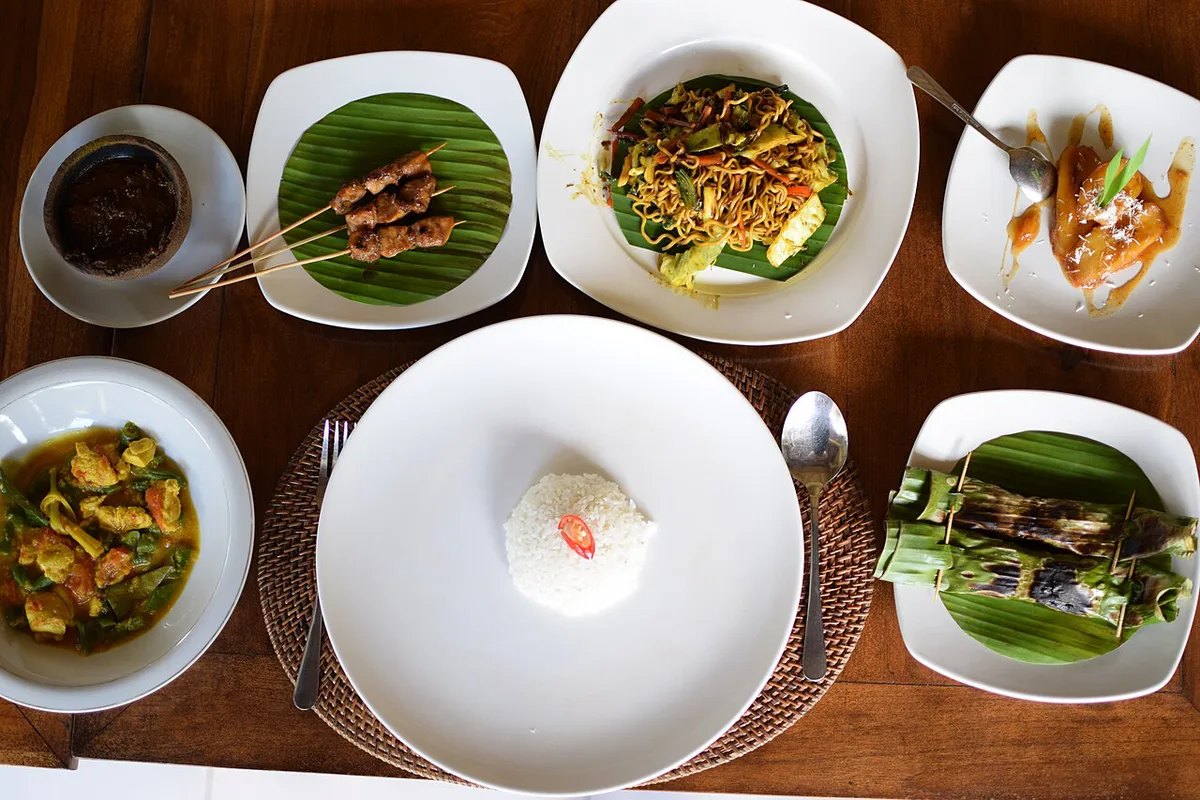
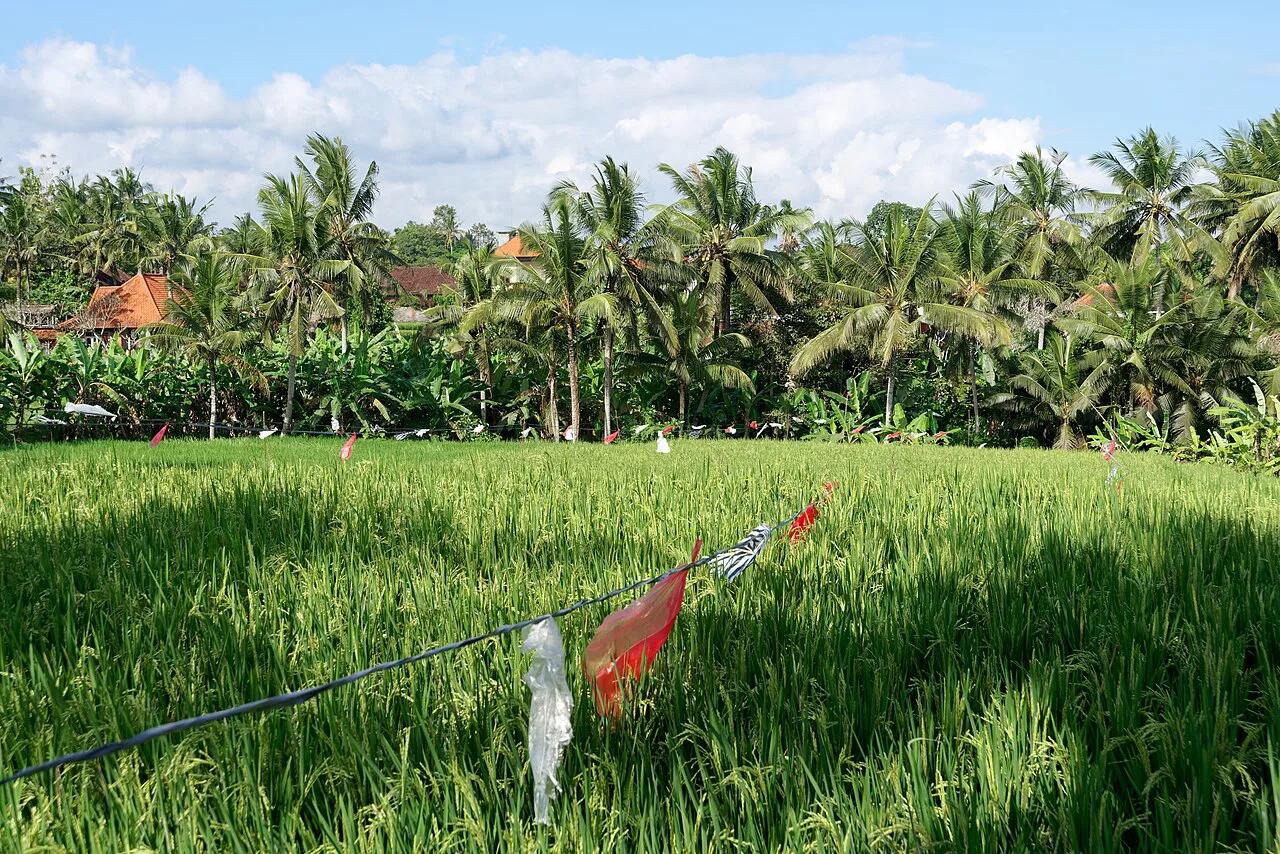
Search results for Ubud show three recurring formats. Market-visit morning classes begin at a traditional market and then move to a school kitchen. Farm-based classes sit in villages near Ubud and often add a garden or field walk. Paon Bali Cooking Class in Laplapan is one named option to check for the village format. Pemulan Bali Farm Cooking also appears in search listings, so confirm it is operating before you plan around it. Short in-town classes skip the transfer and stay close to central Ubud.
| Format | Market visit | Setting | Best for | Skip if |
|---|---|---|---|---|
| Market-visit morning class | Yes, at the start | Traditional market, then a school kitchen | First-timers who want ingredient context | You dislike early starts or crowded markets |
| Farm-based village class | Confirm with the school | Villages near Ubud, such as Laplapan | Cooks who want a garden or field setting | You cannot fit in a transfer |
| Short in-town class | Confirm with the school | Central Ubud | Tight itineraries | You want the full farm-to-table story |
What a class costs and what changes the price
This draft has no verified rupiah figure for any school. Check the current rate, inclusions, and any transfer fee on each school's official site.
Snippets describe a farm-style class with 6 dishes, and a rice-terrace-style option with 9 dishes. Whether sauces or rice count toward either total is worth asking before you pay.
Timing and getting there
No verified class length or start time is available for this draft. Ask each school for both, plus pickup details, and check ceremony dates with the Bali Tourism Board.
Dietary needs, kids, and accessibility
Ask about vegan, vegetarian, halal, and allergy handling before you book. Search listings mention vegan and vegetarian options at a farm-based class, but menus change. Our guide to plant-based eating in Ubud helps you plan the rest of the day. Families should ask each school about age limits and child-friendly tasks. Farm and terraced sites may involve uneven paths, so mobility needs are worth raising in your first message.
Booking tips and mistakes to avoid
Book directly with the school when you can, because its own page lists current inclusions and cancellation terms. Aggregator pages help you compare, but treat them as leads rather than proof. For wider trip planning, the official Indonesia tourism site is a starting point. Avoid these common mistakes:
- Booking without confirming whether a market visit is included.
- Assuming pickup from central Ubud is free for a village class.
- Skipping a message about allergies or dietary rules.
- Ignoring the school's cancellation and rain policy.
- Booking an early class after a late night.
Where to eat after your class
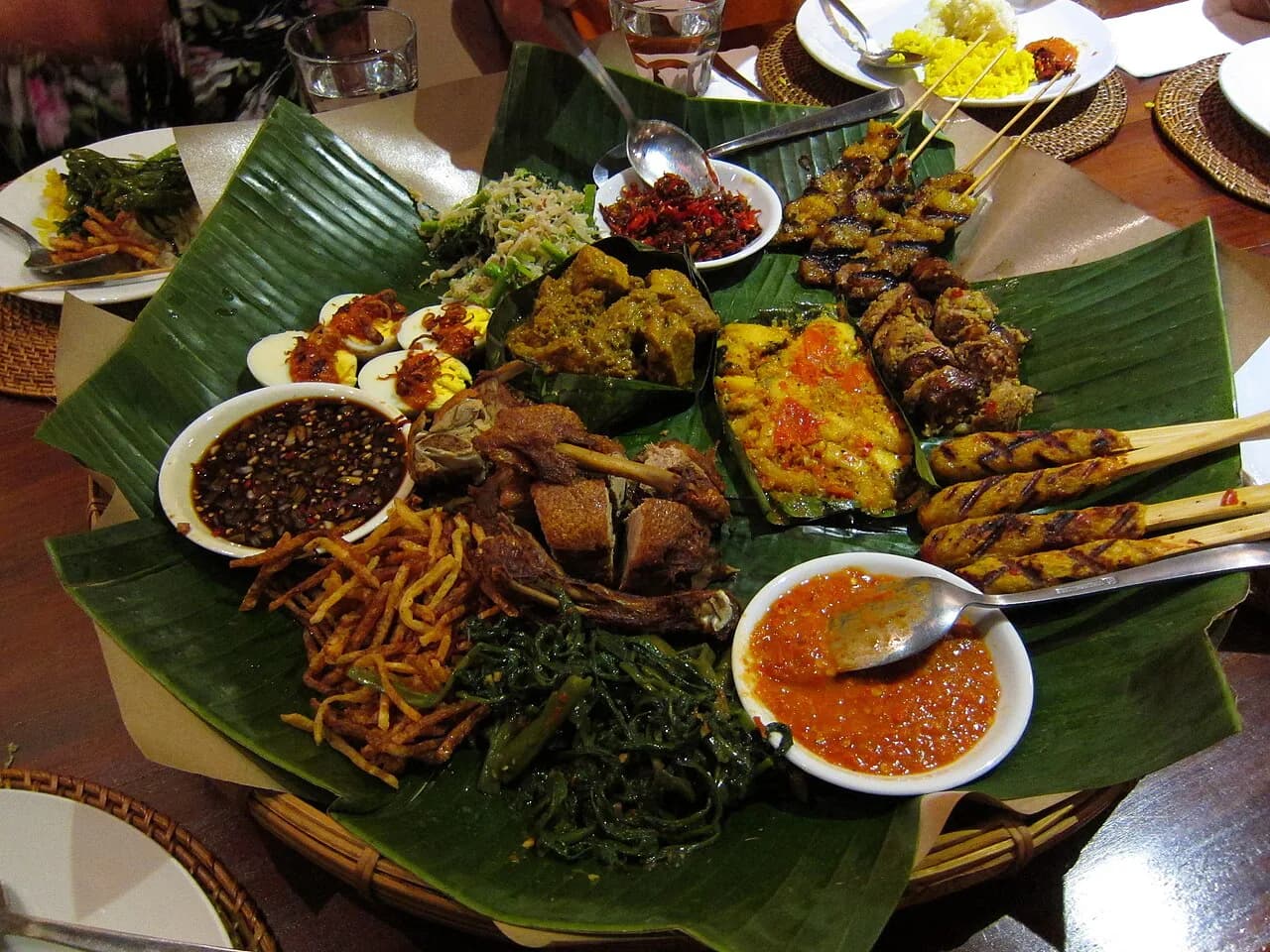
Tasting a dish made by cooks who do it daily makes your own version easier to judge. Try babi guling in Ubud to compare a signature dish with what you cooked. Casual meals at a local warung show how everyday Balinese food tastes. For a sit-down dinner, browse the 8 Best Restaurants in Ubud: Where to Eat by Budget. A cafe stop works well if you want a slow break after a morning class.
Judge Value by Inclusions, Not Just the Advertised Rate
Compare what is included before choosing on price alone. Ubud has 3 main formats in this guide: market-visit mornings, farm-based village classes, and short in-town sessions. A transfer, market stop, garden walk, meal, or smaller group can change the value substantially.

Dish counts also need context. Search snippets describe one farm-style class with 6 dishes and a rice-terrace-style option with 9 dishes plus a buffet meal. Treat both claims as prompts to verify, not confirmed promises. Ask the school for its current menu, whether every guest cooks each dish, and whether the final meal is the food you prepared.
- Confirm whether pickup, market transport, ingredients, recipes, and lunch are included.
- Ask whether the stated dish count includes sauces, rice, or demonstrations.
- Check whether dietary substitutions change the menu or require advance notice.
A short central class can be the better value when your day is limited. A farm class may suit you better when the setting and ingredient story matter as much as cooking time.
Frequently Asked Questions
What is the main cuisine in Bali?
Balinese cuisine is the local tradition, and it is what Ubud schools teach. Each school sets its own menu, so check the dishes before you book.
Notes for your Indonesia trip
Optional updates when we add or change a town or island guide.
You might also like


Continue reading
More guides you'll find useful