Ubud Warung Guide: Best Local Eats & What to Order
Choose the right Ubud warung: what a warung is, what to order, typical costs in rupiah, and which spots suit solo, vegetarian or view-seeking travelers.
On this page
Last updated November 2026. An Ubud warung is a small, usually family-run eatery serving Balinese and Indonesian food, and one 2026 local guide reports plates from about IDR 35,000 to IDR 50,000. Start with Warung Makan Bu Rus on Jalan Kajeng for a compound setting or Sweet Orange for rice-field views. Below you get the checks, costs, and orders that separate a good plate from a tourist markup.
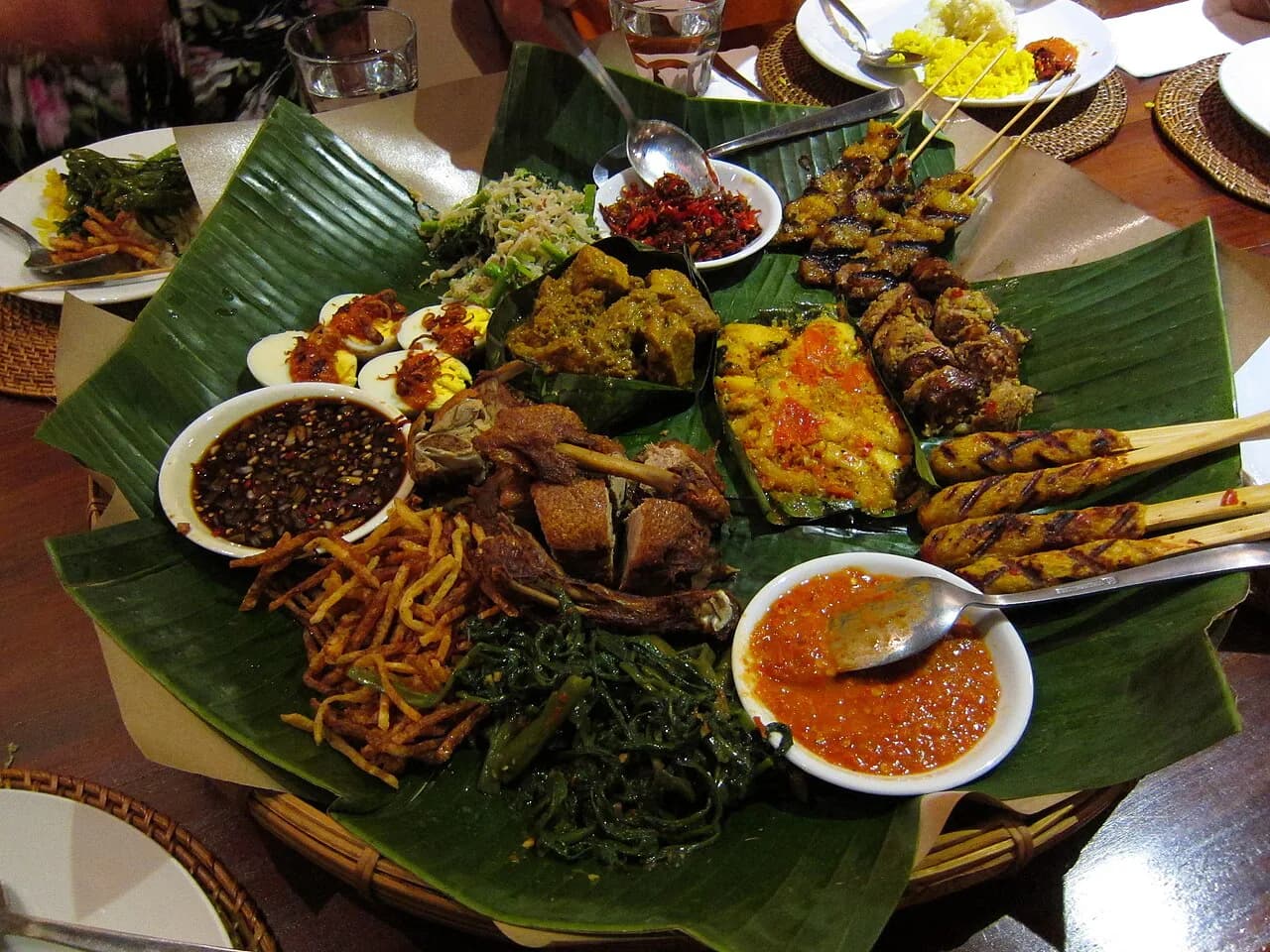
Featured image: Hugo van den Bos, CC BY 2.0, via Wikimedia Commons.
What Is a Warung? (and How It Differs From a Restaurant)
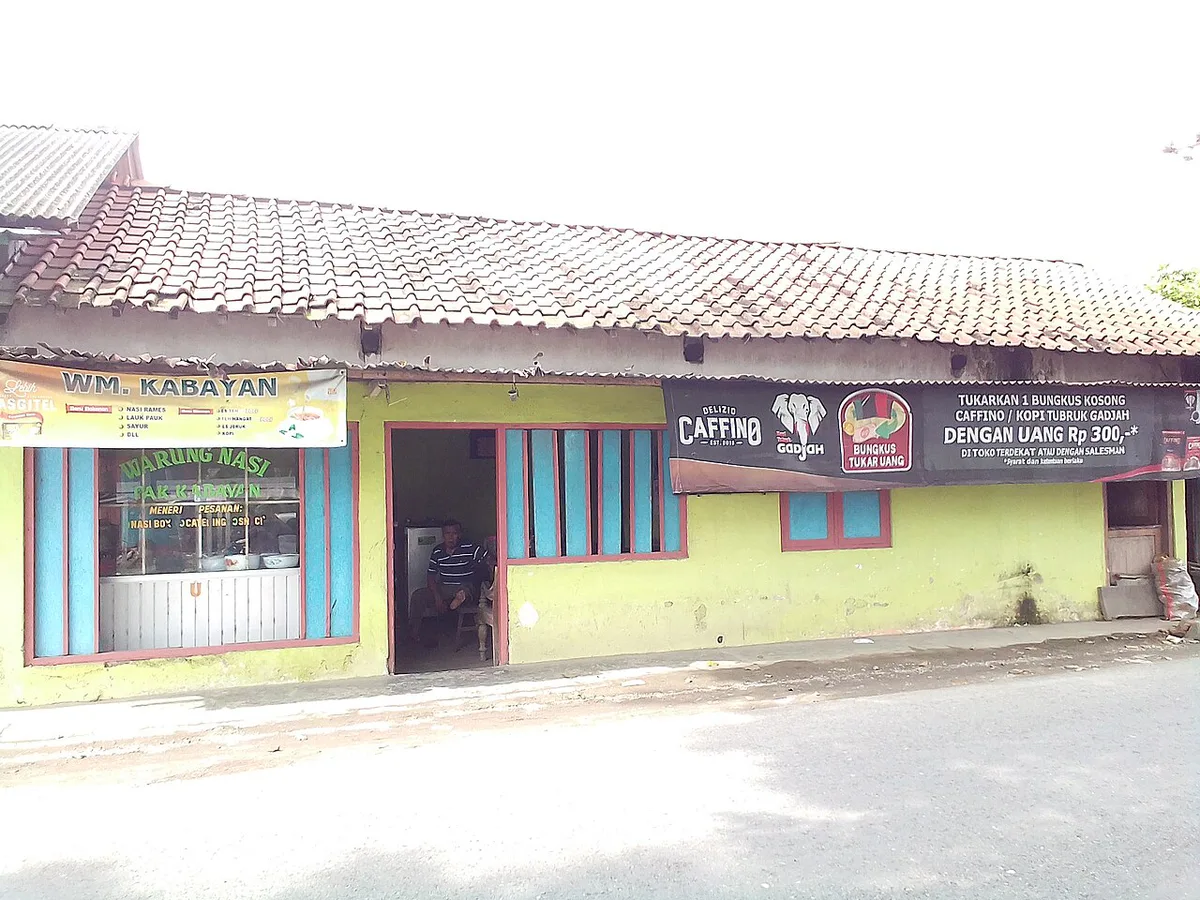
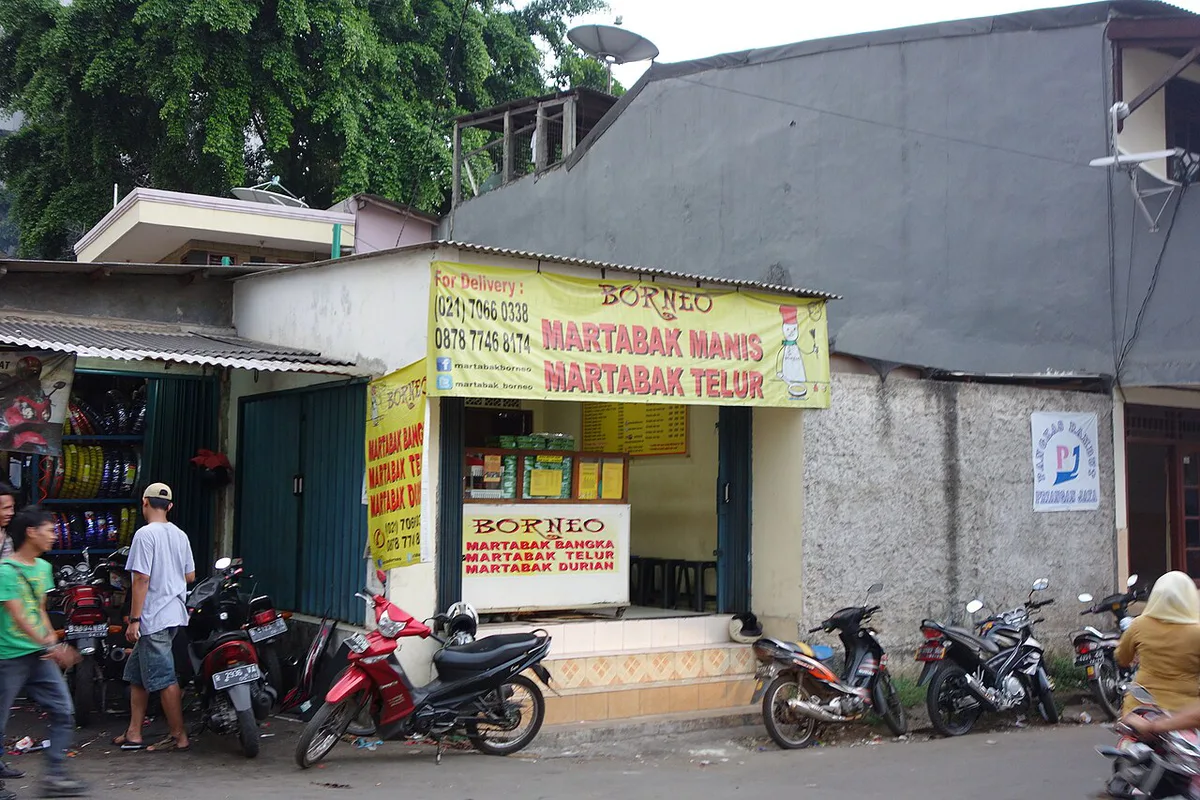
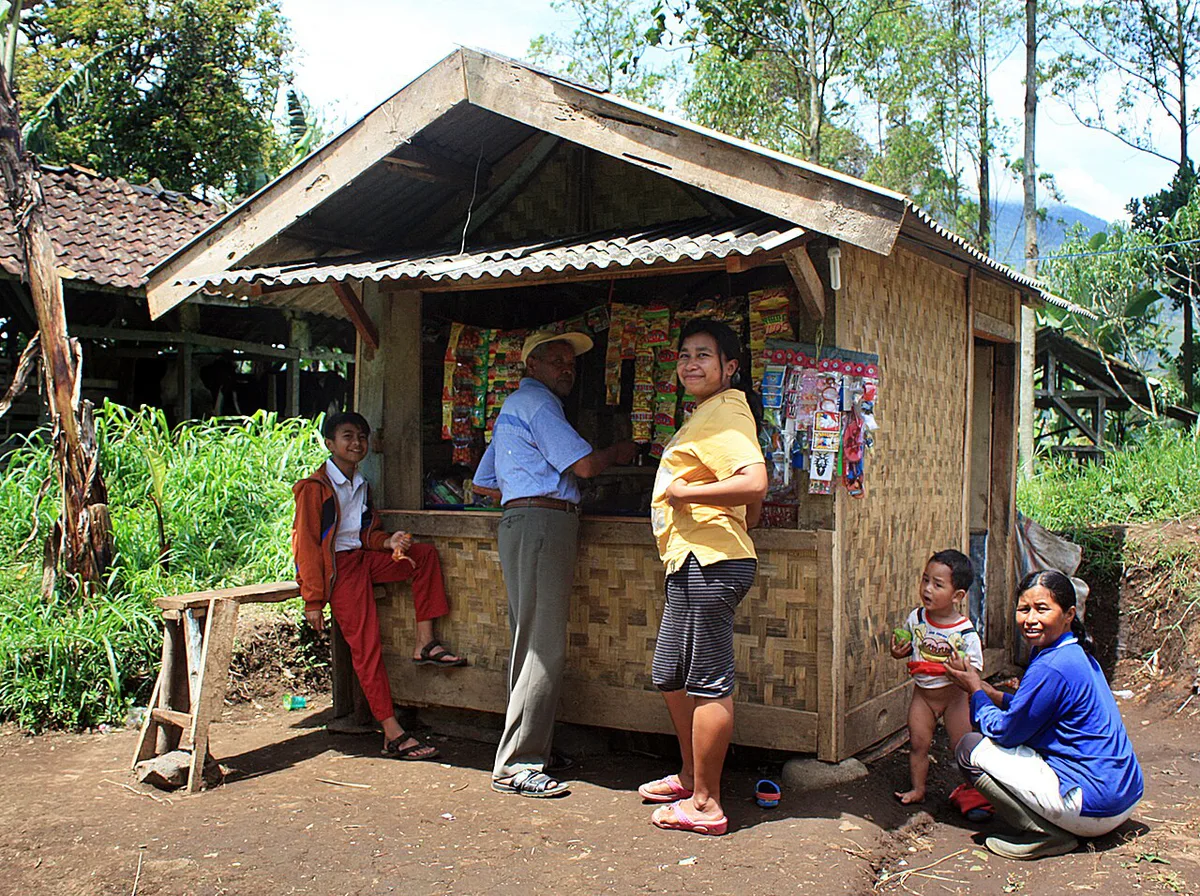
A warung is a small eatery, often run by one family from a front room, a home compound, or a roadside counter. Menus are short and the food is cooked in bulk or made to order. Indonesia's official tourism site is a good starting point for the wider context of Indonesian food. Some Ubud warungs have since modernized, with pop music, English menus, and higher prices. Use the checklist below to tell the two apart before you sit down.
- Display case or counter: a glass case of pre-cooked dishes usually signals a traditional nasi campur warung.
- Menu: a short list with photos or handwritten prices leans local, while long Western menus lean tourist.
- Seating: plastic stools, a fan, and shared tables point to a basic warung.
- Pricing: check whether tax and service charges are added at the end. One guide says Compound Warung includes everything in its listed prices.
- Payment: small stalls often work in cash, so carry rupiah notes and confirm cards before ordering.
Ubud Warung Costs: What to Expect
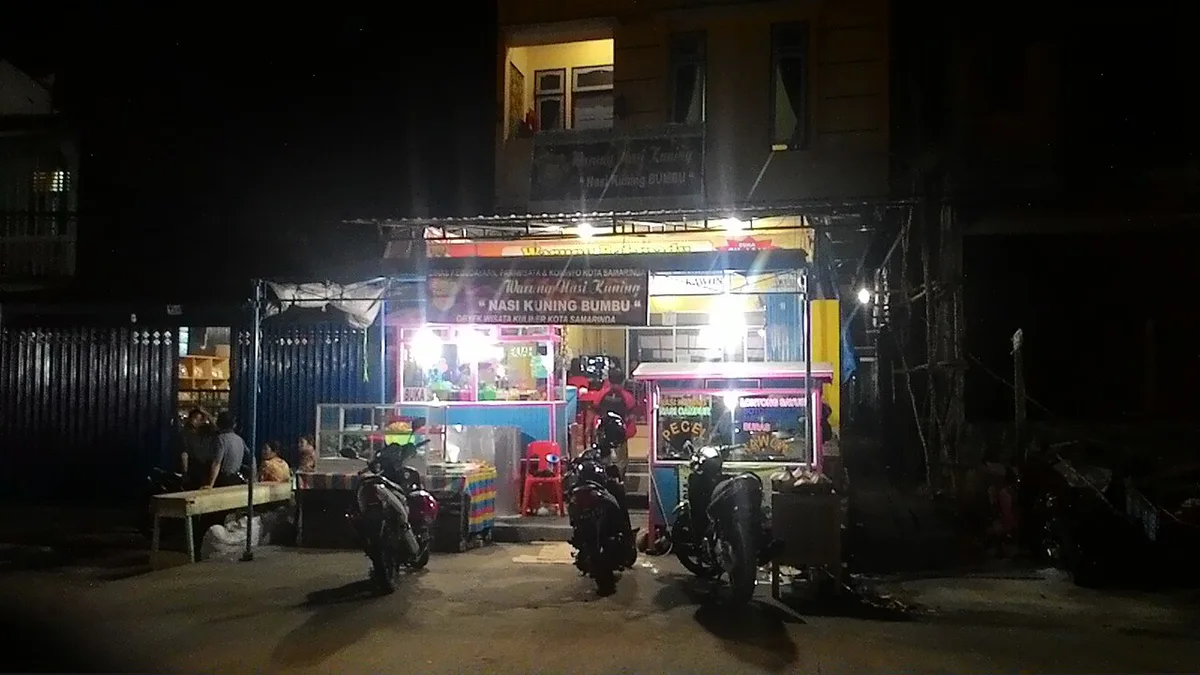
One 2026 competitor guide puts a typical plate at IDR 35,000 to IDR 50,000. Treat that as a starting range and check current prices on the spot. The same guide lists mains at Mama's Warung from IDR 30,000 to IDR 50,000. Oka's Warung on Jalan Kajeng reportedly sells mains at IDR 25,000 to IDR 30,000, and two mains plus water came to IDR 75,000. At Nikuna on Jalan Jembawan, a few dishes reach IDR 80,000 to IDR 90,000, though many sit under IDR 60,000. Taxes, a scenic setting, and a modern menu all push the bill up. Prices change often, so confirm with each venue or a current map listing.
Which Warung Fits You?
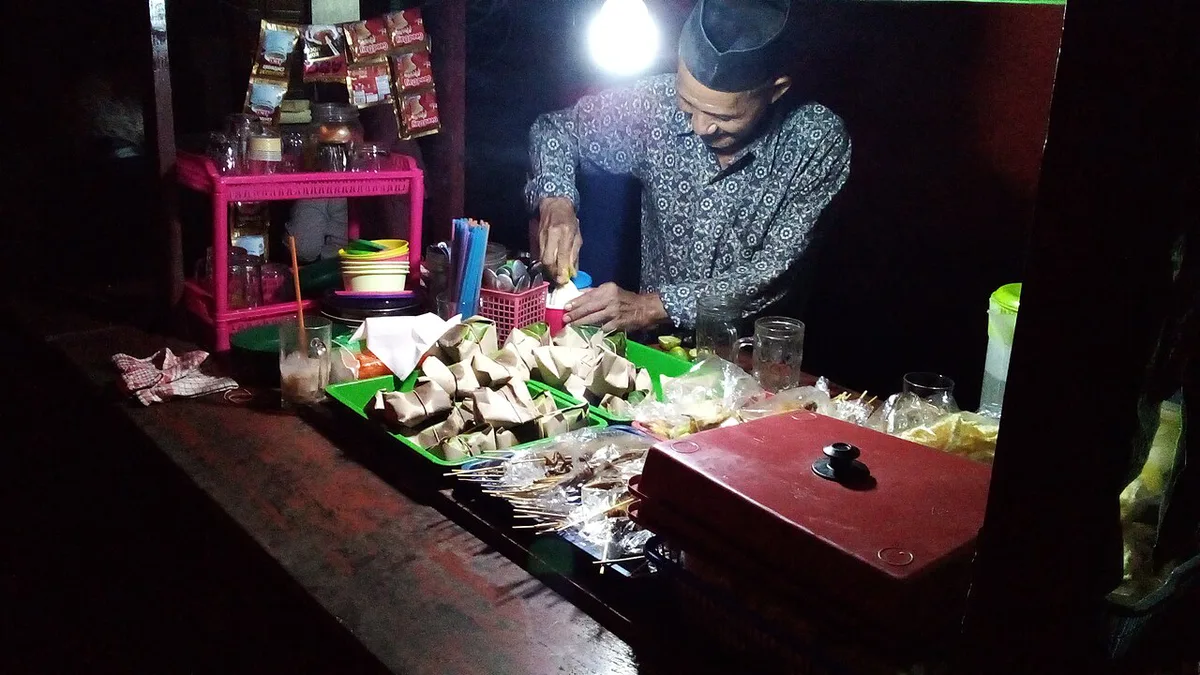
Pick by traveler type rather than by list rank. Crowd notes below come from one competitor guide and should be checked locally.
| Warung | Street or area | Best for | Crowd note |
|---|---|---|---|
| Mama's Warung | Jalan Sukma | Simple nasi campur, quiet dinner | Low-key, easy to walk past |
| Nikuna Warung | Jalan Jembawan | First-timers, Nasi Raja, satay | Seats can run out; go early with a group |
| Warung Makan Bu Rus | Jalan Kajeng | Compound setting, vegetarian gado-gado | Several seating areas |
| Sweet Orange Warung | Sweet Orange Trail | Breakfast, rice-field view, vegetarian | Check morning crowds |
| Warung Gauri | Jalan Bisma | Quiet solo lunch | Few tables, often full |
| Compound Warung | Jalan Gootama | Low prices, family-compound feel | Waits of 15–20 minutes reported |
| Warung Biah Biah | Jalan Bisma | Solo travelers, shared tables | Arrive early; queues reported |
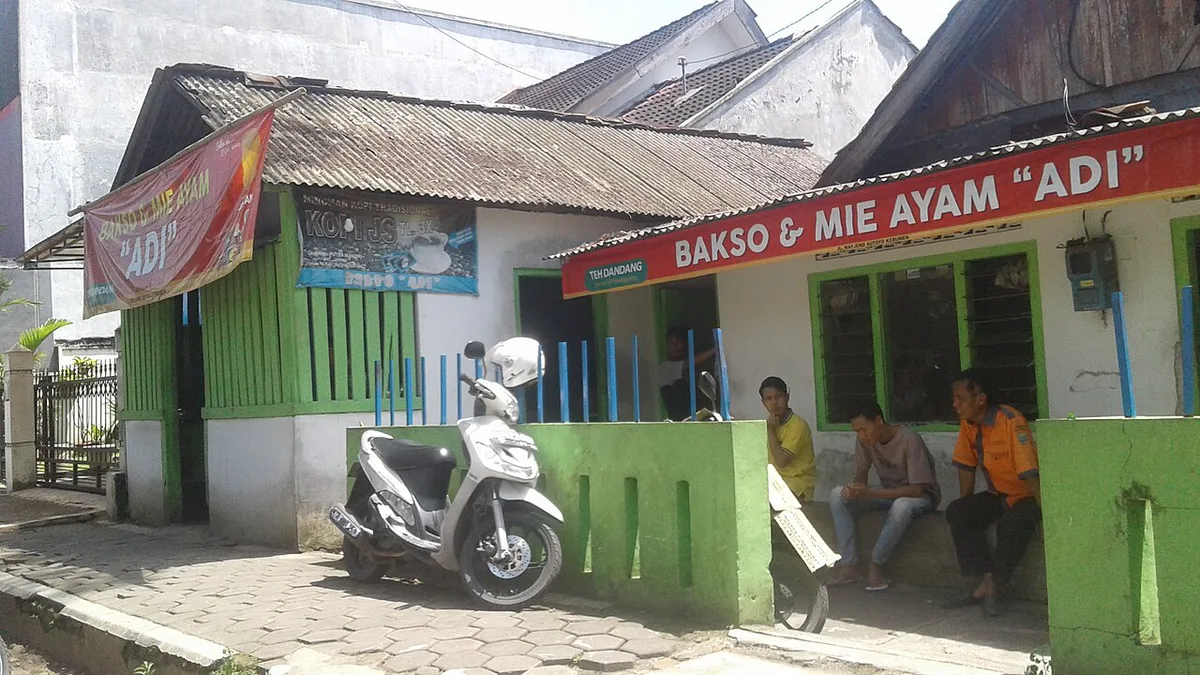
Warung by Area: Plan a Walkable Meal
Grouping by street saves backtracking. On Jalan Bisma, you find Warung Gauri, Warung Biah Biah, Rus Kitchen Warung, and Warung Ning within one stretch, per a local guide. Warung Gauri sits down a small side path near the stream that irrigates the rice fields. On Jalan Gootama, Compound Warung and Adi's Warung are a few steps apart. If Compound has a line, Adi's has been described as calmer, with mains around IDR 30,000 and an avocado salad at IDR 17,000. Jalan Kajeng has Warung Makan Bu Rus and Oka's Warung. Sweet Orange starts a rice-field trail, so pair breakfast there with a walk. Check walking times on a map before you commit to a route.
What to Order
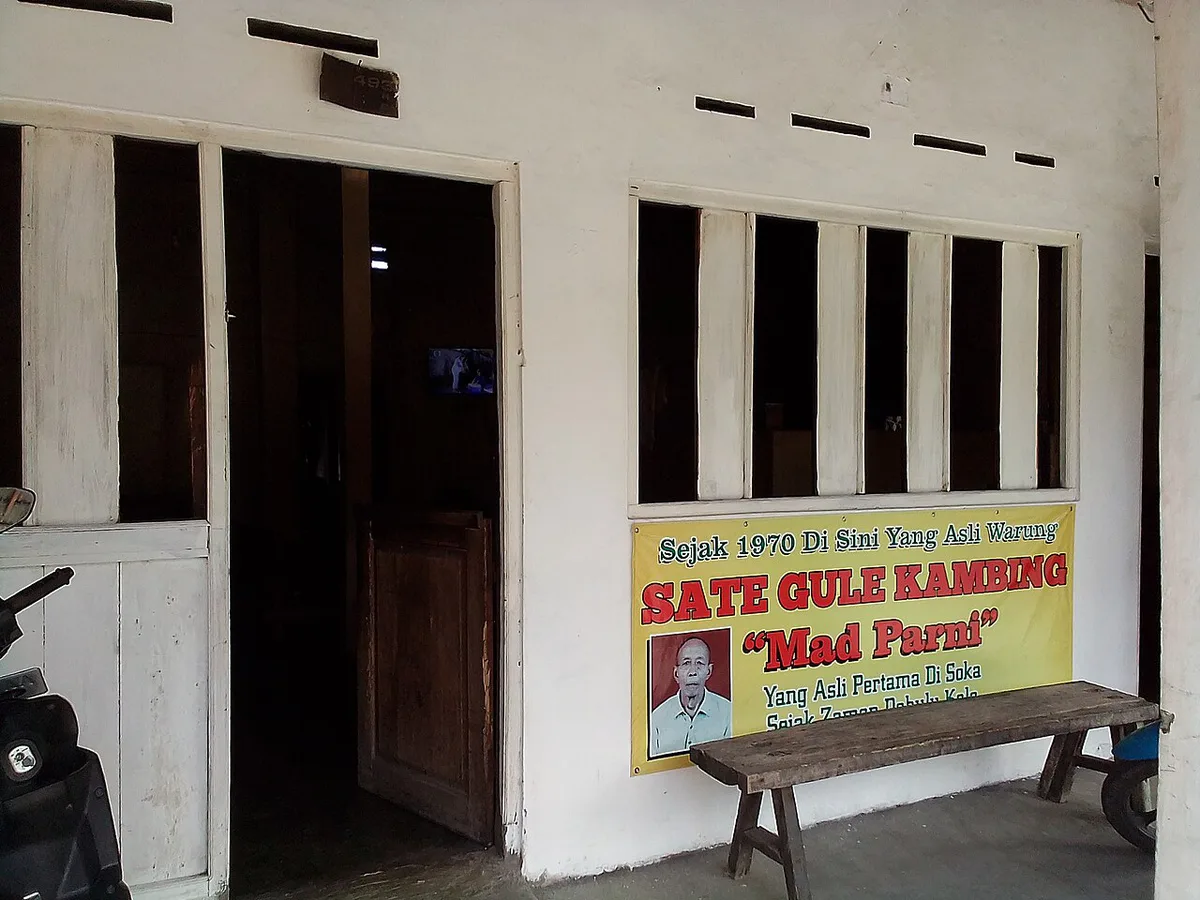
Start with nasi campur, a plate of rice with small portions of tempeh, chicken, egg, and vegetables. Vegetables can be spicy. Nikuna's Nasi Raja is a larger take on that idea. Gado-gado combines vegetables, egg, tempeh or tofu, and peanut sauce, which makes it a dependable vegetarian pick. Satay comes in chicken or tempeh versions with rice. Tempeh mendoan is lightly fried tempeh with a spicy dip, and Warung Makan Bu Rus is named for it. For dessert, try dadar gulung, a green rice-flour pancake filled with coconut and palm sugar. Pisang goreng is fried banana. Pork is its own specialty, so read our guide to Balinese roast pork for that. Travelers who want to learn these dishes can join a hands-on cooking lesson.
- Nasi campur: mixed rice plate, plain or red rice
- Nasi Raja: a fuller nasi campur at Nikuna
- Gado-gado: vegetables and peanut sauce
- Tempeh mendoan: lightly fried tempeh
- Dadar gulung: coconut-filled pancake
How to Order and Pay
At a counter warung, point at what you want and ask for a mix. Some places serve nasi campur piled on one plate. Others bring each component separately so you can mix as you like. Ask about spice before you pick vegetable dishes. Carry cash in small rupiah notes, since one guide describes a warung borrowing a neighbor's card machine. Card acceptance varies, so verify before ordering. Go early for popular spots, because Compound and Biah Biah draw queues. Hours change, so check current hours on each venue's own page or map listing. For official visitor information, see the Bali Tourism Board.
Cash matters most at cheap stalls, where Oka's mains reportedly run IDR 25,000 to IDR 30,000 and cards are not always accepted.
Dietary Fit and Choosing a Clean Stall
Vegetarians do well with gado-gado, tempeh satay, and tofu dishes at Sweet Orange and Warung Makan Bu Rus. For a fuller list, see our vegan options in Ubud. Choose busy stalls where food moves quickly and is served hot. Skip anything that looks like it has sat out for hours. For breakfast and smoothie bowls, head to Ubud's breakfast cafés instead.
Mistakes to Avoid
Do not assume every warung is cheap. Modernized ones in the center can match restaurant prices. Skip ordering only tourist dishes, since nasi campur is the better test of a kitchen. Arriving at peak hours means a 15–20 minute wait at Compound, as one guide reports. Check closing times before you walk over. When you want table service and a longer menu, move on to sit-down dining in Ubud. For the wider picture, our broader Ubud food guide covers markets, dishes, and neighborhoods.
Compound can mean a 15–20 minute wait at peak hours, so Adi's, a few steps away on Jalan Gootama, is the calmer backup.
Notes for your Indonesia trip
Optional updates when we add or change a town or island guide.
You might also like


Continue reading
More guides you'll find useful