Best Uluwatu Beaches: Which to Visit, Access and Tides
Compare Uluwatu's main beaches by swimming, surf, sunset and access difficulty, with tide tips and getting-there advice to pick the right one.
On this page
Last updated November 2026: Uluwatu beaches split into easy-access sand and harder-won coves, and the right pick depends on tide, swell and how many stairs you will tolerate. Padang Padang, Bingin, Suluban, Dreamland, Balangan, Nyang Nyang and Melasti each trade facilities against effort. Use this guide to match a beach to your plans, then check tide and swell on the day. For the wider area, start with our Uluwatu things-to-do guide.
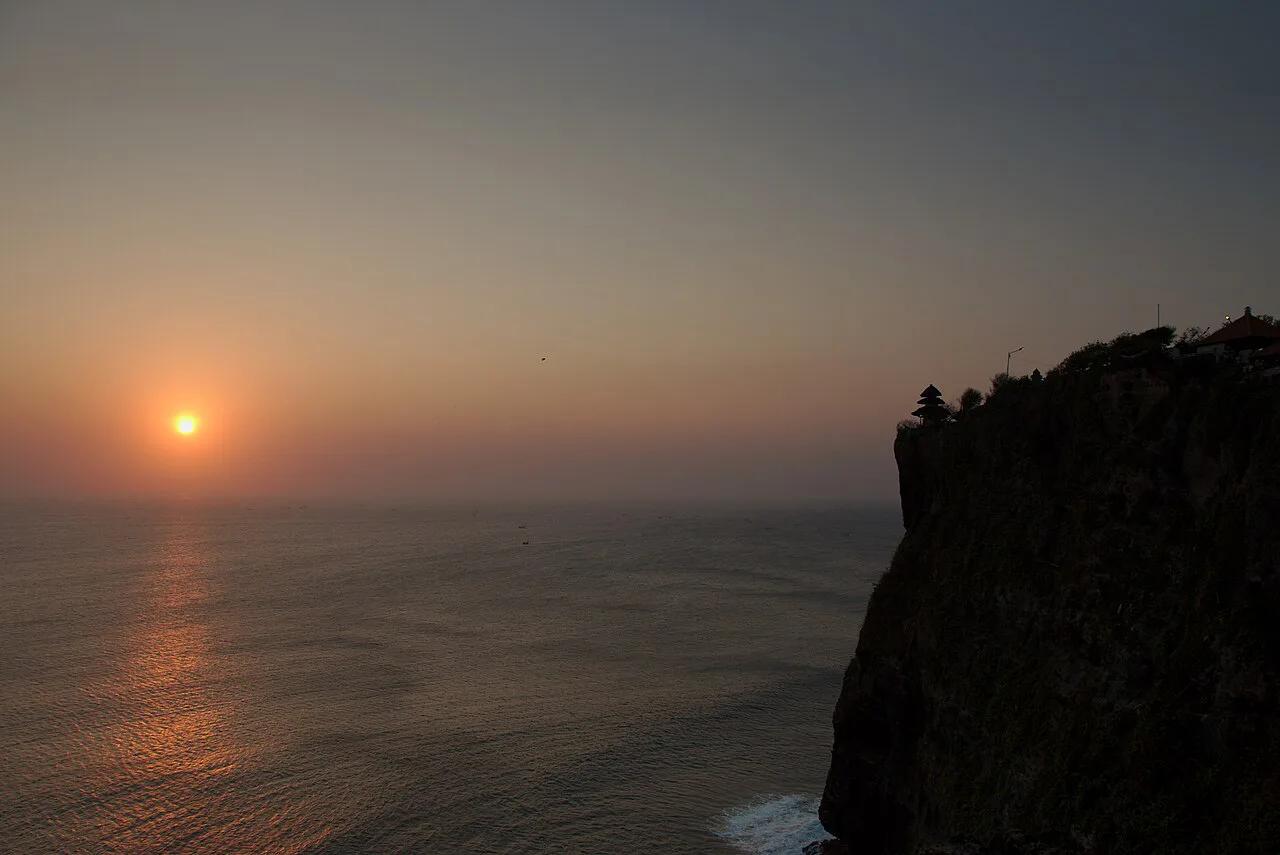
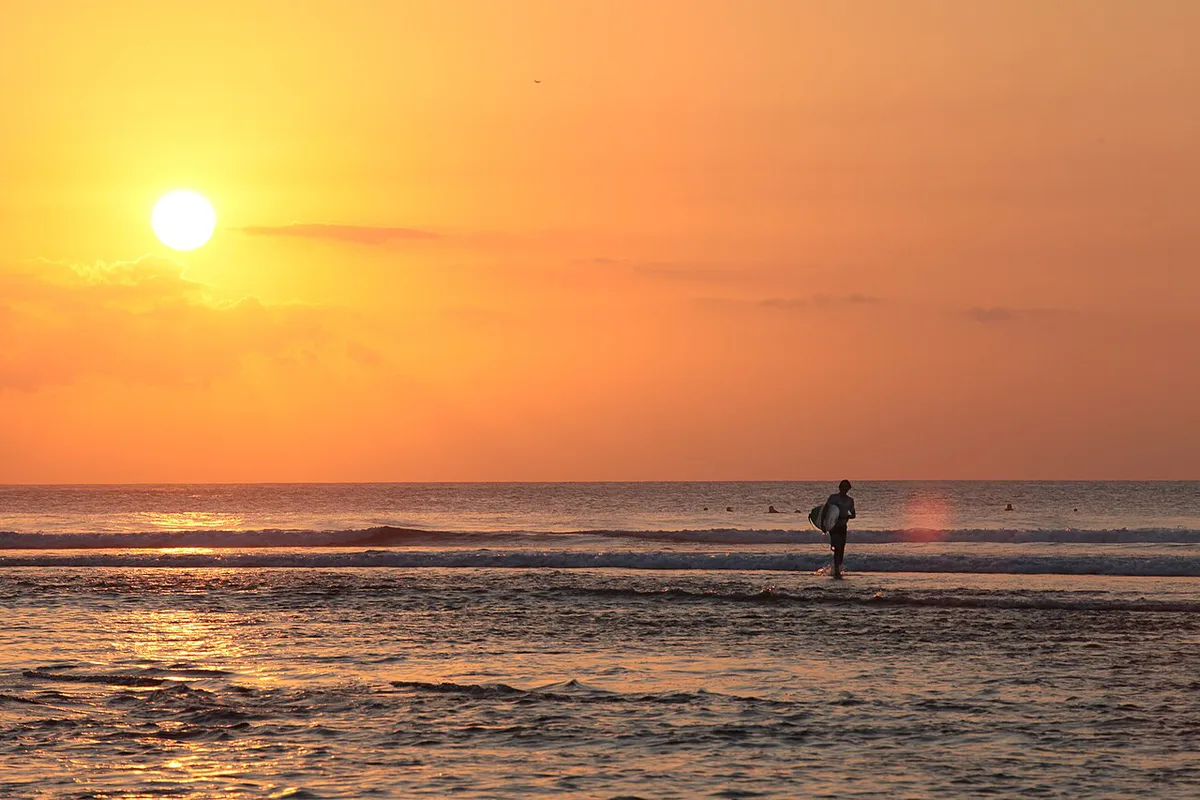
Featured image: MickiMouse2, CC0, via Wikimedia Commons.
Uluwatu Beaches at a Glance
Most beaches on the Bukit Peninsula sit below cliffs, so you reach the sand by stairs, a cave or a rocky path. That access is the main filter. Swimming is the second filter, because several of these beaches are surf breaks with reef and rock underfoot. Treat the table as a starting point, and confirm conditions locally before you commit to a long descent.
| Beach | Best for | Access | Tide note | Skip if |
|---|---|---|---|---|
| Padang Padang | Swimming and a short beach day | Stairs through a gap in the rock | Check the tide before you go | You cannot manage stairs |
| Bingin | Surf watching and warung stops | Cliff stairs lined with warungs | Sand shrinks at higher tide | You carry heavy gear |
| Suluban (Blue Point) | Surf watching, cave entrance, sunset | Stairs, then a small cave | Better at low tide, reportedly | You want to swim |
| Uluwatu Beach | Rock pools and long walks | Bigger cave to the right of the stairs | Easier on foot at low tide | Wet rock worries you |
| Dreamland | Open sand and a sunset sit | Check access locally | Check on the day | You want a quiet cove |
| Balangan | Relaxed sand away from the busiest stretch | Check access locally | Check on the day | You need guaranteed facilities |
| Nyang Nyang | Space and quiet | Longer approach, check locally | Check on the day | You need food nearby |
| Melasti | A simpler day on the sand | Check access locally | Check on the day | You want surf-break scenery |
How to Choose: Swimming, Surf, Sunset or Quiet
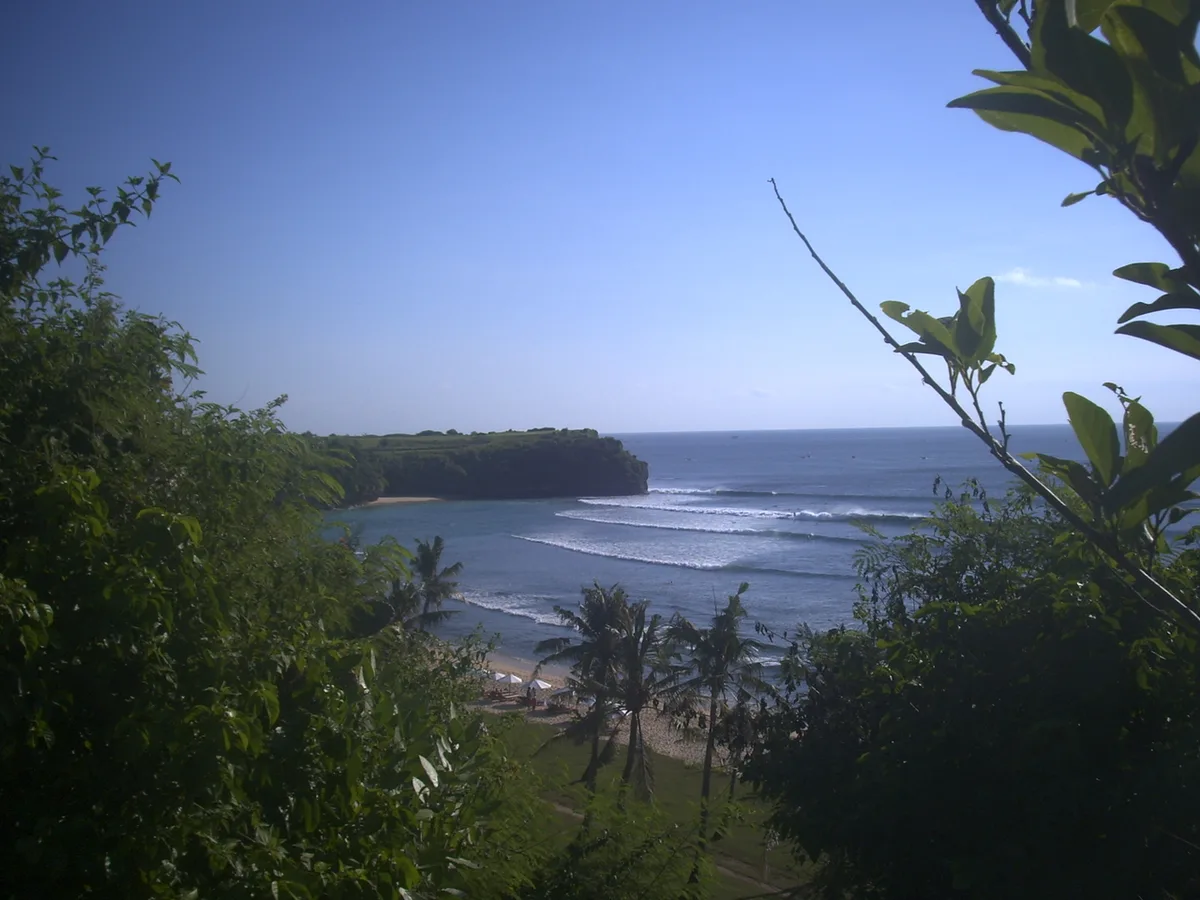
Pick by purpose first, then by effort. For swimming, Padang Padang is the beach a competing guide points to as a better option than Suluban. For surf watching, Bingin and Suluban put you close to the breaks. Our Uluwatu surf guide covers which waves suit which level.
- Swimming: start with Padang Padang, and avoid Suluban.
- Surf watching: Bingin and Suluban.
- Sunset: Suluban, Dreamland or a clifftop venue.
- Quiet: Nyang Nyang and the far end of Uluwatu Beach.
- Short on time: pick one beach rather than three.
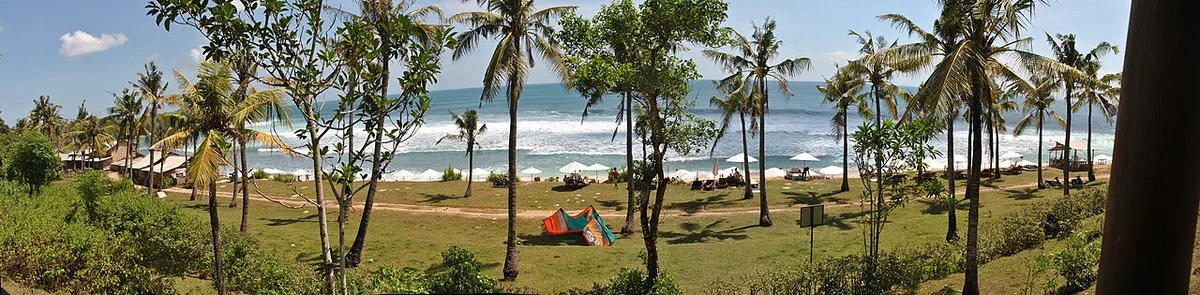
Beach-by-Beach Notes
Each beach below gets what, access and a skip-if line. Details that this guide cannot confirm are marked as such.
- Padang Padang: you descend stairs through a gap in the rock. It is the pick for swimming, but the stairs rule it out if mobility is limited.
- Bingin: cliff stairs run past warungs, so you can stop for a drink on the way down and back up. Skip it if you are carrying a lot of gear.
- Suluban (Blue Point): a small cave on the left of the stairs opens onto the beach. Waves move in and out of the cave unpredictably, and the reef is sharp, so it is poor for swimming.
- Uluwatu Beach: take the bigger cave on the right. Rock pools and formations reward a walk, but the rock is slippery.
- Dreamland: an open-sand option. Check access and facilities locally, since this guide has no verified details.
- Balangan: a relaxed stretch often chosen for a slower day. Check current facilities on arrival.
- Nyang Nyang: the pick for space. Expect a longer approach and carry your own water.
- Melasti: another open beach for a simple sand day. Verify access before you travel.
Tides, Swell and Safety
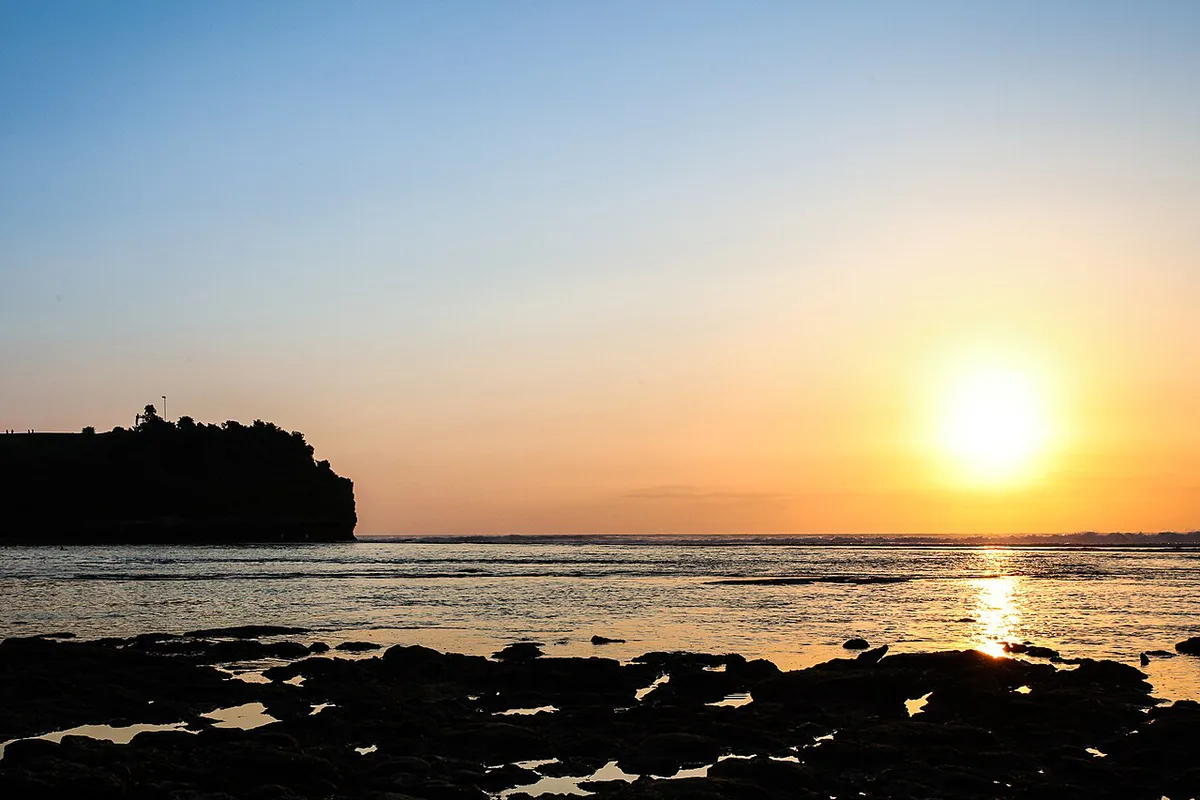
Tide changes what you can do on these beaches. At higher tide, sand narrows, caves can flood and rock gets wetter. At Suluban and Uluwatu Beach, low tide is reported to give more space and easier walking. Check tide and swell on the day, using a source such as Indonesia's weather agency BMKG. Rip currents, reef and rock are general hazards on surf beaches, so swim only where other swimmers are in the water. Wear shoes with grip on wet stairs. If the weather turns, our rainy-day Uluwatu ideas give you a fallback.
Getting There and Getting Down
Stairs are the main cost of a beach day here. At Suluban and Uluwatu Beach, expect around 10 minutes of walking down stairs past local restaurants from the drop-off. Grab or Gojek works if you do not want to park. A scooter gives you flexibility, and our Uluwatu scooter rental guide explains the basics. For routes and options between beaches, see Getting Around Uluwatu: Scooter, Taxi, Driver or Walk?. Carry only what you need, since every item goes down and up those stairs.
Costs: Entry, Parking and Beach Clubs
Most Bali beaches were free to enter as of 2024. For Suluban and Uluwatu Beach, reported 2024 parking fees were Rp3,000 per scooter at the beach entrance. At the Single Fin entrance, reported fees were Rp5,000 per scooter or Rp15,000 per car. These are reported figures, so check locally before you rely on them. Riding Grab or Gojek and getting off before the parking area avoids parking fees. Beach-club minimum spends are not supplied here, so ask venues directly. For more no-cost ideas, see Free Things to Do in Uluwatu: Beaches, Sunsets & Hidden Costs.
Parking at Suluban reportedly runs Rp3,000 per scooter, and the walk down from the drop-off still takes around 10 minutes.
Sample Half-Day Combinations
Pair beaches that sit close together, and leave slack for stairs. Verify distances on a map before you set out.
- Suluban plus Uluwatu Beach: two caves off the same stairs, so you can walk between them at low tide.
- Padang Padang plus Bingin: swim first, then watch surf from the warungs. Allow extra time for the transfer.
- Balangan plus Dreamland: open sand and a sunset sit. Check how you will get between them.
- Quiet option: Nyang Nyang alone, with water and snacks packed.
Best Time of Year
April to October is the dry season, with consistent swell for surfers. It is also the season that suits most beach days. Swell is useful to watchers but less friendly to swimmers. Our Best Time to Visit Uluwatu: Month-by-Month Guide guide gives the full seasonal picture.
Sunset Timing and Crowds
Crowds gather at Suluban around sunset, and one source suggests arriving around 3 pm to secure a spot. At Single Fin, a reported tip is to come at least an hour before the sun goes down. Plan your descent so you climb the stairs before dark. For food after the beach, see our Uluwatu restaurant picks.
Start early enough that the walk down from the drop-off fits in. One source's tip, arriving around 3 pm, gives you room before the sunset rush.
Where to Stay for Beach Access
Staying near Suluban shortens the trip to the stairs. Staying farther away adds a scooter or Grab ride each way. Compare areas in our Uluwatu stay guide.
Mistakes to Avoid
Most problems come from timing and footwear.
- Arriving at high tide, when sand and caves shrink.
- Wearing flip-flops on wet stairs and rock.
- Swimming at a surf break because the water looks calm.
- Leaving the descent until dusk.
- Assuming every beach has sand at all tides.
- Skipping a look at quieter stretches of coast when the main stairs are crowded.
Frequently Asked Questions
Where are the best beaches in Uluwatu?
Padang Padang suits swimming, and Bingin and Suluban suit surf watching. Uluwatu Beach rewards a low-tide walk, while Balangan, Dreamland, Nyang Nyang and Melasti offer open sand. Check tide and access before you go.
Is Uluwatu worth it?
For beach variety, yes, if you accept stairs and tide planning. Our Is Uluwatu Worth Visiting? Who It's For (and Who Should Skip) page weighs the wider trade-offs.
Notes for your Indonesia trip
Optional updates when we add or change a town or island guide.
You might also like


Continue reading
More guides you'll find useful