Uluwatu Surf Guide: Breaks, Tides, Lessons & Safety
Uluwatu surf explained: how the reef breaks work, the best season and tide, where beginners should learn, and how to get there.
On this page
Last updated November 2026: Uluwatu surf means a serious left-hand reef break that suits experienced surfers and works best in the dry season. Beginners should let an instructor pick a gentler venue. Use this guide to match your level to a break, read tide and season, and fill the non-surf hours with ideas from our wider Uluwatu planning guide.
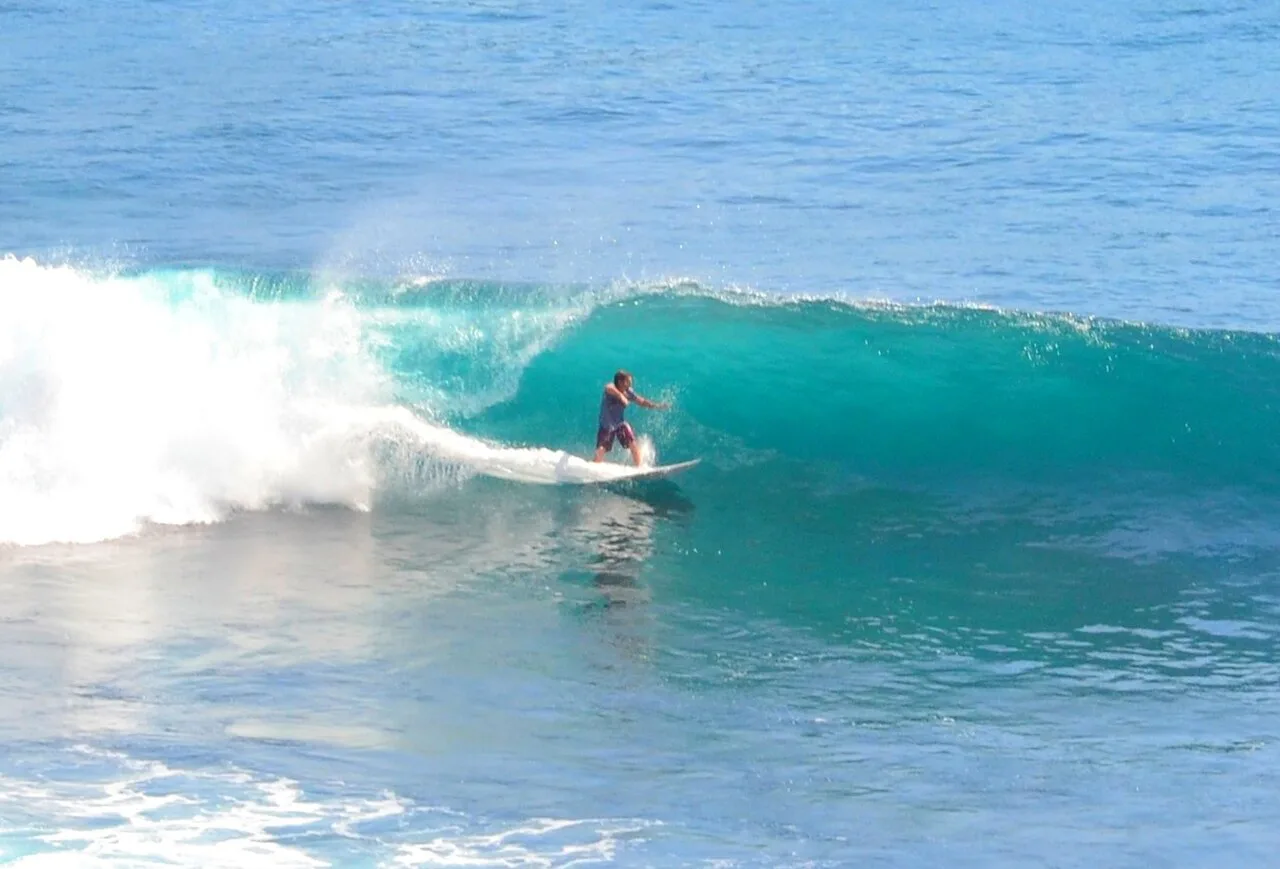
Featured image: Simon_sees, CC BY 2.0, via Wikimedia Commons.
Uluwatu Surf at a Glance
Uluwatu is a long left-hand reef wave on the Bukit Peninsula, and it is not a beginner wave. Local knowledge puts the best conditions in the dry season, at mid to high tide, but treat both points as things to confirm locally. First-timers and improvers do better with a school-chosen venue than with a famous name.
- Wave type: left-hand reef break over shallow coral
- Best for: confident intermediate and advanced surfers
- Season: dry season swell, per local reports; confirm with a forecast
- Tide: mid to high is the usual advice; check locally
- Beginners: book an instructor and let conditions pick the venue
How the Uluwatu Reef Breaks Work
Forecast sites describe Uluwatu as a massive coral reef with four distinct sections. Temples is described as the longest paddle, and The Peak as the section that holds bigger swell. Section names and positions vary between sources, so ask a local surfer or school before you commit to a lineup. Reef waves peel over fixed ground. That makes tide the main variable you control, because the same swell behaves differently when the reef is shallow.
Best Season and Tide for Surfing Uluwatu
Local reports place the main southwest groundswell season in the dry months, with the strongest run in the middle of that period. Wet-season surf is possible but less consistent, and wind can matter more. For official sea and weather context, check the BMKG weather agency before you plan a trip around swell. Our season-by-season Uluwatu guide covers non-surf weather.
| Factor | Usually works | Check locally |
|---|---|---|
| Season | Dry season southwest swell | Exact start and end of the season |
| Tide | Mid to high tide | Tide heights and times on the day |
| Wind | Light offshore wind | Direction at dawn versus afternoon |
| Swell | Long-period groundswell | Size your ability can handle |
Which Surfers Should Paddle Out? (Ability Table)
Be honest about your level, because the reef punishes optimism. Use this table as a decision aid, not a guarantee. When in doubt, drop one level and ask an instructor to choose the venue.
| Level | Suitable break | What to do instead | Main risk |
|---|---|---|---|
| First-timer | Venue chosen by an instructor | Take a lesson on a forgiving beach | Reef contact and strong currents |
| Improver | Smaller, less crowded days with local advice | Surf with a guide who reads conditions | Crowds, board loss, tricky exits |
| Intermediate | Mid-sized days at Uluwatu sections, with caution | Try nearby breaks on smaller swell | Shallow reef at lower tide |
| Advanced | Uluwatu, with The Peak on bigger swell | Study the lineup before paddling out | Heavy waves and crowded priority |
Beginner Options: Where and How to Learn
Basic instruction is generally not appropriate on the main reef. Let a qualified local instructor choose the teaching spot from current tide and swell. Ask about instructor qualifications, group size, insurance, equipment, transport, and what happens if surf is unsuitable. Be wary of any school that promises one famous break regardless of conditions. A useful first lesson covers current awareness, board handling, paddling, pop-up mechanics, right of way, and falling away from the board.
- Tell the school your real level and how recently you surfed
- Ask how the venue is chosen each day
- Confirm what happens if you must reschedule
- Bring sun protection that stays on in water
Getting to the Lineup: Access, Paddle-Out and Logistics
Surfers commonly reach the Uluwatu lineup through a cave entrance beneath the cliff near Suluban, and paddle out from there. Confirm access, any fees and parking with the temple management or your school, because these details change. Most visitors reach the cliff by scooter or driver. Read our scooter rental advice before you strap a board on. Our Uluwatu transport options compare the alternatives. Pick your base with surf access in mind using Uluwatu accommodation areas.
Costs and Time: Lessons, Boards and Session Length
We found no sourced prices for lessons, board rental or session length, so none appear here. Check each school's current price page and confirm what is included before booking.
- Group lesson versus private lesson
- Transport to and from the venue
- Board, leash and rash guard rental
- Any local access fees
- Half-day versus full-day commitment
Crowds, Etiquette and Reef Safety
Forecast sites say lineups at Uluwatu can top 100 surfers on busy days. Expect to compete for position, and watch a few sets before paddling out. Priority goes to the surfer closest to the peak, so never drop in. Losing a board in a crowd can injure someone else, so hold onto it and bail away from other people. Temples is described as less crowded, but verify that on the day. Reef cuts can get infected, so clean them promptly and see a clinic if they worsen. Carry travel insurance that covers surfing, and learn first aid basics from a recognized health authority.
With lineups that can top 100 surfers, first-timers gain most from an instructor who picks the venue.
Nearby Surf Spots Worth Knowing
Several other breaks sit along the Bukit Peninsula coast, each with its own tide and swell needs. Ask locals which suits your level on the day, and use Uluwatu beach options for swimming and sunsets.
- Padang Padang
- Impossibles
- Bingin
- Dreamland
- Balangan
- Nyang Nyang
Flat Day or Not Surfing? Plan B for Mixed Groups
Non-surfers can enjoy Uluwatu through cliff viewpoints, beach time, cafes and sunset. Try a sunset Kecak performance and confirm the venue and schedule first. Refuel at Uluwatu Cafes: Where to Go by Area, Meal & Budget after a session. Aching shoulders benefit from an Uluwatu Massage: Prices, Types & How to Book. Rainy days have their own options in wet-weather Uluwatu ideas.
Mistakes to Avoid
Most surf trips go wrong through ego, timing or poor preparation. Avoid these.
- Overstating your level to reach a famous break
- Paddling out without watching the lineup first
- Ignoring tide and surfing the reef too shallow
- Skipping insurance and reef-cut care
- Assuming the nearest visible wave is the lesson venue
How to Read a Uluwatu Surf Forecast
Check a surf forecast before leaving your accommodation, then confirm conditions with a local school or experienced surfer. Start with swell height and period. Larger, longer-period swells usually carry more power onto a reef. Compare the wind direction with the day’s forecast, especially around dawn and later in the afternoon.

Tide deserves equal weight at Uluwatu. Local advice generally favors mid to high tide, but the usable window changes with swell and the section you choose. Forecast descriptions divide the reef into four sections, so one report cannot replace watching the lineup from shore. Check tide times, observe where waves break, and identify a safe exit before paddling out.
Use a forecast to decide whether conditions match your ability, not to guarantee a session. A busy lineup can exceed 100 surfers on popular days. If the surf looks beyond your level or the crowd is difficult to manage, ask an instructor to choose another venue.
Frequently Asked Questions
What tide is best for Uluwatu?
Local advice favors mid to high tide. Confirm on the day with a tide chart and a local surfer, since reef conditions shift with swell.
Can I learn surfing in 3 days?
Progress varies by person. Aim for consistent board control and ocean awareness rather than a fixed promise of independence.
Where do you surf in Bali?
Around Uluwatu, surfers use the main reef and nearby breaks such as Padang Padang, Bingin, Dreamland and Balangan. Beginners should follow an instructor's venue choice.
Notes for your Indonesia trip
Optional updates when we add or change a town or island guide.
You might also like



Continue reading
More guides you'll find useful