
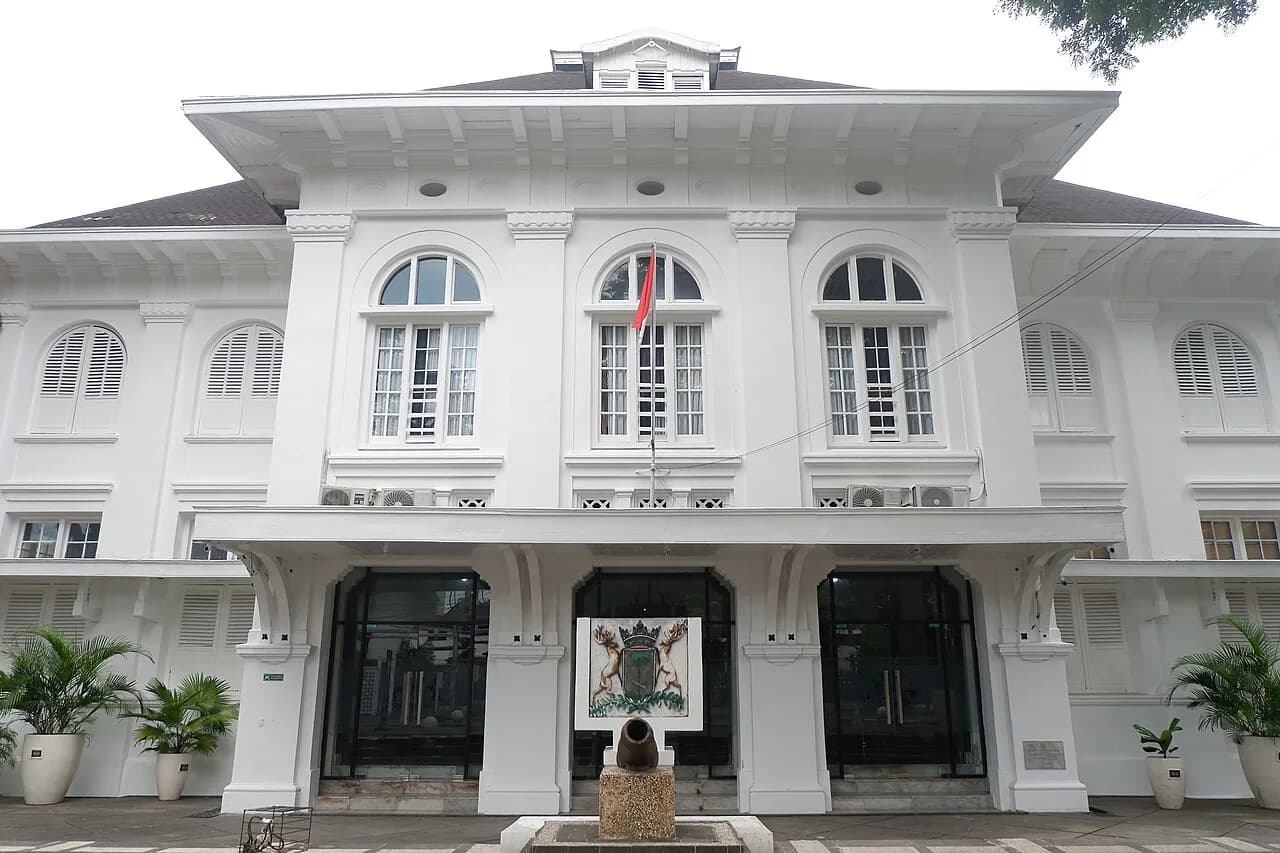
Museum Kota Makassar: What to See at Makassar's City Museum

Plan about an hour for Museum Kota Makassar, a compact city museum that treats Makassar's own identity and history as its subject rather than spreading across Indonesian history at large. It suits travelers who want context for the streets, forts and waterfront they are already walking through, not a half-day outing. This page covers what the museum holds, where it sits, how to reach it, how much time to allow and which nearby sights pair with it.
One point of confusion is worth clearing before you go: some write-ups apply the La Galigo name to the city museum, while the national tourism listing treats Museum Kota Makassar as its own entry. The two names are used loosely in local coverage, and the sources do not settle whether they mean one building or two. Confirm which site you are heading to before you set out.
What Museum Kota Makassar is and what it covers
The museum exists to serve public demand for information about Makassar's identity, and its collection was assembled as a visual record of that identity rather than as a fine-art showcase. Academic work on the museum describes a varied set of objects used to give visitors a visual experience and to support learning about the city's past. In practice, that means you read the city through objects and displays rather than through blockbuster treasures.
The institution began operating in 2000, according to the national tourism listing, which places it among the city's established but modest attractions. Research published in 2022 covers its role as a history-learning resource across the 2000-2020 period, which confirms the museum's long-standing educational focus rather than a recent rebrand. If you like small municipal museums that explain a place to itself, this fits; if you want spectacle, it will feel thin.
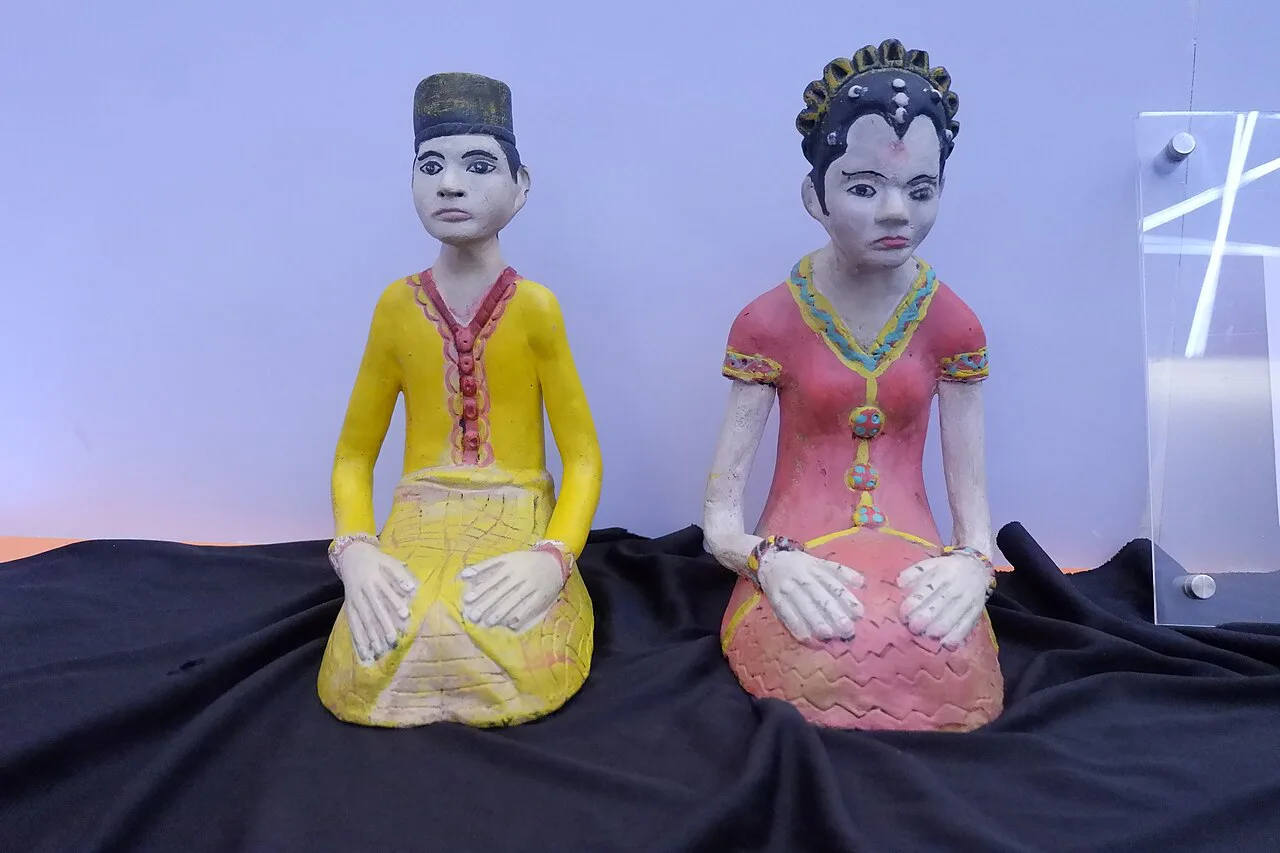
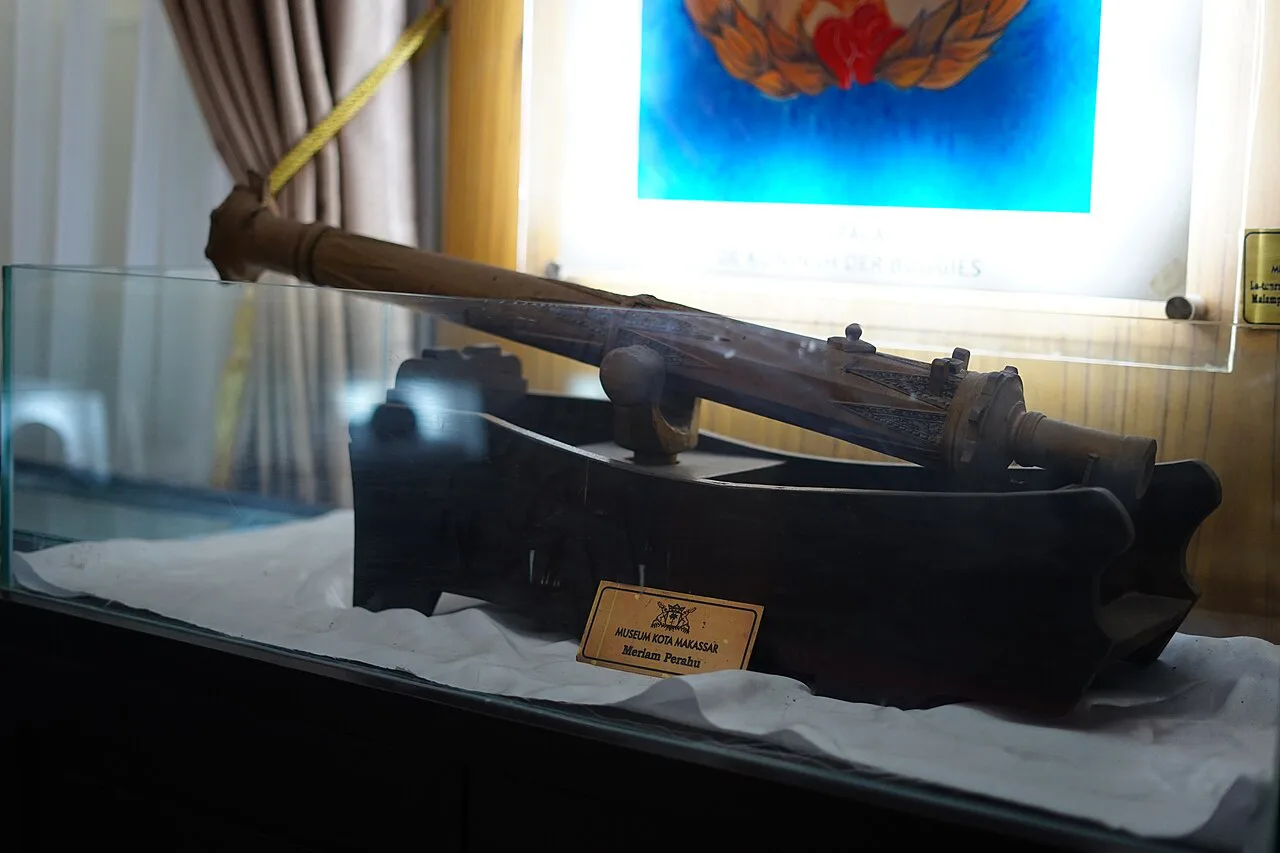
Collection photography gives a sense of the range: one documented piece is an 18th-century Japanese kaolin vessel, the kind of ceramic that speaks to Makassar's long history as a trading port. Objects like this reward a slow read of the labels more than a quick walk-through. Expect ceramics, local historical material and interpretive displays rather than a single headline artifact.


Where the museum is in Makassar and how to get there
The museum sits in Makassar, the capital of South Sulawesi, within the same compact downtown area as the waterfront and the old Dutch-era fort. The tourism listing files it alongside Pantai Losari, the Chinatown gate and Masjid Al Markaz as nearby attractions, which tells you the cluster is tight enough to cover on foot or with one short ride. Allow for Makassar's traffic when you set a pickup time.
Ride-hailing apps such as Grab and Gojek, plus metered Bluebird taxis, are the simplest way to arrive without navigating parking, since the listing records only limited car capacity on site. Give the driver the museum name in Indonesian and confirm the drop-off point before you start. There is no reliable published street address in the sources here, so check the location in your maps app against the name before you leave.

Opening hours and ticket price
The national tourism listing publishes weekday hours of 09.00 to 16.00 and weekend hours of 09.00 to 15.00, with a recorded ticket price of 5000 rupiah every day of the week. Payment is recorded as cash at the site, so carry small notes rather than relying on a card. Treat these figures as the operator's published benchmark and reconfirm before a long trip across town.
The listing also notes that tickets are bought on the spot rather than reserved in advance, and that no visitor insurance is included. That is normal for a small municipal museum and keeps planning simple: no booking, no timed slot, no online fee. If you are travelling on a public holiday, ask the museum directly whether the schedule changes, because holiday closures are not documented here.
What to see inside: collection highlights and exhibition themes
Work through the displays as a narrative of the city: trade goods, everyday objects and local historical material arranged to explain who Makassarese people are and how the city formed. The 18th-century Japanese ceramic is a good example of how an imported object becomes evidence of local trade networks. Read the labels; without them, the cases are just objects.
Visitor accounts shared by the museum describe the space as tidy and comfortable, with older visitors finding plenty that stirs memories of the city's past. That matches the collection's local-history emphasis: people who grew up in Makassar recognize things that outside visitors need the labels to decode. Go in expecting a neighborhood-scale museum and it delivers.
Educational programs and guided support for visitors
The museum runs a genuine education program rather than leaving displays to speak for themselves: published research documents collection exhibitions, themed group learning sessions, seminars and staff support for visitors. School and university groups are the main audience for these activities. Independent travelers can still benefit from the on-site guidance when staff are free.
The tourism listing records an information center on site and a dedicated contact for the attraction, which is the right channel for asking about a group visit or staff-led explanation. It does not publish a fixed guided-tour schedule, so ask when you arrive rather than planning around one. If a guided walk-through matters to you, message ahead through the museum's own channels.
How much time to allow for a visit
Budget roughly 45 minutes to an hour inside, longer if you read the Indonesian-language labels carefully or catch staff commentary. The museum is not large, and the published closing time of 16.00 on weekdays means a mid-afternoon start still works. Arriving before 15.00 on a weekend gives you a comfortable margin before the earlier weekend close.
The smarter plan is to treat the museum as one stop in a downtown loop rather than a destination on its own. Pair it with the waterfront and the old fort so the day has weight, and keep the museum for the hottest part of the afternoon when air-conditioned display rooms are welcome. That sequencing turns a short visit into a coherent half day without padding.
Nearby places to pair with the museum
Pantai Losari, Makassar's waterfront promenade, is the obvious next stop and is listed in the same cluster of city attractions. It is a place for an evening walk and street food rather than a swimming beach, so time it for late afternoon after the museum closes. Our guide to Losari Beach, Makassar covers the layout and what to expect along the seawall.
The Chinatown gate and Masjid Al Markaz also appear as nearby attractions in the same listing, alongside the Lantebung mangrove area and Pulau Langkai, which makes a compact downtown circuit of museum, gate, mosque and waterfront feasible in one outing. Fort Rotterdam in Makassar is not among the listing's nearby entries but adds the colonial layer and is the strongest single complement to a city-identity museum. Five stops is plenty; more turns the day into a checklist.
Where to confirm current hours, ticket price, and any closures
Hours and the 5000 rupiah ticket are published on the national tourism listing, but municipal museums adjust for holidays and maintenance without much notice. Call the contact number on that listing or message the museum's own social accounts on the day you plan to visit. This is the one detail worth reconfirming rather than assuming.
The museum's Instagram account posts visitor impressions and updates, and is a reasonable place to check for sudden changes before you travel across the city. Our Makassar Attractions: 6 Visitor Guides page puts the museum in context with the rest of the city's sights if you are still deciding what to prioritize.
Is the city museum worth an hour of your Makassar trip?
Yes, if you want to understand Makassar rather than just pass through it. The museum is small, inexpensive and central, and its collection is built around the city's own story, which makes it a useful primer before the waterfront and the fort. It is not a reason to build a day around, and it will disappoint anyone hunting for a major national collection.
Slot it into a downtown afternoon, carry cash for the ticket, and leave time for Pantai Losari afterward. Check the hours and price on the day you go, since the published schedule is the only reliable baseline available.
Explore more Makassar guides
Frequently Asked Questions
Is Museum Kota Makassar the same as Museum La Galigo?
The naming is genuinely muddled in local coverage, with some articles using La Galigo loosely for the city museum. The national tourism listing treats Museum Kota Makassar as its own attraction. Confirm which building you are visiting before you travel across the city.
Do I need to book Museum Kota Makassar in advance?
No. The published listing describes tickets bought directly at the site and paid in cash, with no advance reservation step. That keeps planning simple, but it also means you should carry small rupiah notes rather than expect card payment.
Can I walk between the museum and Pantai Losari?
They sit in the same downtown cluster of attractions, so a walk or a very short ride is realistic. Makassar traffic can stretch that, so allow extra time and consider a ride-hailing car for the return leg.