Best Time to Visit Yogyakarta: Month-by-Month Guide
When to visit Yogyakarta: dry vs wet season, crowds, temple tickets, rain plans and the best months by traveler type.
On this page
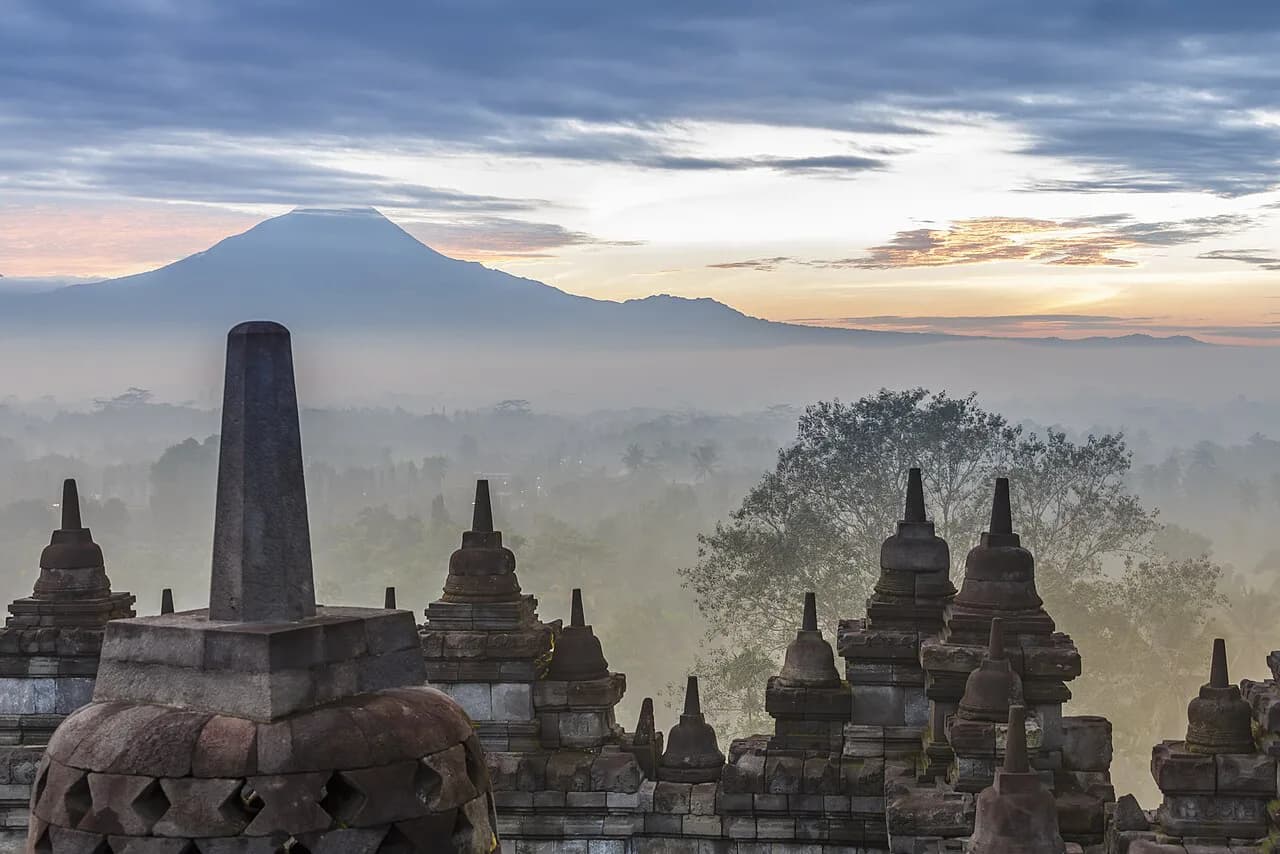
Last updated November 2026. The best time to visit Yogyakarta for most travelers is the dry season, roughly May to October, when Borobudur sunrises and the open-air Ramayana Ballet work best. The trade-off is heavier crowds and higher hotel and tour demand, while the wet months bring cloud, showers and quieter temples. We'd pick dry months for temples and sunrise, and wet months for culture, food and flexible budgets. Start with our Yogyakarta things to do guide for the full sight list.
Short answer: the best time to visit Yogyakarta
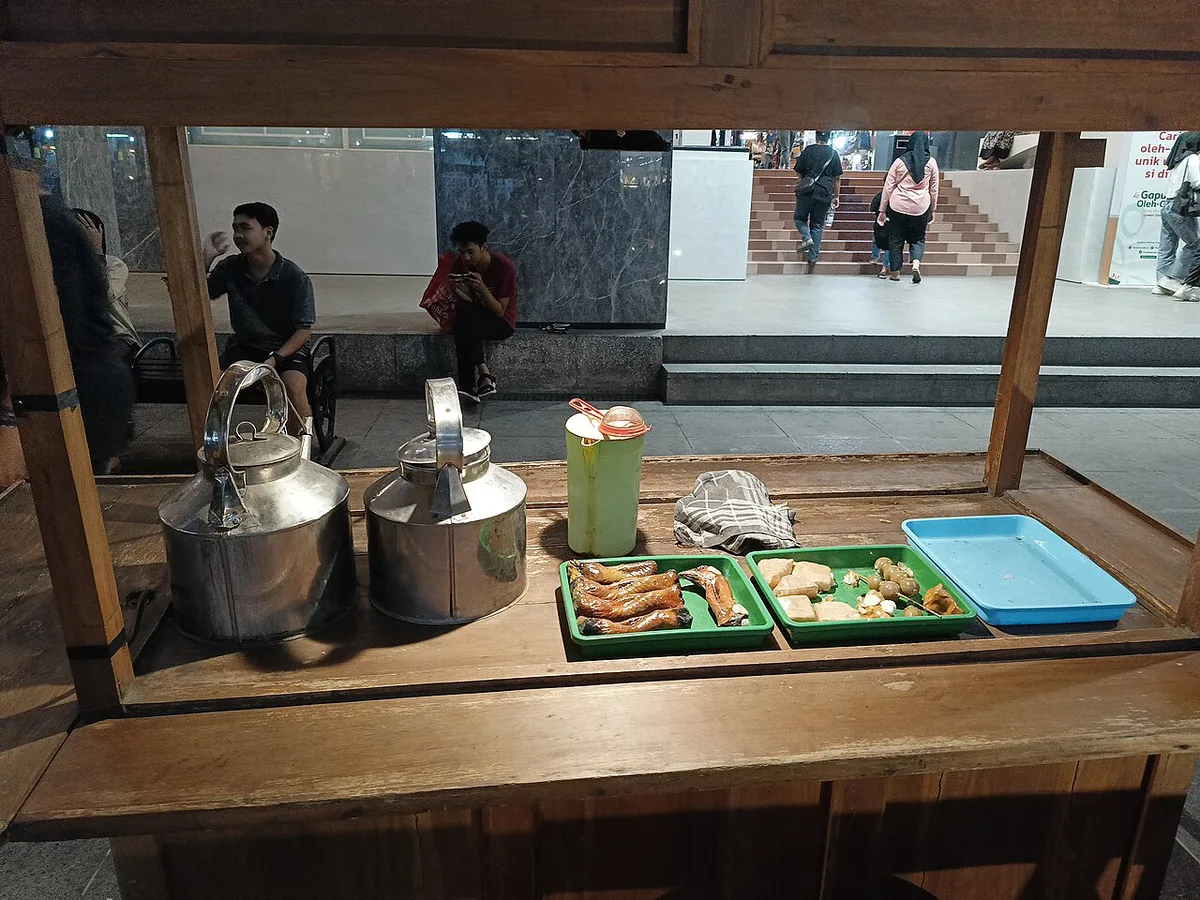
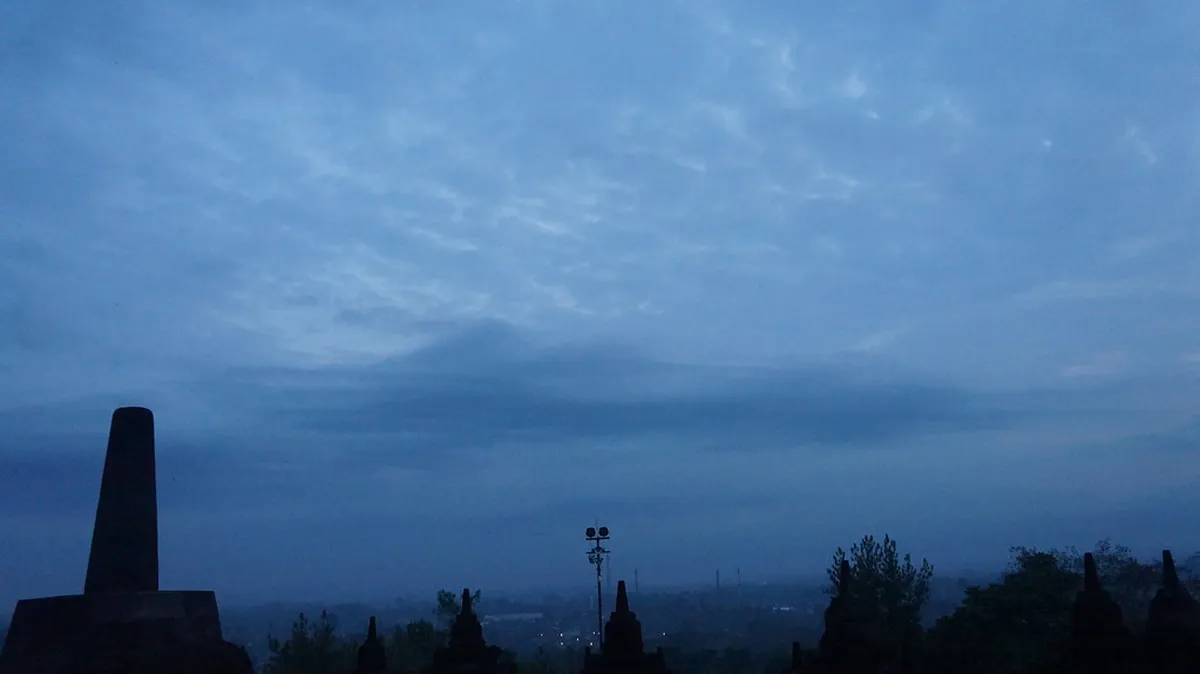
Our pick is May to October for a first trip built around Borobudur and Prambanan. Skies are generally clearer then, and the Ramayana Ballet at Prambanan runs on its outdoor stage with a clear temple backdrop, according to one traveler report we'd confirm with the operator. Wet-season travel still works if you plan indoor sights and accept hazy sunrises. We'd choose by what you most want to see.
| Traveler type | Our pick | Why |
|---|---|---|
| Temples and sunrise | Dry season, roughly May–October | Better odds of clear views; book Borobudur climb tickets early |
| Budget | Wet season, outside holiday weeks | Lower demand for hotels and tours; expect rain delays |
| Culture and festivals | Any month, with verified dates | Check the official Indonesian holiday calendar before booking |
| Rainy-season travelers | Mornings for sights, afternoons indoors | Kraton, museums, food and spas hold up in rain |
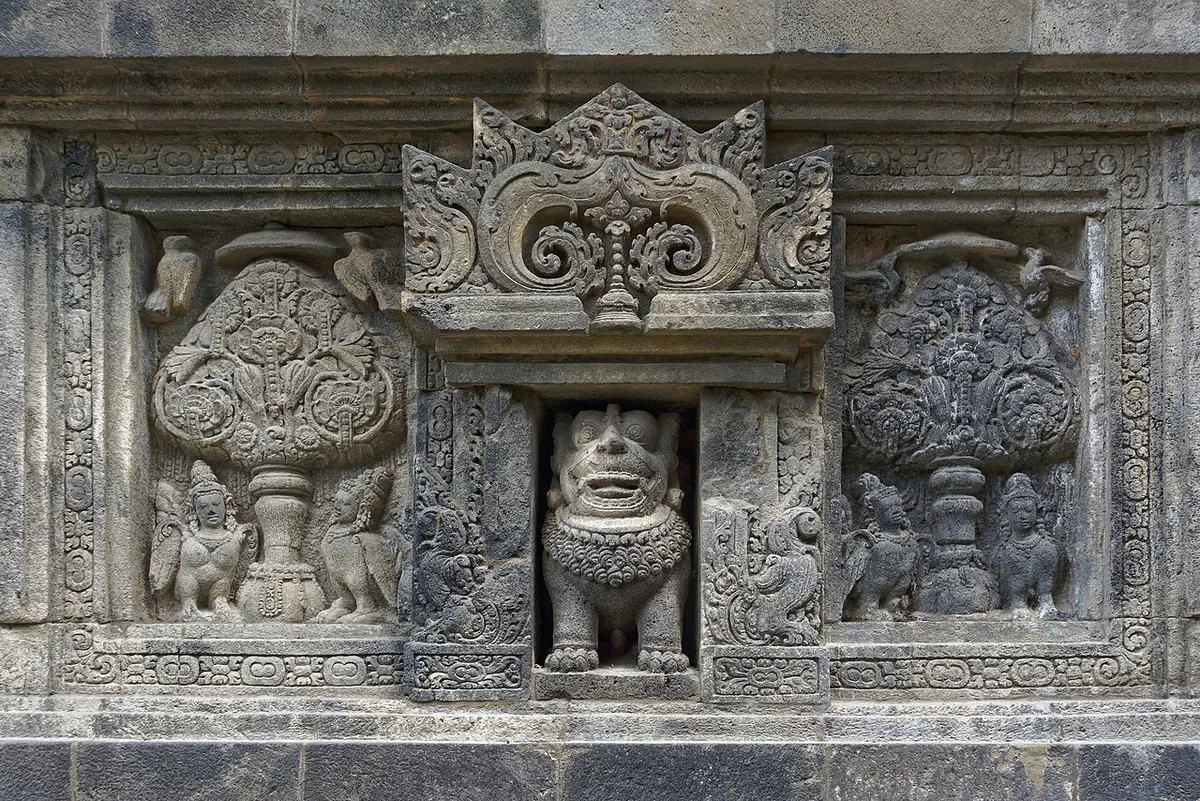
Yogyakarta's seasons at a glance
Indonesia follows a dry and a wet pattern, and Yogyakarta is no exception. We describe the wet season only as a typical pattern, because exact start and end dates shift each year. Check BMKG climate information before you lock dates. Yogyakarta is warm year-round, with midday air often around 32°C (90°F) as a rough pattern. Evenings are cooler, closer to 25°C (77°F). Our guide to whether Yogyakarta is worth visiting covers the wider case for going.
| Factor | Dry season (roughly May–October) | Wet season (roughly November–April) |
|---|---|---|
| Rain | Fewer showers, clearer skies | Frequent showers, often heavy in the afternoon |
| Heat | Hot at midday on open stone | Humid, with cloud cover some days |
| Crowds | Higher, especially in holiday weeks | Generally lower outside holiday weeks |
| Cost | Hotels and tours in higher demand | Often easier to find deals |
| Temples | Best for sunrise and sunset | Slippery steps, hazier views |
| Evening shows | Ramayana Ballet outdoors with temple view | Indoor theatre with obstructed temple view |
| Book ahead | Borobudur climb, ballet, sunrise tours | Ballet seats and holiday-week hotels |
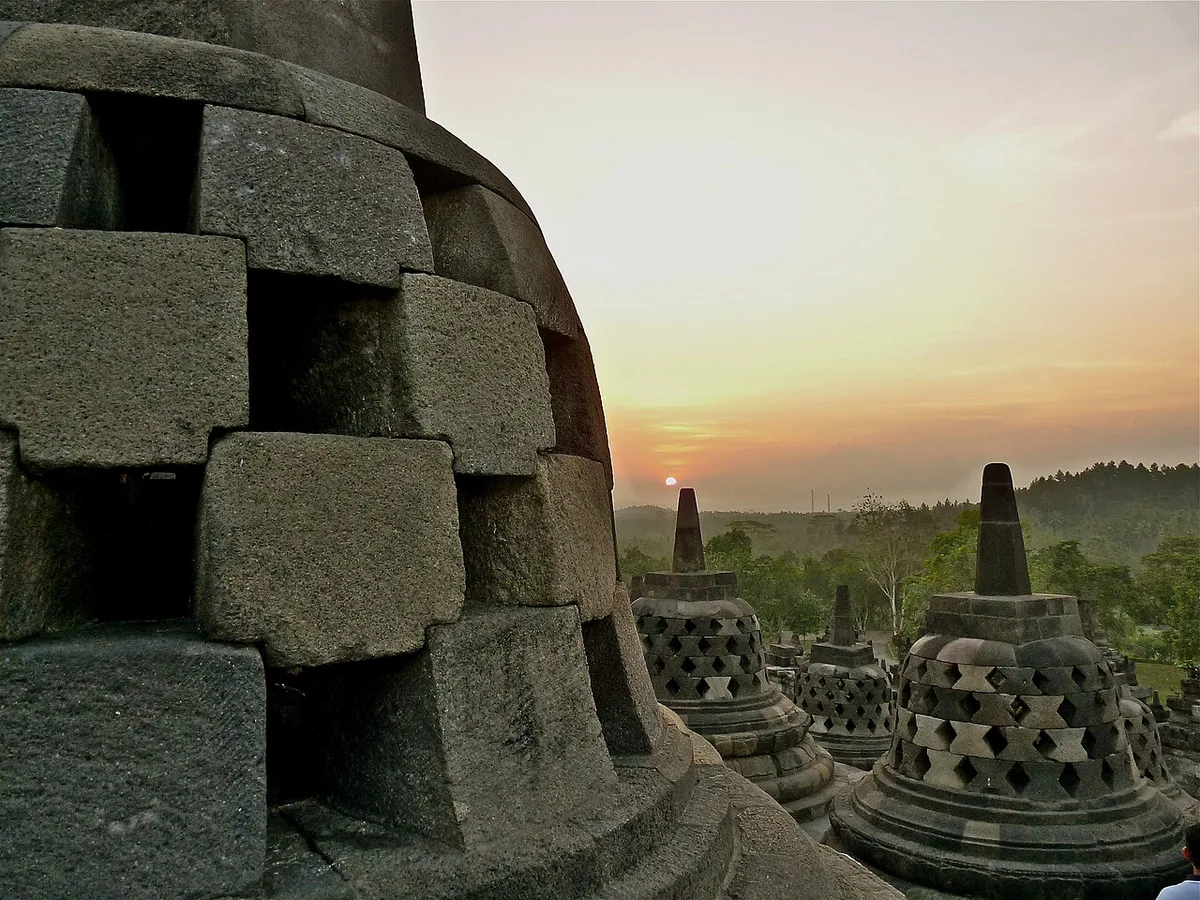
Month-by-month guide
We keep this qualitative. Month-level rainfall and temperature figures should come from BMKG, and event dates from the official holiday calendar for the year you travel. Each verdict carries a confidence note.
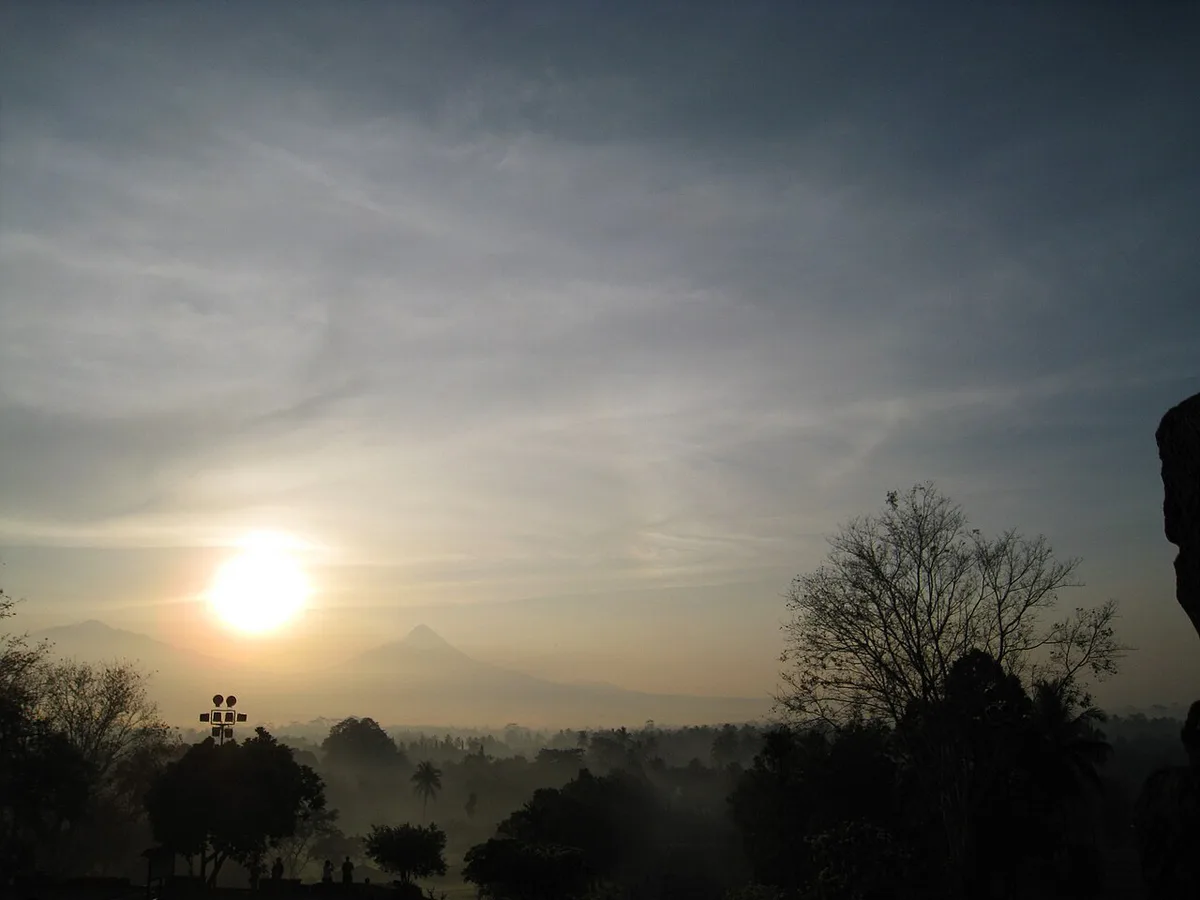
- May–June: strong choice for temples. Confidence: medium, general seasonal pattern; check BMKG.
- July–August: good weather, but expect the busiest temples and school-holiday demand. Confidence: medium; verify holiday weeks.
- September–October: still dry-leaning, with the outdoor ballet season ending around October. Confidence: medium; verify the venue switch with the operator.
- November–December: transition to showers. Plan mornings outdoors and afternoons indoors. Confidence: low to medium; the timing varies by year.
- January–February: wet-season core. Best for museums, food and spas, with flexible sunrise plans. Confidence: medium.
- March–April: wet but easing. Good for value-seekers who can handle rain. Confidence: low; check BMKG.
Dry season: what to expect
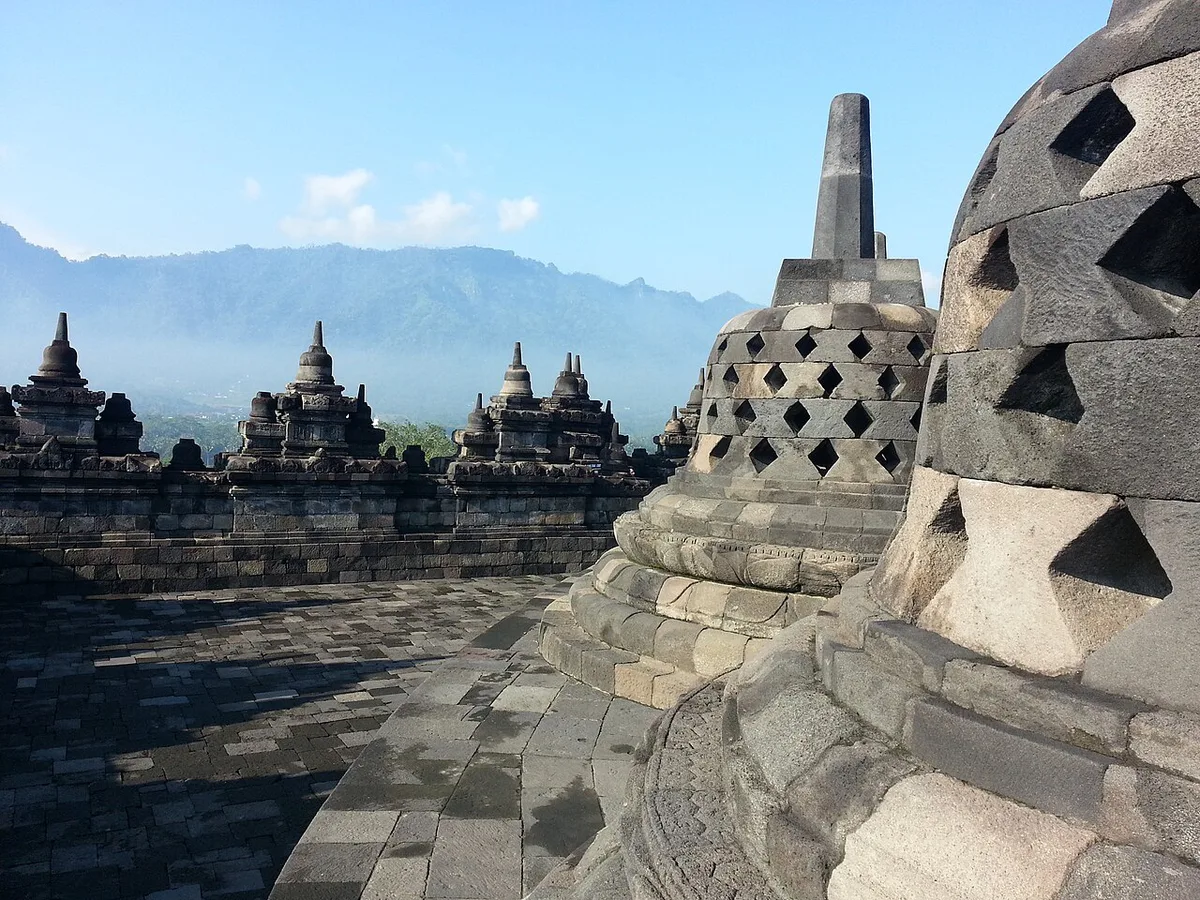
Dry months suit sunrise and sunset viewpoints and open-air temples. Midday on exposed stone at Prambanan and Borobudur can feel well above 35°C (95°F) underfoot, so we'd start early. One traveler reports about 2 hours on site at Prambanan. The outdoor Ramayana stage runs May to October, with evening shows reported on Tuesday, Thursday and Saturday at 7:30 PM. Confirm both with the operator. Holiday weeks lift crowds, so our Day Trips From Yogyakarta: Best Options & How to Choose give you options when the main temples feel packed.
Wet season: what works and what doesn't
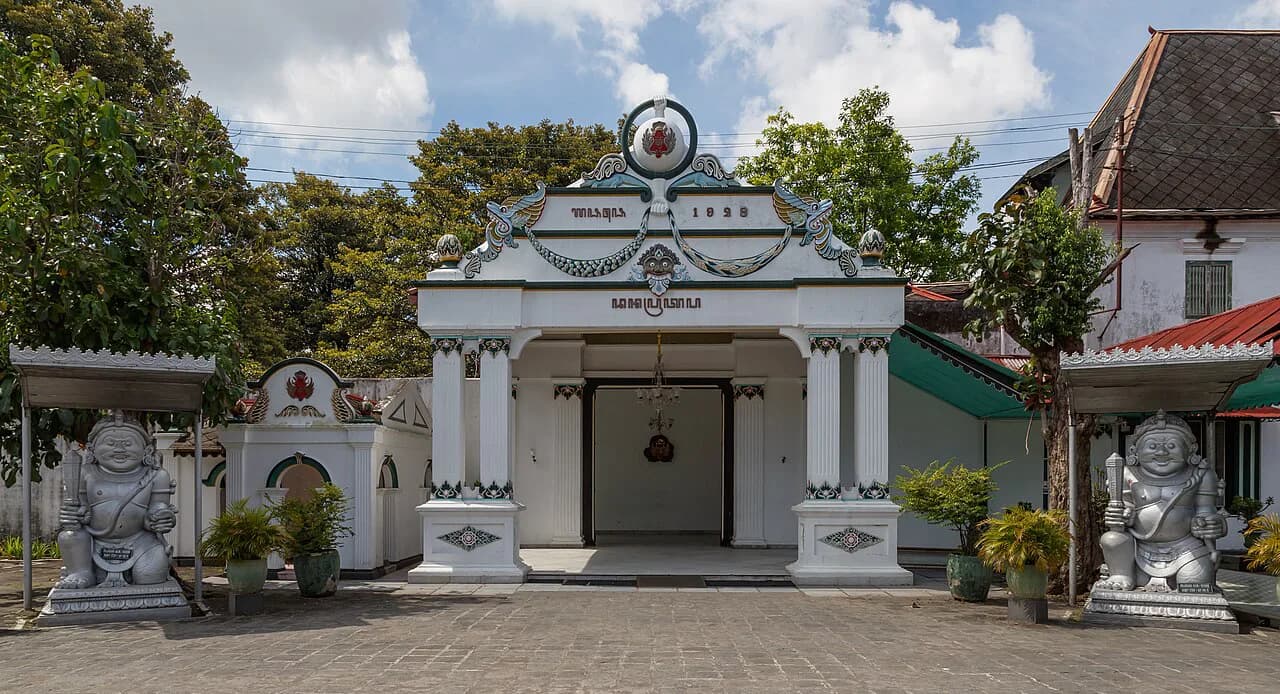
Wet-season trips succeed with a rain-ready plan. The Kraton is open 8:30 AM to 2:30 PM except Monday, according to a recent traveler report, and its ticket was reported at Rp25,000. Check the official Kraton site for current hours. Taman Sari was reported open 9 AM to 3 PM and is better in the morning. Indoor options include Yogyakarta spas, cooking classes and meals at top restaurants in Yogyakarta. After dark, try the Yogyakarta Night Market Guide: Malioboro & Alun-Alun Kidul between showers. We'd skip sunrise viewpoints, cave tubing and river trips on heavy-rain days, and ask operators about water levels.
Kraton hours reported to end at 2:30 PM fit a rainy-day plan of morning sights and afternoon indoor stops.
Temple timing and ticket logic
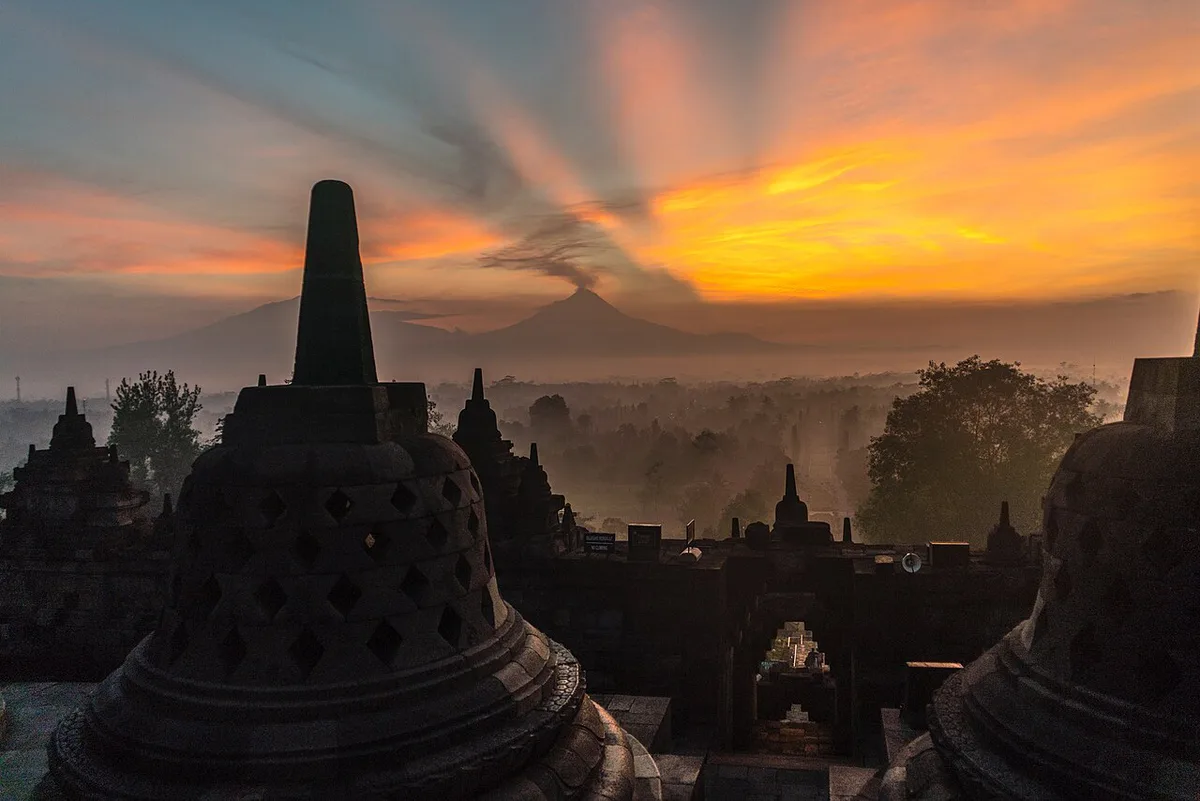
Borobudur is about 1.5 hours from central Yogyakarta, per one traveler report. Prambanan is around 20 km away, and one traveler's ride took 45 minutes in traffic. Borobudur has two ticket types. A grounds ticket was reported at Rp400,000 and a structure ticket at Rp455,000. Another source says only 1,000 climbers are allowed per day and tickets sell out about a month ahead. Verify the quota, price and booking channel on official pages before you buy. Our temples in Yogyakarta guide covers each site, and Yogyakarta Tours: Best Temple, Walking & Food Tours can bundle sunrise starts. Cover shoulders and knees at temples. In heat, light long layers work best.
Cost and booking trade-offs by season
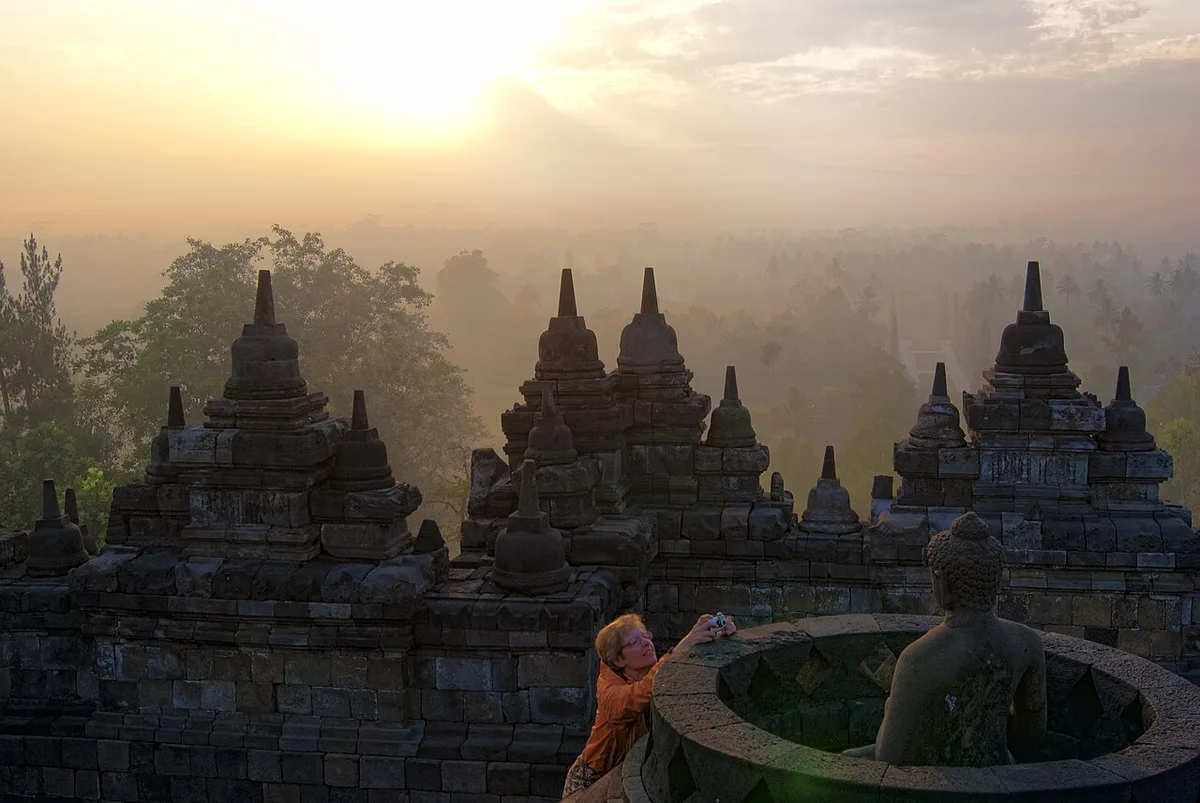
Entry tickets do not appear to follow the seasons. Prambanan was reported at Rp400,000 per foreigner whether bought online or on site. The seasonal swing is in hotels and guided tours, which we expect to cost more in dry-season holiday weeks and less in quieter wet-season weeks. We have no verified room-rate figures, so compare live prices for your dates. Book the Borobudur climb, Ramayana seats and sunrise tours first in the dry season. In the wet season, book refundable stays. For tight budgets, our Free Things to Do in Yogyakarta (Jogja): Free and Near-Free Guide list fills rainy gaps.
Safety and volcano notes
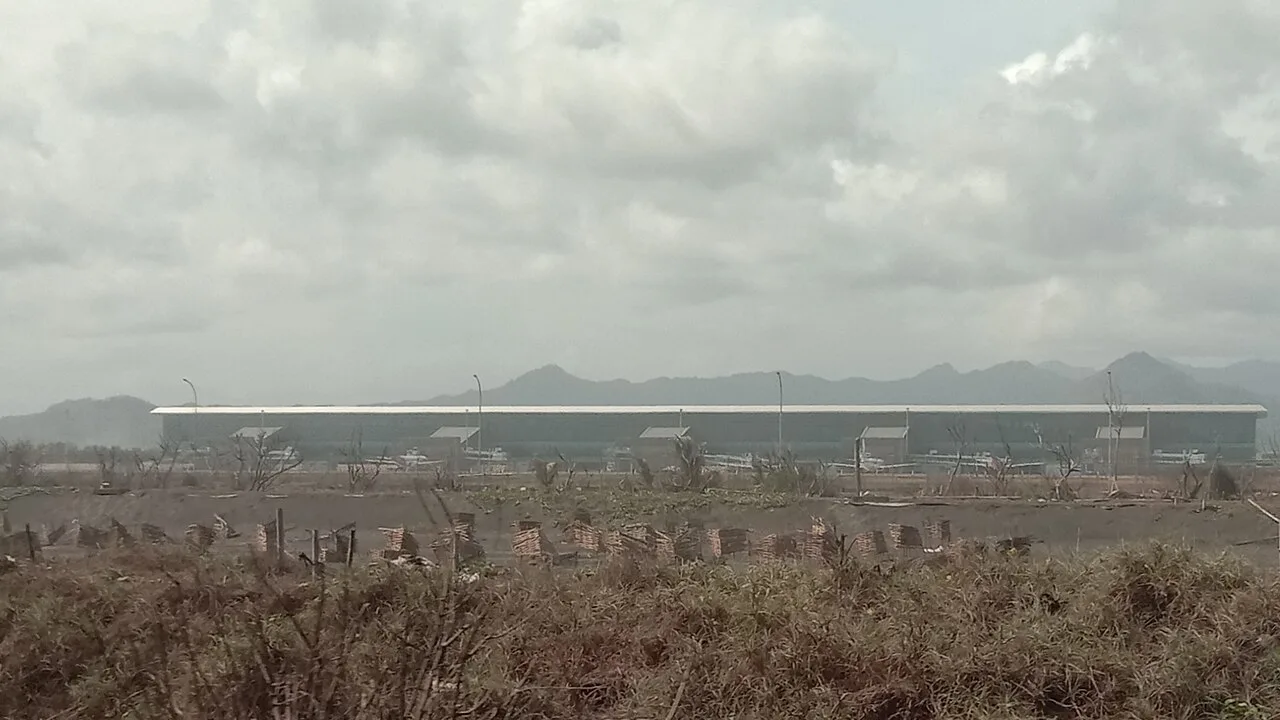
Mt Merapi is an active volcano north of the city, and activity can affect access and flights. We can't verify current alert levels here. Check the official Indonesian geological agency before you travel, and follow local advice. Arrivals use Yogyakarta International Airport, and our Yogyakarta airport guide covers the transfer options. Confirm airport status on the airport's official site if ash or storms are in the news.
How many days, and what to pair it with
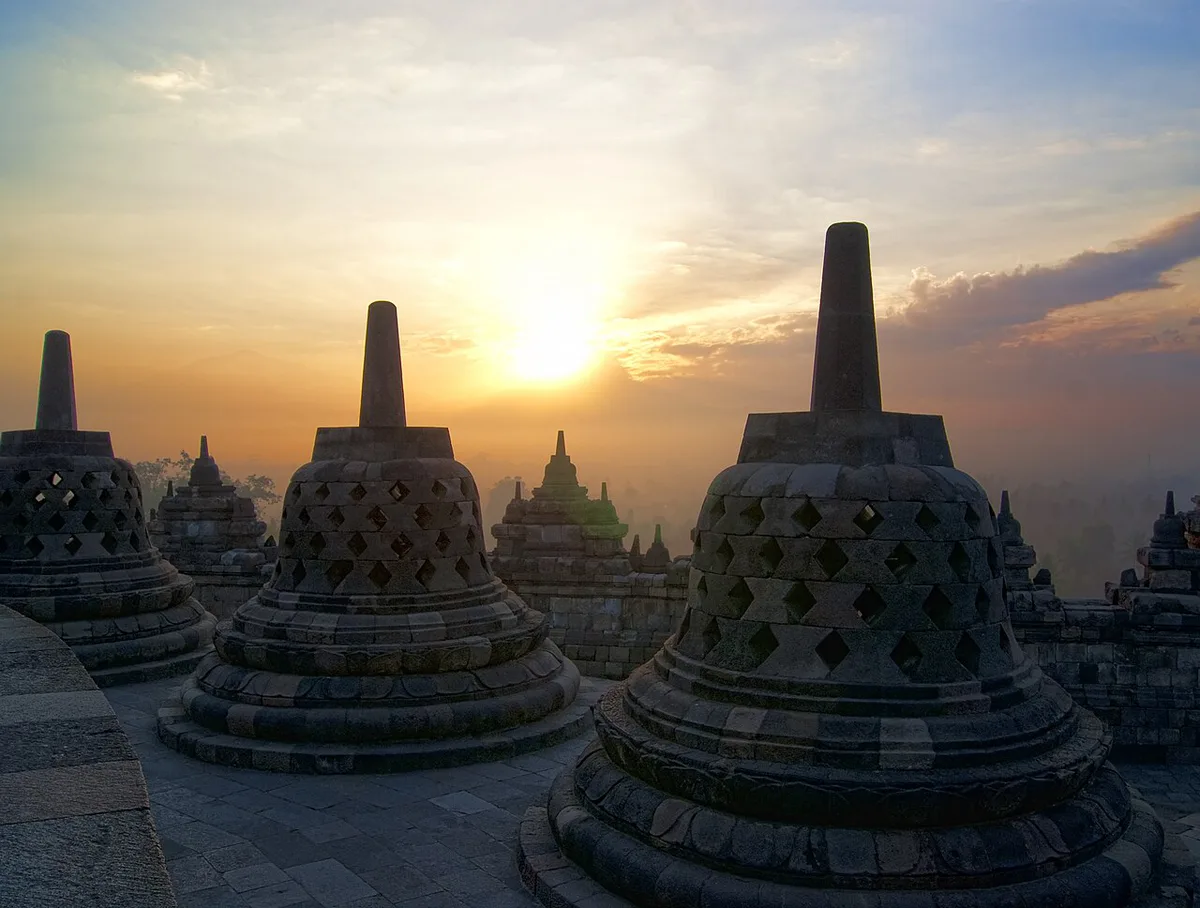
Allow three days at minimum, which fits Borobudur, Prambanan and the city core. Four days add Kraton, Taman Sari and a day trip. In the wet season, add a spare day for rain. Many travelers pair Java with Bali, and our Bali to Yogyakarta routes explain how. For evenings, see Yogyakarta Nightlife: Where to Go After Dark (Local Guide). Malioboro was reported car-free from 6 PM to 9 PM, which helps on dry evenings. Check Yogyakarta Food: What to Eat, Where & How to Plan for indoor stops.
Mistakes to avoid
We see the same errors repeatedly in traveler reports. Avoid these in any season.
- Booking the Borobudur climb late, since the quota may sell out weeks ahead.
- Visiting Prambanan or Borobudur at midday in the dry season.
- Having no rain backup in the wet season.
- Ignoring holiday weeks and then facing full hotels.
- Expecting the temple backdrop at the ballet in the wet season, when the show moves indoors.
Frequently Asked Questions
Is 3 days enough for Yogyakarta?
Three days covers Borobudur, Prambanan and the city core. Add a fourth day for a day trip or a wet-season buffer.
How much time do I need for Borobudur?
Plan roughly half a day. The trip is about 1.5 hours each way from central Yogyakarta, per one traveler report. Sunrise tours start earlier.
Is Yogyakarta good for tourists?
Yes, for temples, culture and food, in both seasons. Pick dry months for sunrise views, or wet months for fewer crowds and indoor sights.
Notes for your Indonesia trip
Optional updates when we add or change a town or island guide.
You might also like
Continue reading
More guides you'll find useful