Is Yogyakarta Worth Visiting? An Honest Verdict
Is Yogyakarta worth visiting? Yes for temples, food and budget travel, with 2-4 days ideal. See who should skip it, costs, seasons and getting there.
On this page
Last updated November 2026: is Yogyakarta worth visiting? In our editorial assessment, yes, if you want temples, royal history and Javanese food at student-city prices and can give it 2 to 4 days. Skip it or shorten it if swimming beaches, nightlife or a rushed one-day stopover is the goal.
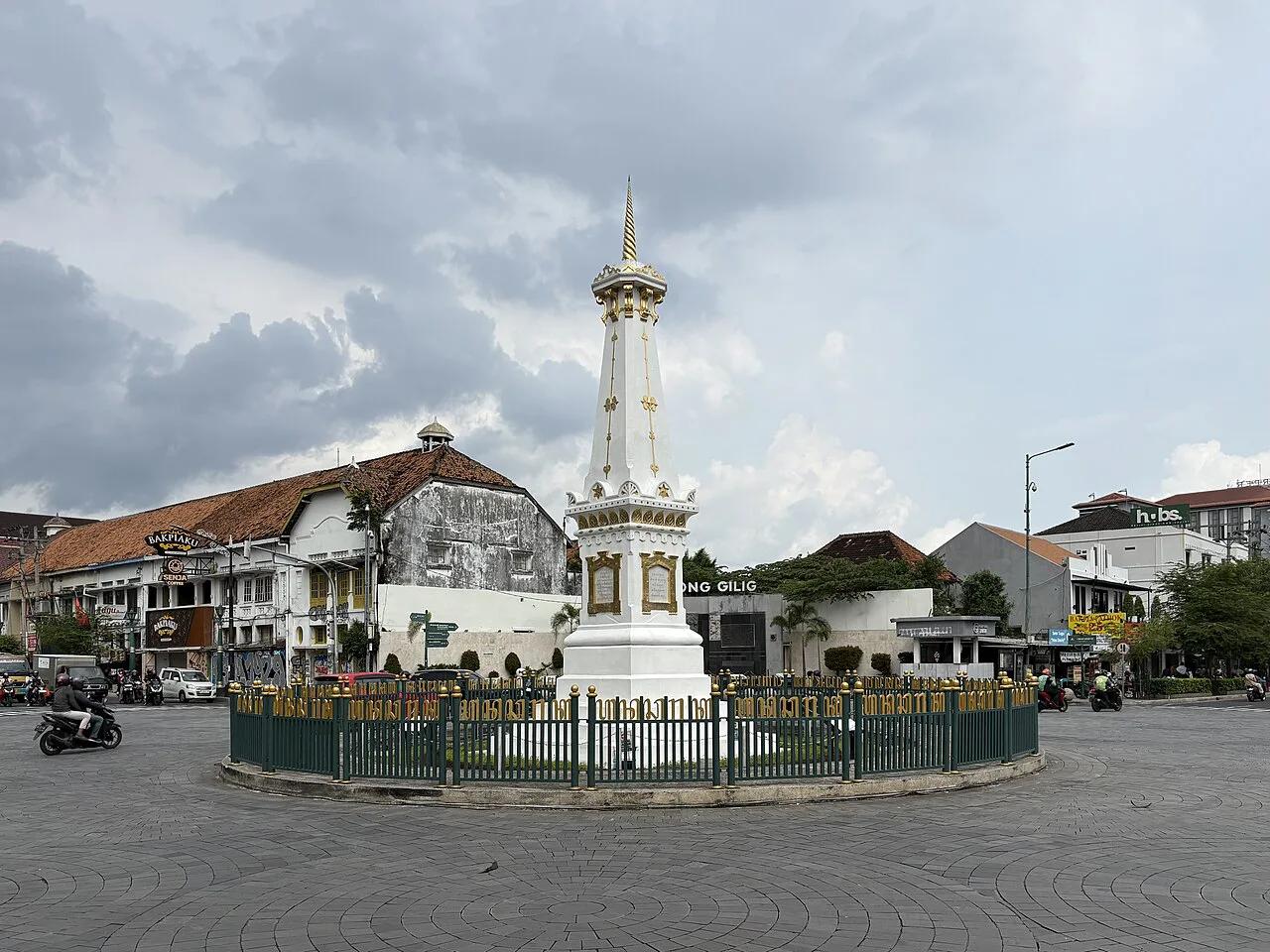
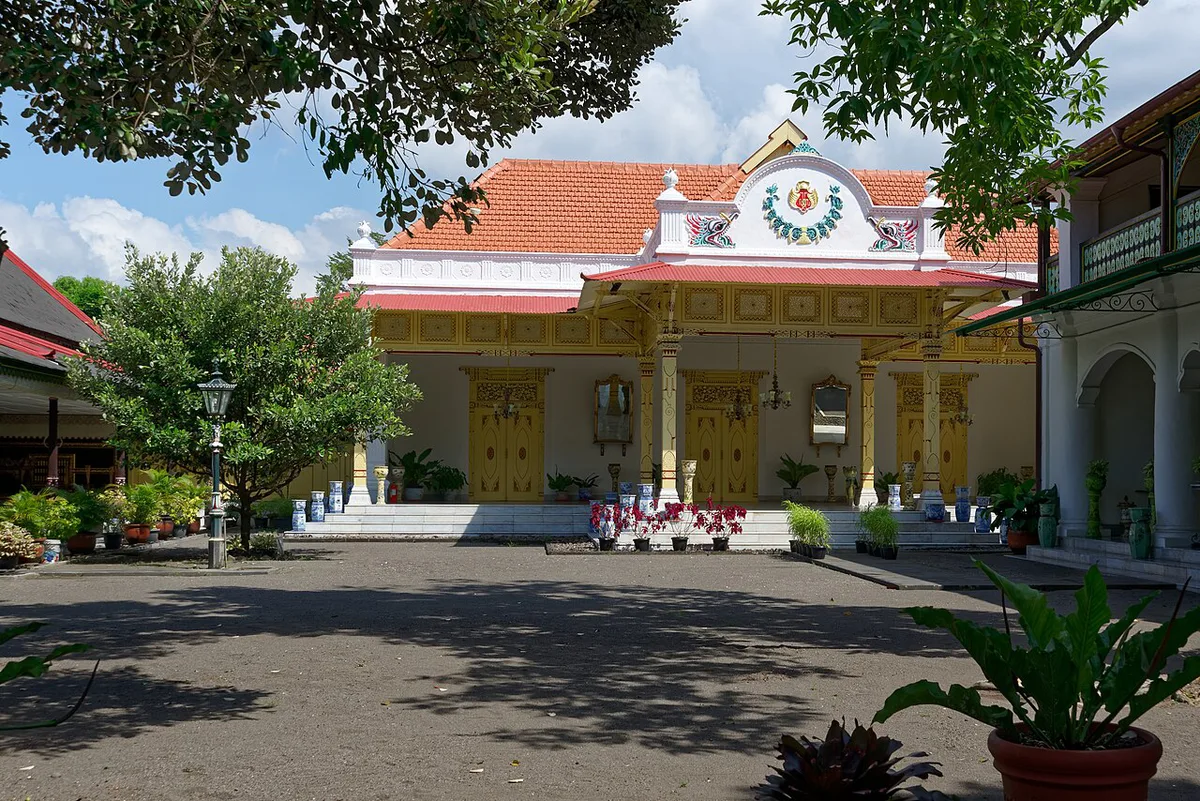
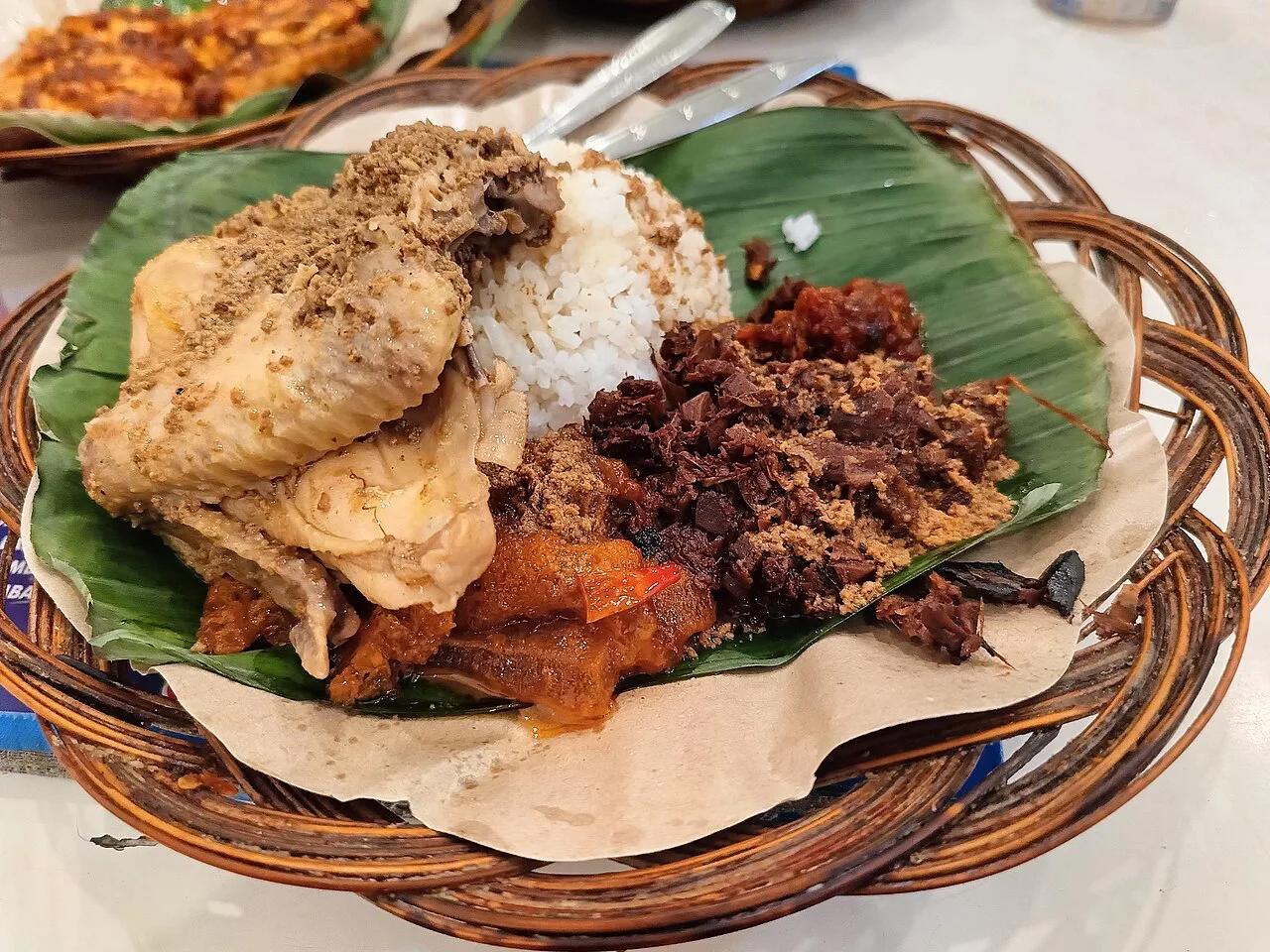
Featured image: CEphoto, Uwe Aranas, CC BY-SA 3.0, via Wikimedia Commons.
The Short Answer: Is Yogyakarta Worth Visiting?
Our verdict is conditional. Yogyakarta works best for temple and history seekers, food-focused travelers and budget travelers. Beach seekers, nightlife seekers and one-day stopover visitors get less from it. Give it 3 to 4 days if temples are the main goal. Two days is enough if you only want Borobudur, Prambanan and the old city. Use the table to check your fit.
| Traveler type | Verdict | Days | Prioritize |
|---|---|---|---|
| Temple and history seekers | Strong yes | 3-4 | Borobudur, Prambanan, Kraton, Taman Sari |
| Food-focused travelers | Yes | 2-3 | Beringharjo Market, Malioboro at night |
| Budget travelers | Yes | 3-4 | Street food, ride-hailing, TransJogja |
| Beach seekers | Lukewarm | 1-2 | Parangtritis for sunset only |
| Nightlife seekers | Mixed | 2 | Malioboro evenings, student cafés |
| Short-stopover visitors | Only one site | 1 | Borobudur or the Kraton and Taman Sari |
- Worth it if: you want Borobudur, Prambanan and the Kraton from one base.
- Worth it if: street meals at Rp 15,000–30,000 sound like a good deal.
- Skip or shorten if: you want swimming beaches, since Parangtritis suits sunset walks better.
- Skip or shorten if: you have one day or less, because transfers eat the schedule.
What Makes Yogyakarta Worth the Trip
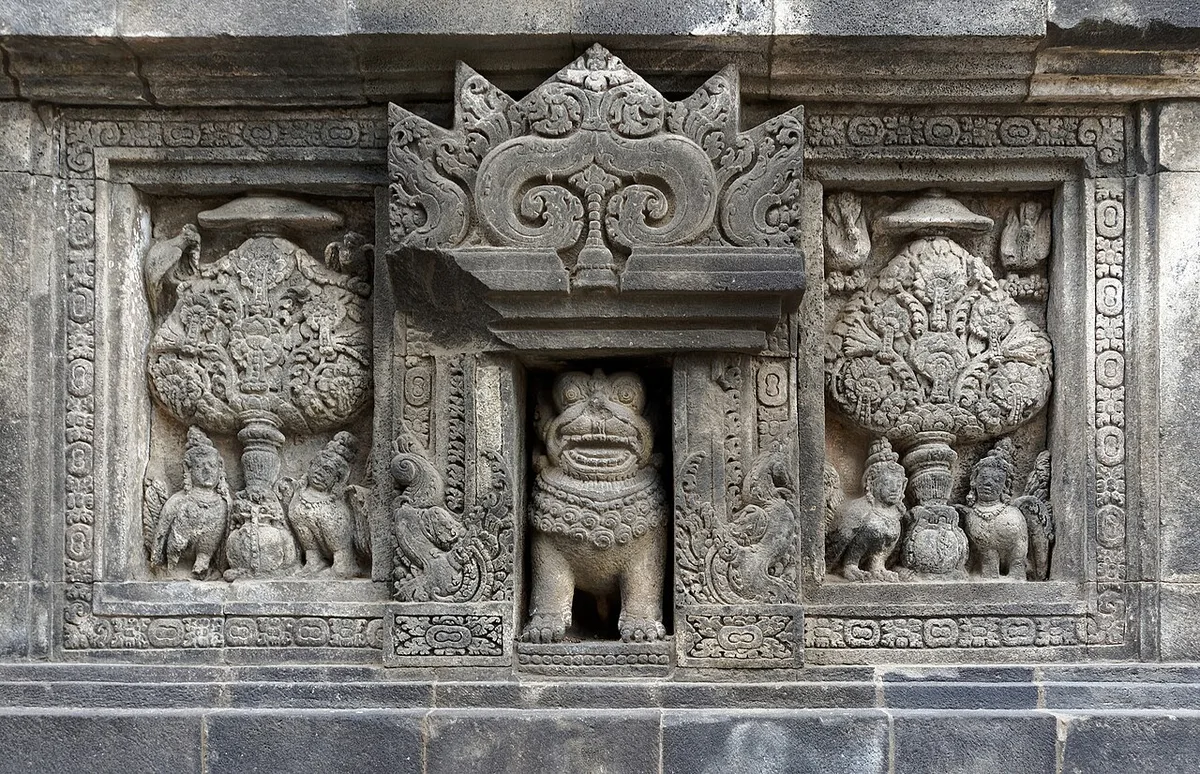
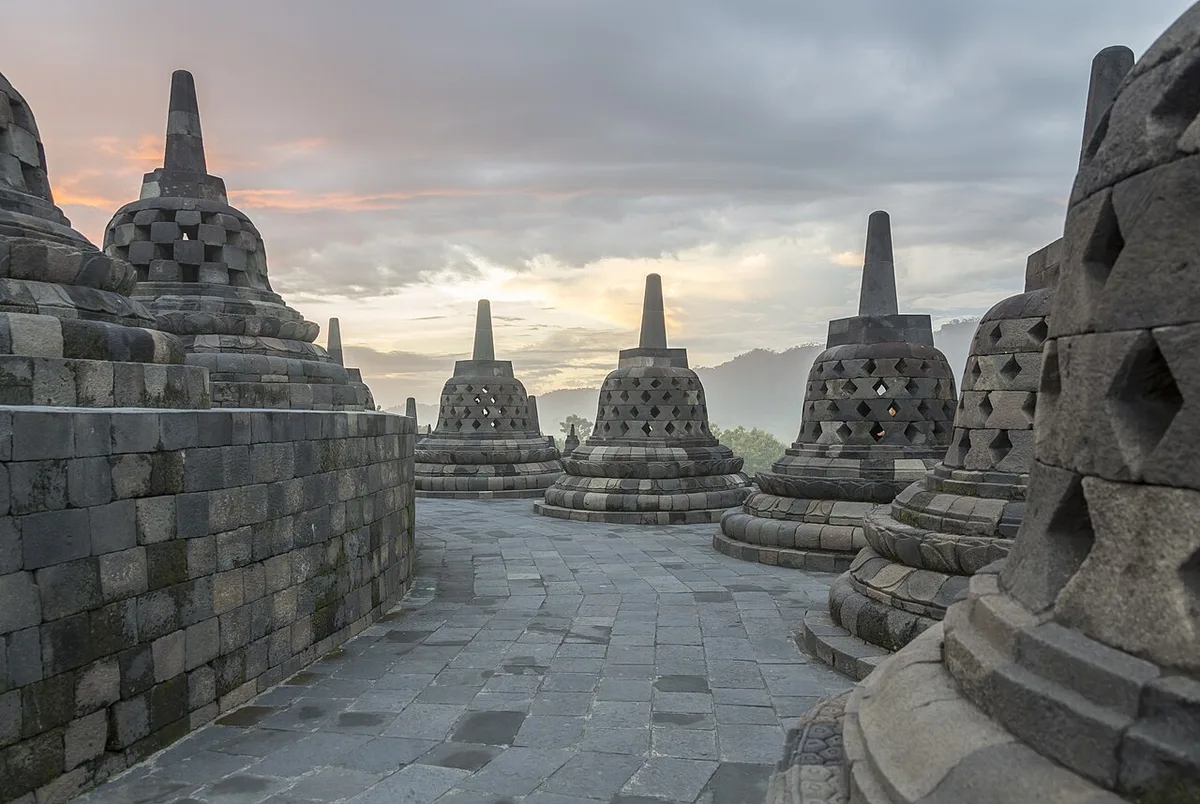
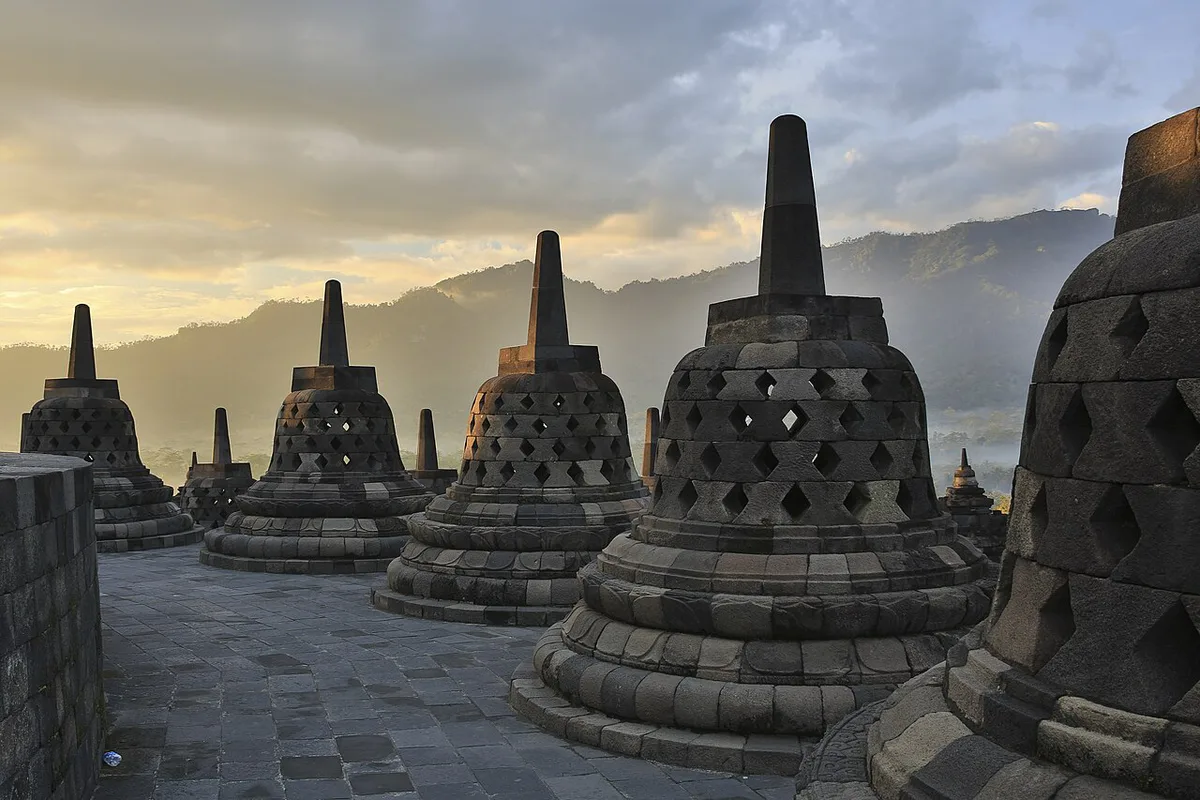
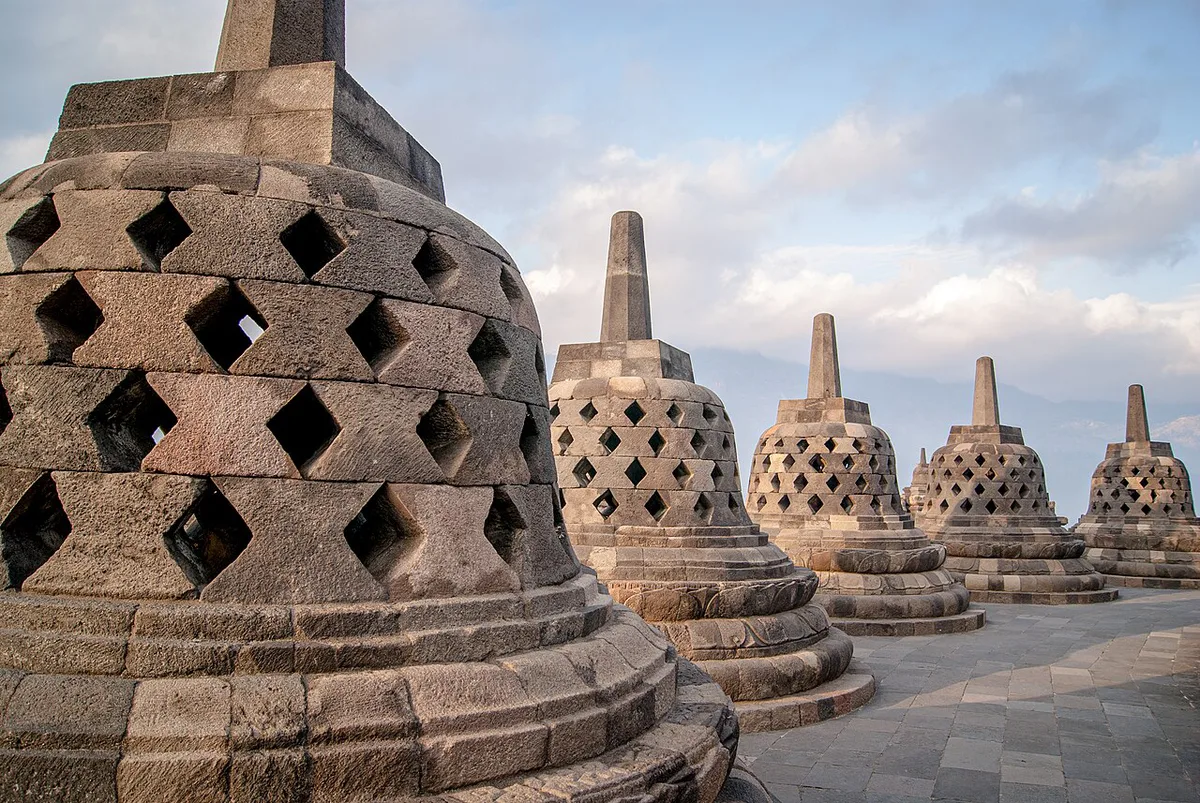
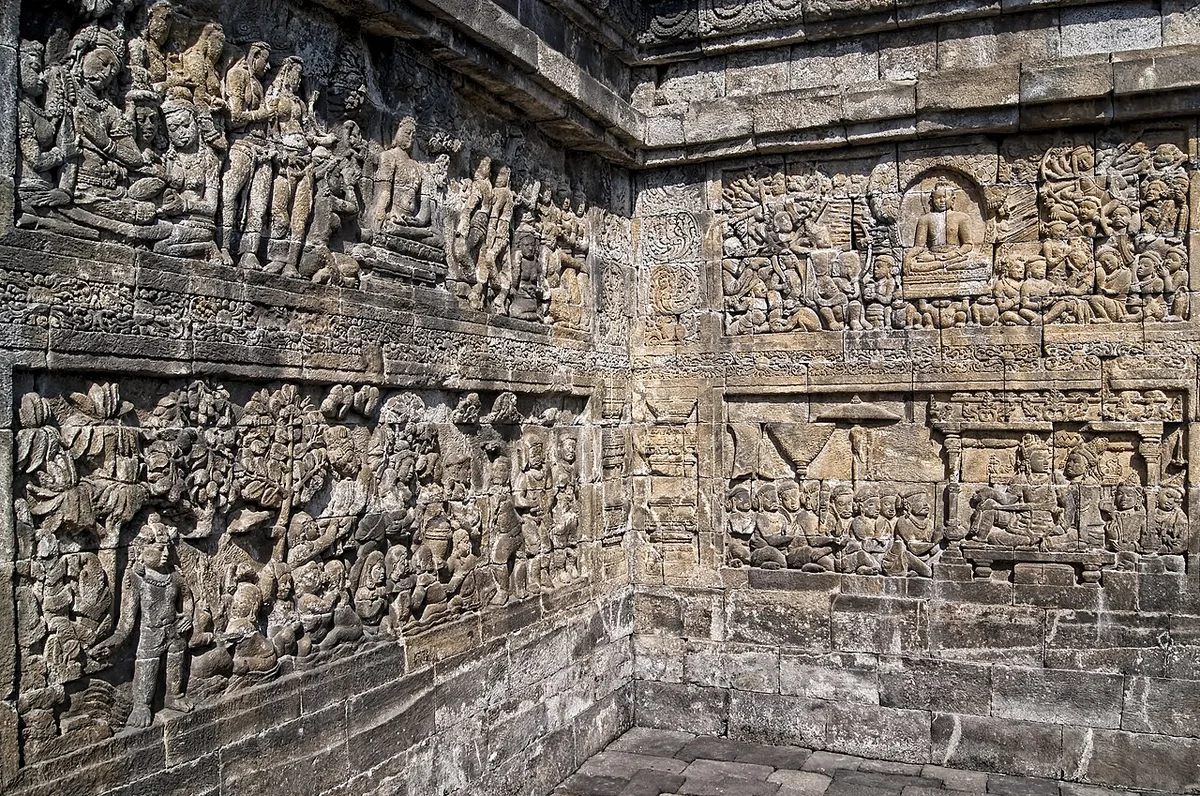
Temples are the main draw. Borobudur is a 9th-century Buddhist monument with more than 70 stupas. It sits in Magelang, Central Java, so treat it as a day trip rather than a city sight. Prambanan is a Hindu complex whose main spire reaches 47 m. Our guide to lesser-visited temples covers stops such as Candi Sewu and Mendut. Inside the city, the Kraton and Taman Sari show the royal side of Yogyakarta. Check visiting days on the Kraton's official site before you go. Allow at least 1 hour at Taman Sari. Malioboro and Beringharjo Market handle shopping, batik and street food. As a student city, Yogyakarta keeps stall meals around Rp 15,000–30,000. Start with our Yogyakarta food guide for dishes. For sit-down meals, see these 5 Best Restaurants in Yogyakarta by Area and Dish (2026). Craft traditions such as batik and silver add a workshop stop for rainy afternoons. Our full list of 12 Best Things to Do in Yogyakarta, Grouped by Area goes deeper. Beyond the big temples, quiet temples and workshops reward a spare half day.
What Might Disappoint You
Crowds are the first catch. Borobudur gets extremely busy on weekends and Indonesian holidays, according to one backpacker guide. Book an early session rather than counting on solitude at sunrise. Malioboro is the second letdown. By day, one source describes it as often empty and full of traffic. It comes alive after dark, so save it for the evening and read our night market guide. Parangtritis is the third. It lies about 30 km (roughly 19 miles) south of the center, and the drive takes about 1 hour. One guide reports strong waves and rip currents there. We'd treat it as a sunset-walk beach and ask locally about safety before entering the water. Arrival can also feel long, since the road transfer from Yogyakarta International Airport is about 1 to 1.5 hours. Rainy-season afternoons can spoil temple views.
How Many Days Do You Need?
Two days is the minimum that feels fair. One day buys either Borobudur or the Kraton and Taman Sari, not both. Three to 4 days adds the east-side stops, such as Candi Ijo at about 50 minutes out and Pinus Pengger at about 45 minutes. Jomblang Cave needs a booked tour with ropes and trained staff, and daily access is limited. For distances and payoffs, see our Day Trips From Yogyakarta: Best Options & How to Choose. Pair no more than two sites per day.
Pinus Pengger at about 45 minutes is a quicker east-side add than Parangtritis, whose drive takes about 1 hour.
| Stay | What it buys | Day-trip payoff | Skip if |
|---|---|---|---|
| 1 day | Kraton, Taman Sari (1 hour or more), Malioboro at night | Borobudur only if you drop the city | You need a relaxed pace |
| 2 days | City day plus Borobudur or Prambanan | Two major temples | You want beaches too |
| 3-4 days | Both temples, Candi Ijo, Pinus Pengger, food walks | Jomblang Cave tour, Parangtritis at about 1 hour | You tire of temples quickly |
Costs and Tickets
Yogyakarta is affordable. One 2025 travel guide puts backpackers at Rp 250,000–400,000 per day. It lists mid-range travelers at Rp 700,000–1,200,000 and luxury at Rp 2,000,000 and up. Another guide gives a lower figure that includes lodging and three meals. Treat all of these as ranges and check current rates. The big spends are temple tickets, tours and drivers. Cheap wins are street food and local transport. Our list of free things to do helps stretch a budget. Borobudur has separate access types: a courtyard ticket, a structure ticket for climbing and a limited sunrise product. We found no verified current prices for them in our sources, so confirm on the official Borobudur ticketing system. One source cites Rp 400,000 for foreign adults at Prambanan. Another mentions a combined temple ticket, which we could not verify.
Street meals at Rp 15,000–30,000 sit far below the Rp 250,000–400,000 daily backpacker range, so the temples and drivers decide the total.
| Site | Reported price | Source note |
|---|---|---|
| Candi Ijo | Rp 15,000 foreigner entry | Competitor guide, verify |
| Chicken Church | Rp 25,000 | Listed for 2026, verify |
| Gembira Loka Zoo | Rp 70,000 weekdays, Rp 85,000 weekends and holidays; 8 AM-4 PM | Competitor guide, verify |
| Prambanan | Rp 400,000 foreign adult | One source, verify officially |
| Borobudur | Courtyard, structure and sunrise tickets | Check official ticketing |
Best Time to Visit
Dry season, roughly May to September, gives clearer skies for temples but more visitors. Wet season brings fewer crowds and lower prices. Sources disagree on its length: one says October to April with January and February heaviest, and another says October to June. Check regional data from Indonesia's meteorological agency before booking. Festivals add a reason to time your trip. Sekaten falls in November, the Ramayana Ballet at Prambanan runs May to October, and Independence Day is August 17. Confirm dates on the Visit Jogja tourism site. Our Best Time to Visit Yogyakarta: Month-by-Month Guide page breaks this down by month.
| Season | Crowds | Prices | Risks |
|---|---|---|---|
| Dry (about May-Sep) | Higher at temples | Higher | Heat at midday |
| Wet (about Oct-Apr) | Lower | Lower hotel and flight prices reported | Afternoon rain, slower traffic |
Getting There and Getting Around
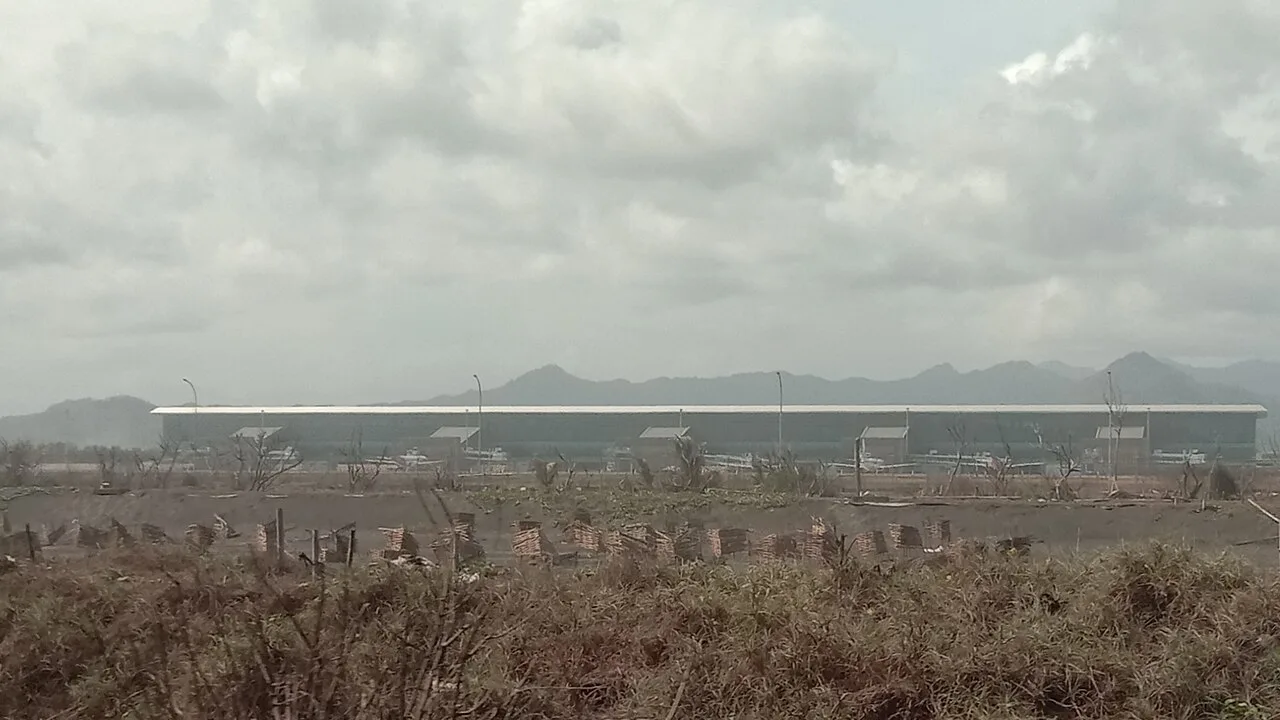
Two sources place commercial flights at Yogyakarta International Airport in Kulon Progo, about 40–45 km from the city. One older blog still names Adisucipto, which we treat as outdated. Check the airport's official site before booking. From the airport, a train reaches Yogyakarta Station in about 35–40 minutes, with regular fares from about Rp 20,000. Road transfers take 1 to 1.5 hours. Our Yogyakarta airport guide compares both. By rail, Jakarta takes 7–8 hours, Surabaya 4–5 hours and Bandung about 8 hours. Trains arrive at Tugu or Lempuyangan depending on the service. Book on Kereta Api Indonesia and check your arrival station. From Bali, flying is simplest, and our Bali to Yogyakarta: Flights, Overland & Costs page covers routes. Around town, ride-hailing with Grab or Gojek suits most first-timers. TransJogja buses and becak cover short hops. One blogger reported paying about Rp 50,000 per day for a scooter, which is an anecdote, not a quote. For far sites we'd choose a driver, and Yogyakarta Tours: Best Temple, Walking & Food Tours can bundle one.
Where to Stay by Neighborhood Fit
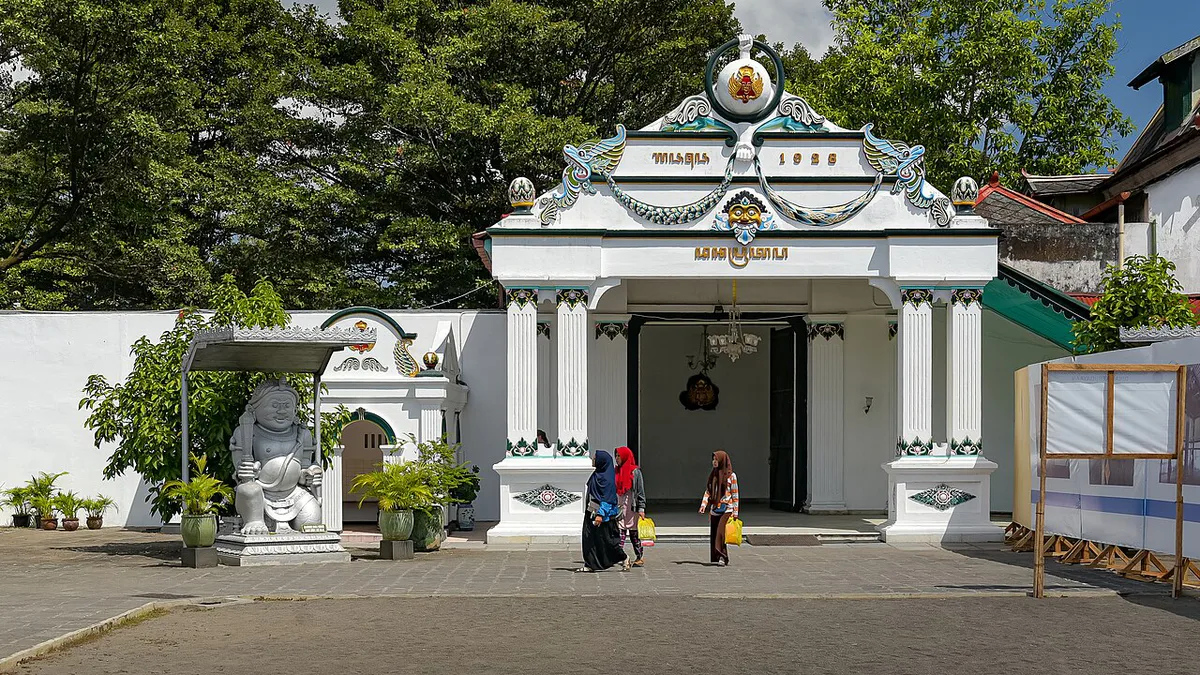
Pick by what you plan to do. The Malioboro area suits food walks and evening strolls, and Tugu Station sits near Malioboro. Kraton and Taman Sari suit early starts and walking, since Taman Sari alone needs at least 1 hour. Quieter options outside the center suit travelers renting a scooter or driver. We have not verified individual properties, so compare current reviews yourself.
Mistakes to Avoid
Most regrets come from assumptions. Do not assume a basic Borobudur ticket lets you climb or see sunrise from the structure. Book the correct access type ahead. Do not visit temples at midday, since heat and crowds peak together. Do not stack three sites in one day. Use only authorised money changers, as one guide warns unlicensed ones give poor rates.
- Check your Borobudur ticket type before paying.
- Visit Prambanan early to beat heat and crowds.
- Limit yourself to two sites per day.
- Change money only at authorised counters.
Visa and Entry Basics
At last check, one guide put visa on arrival near Rp 500,000. Rules and fees change often, so confirm them on the official Indonesian immigration website.
Frequently Asked Questions
Is Yogyakarta good for tourists?
Yes, especially for culture and food. Temples, the Kraton and Malioboro are all reachable from one base. Beach and nightlife seekers will find less.
Are Yogyakarta and Jakarta the same?
No. They are different cities on Java. The train between them takes about 7–8 hours.
Notes for your Indonesia trip
Optional updates when we add or change a town or island guide.
You might also like
Continue reading
More guides you'll find useful