Temples in Yogyakarta: Borobudur, Prambanan & Candi Guide
Which temples in Yogyakarta are worth your time? Compare Borobudur, Prambanan and Ratu Boko, plus transport, sunrise tickets and realistic day plans.
On this page
Last updated November 2026: most temples in Yogyakarta sit outside the city, with Borobudur roughly 40 km (about 25 miles) northwest and Prambanan roughly 20 km (about 12 miles) east. We'd pick both if you have two days, and Prambanan alone if you have one short day. For everything else in town, start with our wider city guide.
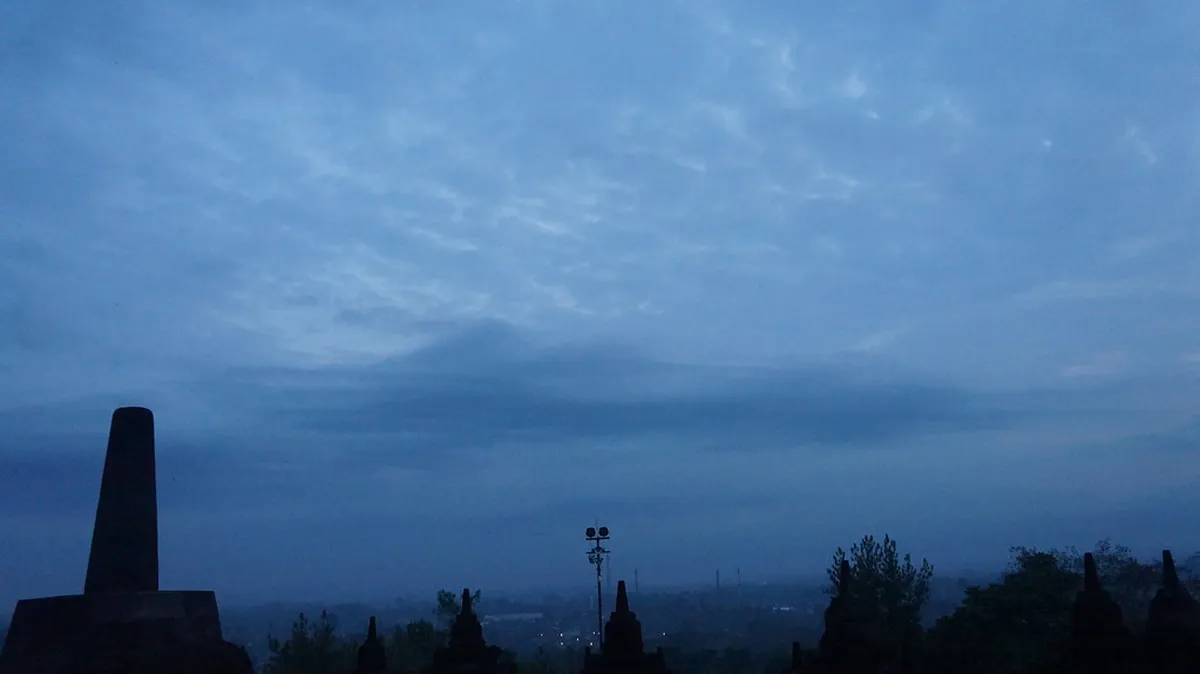
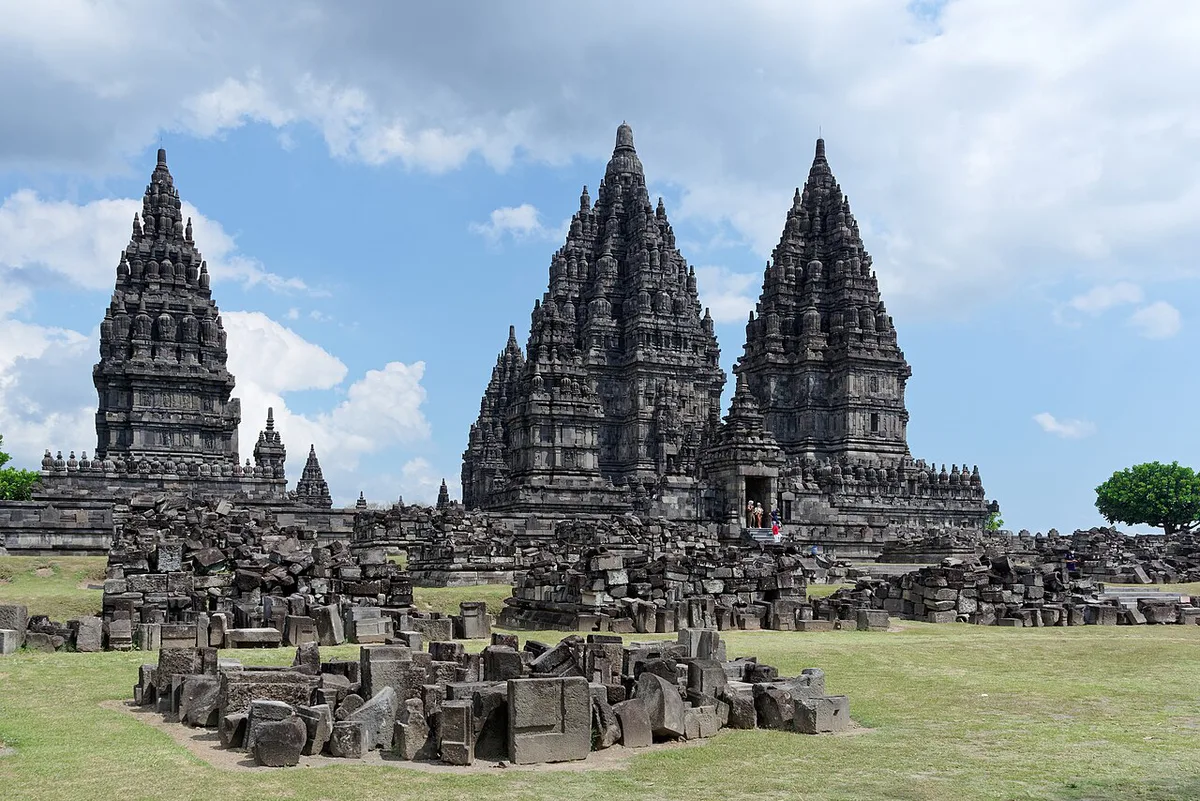
Featured image: CEphoto, Uwe Aranas, CC BY-SA 3.0, via Wikimedia Commons.
Quick answer: the temples in Yogyakarta worth your time
Candi is the Indonesian word for temple. Borobudur, the Buddhist monument northwest near Magelang, is roughly 40 km from the city. Prambanan, the Hindu complex east of the city, is roughly 20 km away. Sambisari, Kalasan, Plaosan and Ratu Boko sit nearer to Prambanan. Prices and hours below come from a 2020 snapshot of competitor guides. Confirm them on the official Visit Jogja tourism site before you go.
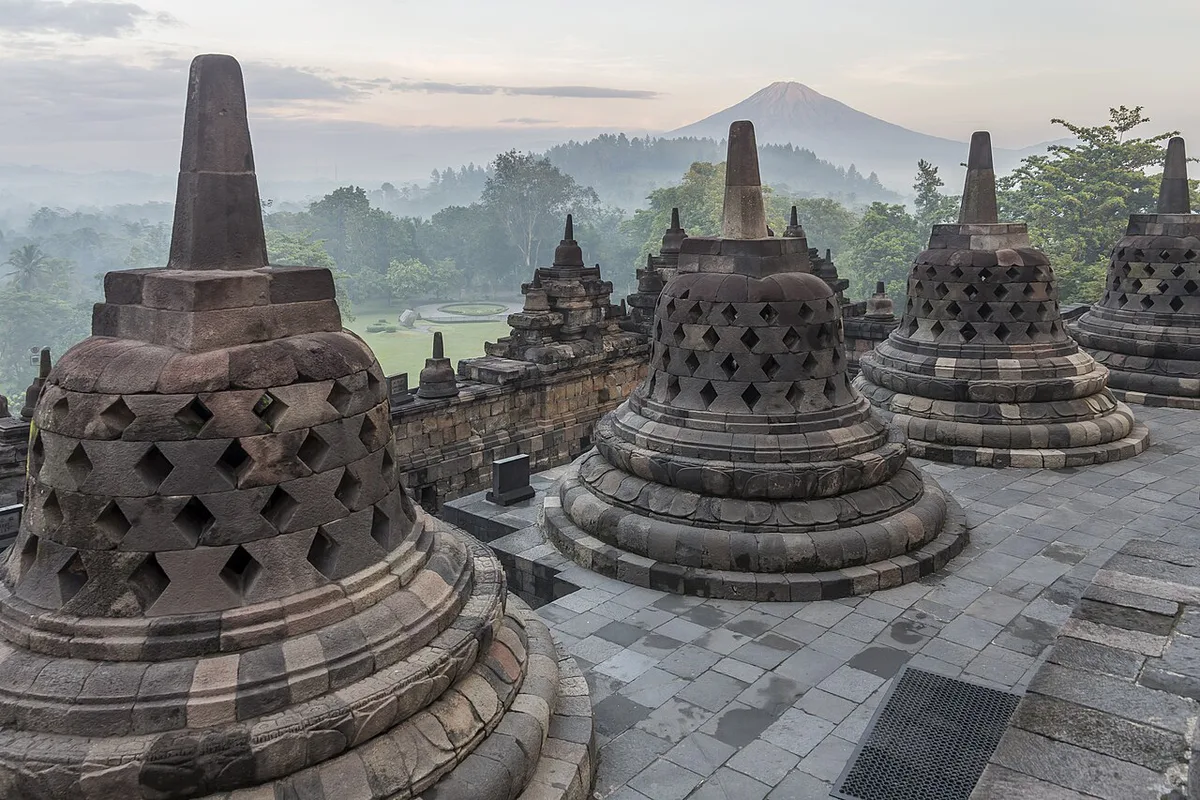
- Must-see: Borobudur and Prambanan.
- Worth adding: Mendut, Pawon, Plaosan, Sambisari and Ratu Boko.
- For temple enthusiasts: Sari, Kalasan and Sojiwan.
Borobudur or Prambanan? How to choose
Our rule is simple. Pick Prambanan if you have one day, a tight budget or little appetite for long stair climbs. Choose Borobudur if Buddhist reliefs and a hilltop setting matter most. Bus trips to Borobudur take 1.5 to 2 hours each way. Prambanan is closer, and a Trans Jogja bus needs 60 to 90 minutes. For other options, see our other day trip options.
| Borobudur | Prambanan | Ratu Boko | |
|---|---|---|---|
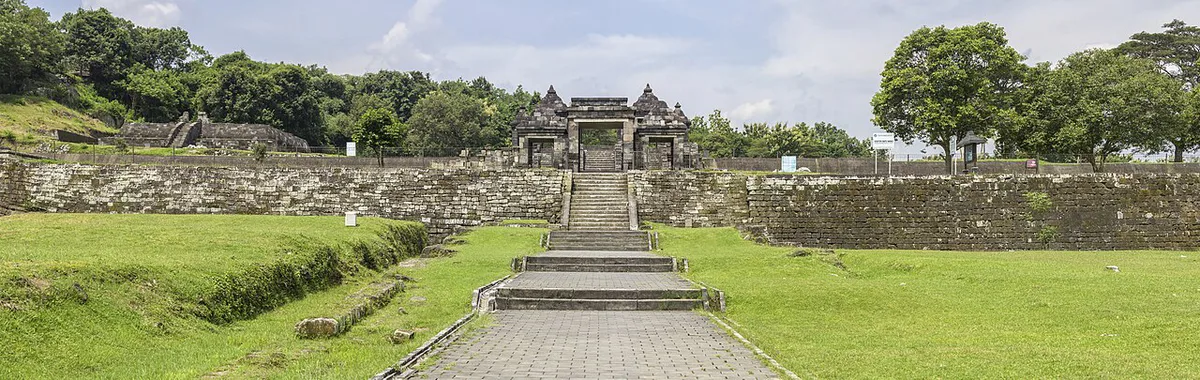
| Setting | Stepped Buddhist monument, about 40 km northwest | Hindu complex on the plain, about 20 km east | Ruined palace site of about 16 hectares, 3 km south of Prambanan |
| Religion | Buddhist | Hindu (Shiva, Brahma, Vishnu) | Palace, not a temple |
| Shade | Limited on upper terraces | Very limited | Open grassy grounds |
| Crowd pattern | Coach peak around 11am; busy June to August and weekends | Busy midday; wider grounds make it easier to wander off | Quietest of the three outside sunset |
| Best time of day | 6am gate opening or sunrise ticket | Morning or late afternoon | About 1.5 hours before sunset |
| Suits | Reliefs and views | Short stays and tight budgets | Sunset and ruins |
Borobudur: tickets, hours, sunrise and sunset options
Borobudur opens daily from 6am to 5pm, according to a 2020 guide. Adult entry was listed in US dollars then, but you pay in rupiah. Check the current rupiah price and any visitor quota before you travel. Sunrise access is a separate ticket, not the standard entry. It cost about Rp500,000 and was sold at Manohara Hotel, where the sunrise group starts. Entry was around 4:30am, and sunrise fell between about 5:09am and 5:52am depending on season. Bring your passport for sunrise and sunset tickets. Sunset works differently. Closing time is 5pm, while sunset falls around 5:30pm. A special ticket, also about Rp500,000, allowed visitors to stay until 6:15pm. Our view: pay for sunrise only if you sleep near the site. Public buses cannot get you there that early, since the first Tugu Station departure is 6am. Otherwise, arrive at the 6am gate and climb before the 11am coach rush. Weekends, public holidays and June to August are busiest. Wear clothes that cover shoulders and knees, and expect to use a sarong. Verify current rules on shoes and stairs at the Wonderful Indonesia tourism site.
Mendut and Pawon: the easy add-ons near Borobudur
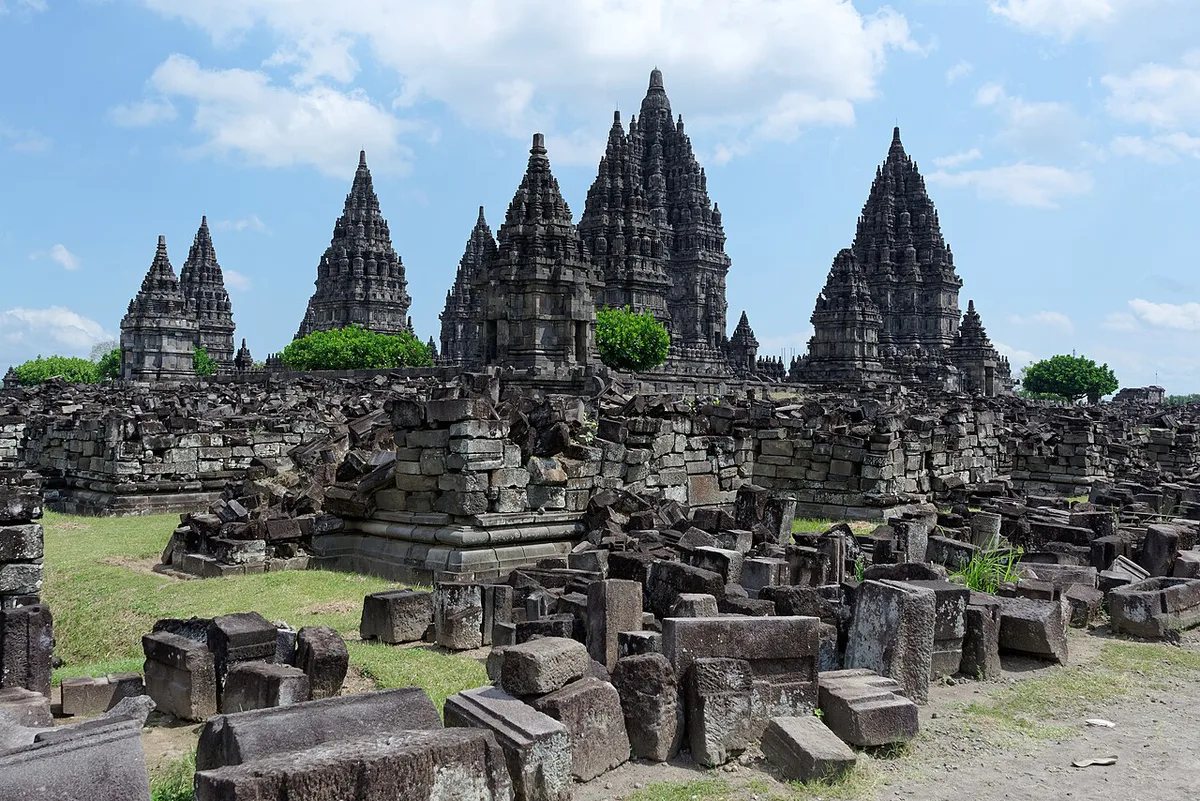
Mendut sits about 3 km east of Borobudur. Inside is a three-metre (about 10 ft) Vairocana Buddha. Hours are 6am to 5:30pm, and about an hour is enough. Pawon is only 1 km east of Borobudur, a ten-minute walk toward Mendut. Each ticket cost about Rp3,500 in 2020. Skip the Borobudur, Pawon and Mendut combo at Rp450,000. That combo excludes sunrise and sunset tickets. It is also poor value when the two small sites cost Rp3,500 each.
Prambanan and the temples on the plain
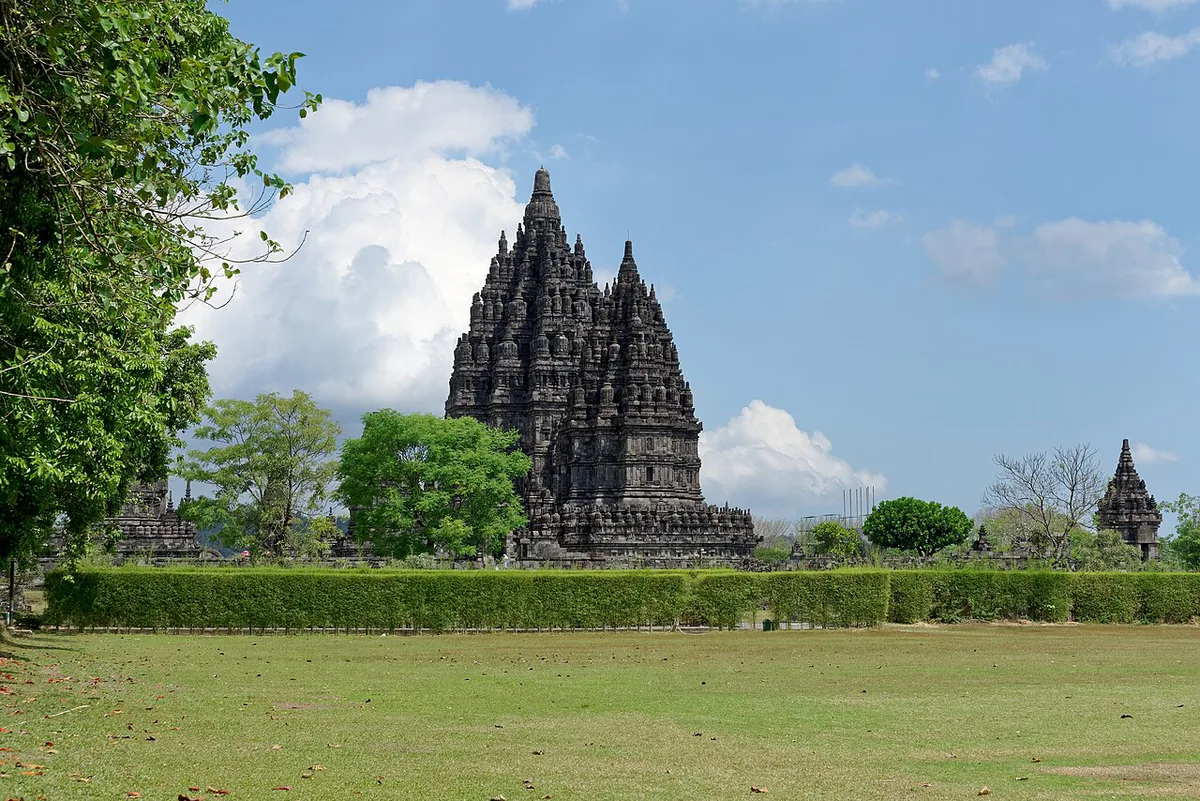
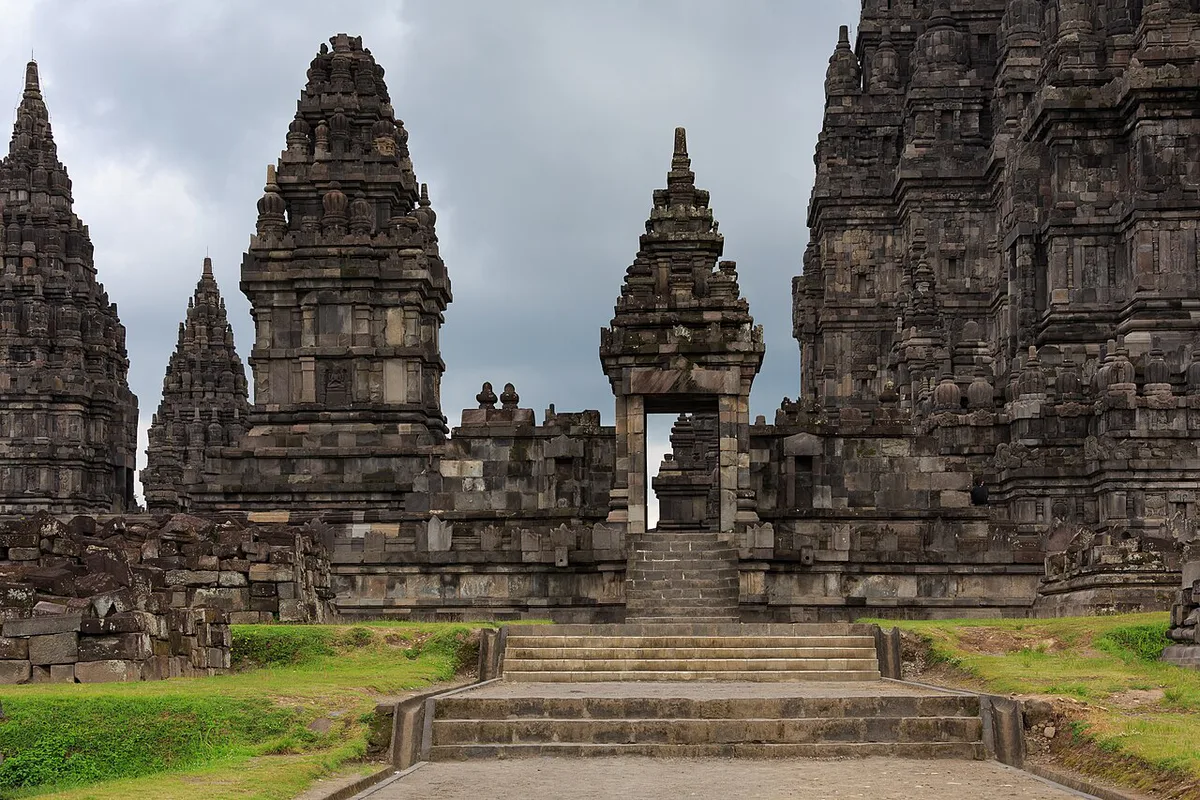
Prambanan is the largest Hindu complex in Indonesia. Its three main temples honor Shiva, Brahma and Vishnu, and the tallest structure is about 47 m. Shade is very limited, so bring a hat and sunscreen. Hours are 6am to 5pm, and a 2020 guide reported no official sunrise or sunset tickets. Earthquake damage from 2006 was still being repaired in places, so some areas may be closed. Sari closes at 3pm, so visit it before Prambanan, not after. Our pick for a quiet add-on is Plaosan, 3 km from Prambanan, at Rp3,000. Sambisari suits anyone who likes unusual sites, because excavation from volcanic ash left it below ground level.
- Sambisari: about 10 km east of downtown, 7am to 5pm, Rp10,000. Sunken below ground level.
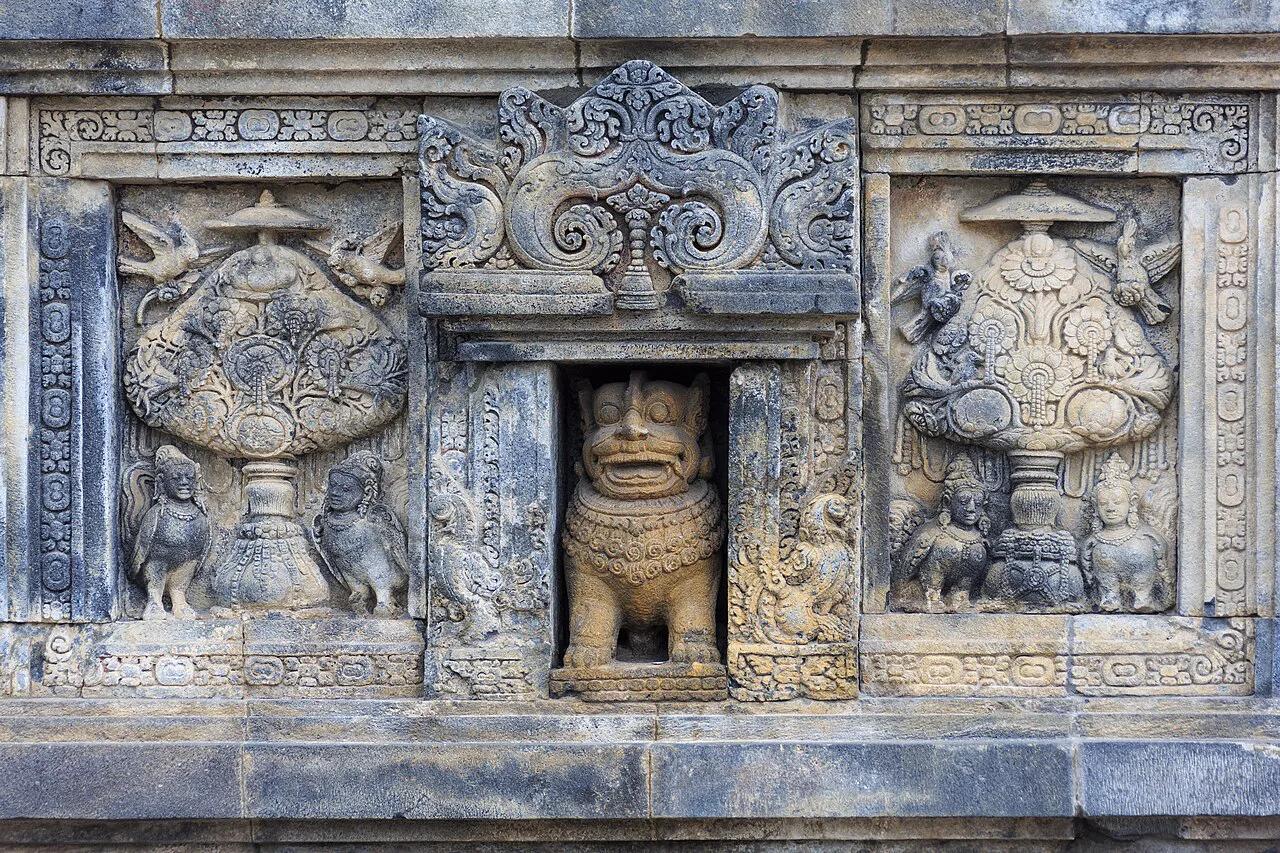
- Sari: about 13 km east, 8am to 3pm, Rp10,000. Elaborate bas-reliefs on the outer walls.
- Kalasan: across the road from Sari, 8am to 5pm, Rp10,000. Decorative doorways, less well maintained in 2020.
- Sojiwan: 2 km southeast of Prambanan, 8am to 5pm, Rp10,000. Carvings around the base show scenes from Buddha's life.
- Sewu: inside the Prambanan grounds, 6am to 5pm, included in the Prambanan ticket.
- Plaosan: 3 km from Prambanan, 6am to 5pm, Rp3,000. Two matching temples.
Ratu Boko for sunset
Ratu Boko is about 3 km south of Prambanan. It is a ruined palace complex of roughly 16 hectares, not a temple. Arrive about 1.5 hours before sunset to walk the ruins and find a seat on the grass. Opening hours were 6am to 5pm in 2020, so ask how late sunset visitors can stay. Views take in the Prambanan plain and Mount Merapi. A combined Prambanan and Ratu Boko ticket existed in 2020, with a free shuttle between the two. No single ticket covered all three major complexes. Merapi is an active volcano, so check current access before you plan around it.
How to get there: bus, taxi, tour or overnight
DAMRI buses to Borobudur leave Tugu Station at 6am, 7am and noon, then hourly from 1pm to 5pm. Jombor Terminal, 6 km north of the city, has hourly departures. Last return was reported at 3pm, so day-trippers should take the 7am bus. Trans Jogja routes 2A and 2B link into those stops. Prambanan is easier. Trans Jogja 1A runs from Jalan Malioboro roughly every 15 minutes. PRAMEKS trains left Tugu Station at 7:12am and 12:05pm in 2020, taking about half an hour for Rp8,000. Confirm timetables with Kereta Api Indonesia. Taxis cost about Rp300,000 to Borobudur and Rp40,000 to Rp50,000 to Prambanan. Flying in? Verify the reported direct airport bus in our airport transfer notes. Ask whether entrance tickets are included when you compare Yogyakarta tour options.
Last return was reported at 3pm, so a sunset ticket that keeps you at Borobudur until 6:15pm means a taxi or tour for the ride home.
| Option | Time | Cost reported in 2020 | Trade-off |
|---|---|---|---|
| DAMRI bus to Borobudur | 1.5 to 2 hours | Low; check current fare | Last return 3pm; cannot reach sunrise |
| Taxi to Borobudur | Varies with traffic | About Rp300,000 | Flexible but costliest |
| Trans Jogja 1A to Prambanan | 60 to 90 minutes | Low; check current fare | Traffic-dependent |
| PRAMEKS train to Prambanan | About 30 minutes | Rp8,000 | Only two departures reported |
| Taxi to Prambanan | Varies with traffic | Rp40,000 to Rp50,000 | Easy hop between plain temples |
| Guided tour | Set by operator | Check what is included | Entry may or may not be covered |
| Overnight near Borobudur | Walk to gate | Varies by stay | Earliest access, avoids 3pm bus |
Sample day plans
Plan around the 3pm last bus from Borobudur and the 5pm closing times. Pick one plan and drop the rest. Feasibility differs a lot between them.
- One day, Borobudur: take the 7am DAMRI bus from Tugu Station and climb before the 11am peak. Walk 1 km to Pawon, then on to Mendut for about an hour. Leave for the 3pm last bus.
- One day, Prambanan: start at Sari when it opens at 8am and cross the road to Kalasan. Spend midday at Prambanan and Sewu. Add Plaosan, then reach Ratu Boko about 1.5 hours before sunset.
- Both in one day (stretch): realistic only by taxi or tour. Bus users must return to Jombor Terminal to reach Prambanan. Skip Mendut and Pawon, and expect to miss the smaller plain temples.
- Two days: do the Prambanan plain and Ratu Boko sunset first. Sleep near Borobudur, enter at the 6am gate, then add Pawon and Mendut. An afternoon bus back works, with hourly departures from Tugu Station to 5pm.
Where to stay for temple visits
Borobudur village gives the earliest access. Manohara Resort was the only hotel inside the complex in 2020, and the sunrise tour left from its reception. Village homestays cost less, but verify prices directly. Yogyakarta city has the widest choice and the bus links. A 2020 guide saw no compelling reason to stay at Prambanan, now an extension of the city's suburbs. Rumah Desa Homestay near Prambanan could arrange bicycle hire, per that guide. Our view: sleep in the city for Prambanan, and near Borobudur for gate-opening or sunrise access. After a 4:30am start, a few hours at a city spa helps.
Trans Jogja 1A leaves Jalan Malioboro roughly every 15 minutes, which is why sleeping in the city suits Prambanan.
Best time to visit, and mistakes to avoid
Dry season runs April to October and is high season, with June to August busiest. Rainy season, November to March, brings fewer visitors. Sunset sits near 6pm from December to March, and between 5:27pm and 5:39pm from May to September. Travelling now means rainy season, so pack a rain layer. Watch BMKG weather forecasts before you commit to a sunrise start. Our month-by-month timing advice covers the rest of the city. On a budget, try no-cost city options between temple days. For fewer crowds, see quieter spots around the city. Still deciding on the trip? Read our overall verdict. Coming from Bali? Compare route options from Bali.
- Going to Borobudur on a weekend or public holiday.
- Assuming a standard ticket includes sunrise access.
- Missing the 3pm last bus from Borobudur.
- Buying the Rp450,000 Borobudur, Pawon and Mendut combo.
- Reaching Sari after its 3pm closing time.
- Ignoring Merapi activity or restoration closures.
Frequently Asked Questions
What is the 1000-year-old Hindu temple in Indonesia called?
That is most likely Prambanan, the largest Hindu complex in Indonesia. Sources date it to the 9th or 10th century, so check UNESCO's listing for an exact date.
Notes for your Indonesia trip
Optional updates when we add or change a town or island guide.
You might also like
Continue reading
More guides you'll find useful