Temples in Sanur: Which to Visit and Etiquette
Which temples are actually in Sanur? A practical guide to what to see, dress code, access and how to fit them into a short walk or ride.
On this page
Last updated November 2026. Temples in Sanur are small, local and active, and Pura Blanjong is the main one to put on your list. Pura Dalem Sanur, Pura Mertasari and the beachside shrines round out a short visit. Big names such as Besakih and Tirta Empul are not in Sanur, so this guide separates what is here from what needs a day trip.
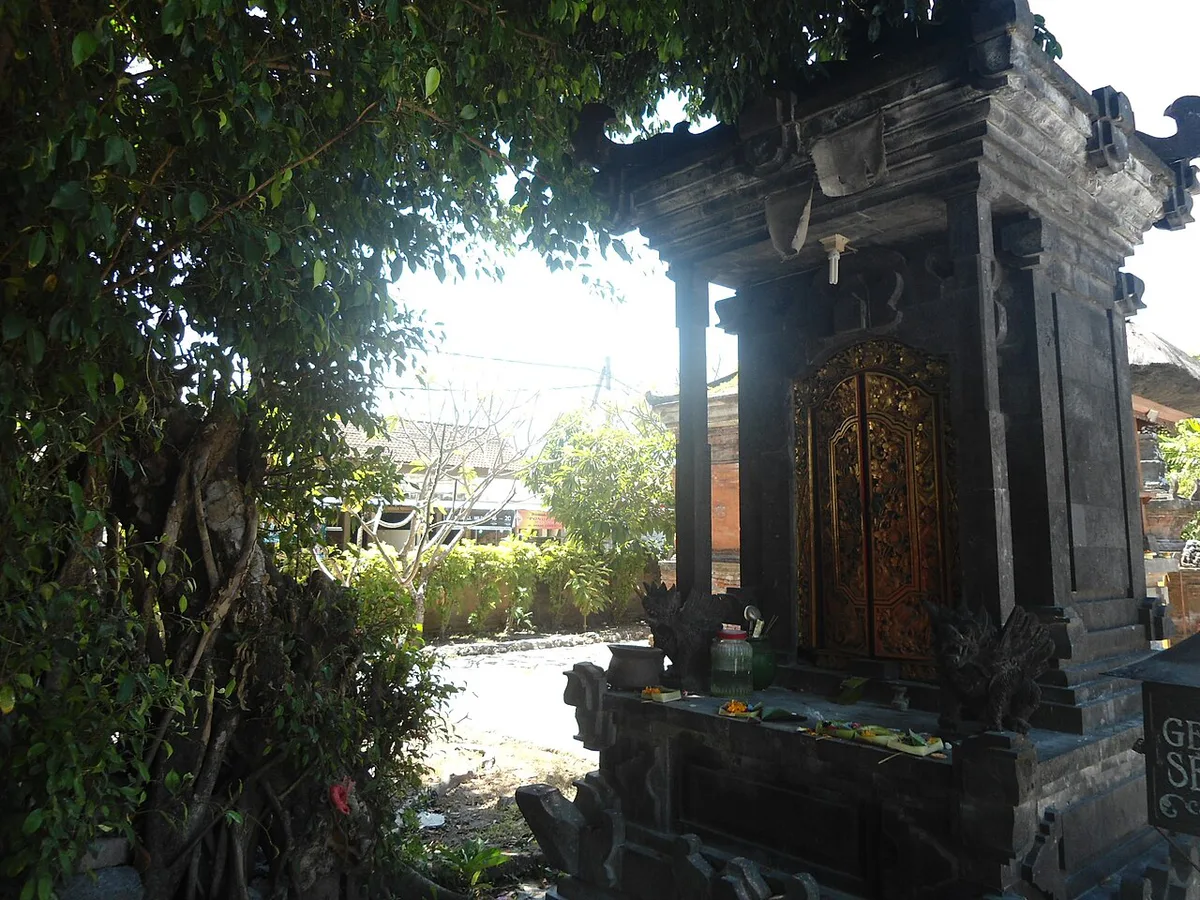
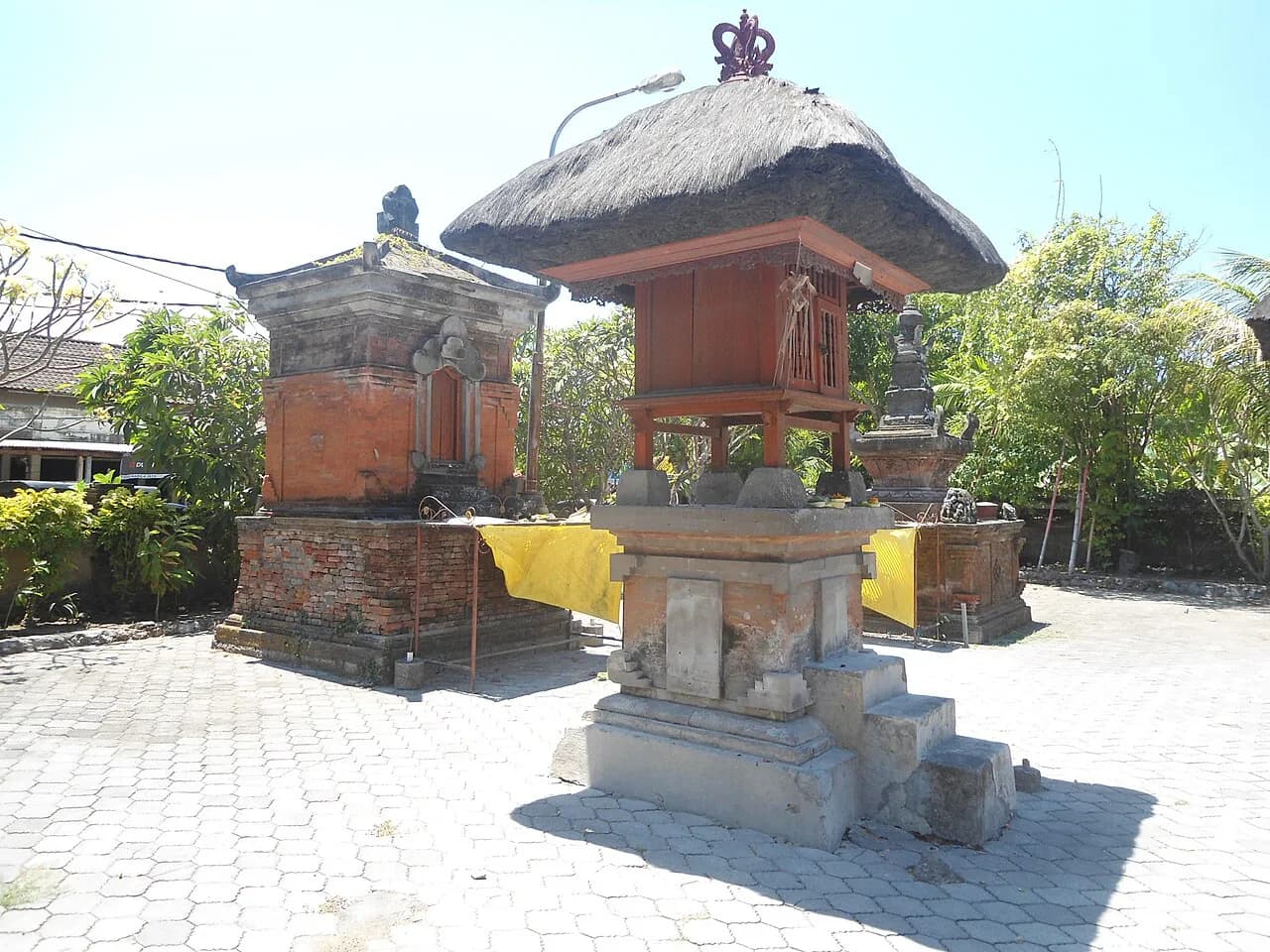
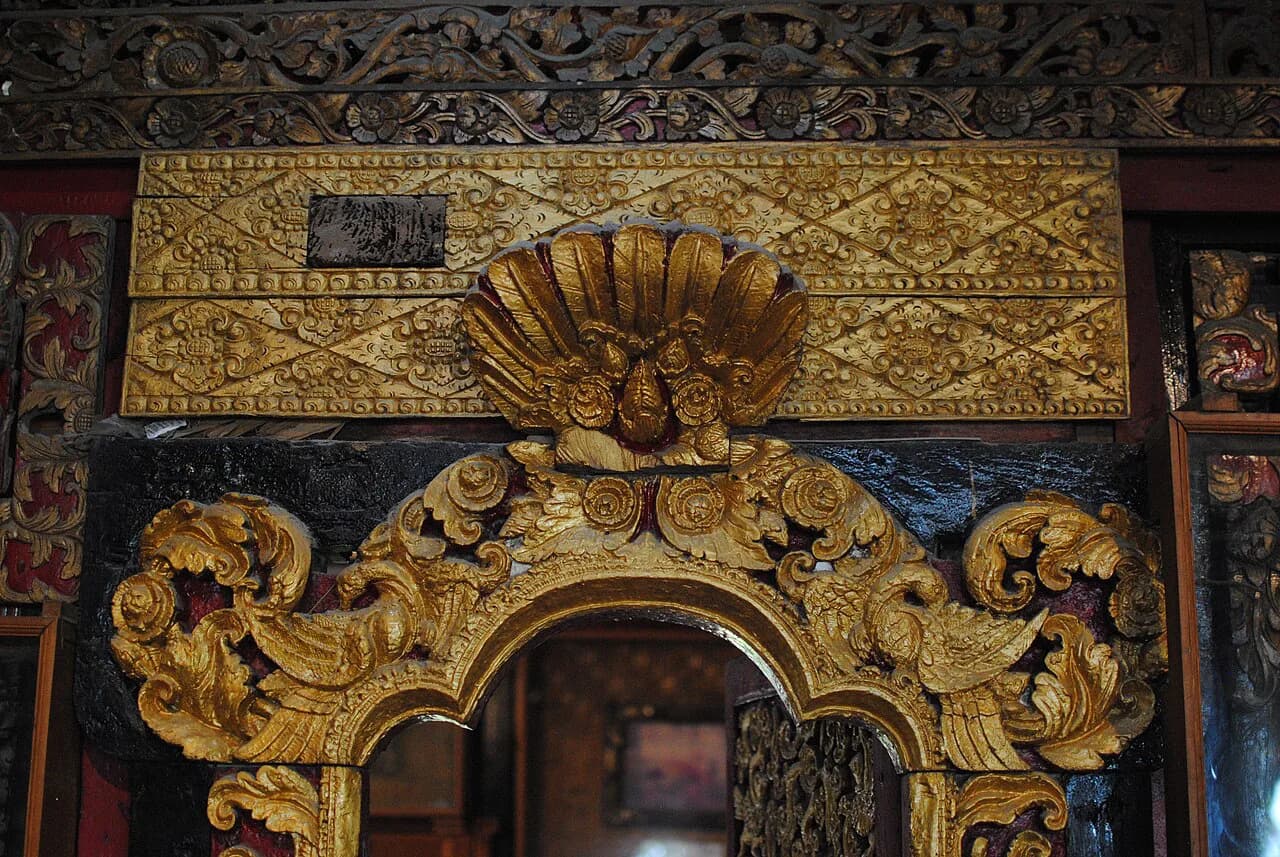
Featured image: DayakSibiriak, CC BY-SA 4.0, via Wikimedia Commons.
Quick answer: the best temples in Sanur
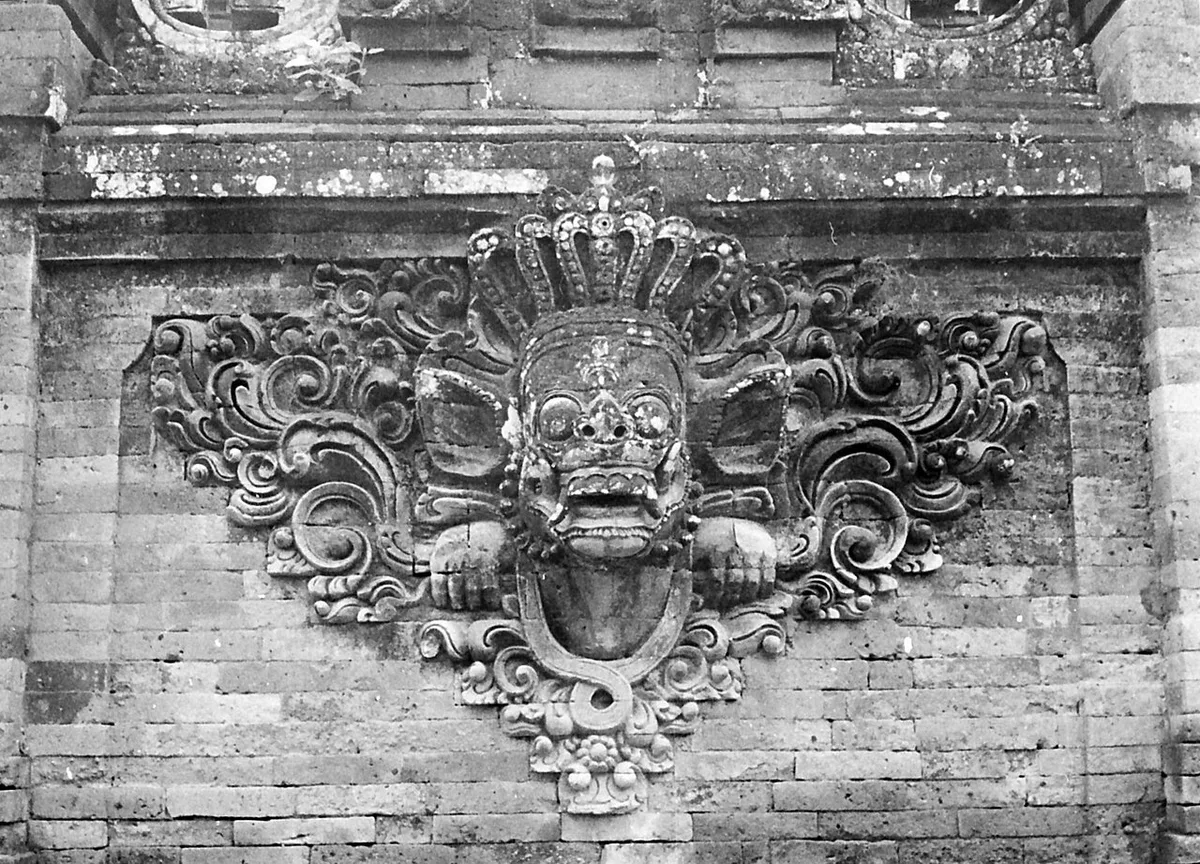
Start with Pura Blanjong, in southern Sanur. Listings date it to the 10th century and link it with the Blanjong pillar inscription. Confirm that history with a museum or heritage source before you repeat it. Pura Dalem Sanur and Pura Mertasari come next, along with the small shrines you pass on the beachfront. Sanur suits short, quiet stops rather than grand temple complexes. If you are still planning the wider stay, our Sanur things to do guide shows where temples fit among the beach, food and cycling options. Readers weighing the whole destination can also read whether Sanur is worth visiting.
- Pura Blanjong: best for history and the inscribed pillar.
- Pura Dalem Sanur: best for seeing a working village temple.
- Pura Mertasari: best for a quiet stop away from the main strip.
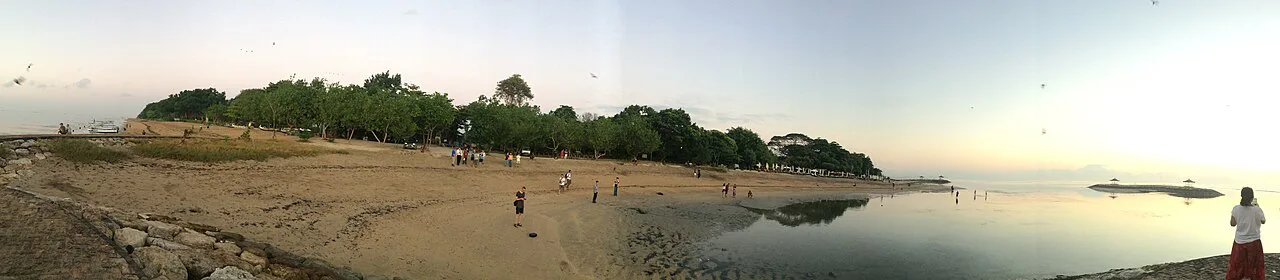
- Beachside shrines: best for sunrise and an easy look on a walk.
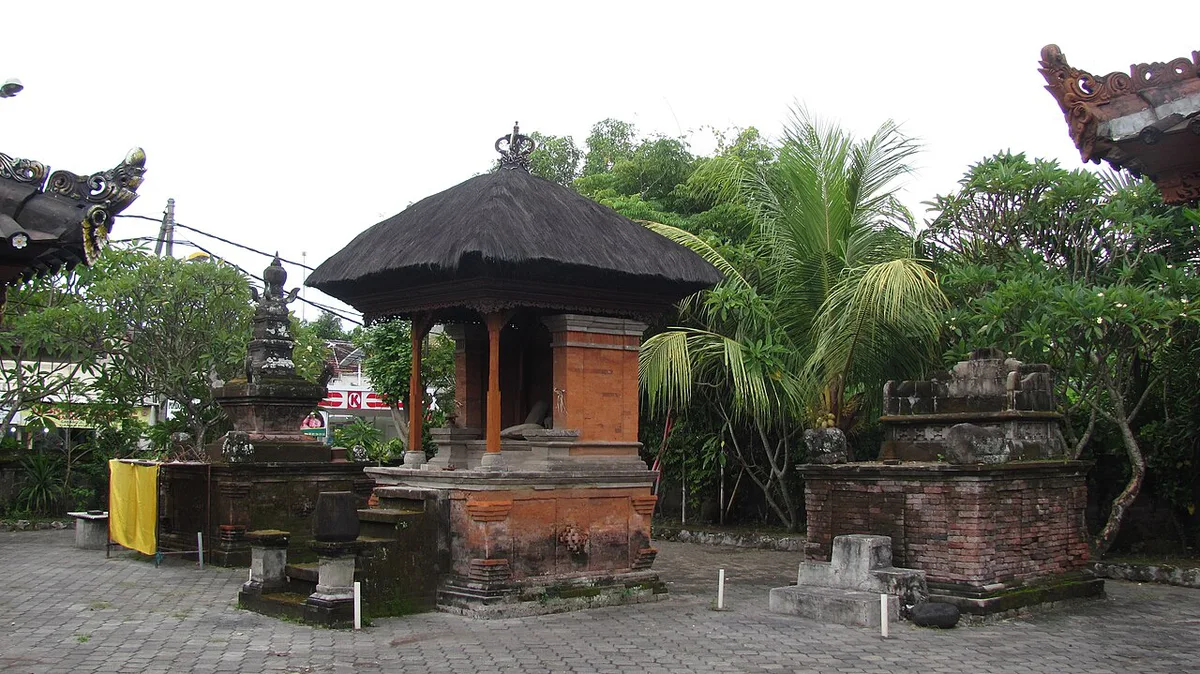
Sanur temples at a glance
Use this table to match a stop to your interest. Fees, hours and inner-courtyard access are not confirmed in our sources, so ask on arrival and leave a donation if one is requested.
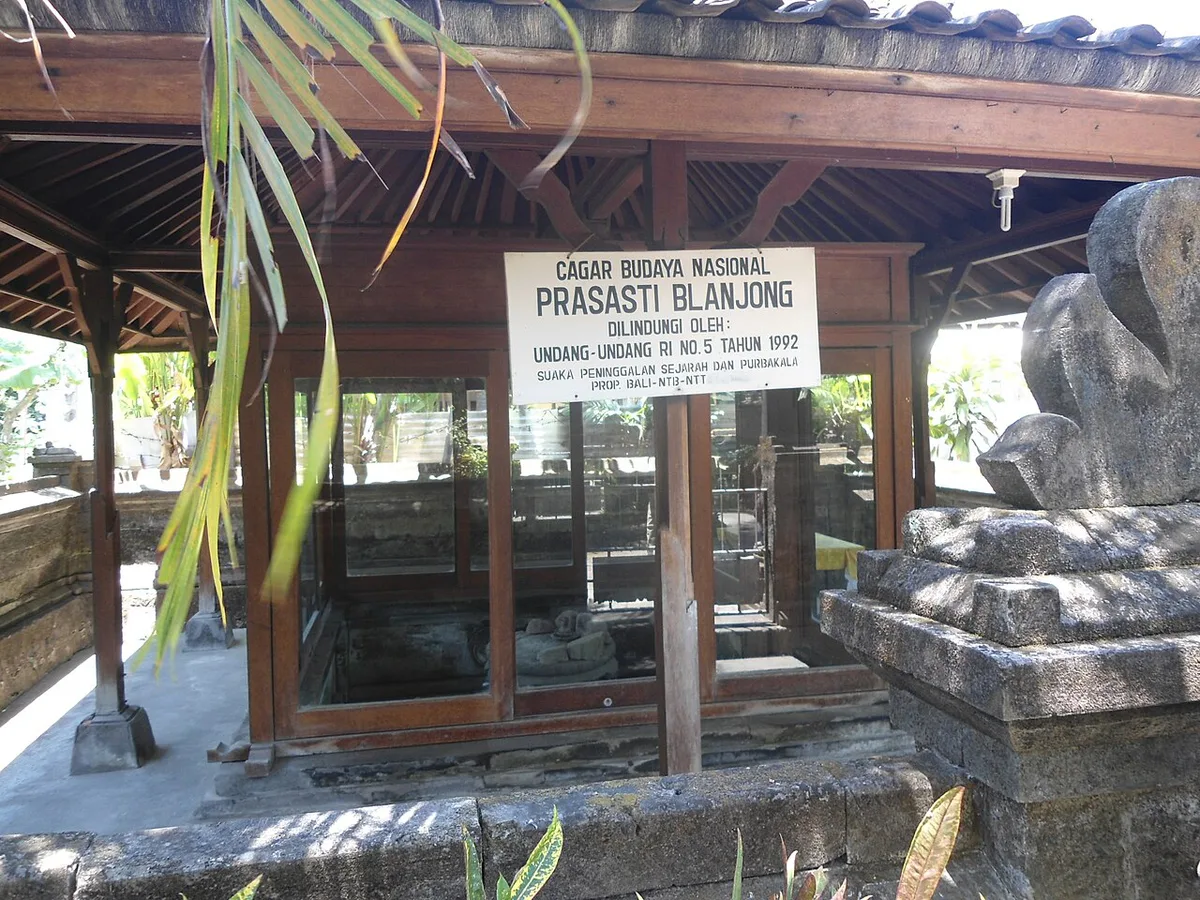
| Temple | Known for | Best for | Effort and access |
|---|---|---|---|
| Pura Blanjong | Ancient pillar and old history, per local listings | History | Short ride or cycle; confirm access locally |
| Pura Dalem Sanur | Village temple tied to Sanur's community life | Seeing local practice | Easy ride; may be closed to visitors during rites |
| Pura Mertasari | Quiet neighborhood temple | Calm and few crowds | Ride-hail or cycle; check current access |
| Beachside shrines | Small shrines along the shore | Sunrise and photos | Walk the beachfront; no planning needed |
Pura Blanjong and the other main stops
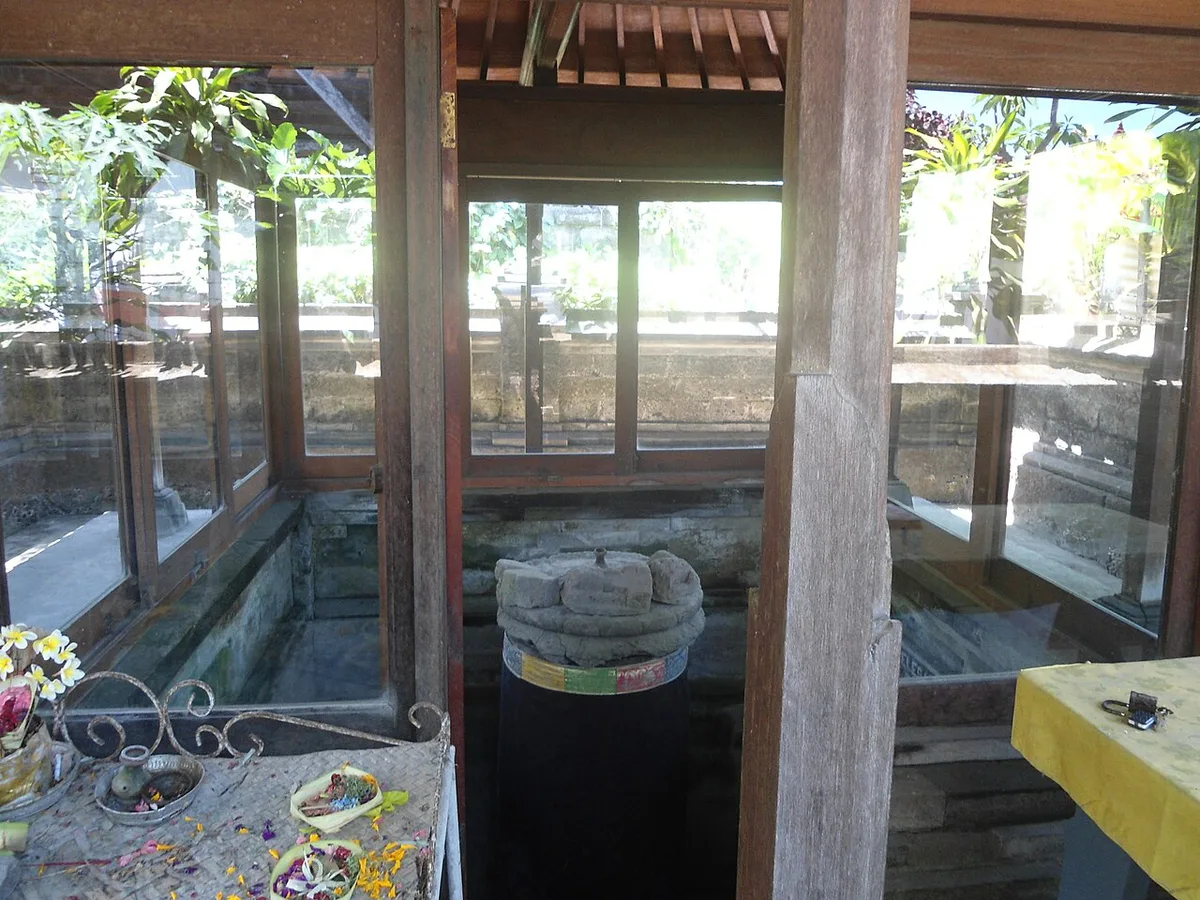
Pura Blanjong is the clearest reason to look for temples in Sanur. Local snippets place it in southern Sanur and mention an ancient pillar with an inscription. Go if you care about Bali's early history. Skip it if you want ornate carvings and big courtyards. Pura Dalem Sanur is a village temple. Dalem temples are traditionally linked to death rites, so expect a quieter, more serious mood. Go to see how a neighborhood temple works. Skip it on a ceremony day unless a local invites you in. Pura Mertasari suits readers who want a low-key stop. Search results also mention Pura Dalem Pengembak and Pura Dalem Cemara Geseng. We could not verify their exact positions, so ask your hotel before you route to either. Pick what you can match to your interest:
- History: Pura Blanjong.
- Calm: Pura Mertasari.
- Coastal: the beachside shrines at sunrise.
- Short on time: one temple plus the beachfront walk.
Temple etiquette and dress code
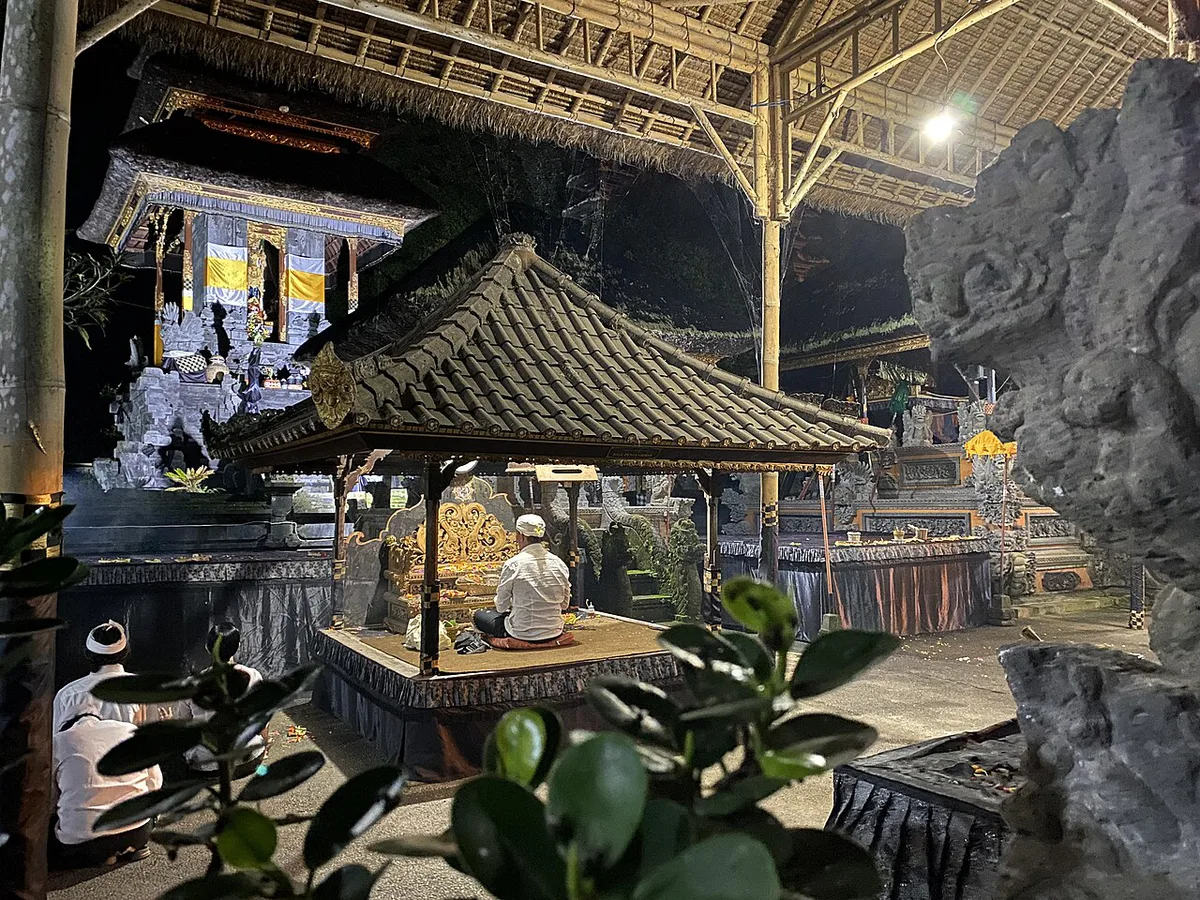
These are working places of worship, not museums. Wear a sarong and sash, and carry your own if the temple has none to lend. Cover your shoulders and keep your voice low. Do not step on offerings placed on the ground. Skip photos of people who are praying. Balinese custom asks women who are menstruating and anyone in mourning to stay out of temples. Respect that, and respect any sign that closes a courtyard. Visitors are often limited to outer areas, so do not walk into the inner courtyard unless you are invited. Donations are common, so check locally for any set amount. Ceremonies, called odalan, change access on short notice. Our guide to the Best Time to Visit Sanur: Month-by-Month Weather Guide covers seasons and timing.
A temples in Sanur route for 2-3 hours
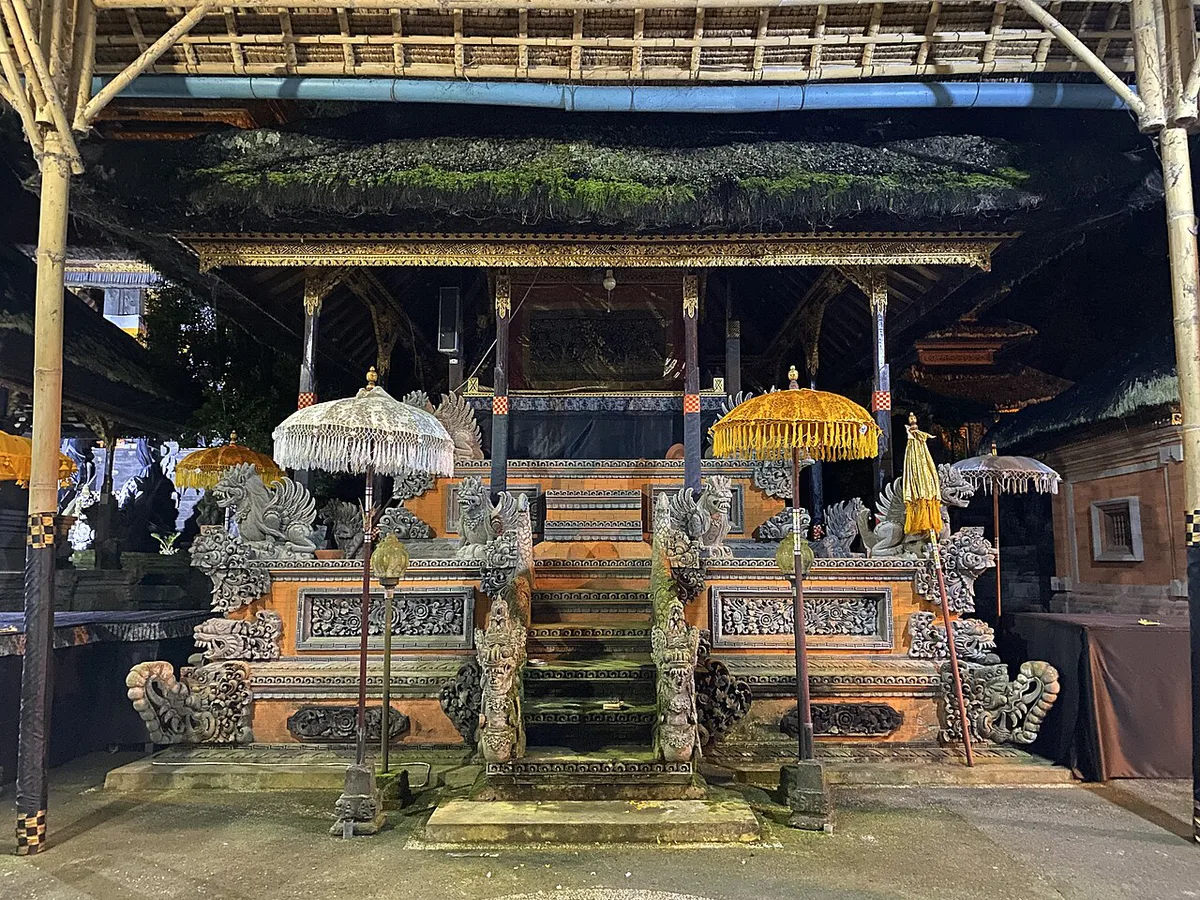
Plan 2-3 hours as a rough estimate, not a measured figure. Begin early, because midday heat on Sanur's open roads is tiring. Check current weather from BMKG if rain looks likely. Walk or cycle the beachfront for the shrines, then ride-hail or cycle to Pura Blanjong and the inland stops. Use a short ride between far-apart temples. Walking all of it makes the day longer than it needs to be. If you base yourself near the shore, our Sanur accommodation guide shows which areas are easiest on foot. Finish with lunch or a rest. A Sanur Massage: Best Spas and How to Choose (2026) suits tired legs after a morning of walking.
Keep the 2-3 hours for the beachfront shrines and Pura Blanjong, and reserve a full day for Besakih.
Famous Bali temples that are not in Sanur
Pura Besakih and Tirta Empul in Tampaksiring appear in many results for this search, but neither is in Sanur. Treat both as full day trips with a driver. Our Day Trips from Sanur: Best Options, Times and Trade-Offs page covers the options. For official background on Bali's temples and ceremonies, see the Indonesian tourism site. Do not expect Besakih's scale from any temple in Sanur. Come here for quiet neighborhood worship.
Mistakes to avoid at Sanur temples
Most problems are about timing and dress. Avoid these common errors:
- Arriving in the midday heat with no water or shade plan.
- Showing up without a sarong and sash.
- Assuming every shrine is set up for visitors.
- Walking into a courtyard during a ceremony.
- Counting Besakih or Tirta Empul as part of a Sanur stay.
Notes for your Indonesia trip
Optional updates when we add or change a town or island guide.
You might also like
Continue reading
More guides you'll find useful