
Manta Point, Nusa Penida: How to Visit the Manta Cleaning Station

Manta Point is worth it if you want a realistic shot at reef mantas and accept that the sea decides your schedule: it is a boat-only cleaning station, not a beach or a viewpoint, with nothing to walk to. Budget a half day and favor a Penida-based operator, and expect the boat to turn back when swell is up. This guide covers where the site sits, how you reach it, how snorkel and dive trips differ, what one local operator publishes for rates, and which nearby stops share the same southwest run.
What Manta Point actually is
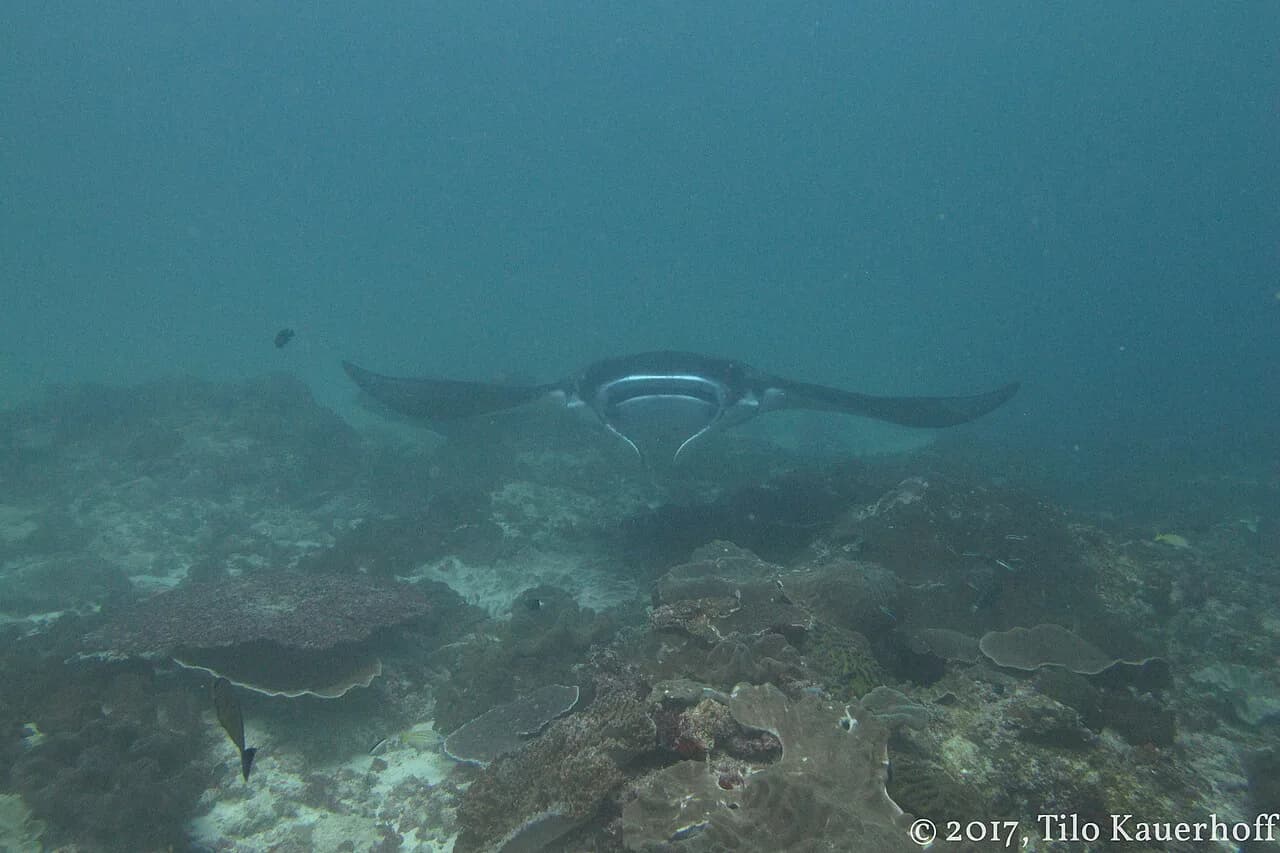
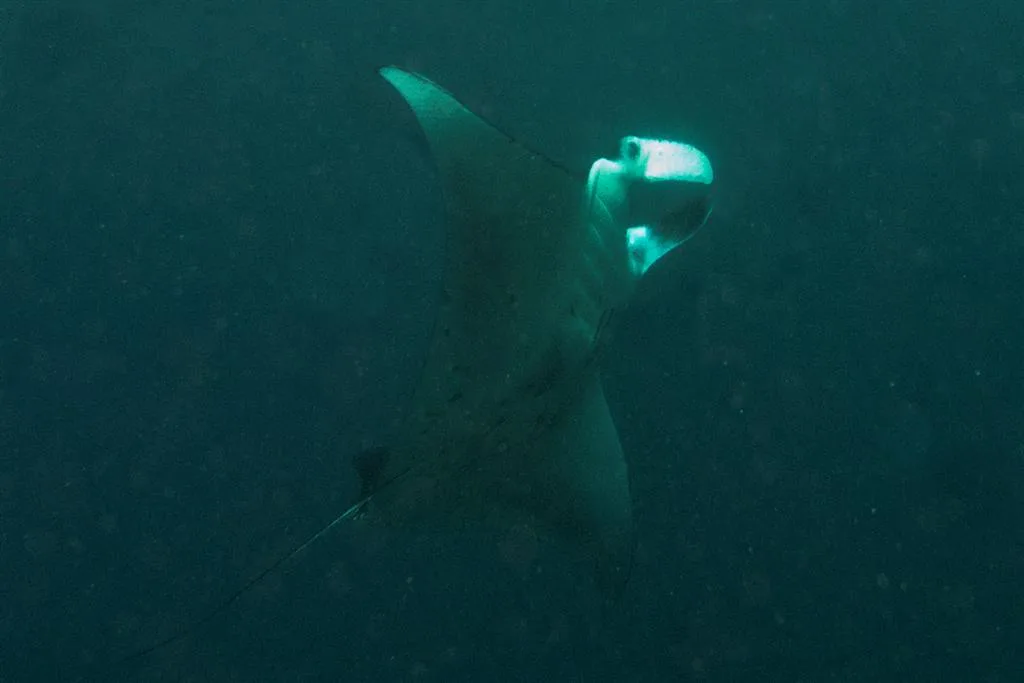
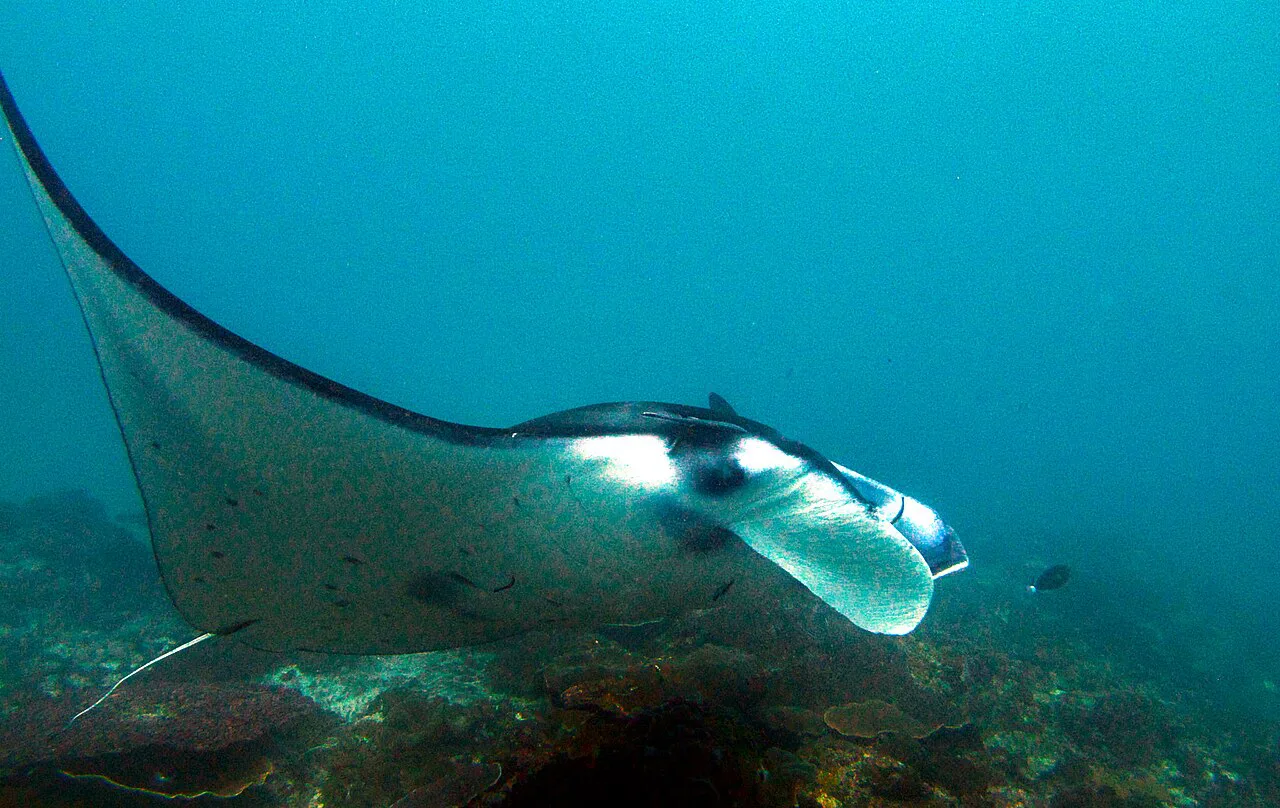
Manta Point is a manta cleaning station on the southwest coast of Nusa Penida, where small cleaner fish work over reef mantas (Mobula alfredi) that gather at specific spots on the reef. Boats drop you near the station and the mantas come to be serviced, which is why the encounter is repeatable. The bottom is a rocky plateau with limestone boulders and small sandy bays, not a coral garden, and coral growth here is modest.
The most useful fact before you book: there is no land access at all, with no entrance gate, no parking, no stairway and no viewing deck. Every visitor arrives by boat and stays on or in the water. If a driver offers to take you to Manta Point by road, they mean a different stop.

Where it sits on the island and how you reach it
The site lies beneath the cliffs of southwest Nusa Penida, near the Peguyangan area, and boats reach it from Toyapakeh in roughly 45 minutes past Gamat Bay, Crystal Bay, Kelingking and Broken Beach. A dive shop based on the island quotes 35 to 45 minutes depending on the waves, which is the practical reason staying on Penida changes your day.
You pass several southwest landmarks in sequence, which makes Manta Point easy to pair with land stops if your boat finishes early. Gamat Bay, the cliffs above Kelingking and the arch at Broken Beach all sit on this stretch, and the calmer bay nearby is the usual alternative when southern swell is running.

Manta Point vs Manta Bay: which stop is which
Many cheap snorkel tours from Bali go to Manta Bay near Broken Beach, not to Manta Point. Manta Bay is closer and cheaper, but sightings are less reliable and several boats can converge on one animal; one local operator puts Manta Bay sightings at around 60 percent of trips against about 95 percent at Manta Point, and warns the bay can feel crowded.
If a calm, respectful encounter matters more than the shorter boat ride, confirm the itinerary names the cleaning station explicitly before you pay. Ask whether the boat goes to the station itself or to the bay, because the two are marketed in similar wording and the price gap reflects the longer run.
Getting there from Bali versus staying on Nusa Penida
From Bali, the usual pattern is a fast boat from Sanur, roughly 45 minutes to the island, then a second boat to the site with a dive or snorkel operator. That double hop is why Bali-based trips start early: one blogger describes a 6:30am pickup and a 2-3pm return to accommodation in south Bali.
Staying on Penida cuts the transfer and usually the price, and it gives you slack if the morning's sea state forces a reschedule. One blogger logged a Penida-based two-dive trip at about 100 USD against about 170 USD for the Sanur day, which is the clearest illustration of what the transfer adds.
Snorkeling at Manta Point
Snorkelers stay at the surface while mantas glide below around the cleaning station, sometimes rising within a few yards, and no certification is needed. One local operator calls the setup beginner-friendly and suitable for families, with mask, snorkel, fins, a life vest and a guide, while stressing that the site is exposed to ocean swell.
Most manta activity sits in the top 1 to 12 meters, so a snorkeler at the surface sees plenty without descending, and average visibility of 10 to 15 meters keeps the animals in view. The surface is also where swell is felt most, which is why the guide's briefing matters more here than on sheltered sites.
Diving Manta Point
The main cleaning station starts around 9 meters and rises to about 3 meters below the surface, on a broad plateau averaging 14 to 18 meters with boulders and swim-throughs at the shallow edges. Divers without certification can still go below on a discovery dive with an instructor at the shallow station, which one operator offers for ages 10 and up.
Unlike many Nusa Penida sites, Manta Point rarely has current; surge and swell are the variables that shape a dive here. PADI lists a maximum depth of about 20 meters, rates the site suitable for all diver levels with boat entry, and notes blue-spotted stingrays, eagle rays, bamboo sharks and turtles alongside the mantas.
What it costs: one operator's published rates
A local Nusa Penida operator publishes shared snorkel boat rates of 500,000 IDR per person to Manta Point against 300,000 IDR to Manta Bay, private boats at 3 million IDR (Manta Point) and 1.7 million IDR (Manta Bay) for up to four people, a two-dive discovery dive at 2.6 million IDR, and fun dives at 1.9 million IDR for two dives or 2.6 million IDR for three. Those dive rates are described as typically including gear rental, a guide and transport to the sites, and they are that operator's numbers rather than a market standard.
Compare any quote against what is bundled: gear, guide, transfers, meals and harbour fees vary between operators and can explain a large gap in headline price. One Sanur-based blogger logged a two-dive day with breakfast, lunch and hotel transfers from Legian at the equivalent of about 170 USD, against about 100 USD for a Penida-based two-dive trip, which shows how much the transfer adds.
When to go and when trips get called off
Sightings are possible year-round, but the sources disagree on the best window: one blog says March to June is often quoted yet mantas appear in every month, with a few weeks each year when they are scarce; a dive shop puts encounters on roughly 85 to 90 percent of dives; the local operator cites about 95 percent of trips. Treat these as different operators' experience, not a guarantee, and ask your chosen shop about recent sightings.
Because the site is exposed, wind and swell can make it unsafe, and reputable operators cancel rather than push out; one dive shop checks conditions daily before committing boats to this site in particular. Water temperature swings too, from around 28°C in the warm months to 18-19°C in the cold season per that dive shop, so request a thicker wetsuit if you feel the cold.
How long the trip takes
From Nusa Penida, a two-dive Manta Point trip can run from about 7:30am to early afternoon, with the boat ride and surface interval taking most of it. From south Bali, the same dives stretch into a full morning and early afternoon once the Sanur crossing and hotel transfers are added.
If your schedule is tight, a single-tank dive or a snorkel trip is shorter, but it means one shot at the mantas. If weather cancels your boat, ask whether the operator can move you to another departure before you leave the island.
Rules in the water
Etiquette is simple and operators enforce it: do not swim directly above the cleaning station, never chase a manta, and never touch one, because the protective mucus layer on their skin keeps them healthy. Curious mantas often approach a calm, still snorkeler on their own, which is a better sighting than a pursued one.
Individual mantas can be told apart by the pattern on their bellies, and local guides recognize regulars, so keep a respectful distance and let the animal choose the proximity. Photographers should remember that hovering directly over the station is exactly the behavior that clears the site.
What else you'll see besides mantas
The cleaning station draws more than mantas: blue-spotted stingrays bury themselves in the surrounding sand, octopus hide in reef cracks, bamboo sharks patrol or rest under ledges, and nudibranchs reward slow lookers. Turtles and eagle rays turn up too, and molas have been recorded on the deeper wall in some conditions.
Visibility averages around 10 to 15 meters, reaching up to 25 on good days per one dive shop, so wide encounters are realistic without extreme depth. The reef is a supporting act rather than the draw, so travelers expecting a colorful coral garden should reset expectations.
What's nearby on the same southwest run
The classic southwest circuit pairs Manta Point with the cliff viewpoints: Kelingking Beach above Bunga Mekar, the collapsed arch at Broken Beach and the natural pool at Angel's Billabong are within a short drive of each other on the west coast road. Doing the boat first and the viewpoints afterward is the usual split.
With a second day on the island, the east coast rewards it: Diamond Beach and Atuh Beach sit below the same limestone cliffs, and the cave temple Pura Goa Giri Putri is on the road across the island. Neither is close to Manta Point, so plan them as a separate loop rather than bolting them onto a dive morning.
For a broader look at how the island's stops fit together, start with Nusa Penida Attractions: 11 Visitor Guides when you are building an itinerary around the boat trip.
Should you book Manta Point or Manta Bay?
Book Manta Point if seeing a reef manta is the point of the day and you can absorb a longer, pricier boat ride that may be cancelled for swell. Book Manta Bay instead if you want the cheapest, closest snorkel stop and can accept lower odds and busier water.
Whichever you choose, confirm three things in writing before you pay: which site the boat actually visits, what the rate includes, and how the operator handles a weather cancellation. Current rates, boat times and the day's sea conditions come from the operator you book with, not from a fixed public schedule, so ask when you reserve.
Explore more Nusa Penida guides
Frequently Asked Questions
Is Manta Point worth it?
If you want a realistic chance at reef mantas, yes: the cleaning station attracts them reliably and both snorkelers and divers can see them. The trade-offs are a boat-only site with no land access, a longer ride than nearby Manta Bay, and trips that can be cancelled when swell is up.
Is it safe to snorkel at Manta Point?
Snorkeling is done at the surface with a guide and life vest, and the mantas are not aggressive. The real variable is sea state, because the site is exposed to southern swell, so choose an operator who cancels when conditions are marginal and follow the briefing.
When can you see manta rays in Nusa Penida?
Mantas are recorded year-round at Manta Point, though operators report a few weeks each year when they are scarce. Published best-season claims differ between sources, so ask your chosen operator about recent sightings for your dates instead of relying on a single month.
Where is the famous viewpoint in Nusa Penida?
The iconic view is the Kelingking cliff above Bunga Mekar on the west coast, usually combined with Broken Beach and Angel's Billabong. Manta Point itself has no viewpoint; it is viewed from the water only.
Sources
- Manta Point dive site | PADI
- Manta Point Nusa Penida | Scuba diving & Snorkelling guide
- Manta Point Nusa Penida: Snorkeling & Diving Tours
- Diving Manta Point: 7 Key Insights For An Unforgettable Dive