
Lawang Sewu: What to See Inside Semarang's Thousand Doors Building
Lawang Sewu is worth about one to two hours, and it suits travelers who want one compact, walkable piece of Semarang's colonial railway history rather than a full city tour. The building sits on Jalan Pemuda near Tugu Muda, so it slots easily into a morning or late-afternoon stop in the city center. This page covers where the site is, how to reach it, what to look at inside, how long to allow, and what the listing does and does not tell you about hours and tickets.
What Lawang Sewu actually is
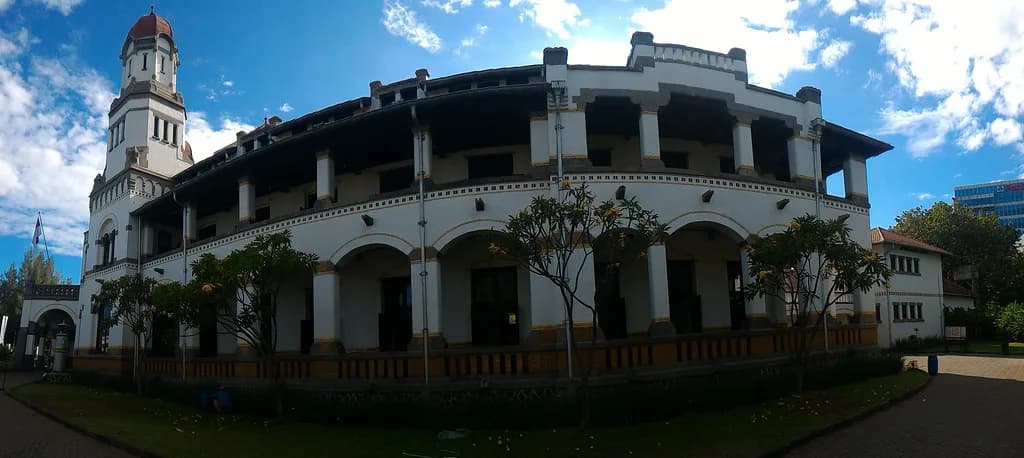
The name means "a thousand doors" in Javanese, a nod to the sheer number of doorways that line the building's corridors. Construction began in 1904, and the site first served as the headquarters of the Nederlandsch-Indische Spoorweg Maatschappij (NIS), the first private railway company in the Dutch East Indies. Read the architecture as a corporate office from that era rather than a palace or a private mansion: long wings, repetitive doors and grand public halls built to house a railway bureaucracy.
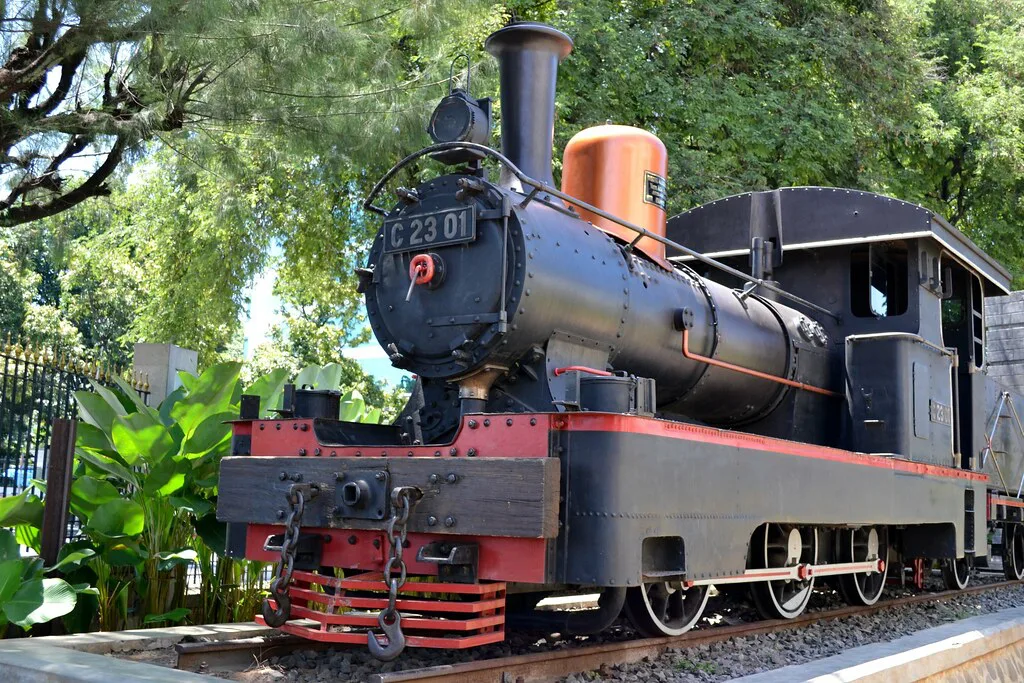
Today the complex operates as a museum that traces the development of rail transport in Indonesia, with documentation rooms and displays set into the old offices. The same compound is also used for exhibitions, photo and video shoots and art events, so parts of the grounds may feel more like an event venue than a hushed museum. If you are mapping out a broader day of sightseeing in the city, the wider set of Semarang Attractions: 12 Visitor Guides is a sensible place to start.
Where it is on Jalan Pemuda
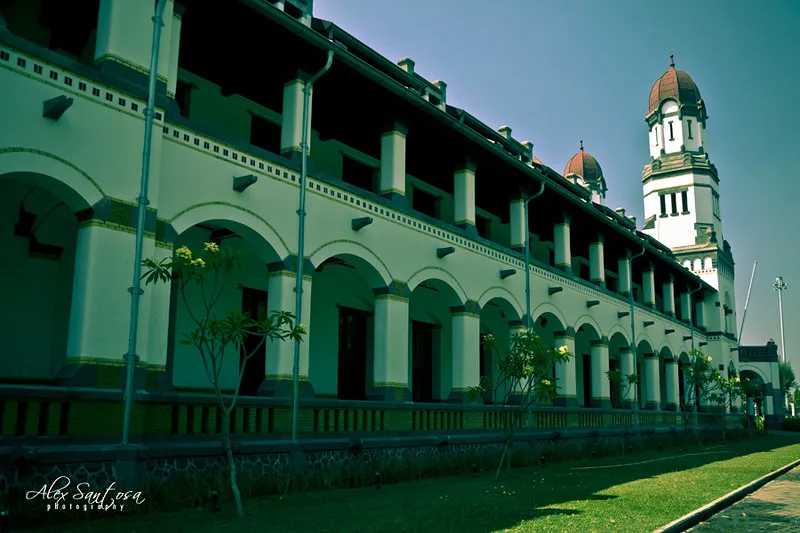
The address is Jl. Pemuda No.160, Sekayu, Semarang Tengah, in the flat, busy heart of the city. The easiest orientation point is Tugu Muda, the monument roundabout; the walk from there runs east along Jalan Pemuda for about ten minutes to the entrance. The building faces Jalan Pemuda, so a driver can pull up close to the front rather than dropping you in a side street.
Getting there from the station or your hotel
From Semarang Poncol Station, local 01 or 02 buses run toward the city center, and you get off near Tugu Muda before walking east along Jalan Pemuda for roughly ten minutes. Ride-hailing is the simpler option for most visitors: enter "Lawang Sewu" or the full Jalan Pemuda address in Gojek or Grab and choose a car or motorcycle, and the driver will take you to the entrance. If you are already near Tugu Muda or the city center, the walk along Jalan Pemuda is straightforward.
Traffic in central Semarang builds during the morning commute and again in the late afternoon, so a ride-hailing trip that looks short on the map can take noticeably longer at those times. Walking in from Tugu Muda avoids that entirely and takes only minutes. Either way, plan your arrival around the light rather than the clock if photography is the point of the visit.
What to see inside the building
The headline features are the stained glass windows, the tall columns and the arched openings that run along the facade and inner halls. Inside, the scale is the attraction: vast corridors, high ceilings and rooms that still read as offices designed for a large colonial company. Look for the stained glass up close, since much of it sits above eye level in the stairwells and main halls.
Beyond the architecture, the museum rooms hold the railway-history collection, including documents and information on how rail transport developed in Indonesia. That material gives the building its context: without it, the halls are handsome but anonymous. Allow time to read a few of the displays rather than walking straight through, and check on arrival whether any temporary exhibition is running, since the venue hosts events in the complex.
The grounds are part of the visit as well, with lawns and garden space around the wings that offer a break from the corridors and a clear view back at the facade. Many visitors spend as long outside photographing the exterior as they do inside. If you want a guide to explain the history in depth, ask at the entrance about guided tours rather than assuming one runs on a fixed schedule.
The haunted reputation, honestly
Lawang Sewu has a long-standing reputation among Indonesian visitors as a haunted place, and ghost-story content is a genuine reason some people come. Treat that as part of the local visitor culture rather than a factual claim about the building: the tales are legend and storytelling, not something a guide will verify for you. The practical effect is atmosphere, plus occasional tour groups leaning into the theme, especially later in the day. If you want a quiet visit focused on architecture, go earlier and skip any ghost-themed add-ons.
How long to allow, and when to go
Budget roughly one to two hours for the halls, the museum rooms and a walk around the grounds; add time if you are photographing seriously. The listing suggests early morning or late afternoon for the best light, which also avoids the middle-of-the-day heat on the open lawns. Sunset light on the facade is the classic shot, and the listed hours run into the evening, so a late-afternoon arrival can cover both the interior and the exterior before closing.
Opening hours and tickets: what to confirm
The published listing shows the site open every day from 8 am to 8 pm, taken from the venue's Google Business Profile, but hours can change for services and special events. Treat that as a listed figure to re-check rather than a guaranteed schedule, particularly around public holidays. The packet does not include an entry ticket price, so check the current fee at the ticket window or on the venue's own channels before you set a budget.
Nearby options to pair with your stop
Tugu Muda is a five- to ten-minute walk away and makes an easy orientation point before or after Lawang Sewu. The old town around Kota Tua, with gereja Blenduk as its best-known landmark, is a short ride north and works well as a second stop on the same day. If you want more colonial-era sightseeing close by, the Museum Mandala Bhakti in Semarang sits in the same central district, and the full Semarang Attractions: 12 Visitor Guides lists other central stops.
For a change of scale and subject, the Pagoda Avalokitesvara (Vihara Buddhagaya Watugong) is south of the center and pairs naturally with a Lawang Sewu morning. Travelers with a car and driver sometimes add Brown Canyon, an ex-quarry landscape on Jalan Fatmawati on the city's outskirts, though it is a longer hop. Temple-focused visitors often combine a city stop with Sam Poo Kong temple, and the klenteng Tay Kak Sie in Pecinan Semarang suits anyone heading into the old Chinatown streets.
Should Lawang Sewu be on your Semarang shortlist?
Yes, if you want one central, walkable slice of colonial and railway history and can give it an hour or two. It is less compelling as a full-day destination, and travelers who prefer landscapes or markets will get more from other stops. Go early or late for the light, confirm the listed 8 am to 8 pm hours and the current ticket price before you travel, and treat the ghost stories as local color rather than the reason to visit.
Explore more Semarang guides
Frequently Asked Questions
Do I need to book Lawang Sewu tickets in advance?
The sources consulted do not describe an advance booking requirement, so plan on paying at the entrance and confirm any current booking rules when you arrive or through the venue's own channels. Group visits and guided tours are the cases where pre-arranging is most likely to matter.
Is Lawang Sewu suitable for a short stop between trains?
It can work if you have a couple of hours, since the site is a short ride or a walk-plus-bus trip from Semarang Poncol Station. Allow buffer time for central Semarang traffic, and check your train time before committing to the museum rooms as well as the grounds.