Denpasar Weather: Seasons, Rain And Best Time To Visit
Planning a trip? See how Denpasar's weather changes by season, how hot it really feels, when rain hits, and how to plan markets, temples and day trips.
On this page
Last updated November 2026. Denpasar weather is tropical: warm all year, with a wetter season and a drier season. This is a climate and planning guide, not a live forecast, so check a live source for your exact dates. Use it alongside our Denpasar activity guide to schedule walking days.
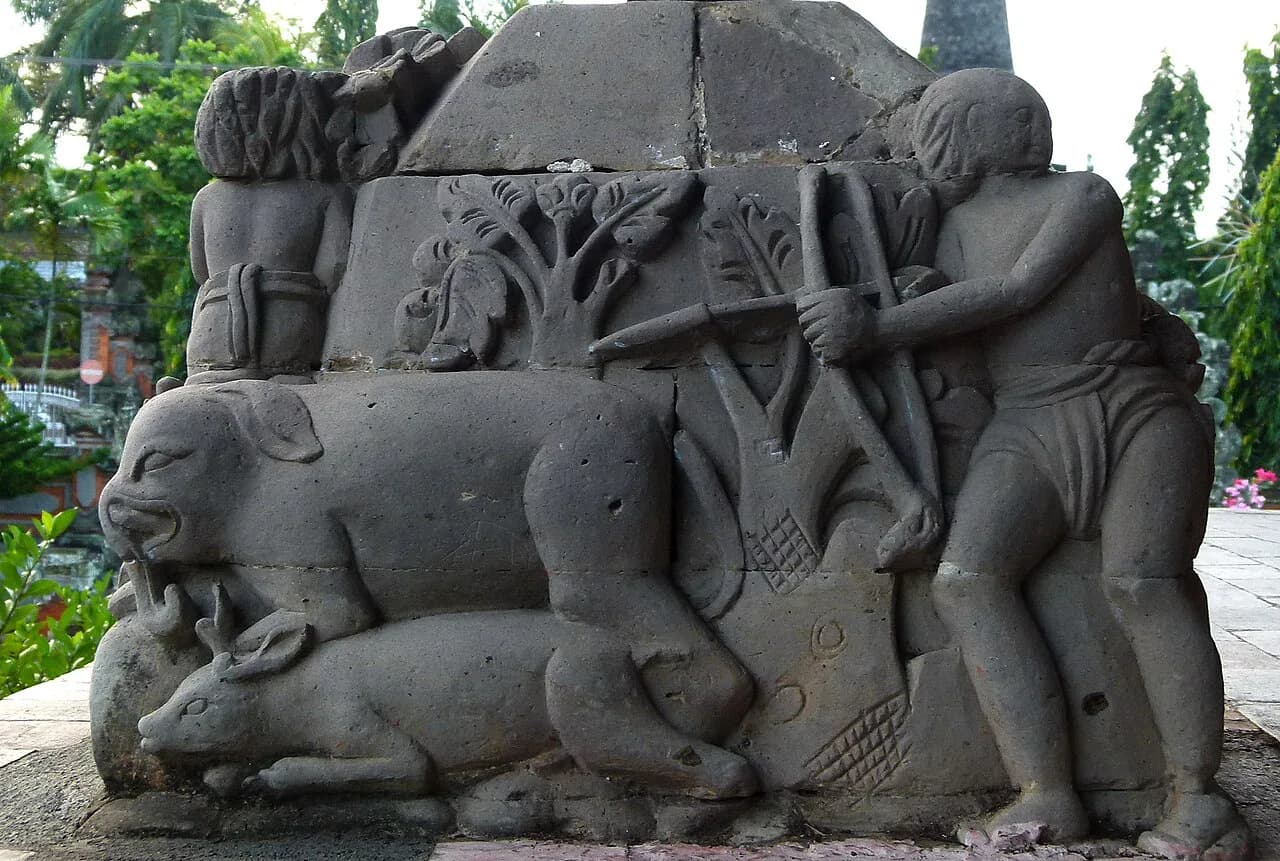
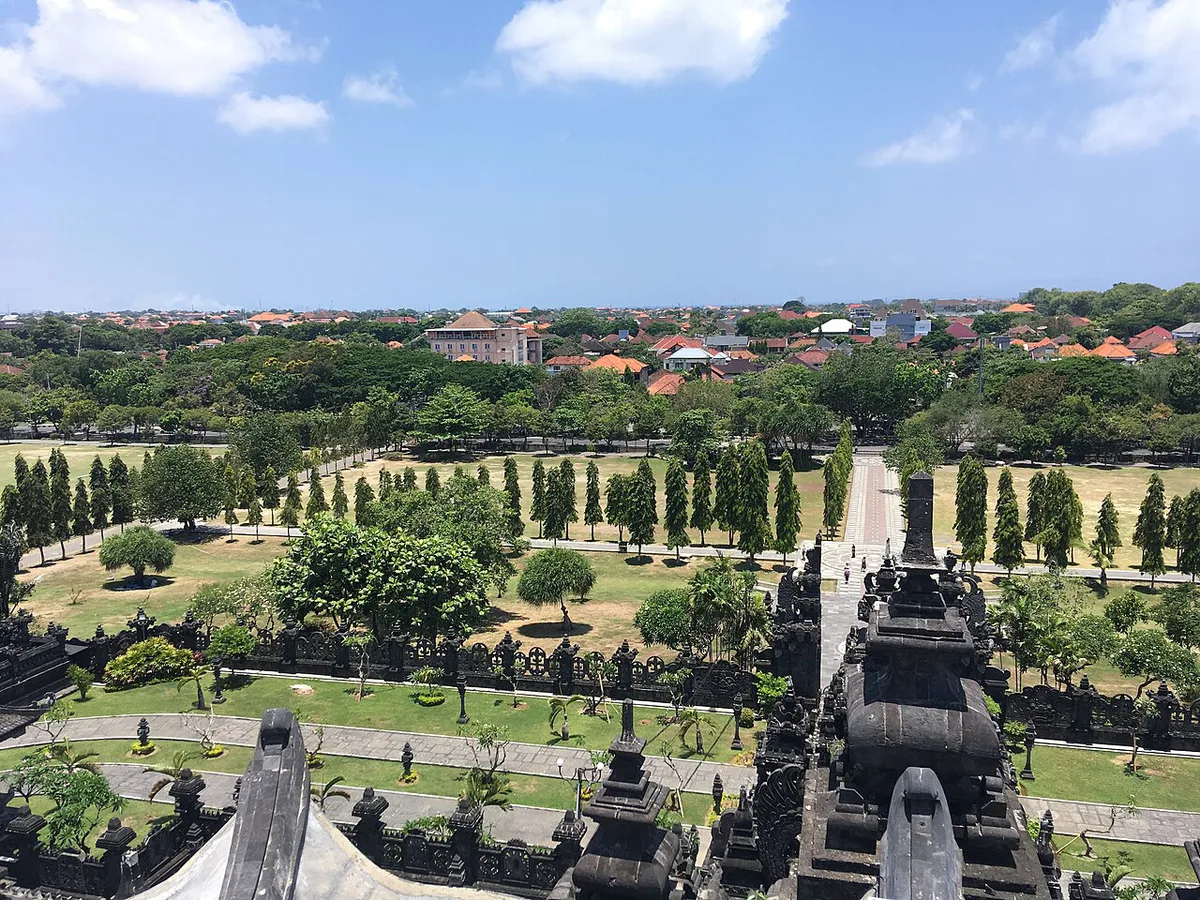
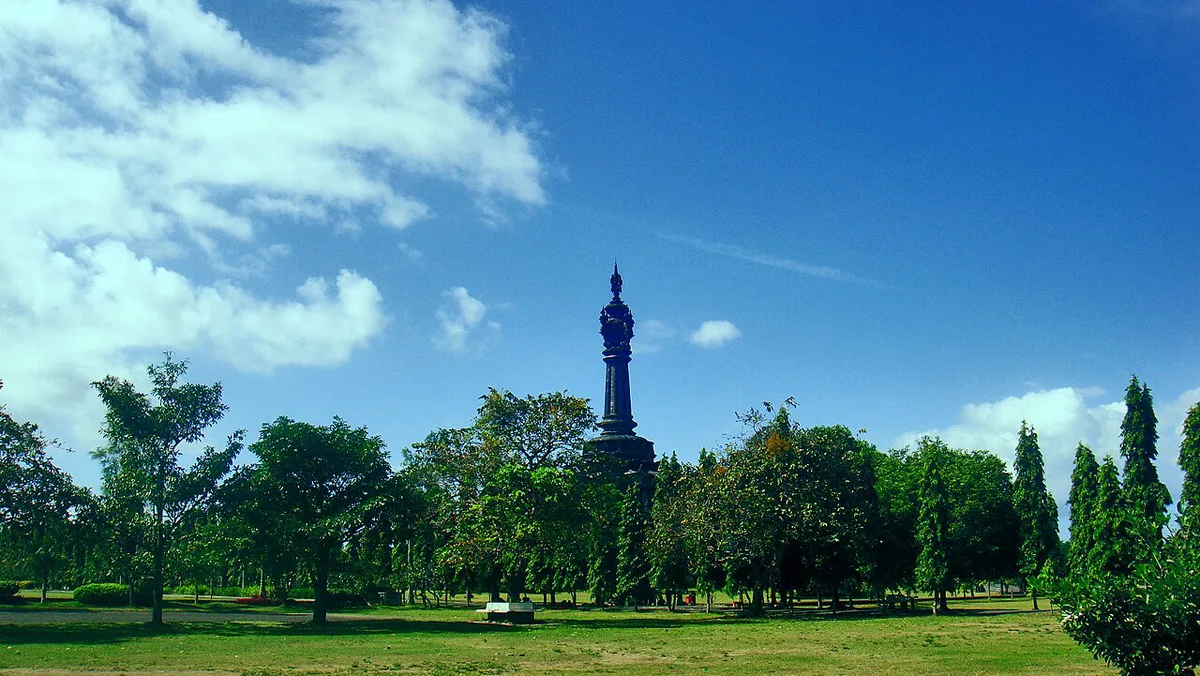
Featured image: Christophe95, CC BY-SA 4.0, via Wikimedia Commons.
Denpasar Weather At A Glance
Expect heat and humidity in every month, with rain as the main variable. Official season boundaries come from BMKG, Indonesia's meteorology agency, so confirm month dates there before you book. On 5 November 2026, BBC Weather listed highs of 33°C (91°F) and lows near 23°C (74°F) for Denpasar. Treat that as one dated snapshot, not a norm.
| Season | Rain | Heat | Best for |
|---|---|---|---|
| Dry season | Fewer and shorter showers | Warm, less sticky at night | Walking between Puputan Square, Bali Museum and Pasar Badung |
| Wet season | Frequent afternoon showers and thunder | Hot and very humid | Indoor stops, flexible plans, buffer days |
| Shoulder months | Mixed, hard to call | Warm to hot | Travelers who can adjust daily |
Dry Season vs Wet Season In Denpasar
Dry season suits first-timers who want a fixed route on foot. Wet season suits travelers who can swap days and accept a shower. Month boundaries vary by source, so verify them with BMKG rather than trusting a blog. Market-and-temple visitors should start early in either season. Budget travelers can watch lodging quotes, which often move with season. As an illustration only, a room quoted at Rp 500,000 in a quiet month might read Rp 800,000 in a peak week. Compare current quotes for your dates before deciding.
How Hot Denpasar Weather Really Feels
Humidity makes the air feel hotter than the thermometer says. BBC's 5 November hourly page showed 32°C (89°F) at noon with a feels-like of 43°C (109°F). It listed humidity of 64% at that hour. The Met Office page for Bali showed highs near 29°C (84°F) and a feels-like of 31°C (88°F) the same week. Sources disagree, so plan for a range. Pack light cotton or linen, a hat, a refillable bottle and a spare shirt for midday.
Rain And Thunderstorms: How To Plan Around Them
Rain often arrives as an afternoon shower, but forecasts conflict. The Met Office snapshot showed a 50% rain chance at 12pm on one day and 80% on another afternoon. BBC showed mostly sunny days with thundery showers on 15 November. The Weather Network showed rain chances of 40% to 70% on many afternoons. Compare at least two sources and expect a spread. Keep a buffer day if your itinerary is fixed.
Pair a 40% to 70% chance with the expected rainfall figure, since under 1 mm is light.
- If it pours at Pasar Badung: browse covered stalls, then pause at a café. See Denpasar's markets for options.
- If it pours midday: eat early or late. Denpasar restaurants make a dry stop.
- If it clears by evening: switch to free outdoor stops from free Denpasar activities.
- If it stays wet: move indoor, such as Bali Museum, and confirm hours on its official page.
Best Time Of Day To Sightsee
Start at 7am to 8am, when BBC's hourly page showed 29°C (84°F) at 08:00 with a 3% rain chance. Sunrise was 05:50 and sunset 18:16 on that snapshot, so daylight ends early. Take a break between 11am and 3pm, which the Met Office flags as the shade period for very high UV. Visit Denpasar's temples in the morning and dress with covered shoulders and knees. After sunset, temperatures ease, and Denpasar at night is more comfortable.
With daily UV of 12 to 13, the 11am and 3pm break works as a shade stop, not an optional pause.
Sun, UV, Wind And Air Quality
BBC rated UV as Very High across its 14-day view. The Met Office page showed daily UV of 12 to 13, in its Extreme band, and advised avoiding midday sun. Use sunscreen, a hat and shade breaks. Gusts reached 15mph to 17mph on some afternoons in the Met Office snapshot. The Met Office page showed no air pollution data for Bali, so check a local source if air quality matters to you.
Month-By-Month Packing And Activity Planner
No verified monthly statistics are supplied here. Use this planner as a checklist, and confirm each row with a live forecast.
| Period | What to expect | Pack | Plan |
|---|---|---|---|
| Drier months | Sun, high UV, some showers | Sunscreen, hat, light layers | Morning markets and temples |
| Wetter months | Frequent showers, thunder | Compact rain jacket, quick-dry shoes | Indoor sights, flexible days |
| Any month | Humid, hot afternoons | Water bottle, spare shirt | Midday break, evening walks |
Weather And Day Trips From Denpasar
Conditions can differ outside the city, so check each destination separately. Leave early to beat afternoon showers, and keep a rain plan. Browse Day Trips From Denpasar: Best Options by Time & Travel Style and check a live forecast the night before. Confirm transport details with your driver or operator, since heavy rain can slow roads.
Where To Stay And Getting Around In Different Weather
Air conditioning matters more than a pool in humid weather, because nights stay warm. The Met Office snapshot showed overnight lows around 19°C (66°F) to 22°C (72°F), but BBC showed 23°C (74°F) or higher. Staying near your main stops cuts walking in heat. Compare options in 5 Best Areas for Where to Stay in Denpasar (2026). In heavy rain, book a ride rather than walking. Check current fares in your booking app.
Common Weather Mistakes To Avoid
Avoid midday market or temple visits, when heat and UV peak. Do not judge heat by the air temperature alone. Skipping sunscreen is a common error, given the very high UV readings. Do not trust one forecast, since the three snapshots disagreed. In wet months, avoid outdoor-only days with no backup. If you are still deciding, read whether Denpasar is worth visiting.
How To Read A Forecast Before You Go
Check chance of precipitation and expected rainfall separately. A 40% chance with under 1 mm is a light risk. Use hourly views for walking days and daily views for the big picture. Read the feels-like figure, not only the temperature. Check the UV index. Treat anything beyond about a week as a rough guide, because the Met Office labels its later days as less certain.
Notes for your Indonesia trip
Optional updates when we add or change a town or island guide.
You might also like


Continue reading
More guides you'll find useful