

Canggu, Bali: A Candid Neighborhood Guide for US Travelers

Canggu is a loose strip of beach neighborhoods in North Kuta, Badung Regency, not a single compact village you can stroll end to end. It suits surfers, brunch hunters, remote workers and families who want a pool club; it suits you poorly if you came for temples, a calm swimmable beach or an old town to walk. This guide covers the beaches one by one, where to eat, where to stay within the district, and how to get around.
Distances inside Canggu are short on a map and slow in practice. Travelers on the ground regularly flag the traffic as the district's main annoyance, so plan your day by sub-area rather than zigzagging for lunch reservations you have to cancel.
What Canggu actually is: four beaches strung along one coast
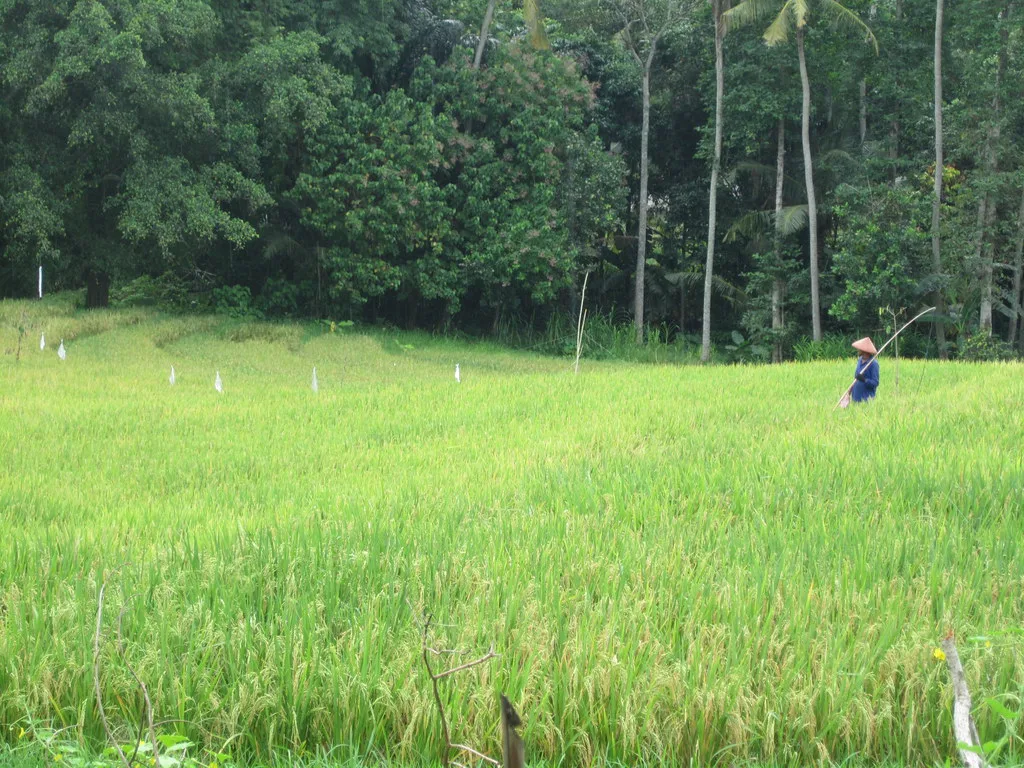
The district runs roughly from Berawa in the south up through Batu Bolong and Echo Beach toward Pererenan and Seseh, with rice fields still filling the gaps between built-up lanes. Each pocket has its own feel: Batu Bolong is the busiest and most commercial, Echo Beach is a little more laid-back, Berawa leans toward families and beach clubs, and Pererenan and Seseh feel quieter and more residential.
Batu Bolong, the most popular street in town, is where the cafes, bars and shops cluster most densely. Treat it as the center of gravity for food and nightlife, then expect a scooter or car ride to reach the other beaches rather than a pleasant walk.
If you are mapping a wider Bali route, Canggu sits on the island's west coast a short drive north of Seminyak, which makes it an easy add-on to a southern Bali itinerary. Compare it with the other districts before locking in a base.
Who Canggu suits, and who should pick somewhere else
Canggu fits travelers who want a surf lesson in the morning, a long brunch, a co-working afternoon and a sunset beer on a beanbag. Surf schools are everywhere, and hostels and villas often bundle lessons into their packages, so beginners have plenty of options. Digital nomads have co-working spaces such as Dojo Bali, and yoga studios including Samadi Bali and The Practice Bali draw people who want a fitness routine on the road.
Families tend to gravitate to the pool clubs and the calmer daytime beach-club scene in Berawa. Couples and food-focused travelers will find the restaurant list deep enough for a week. If your trip is built around Ubud, Bali's temple-and-rice-field town, Canggu is a different kind of stay and pairing both means a transfer rather than a day trip.
Skip Canggu if you want calm swimming, historic sights or walkable sightseeing. Travelers who prefer a gentler, spread-out beach base with easy boat access often do better in Sanur, Bali, which has a very different rhythm.
The beaches: Batu Bolong, Echo Beach and Berawa
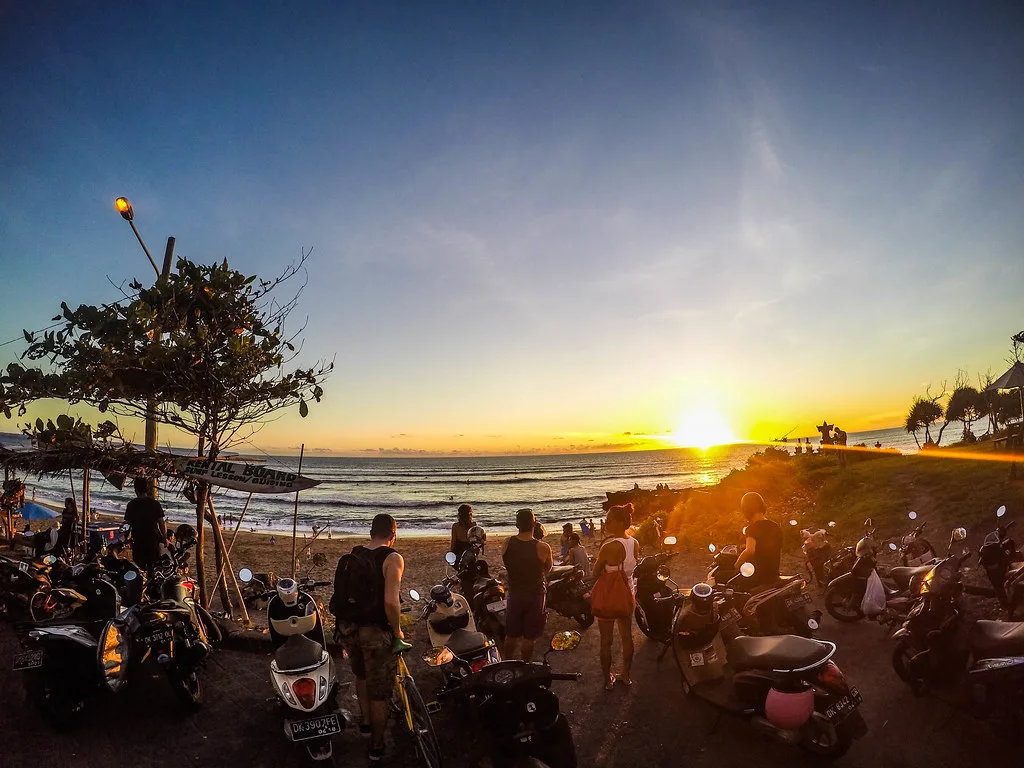
Batu Bolong is Canggu's busiest beach, lined with local beach bars and hundreds of beanbags spread across the sand. By sunset it is packed and most seats are taken, so arriving at least half an hour early is the practical move. Some beach bars apply a minimum spend, so check the menu or ask before you settle in for a single drink.
Echo Beach sits north of Batu Bolong and has a row of small warungs selling cold drinks and inexpensive meals, many of which also rent beach gear and surfboards. Berawa is the southern stretch near the big beach clubs. Pererenan, Seseh and the spaces in between are smaller, quieter stretches of sand.
Do not come here expecting gentle swimming. One source describes the beaches as unsuitable for swimming because of rocks under the surface and heavy waves, and another notes that high tide can swallow most of the sand. Read that as a strong hint to treat Canggu as a sunset-and-surf coast, and keep an eye out for broken glass and sharp plastic on the sand if you walk barefoot.
Beyond the sand: beach clubs, brunch and markets
The beach-club model varies, so read the rules before you sit. FINNS Beach Club has no entry fee but applies a minimum spend for daybeds and loungers, Atlas Beach Club charges a small entry fee and is worth booking a daybed for a full day, and Le Bajo Pool Club sits inland with a low minimum spend on daybeds. La Brisa is the mellow, bohemian option built from reclaimed fishing-boat wood, with two small pools and a Sunday market.
For sunsets, The Lawn on Old Man's Beach is a long-standing favorite with beanbags, an upper level for ocean views and a small infinity pool. Nearby, Old Man's Canggu is the classic spot for a big night out on Batu Bolong. If you want a quieter sundowner, the beach bars along Echo and Pererenan do the same job with fewer people.
Between meals, Canggu is built for low-effort wandering: the Sunday markets, souvenir shopping at Love Anchor, craft beer at Black Sands Brewery and pottery throwing at Mrs Potter. None of these are cultural landmarks, so judge the district on whether that kind of day appeals to you.
Where to eat and drink in Canggu
The food scene is the real reason many people base here, ranging from vegan restaurants and smoothie bowls to popular breakfast places and vegetarian menus. Crate Canggu is a well-known brunch stop, Deus Canggu pairs coffee with a surf-and-moto brand, and Ithaka Canggu is another traveler favorite on the eating list. Menus and hours change often, so confirm directly before you build a day around one venue.
On the beach side, La Brisa serves locally caught seafood on the sand, and the warungs along Echo Beach keep costs low for a quick lunch. The beachfront venues also double as sunset spots, so on busy evenings it pays to arrive early rather than count on a walk-in seat.
Where to stay: pick your sub-area first
Choosing where to sleep inside Canggu matters more than choosing a hotel. Batu Bolong puts you steps from cafes and bars but also from the noise and traffic; Echo Beach is a short walk from the sand with a slightly calmer feel; Berawa suits families near the beach clubs; Pererenan is the quietest option if you have your own transport.
Boutique hotels tucked among the rice fields are a common setup, and renting a villa works well for groups who want space and a pool. Expect to rely on scooters or cars for anything outside your immediate lane, and budget time for the crawl along Batu Bolong at peak hours.
Getting there and getting around
Most travelers reach Canggu by private car or ride-hailing app from the airport or from Seminyak, and the last stretch through the district's lanes is where the traffic bites. Inside Canggu, scooters are the fastest way to move short distances; cars are better for groups and rainy afternoons but slow in the narrow lanes.
Ride-hailing pickup points are sometimes restricted near busy beaches and beach clubs, so agree on a meeting spot before you order. If you plan to hop between Canggu, Ubud and the south coast, a private driver for the day usually beats chaining app rides.
Half-day add-ons: the north beach walk and Tanah Lot
Walking north from Canggu leads to Pura Gede Luhur Batu Ngaus, a temple on a rocky peninsula roughly two miles up the coast, passing private villas and grazing cows along the way. The route involves several water crossings, so check the tide and recent rainfall before setting out.
Pura Tanah Lot, Bali's famous sea temple, is the better-known side trip from Canggu and works as a half day rather than a full outing. Keep it as its own outing rather than folding it into an Ubud loop, since Ubud sits well inland and a combined day is a long transfer.
Canggu vs. Seminyak: how to choose
Seminyak, Bali is the older, more polished beach strip immediately south, with more established resorts and a shorter hop to the airport side of the island. Canggu is younger and rougher around the edges, with a stronger surf and cafe culture but worse internal traffic.
Pick Canggu if you want surf lessons, beach clubs and a villa with friends; pick Seminyak if you want a more conventional resort stay with easier access to the rest of southern Bali. Either way, the two are close enough that you can visit one from the other without changing hotels.
Which sub-area of Canggu should you book?
Book Batu Bolong if you want cafes, bars and the beach within a few minutes on foot, Echo Beach if you want the sand slightly closer and the evenings a little quieter, Berawa if you are traveling with kids and plan to use the pool clubs, and Pererenan if you want space and quiet and do not mind riding everywhere.
Whatever you choose, confirm beach-club minimum spends and any market dates directly with the venue before you go, since these change and are not reliably published in one place. Then plan each day around one sub-area so the traffic does not eat your afternoon.