
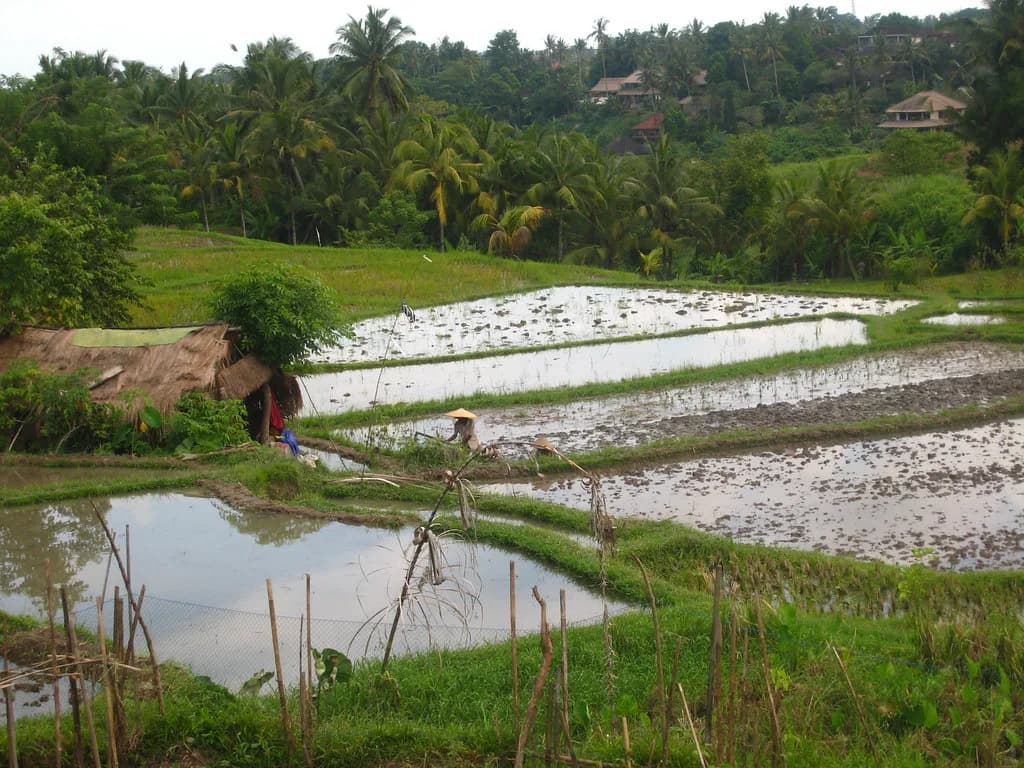
Ubud, Bali: A Practical Guide to Bali's Upland Town
Ubud is Bali's upland arts and culture town, and two full days is a sensible minimum if you want the center on foot plus one drive to the temples and terraces beyond it. The town sits in Gianyar regency among rice paddies and ravines rather than on the coast, so it rewards travelers who came for galleries, performances and craft rather than a beach base. This guide covers the character of the district, how the center is laid out, which sights are walkable and which need a driver, where to eat and stay, and how to reach Ubud and move around it.
What Kind of Place Ubud Is
Ubud is described as Bali's cultural heart, and that label matches what you find on the ground: temple courtyards, family-run art workshops, and a dense run of galleries and museums. The town is built around a few connected streets, with most of the cultural sights clustered on Jalan Raya Ubud, Jalan Hanoman, Jalan Pengosekan and around Campuhan village.
Practically speaking, the district mixes heavy visitor traffic on its main spines with quieter lanes and paddy edges a few minutes away. You can spend a morning walking between the palace and the art market, then eat dinner within a short stroll of the same street, which is unusual for Bali's spread-out tourist areas. Allow for slow going: the sidewalks are narrow and uneven in places, and short distances take longer on foot than the map suggests.
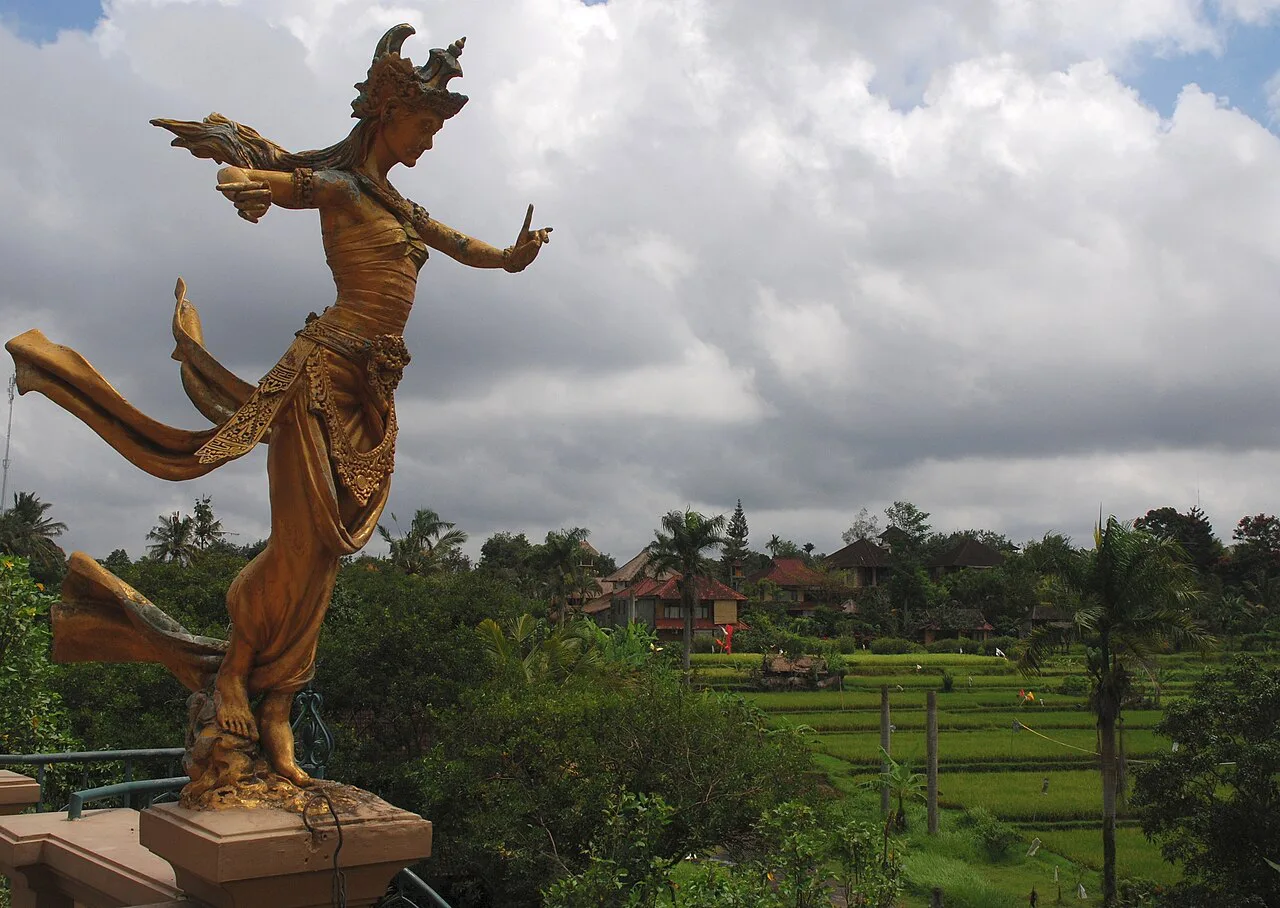

Who Ubud Suits and Who It Does Not
Ubud suits travelers who want to see Balinese dance, browse art, and use a town as a base for half-day drives to temples and terraced hillsides. It also works well for anyone who prefers walking to driving, since the core sights sit within a compact area. If your image of Bali is a beach bar at sunset, Ubud is a mismatch: there is no beach here, and you would be adding a long road transfer to reach the coast.
Consider a split stay instead of forcing Ubud to be everything. The east-coast town of Sanur has calm water, a long promenade and ferry connections across to Nusa Penida and Lembongan, which makes it an easy base if you want to pair inland culture with a few days near the sea. Travelers who want surf breaks, cafes and nightlife usually do better basing themselves on the coast, then visiting Ubud as a day trip or short overnight.
How the Center Is Laid Out and What Is Walkable
Think of the center as a bent spine rather than a grid. Jalan Raya Ubud carries the palace and the main shopping and restaurant strip, Jalan Hanoman and Jalan Monkey Forest run roughly south toward the sanctuary, and Jalan Pengosekan continues further south and east. Most short-stay visitors can cover the palace, the art market and the Saraswati Temple on foot in a single unhurried morning.
Ubud Palace, or Puri Saren Agung, sits right on the main street at the town's center, which makes it the natural orientation point and is why sources note it as easy to reach. The nearby art market, Pasar Seni Ubud, occupies the blocks alongside the palace, so plan them together rather than as separate outings. From there, walking south along Jalan Monkey Forest toward the Sacred Monkey Forest Sanctuary is straightforward, though the road carries steady traffic.
One caveat about walking: the main roads carry steady scooter and car traffic, and paving is inconsistent, so a headlamp helps if you are out after dark. Distances within the core are short, but do not assume a continuous footpath connects every lane.
Sights Inside Town
Start with Puri Saren Agung, the royal palace on Jalan Raya Ubud, where courtyards and carved gateways give a compact introduction to Balinese architecture. Cross to Pasar Seni Ubud for handcrafts, textiles and woodcarvings, then walk the short way to Saraswati Temple, which is known for its lotus pond and ornate carving. All three are in the center and can be strung together without a vehicle.
The Sacred Monkey Forest Sanctuary occupies a long stretch of Jalan Monkey Forest south of the palace and combines forest paths with temple structures, so it takes a proper block of time rather than a quick look. One traveler's account lists it as open 9:00 AM to 6:00 PM with last admission at 5:00 PM, but that is a user report rather than the sanctuary's own notice, so reconfirm hours with the sanctuary before you build a day around it.
For art, two museums on the town's edge are worth the time: the Blanco Renaissance Museum, set on a hilltop and devoted to Antonio Blanco's flamboyant work, and the Neka Art Museum, which traces the development of Balinese and Indonesian painting. Both reward anyone who wants context for what the galleries are selling. If you are comparing Ubud with Bali's other bases, the broader Bali Neighborhoods guide lays out how the beach and inland towns differ.
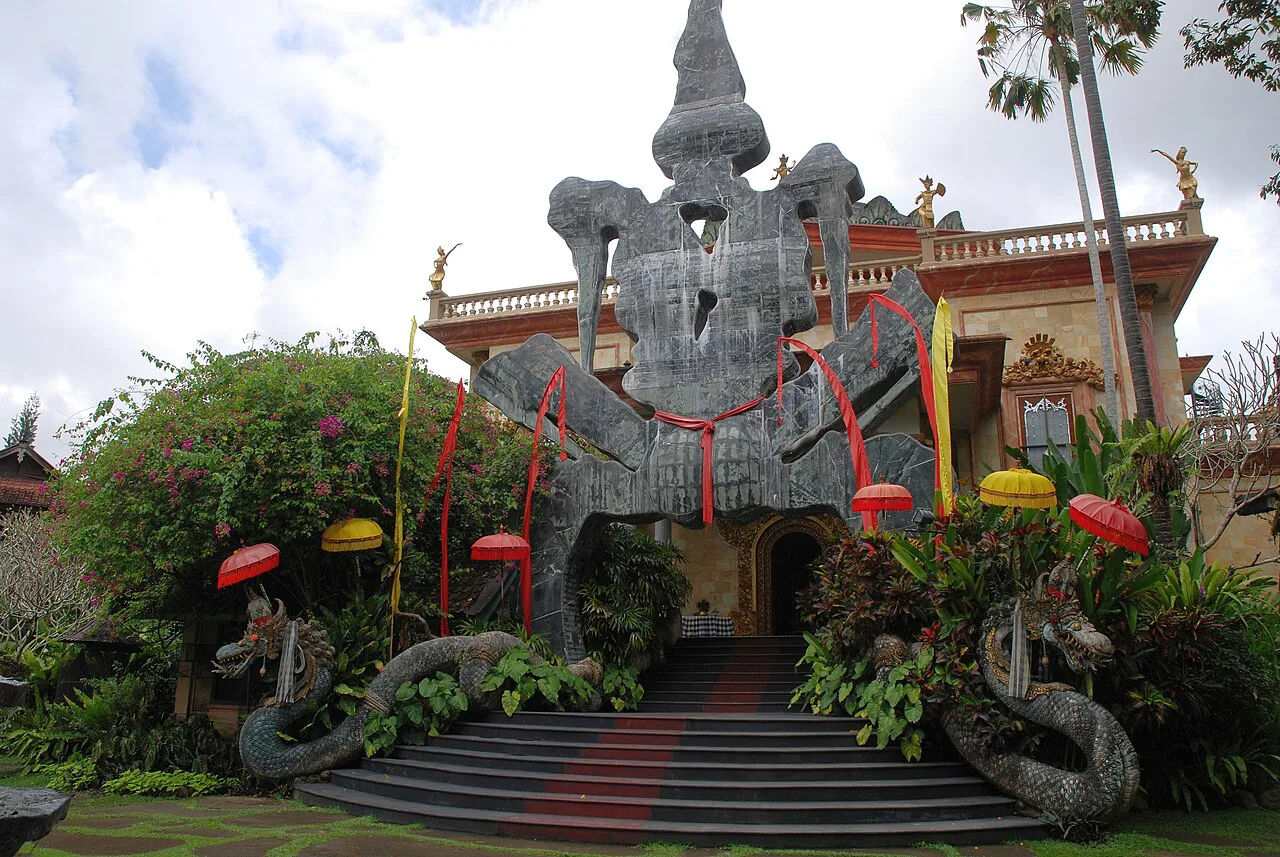

Sights a Short Drive Outside the Center
Several of Ubud's best-known sites sit just beyond the town and need a driver or a hired scooter. Goa Gajah, the rock-cut temple complex often called the Elephant Cave, is close enough to combine with a morning in the center, while Tirta Empul, a water temple where Balinese Hindus perform purification rituals, is further out and best paired with another stop. Campuhan Ridge Walk starts near the center and heads into the hills, so it can be done on foot if you begin early.
The Tegallalang rice terraces lie a short drive north of town and are the classic Ubud excursion. A traveler account recommends arriving early in the morning to avoid the crowds, which is reasonable given how busy the terraced valley reportedly gets later in the day. Rather than paying a driver by the hour without a plan, fix a short list of stops such as Goa Gajah, Tirta Empul and Tegallalang, and agree on the route and duration before you set off.
Treat distances qualitatively when you plan: everything listed here is a short drive rather than a walk, but the roads are narrow and slow, so two stops can fill an afternoon. Confirm current entry arrangements at each temple gate on arrival, since ritual activity can affect access.
Evening Dance Performances and How to Choose a Night
Balinese dance is one of the strongest reasons to stay overnight in Ubud rather than visit on a day trip. The palace on Jalan Raya Ubud is noted as a venue for evening performances, with the central location making it easy to combine with dinner nearby. Programs change regularly, so decide which night you want and check the schedule at the venue or your accommodation the same day rather than assuming a fixed show time.
Because performance schedules and ticket prices vary by venue and season, ask what is on that week and what the ticket covers before you commit. If you only have one evening in town, book the dance first and arrange dinner around it, since shows start at set times and the better-known nights fill up.
Where to Eat and Stay in Ubud
The center around Jalan Raya Ubud, Jalan Hanoman and Jalan Monkey Forest concentrates most of the restaurants, cafes and small shops, which means staying near those streets puts everything within walking distance. Quieter edges toward Campuhan or the lanes off Jalan Pengosekan trade convenience for less traffic noise and more paddy views, and you will rely on a short ride or a longer walk to reach the core. Traveler accounts mention small cafes tucked along lanes such as Jalan Kajeng, but venue line-ups and opening days shift, so verify what is currently open rather than relying on a single review.
Think about your evenings when you pick a location. A central stay means you can walk to a performance and back without hunting for a ride after the show, while a fringe stay often means arranging transport at a fixed time.
Getting to Ubud and Getting Around
Ubud has no airport and no train station, so most travelers arrive by private car or ride-hailing app from the south Bali airport area or from a coastal base. Once in town, walking handles the center, but for sights outside it you will want a private driver for a half-day or a scooter if you are licensed and comfortable in traffic. Ride-hailing works for point-to-point trips in the area, though pickup rules in busy central zones can restrict where a driver may collect you.
If you are deciding between an inland base and a beach one, compare Ubud with the coastal alternatives before booking. The Canggu, Bali guide covers a very different, surf-and-cafe-oriented district that many visitors pair with a few Ubud nights, while Sanur, Bali suits travelers who want a calmer coast and ferry access.
How Long Ubud Needs
One day covers the walkable center comfortably: palace, art market, Saraswati Temple and one museum, with a dance performance in the evening. Add a second day for a driver-assisted loop to Tegallalang, Tirta Empul and Goa Gajah, or for the Monkey Forest and Campuhan Ridge Walk at a relaxed pace. Three days lets you keep a free morning for galleries and cafes without squeezing everything into scheduled outings.
If Ubud is a stop on a longer Bali itinerary rather than a base, two nights is the point at which the town stops feeling rushed. Arrive in the afternoon, walk the center that evening, and give the next morning to the terraces before moving on.
Practical Timing Before You Go
Start early for Tegallalang and for any drive north, since crowds build through the morning. Confirm current opening hours for the Monkey Forest, museums and any temple you plan to enter, because published times differ between sources and can change seasonally, and check with the sanctuary directly rather than relying on a single traveler report.
Check performance schedules, tour inclusions and any entry fees locally at the time of your visit; operator pages and venue notices are the reliable places to look. If you are weighing Ubud against beach towns such as Seminyak or Kuta, read their district guides before you lock in a base, since the experience and the traffic patterns differ sharply.
Should Ubud Be Your Bali Base?
Make Ubud your base if you want culture, art, dance and a walkable town center, and accept that the beach is a drive away rather than a stroll. Give it two or three nights, walk the palace and market blocks, and hire a driver for one morning to reach Tegallalang and the water temples. If your priority is surf, sand and nightlife, base yourself on the coast and treat Ubud as an overnight detour instead.
Explore more Bali guides
Frequently Asked Questions
Is Ubud the heart of Bali?
Ubud is widely described as Bali's cultural heart because of its concentration of temples, galleries, museums and dance performances, and it does function as the island's arts center. That is a reputation rather than an official designation, and it says nothing about beaches or nightlife, which are elsewhere on the island.
What is a good three-day itinerary for Ubud?
Use day one for the walkable center: Puri Saren Agung, Pasar Seni Ubud, Saraswati Temple and one museum, with an evening dance performance. Day two suits a driver-assisted loop to the Tegallalang rice terraces, Tirta Empul and Goa Gajah, starting early. Day three is best left light for the Sacred Monkey Forest, Campuhan Ridge Walk and the galleries, with current hours checked before each stop.
Where should I stay in Ubud?
Stay near Jalan Raya Ubud, Jalan Hanoman or Jalan Monkey Forest if you want to walk to the palace, market and restaurants. Lanes toward Campuhan or off Jalan Pengosekan are quieter but require a short ride into the center. Confirm current room rates directly with properties, since pricing changes by season.