
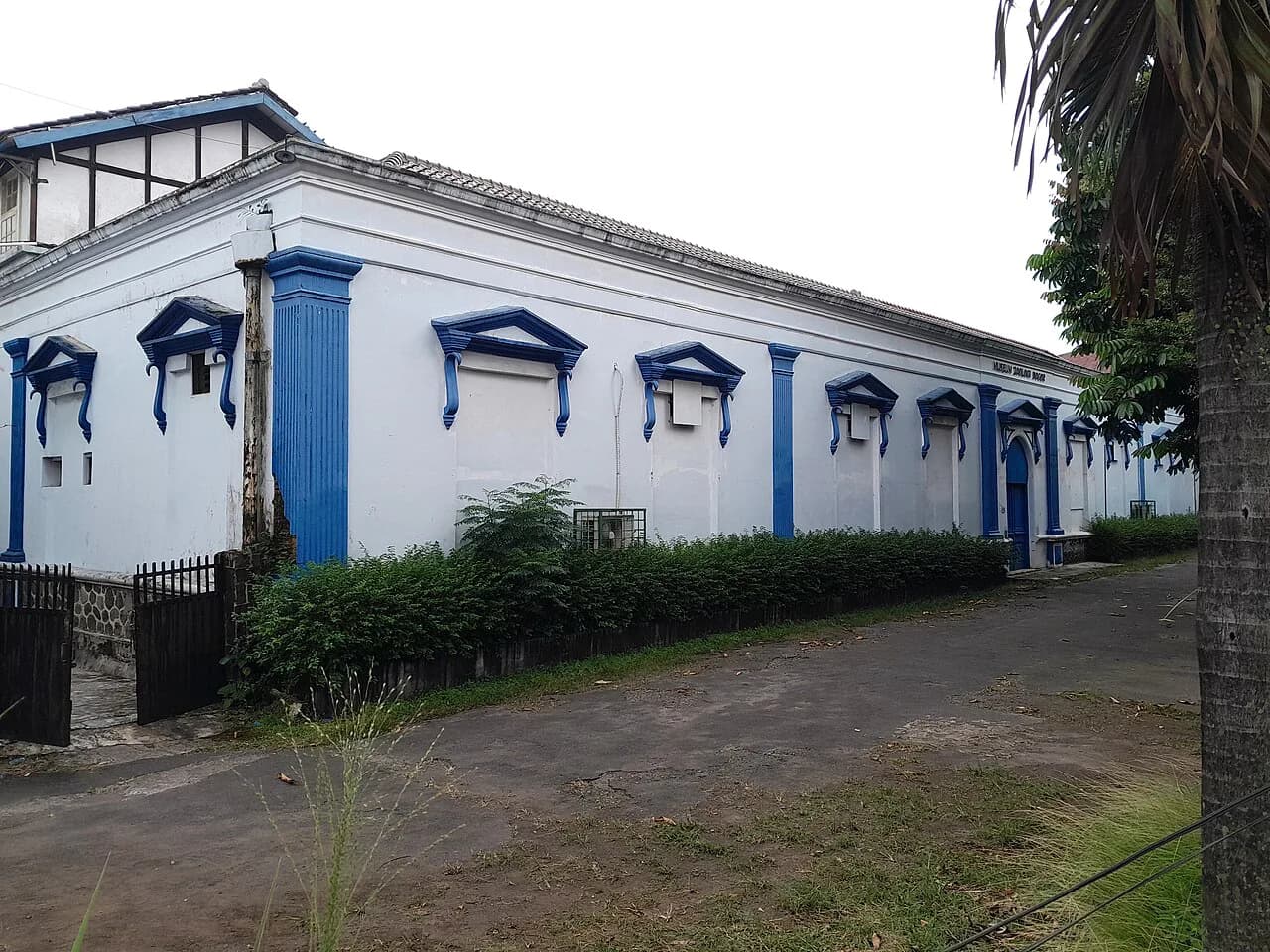
Museum Zoologi Bogor: What to See Inside Bogor's Zoological Museum

Museum Zoologi Bogor deserves roughly an hour of your Bogor day, tacked onto a Kebun Raya Bogor visit rather than treated as a destination on its own. It is a compact, dim, century-old natural history hall of taxidermy and skeletons, and its value lies in seeing Indonesian fauna in one place for a modest outlay. This guide covers where the building sits, the walk in from the station, what each of its seven exhibition rooms holds, and how to pace it with children.
What Museum Zoologi Bogor is and why it earns an hour
This is a zoological museum in the literal sense: a collection of preserved animal specimens, skeletons and dioramas assembled over more than a century and still used for research as well as display. Indonesia's position across the Asian and Australian faunal zones gives the collection its breadth, and the museum's stated purpose is to show visitors that richness rather than to entertain. Expect glass cases and mounted specimens, not interactive screens.
The honest trade-off is atmosphere. The building is old, lighting is low in places, and some displays look their age, which can unnerve small children at the entrance before they warm up. If you want a polished, air-conditioned modern museum, this is not it; if you want to see a one-horned rhino specimen, a roaring tiger mount and a wall of insect cases in a genuinely historic setting, it delivers.
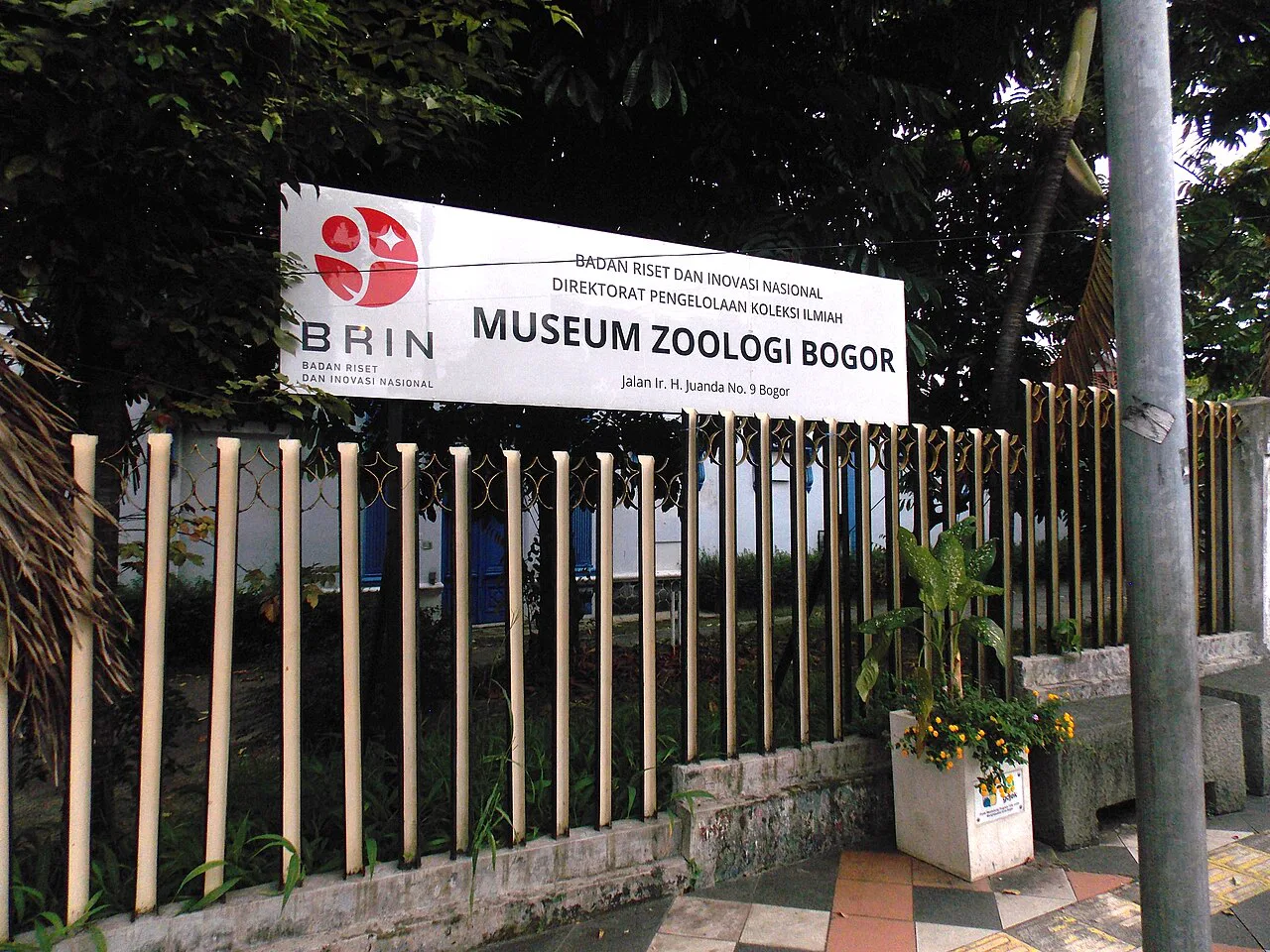

Where it sits: Jalan Ir. H. Juanda No. 9, inside the botanical garden
The public exhibition hall stands at Jalan Ir. H. Juanda No. 9 in Bogor, Jawa Barat, on the grounds of Kebun Raya Bogor and close to Istana Bogor. Because it is inside the garden rather than on the street, you cannot simply walk in off the sidewalk: you enter through the botanical garden and walk to the museum building within the grounds. Plan the two as one outing, because garden admission and museum timing are part of the same decision.
Only part of the institution is on public view. The scientific specimen collection is split between the exhibition hall inside the garden and a separate research facility, and the displayed animals represent a fraction of what is held. That is useful context: you are seeing a curated slice, not the whole archive. If you are researching a particular species, contact the museum rather than assuming it is on display.
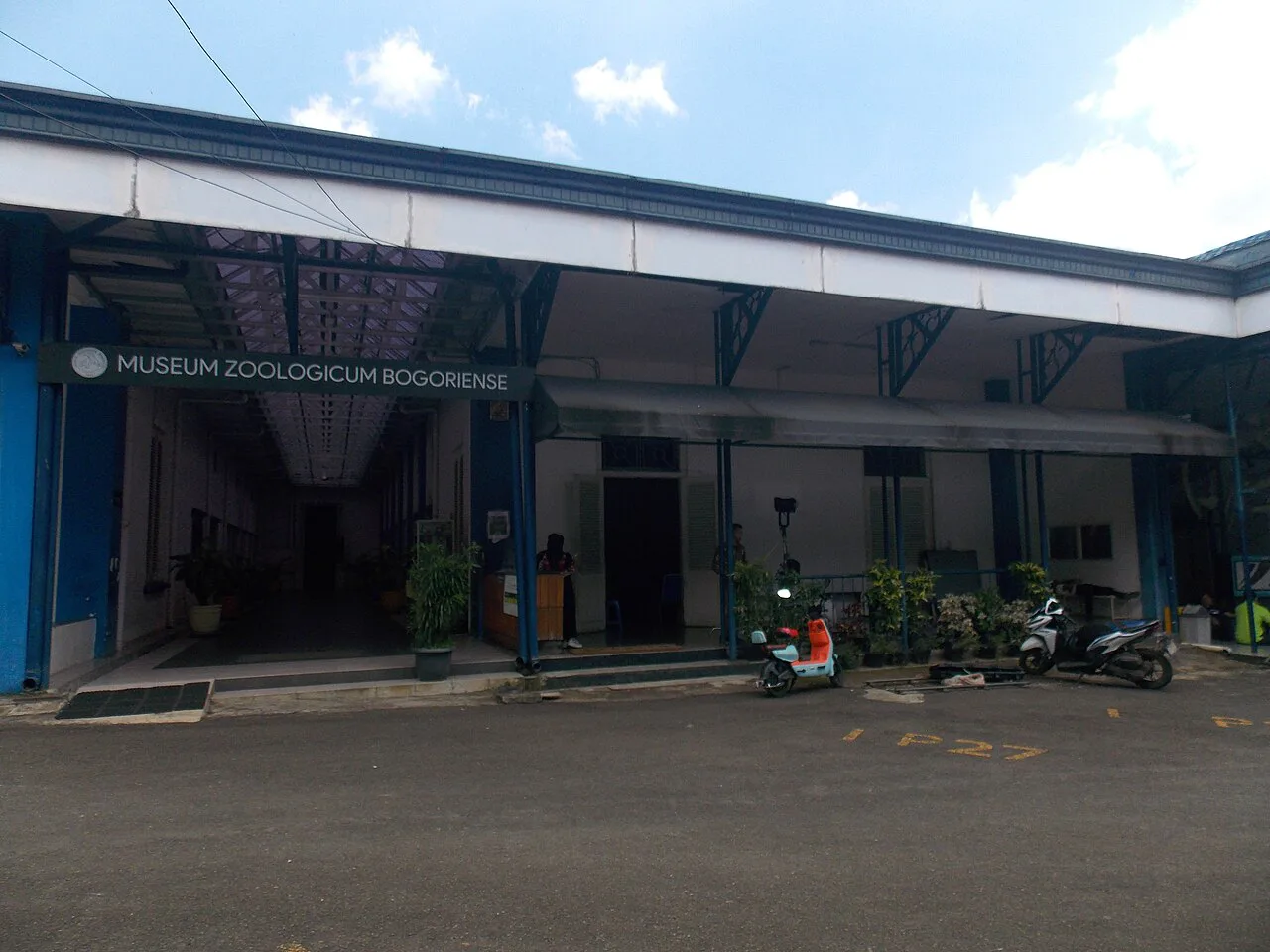

How to get there from Stasiun Bogor and the garden entrances
Most visitors arrive by KRL Commuterline to Stasiun Bogor, the terminus in the city center, then walk or take a short ride to the Kebun Raya gates. The station sits close enough to the garden's main entrance that the walk is manageable, but traffic around central Bogor can be slow, so allow slack if you are connecting to a train. The Stasiun Bogor guide covers platforms, exits and onward transport in detail.
Once inside the garden, the museum is a signposted walk from the main entrances, past the lawns and toward the palace side. Wear shoes you can walk in, because the distance from gate to museum is part of the visit and the paths are not short. If you are coming by car or ride-hailing app, drop at the Jalan Ir. H. Juanda entrance and confirm the driver knows you want the Kebun Raya gate rather than the museum as a separate address.
From an 1894 laboratory to a public museum
The institution began in August 1894 as the Museum Zoologicum Bogoriense, founded on the initiative of JC Koningsberger as a zoological laboratory for research on animals and agriculture. Over time the laboratory's collection grew and it was opened as a museum, with its remit widened to research and inventory Indonesia's fauna as well as display it. That origin explains the building's academic feel: cases were built for study, and the display style has been adapted rather than rebuilt.
The route through the seven exhibition and diorama rooms
The public hall is arranged as seven exhibition or diorama rooms, and the sequence begins with birds, so you meet the bird kingdom before anything else. The bird room holds owl specimens among others and sets up the scale of Indonesian avifauna: the museum's own account puts roughly 1,602 of the world's bird species in Indonesia. Follow the flow rather than jumping between rooms; the cases are grouped by animal group, which makes the route logical.
After the bird hall, the displays move through mammals, reptiles and amphibians, fish, mollusks, crustaceans and insects, which is also how the museum's preserved specimens are grouped. The insect cases are the largest single category, so do not rush the final rooms if you have an interest in them. A visitor account describes the same order in practice: skeletons first, then the bird room to the left, then the mammal room with mounted heads and a large rhino specimen.
Collection highlights to look for
Four skeletons greet you near the entrance, one of them an anoa, which makes a strong first impression and is a good place to start with children. Keep an eye out for the ancient whale skeleton, a signature piece that tends to be remembered long after the visit. These are the objects to slow down for rather than walk past on the way to the glass cases.
In the mammal room, the one-horned rhinoceros display and the roaring tiger mount draw the most attention, and both are useful anchors for explaining rarity and conservation to younger visitors. The insect collection is wide-ranging in scope and is the largest category of the museum's holdings, though only a selection is on show; the museum's own figures cite about 262 insect types against some 151,847 insect species described worldwide. Look for the cases where specimens are grouped for comparison; they reward a slower read than the big mounts.
How long to allow, especially with kids
Budget about 45 to 60 minutes inside the exhibition hall, plus the walk from the garden gate, and add time if you are with children who want to stop at each case. The rooms are not large, but the density of specimens means a fast lap undersells the place. A realistic family pace is an hour in the museum and at least another hour or two in the garden so the museum does not become the whole outing.
The dim entrance is the main obstacle for small children, so preview it as a hall of real animals rather than a scary building and head first for the whale and anoa skeletons to give them something concrete to look at. If a child is spooked, the bird room's owls usually recover the mood. Plan a garden stop afterward so the visit ends outside in daylight rather than in the darker back rooms.
Tickets and opening hours: what is published and what to confirm
As reported in early 2023, the museum opens Monday to Friday from 08.00 to 16.00 WIB and on Saturdays, Sundays and national holidays from 08.00 to 17.00 WIB, with entry from Rp 15,000 on weekdays and from Rp 25,000 on weekends and holidays; children under 90 cm enter free. Those figures are several years old and both the schedule and prices can change, so treat them as a planning baseline rather than a guarantee. The same source notes that the ticket and hours are subject to change and advises carrying a little extra cash.
What is not established is how museum entry and Kebun Raya Bogor admission are ticketed together: there may be a separate museum ticket, a combined ticket, or payment at the gate, and published sources do not settle it. Ask at the garden gate when you buy your garden ticket and confirm the current museum charge there. That one question at the entrance avoids both overpaying and being turned back at the museum door.
Combining it with Kebun Raya Bogor and nearby sights
The museum works best as one stop in a garden day. The Kebun Raya Bogor grounds themselves justify a couple of hours, and the Bogor Palace (Istana Bogor) is close enough to fold into the same walk if it is open to visitors on your date. Confirm palace access separately, since official visits are limited.
Bogor has a cluster of small museums that pair naturally with this one if you want a museum-themed day: Museum Etnobotani Bogor, now MUNASAIN, Museum PETA, and the Museum Tanah dan Pertanian are all in the city and each takes well under two hours. Pick one companion museum rather than three, because the Zoologi collection already gives you a dense hour. For the full set of city options, the Bogor attractions guide is the place to compare them.
Practical notes: lighting, old displays and the off-view collection
Set expectations before you pay. The building is historic, lighting is uneven, and some cases and mounts show decades of use, which is part of the charm for some visitors and a disappointment for others. If your group includes anyone who struggles in low light or narrow spaces, plan a shorter loop through the bird and mammal rooms and finish in the garden.
Remember that the research collection is not part of the public route. The museum's scientific holdings and the exhibition hall are separate, and sources do not describe access to the research side, so do not plan on seeing behind the scenes. If you have a specific research query, contact the museum in advance instead of asking at the ticket desk on the day.
Is the zoological museum worth an hour of your Bogor day?
Yes, if you are already going to Kebun Raya Bogor and want a compact, inexpensive look at Indonesian fauna in a historic hall. No, if you are expecting a modern interactive museum or are short on time and choosing between this and the garden itself; the garden wins that contest. Build the visit as a one-hour add-on, go early on a weekday if you want quiet, and confirm the current ticket and hours at the gate before you commit.
Explore more Bogor guides
Frequently Asked Questions
Is Museum Zoologi Bogor inside Kebun Raya Bogor?
Yes. The public exhibition hall sits within the Kebun Raya Bogor grounds at Jalan Ir. H. Juanda No. 9, so you enter through the botanical garden and walk to the building rather than arriving at a street-front door. Plan garden and museum as one visit.
How long does a visit to Museum Zoologi Bogor take?
Allow about 45 to 60 minutes inside the seven exhibition rooms, plus the walk from the garden entrance. With children who stop at each case, an hour is realistic, and you should still leave time for the garden itself.
Do I need to book Museum Zoologi Bogor tickets in advance?
Published sources describe gate entry rather than advance booking, and do not establish a separate online reservation system. Buy at the garden gate and ask there how museum entry is handled, since the ticketing relationship between garden and museum is not clearly documented.
Sources
- Menilik Kekayaan Fauna Nusantara di Museum Zoologi Bogor - Indonesia Kaya
- Museum Zoologi di Bogor: Jam Buka, Harga Tiket, Lokasi, dan Rute
- Museum Zoologi Bogor, Tempat Anak-anak Mengenal Berbagai Hewan Lebih Dekat — Rumika's Journey
- ENSIKLOPEDIA FAUNA MUSEUM ZOOLOGI KEBUN ...
- Jelajah: Museum Zoologi Bogor Sejarah ...