
Museum PETA Bogor: What to See at the Pembela Tanah Air Museum

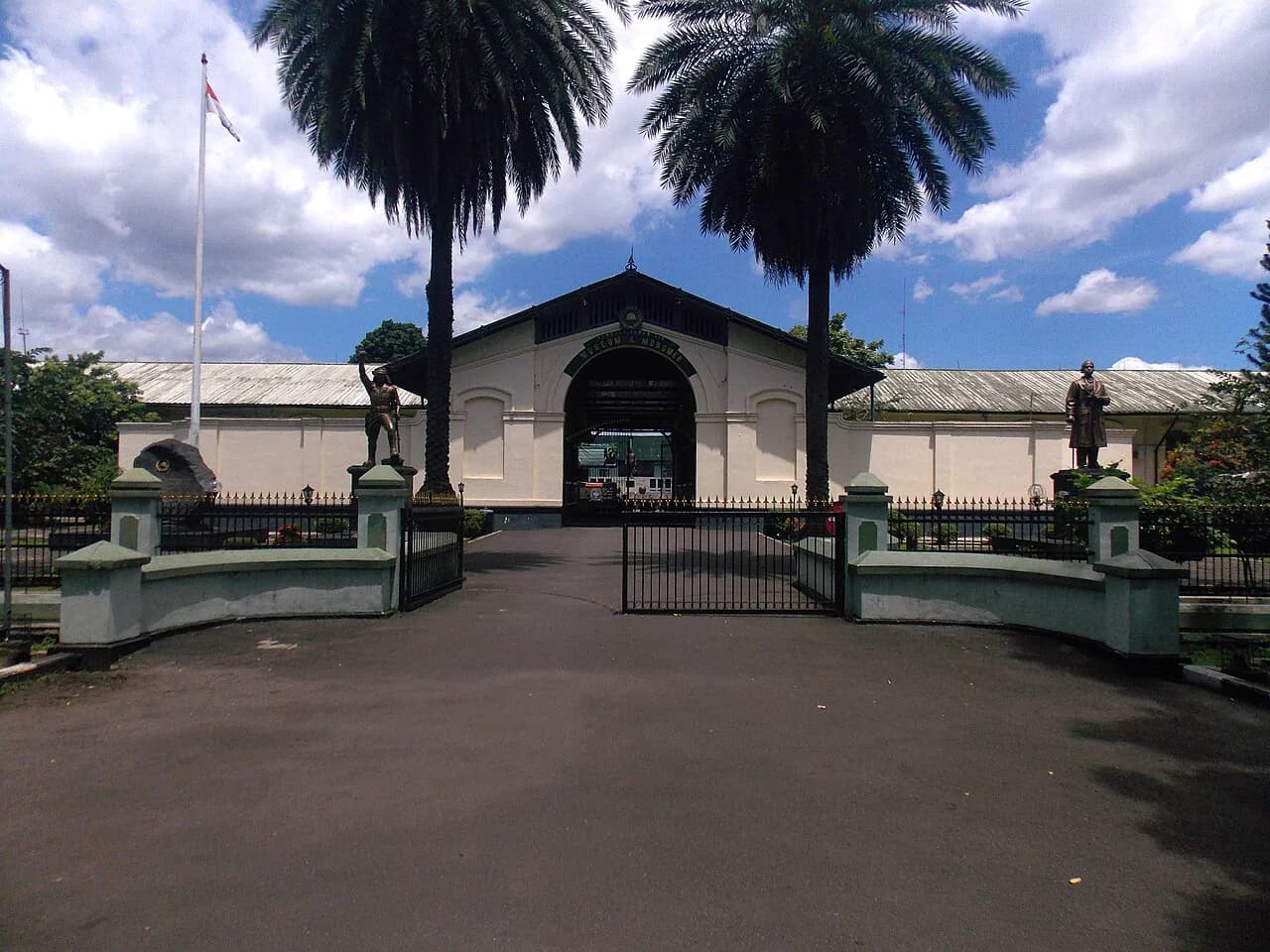
Museum PETA Bogor is worth roughly one hour of your day, and it is the kind of stop you fold into a morning that already includes central Bogor rather than a destination on its own. It sits on Jalan Jenderal Sudirman in Bogor Tengah, on the main road running toward the Bogor palace area, inside a walled compound that still serves the Indonesian Army. The pages below cover what the museum honors, how to reach it, what you see before and after the gate, how long to allow, and what entry terms visitors have reported.
What Museum PETA Bogor actually is
The museum commemorates the Pembela Tanah Air, the volunteer army the Japanese occupation authorities trained for the defense of Java, and it doubles as a memorial to the men who passed through the Bogor program. Records credit its opening as a museum in the 1990s, and it occupies buildings within a complex that once housed PETA officer training. Treat that layout as the key thing to understand: you are visiting a working military site with a museum inside it, not a stand-alone heritage building with its own street frontage.
The museum has two roles in one. First, it honors former PETA soldiers for their part in Indonesia's independence struggle; second, it narrates that struggle for general visitors through collections and diorama scenes. That framing helps you read the displays: they are commemorative in tone, arranged to tell a national story rather than to mount a neutral military exhibition.

Where it sits on Jalan Jenderal Sudirman
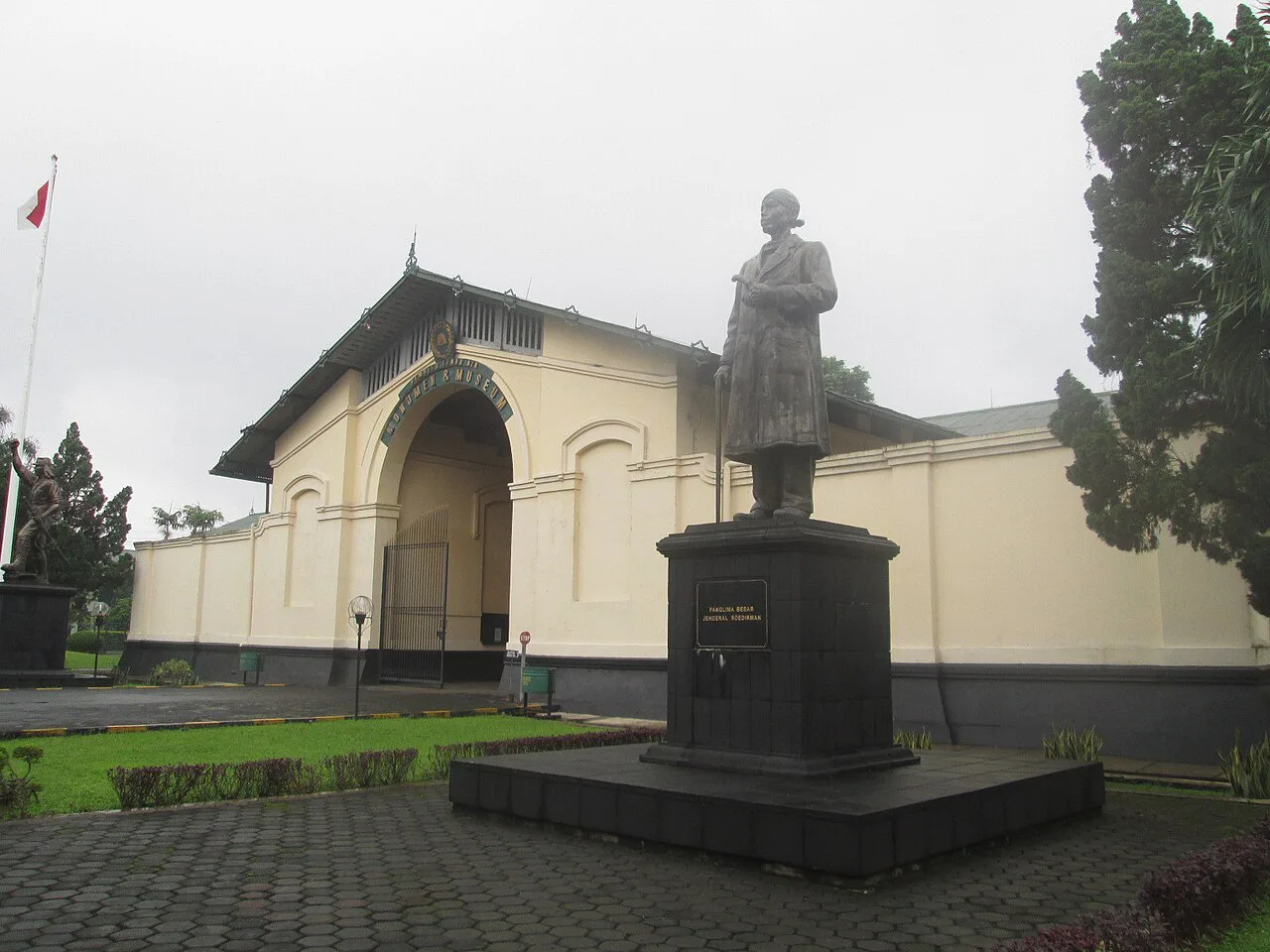
The address is Jalan Jenderal Sudirman in Bogor Tengah, in the middle of the city and easy to find on a maps app by searching either Museum PETA or Museum Pembela Tanah Air. Being on Sudirman means you are on the corridor that leads toward the entrance area of the Bogor palace, which makes the museum a logical add-on to a walk through the old center. If you want a wider spread of things to do once you finish here, work from a Bogor attractions guide rather than doubling back repeatedly across town.
Coming from Jakarta by train, the commuter line drops you at Stasiun Bogor, which puts you in the same central pocket as the museum and can be reached on foot or with a short ride-hailing trip depending on where you draw the line on walking. Ride-hailing apps work fine in this part of Bogor, but Sudirman is a busy one-way-feeling artery, so agree on the drop point before the driver turns off. For station-side practicalities, the Stasiun Bogor guide is the reference to keep open.
Drivers coming from Jakarta should expect an hour to ninety minutes in typical conditions, which is why most people pair the museum with the city's other central sights instead of making a single-purpose run. Parking is described as roomy inside the compound by one visitor, though that is a report from a 2016 trip rather than a published facility list.

The gate, statues, and memorial markers before you enter
Your visit effectively begins at the gate, a long covered entry that visitors have described as unchanged since the 1940s and that leads past statues rather than straight into galleries. A statue of Supriyadi, the PETA figure best known for the Blitar revolt, stands near the entrance, and a monument to Jenderal Sudirman, an alumnus of the PETA training program, waits just inside.
Look for the relief panel and roster before you go further. The reliefs summarize how young Indonesians were drilled as soldiers, and the inscribed names record who trained here and where they were later posted, which some families use to trace an ancestor. Give this outdoor stretch ten or fifteen minutes rather than hurrying through it as a corridor.
Inside the two museum buildings: dioramas, uniforms, swords, and firearms
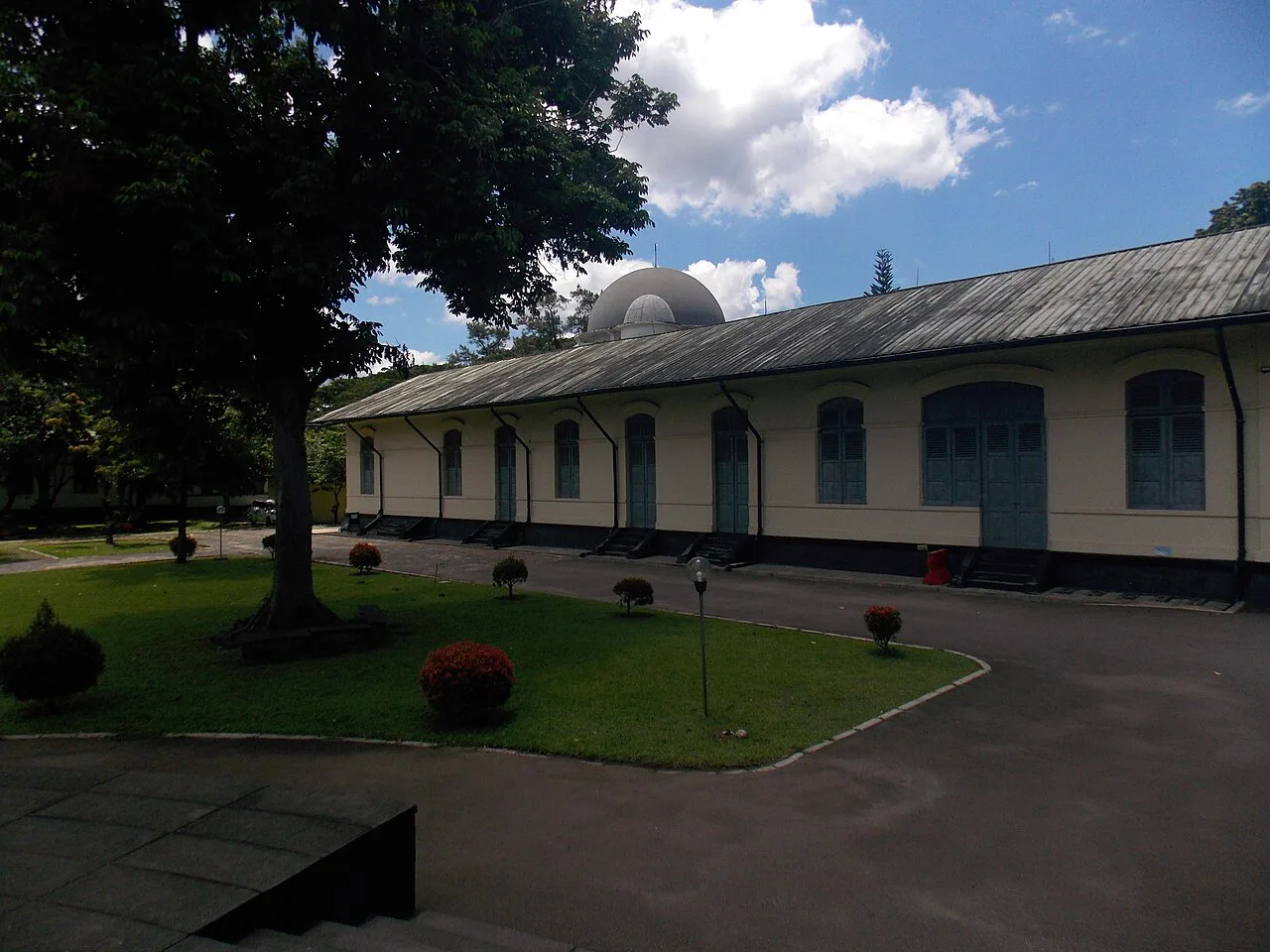
The museum itself occupies two buildings inside the compound, and the collection runs to uniforms, swords, firearms from the World War II era, and around fourteen dioramas. The scenes walk you through PETA's formation under the Japanese occupation and the independence struggle that followed. Because the objects are grouped chronologically rather than thematically, reading the labels in order pays off more than wandering between cases.
Among the displays, visitors single out a diorama of the first raising of the red-and-white flag after independence was declared, with captions naming figures such as Soekarno and Mohammad Hatta. A separate set of scenes covers military training, barracks conditions, and the daily grind of the program, which gives the collection its human scale. The weapon cases are labeled by type and country of origin, so slow down there if you like technical detail.
The one structural fact worth holding onto is that the museum shares its grounds with an active army center, the Pusat Pendidikan Zeni TNI AD, so the buildings you pass between galleries are not exhibits and some areas are simply off-limits. That also explains the compound's fortress-like walls and the sense of arriving somewhere official.
Names and figures you will meet in the displays
Supriyadi is the name most Indonesian visitors already know from school, tied to the PETA uprising against the Japanese in Blitar, and the museum gives his background and role room in the narrative. Jenderal Sudirman appears both as an alumnus and as the subject of a monument at the entrance, so the visit circles back to him. Keep an eye out for the Daidancho ranks and titles in the captions, which are usually the easiest handle on how PETA was organized.
A nuance the panels make clear is that PETA's officer training was a deliberately narrow pipeline: recruits came largely from noble, religious, teaching, and administrative families, were trained for a few months, and were then sent home to form battalions. Many of those men later held senior positions in the Indonesian military and state. Knowing that story makes the roster and the portrait galleries legible rather than a list of names.
How much time to allow and how to pace a visit
Plan on about an hour total: ten to fifteen minutes at the gate statues, reliefs, and roster, then forty-five minutes in the two buildings if you read the diorama captions. Groups with children usually move faster indoors and slower at the weapons, so the split flexes. If your Indonesian is limited, the dioramas carry a lot of the story visually and you can skim the longer labels.
Go in the morning if you can, because the compound is largely outdoor between galleries and midday heat in Bogor takes the edge off your attention. Combine the museum with one other central sight and treat the rest of the day as walking and eating. This is a short, dense stop, not a half-day attraction, and that honest expectation is why it works well as an add-on.
Tickets, opening hours, and closure rules: what is confirmed and where to check
Free entry is widely reported by visitors, including a 2022 account that describes the museum as charging no admission fee at all. That is a visitor report, not a published tariff, so treat it as dated rather than guaranteed. Confirm the current position and opening days with the museum, or through the army facility that runs the compound, before you build a trip around it.
Opening hours are the bigger gap: nothing in the available sources gives reliable daily times, so do not assume a standard museum schedule or a weekend closure pattern. Because the museum sits inside an active training center, its access can also depend on what the facility is doing that day. Ask directly, and have a backup plan on Jalan Sudirman in case the gate is not taking visitors.
For the history itself, the inauguration is documented as taking place in December 1995, which is useful for dating the displays you are looking at. Separate claims that the building itself dates to the 1740s appear online, but treat that as unverified detail rather than something to repeat as fact.
What else is within easy reach of the museum
The museum's real advantage is its position on the same central axis as the Kebun Raya Bogor (Bogor Botanical Gardens) and the Bogor palace, so a single loop can cover a former army training ground and a nineteenth-century botanical garden in one morning. The gardens deserve the larger share of time if you are choosing between them.
Around the garden edge you also have the museum Zoologi Bogor and the natural history collections tied to the same scientific campus, which suit the same kind of short, object-heavy visit as Museum PETA. Closer to the old town center, the Masjid Agung Bogor and the Bogor cathedral sit within a few blocks of each other and make an easy pairing with the Sudirman corridor.
If you are building a museum day, the museum Etnobotani Bogor and the Museum Tanah dan Pertanian add two more short stops without another transfer, while the prasasti Batutulis in Batutulis village takes you a little further out for a different era of Bogor's story. For green space and a local evening scene, Taman Sempur Bogor is the open field locals use, and Tugu Kujang Bogor is a landmark on Jalan Raya Pajajaran that helps you get your bearings.
Should Museum PETA Bogor be on your Bogor list?
Yes, if you are already spending a morning in central Bogor and you want one compact, story-driven stop between the palace area and the botanical gardens. No, if you are planning a dedicated trip from Jakarta around this museum alone, because an hour of displays does not carry a whole day. Slot it first, then build the rest of the morning around the gardens.
Before you go, check the current opening days and entry terms directly, and use the KRL Commuterline guide if you are arriving by train and want to know which station exit to aim for.
Explore more Bogor guides
Frequently Asked Questions
Is Museum PETA Bogor suitable for children?
It generally works for older children and teenagers who have met PETA and Supriyadi in school, because the dioramas and weapon cases give them something concrete to look at. Younger children will move through quickly. The grounds are largely outdoor between the two museum buildings, so plan the visit for a cooler part of the morning.
Can I visit Museum PETA Bogor on the way to the Bogor Botanical Gardens?
Yes. The museum is on Jalan Jenderal Sudirman in Bogor Tengah, the same central corridor that leads toward the Bogor palace and the garden entrance, so the two fit into one loop. Allow about an hour at the museum and give the gardens the larger share of your morning.