
Museum Tanah dan Pertanian Bogor: A Practical Visitor's Guide

Allow roughly one and a half to two hours for Museum Tanah dan Pertanian in Bogor, and plan to see it as a two-part visit rather than a single hall. The compound holds a soil museum in the older front building and a separate agriculture museum behind the parking area, so the stop fits neatly beside the Bogor Botanical Gardens. This guide covers where the museum sits, how to reach it from Jakarta or central Bogor, what each building contains, and how to pace the two parts.
Two collections, two buildings, one compound
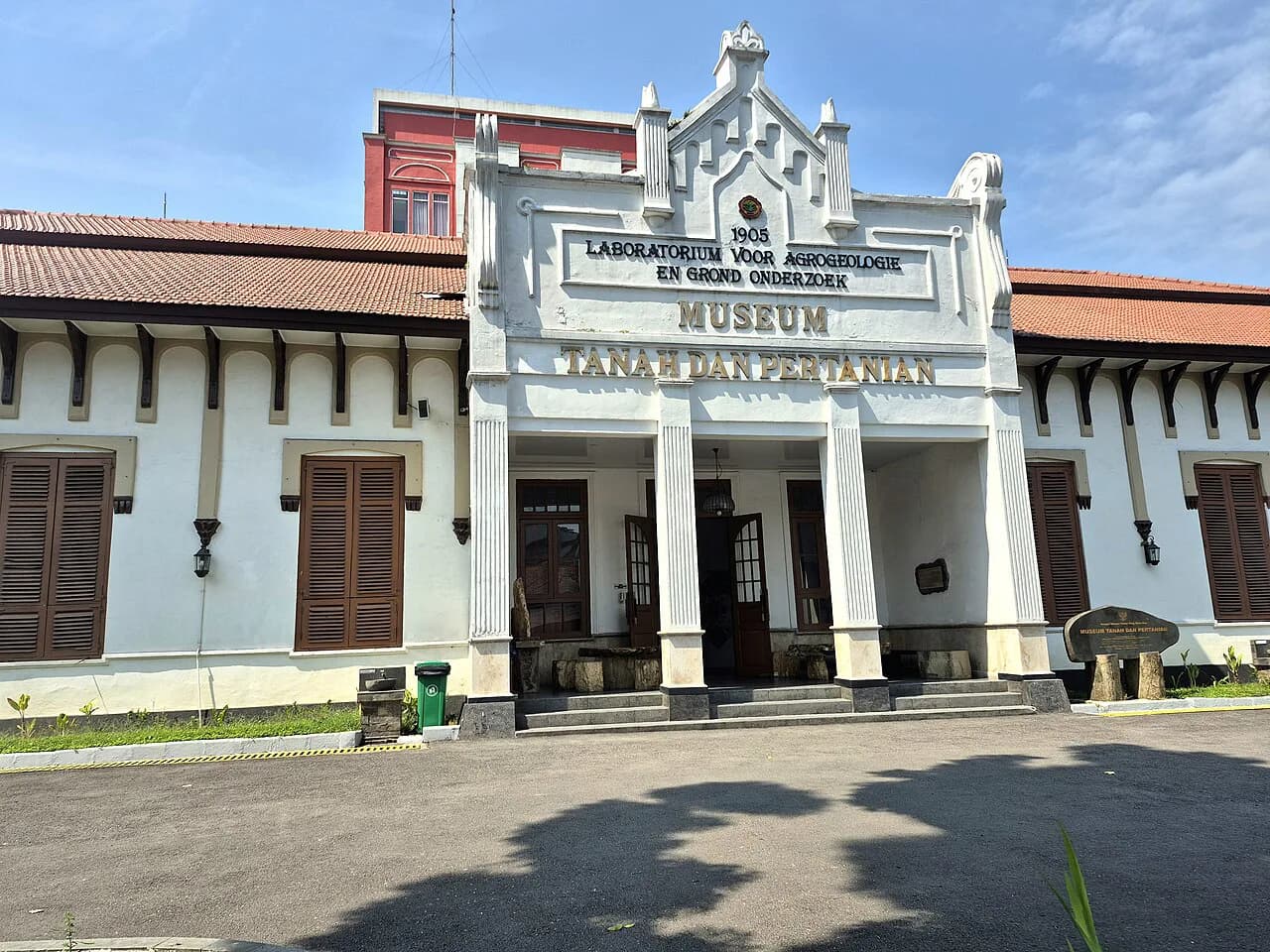
The site is best understood as a pair of museums sharing one address. The front building, described in visitor accounts as a Dutch-era structure, houses the soil collection; the agriculture displays sit in a newer building behind the parking area, so you cross the yard between them. Read the compound in that order and the visit makes sense: the older building sets up the science of soil, and the newer one widens out into farming history.
Accounts of when the buildings went up do not agree. A 2019 visitor piece identifies the front structure as a colonial-era building, a social media post dates the building to 1905 and names it as the Laboratorium Voor Agrogeologie en Grond Onderzoek, and another account puts the soil museum's founding in 1988. Treat all of these as background rather than fixed fact, and enjoy the architecture without quoting a construction year to your travel companions.
One point worth knowing before you go: the museum has not run continuously. A tour operator's summary reports it opened and closed in phases, with an official reopening of the soil museum in December 2017 and the agriculture museum declared in April 2018 and opened in April 2019. Those dates come from secondary write-ups, so use them to understand the site's stop-start history rather than as a schedule you can rely on.

Where it sits in Bogor
The museum is in the central Bogor museum and garden district, close enough to the Bogor Botanical Gardens that the two belong in the same outing. Its neighbors are the city's other small museums and the garden gates, all within a compact area that you can cross on foot or with a short ride. If you are building a day around the Bogor Attractions: 12 Visitor Guides, this is one of the easier stops to slot in.
Because it sits in that cluster, the museum works best as a deliberate add-on rather than a destination in itself. Pair it with a garden walk or a second museum and the morning fills without rushing. Arriving with that pairing in mind also solves the parking and drop-off question, since you can leave the vehicle once and cover the district on foot.

Getting there from Jakarta or central Bogor
From Jakarta, the train is the least stressful approach: take the KRL Commuterline to Stasiun Bogor, then finish the last stretch by Grab or Gojek, since the museum sits inland from the station rather than on its doorstep. The ride-hailing apps work normally in central Bogor, and a short car hop beats walking with the day's heat building. If you are arriving by train, our Stasiun Bogor guide covers the station layout and onward options.
If you are already in central Bogor, a Grab or Gojek bike or car is the simplest way to reach the gate, and the fare is small over such a short distance. Travelers combining the museum with Kebun Raya Bogor (Bogor Botanical Gardens) often hire a private driver for the day instead, which removes the wait between stops and lets you shift plans if one site is closed. Whichever you choose, ask to be dropped at the museum entrance rather than the garden's main gate, which can add a long walk.
Inside the Museum Tanah
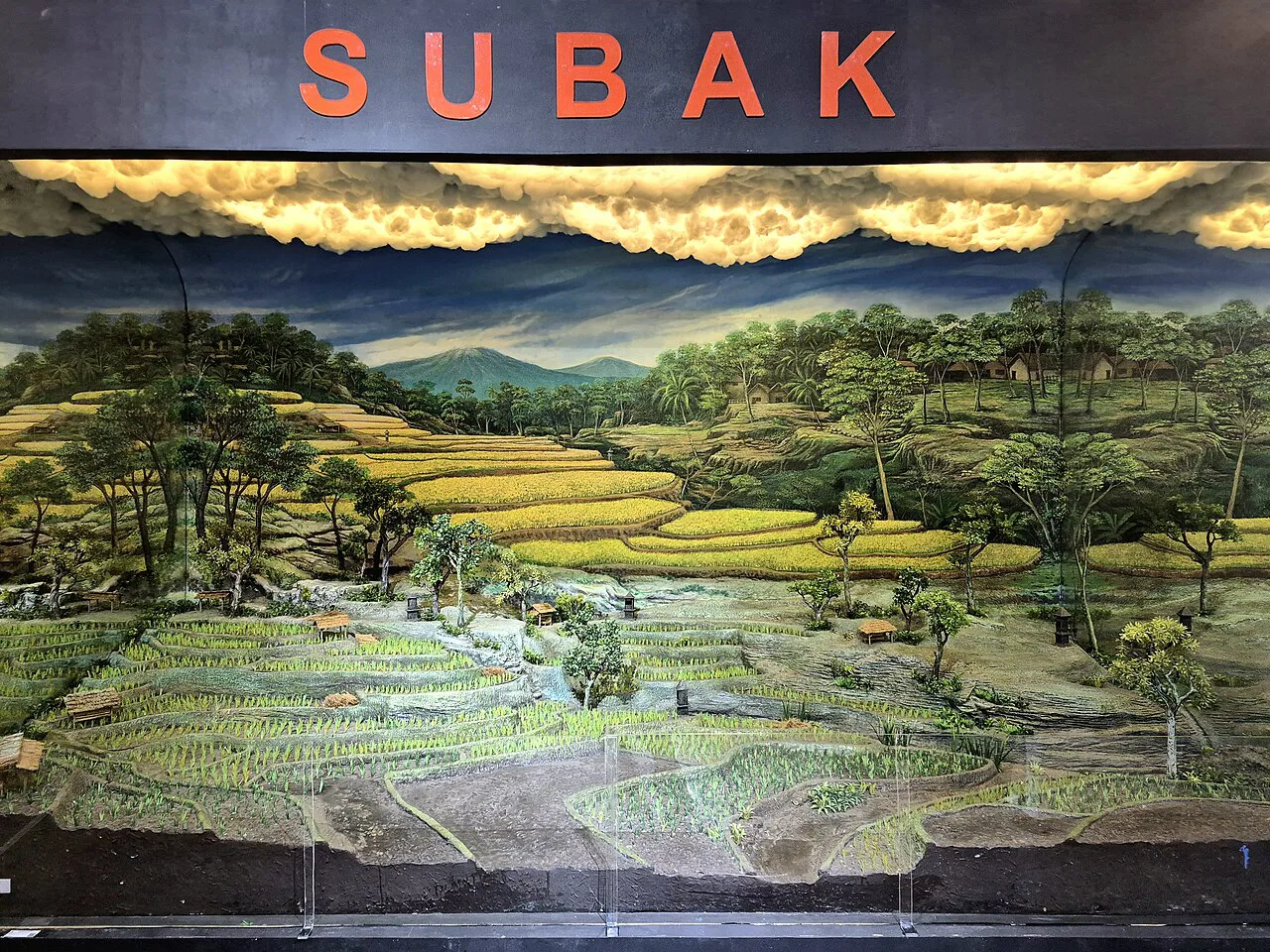
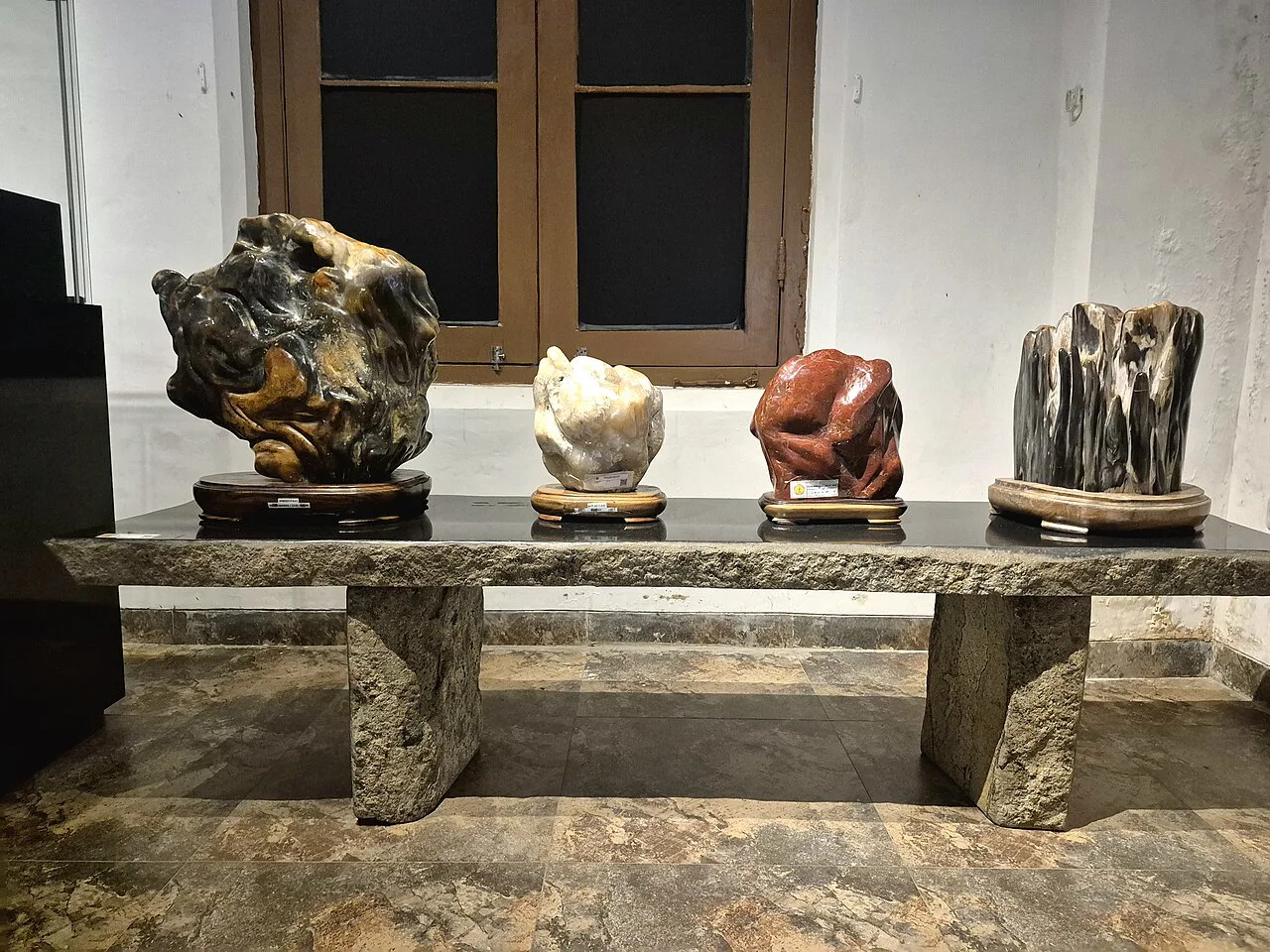
The soil building is compact but denser than it looks. Wall panels explain how soil forms and show the history of soil formation, and glass cases hold sample soils gathered from provinces across Indonesia, with notes on properties such as pH and nutrient content. A 2019 visitor account describes the displays as labeled by region, which makes the collection a quick primer on why Sumatran and Kalimantan soils behave differently.
Look for the side room off the main hall, where soil formation is explained and preserved insects, including butterflies and beetles, are on display. Some samples show plants such as oil palm and clove growing in their soils, a detail that ties the science to crops you will see across Java. Budget twenty to thirty minutes here unless you read every panel.
Inside the Museum Pertanian
The agriculture museum is the larger of the two and is arranged over three floors, which gives you a natural route through the material. According to a tour operator's description, the first floor covers farming from the pre-colonial period through the colonial era, the second holds equipment from the independence years, and the third brings the story up to date with modern tools, spraying drones included. Walk it in that order and the arc from hand tools to field technology lands clearly.
This is where most of your time goes. The collection leans on implements and equipment rather than text-heavy panels, so a brisk pass takes about forty minutes and a careful one closer to an hour. If you are visiting with someone who grew up around Indonesian farming, expect to spend longer here, because the tools invite recognition and comparison.
How long to allow, and how to split the two buildings
Plan on ninety minutes to two hours for the whole compound. Give the soil building no more than half an hour, then spend the bulk of your time in the agriculture building, which carries three floors of material. If you are short on time, the soil collection is the part to compress, since it is a single hall and reads quickly.
A sensible order is soil building first, agriculture building second, then the garden or another museum nearby. Doing it the other way round tends to leave the smaller soil hall feeling like an afterthought, and you will have used your freshest attention on the larger exhibits. Keep the order flexible if a school group is moving through one building when you arrive.
Hours and entry: verify before you go
Published hours for this museum come from secondary sources and may not reflect current operation. A 2024 tour-site report, which says it is citing the museum website, lists Tuesday to Saturday opening, roughly 9 a.m. to 3 p.m. on weekdays and to noon on Saturday, closed Sunday and Monday, and recommends arriving early because the day is short. Confirm directly with the museum before you build a day around those times, since the site has opened and closed in phases before.
On cost, no reliable current figure exists in what the museum publishes. A 2019 visitor post says entry was free at that time, with visitors signing a guest book and checking bags, but that is roughly six years old and not an official rate. Ask at the entrance or check the museum's own channels for the current ticket policy rather than assuming free admission or budgeting a specific amount.
The same caution applies to the state of the agriculture building. One 2019 account describes it as newly built and not yet fully finished, which tells you little about how it looks today. Go expecting a working museum and check for any renovation notices on arrival, since closure for upkeep is the most common reason a short Bogor stop gets derailed.
What is nearby
The obvious pairing is Kebun Raya Bogor (Bogor Botanical Gardens), the large garden that anchors this part of the city and sits within easy reach of the museum. A garden stroll before or after the exhibits gives the day some air and makes the museum feel like part of a rounded morning rather than a detour.
Within the garden grounds, the museum Zoologi Bogor adds a natural-history stop that suits families and anyone who liked the preserved insects in the soil building. A short ride away, the Bogor Palace (Istana Bogor) and the Masjid Agung Bogor (Al-Isra) round out a compact half-day of central sights without another long transfer.
If your interests run to the city's older layers, the Prasasti Batutulis in Batutulis village and the Tugu Kujang on Jalan Raya Pajajaran are both short hops from the center and easy to add by car. Neither needs long, and both give the day a change of pace from indoor exhibits.
Is it worth it for a first-time Bogor visitor?
Yes, with conditions. If you have any curiosity about how Indonesia farms, or you like small, old buildings with a story, the compound earns its ninety minutes and pairs naturally with the garden. The agriculture building's three-floor sweep is the stronger half, and the colonial-era front hall gives the stop a sense of place that a modern museum block would not.
Skip it if your Bogor time is a single rushed morning and gardens are the priority, or if your group needs interactive, child-focused exhibits to stay engaged. The displays are traditional cases and panels, and the appeal is subject matter rather than spectacle. First-timers on a tight schedule should treat it as a bonus stop after Kebun Raya Bogor (Bogor Botanical Gardens) rather than the reason for the trip.
Build the museum into a garden morning
The workable plan is simple: arrive in central Bogor early, take the soil building first and the agriculture building second, then walk into the gardens while the day is still cool. Check the museum's hours and ticket policy before you set out, since published details are dated and the site has changed its opening pattern before. With that done, Museum Tanah dan Pertanian is a low-cost, low-stress addition to a Bogor day rather than a trip-defining stop.