
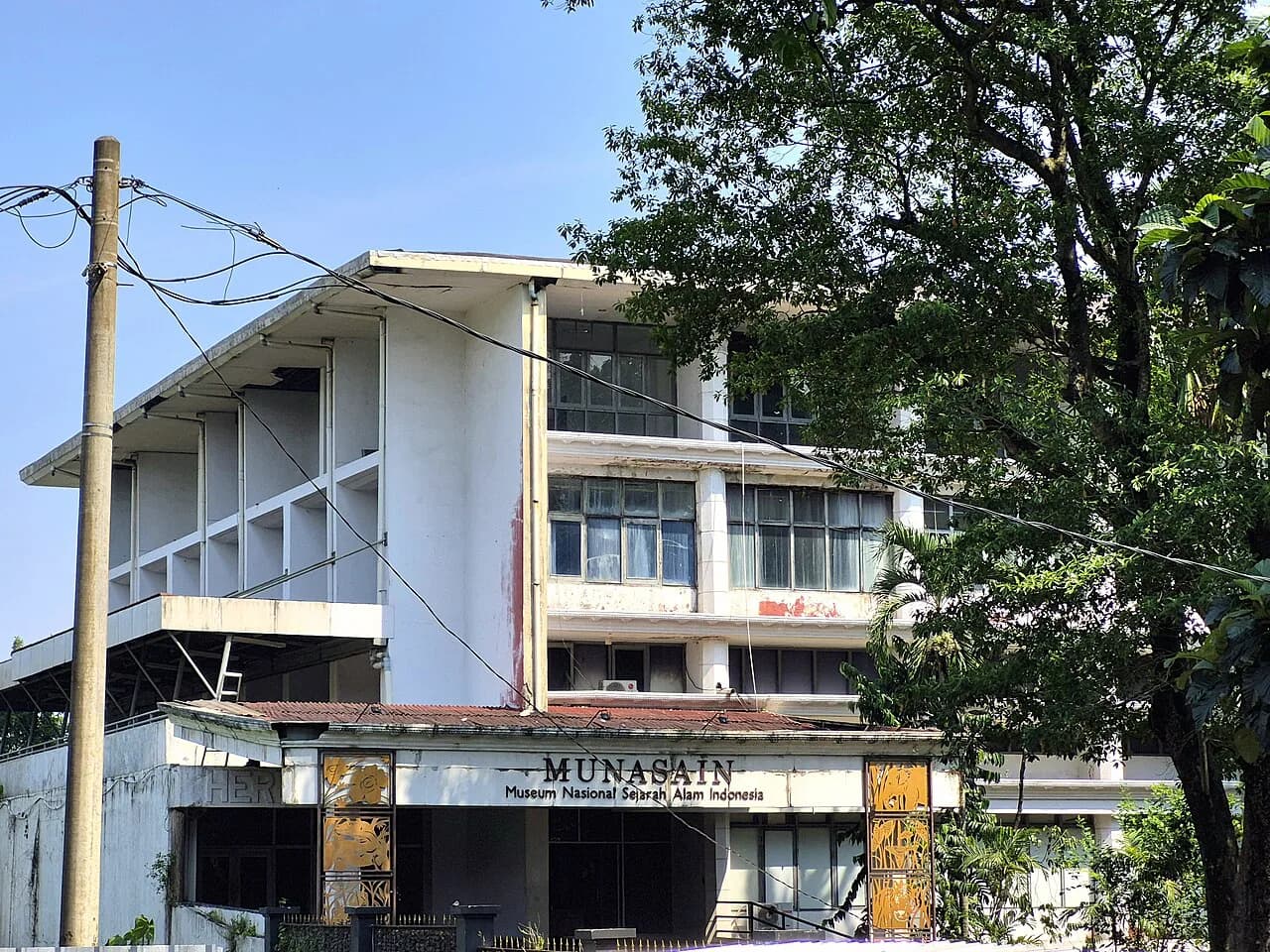
Museum Etnobotani Bogor (Now MUNASAIN): A Visitor's Guide to the Ethnobotany Museum

The Museum Etnobotani Bogor is the museum you may also find listed as MUNASAIN, the Museum Nasional Sejarah Alam Indonesia, and it is the same institution under a newer name. Its two main gallery levels hold a plant-centered ethnographic collection covering food plants, spices, clothing materials, medicine, crafts and musical instruments from across the archipelago. Allow about an hour to ninety minutes, and expect a working research campus rather than a polished national museum.
What the museum is called now: from Museum Etnobotani to MUNASAIN
Searches for the Museum Etnobotani Indonesia still lead to the right place, but the current signage and listings use MUNASAIN. One account traces the story from a 1982 opening as the Museum Etnobotani Indonesia, inaugurated by B.J. Habibie, through a name change in 2015 to MUNASAIN, with thousands of items spread across a basement and first floor.
The institution's parentage explains the name confusion: it grew out of the Herbarium Bogoriense complex under the national research institute LIPI, and the name is now framed around natural history rather than ethnobotany alone. Reporting on the museum describes it as an outgrowth of the older Ethnobotany Museum, with collections and explanations focused on Indonesian plants and ethnography. If you are citing the name to a driver or a friend, MUNASAIN is the safer term to use.
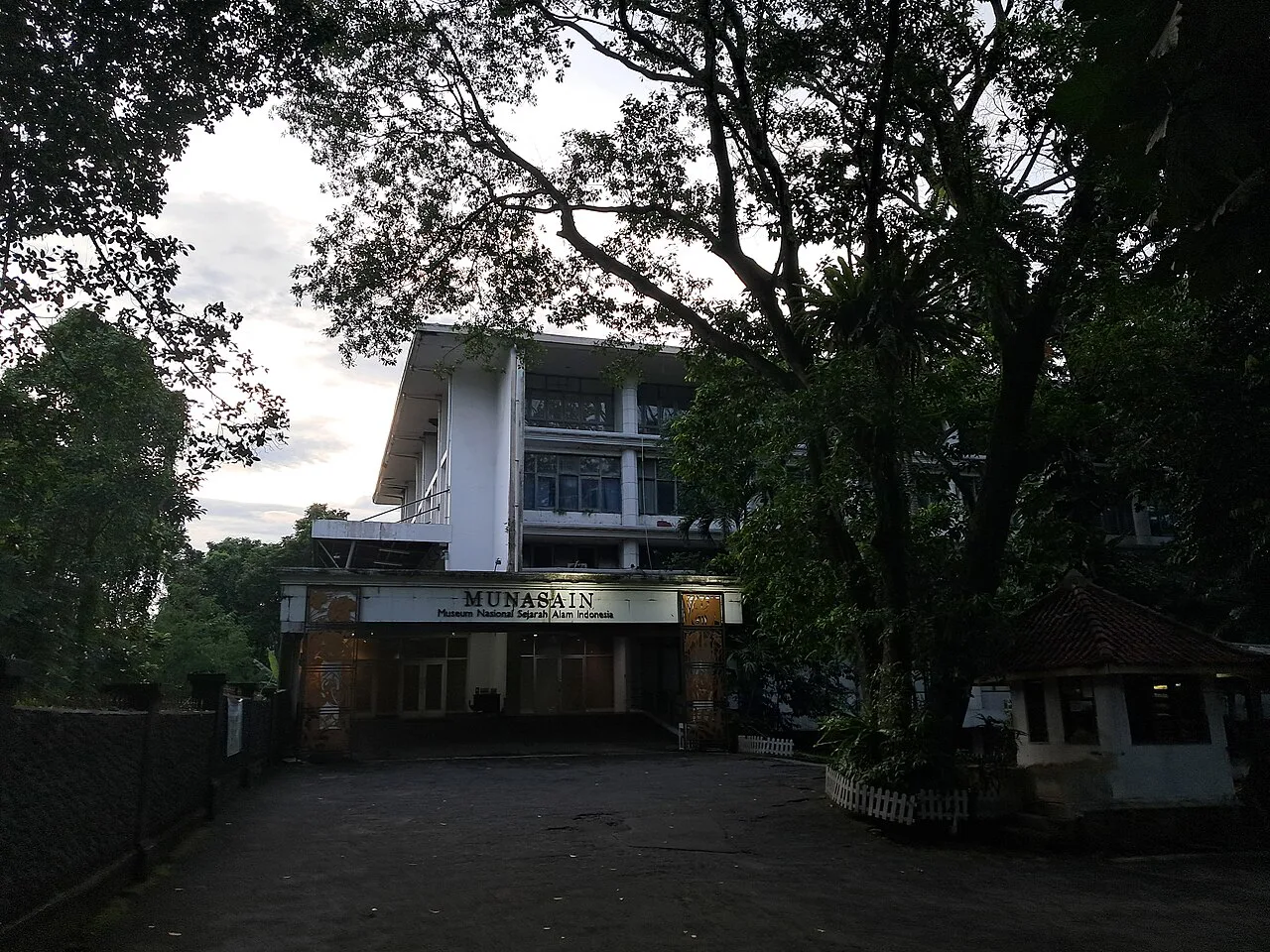

Where it is: Jalan Ir. H. Juanda in Paledang
The address is Jalan Ir. H. Juanda No. 22-24 in Paledang, Bogor Tengah, Kota Bogor, West Java, and the museum sits in the same complex as the Herbarium Bogoriense. That puts it on the same main street, Jalan Juanda, that runs past the Bogor royal grounds and the botanical gardens, Kebun Raya Bogor (Bogor Botanical Gardens). The building is essentially the exhibition space at the base of a research building, so don't look for a grand standalone facade or a dedicated plaza.
This is where the name change becomes practical: your map pin, the sign at the gate and the ticket desk may all use slightly different wording, so it helps to know the museum is inside the Herbaria complex and not a separate park entry. Orienting yourself with a broader look at Bogor Attractions: 12 Visitor Guides helps you place Jalan Juanda in the city, with the gardens to the south and the palace grounds on the same corridor. Set your drop-off expectation to the research campus gate, not the Paledang market.
Getting there: arriving on Jalan Juanda
The simplest arrival is to come by KRL Commuterline and continue by ride-hailing app or a short taxi hop to Jalan Juanda. If you are coming from Jakarta, the train ends at Stasiun Bogor, so you will still need a last leg from the station to Paledang. Ask the driver for the Herbaria or the MUNASAIN entrance on Jalan Juanda, and keep the street number handy.
Jalan Juanda is the street that also carries traffic to the botanical gardens, so a drop-off a block away and a short walk can be faster than waiting in a queue. If you are pairing the museum with a garden visit, aim to be dropped near the garden gate and walk back up toward the museum, because the gardens are on the same stretch of road. Plan the day around one long stop rather than two quick ones.
What you actually see inside
The galleries move from prehistoric life through the flora and fauna of the archipelago, then into food and spice plants, and into geology and minerals. That sequence is broad for a compact building, and it means the museum is less about spectacular display cases than about explaining how natural materials were used. Read the section labels as the spine of the visit; they favor plant use over region.
A count from a visitor account puts the collection at thousands of objects distributed across roughly 1,600 square meters on each of the basement and first floors. The same account notes that a future expansion to five floors was planned, so the museum you walk through now is the compact version. Treat collection totals as indicative rather than precise, because the counts vary between descriptions and dates.
The ethnographic collection: tools, cloth, medicine and music
The collection is organized around uses, not ethnic groups. You will see household tools, materials for clothing, traditional food and medicine, assorted crafts and musical instruments from across the archipelago. That arrangement means labels tend to explain the plant and its function rather than the culture that used it, so a quick browse can leave you feeling you have seen many similar objects. Slow down on a few cases and read the plant-use panels instead.
An earlier description of the site counted around 1,700 cataloged items, ranging from wood and rattan use through bamboo, sugar palm and gourds to wet specimens, medicinal plants, hunting tools and children's games. Other write-ups give larger totals. The takeaway for a visitor is consistent: the breadth is real, but it is spread across a compact space, so a selective rather than exhaustive approach pays off.
Regional displays to look for
Several displays are organized by region and plant rather than by object type. One account highlights an East Nusa Tenggara area devoted to lontar palm, showing how the leaf is used for crafts such as the Sasando instrument and water containers. There is also an open weaving display and a pandan-leaf presentation in a glass case. These smaller zones are easy to miss if you keep moving.
Some objects are displayed openly while others sit behind glass, and the open ones let you look more freely at weaving and fiber work. Interpretive labels are generally in Indonesian, though this is not spelled out in the sources in hand, so any English signage may be limited. If your Indonesian is weak, take a few minutes with whatever bilingual labels you find near the entrance or at major displays.
How long to allow and how to move through it
Budget about an hour and a half if you will read the labels, and an hour if you will mostly look. The museum is split across a basement and a first floor rather than spread out over a large campus, so you won't spend the day there. Go in with two or three thematic interests in mind, such as spices and cloth, and let the rest be a quick pass. This keeps a compact research collection from feeling like a slog.
Start in the section that interests you most, since the chronological or developmental route can front-load general material. The chronological sequence from prehistory into flora, fauna and food plants makes a natural first lap, and you can return to the regional zones after that. If you are visiting with children, the food-plant and craft sections tend to hold attention longer than the geology cases.
Practical visitor details: hours, admission and closure days
A listing for the museum as the Museum Etnobotani gives the address at Jalan Ir. H. Juanda 22-24, Bogor 16122, with hours listed as Monday to Thursday 08.00-16.00 and Friday with a midday break, 08.00-11.00 and 13.00-16.00. Those are the published hours rather than a guarantee for the day you arrive, so confirm with the museum before you build a day around them. The sources in hand do not cover Saturday and Sunday access or whether a visit needs booking, so treat both as unconfirmed and ask ahead.
No admission fee is published in the sources in hand for this museum, so don't budget from a guess. Check at the entrance desk or through the museum's own listings for the current ticket price and whether foreign visitors pay a different rate. Ask about photography rules at the same time, because displays with open objects may have restrictions.
What's nearby on Jalan Juanda
The museum sits close enough to Kebun Raya Bogor to combine the two, with the gardens taking the bigger share of the day. The Bogor palace grounds stand on the same street, so walkers can add a look at the exterior without another transport leg. Note that the palace itself is not generally open for casual interior visits, so check what the grounds allow before planning around it.
Farther along the garden complex you will find the Museum Zoologi Bogor, which suits families wanting a more traditional museum stop. Both the botanical gardens and the zoology museum sit within the larger Kebun Raya Bogor grounds, making one transport leg cover several stops. The ethnobotany museum is the quieter stop of the trio.
Honest trade-offs: a research-museum feel, compact and Indonesian-language
This is a research collection open to visitors, not an interactive science center. That means modest display techniques in places, labels mostly in Indonesian, and a layout that rewards readers over browsers. If you want a big-ticket museum experience, put your hours into the city's larger museum stops and treat this one as an hour-long add-on.
The upside is that the museum is compact and specific: plant uses, regional plant crafts and the food and spice sections give you a concrete view of how natural materials shaped daily life across the archipelago. Come in with that expectation and it works well. Come expecting spectacle and you'll feel like you overestimated it.
Should you slot MUNASAIN into your Bogor day?
Yes, if you have a spare hour and an interest in how plants shaped Indonesian daily life, and especially if you are already on Jalan Juanda for the gardens. Skip it if your Bogor day is short or if you are allergic to reading labels in Indonesian. Either way, confirm the day's hours and the admission charge with the museum, and plan your arrival around a drop-off near the Paledang end of the street rather than a long crawl through traffic.
Explore more Bogor guides
Sources
- Museum di Bogor yang menyimpan lebih dari 2000 koleksi artefak sandang dan pangan! MUNASAIN atau Museum Nasional Sejarah Alam Indonesia ini bisa terbilang cukup lengkap isinya. Mulai dari area kehidupan prasejarah, flora & fauna Nusantara. area tanaman pangan dan rempah, hingga area Geologi dan mine
- Museum Etnobotani Indonesia ~ Kekunaan
- Museum Nasional Sejarah Alam Indonesia
- Museum Etnobotani Indonesia