Bali Art Markets: Sukawati, Ubud & Guwang Compared
Compare Bali's art markets, Sukawati, Ubud, Guwang and Kumbasari, with timing, bargaining, handmade-vs-mass-produced tips and who should skip which.
On this page
Last updated November 2026, this guide sorts Bali art markets by what you want to buy and how much hassle you can tolerate. Sukawati wins on volume and lower prices, Ubud Art Market suits a curated walk, Guwang is quieter, and Kumbasari covers Denpasar souvenirs. Pair it with our Bali shopping guide for the wider picture.
Featured image: Gunawan Kartapranata, CC BY-SA 4.0, via Wikimedia Commons.
Quick answer: which Bali art market for which shopper
Pick one or two markets, not all four. Sukawati is the volume stop in Gianyar. Ubud Art Market is the low-effort lap in central Ubud. Guwang, also in Gianyar, trades range for space. Kumbasari in Denpasar suits souvenir runs when you are staying south. Labels below are qualitative, so confirm prices by asking at the stall. Wet markets and food stalls are out of scope here, so head to our Bali markets guide for those.
| Market | Best for | Price feel | Crowd / hassle | Skip if |
|---|---|---|---|---|
| Sukawati (Gianyar) | Volume, carvings, textiles, bargains | Cheaper | Highest, chaotic | You dislike pushy selling |
| Ubud Art Market (Ubud) | Easy souvenirs on foot | Pricier | Moderate | You want the lowest prices |
| Guwang (Gianyar) | Prints and paintings, calm browsing | Mid | Lower | You want huge variety |
| Kumbasari (Denpasar) | Souvenirs and handicrafts in one place | Mid | Busy | You are staying in Ubud |
Sukawati Art Market: bargains and volume
Pasar Seni Sukawati sits on Jalan Raya Sukawati, Sukawati 80582, in Gianyar. Reported hours are 6am–6pm, and two sources agree, but check before you go. Expect three floors plus stalls that spill onto the street. One guide describes three blocks: Block A is central and packed with clothing, souvenirs and textiles. Block B is smaller and quieter. Block C faces Block A and is said to hold batik, carvings and paintings, though layouts shift, so confirm on arrival. Stock is a mix of handmade and mass-produced goods. Expect wood carvings, paintings, sarongs and beaded accessories. For textile depth, read about Balinese batik and ikat weaving. Travel time from Ubud or Denpasar is roughly 20–30 minutes, traffic-dependent, because sources disagree. A scooter rental reportedly runs IDR 70,000–100,000, which is unverified. Sellers reportedly value the first sales of the day, so early arrival can help your opening price.
Ubud Art Market: the low-effort, curated option
Ubud Art Market stands opposite Ubud Palace in central Ubud, so you can reach it on foot from most central stays. Selection feels more edited than Sukawati's. You will find sarongs, jewellery, homewares and souvenirs. Several stalls sell near-identical items, so walk one full lap before buying. Some items are pricey for tourists, so budget for a premium over Sukawati. Our brief has no verified opening hours for this market, so check the Bali Provincial Tourism Office or ask your hotel. Silver lovers can compare stall pieces with our Bali silver guide. Choose Ubud if you want low hassle and accept higher prices.
Guwang and Kumbasari: when to detour
Guwang Art Market in Guwang village, Gianyar, sells prints, paintings and artworks by local artisans. It neighbours Sukawati, and Hidden Canyon Beji Guwang is nearby. Reports describe a roomier layout with fewer crowds. It lacks huge variety, so treat it as a calm second look after Sukawati. Hours are unverified. Kumbasari Art Market stands across the river from Badung Market in Denpasar. It reportedly spans four levels and sells souvenirs and handicrafts at scale. Staying in the south makes it the practical choice. Some stalls reportedly arrange shipping for large pieces, so ask before assuming. Wandering into Badung's produce floors is a different trip. Evening grazing belongs with the Bali Night Market Guide: Local Food Markets & Hours options.
Kumbasari suits southern stays, and Denpasar is roughly 20–30 minutes from Sukawati, depending on traffic.
How to spot handmade vs mass-produced
Sukawati sells both, so you need your own checklist. These are practical heuristics, not official authenticity rules.
- Look for tool marks and small irregularities on carvings. Identical pieces stacked in dozens suggest batch production.
- Compare weight and finishing. Check joins, edges and the back of paintings.
- Ask which village made the piece. A vague answer is a signal, and a specific one is worth a follow-up.
- Ask whether the seller is the artist. Direct artist sales usually justify a firmer price.
- Buy serious paintings at a gallery instead. Fixed prices and provenance live at Bali Art Galleries: Where to Go in Ubud and Seminyak.
Bargaining, timing and budget
Bargaining is expected at Sukawati, Guwang and most art markets. Vendors quote higher, you counter, and you meet in the middle. Tipping vendors is not expected. Set a budget per item before you go, and walk away politely if the gap stays wide. Do not haggle at fixed-price shops, over very small items, or when the seller is clearly the artist. Go early if you want a better first price. Skip peak weekends if crowds bother you. Carry small notes, since 'no change' is a common stalling point. Fixed-price alternatives are covered in our guides to a Bali Outlet Shopping: Where to Find Discounts (2026) and a Bali Shopping Malls: Best Malls by Area and Who They Suit. Convert rupiah to your home currency before you shop, so you can judge quotes quickly.
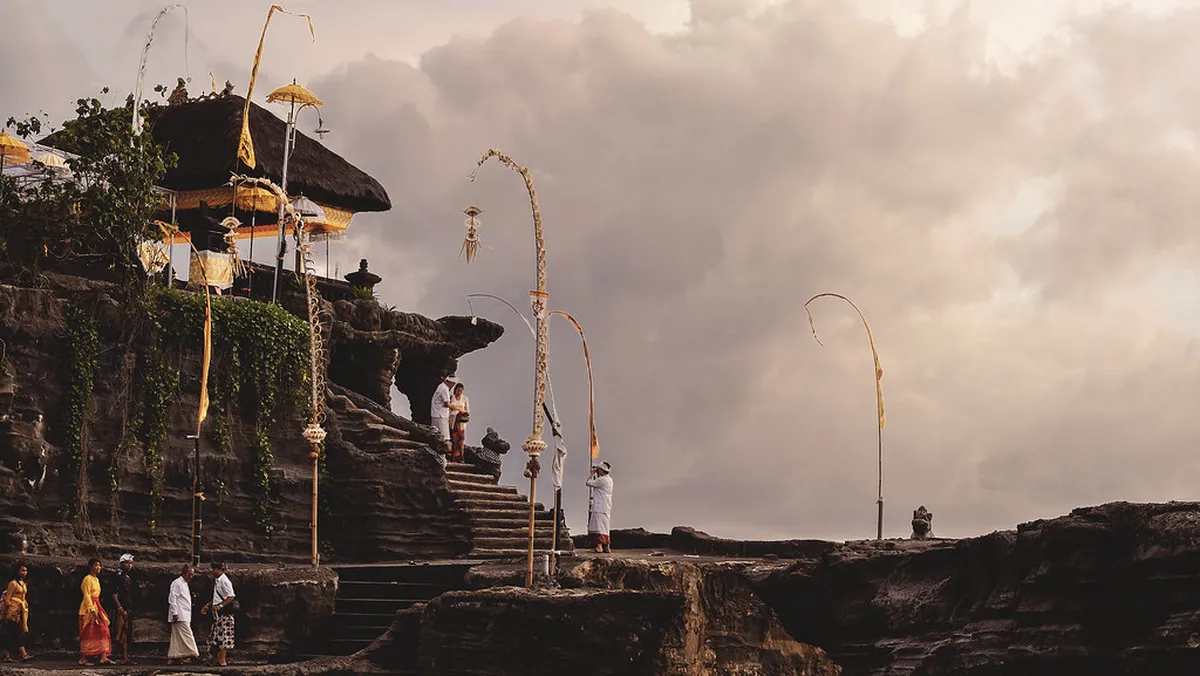
Arrive when the 6am–6pm window opens, since sellers reportedly value the first sales of the day.
Plan your day: half-day and full-day routes
Start with Ubud Art Market on foot. Then travel roughly 20–30 minutes, traffic-dependent, to Sukawati for the volume buying. Guwang can follow because it neighbours Sukawati. If you are staying south, make Kumbasari in Denpasar your single stop instead. Tegenungan Waterfall is a nearby combination stop, as is Hidden Canyon Beji Guwang. Allow about half a day for Ubud plus Sukawati. Add Guwang and a waterfall for a fuller day. Drive times for other pairings are not verified, so check a map app on the day. Give yourself slack because Sukawati can swallow time. Gift ideas for later sit in our Bali souvenirs guide.
Taking it home: packing, shipping, customs, and mistakes to avoid
Wood carvings, spices and coffee may need declaring when you land. Australia is one example, where such items must be declared. Check your own country's customs or biosecurity page before buying. Indonesia's official portal, Indonesia travel, is a general starting point only. Wrap carvings in clothing and carry paintings flat in a tube. Ask Kumbasari stalls about shipping for large pieces. Common mistakes include buying at the first stall, skipping a comparison lap, and paying gallery prices for mass-produced goods. If you want context before buying paintings, Museum Puri Lukisan is a reference point for Balinese painting.
Frequently Asked Questions
Sukawati or Ubud Art Market: which is better?
Sukawati is cheaper and bigger but chaotic. Ubud is easier and more curated but pricier.
Should I haggle at Bali art markets?
Yes, at most market stalls. Do not haggle at fixed-price shops or with artists selling their own work.
How can I tell handmade art from mass-produced souvenirs?
Check tool marks, weight and finishing, and ask which village made it. Buy high-value paintings at a gallery.
Notes for your Indonesia trip
Optional updates when we add or change a town or island guide.
You might also like

Continue reading
More guides you'll find useful