Bali Ikat: Where to Buy Real Weaves & Spot Fakes
What Bali ikat is, how geringsing double ikat differs from single ikat, where to buy, and how to spot imitations before you pay.
On this page
Last updated November 2026: Bali ikat is cloth woven from yarn that was resist-dyed before weaving, and its best-known form is the double-ikat geringsing linked to Tenganan village in Karangasem. This guide is for shoppers deciding between genuine hand-woven pieces and cheaper look-alikes. For the wider picture, start with our Bali shopping guide.
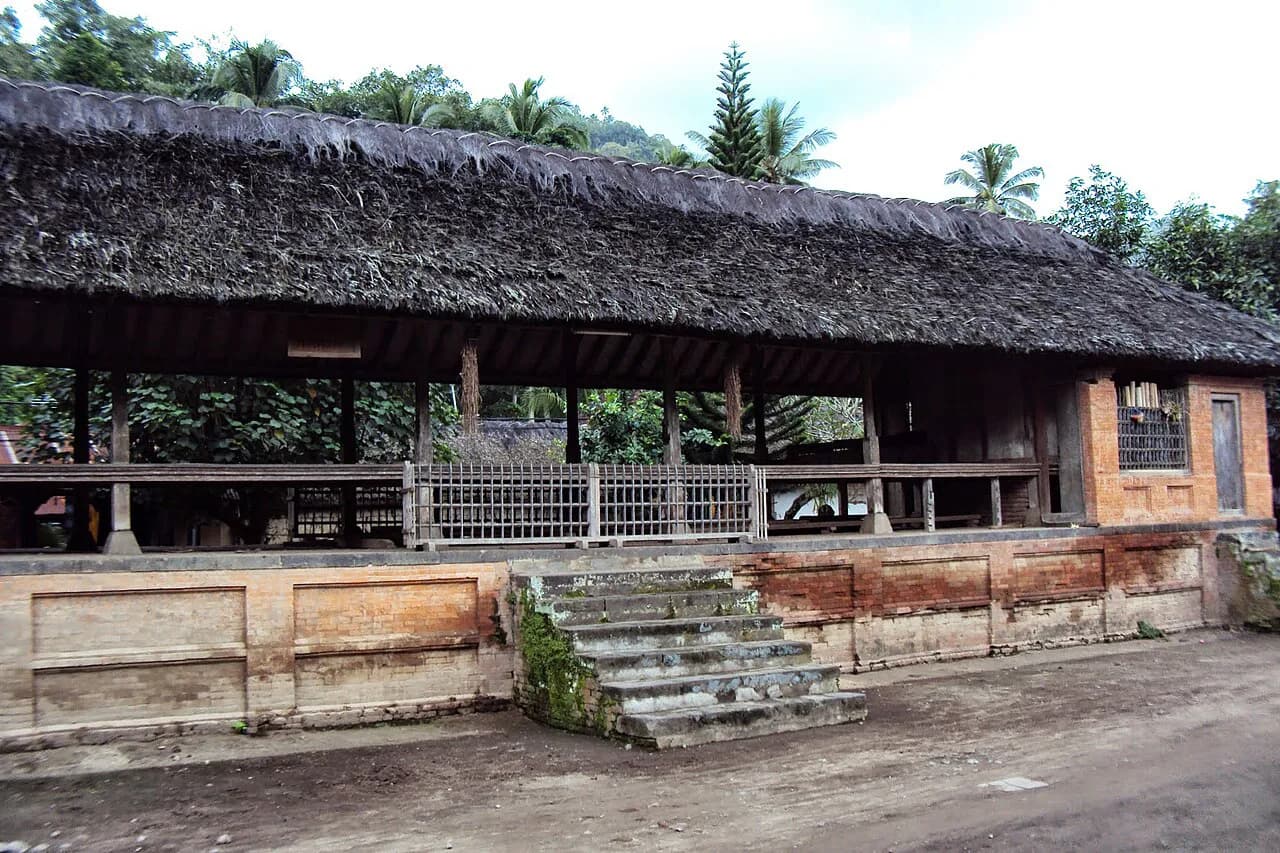
Featured image: DayakSibiriak, CC BY-SA 4.0, via Wikimedia Commons.
What Is Bali Ikat? (Quick Answer)
Ikat means the yarn is tied and dyed in a pattern before it goes on the loom. Where the dye was blocked, the yarn keeps its original colour, and the design appears as the cloth is woven. That is why genuine ikat has slightly soft, feathered pattern edges.

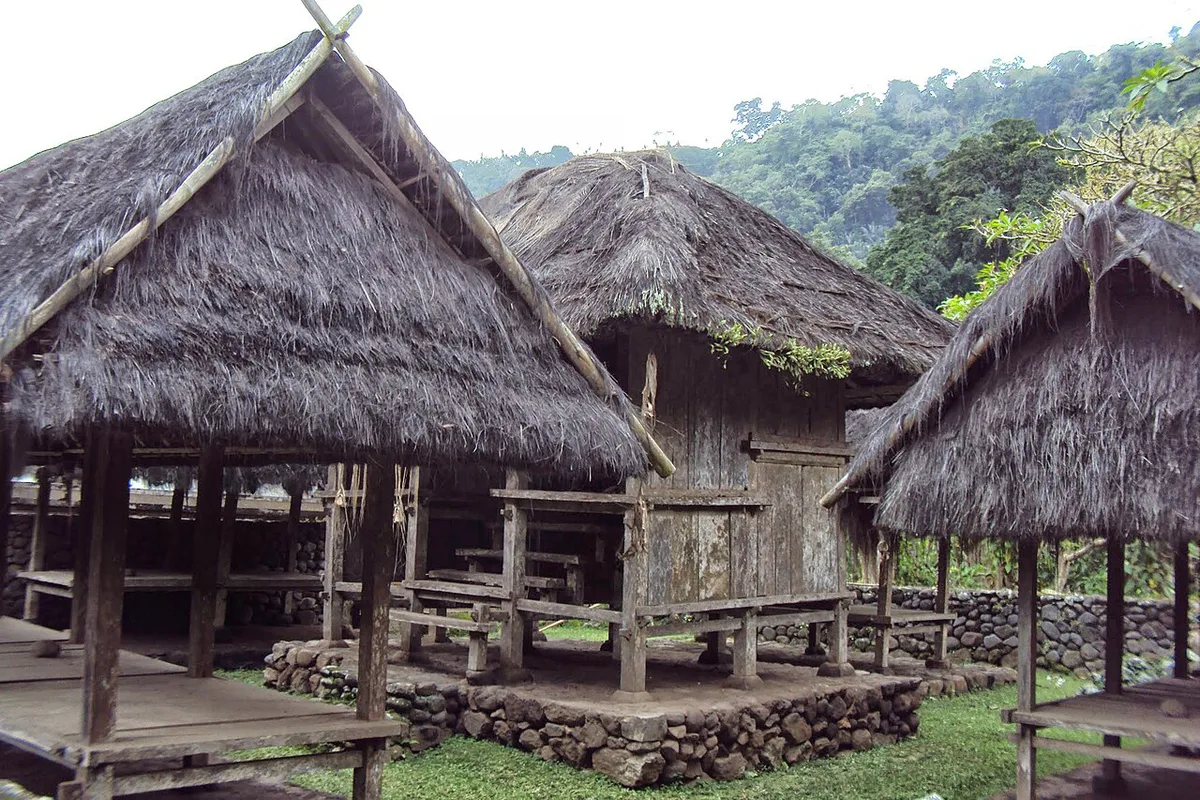
Bali has several forms. Endek is weft ikat, where only the crosswise threads are tied and dyed. It is often associated with the Gianyar and Klungkung areas. Geringsing is double ikat, where both warp and weft threads are resist-tied, and it is associated with Tenganan in Karangasem. Some online snippets claim ikat is made only in Tenganan. Treat that as unverified, because endek weaving clearly exists elsewhere on the island.
Ikat is not batik. Batik resists dye on finished cloth with wax, while ikat resists dye on the yarn. Our Bali batik guide covers the cloth-based technique, and UNESCO's Indonesian batik entry explains why batik is recognised as heritage.

Types Of Bali Ikat Compared
Use this table to match the technique to your budget and purpose. Price tiers are relative only, because no sourced figures exist for this guide. Confirm real prices locally.
| Type | Technique | Effort | Relative price tier | Best use |
|---|---|---|---|---|
| Warp ikat | Lengthwise threads tied and dyed | High | Mid to high | Wall hangings, runners |
| Weft ikat (endek) | Crosswise threads tied and dyed | Moderate to high | Low to mid | Scarves, sarongs, table cloths |
| Double ikat (geringsing) | Warp and weft both tied and dyed | Very high | Highest | Collector pieces, display |
| Printed ikat-look | Pattern printed on finished cloth | Low | Lowest | Cheap souvenirs, not a textile purchase |

Where To See And Buy Bali Ikat
Each buying route trades authenticity against convenience. Weaving villages and workshops let you watch the loom and ask about the yarn. Markets give choice and bargaining, but sellers mix hand-woven and printed stock. Malls and outlets offer fixed prices and easy returns, though stock is usually machine-made or ikat-inspired.
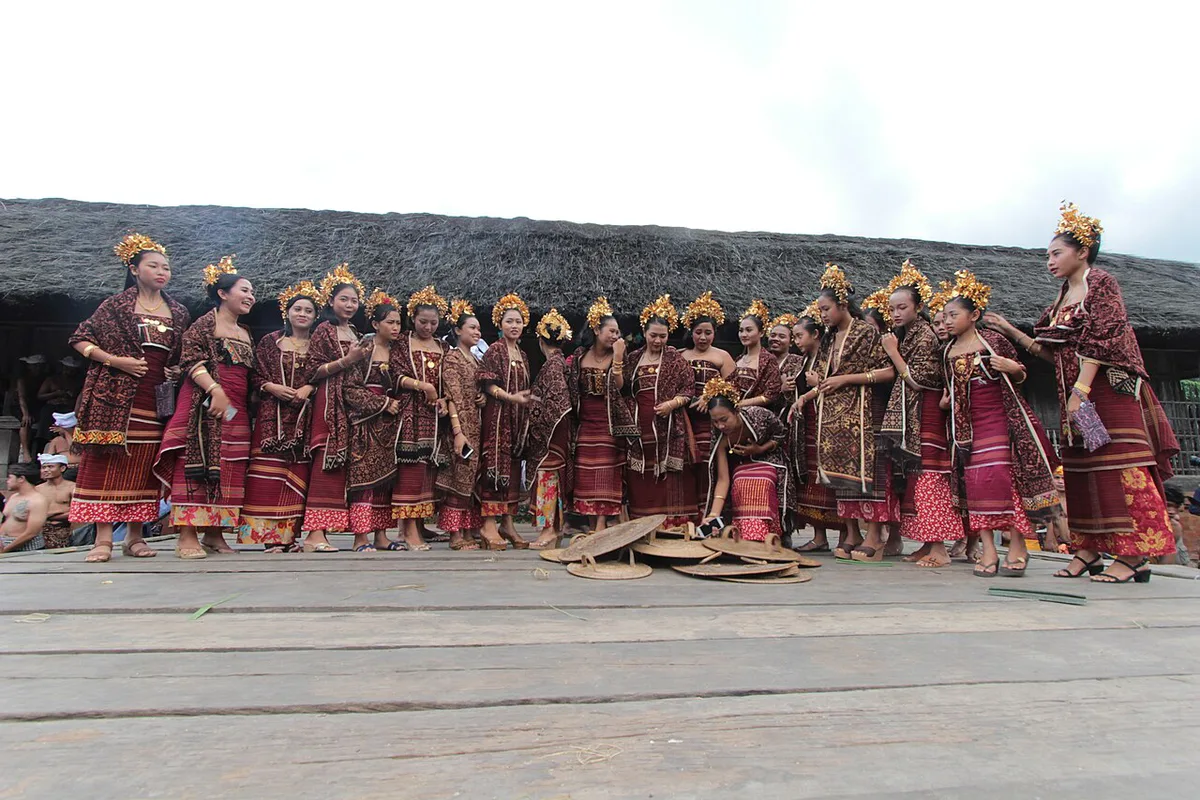
- Villages and workshops: best for provenance. Tenganan is the place to ask about geringsing, and Gianyar-area weaving workshops are the place to ask about endek.
- Art markets: wide choice and room to bargain. See Bali Art Markets: Sukawati, Ubud & Guwang Compared for how that works.
- General markets: good for budget scarves. Read our Bali markets guide before you haggle.
- Galleries: curated and higher priced. Browse Bali Art Galleries: Where to Go in Ubud and Seminyak for viewing pieces with context.
- Malls and outlets: fixed prices, mostly ikat-look goods. Compare with Bali shopping malls and Bali outlets.
How To Spot Genuine Hand-Woven Ikat
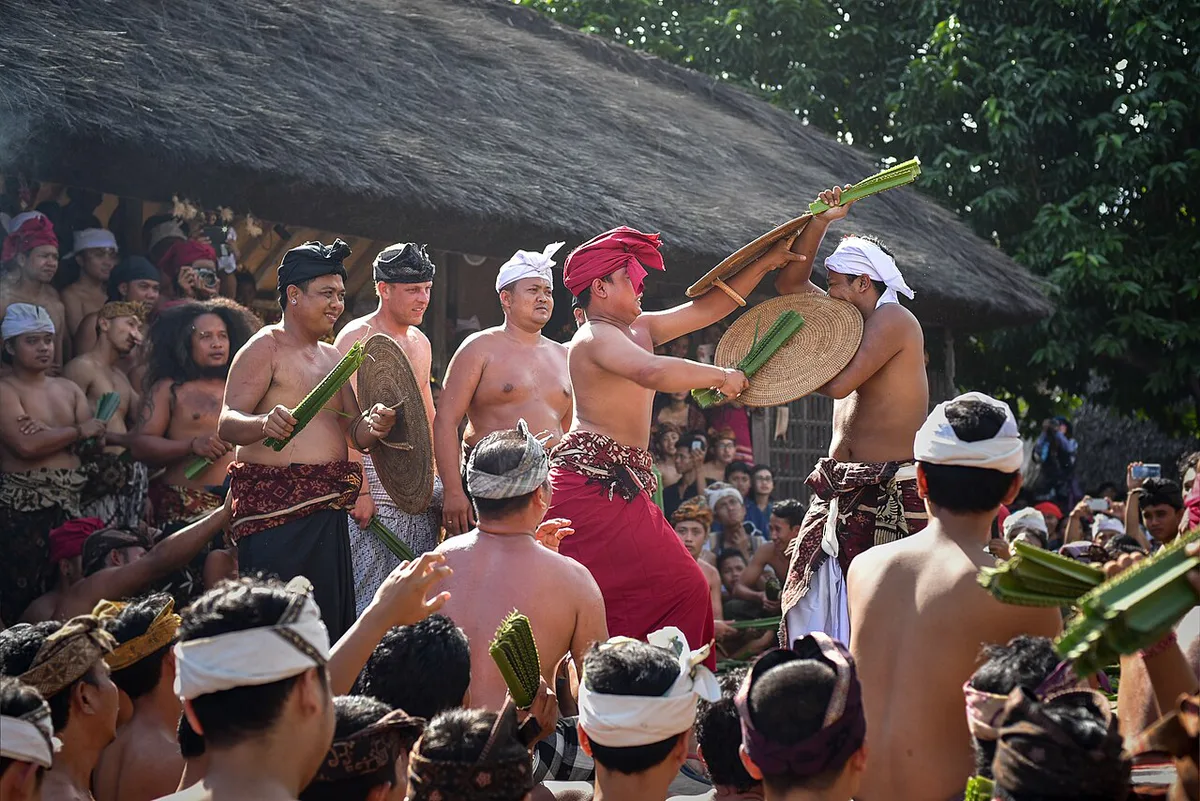
Start with the back of the cloth. In true ikat the pattern shows through on the reverse almost as strongly as on the front. Printed cloth is often paler underneath. These tells are general guidance, so confirm them with the weaver or an official museum source such as Museum Puri Lukisan if you want a second opinion.
- Check the pattern edges. Hand-tied ikat blurs slightly where dye met resist, while prints have crisp outlines.
- Look for yarn irregularity. Handspun or hand-set yarn varies in thickness, and perfectly even weave suggests a machine.
- Compare front and back. A strong reverse image points to dyed yarn rather than surface printing.
- Ask who wove it and where. A real maker can describe the loom, the dye and the time involved.
- Be wary of double-ikat claims on cheap cloth. Real geringsing takes a very long time to make.
Prices, Bargaining And What Affects Cost
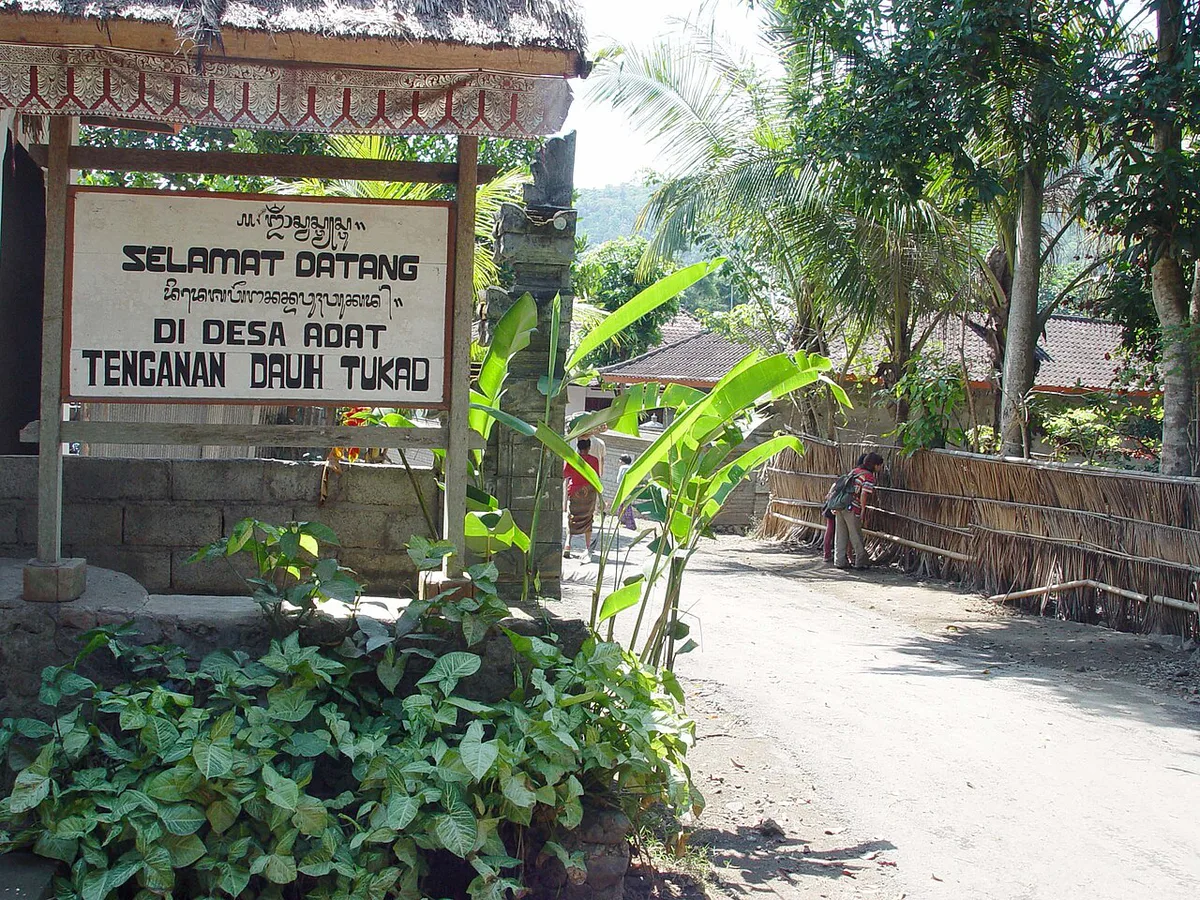
No sourced 2026 prices are available for this guide. Ask the seller for the technique first, then compare quotes at two or three stalls before you negotiate.
- Technique: single ikat costs less than double ikat.
- Size: a runner costs less than a bed cover.
- Fibre: cotton, silk and blends price differently.
- Dye: natural dyes usually take longer than synthetic ones.
- Time: slower, finer work costs more.
- Venue: workshops, markets and galleries each add a different margin.
Getting There And Fitting It Into Your Day
This guide has no verified travel times or distances for Tenganan or the Gianyar area. Check the Bali Provincial Tourism Office for current visiting information.
Etiquette, Care And Bringing It Home

Some cloths carry ritual meaning. Geringsing is linked to protection in general sources, so ask before treating any piece as a casual souvenir. Do not wear or drape sacred cloth as a fashion item, and ask a maker what a pattern is meant for.
For care, wash gently by hand in cool water and dry away from direct sun. Natural dyes may bleed, so test a corner first. Fold cloth flat rather than creasing it in one place. Textile rules for taking cloth home vary by country, so check your own customs authority and the official Indonesia tourism site for export guidance before you pack.
Mistakes To Avoid
Most regrets come from paying for a technique the cloth does not have. Avoid these errors.
- Buying printed cloth sold as handwoven.
- Paying double-ikat prices for single ikat.
- Skipping the reverse-side check.
- Treating ceremonial cloth as a throwaway souvenir.
- Assuming Tenganan is the only source of Bali ikat.
- Buying large pieces without planning luggage space. If you just want a cheap gift, browse Bali Souvenirs: What to Buy, Where & How to Get It Home instead.
Notes for your Indonesia trip
Optional updates when we add or change a town or island guide.
You might also like



Continue reading
More guides you'll find useful