Bali Batik: How to Spot, Buy and Learn the Real Thing
Bali batik explained: hand-drawn vs stamped vs printed, where to buy fabric and clothing, workshops, and how to avoid fakes.
On this page
Last updated November 2026. Bali batik is mostly Javanese-style wax-resist cloth sold on the island, not a Balinese weaving tradition. Bali's own textiles are endek and ikat, so decide which one you want before you shop. Our Bali shopping guide covers the wider picture.
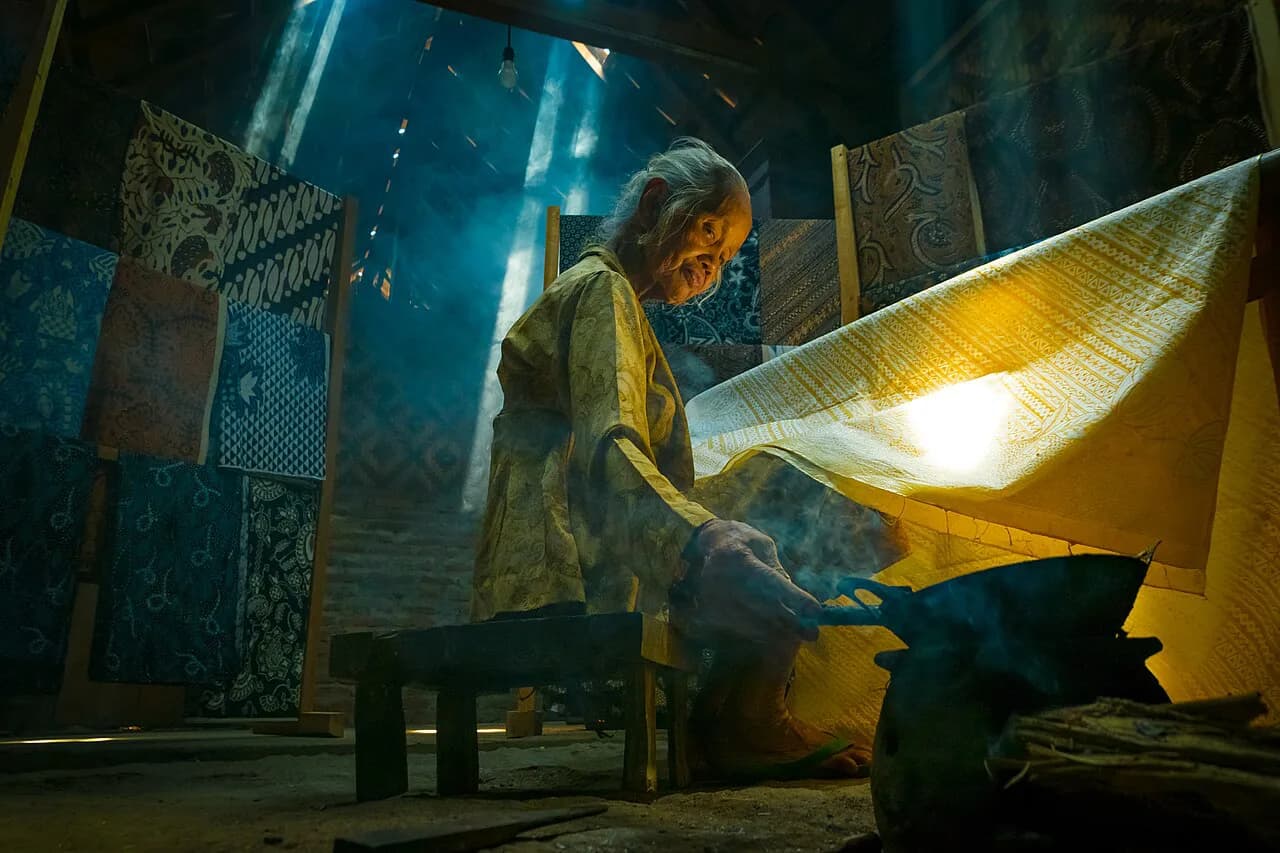
Featured image: Aconkyeah, CC BY-SA 4.0, via Wikimedia Commons.
Bali batik in short
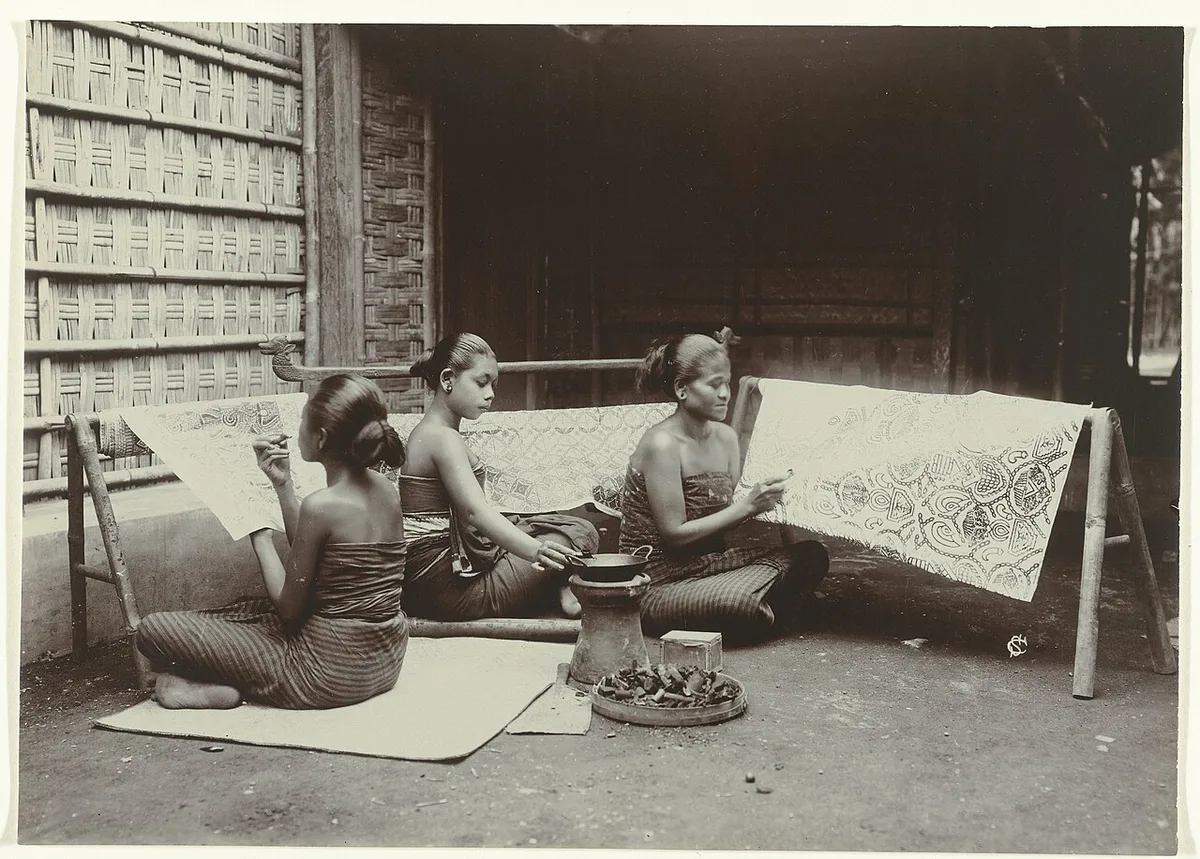
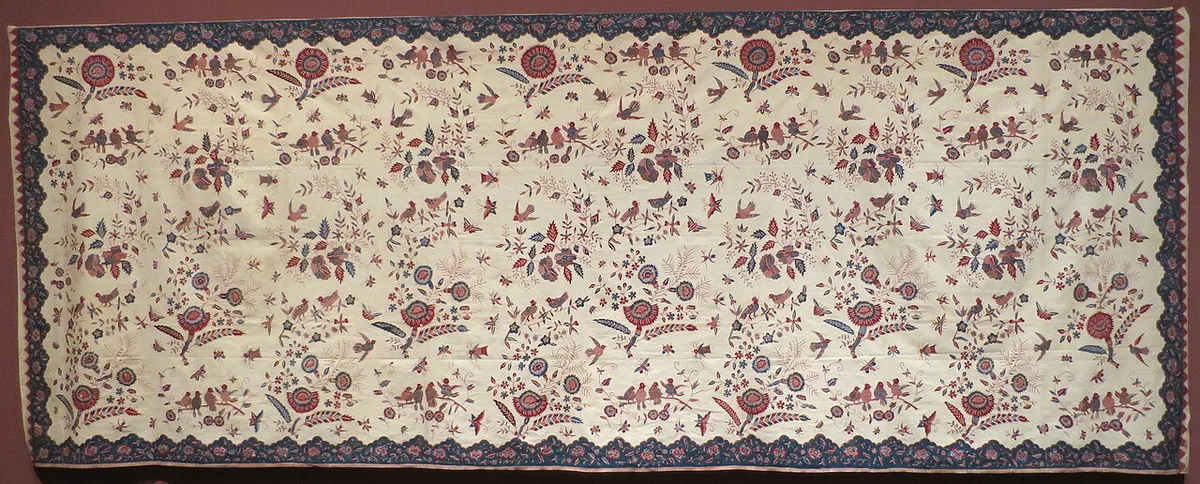
Batik is a wax-resist dyeing technique. Wax is applied to cloth, the cloth is dyed, and the waxed areas stay undyed. UNESCO recognizes Indonesian batik as intangible cultural heritage. Java is the heartland of the craft. In Bali you will find Javanese batik, plus local rayon and cotton prints made in the same style. Your one buying rule: ask how the pattern was made before you ask the price. Hand-drawn, stamped and printed cloth can look alike on a hanger. They are not priced alike, and they should not be.
Hand-drawn, stamped, or printed: how to tell
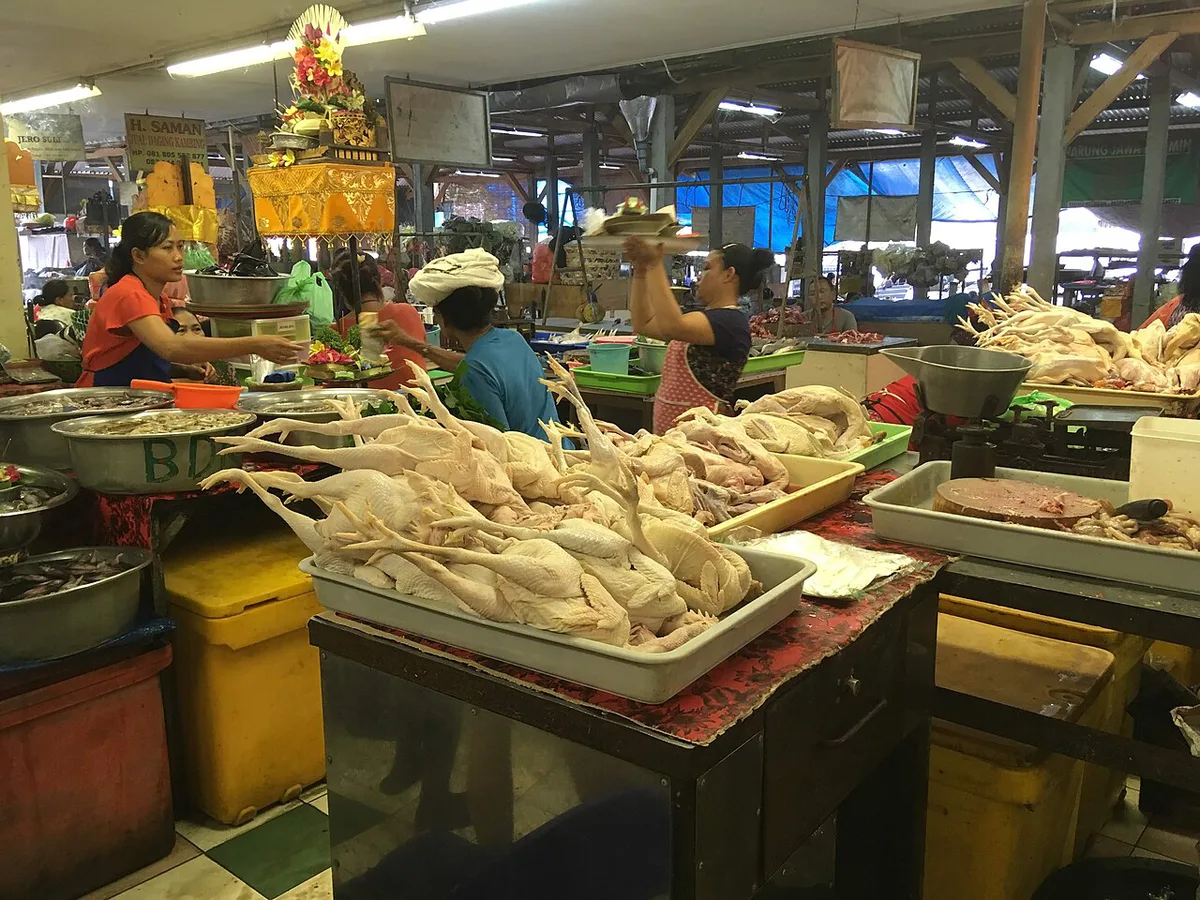
Most sellers use four terms. Tulis means drawn by hand with a canting, a small wax pen. Cap means stamped with a copper block. Hand-painted cloth is brushed by hand. Printed imitation is machine-made. Treat the checks below as general heuristics, not guarantees. Ask the seller to explain the method, and compare several stalls before you commit.
| Type | How to spot it | Relative price | Suits |
|---|---|---|---|
| Tulis (hand-drawn) | Slight irregularities in lines. Pattern appears on both sides of the cloth. | Highest | Collectors and special gifts |
| Cap (stamped) | Repeating motifs with small joins between stamp impressions. | Mid-range | Shirts, dresses and tailoring fabric |
| Hand-painted | Brush strokes and uneven color fill. Often modern designs. | Mid to high | Wall pieces and scarves |
| Printed imitation | Perfectly identical repeats. Back of the cloth is paler than the front. | Lowest | Casual wear and budget souvenirs |
Batik vs ikat, endek and songket in Bali
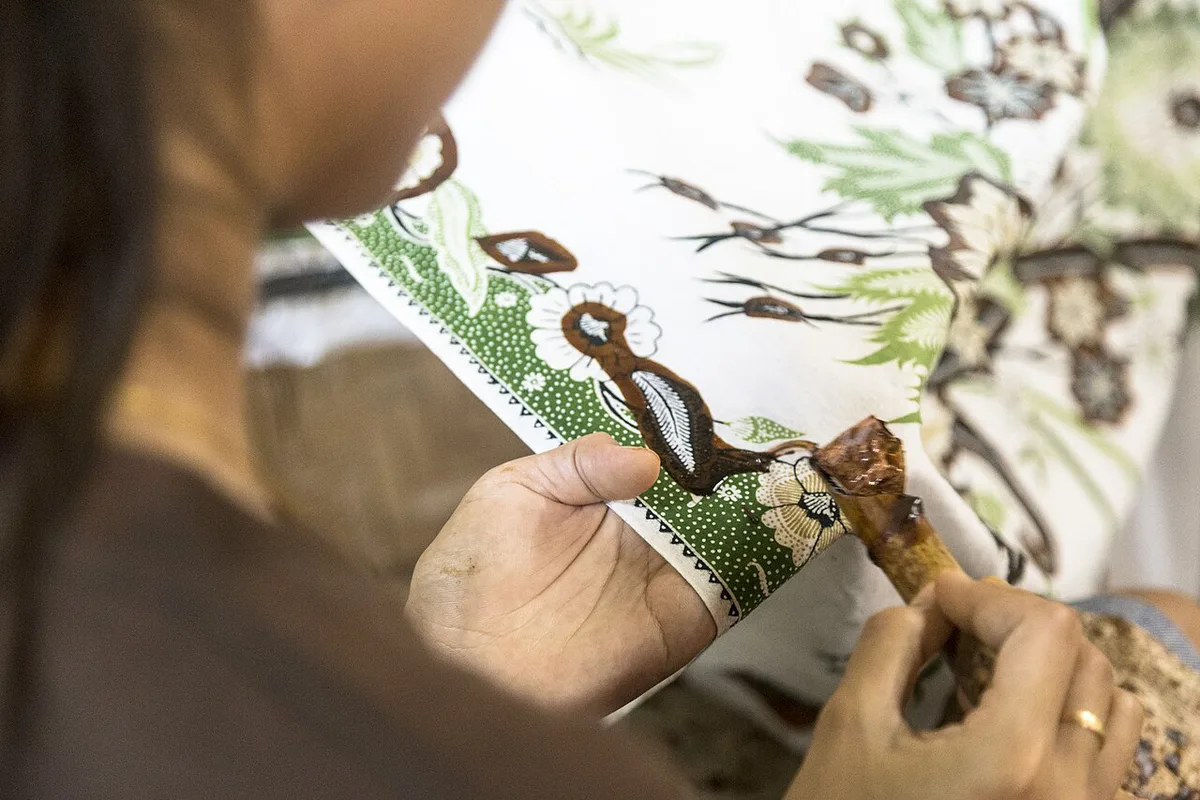
Batik uses wax on finished cloth. Ikat is different. Threads are tied and dyed before weaving, so the pattern is built into the fabric. Endek is Bali's best-known ikat-style cloth. Songket is another weave, with metallic thread added during weaving. If you want a textile made on the island, look for endek or ikat rather than batik. Our guide to Bali ikat and endek cloth shows how to recognize the difference. Check the Bali tourism pages at the Bali Provincial Tourism Office for cultural context.
Where to buy batik in Bali, by venue type
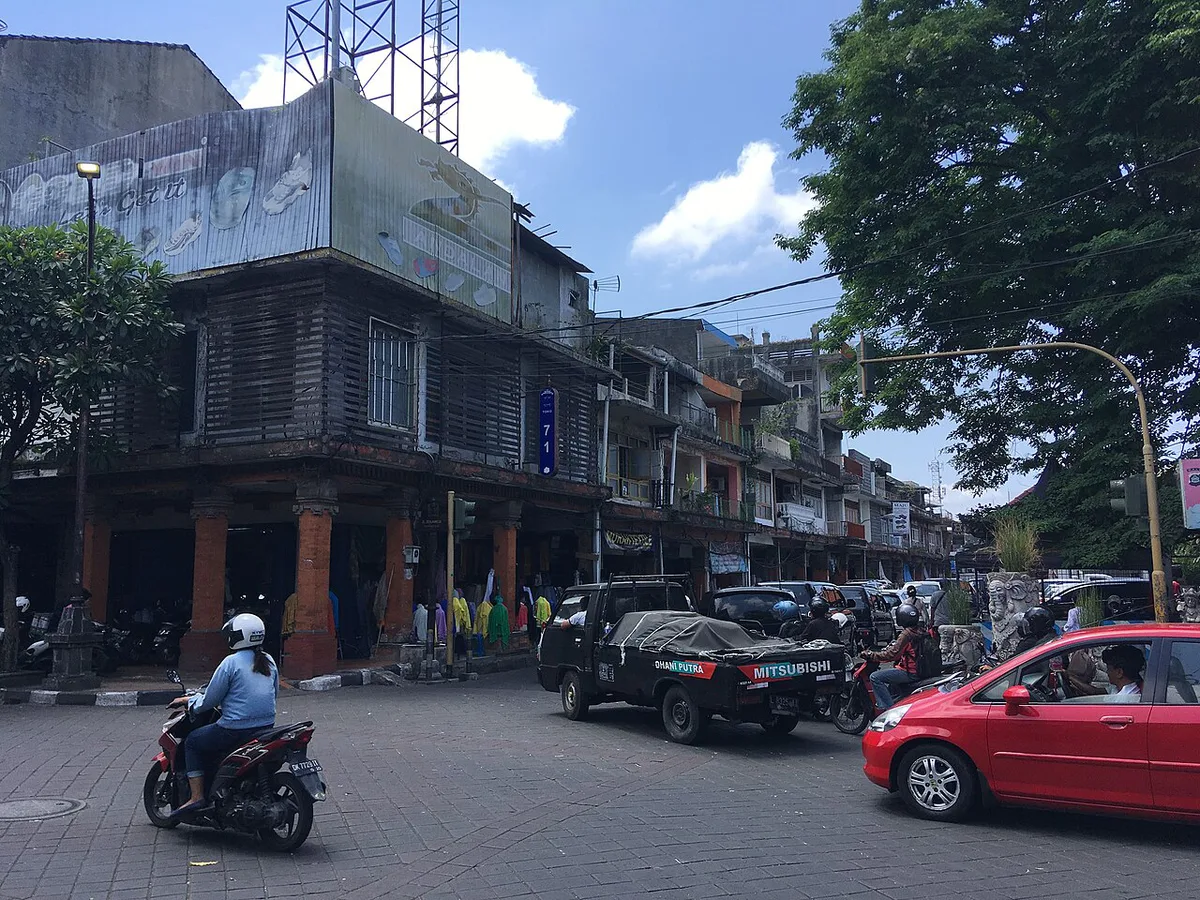
Venue type shapes price flexibility and how much you can trust a label. Denpasar is the fabric-shopping option. Your notes point to Jalan Teuku Umar and Jalan Sulawesi, plus Pasar Badung. A search result also lists a batik fabric shop on Jalan Sulawesi. Confirm its name, hours and current status before you go. Expect a trip away from the tourist south and Ubud, so plan it as its own outing.
| Venue type | Best for | Trade-off |
|---|---|---|
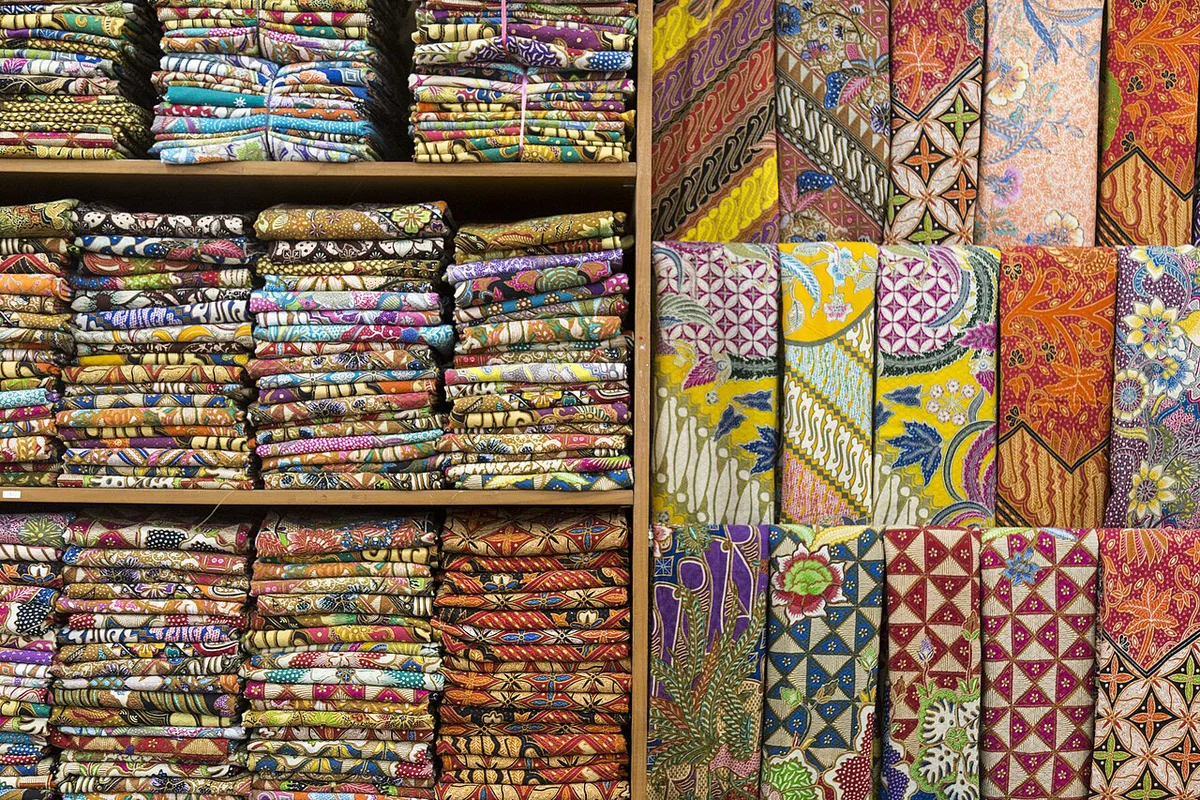
| Denpasar fabric streets and Pasar Badung | Fabric by the metre, wide choice | Longer trip, less English spoken, bargaining expected |
| Art markets | Ready-made shirts, sarongs, scarves | Mixed quality, so check the method yourself |
| Traditional markets | Everyday cotton and rayon prints | Browsing can be crowded and hot |
| Night markets | Casual evening browsing | Smaller selection of quality cloth |
| Outlets and malls | Fixed prices, ready-to-wear | Less bargaining, fewer handmade pieces |
| Galleries | Artist-made, higher-end pieces | Highest prices, least haggling |
Where each venue fits
Start at an Bali art market to see the range and learn the vocabulary. Visit a traditional Bali market for everyday prints. Browse the Bali Night Market Guide: Local Food Markets & Hours if you want an easy evening stroll. Fixed prices are available at a Bali outlet store or in a Bali Shopping Malls: Best Malls by Area and Who They Suit. For artist-made work, see the Bali Art Galleries: Where to Go in Ubud and Seminyak. Gift-sized pieces such as scarves are covered in our Bali souvenirs guide.
Buying fabric by the metre vs ready-made vs tailoring
Ready-made is the fastest option. You try it on, pay and leave. Fabric by the metre costs less per item and gives you more design choice. It adds a tailor visit and a wait. Ask any tailor for turnaround in writing before you pay, because no verified timing is available here. Buy the fabric first, then ask what yardage the garment needs. Carry fabric home if luggage is tight, since cloth packs flat.
Learning batik: should you take a workshop?
Choose a workshop if you want the process. Buy ready-made if you only want the product. Before booking, confirm that the workshop exists, how to reserve, how long it runs, the price and what you take home. We have no verified workshop listing to recommend, so check the operator's own site or the Indonesia official tourism site first. If you want to see finished art first, Museum Puri Lukisan is a place to compare handmade work.
Prices and bargaining
No sourced rupiah figures exist for this guide, so rely on price logic. Technique comes first: tulis costs more than cap, and cap costs more than print. Fabric matters next, with silk above cotton and rayon. Venue is the third factor. Fixed-price stores do not bargain. Markets usually do. Bargain politely, and do not haggle hard over a piece sold as hand-drawn. That label is a claim about labor, so the price should reflect it. Compare two or three stalls, then decide.
Care, packing and getting it home
Wash new batik separately in cool water the first time, because dye may bleed. Dry it in shade. Fold cloth flat rather than rolling it tightly, which can crack wax-resist areas. No verified customs limit on batik is supplied here. If you are carrying many pieces, check current Indonesian customs guidance before departure.
Common mistakes
Three errors come up most. Each is easy to avoid.
- Buying printed cloth as hand-drawn. Ask the method and check both sides.
- Skipping the back of the cloth. Dye that is paler on the reverse suggests printing.
- Buying at the first stall. Compare at least two venues before paying.
- Expecting batik to be a Balinese craft. Look to endek or ikat for island-made cloth.
Frequently Asked Questions
What is Javanese batik?
Javanese batik is wax-resist cloth from Java, the heartland of the craft. Hand-drawn tulis and stamped cap are its main methods. Much of the batik sold in Bali comes from Java.
Where to buy batik fabric in Bali?
Denpasar's Jalan Teuku Umar, Jalan Sulawesi and Pasar Badung are the fabric-shopping areas to check. Confirm each shop's hours first. For ready-made pieces, try art markets or outlets.
How to tell if batik is real?
Check both sides of the cloth. Hand-drawn batik shows the pattern on both faces and slight irregularities in the lines. Printed fabric tends to repeat perfectly and look paler on the back. Treat these as general heuristics.
Notes for your Indonesia trip
Optional updates when we add or change a town or island guide.
You might also like

Continue reading
More guides you'll find useful